REVIEW · ISTANBUL
Fener and Balat – Old Greek & Jewish Quarter
Book on Viator →Operated by My Local Guide lstanbul · Bookable on Viator
Colorful streets, real neighbors, real stories. This small-group afternoon walk in Fener and Balat turns Istanbul into something personal, with Greek and Jewish heritage, older houses, and side streets near the old city walls. I like that the guide keeps you moving through neighborhoods most visitors never slow down for.
I especially enjoy the public transport know-how built into the tour. You get practical guidance on taking trams and other rides so you can keep exploring after the walk, plus comfort stops like tea that make the whole afternoon feel easier.
One thing to plan for: expect real walking. There are steep hills and narrow, cobblestoned streets, with one group estimate landing around 11,000 steps, so good shoes matter.
In This Review
- Key things to look forward to
- Why Fener and Balat feels like a different Istanbul
- Timing, meeting point, and the pace you should expect
- Stop 1: Fener Rum Patrikhanesi and the Greek thread in Istanbul
- Balat: colorful streets and centuries of shared neighborhoods
- Halic and the Golden Horn walk: where the lesson connects to the view
- Stop 4: Bulgarian Orthodox Church and the architecture you might miss
- Pierre Loti café: tea with a viewpoint you can’t fake
- Public transport tips you’ll actually use after the walk
- The guide makes or breaks the experience (and this tour has strong ones)
- What’s the value of a $60.34 price tag?
- Who should book, and who might want a different afternoon
- Should you book Fener and Balat?
- FAQ
- How long is the Fener and Balat tour?
- What time does it start, and where does it meet?
- How big is the group?
- Is the tour offered in English?
- Is public transportation nearby during the tour?
- What is the cancellation policy?
Key things to look forward to
- Fener Rum Patrikhanesi as a starting point for Istanbul’s Greek heritage
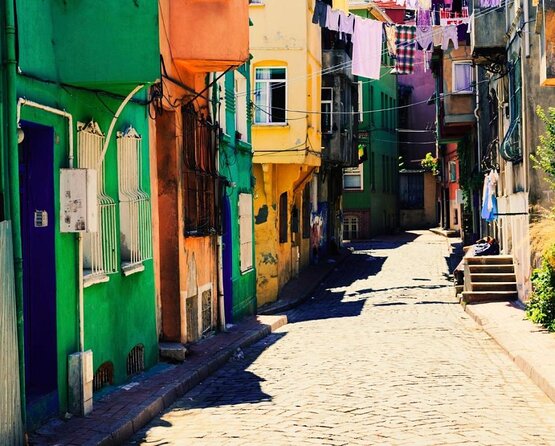
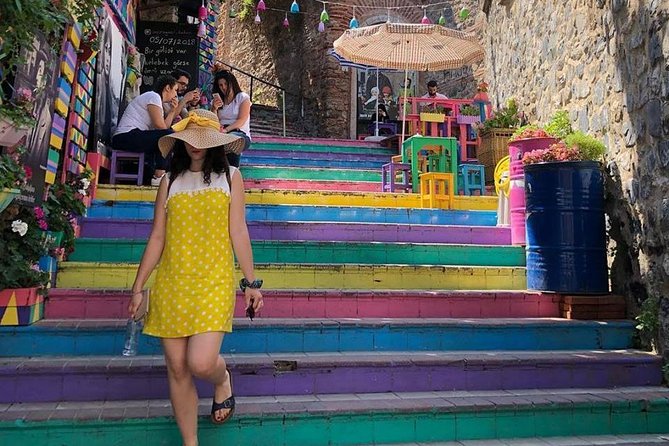
- Balat’s colorful steps and houses that make for great street-level photos
- A Golden Horn (Halic) walk with history tied to the fall of Constantinople
- A visit to the Bulgarian Orthodox Church, giving more depth beyond the main sights
- Tea time at Pierre Loti, often described as a highlight with major viewpoints
- Small group size (up to 10), so the guide can adjust the flow
Why Fener and Balat feels like a different Istanbul
Most first-time Istanbul days are built around a few big landmarks. This tour changes the angle. You spend your afternoon in the old western historic area, close to where the old city walls sit, and you get a guided sense of how people lived there through centuries.
The neighborhoods here connect Greek Orthodox, Jewish, and Ottoman-era life in the same tight geography. You don’t just see buildings. You walk past residences and street scenes where everyday Istanbul continues, even when the architecture tells older stories.
And it’s not all “look and move on.” The pace usually includes time to pause, take photos, and step into a calm moment like tea at Pierre Loti. If you’ve ever felt rushed by major-sight tours, this one tends to feel more human.
You can also read our reviews of more tours and experiences in Istanbul.

Timing, meeting point, and the pace you should expect
The tour runs about 3 hours, starting at 2:00 pm. It begins at İtimat Fabrika Satış YeriRüstem Paşa, Avrupa Yakası, 34116 Fatih/İstanbul, Türkiye, and it ends back at the same meeting point.
This is a walking tour, and the terrain shows it. You’ll go up and down hills and through narrow lanes, including the stair-heavy streets that Balat is famous for. One common tip from people who did it: plan for about 11,000 steps for the tour itself, then add whatever you do afterward.
That pace also affects photography. It’s not the kind of walk where you can take unlimited time framing every corner. You’ll still get great shots, but you’ll want to move with the group and rely on the guide’s timing for the best angles.
Stop 1: Fener Rum Patrikhanesi and the Greek thread in Istanbul
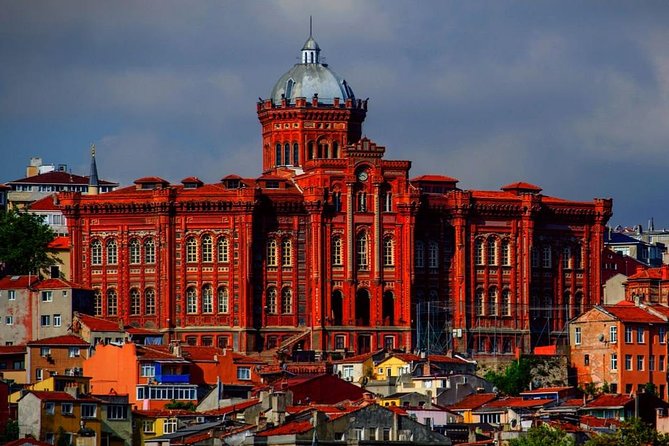
You start at Fener Rum Patrikhanesi, which gives the tour its “why this neighborhood exists” anchor. Fener is strongly tied to the Greek Orthodox community, and being here first helps you understand what you’re looking at when you move into Balat and the surrounding streets.
What I like about leading with a place like this is that it sets expectations. You’ll notice details on the next streets differently, because you have a starting point for the cultural and religious landscape. Several guides associated with this tour (names you might hear include Salih, Omar/Omer, and Önder) tend to connect architecture and neighborhood life with the bigger historical shifts that shaped Istanbul.
If you prefer context over trivia, this first stop tends to pay off later during the Golden Horn walk.
Balat: colorful streets and centuries of shared neighborhoods
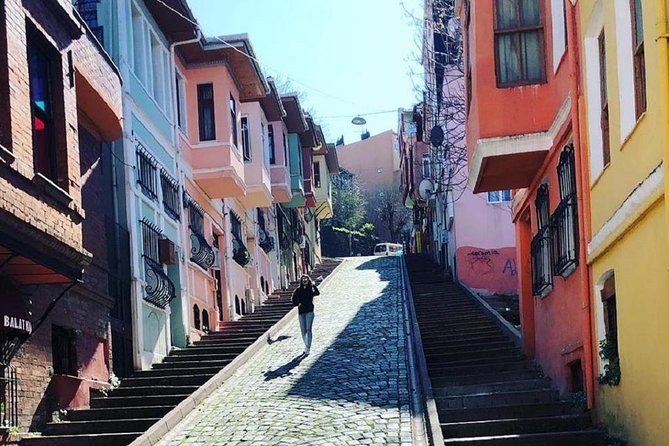
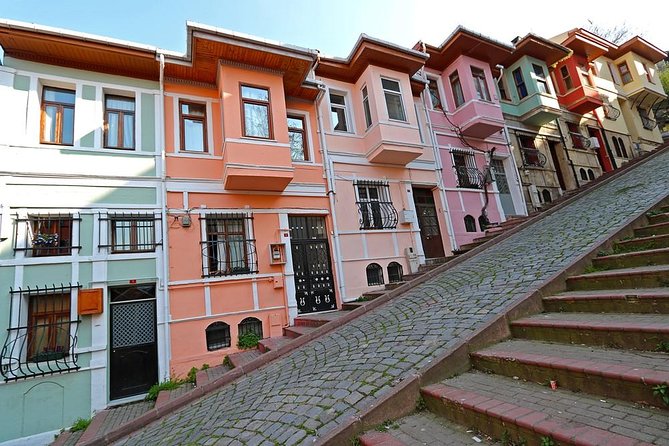
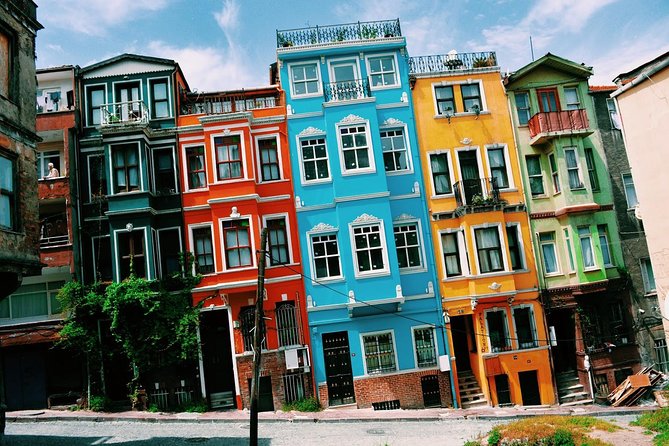
Then you head into Balat, one of the main reasons people book this tour in the first place. Balat’s appeal is practical: it’s a walking neighborhood with visible layers. You see colorful facades, distinctive steps, and the kind of street texture that feels like you’re watching the city work.
Just as important as the looks is the story behind them. The tour focuses on the coexistence of Jews, Christians, and Muslims in the same area over time. That doesn’t mean you’ll find one single “perfect symbol” for that story. Instead, you see it in how communities shaped daily life, how buildings changed across centuries, and how Ottoman-era and Byzantine-era influences sit alongside more recent touches.
People often call out the neighborhood feel as the best part: not a staged promenade, but real residential streets. You also get photo opportunities, including the stair streets and color-heavy corners that make Balat feel cinematic.
One practical note: if you’re sensitive to steep walking, Balat’s steps and slopes are the main reason. Bring shoes with grip, especially if the pavement is wet.
Halic and the Golden Horn walk: where the lesson connects to the view
Next comes Halic, tied to the Golden Horn. This is where the tour shifts from “neighborhood storytelling” into “city-scale geography.”
You’ll walk along the Golden Horn area and get a history lesson connected to the fall of Constantinople. The guide’s goal here isn’t just names and dates. It’s helping you understand why this waterway mattered, how it shaped movement and trade, and how the city’s power shifts show up in the surrounding landscape.
If you’re the type of person who loves looking at a big viewpoint and then learning why it matters, this section is for you. One of the most common “I’m glad we did this” moments is the feeling that the Golden Horn is not just scenery. It’s a thread that explains a lot of Istanbul.
And yes, the Golden Horn also sets up the food-and-drink moments later. Some guides include a ferry ride, and people mention enjoying warm drinks like sahlep during the ride when the weather is cool.






Stop 4: Bulgarian Orthodox Church and the architecture you might miss
The tour includes a stop at the Bulgarian Orthodox Church. This is one of those moments where the neighborhood tour becomes more than a street walk.
Religious buildings like this help you read the city’s layers. You’ll notice how styles and community identities express themselves in stone, layout, and the way the church sits within the surrounding streets. Even if you’re not a church-detail person, it helps you understand that Fener and Balat weren’t “one culture only.” They were shaped by multiple communities living close enough to influence each other.
People who did the tour highlight this as a standout moment. It also tends to give you a break from walking intensity, even if you still move afterward.
Pierre Loti café: tea with a viewpoint you can’t fake
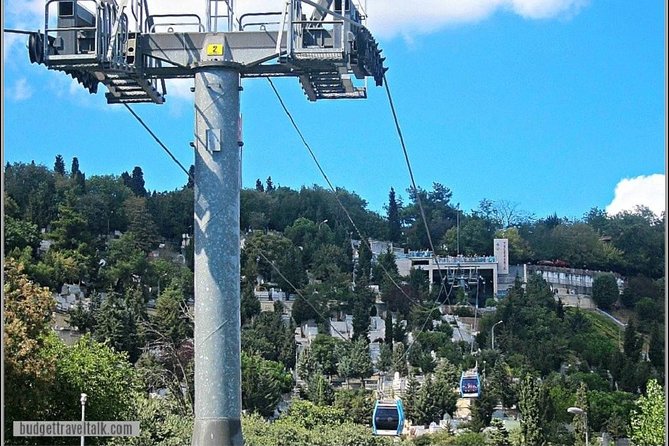
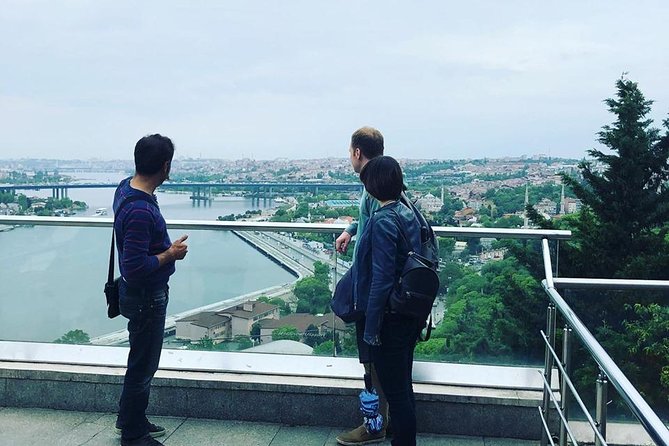
Near the end, you’ll reach Pierre Loti and the famous café stop. This is where many people say the tour becomes memorable in a simple way: a cup of tea, a view, and time to slow down.
The viewpoint matters. You’re up on a hill with a look over the Golden Horn area, and the guide usually explains what you’re seeing while you’re there. People mention Çay as part of this moment, and some call it their favorite part of the whole afternoon.
It’s also a useful mental reset. You’ve walked through dense streets, steep steps, and multiple religious sites. Then suddenly you’re looking out over water and city geometry. That contrast is the “I get Istanbul now” feeling.
Some guides also help with small practical extras around this time. One person’s experience included guidance for public transport after the tour on the Karaköy side, which can matter if you’re staying across the Bosphorus or farther down the line.
Public transport tips you’ll actually use after the walk
A strong part of this tour is that it doesn’t just show you where to go. It helps you get there.
The tour runs through areas where public transport is the real key. You’ll get tips that make the city easier to navigate, including tram guidance and advice for continuing your sightseeing plan afterward. Several people mention that the guide explained how to use tram tickets and how to move efficiently, which is especially helpful if it’s your first day in Istanbul.
If you like self-guided exploring after a guided intro, this works well. You get the context during the tour, then you can use the transit tips to come back for longer time in the places that you liked most.
The guide makes or breaks the experience (and this tour has strong ones)
This tour shines when your guide can connect architecture, daily life, and historical shifts into one clear story.
From the experiences shared, the guides associated with this tour often set a relaxed tone. Names you might hear include Salih, Omar/Omer, Önder/Onder, Burak, and Barak. Many people praised English ability, humor, and the way guides handled pacing and small adjustments.
One very useful skill you’ll see in the better guides: flexibility. In one case, the plan expanded to include an additional church stop when someone expressed interest. That kind of responsiveness is rare on scripted tours.
Still, here’s the fair consideration: if your English is limited, or if your guide’s English doesn’t match your needs, you might miss some of the Ottoman-era and minority-community context. One review mentioned a language barrier affecting enjoyment. So if discussion and explanations are your main goal, it’s worth going in with patience and expecting it to be a walking conversation rather than a lecture you can fully pause and rewind.
What’s the value of a $60.34 price tag?
At $60.34 per person, you’re paying for more than a route. You’re paying for:
- a small group (max 10) that keeps the walk manageable,
- guided stops at multiple meaningful sites (including Fener Rum Patrikhanesi and the Bulgarian Orthodox Church),
- Golden Horn area context that turns views into understanding,
- and practical local help with public transport, plus food-and-drink breaks like tea.
This can feel pricey if you only want photos. But if you’re the type who wants Istanbul to make sense—why these neighborhoods exist, how communities coexisted, and what you should do next—this price usually lands as fair value.
Also, some people reported that on quieter dates the tour felt closer to private, meaning you get more attention and flexibility. Because the group size is capped and often small, that’s part of the value.
Who should book, and who might want a different afternoon
This tour fits best if you like:
- neighborhood walking where you can see real street life,
- history tied to places, not just a list of landmarks,
- and a slow-to-casual rhythm with tea and a viewpoint break.
You should also book it early in your trip if you want transit help and a map in your head after only half a day. One person even did it first and said it set a high bar for the rest of their sightseeing.
If you have mobility limits, consider that the tour includes hills and stair-heavy sections in Balat. Most people can participate, but it’s not the best option for anyone who needs a very flat walking route or lots of sitting time.
Weather matters too. The experience runs in good conditions, and if it’s canceled due to poor weather, you’ll be offered a different date or a refund.
Should you book Fener and Balat?
I think you should book this tour if you want an Istanbul afternoon that feels less like a checklist and more like meeting the city. The combination of Fener Rum Patrikhanesi, Balat’s street colors, Golden Horn context, and Pierre Loti tea creates a full loop: heritage, daily life, a city-scale lesson, then a calm viewpoint reward.
Skip it if you hate hills, want a super relaxed pace for photography, or you’re hoping for a mostly indoor, low-walking experience. The walk is the point here.
If you book, do two things to set yourself up: wear grippy shoes, and treat it like a transit-and-neighborhood orientation you’ll build on later. You’ll leave with a better sense of where to go next, not just a pile of photos.
FAQ
How long is the Fener and Balat tour?
The tour lasts about 3 hours.
What time does it start, and where does it meet?
It starts at 2:00 pm. The meeting point is İtimat Fabrika Satış YeriRüstem Paşa, Avrupa Yakası, 34116 Fatih/İstanbul, Türkiye, and the tour ends back at the meeting point.
How big is the group?
The group size is capped at a maximum of 10 participants.
Is the tour offered in English?
Yes. The tour is offered in English.
Is public transportation nearby during the tour?
Yes. The meeting area is near public transportation, and the guide provides tips to help you use public transport for further sightseeing.
What is the cancellation policy?
Free cancellation is available. You can cancel up to 24 hours in advance for a full refund, and cancellations made less than 24 hours before the start time are not refunded.