REVIEW · ISTANBUL
Istanbul City Walk: Blue Mosque, Hagia Sophia & Basilica
Book on GetYourGuide →Operated by TOURMANIA · Bookable on GetYourGuide
Three monuments, one tight Sultanahmet loop. This is a 3-hour walk that links Byzantine and Ottoman Istanbul into one readable story, and you start with priority entry so you lose less time staring at ticket lines. I especially liked the small-group pace (it makes questions easier) and the way the guide points out the details you’d miss on your own. The main catch: it’s busy around these landmarks, so if the crowd noise spikes, you may need a bit of patience to catch every word.
You’ll meet in Sultanahmet near Alman Çeşmesi and move on foot between the sites, with a mix of guided time and short photo breaks. It’s also the kind of tour where you’ll feel prepared rather than rushed, because the guide gives you context before you step inside each building.
In This Review
- Key things I’d plan around
- Meeting at Alman Çeşmesi and getting oriented in Sultanahmet
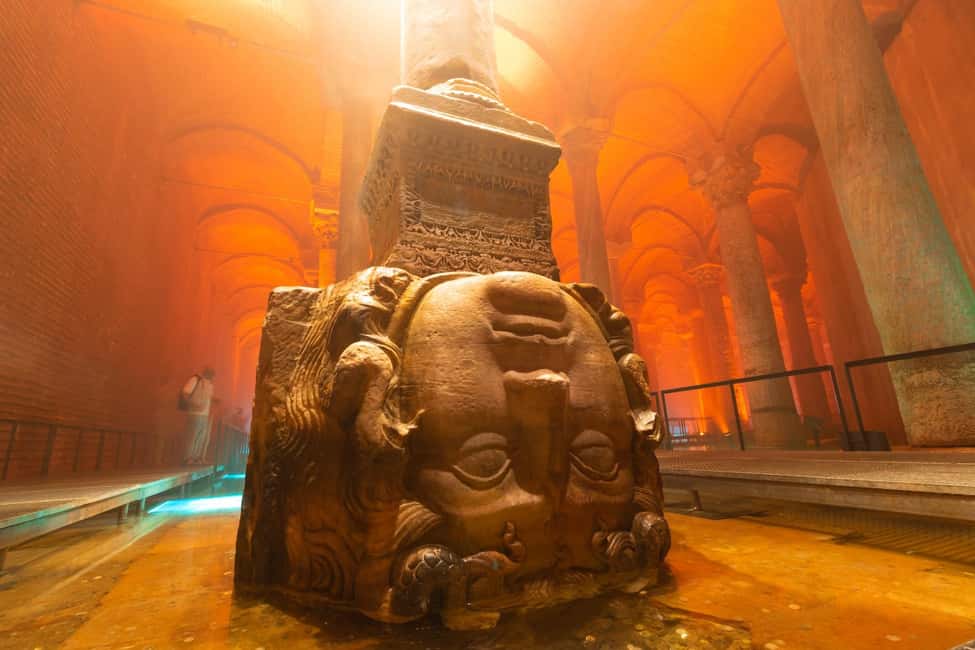
- Basilica Cistern: Subterranean Palace mood, Medusa heads, and the walking deck
- Hagia Sophia: why Ottomans turned a church into a mosque
- Blue Mosque (Sultan Ahmed Mosque): what to notice and what rules to follow
- Sultanahmet Square and the Hippodrome: the city’s daily-life spine
- Walking time, small group flow, and why $32 can make sense
- Guides and the difference a good storyteller makes
- What to bring (and what not to bring) so you don’t lose time
- Who this tour suits best (and who should choose another plan)
- Should you book this Istanbul City Walk?
- FAQ
- How long is the guided tour?
- Where does the tour meet?
- Is skip the line included?
- Is the tour walking only?
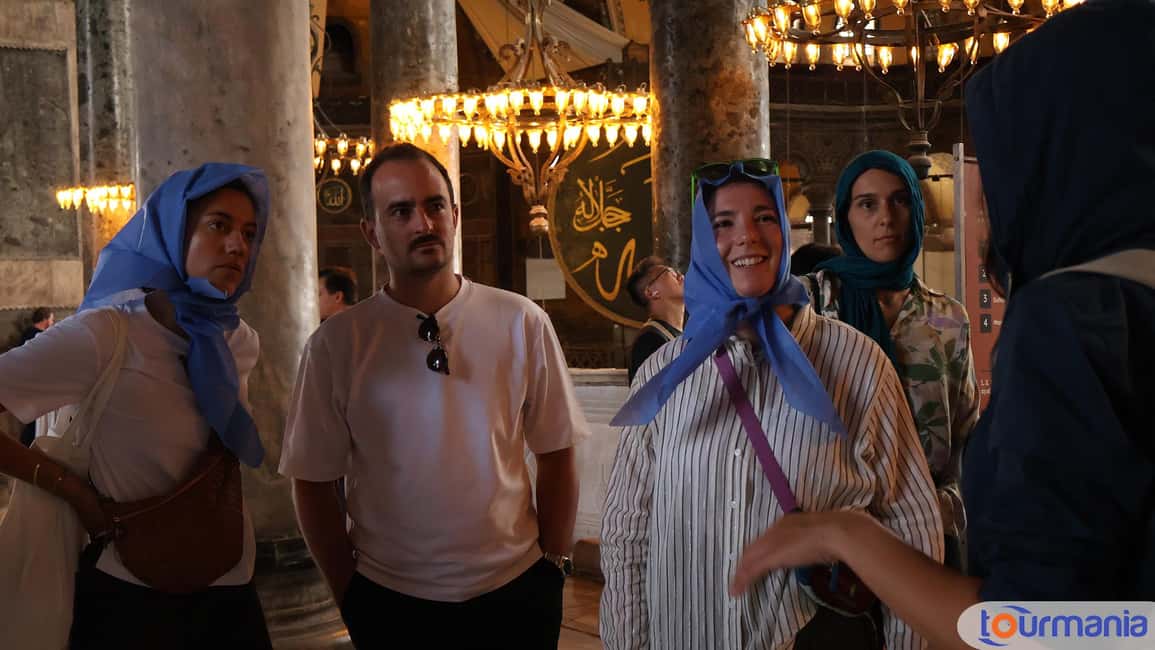
- Do I need a headscarf?
- What clothing is required for the Blue Mosque?
- Can I take photos with flash?
- What languages are available for the guide?
Key things I’d plan around
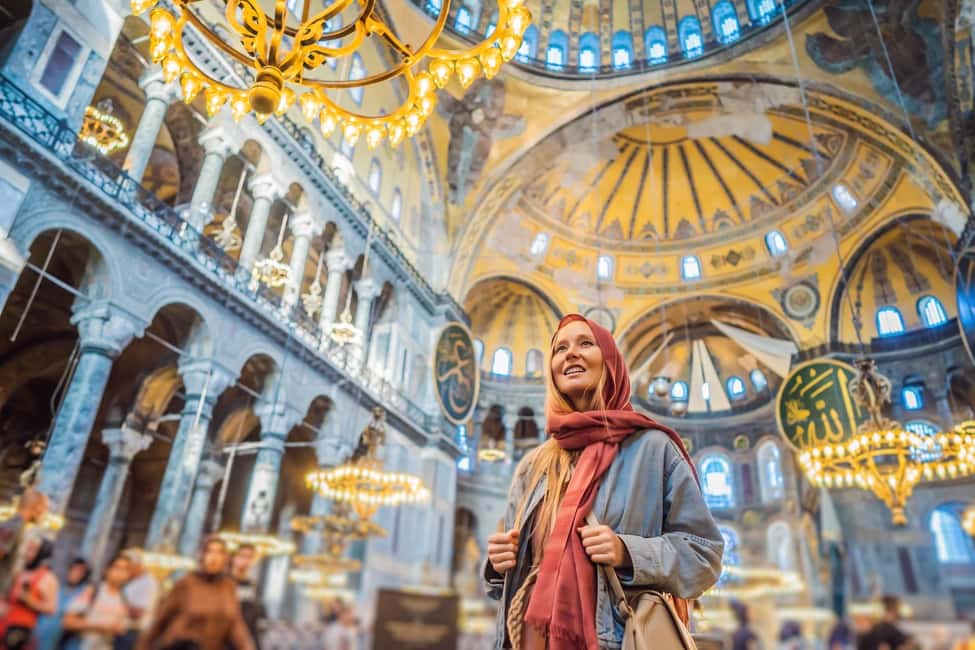
- Priority entry to Hagia Sophia to cut the longest lines at the ticket office
- Basilica Cistern’s wooden walkways over the water, plus the famous upside-down Medusa heads
- Layer-by-layer storytelling: Byzantine architecture and Ottoman changes, explained in plain language
- Sultanahmet’s in-between stops like Sultan Ahmed Mosque and Hippodrome context, not just door-to-door sightseeing
- Rules you must follow (headscarf for women at Hagia Sophia, modest dress at the Blue Mosque, no flash inside)
Meeting at Alman Çeşmesi and getting oriented in Sultanahmet
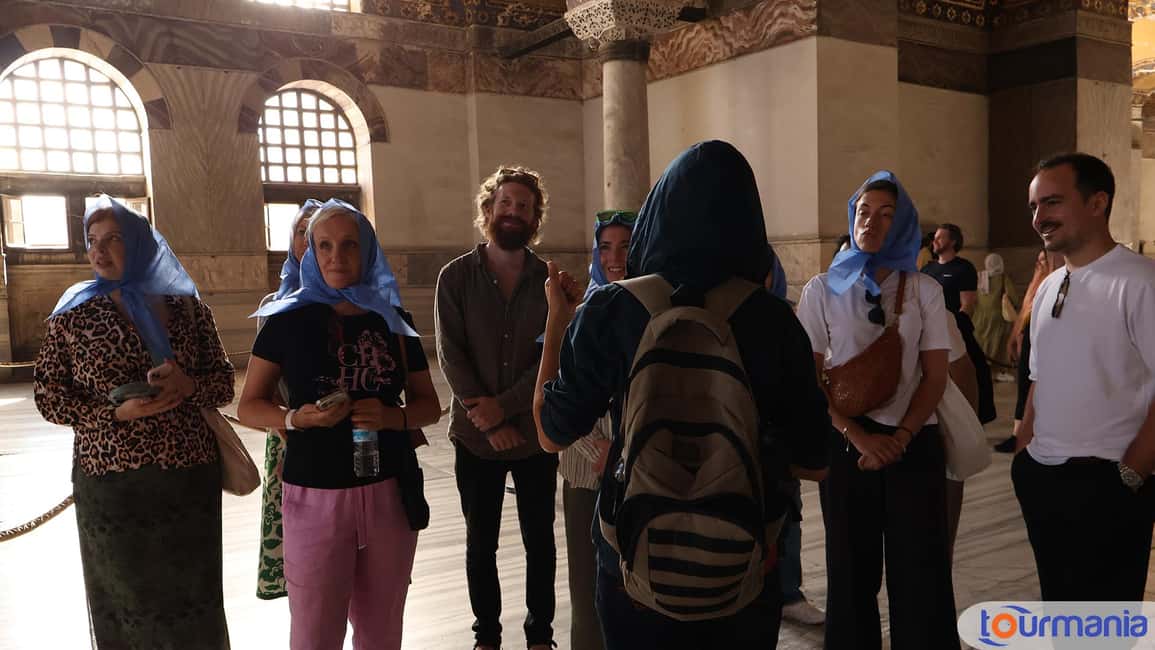
The whole experience starts with a meet-up in the Sultanahmet neighborhood at Alman Çeşmesi. Your guide holds a sign of Tourmania, so look for that first, then fall into line as a group. This matters more than it sounds: Sultanahmet can feel like a maze when you’re holding a map and trying to remember which gate is which.
Right away, the tour format sets you up for success. You don’t just sprint from one big photo spot to another. You get short, guided walking segments through the district, plus photo stops in the right places, so you can actually connect what you’re seeing to why it matters.
If you’re the type who likes to know what you’re walking toward—rather than just showing up—this is a good fit. You’ll leave with the mental framework to explore nearby streets on your own after the tour ends in Sultanahmet Square.
You can also read our reviews of more walking tours in Istanbul


Basilica Cistern: Subterranean Palace mood, Medusa heads, and the walking deck
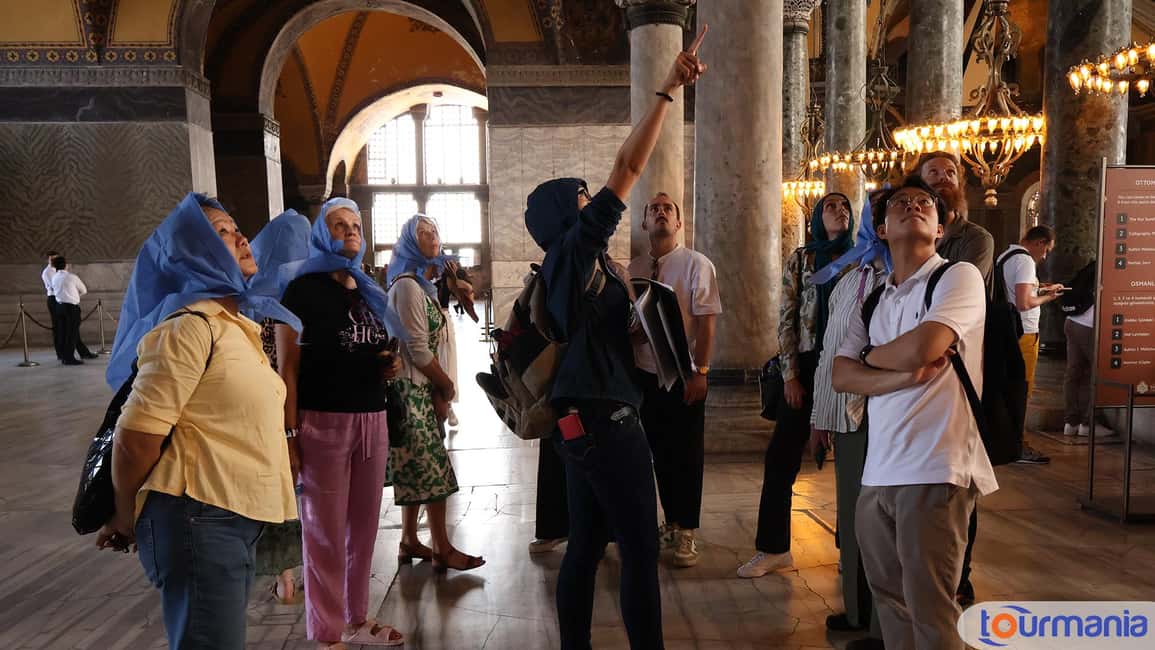
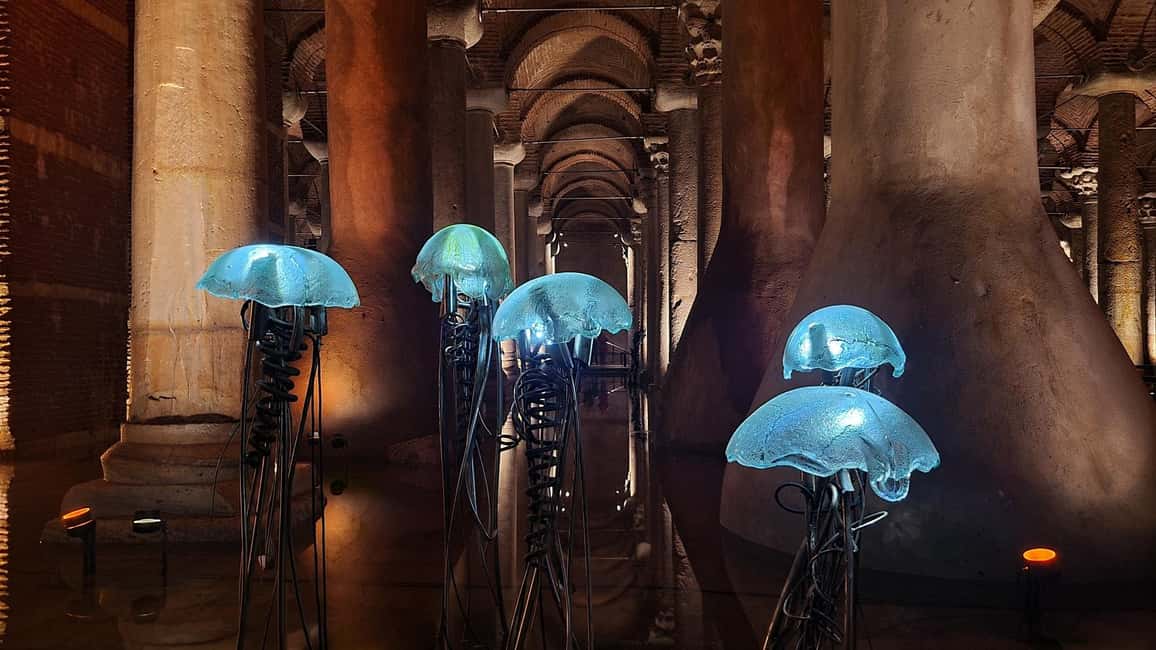
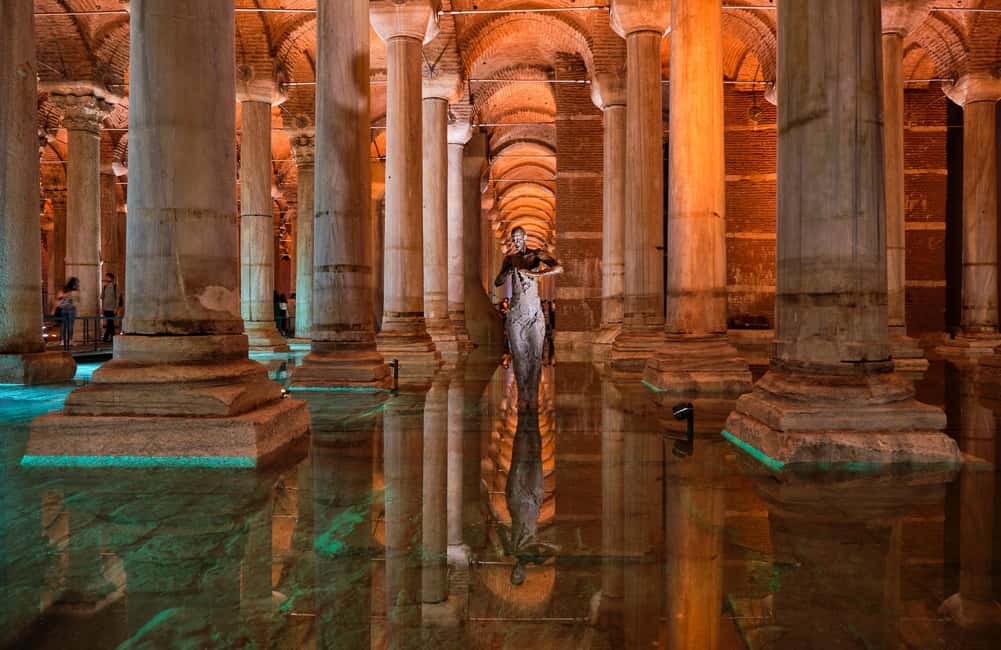
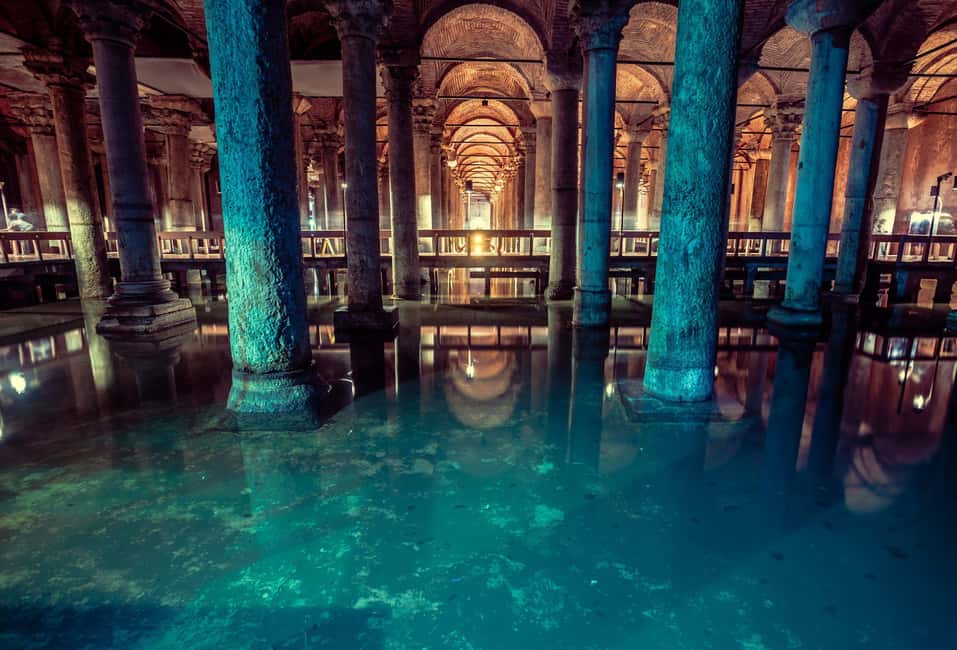
The tour begins at Basilica Cistern, also called the Subterranean Palace. Even before you get deep into explanations, you feel the setting change: you’re going from bright street life into an underground, cool, echo-heavy space.
What makes this stop worth your time is how the guide frames it. You don’t only see rows of columns—you learn why the design works, and how it connects to Byzantine engineering and architecture. The big visual moment is the wooden walkways over the water, which are exactly where you want to be if you’re hoping to understand the scale without soaking your shoes. From there, you can view the famous upside-down Medusa heads—and the guide’s pointing makes it easier to spot the right angles quickly.
Practical note: the cistern is underground, and that tends to mean a different kind of crowd noise and lighting. Bring your camera plans, but also be ready for a slower walk than you’d expect outdoors. This is a great first stop because it calms your nerves. You start with a place that rewards attention, not speed.
Hagia Sophia: why Ottomans turned a church into a mosque
After the cistern, you head to Hagia Sophia, with pre-reserved entry so you can skip the longest ticket office lines. That time-saver is a big part of the value here. Hagia Sophia is the kind of site where arriving late—or arriving after a line crush—can flatten the experience. Priority entry helps you arrive with energy still intact.
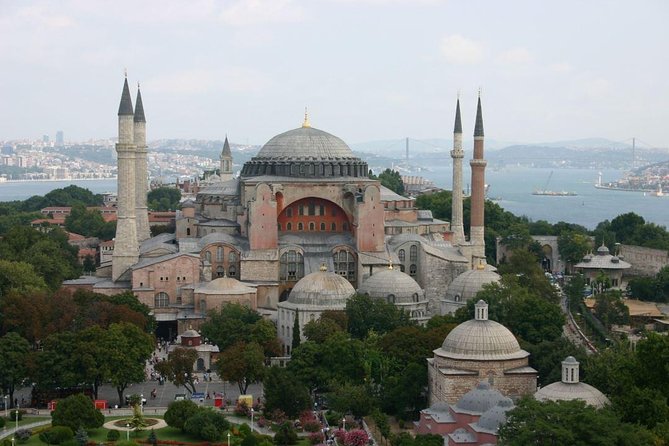
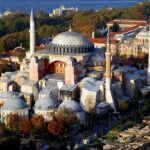
Inside, expect the guide to walk you through the building as a historical layer-cake. You’ll hear how Hagia Sophia was a major Greek Orthodox religious site, and how it was converted into a mosque after the Ottoman conquest of Constantinople. That conversion isn’t presented as a trivia fact—it’s explained as a process that changed what visitors would notice and how space would be used.
The interior highlights you’ll likely be shown include:
- the massive dome and soaring interior scale
- minarets, countless mosaics, and paintings
- Roman columns, which connect the structure to older Mediterranean building traditions
One of the most interesting segments is the discussion about ornamentation over time. You’ll also learn about how İznik tiles were added gradually, and you’ll be pointed to the Virgin Mary mosaic (the guide helps you locate what matters fast, instead of wandering).
And yes, you’ll get context on Ottoman choices too. The tour includes an explanation of why the Ottomans chose to bury their sultans in the courtyard, which adds a different layer to the site—less museum, more lived-in importance.
Blue Mosque (Sultan Ahmed Mosque): what to notice and what rules to follow
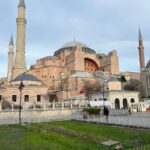
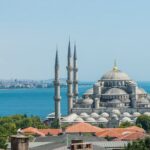
Next comes Sultan Ahmed Mosque, the Blue Mosque. This is an active place of worship, so you may need to wait outside during prayer times. Plan for that possibility. If you treat the visit like a strict schedule, it can feel annoying. If you treat it like part of the experience of visiting an operating religious site, it’s easier.
The guide’s job here is to help you slow down at the right points. Two visual categories get emphasized:
- İznik tiles, which create that signature color-and-pattern effect
- the Virgin Mary mosaic as part of the building’s layered story (the tour is set up to point it out clearly)
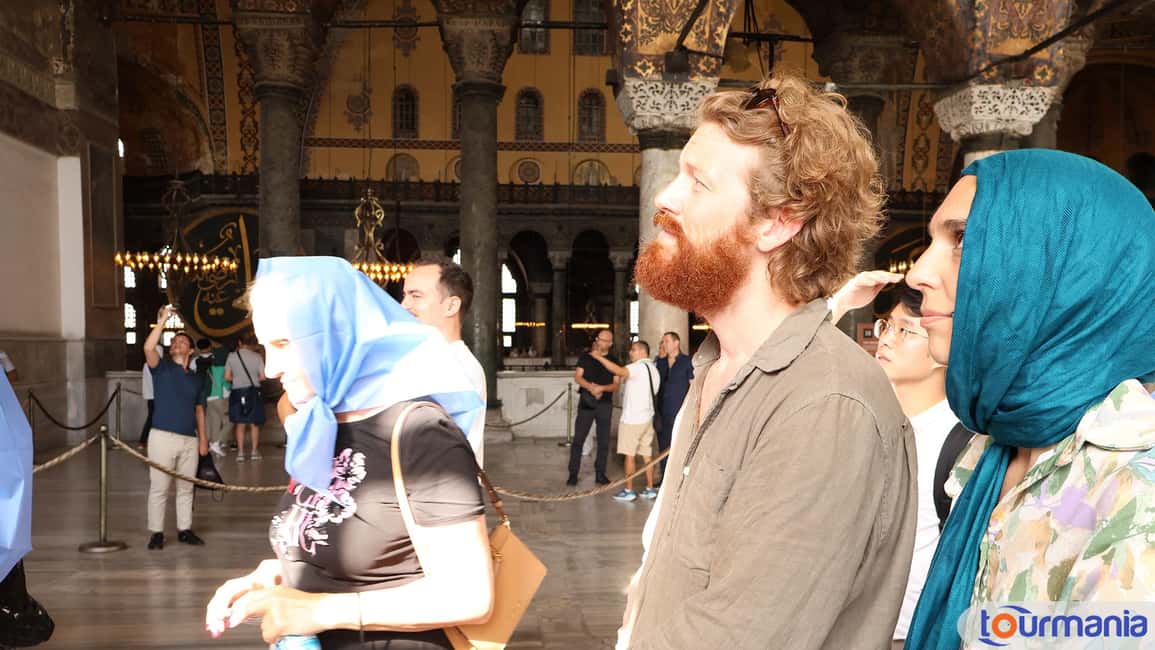
In terms of what you can’t ignore: dress code. The tour data is explicit about this. Shorts and short skirts aren’t suitable, and modest dress is required for entry. Inside Hagia Sophia, there’s also a headscarf requirement for women. Even if you think you’re prepared, it’s worth double-checking your outfit before you leave the hotel area.
Also note the photo rules. Flash photography isn’t allowed inside Hagia Sophia and the Blue Mosque. That affects how you’ll shoot, especially on darker interior corners.
Sultanahmet Square and the Hippodrome: the city’s daily-life spine
Between the big interior moments, the tour weaves in outside context so you don’t just collect buildings—you understand the city layout that produced them.
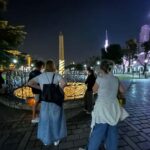
You’ll make stops for photo moments in Sultanahmet Square, and you’ll also walk through the Byzantine Hippodrome area learning about the obelisk monuments and why this space mattered day-to-day. Even if you’re not a Roman-byzantine-history fanatic, the explanation helps you see the spot as more than a photo backdrop. You learn how public monuments were part of routine urban life—politics, identity, and gathering all in one place.
This is the kind of section that’s easy to skip if you’re self-guided. The guide makes it more than a walk between attractions by tying it back to how empires staged power in public space.
You can also read our reviews of more city tours in Istanbul




Walking time, small group flow, and why $32 can make sense
The tour costs $32 per person and runs about 3 hours. For major Istanbul hits, that price only feels good if you’re also getting two things: good guidance and meaningful time savings.
You are getting both:
- A professional licensed guide
- small-group touring for a more personal feel
- priority admission to Hagia Sophia (and priority entry to the Basilica Cistern when that option is selected)
The big value isn’t that you’re paying to see the places. You’re paying to get the order right, the context right, and fewer friction points. Hagia Sophia is the classic example: skip the longest ticket office lines, and you protect your visit from becoming a waiting game.
And the “small-group” part matters in a city like this. Crowd control is hard. When your group is smaller, it’s easier to stay together and it’s easier for the guide to adapt if someone needs extra time at a doorway or photo stop.
Guides and the difference a good storyteller makes
A lot of the praise in the experience focuses on one thing: the guides. People describe them as attentive to keeping the group together and answering questions clearly, with strong command of dates and how the buildings changed over time.
You’ll hear names like Emre, Hussein, Deniz, John, Fatih, Con, Beritan, Taha, and Hassan in the guide stories. That’s useful as a signal: the tour isn’t just “follow the person.” It’s built around guides who can explain the layers—Byzantine to Ottoman—without turning the whole thing into a lecture.
That said, there’s one realistic issue with big sites: noise. One reminder that came up is that crowds can make it hard to hear at peak times, especially at meeting points or busy stretches. If your tour includes audio equipment, it helps, but still arrive with the mindset that Istanbul on a good day is loud.
What to bring (and what not to bring) so you don’t lose time
This tour is straightforward, but the rules inside matter. Here’s what you should bring and plan for:
- Comfortable shoes (this is moderate walking, and you’ll be on decks and through interior spaces)
- Water, sunscreen, and a sun hat if it’s sunny
- A camera if you like to document details
- A headscarf if you need one for Hagia Sophia entry
- Plan for weather changes: you might want layers even if it starts warm
What to avoid:
- Shorts and short skirts
- Flash photography inside Hagia Sophia and the Blue Mosque
- Backpacks, large bags, and large umbrellas inside Hagia Sophia and the Blue Mosque (security rules)
If you show up underpacked and dressed correctly, you’ll feel the tour is much smoother. If you arrive with a bulky bag or the wrong outfit, you’ll burn time sorting it out at the entrance.
Who this tour suits best (and who should choose another plan)
This one works best for first-timers or for anyone who wants the “big monuments” with context, not just quick snapshots.
It’s also a good match if you:
- like small-group walking tours
- want to understand Ottoman and Byzantine transitions
- prefer guided direction so you don’t waste time figuring out what to look for first
On the other hand, it’s not a great fit if you have:
- claustrophobia (important in enclosed interior spaces and underground areas)
- back problems or mobility limitations (the tour is not wheelchair accessible)
- a strong need to minimize walking
Pregnant visitors should consider the walking amount before booking. And if you’re traveling with very young kids, be aware the route may feel challenging for children under 5.
Should you book this Istanbul City Walk?
If you only have a short time in Istanbul and want your highlights connected by a story, I think this is a solid choice. Priority entry to Hagia Sophia plus a guided run through Basilica Cistern and Sultan Ahmed Mosque is the right kind of efficiency for $32, especially when you factor in the licensed guide and small-group pacing.
Book it if you want more than photos. You want to understand why the buildings look the way they do, how Ottomans and Byzantines left their marks, and what details matter most inside.
Skip it (or at least shop around) if you hate crowds, struggle with hearing in busy spaces, or you need a low-walking plan. Also, if you’re sensitive to enclosed places, take the cistern and indoor areas seriously before committing.
If you’re in the “I want the main sites plus context” camp, this is the kind of tour that helps you fall into Istanbul faster—and then explore the streets with confidence after the 3 hours are done.
FAQ
How long is the guided tour?
The tour duration is listed as 3 hours.
Where does the tour meet?
The meeting point is at Alman Çeşmesi, and the guide will be holding a sign of Tourmania.
Is skip the line included?
Priority admission tickets are included for Hagia Sophia, and priority admission tickets for the Basilica Cistern are included if the option is selected.
Is the tour walking only?
Yes, it is a walking tour of nearby monuments, and it is not wheelchair accessible.
Do I need a headscarf?
The tour information says a headscarf is required for women when visiting the Hagia Sophia Mosque.
What clothing is required for the Blue Mosque?
Modest dress is required for the Blue Mosque. Shorts and short skirts are not suitable.
Can I take photos with flash?
Flash photography is not allowed inside Hagia Sophia and the Blue Mosque.
What languages are available for the guide?
The guide language options include English, German, Russian, French, Italian, Arabic, Portuguese, and Spanish.