REVIEW · ISTANBUL
Turkish and Islamic Arts Museum: Entry Ticket & Audio Guide
Book on GetYourGuide →Operated by Istanbul Tourist Pass® · Bookable on GetYourGuide
Carpets and manuscripts under one roof. This ticket gets you into the Turkish and Islamic Arts Museum in the Ibrahim Pasha Palace, right by Sultanahmet Square, plus an audio guide offered in 25 languages. I especially like how the galleries let you focus at your own pace, and how the collection moves from carpets and calligraphy to ceramics, glass, metalwork, and wooden objects.
One practical thing to weigh: you can skip the ticket line with your QR codes, but you cannot skip security, and there can be an entrance line. Also, an audio-guide hiccup can happen if your download is delayed on the day you visit, so give yourself time to get the link working before you’re inside.
In This Review
- Key Highlights You’ll Actually Care About
- Ibrahim Pasha Palace Setting in Sultanahmet Square
- Getting In Fast: QR Ticket, Security Lines, and Entrance Waits
- The Audio Guide in 25 Languages: How to Use It Without Headaches
- Carpoint: Carpets and Rugs as the Museum’s Main Attraction
- Manuscripts, Calligraphy, and Arts in Wood, Metal, Glass, and Ceramics
- Religious Relics: Beard Fragment and a Footprint
- Price and Value for a 1-Day Museum Stop at $28
- Getting There From Both Sides of Istanbul
- Who This Museum Ticket Works Best For
- Should You Book This Turkish and Islamic Arts Museum Ticket?
- FAQ
- Where is the Turkish and Islamic Arts Museum?
- How much does the ticket cost?
- How long is the experience?
- Is an audio guide included, and what languages are available?
- Can I skip security lines with the QR ticket?
- What do I receive after booking, and how do I get it?
- Is a guided tour included?
Key Highlights You’ll Actually Care About
- Ibrahim Pasha Palace location: museum is in a major 16th-century landmark in Sultanahmet Square.
- Skip-the-line QR entry: helpful when you’re dealing with crowd flow around Blue Mosque.
- Audio guide in 25 languages: English included, plus many others like Persian, Arabic, Russian, Japanese, and Urdu.
- Carpets as a main event: see Seljuk and Ottoman styles in one place, up close.
- Religious relics beyond art: fragments like the Prophet Muhammad’s beard and a footprint are part of the collection.
- No guided tour included: you’ll rely on the audio guide and your own pace.
Ibrahim Pasha Palace Setting in Sultanahmet Square

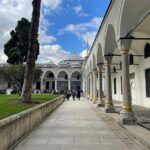
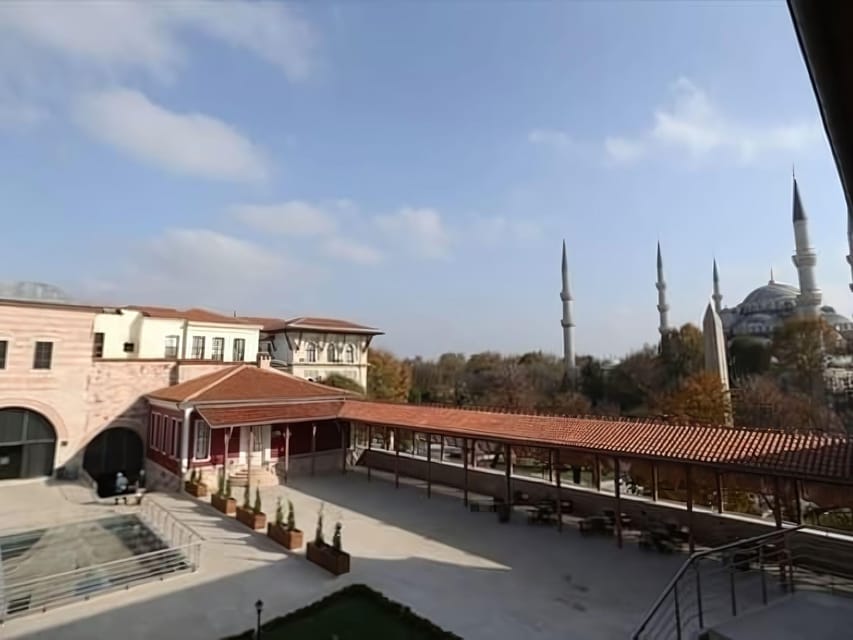
The Turkish and Islamic Arts Museum is located in Sultanahmet Square, very close to the Blue Mosque in Istanbul’s Fatih district. That matters because you’re not traveling across town to find it—you’re already in the heart of the historic zone where most sights are walkable or one short ride away.
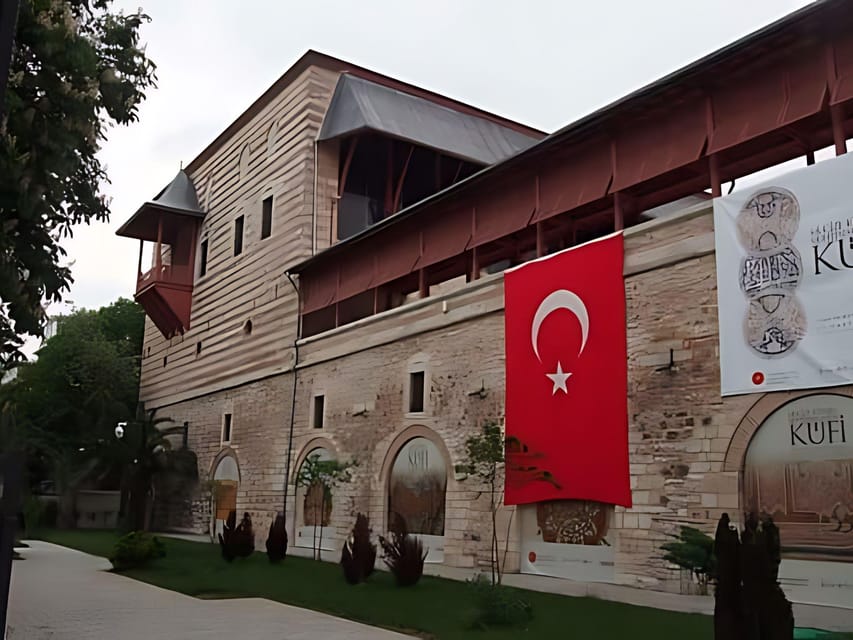
The museum itself sits inside the Ibrahim Pasha Palace, a famous 16th-century building. Even before you get to the objects, the setting helps you understand why these works were valued in daily life and in court culture. You’re not just looking at art behind glass. You’re looking at art in a building with the kind of atmosphere that makes people slow down and pay attention.
If your goal is a focused museum day near the classics—Hagia Sophia area, Blue Mosque area—this is a straightforward add-on that still feels like its own experience.
A few more Istanbul tours and experiences worth a look


Getting In Fast: QR Ticket, Security Lines, and Entrance Waits
This entry option uses QR codes that help you skip the ticket line. That’s a real advantage in Sultanahmet, where lines can form at almost every popular stop.
But here’s the key catch: you cannot skip security lines, and there can be a line at the entrance that’s mandatory for all visitors. So if you’re the type who hates even a short delay, plan to arrive when you’re not rushed. Think of this as a “time-saved, not time-zero” situation.
You’ll receive both your entry ticket QR codes and your audio guide link via separate email messages from the supplier Istanbul Tourist Pass. Practically, I recommend you treat your inbox like part of your museum checklist. The goal is simple: you want the QR code ready on your phone and the audio guide link ready before you’re standing in front of turnstiles.
The Audio Guide in 25 Languages: How to Use It Without Headaches
The audio guide is included, and it’s available in 25 languages, including English, German, Russian, Persian, Arabic, French, Italian, Chinese, Dutch, Spanish, Hindi, Romanian, Ukrainian, Korean, Turkish, Bulgarian, Polish, Swedish, Japanese, Indonesian, Greek, Hungarian, Portuguese, and Urdu.
That language range is more than a marketing detail. It changes how much you get out of the museum. Islamic art often rewards careful observation—patterns, scripts, materials, and regional styles—and hearing what you’re seeing in a language you truly understand makes the objects feel more alive.
Now, the practical warning: one verified experience report described trouble downloading the audio guide on the day of entry due to Apple security blocking the process. The visitor tried a workaround but ended up without WiFi at the museum and couldn’t use the guide there. The takeaway for you is to avoid same-day stress. If you can, download or open your audio guide link before you head out. Bring headphones and make sure your phone can access the guide without surprises.
Carpoint: Carpets and Rugs as the Museum’s Main Attraction
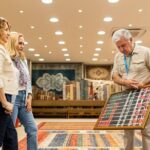
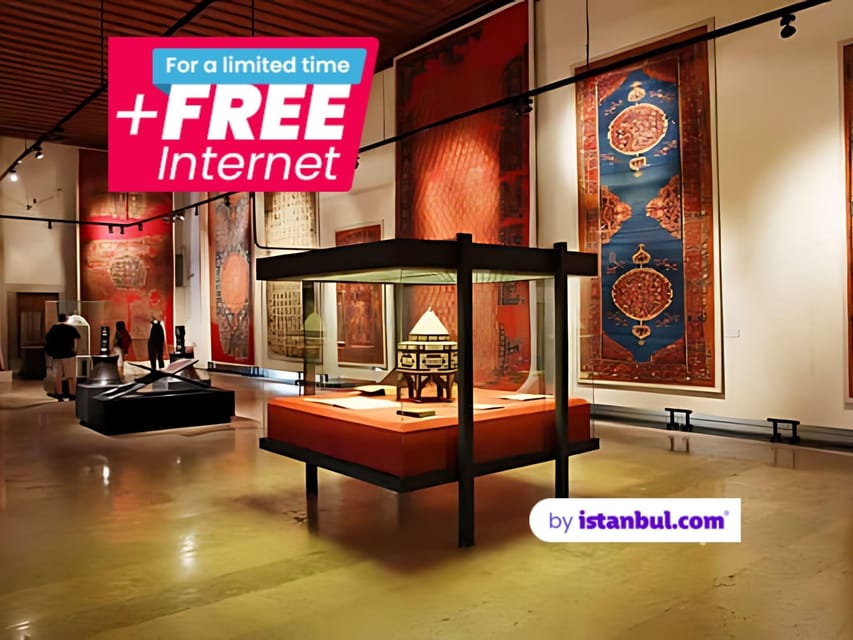
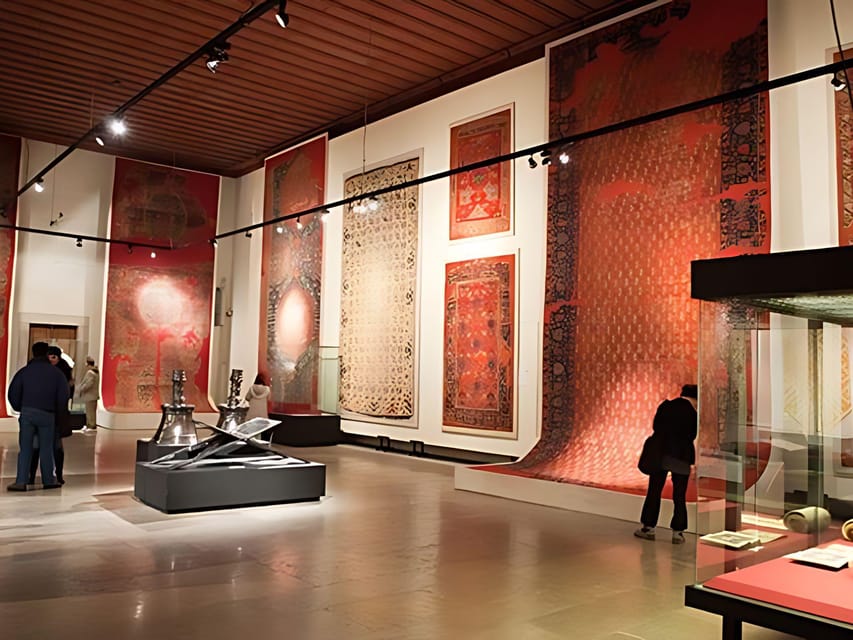
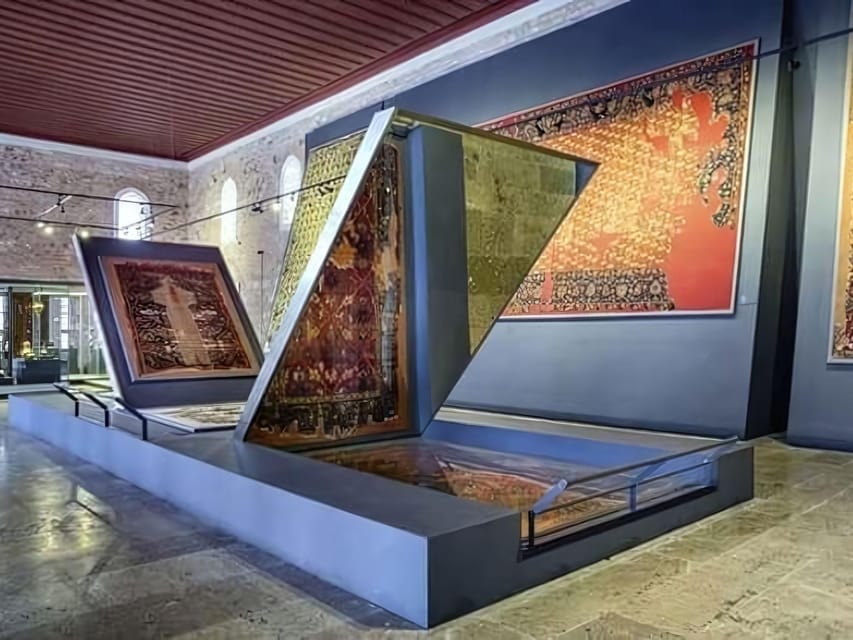
If you like design, this is the section that will grab you first. The museum has a strong collection of carpets and rugs, with intricate patterns, strong color combinations, and styles that show how Islamic artisans developed and shared ideas across centuries.
You’ll see examples spanning different periods, including Seljuk-style influences and Ottoman masterpieces. The useful part for you is that these carpets are not just pretty. They’re a visual map of taste, symbolism, and technique—how motifs repeat, how borders frame a composition, and how materials are used to make a pattern read clearly.
This is also a great “slow looking” gallery. With an audio guide, you can pause on one rug long enough to understand what makes it special, instead of rushing because you’re on a schedule.
If you’re only going to spend limited time, I’d prioritize the carpet displays first. They set the tone for the rest of the museum.
Manuscripts, Calligraphy, and Arts in Wood, Metal, Glass, and Ceramics
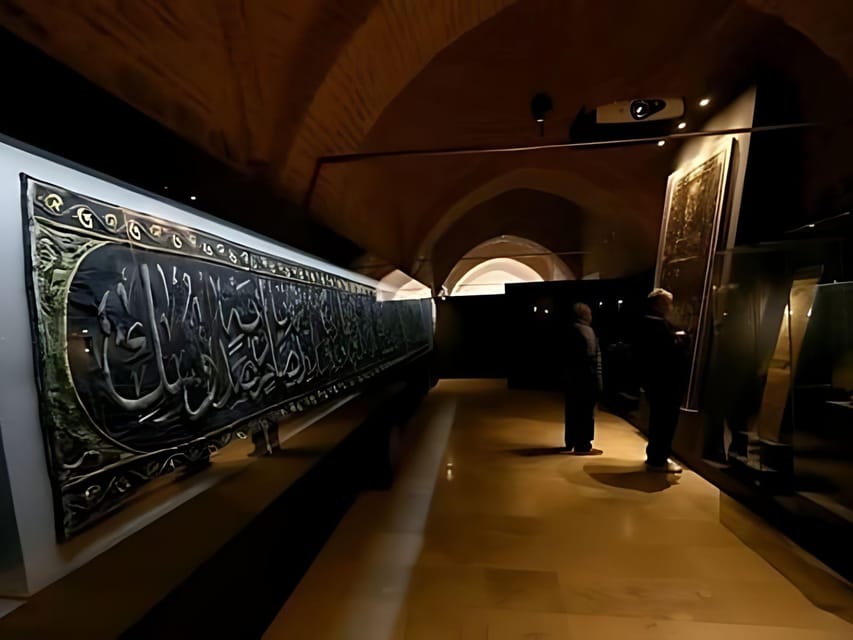
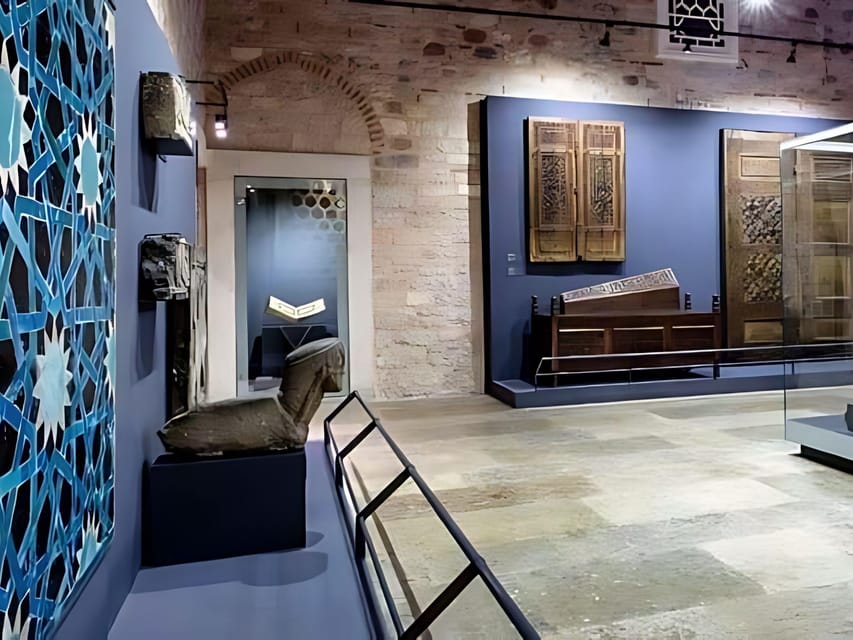
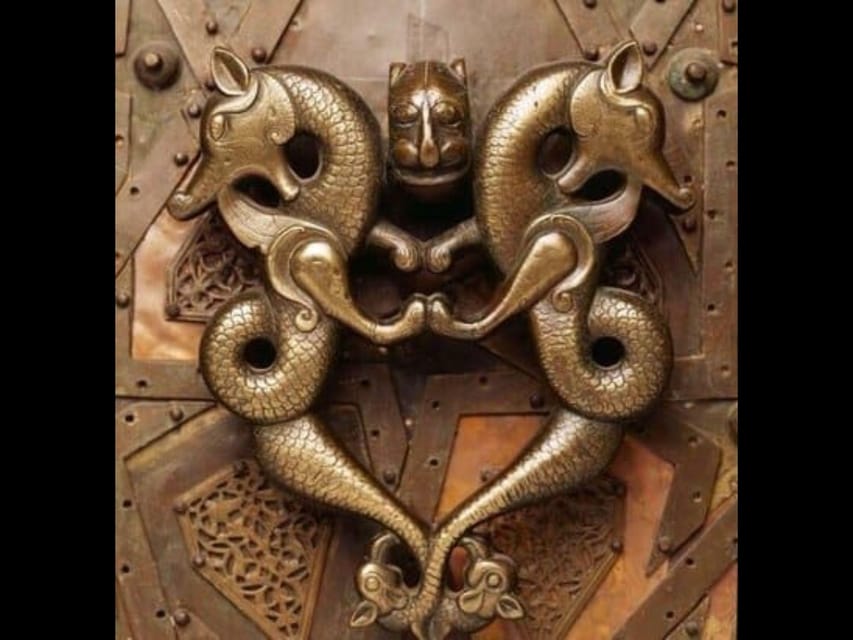
After the textiles, the museum expands into the broader visual language of Islamic art. You can expect sections that focus on calligraphy, ceramics, glasswork, and metalwork, plus other objects that include wooden relics.
Why this matters: these categories help you see that Islamic art wasn’t a single style. It was a set of crafts connected by shared design principles. Calligraphy, for example, changes how you read the page or panel—letters become ornament, and meaning blends with form. Ceramics and glass show how artists handled surface and color. Metalwork often reflects both function and decoration, where precision craftsmanship does the talking.
The museum’s variety makes it easier to personalize your visit. You can spend most of your time on materials that interest you, and you don’t have to be a specialist in history to enjoy it. The audio guide helps connect the object to context, so you’re not just staring at a case—you’re learning what to look for.
You can also read our reviews of more guided tours in Istanbul




Religious Relics: Beard Fragment and a Footprint
One of the most talked-about parts of the collection is the set of religious relics. These include fragments connected to the Prophet Muhammad’s beard and a footprint.
Even if you’re not visiting for religious study, this section adds a different layer to the museum. It reminds you that Islamic art is not only decorative; it’s also tied to belief, devotion, and historical memory. Objects like these can carry strong emotional weight for many people, and they can also be meaningful artifacts of cultural history even for visitors who come from a different background.
Be prepared for the fact that this area may feel more solemn than the art-focused galleries. I’d treat it as a “slow, respectful” stop, and let the audio guide do part of the interpretive work so you don’t miss what makes each artifact significant.
Price and Value for a 1-Day Museum Stop at $28
The price is listed as $28 per person for a 1-day ticket. For that cost, you’re paying for entry plus an included audio guide in 25 languages.
That value is strongest if you’ll actually use the audio guide. If you’re the type who walks past objects without reading or listening, the audio guide inclusion won’t feel like much. But if you like context—materials, techniques, what period something belongs to—then $28 becomes a fair deal for a full cultural visit.
Also, this ticket doesn’t include a guided tour, and it doesn’t include transportation fees. So you’ll be responsible for getting yourself to Sultanahmet Square and for any local transit costs. The upside is that the museum location keeps things simple: you’re close to major sights, and transit options are straightforward.
Getting There From Both Sides of Istanbul
Getting to Sultanahmet is easy, and that’s a big plus for a museum visit where you want to stay flexible.
The most common route is the Kabatas–Bagcilar tramway, getting off at Sultanahmet station. From there, it’s a 5-minute walk to the museum area.
If you’re coming from the Asian side, you can use ferries to Eminonu from either Kadikoy or Uskudar, and then continue toward Sultanahmet from there.
The practical benefit of these directions: you can match your travel day to where you’re already staying. It’s not a complicated detour, and it helps you avoid the stress that often comes with “one more stop” in Istanbul.
Who This Museum Ticket Works Best For
This is ideal for you if:
- You want Turkish and Islamic art in one place without needing a guide escort.
- You enjoy carpets and decorative crafts and want context for how styles evolved.
- You like museums where you can move at your own pace and stop when something grabs your attention.
- You’ll actually use the audio guide to understand what you’re seeing.
You might want to reconsider if:
- You’re short on time and hate waiting at security and entrance lines.
- You plan to rely on last-minute audio-guide access and won’t give yourself time to test it before you arrive.
It’s a good pick for a first museum day in Sultanahmet Square, especially if you’re already spending time near the Blue Mosque.
Should You Book This Turkish and Islamic Arts Museum Ticket?
Book it if you want a museum that’s thoughtfully organized around major art forms—especially carpets—and you’re comfortable touring on your own with an audio guide in many languages. The Ibrahim Pasha Palace setting also adds atmosphere, and the QR ticket helps you avoid the worst of the ticket queue.
Skip (or postpone) if you tend to arrive and figure everything out in the moment. One verified experience highlighted a download problem tied to Apple security when a same-day plan didn’t work out, and WiFi was unavailable inside. If that sounds like you, do a quick check before you go: make sure the audio guide link is usable right away.
If you can handle that one planning step, this ticket is a solid value at $28 for a satisfying, culture-forward stop that’s easy to fit into an Istanbul classic-day route.
FAQ
Where is the Turkish and Islamic Arts Museum?
It’s in Sultanahmet Square, very close to the Blue Mosque, in Istanbul’s Fatih district.
How much does the ticket cost?
The entry ticket is $28 per person.
How long is the experience?
The duration is listed as 1 day.
Is an audio guide included, and what languages are available?
Yes. The audio guide is included and available in 25 languages, including English, German, Russian, Persian, Arabic, French, Italian, Chinese, Dutch, Spanish, Hindi, Romanian, Ukrainian, Korean, Turkish, Bulgarian, Polish, Swedish, Japanese, Indonesian, Greek, Hungarian, Portuguese, and Urdu.
Can I skip security lines with the QR ticket?
No. The info states it is not possible to skip security lines, even with the skip-the-line QR ticket.
What do I receive after booking, and how do I get it?
You receive both your entry ticket QR codes and your audio guide link via separate email messages from the supplier Istanbul Tourist Pass.
Is a guided tour included?
No. A guided tour is not included with this entry ticket.