REVIEW · ISTANBUL
Turkey Boutique 14-Day Private & Small-Group Guided Tour
Book on Viator →Operated by Small Group (Max. 10 Pax) & Private Tours in Turkey · Bookable on Viator
Turkey, mapped at a human pace. This 14-day boutique tour is built for people who want the big sights without spending days planning, with max 10 people in the group and most logistics handled for you. I like the included transport plus skip-the-line style entry so your time goes to seeing, not waiting. One watch-out: it’s a lot of moving between regions, with early starts and some long days.
You also get breaks to breathe. For example, you’re not locked into a timeline at every stop—you’ll have time to wander the Grand Bazaar and marketplaces on your own, then regroup when it’s time for the guided parts. St. Sophia is a good example of how modern rules affect the visit, since live guiding isn’t allowed there after Jan 15, 2024, so you’ll rely on headphones and signs.
This is a strong fit if you like guided context but still want freedom to wander. It’s also listed as family-friendly, but it still works best for people with moderate walking tolerance (think: ancient sites and uneven stone streets).
In This Review
- Key things I’d focus on before you book
- Istanbul’s top hits: Hippodrome, St. Sophia, Blue Mosque, Topkapi
- Basilica Cistern and the Spice Bazaar: early “wow” factor in a cooler setting
- Bosphorus on a public ferry: seeing two continents the honest way
- Flying into Cappadocia: valleys, cave hotels, and underground scale
- Devrent, Pasabag, Göreme: rock forms and Byzantine frescoes
- Three Sisters, Kaymakli Underground City, and Mustafapaşa’s Greek-town vibe
- Konya: Sultanhan Caravanserai and the Mevlana Museum
- Antalya’s Roman highlights: Perge, Aspendos, Kursunlu Waterfall
- Kekova on the water, Kas and Kaputaş: a Mediterranean change of tone
- Oludeniz swim time and Pamukkale’s white terraces
- Hierapolis and travertine terraces: the day you go from hot water to stone wonder
- Ephesus on foot: Roman streets, Terrace Houses, and Meryemana
- Izmir back to Istanbul, then home on Day 14
- Hotels, meals, and what $4,849 really buys you
- Who should take this 14-day Turkey tour (and who should skip it)
- Should you book this Turkey Boutique tour?
- FAQ
- How large is the group on this tour?
- Is pickup included in the tour?
- What’s included for accommodation and where will I stay?
- Are entrance fees included?
- Which domestic flights are included?
- What meals are included?
- What’s the situation with Hagia Sophia after January 15, 2024?
- What happens if I use the thermal pools at Pamukkale?
- What is the cancellation refund schedule?
Key things I’d focus on before you book
- Small group limit (10 max) keeps the day feeling more personal, especially for questions.
- St. Sophia audio setup (smartphone + headphones or audio via signs) is important to plan for.
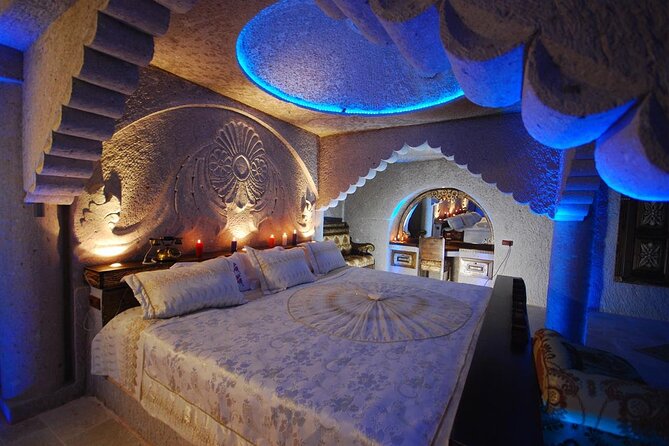
- Cappadocia cave-hotel stay makes the region feel like part of the experience, not just a stop.
- Pamukkale thermal pools until 21:30 are a great payoff after a full day of ruins and terraces.
- Pre-paid entry approach helps cut waiting at major sights.
- Multiple domestic flights reduce long road days, but they do add schedule pressure.
Istanbul’s top hits: Hippodrome, St. Sophia, Blue Mosque, Topkapi
You start in Istanbul with a welcome that’s simple and practical: a representative meets you by name sign at either Istanbul Airport (IST) or Sabiha Gökcen (SAW), then you transfer to your hotel. Day 2 is a classic Istanbul route, but it’s handled on foot in the Old City zone, which is exactly how you want it—short walks, clear navigation, and guided context that helps you read what you’re looking at.
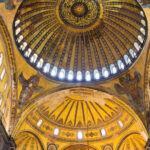
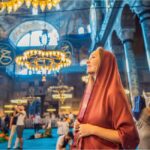
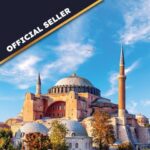
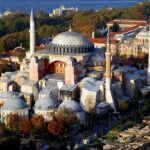
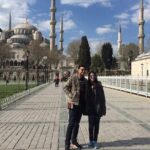
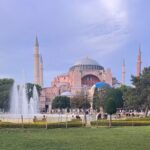
You begin at Hippodrome Square, tied to chariot races in the Byzantine era and the political unrest that followed. It’s short, but it’s a nice way to set the timeline before you hit the heavy hitters. Then it’s to Hagia Sophia (Hippodrome Mosque / Grand Mosque). Here’s the key practical detail: live guiding isn’t allowed inside St. Sophia after Jan 15, 2024. During your visit, you’ll need a smartphone and headphones to follow the audio system. If you don’t have headphones, you can buy them at the entrance for $3.50. Without a smartphone, you’ll follow the signs and the built-in information.
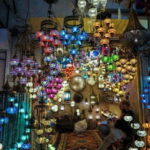
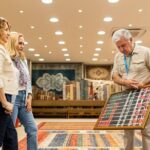
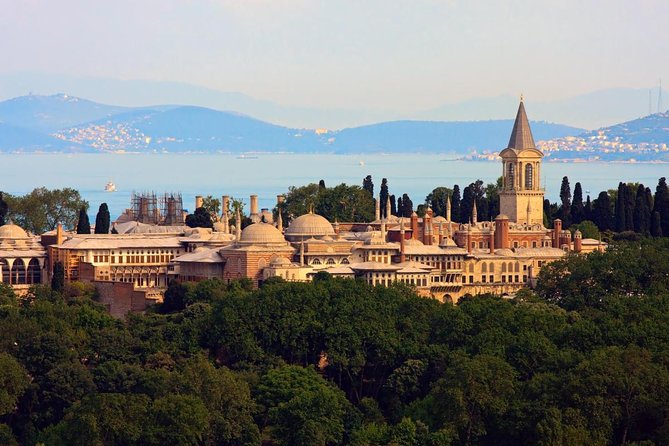
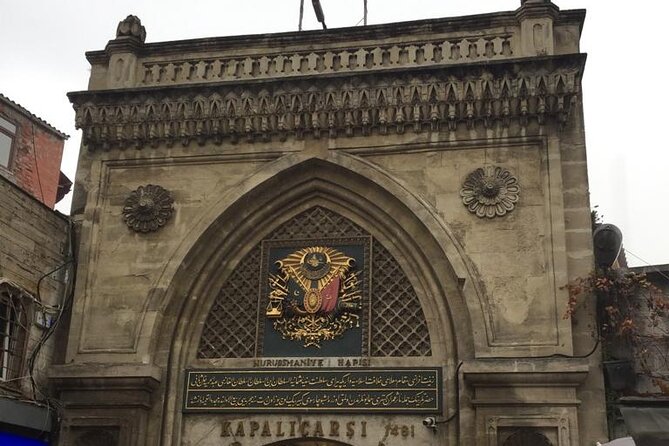
From there, you go to the Blue Mosque, known for its Iznik tile work. You’ll also visit Topkapi Palace, including the weapons section, which adds a different angle beyond the palace courtyards and rooms. The day ends with the Grand Bazaar, a huge covered market with 58 covered streets and more than 1,200 shops. If you like shopping, you’ll find jewelry, pottery, spices, and carpets. If you don’t, it’s still worth going just to understand how big this place is—and then to step out for air.
Possible drawback: walking-heavy days in the center of Istanbul can feel long. Good shoes help, and plan for uneven surfaces and crowds.
You can also read our reviews of more guided tours in Istanbul

Basilica Cistern and the Spice Bazaar: early “wow” factor in a cooler setting
Day 3 starts with the Basilica Cistern, the underground Byzantine reservoir known for its marble columns rising out of the water. It’s atmospheric in a way that’s hard to get from photos. More importantly, it’s a change of pace from the exterior monuments—cooler, quieter, and easy to experience without rushing.
Next you’re at the Spice Bazaar (Misir Carsisi). You get a first taste of the market area, then you have time to browse. The setup here matters: spices and herbs are tactile and visual, so it’s a great place to slow down and actually look at products instead of just passing through. You’ll then move toward the water.
Bosphorus on a public ferry: seeing two continents the honest way
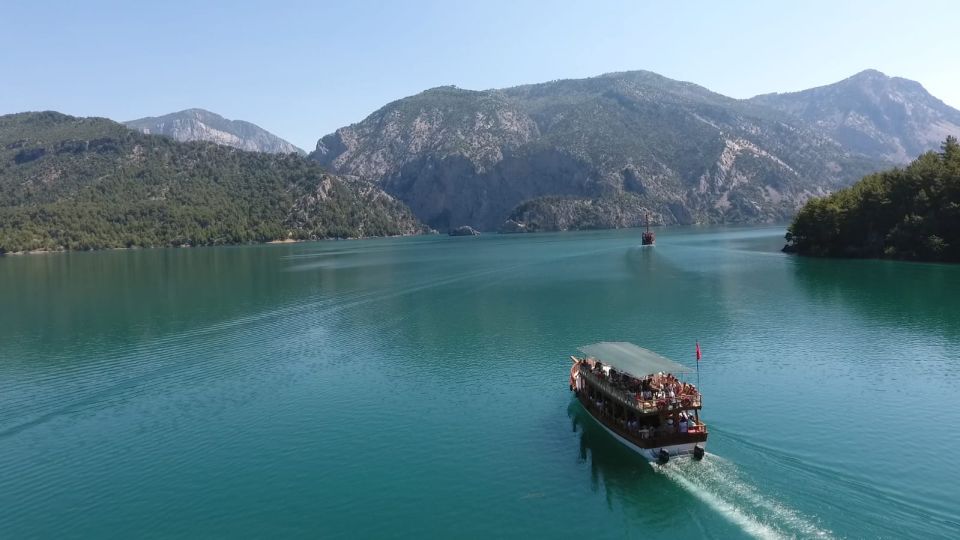
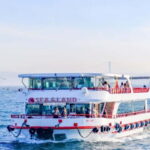
The tour includes a Bosphorus cruise on a public ferry, starting from the Golden Horn and sailing through the strait that separates Asia and Europe. This is a smart choice because you watch the coastline as locals do, not only from the window of a private boat.
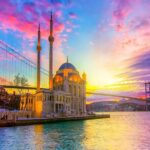
You pass viewpoints for marble palaces and older wooden Ottoman villas, plus newer residential areas. Then you land in the Sariyer district and visit Ortaköy, described as a local hangout with boutique energy and cafe culture. It’s a good “people-watching” spot and a nice contrast to the big monuments from earlier days.
After the program you drive back to your Istanbul hotel for the night, keeping Day 3 from turning into an all-out marathon.
Flying into Cappadocia: valleys, cave hotels, and underground scale
Day 4 is where the tour really starts to feel like a journey. You get an early pickup from your Istanbul hotel, transfer to the airport, and fly to Kayseri. Then you transfer into the Cappadocia region.
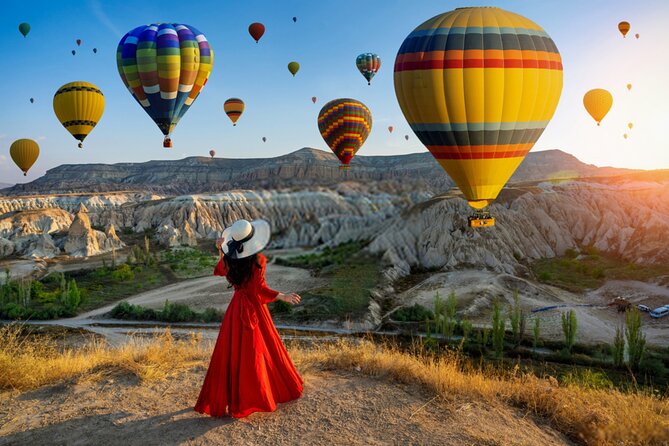
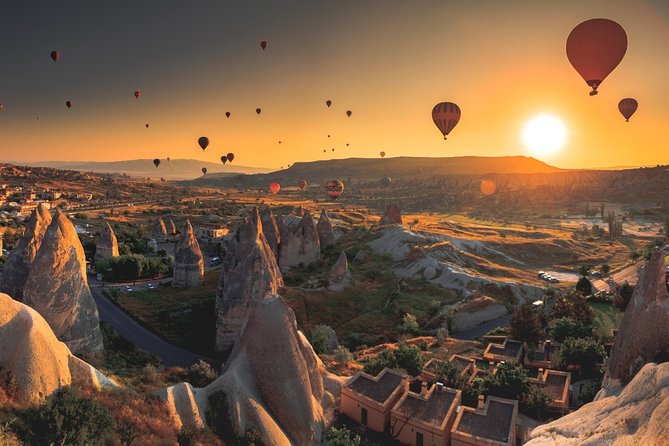
The first big visual stop is the panoramic view from Uchisar Rock-Castle, where you can see the valleys and formations that make Cappadocia famous. The tour doesn’t rush you through the viewpoint. You’re meant to take in the shapes, then transition to your stay.
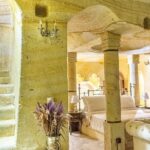
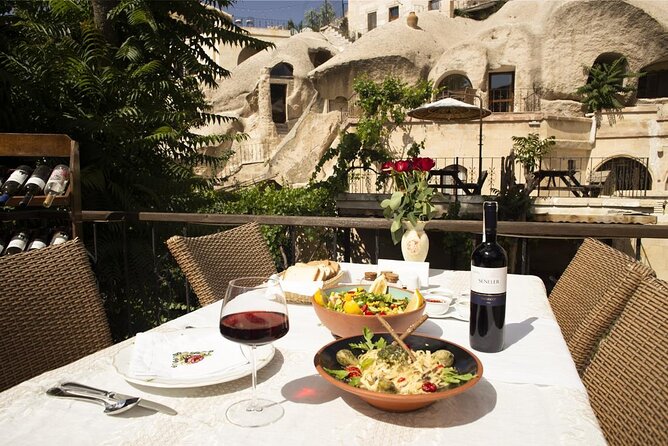
Your lodging matters here. You’ll be in a cave hotel, with examples including Yunak Evleri or Gamirasu Cave Hotel (or similar). Staying inside the rock-built style gives you a sense of place right away. Even if you’re tired, you’re still surrounded by something unique.
Devrent, Pasabag, Göreme: rock forms and Byzantine frescoes
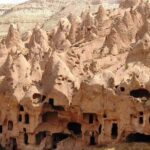
Day 5 leans into Cappadocia’s best-known trio: lunar rock views, fairy chimneys, and Byzantine rock-cut churches. You start at Devrent Valley, famous for odd rock shapes that people link to animals and imagination. Then you head to Pasabag (fairy chimneys) near Zelve, where wind plays games with the formations.
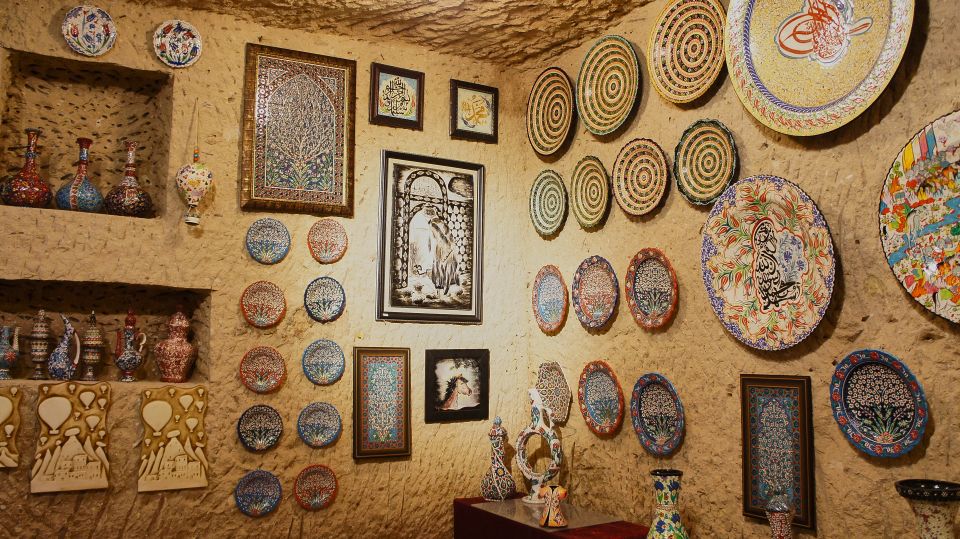
Then it’s Avanos, centered on terra cotta craft since 3000 BC, with a pottery workshop demonstration. This part is practical and fun: you see how local materials became local art. After lunch, you visit the Göreme Open-Air Museum, with rock-cut churches and frescoes from the 10th to 13th centuries. This is the section where the guided element is worth it—you’re looking at art and architecture carved into stone, and context helps you not feel lost.
You also spend time at Uçhisar Castle again for more panoramic views before returning to your cave hotel.
You can also read our reviews of more private tours in Istanbul

Three Sisters, Kaymakli Underground City, and Mustafapaşa’s Greek-town vibe
Day 6 is about variety. You begin at Pigeon Valley and see the Three Sisters fairy chimneys in Urgup. You’ll also learn about the pigeon houses carved into the rock—functional architecture tied to the landscape.
Next you go underground to Kaymakli Underground City, one of the largest and deepest underground settlements. The scale is the story here, not just the rooms. It’s the kind of stop that makes you rethink how people lived and prepared for conflict long ago.
Then you head through more quiet villages to Mustafapaşa, an old Greek town (also tied to Sinasos) known for old Greek houses and late-settlement architecture. On the way, there’s also a stop around Ayvali Village. This is where the trip feels less like a checklist and more like a route through real neighborhoods.
Konya: Sultanhan Caravanserai and the Mevlana Museum
After breakfast, Day 7 moves you toward Konya. On the way, you stop at the 13th-century Seljukian Sultanhan Caravanserai, a masterpiece of the caravan trade era. You get that sense of “travel used to be the center of life” right away when you see buildings designed for travelers, animals, and shelter.
In Konya, you visit the Mevlana Muzesi (the Mausoleum of Mevlana), along with Karatay Theological School, known for its tile displays. This day is a good reminder that Turkey isn’t only monuments and ruins. It’s also about spirituality, art, and learned spaces.
Antalya’s Roman highlights: Perge, Aspendos, Kursunlu Waterfall
Day 8 is your Antalya stretch, and it’s built like a history-and-views day. You first go to Perge Ancient City, noted as a major settlement with surviving ruins and artifacts from excavations. You’ll also visit the museum, which displays statuary uncovered there—focused on Roman sculpture.
Next is Aspendos Ruins, home to what’s described as the best-preserved theater of antiquity. If you like architecture that still looks “built to perform,” this is one of your best stops. The theater’s design and fit into the landscape is a huge part of why it survives so well.
Then you get a nature break at Kursunlu Waterfalls, with an 18 m drop and small lakes connected by falls in a canyon area. There’s open visitor access and a picnic zone, plus seating and playground areas. It’s a “stop for your legs” moment after long walking.
Kekova on the water, Kas and Kaputaş: a Mediterranean change of tone
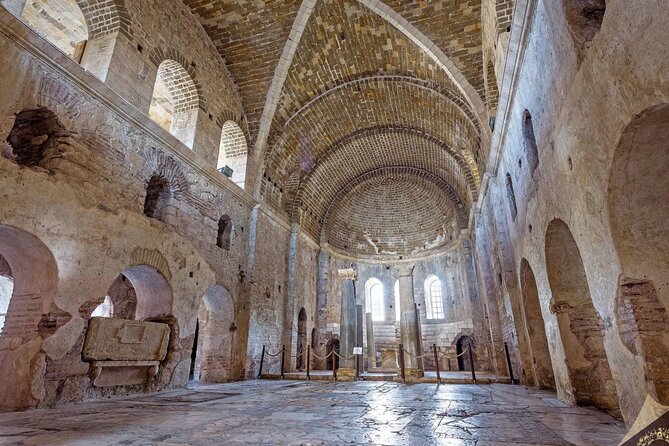
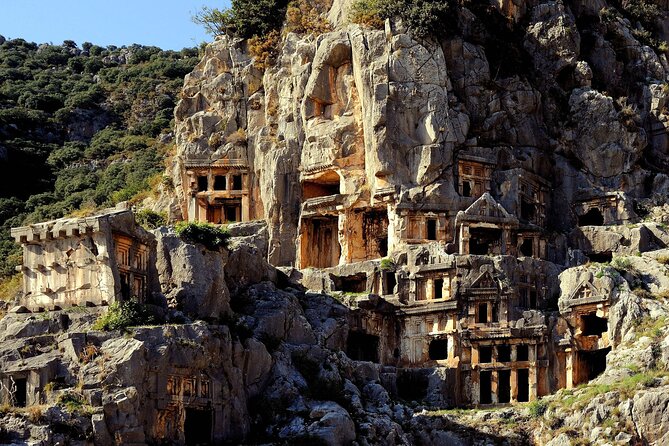
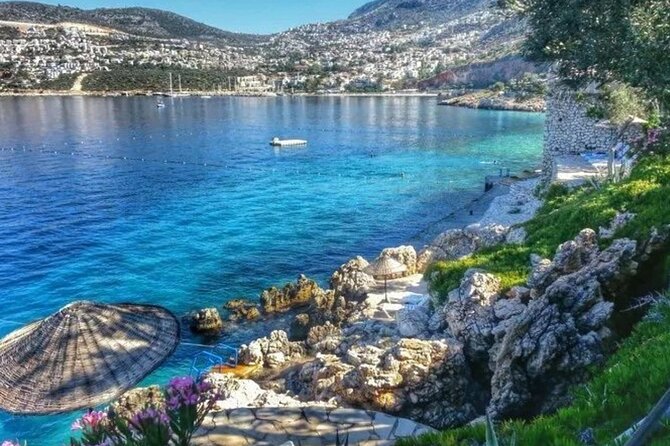
Day 9 starts with a southbound drive toward the Mediterranean bays. You visit St. Nicholas and stop in Kekova for a private boat ride to the Sunken City and Simena. This is where your camera usually goes into overtime. Even if you don’t care about archaeology, it’s stunning to see the coastline and the idea of a submerged settlement.
You then go through Kas and stop near Kaputaş Beach before arriving in Kalkan. You’ll have your overnight in Fethiye after dinner and check-in. This leg of the trip brings you from inland history to a coastline pace.
Oludeniz swim time and Pamukkale’s white terraces
Day 10 begins with a drive to Oludeniz. The tour includes time to swim and/or do optional paragliding. Even if you don’t fly, this is one of those places you’ll understand fast because the water and shoreline look the way postcards wish they did.
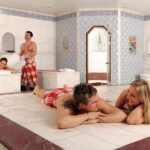
In the afternoon you drive to Pamukkale and check into a thermal hotel (examples include Colossae Thermal or Pam Thermal). Here’s a real value feature: you can use the thermal pools until 21:30. After a day of travel and walking, it’s an easy way to turn tired feet into softer legs.
Hierapolis and travertine terraces: the day you go from hot water to stone wonder
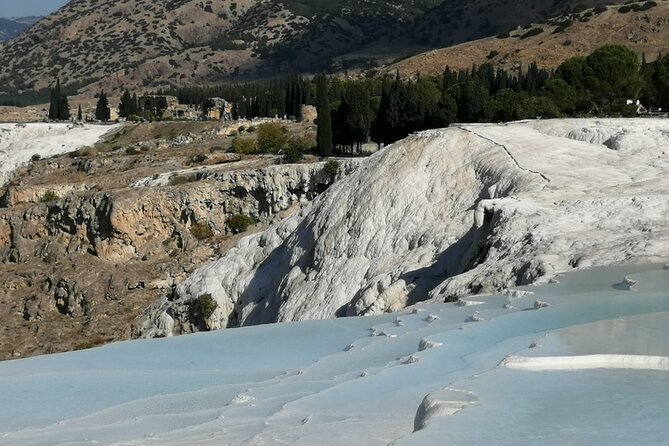
Day 11 covers Hierapolis, including the theater, the Apollo Temple, and the necropolis. Then you see the travertine terraces at Pamukkale—mineral springs that create that white, stepping look. The tour description compares it to cotton balls or snow. The point isn’t the metaphor; it’s that the terraces look strange in the best way, like geology took a creative workshop class.
After that, you continue to Kuşadası for your overnight.
Ephesus on foot: Roman streets, Terrace Houses, and Meryemana
Day 12 is Ephesus day, and it’s structured to keep it from feeling like one long ruin march. You spend several hours walking in Ephesus, following in the footsteps of major figures tied to the city. The ruins are the main event, but the guided context helps you connect what you see with the story behind it.
Then there’s Ephesus Terrace Houses (Slope Houses). These are presented as a recently opened option showing how wealthy Romans lived, with mosaics and frescoes highlighted.
Next you visit Meryemana (The Virgin Mary’s House), a pilgrimage site tradition connects to the final years of Virgin Mary after the Crucifixion. You’ll also have time at Sirince Village, a hillside stop that breaks the intensity after Ephesus before you head back to your hotel.
Izmir back to Istanbul, then home on Day 14
Day 13 has a practical flight move: you transfer from your Kuşadası hotel to Izmir airport, fly back to Istanbul, then transfer to an Istanbul hotel. It’s a clean way to reduce backtracking.
On Day 14, you leave whenever your schedule allows, with pickup based on departure flight time and transfer to Istanbul Airport. End of services.
Hotels, meals, and what $4,849 really buys you
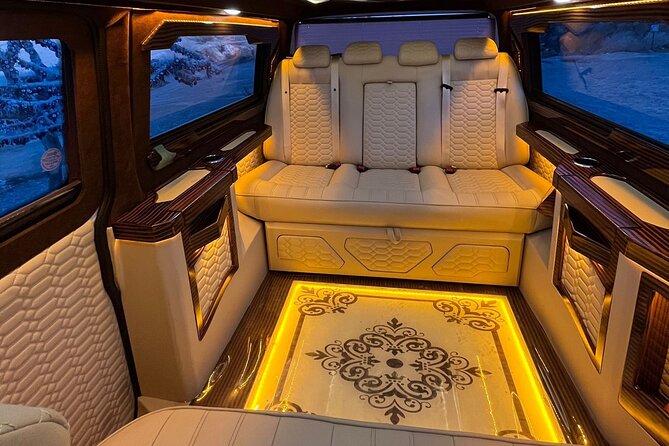
At $4,849 per person, this tour isn’t cheap. But it does include a lot of the expensive friction points that often blow up trip budgets: 13 nights of selected boutique hotels, a professional licensed guide, air-conditioned minivan/minibus transport, entrance fees (your guide has pre-paid tickets), and domestic flights (Istanbul to Cappadocia, then Izmir to Istanbul) with listed luggage allowances.
The meal plan is also a big piece of value. You get 13 breakfasts and 3 dinners included. Lunch and drinks outside those meals are not included, so you should budget for eating on your own. Still, having most breakfasts handled makes the daily flow easier, especially when the itinerary has early starts.
Hotel quality is part of the package. You’ll stay in boutique properties in Istanbul (examples include Sultania or Sura Hagia Sophia). In Cappadocia, you’re in a cave-style stay. In Konya and the Aegean coast, you’re in 5-star and boutique options (examples include Dedeman Hotel in Konya, La Vista Boutique in Kuşadası, and thermal hotels in Pamukkale). This is the kind of structure that helps the trip feel smoother than “stay wherever you can.”
One more note: one downside that shows up in real-world experiences is that the guide can make a huge difference. In one written account, a guide named Tan was blamed for poor performance even though the group expectations were different. The bright side: another account praised the seriousness of the agency and learning a lot, with a more personalized feel—and it specifically highlighted add-on-style variety beyond the usual big-city routine (like Sirince and Konya, and even references to places such as Aphrodisias and Cosme beaches). So I’d treat this as a tour where group size and guide quality matter.
Who should take this 14-day Turkey tour (and who should skip it)
I’d recommend it for you if you:
- Want Turkey’s big icons plus real regional stops without reading a hundred guidebooks.
- Like small-group travel with time to wander markets like the Grand Bazaar.
- Enjoy guided explanations for major sites (Ephesus, Göreme, Hierapolis, Topkapi) but still want freedom.
I’d skip it if you:
- Hate early starts and travel days. This itinerary strings together regions with flights and long drives.
- Need fully guided museum-style audio in every site. St. Sophia specifically uses an audio approach inside.
This trip also fits families better than many do, since it’s planned around a mix of big sights and breaks. Still, it’s not “couch tourism.” You’ll do walking most days.
Should you book this Turkey Boutique tour?
Yes—if you want a guided, low-planning way to connect Istanbul to Cappadocia, the Aegean, and the Mediterranean. The value is strongest if you’d otherwise have to arrange flights, hotel changes, and major entries yourself. The cave hotel in Cappadocia and the thermal pools in Pamukkale are also the kind of included perks that make the itinerary feel worth the price.
Before you say yes, think about two things: your comfort with walking and your gear readiness for St. Sophia’s headphone setup. If you’ll arrive with a smartphone and headphones (or you’re okay buying them for $3.50 on-site), you’ll handle that day smoothly.
If guide quality matters a lot to you, you may want to pay close attention to what the operator says about staffing and communication when booking.
FAQ
How large is the group on this tour?
The group size is limited to a maximum of 10 travelers.
Is pickup included in the tour?
Pickup is offered. You’re also met at Istanbul airports by a representative with a name sign, and you get private transfer to your hotel for the first night.
What’s included for accommodation and where will I stay?
You get 13 nights in selected boutique hotels, including examples like Sultania or Sura Hagia Sophia in Istanbul, cave hotels in Cappadocia (such as Yunak Evleri or Gamirasu Cave Hotel), Dedeman Hotel in Konya, Alp Pasha Hotel or Tuvana Hotel in Antalya, Yacht Boheme in Fethiye, La Vista Boutique Hotel in Kuşadası, and Colossae Thermal or Pam Thermal Hotel in Pamukkale.
Are entrance fees included?
Yes. Entrance fees are included, and your guide has pre-paid tickets to help skip the line.
Which domestic flights are included?
The tour includes domestic flights from Istanbul to Cappadocia and from Izmir to Istanbul, with 15 kilos check-in and 8 kilos cabin luggage allowance.
What meals are included?
You receive 13 breakfasts and 3 dinners. Drinks and meals not listed as included are not included.
What’s the situation with Hagia Sophia after January 15, 2024?
Live guiding is not allowed inside St. Sophia after Jan 15, 2024. You’ll need a smartphone and headphones to use the audio system. If you don’t have headphones, you can buy them at the entrance for $3.50. Without a smartphone, you’ll follow signs and the provided information.
What happens if I use the thermal pools at Pamukkale?
You can use the thermal pools until 21:30 during your overnight in Pamukkale.
What is the cancellation refund schedule?
You can cancel up to 6 days in advance for a full refund. For a 50% refund, cancel 2–6 days before the experience. If you cancel less than 2 days before, no refund is provided.