REVIEW · ISTANBUL
Turkey Biblical Tour (Private)
Book on Viator →Operated by Turkey Private Tours · Bookable on Viator
Bible sites, big sights, zero guesswork. This private Turkey tour mixes major Istanbul landmarks with the New Testament world of the Seven Churches, then finishes in Cappadocia. You get a local guide giving on-the-ground context, plus the practical comfort of a private setup with your own driver/vehicle.
What I like most is how the guide connects places to the Bible stories you’re actually reading. You’ll see major sites and also get scripture-focused context, including how Acts and Revelation themes map onto what you’re standing in front of. I also appreciate that it’s all-inclusive in the places that usually blow up budgets: entrance fees and lunches are built in.
One consideration: the pace is real. You’ll be in vehicles for long stretches, and some stops involve uneven stone, lots of stairs, and walking through major ruins and markets, so moderate fitness helps.
In This Review
- Key highlights you’ll feel on the ground
- Private, all-inclusive value at $3,604.57 a person
- Istanbul start: airport-to-hotel transfer and day-one orientation
- Day 2 Istanbul icons: Byzantine Hippodrome to Blue Mosque to Hagia Sophia
- Day 3 Bosphorus boat + Spice Market, then flying to the Aegean
- Day 4 Troy, Alexandria Troas, and Assos in Paul’s footsteps
- Days 5–7: Pergamon, Sardis, Laodicea, and Colossae (Seven Churches focus)
- Day 8 Ephesus day: Artemis, Mary’s House, and St. John
- Day 9 Cappadocia: Goreme, Pasabag, Avanos, and Devrent Valley
- Day 10 Kaymaklı underground city and the valley walk finale
- Transport comfort and timing: what to expect daily
- Who should book this Turkey Biblical Tour
- Should you book it?
- FAQ
- Is this tour private?
- Are entrance fees included?
- Does the tour include flights?
- What meals are included?
- Is a hot air balloon included in Cappadocia?
- Do you get pickup at your hotel or airport?
Key highlights you’ll feel on the ground
- Local Bible tie-ins at the right moments: expect your guide to link what you see to passages tied to places like Ephesus and the Seven Churches.
- Entrance fees and lunches are included: you spend less time budgeting on the fly and more time at sites.
- A smart mix of variety: Bosphorus boat time and a market stop break up the heavier archaeological days.
- Efficient domestic flight planning: Cappadocia is handled with included air travel rather than backtracking by road.
- Private van flexibility: your group sets the rhythm, and you’re not stuck in a rigid big-bus schedule.
Private, all-inclusive value at $3,604.57 a person
This price looks high until you separate the pieces. You’re paying for private guiding, transport, entrance fees, lunches (8), and included domestic flights that connect Istanbul, the Aegean coast, and Cappadocia.
For a lot of independent trips, the cost “leaks” into separate categories: guides, tickets, taxis between sites, and last-minute transportation. Here, those costs are bundled into one plan, so you can compare apples to apples. If your goal is Bible sites plus major museums and monuments, this structure tends to protect value.
One more thing: your group size matters. Because it’s private, you’re not sharing a guide’s attention with dozens of people. You also get fewer logistical headaches—pickup from your hotel or the airport, and a driver handling the driving.
You can also read our reviews of more private tours in Istanbul
Istanbul start: airport-to-hotel transfer and day-one orientation
Day one is straightforward: you’re transferred from the airport to your hotel and you stay overnight. That’s not glamorous, but it’s smart. You avoid the classic first-day trap of arriving tired, then spending hours arranging transport before you even see anything.
This also sets you up for an early start the next day. Istanbul can be a “wow” city even when you’re not trying, but it’s much easier when you’re well-rested and not scrambling.
If you’re the kind of traveler who likes a plan that reduces stress, this day-one setup will feel like a win.
Day 2 Istanbul icons: Byzantine Hippodrome to Blue Mosque to Hagia Sophia
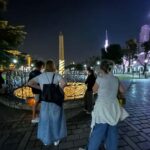
You start at the Byzantine Hippodrome, where public entertainment once took center stage. It’s a good opener because it reminds you that Istanbul wasn’t always a museum city—it has been a stage for power, crowds, and ceremony for centuries.
From there, it’s the core trio:
- Blue Mosque (Sultan Ahmed Mosque): expect the famous interior ceramic tiles and the overall scale of the worship space.
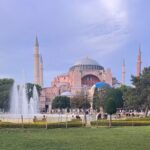
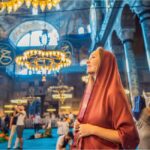
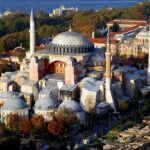
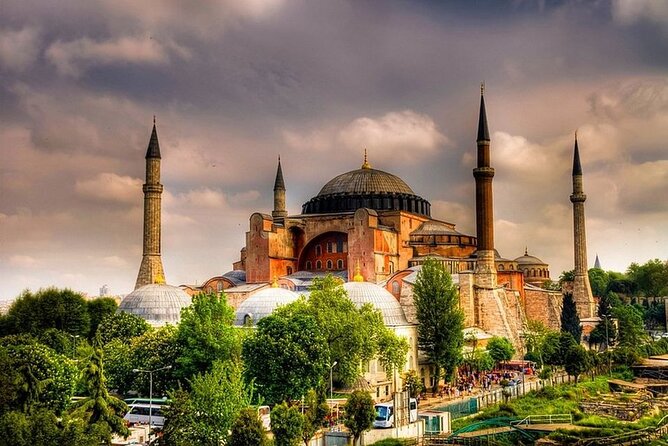
- Hagia Sophia: big on architecture and art history, and also still part of modern religious life as a mosque/museum site.
- Topkapı Palace: Ottoman imperial residence with major collections and an “imperial-world” feel.
These places can get busy, so the value of a private guide shows here. You’ll usually spend less time figuring out where to go and more time making sense of what you’re seeing.
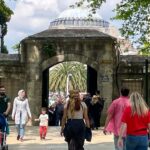
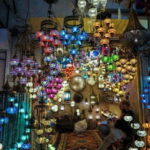
The day ends at the Grand Bazaar, where you can walk and shop in the huge covered market. It’s fun, but don’t feel like you must buy. Use it for atmosphere, people-watching, and snacks—then keep moving before you get tired of haggling routines.
Day 3 Bosphorus boat + Spice Market, then flying to the Aegean
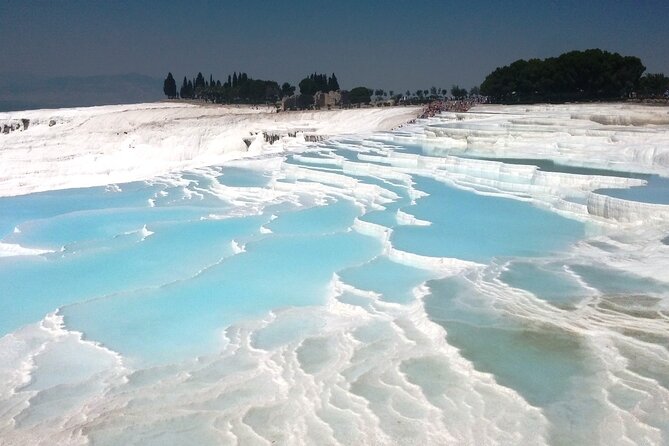
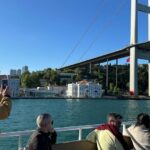
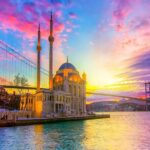
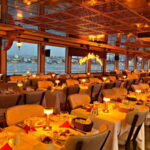
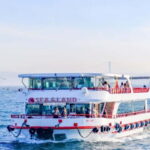
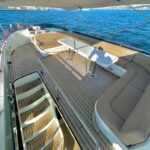
This day is a nice rhythm shift. After breakfast time, you do a 2-hour Bosphorus boat trip, cruising past bridges and along the shoreline with palaces, fortresses, and historic houses. Even if you’ve seen Istanbul photos before, the water-level view changes how the city reads.
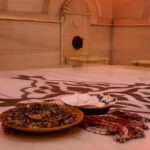
Then you jump to the Spice Market (Mısır Çarşısı), a covered bazaar space tied to the city’s spice trade. This is one of those stops that’s good for your senses: you’ll smell spices, see stalls, and understand how “trade” shaped daily life.
After that, you fly to Izmir and transfer to Kusadası for the night. This is one of the most practical decisions on the whole tour. Instead of spending the entire day crossing Turkey by road, you trade time in transit for actual time at Christian-era sites.
Day 4 Troy, Alexandria Troas, and Assos in Paul’s footsteps
Troy (Truva) is the big pop-culture draw, but on this tour it’s treated as a place with layers. You’ll see the legendary setting and also how the area connects to the wider ancient Mediterranean story you’re studying.
Next comes Alexandria Troas, which is tied to Acts. You’re stopping at a coastal context where Paul’s journey matters, and that gives the site more meaning than just ruins.
Then you move to Assos, where Paul’s route is referenced again. This is where the tour’s religious theme becomes more than a marketing label. You’re not just sightseeing—your guide frames geography as part of the story.
One drawback to expect on days like this: the travel time between sites can add up. But the tradeoff is that each stop feels purposeful, not random.

Days 5–7: Pergamon, Sardis, Laodicea, and Colossae (Seven Churches focus)
This stretch is the heart of the biblical emphasis, and it’s where you’ll either love the theme or feel it’s too much. The difference is your guide and your interest level in connecting Scripture to geography.
Here’s how the days shape up:
- Pergamon: acropolis area with major temples, theaters, and sweeping ruins. It’s also framed as one of the Seven Churches of Asia, so the visit isn’t only about Roman-Greek archaeology.
- Sardis (Sardes): another Seven Churches stop with early church remains and layered religious history in the same region.
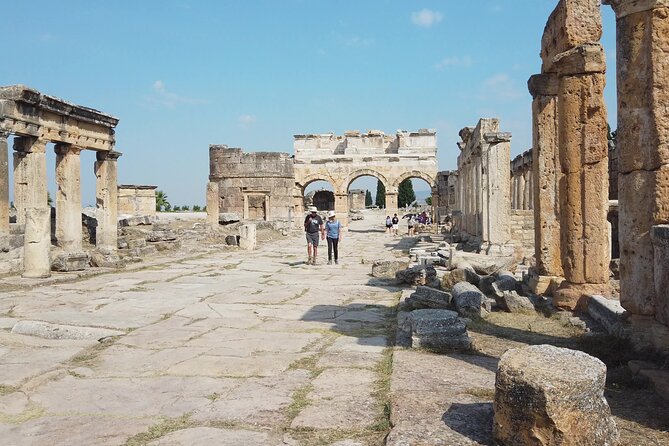
- Laodicea: you’ll see Christian ruins alongside other Roman-era features like stadium and gates.
- Colossae: you’ll visit the unexcavated city area, which can feel more atmospheric than flashy, but it fits the theme well.
The practical part: these sites often mean walking on uneven ground and moving between different elevations. I like tours like this because you learn to read ruins as a physical map of the ancient world.
If you’re expecting a fully excavated museum-style experience at every stop, note that places like Colossae can feel quieter. That can be a plus—it keeps you from site-fatigue.
Day 8 Ephesus day: Artemis, Mary’s House, and St. John
Ephesus is the day you’ll remember most if your interest is Christian origins in Asia Minor. The tour hits it in a structured way rather than treating it as one long wandering session.
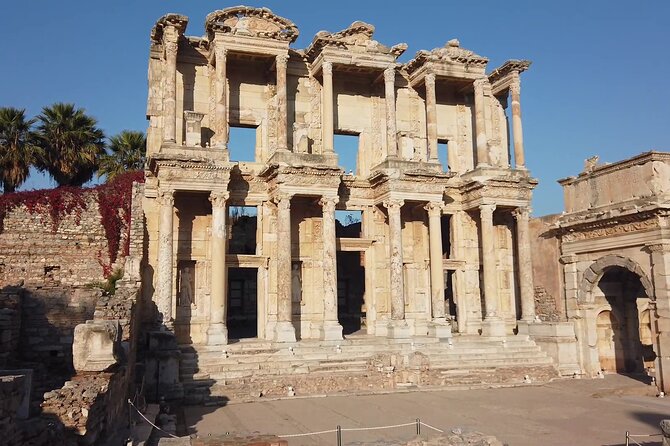
You’ll spend time at the Ephesus site and museum area, and your guide will connect major landmarks you’re seeing to Bible references. Expect stops such as:
- Library of Celsus
- Baths of Scholastica
- Temple of Hadrian
- Theater
- Temple of Artemis area
Then you head to Meryemana (the Virgin Mary’s House), where the emphasis shifts from ancient public buildings to a sacred, reflective setting.
Finally, you visit the Basilica of St. John, tied to the tradition of John the Apostle. This stop gives the day closure, because it brings the story focus back to a specific figure and burial-site tradition.
After that, you transfer to Izmir airport for your Cappadocia flight. That airport transfer time matters. It means you can keep a continuous route without losing half the day to driving.
Day 9 Cappadocia: Goreme, Pasabag, Avanos, and Devrent Valley
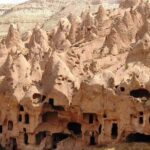
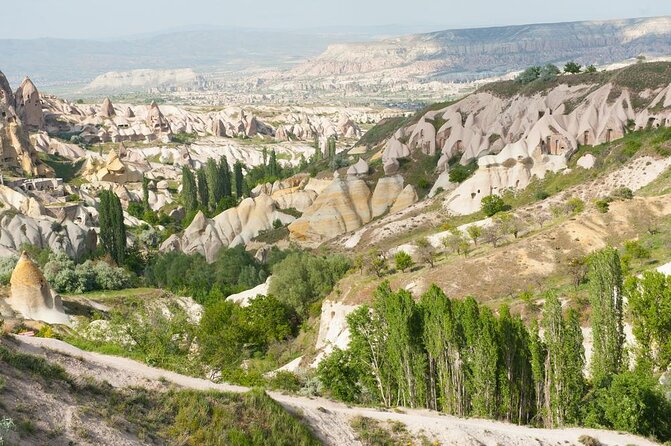
Cappadocia is where the tour turns from “ancient ruins” to “human-made rock architecture and volcanic landscapes.” You’ll start with a Goreme panorama viewpoint for the big-picture view of the area.
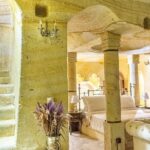
Then you visit the Goreme Open-Air Museum, a UNESCO site known for monastery life in rock-cut spaces. This is a good place to slow down, because the setting is part of what makes it feel special.
You also stop at Pasabag (Monks Valley) to see the famous fairy chimney formations. This is the kind of site where photos work, but the walking path and scale also matter.
In Avanos, you get time around the town on the Kızılırmak River and watch pottery work in local workshops. It’s a nice cultural pivot from history into craft.
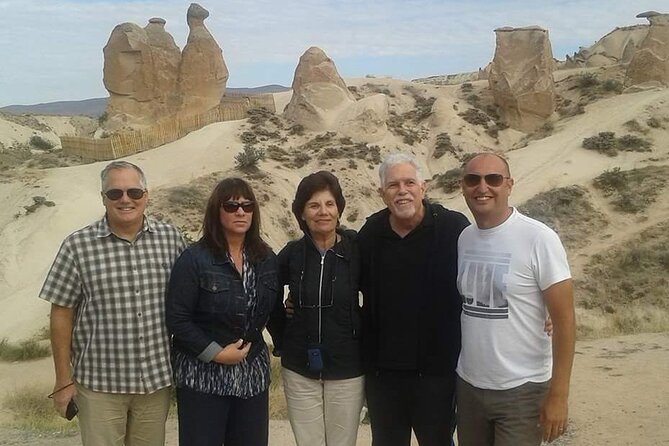
You finish with Devrent Valley, also known as Imaginary Valley, where rock formations can look like animals depending on where you stand and how your guide points things out.
Day 10 Kaymaklı underground city and the valley walk finale
The last day is a mix of underground protection and outdoor scenery. Kaymaklı Underground City is the main anchor: you’ll see an enormous subterranean layout, with only part of it open to the public. It’s a reminder that survival strategies were practical engineering, not legend.
Then you walk through multiple valleys:
- Red Valley: time for gentle wandering with garden and vineyard views.
- Cavuşin: an old village with a church of St. John tradition and viewpoints into the valleys.
- Pigeon Valley: named for dovecotes carved into soft tuff rock.
- Love Valley: a final stop with distinctive rock formations, ideally timed for late-day light.
You end with transfer to Kayseri airport for your Istanbul flight. This is one of those “quiet but important” logistics points: it keeps you from ending on a long, stressful road journey right after walking days.
Transport comfort and timing: what to expect daily
This is a private-van tour, not a train-and-walk-only plan. That’s a big deal in Turkey, where road routes to ruins and countryside sites can be winding.
The schedule includes long drives on multiple days. For example, you’ll drive from Assos to Pergamon, and later from Colossae to Kusadası, and the day-to-day route is set so you don’t spend every day only in transit.
What you should do to enjoy it:
- Wear shoes that handle stone and steep bits.
- Plan for early starts at major sites.
- Carry water and something light to snack on between stops, especially on museum-heavy days.
If you’re hoping for a totally relaxed sightseeing pace, this probably won’t be it. If you want structure plus meaning, it fits well.
Who should book this Turkey Biblical Tour
This works best for you if:
- You want a Bible-themed guide linking Scripture to real geography.
- You’re interested in the Seven Churches region and also want Istanbul and Cappadocia as major add-ons.
- You prefer private logistics over self-planning, especially with domestic flights included.
It may not be the best fit if:
- You need lots of free time with no schedule pressure.
- You dislike long driving days and heavy walking at ancient sites.
- You want a trip that’s purely archaeological without the religious framing.
Should you book it?
If you’re drawn to the Seven Churches of Revelation and you want Istanbul and Cappadocia without stitching together separate tours, I’d say this is a strong booking choice. The value comes from the bundle: entrance fees, lunches, private guiding, and key flights.
Just go in with eyes open about pace and walking. If you choose comfortable shoes, accept that some days are long, and trust the guide to explain what you’re seeing, you’ll likely come away with a much clearer sense of how these Bible stories took shape in real places.
FAQ
Is this tour private?
Yes. It’s a private tour/activity, operated with just your party and a guide/driver.
Are entrance fees included?
Yes. The tour includes entrance fees, and it lists “All entrance fees included” as a feature.
Does the tour include flights?
Yes. It includes a Cappadocia to Istanbul flight ticket, and it also includes a flight to Izmir as part of the route.
What meals are included?
Lunch is included (8 lunches). Dinners are not included.
Is a hot air balloon included in Cappadocia?
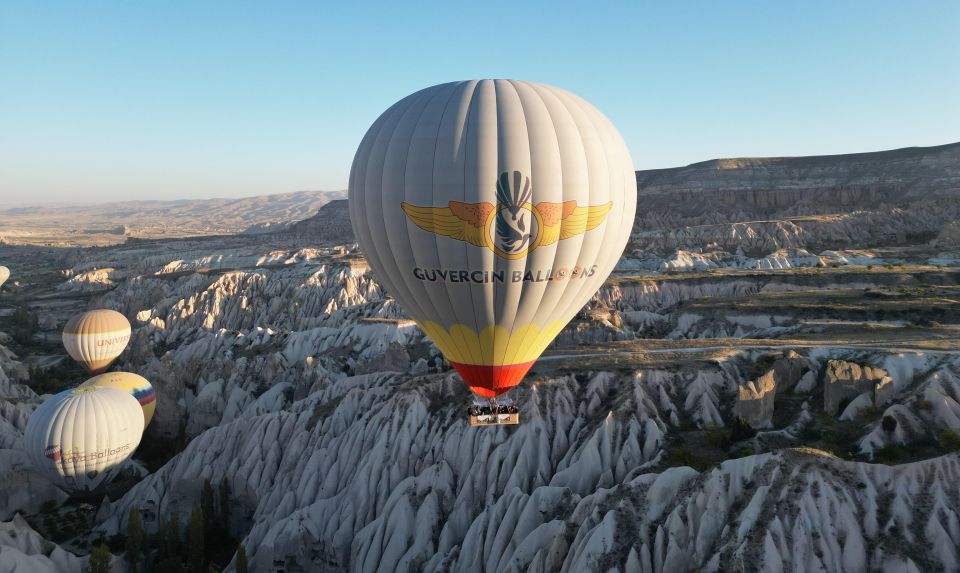
No. Hot Air Balloon in Cappadocia is listed as not included.
Do you get pickup at your hotel or airport?
Yes. Pickup is offered, and the meeting point is your hotel lobby or the airport.