REVIEW · ISTANBUL
Private Istanbul Unforgettable Tour Just For Your Group
Book on Viator →Operated by Lütfullah Fındıkoğlu by Botanas Travel · Bookable on Viator
One long day, a whole lot of Istanbul. This private route strings together the city’s biggest faith landmarks, the underground “Sunken Palace,” Ottoman power, and a Bosphorus boat ride—without you having to piece logistics together. I especially like the structure: short, timed stops at Sultanahmet icons, then a clear move into palaces, shopping, and the water.
Two things I really like: first, you get English-speaking professional guidance that turns monuments into stories and names into context (more than just dates). Second, the private format means the day can match your pace, including time to pause for photos and questions—something you notice most at places like Hagia Sophia and the Basilica Cistern.
One consideration: several major sites along the way have entrance fees not included, and lunch isn’t included either. So you’ll want to budget for tickets and plan a meal stop that fits your schedule, especially on a full 8–9 hour day.
In This Review
- Key highlights that make this tour work
- A tight route through Istanbul’s most important “layers”
- Blue Mosque in Sultanahmet: what you’re really looking at
- Hippodrome of Constantinople: ancient monuments in a modern square
- Hagia Sophia Grand Mosque: the cathedral-to-mosque story you can see
- Basilica Cistern: the Sunken Palace and the Medusa columns
- Topkapi Palace (and Dolmabahçe on Tuesdays): Ottoman administration in real space
- Topkapi Palace: the long-lived seat of sultans
- Dolmabahçe Palace: 19th-century showpiece
- Grand Bazaar: practical shopping with historical context
- Bosphorus Strait cruise: the skyline view that ties it together
- Price and budgeting: is $500 per group a fair deal?
- Who should book this private Istanbul day
- Should you book this private Istanbul tour?
- FAQ
- How long is this private Istanbul tour?
- How big is the group for this tour?
- What language is the tour offered in?
- Are museum or monument entrance fees included?
- What happens if I’m in Istanbul on a Tuesday?
- Is lunch included, and what about cancellation?
Key highlights that make this tour work
- Private group of up to 10 for a calmer pace through the busiest sights
- English guidance that explains the why behind each stop, not just the what
- Sultanahmet classics in one loop: Blue Mosque, Hippodrome, Hagia Sophia, Basilica Cistern
- Topkapi replacement on Tuesdays: Dolmabahçe Palace stands in when Topkapi is closed
- Bosphorus Strait cruise time built in for skyline views from the water
- Mobile ticket and a set day plan that reduces planning stress
A tight route through Istanbul’s most important “layers”
This is the kind of day that works because Istanbul is not one story—it’s many. You start in Sultanahmet, the historic heart where Ottoman and Byzantine traces overlap, then you move from sacred spaces to underground engineering, and onward to Ottoman administration and court life. By the time you’re at the Grand Bazaar and out on the Bosphorus, the city stops feeling like a list and starts feeling like a timeline you can walk through.
The private setup matters here. Even with fixed stop times, you’re not stuck waiting for a large herd, and your guide can adjust the flow if you want more time at Hagia Sophia’s mosaics or less time at the edges of the Hippodrome square. Reviews also highlight guides like Lütfig and Ludviq for turning the day into something personal—using context, humor, and patience when questions pop up.
Practical tip: this is still a long day. Expect walking between major sites, plus indoor time where you’ll be moving through crowds. Wear shoes you’re comfortable in for several hours.
You can also read our reviews of more private tours in Istanbul

Blue Mosque in Sultanahmet: what you’re really looking at
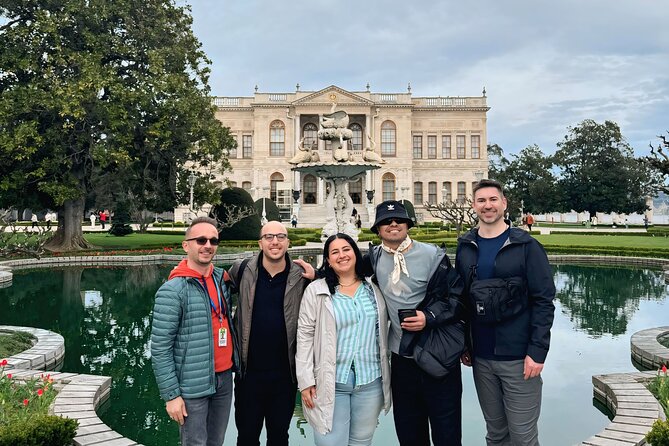
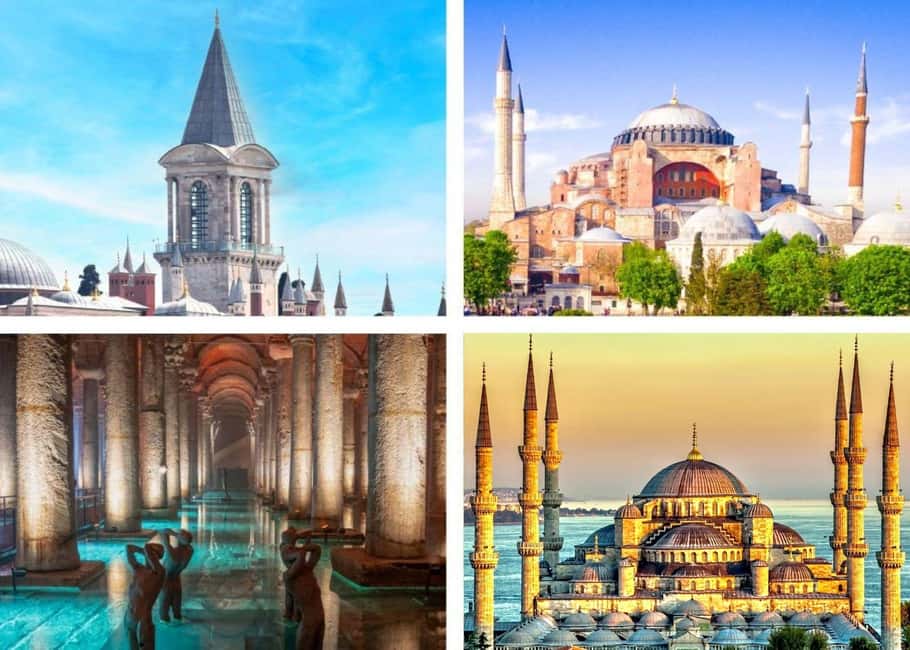
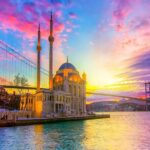
The day’s first anchor is the Sultan Ahmed Mosque, famous as the Blue Mosque. It was built in the early 1600s under Sultan Ahmed I, and the eye-catching part is the interior tilework—thousands of handmade Iznik tiles that give the mosque its name, especially when lighting hits the surfaces.
What I like about starting here is that it sets the tone. The Blue Mosque isn’t just “pretty architecture.” It’s a working house of worship, so your guide can help you understand what you’re seeing and what to respect, right from the first stop. You’ll have about 30 minutes, which is short enough to keep the day moving, but long enough to take in the main visual effects without feeling rushed.
A consideration: because it’s an active mosque, rules and visitor flow matter. If you tend to get slowed down by lines and security checks, plan for that mentally. Also, budget-wise, the admission ticket is free for this stop, which helps.
Hippodrome of Constantinople: ancient monuments in a modern square
Next comes the Hippodrome of Constantinople, the former arena of Roman and Byzantine public life. Most of the original structure is gone, but the modern location—Sultanahmet Square—keeps a “map” of that past through surviving artifacts.
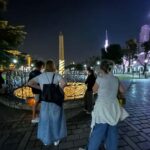
This stop is about 20 minutes, and the best way to enjoy it is to listen to what those monuments symbolize. The Hippodrome’s center barrier, called the spina, once lined the racing and ceremonial action. Today, you’ll still spot major pieces tied to that story, including the Egyptian Obelisk of Thutmose III, the Serpent Column (associated with Delphi), and the Walled Obelisk. Standing in the open square, you get that eerie feeling of walking across layers—spectators replaced by shoppers, but the geography still doing its job.
Value for you: Hippodrome is often skipped by people who chase only the “big two” (Hagia Sophia and the Blue Mosque). Here, it becomes a quick, meaningful context stop that explains how public spectacle worked in Byzantine Istanbul.
Hagia Sophia Grand Mosque: the cathedral-to-mosque story you can see
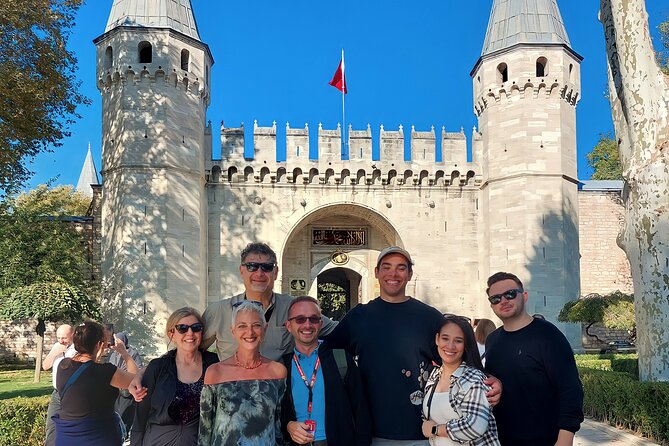
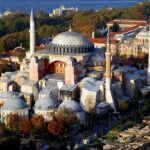
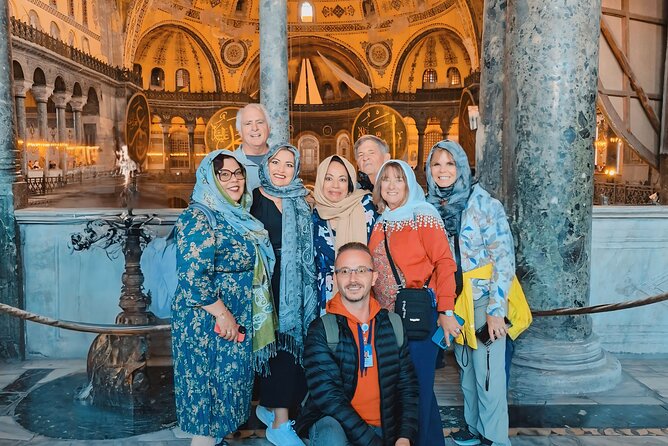
Then it’s Hagia Sophia, called Ayasofya in Turkish. This is one of those places where the building itself teaches you. It began as a Christian cathedral consecrated in 537 under Emperor Justinian I, celebrated for its massive dome and interior mosaics. After the Ottoman conquest in 1453, Sultan Mehmed II transformed it into a mosque—adding elements like a mihrab and minbar, while preserving much of the Christian artwork.
In other words, you’re not just walking inside a famous site. You’re standing in a structure that switched roles across centuries. And since it reopened as a mosque in 2020, the feeling of the space changes with each new era.
This stop runs about 40 minutes, and the admission ticket is not included, so you’ll pay separately. That fee matters because it affects how smoothly your day flows—so don’t treat this as a “quick glance” stop. Let your guide point out what to notice: dome structure, mosaic areas, and the blend of Ottoman and Byzantine elements. Reviews also emphasize that the difference-maker is the guide’s energy and ability to connect details into a clear story—exactly what you want here, where everything is visually loud.
Consideration: Hagia Sophia can feel crowded. A private group helps, but you still need patience and a willingness to slow down.
Basilica Cistern: the Sunken Palace and the Medusa columns
After the big surface landmarks, you go underground to the Basilica Cistern (Yerebatan Sarnıcı). This is the Sunken Palace—a massive cistern built in the 6th century to supply water for the Great Palace and nearby imperial buildings. You’re walking into a space with a different scale of time: air feels cooler, echoes feel bigger, and lighting is part of the design.
The numbers help you picture it: the chamber is about 140 meters by 70 meters, with capacity for around 80,000 cubic meters of water. You’ll see 336 marble columns, arranged in 12 rows, each about 9 meters high.
The special detail to look for is the pair of columns whose bases are carved into inverted Medusa heads. Their origin and purpose are debated, which is exactly why it’s interesting—you’re seeing symbolism and reuse of older sculpture in a new setting. Your guide can point this out so it doesn’t become just another photo spot.
This stop is about 40 minutes, and the admission ticket is not included. If you like atmosphere, stop to look at reflections on the water and take a moment to stand still; one review captured the feeling of getting quiet inside a crowd. It’s not only scenic—it’s a reminder that Istanbul isn’t only about sunlight and domes.






Topkapi Palace (and Dolmabahçe on Tuesdays): Ottoman administration in real space
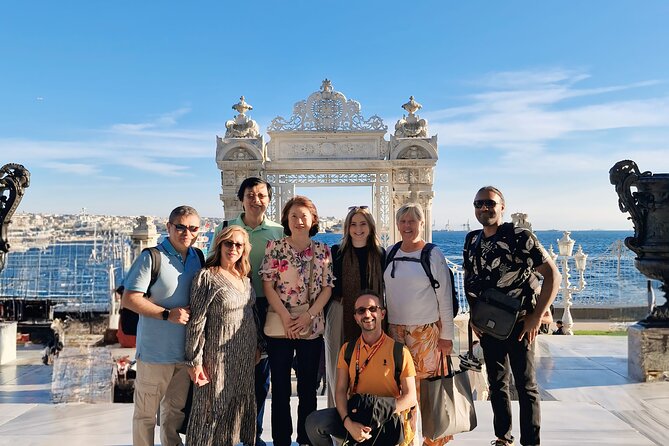
Next up is the Ottoman court world, and the day adapts to the calendar. Topkapi Palace is on the plan by default, but because Topkapi is closed on Tuesdays, you instead visit Dolmabahçe Palace.
Here’s why that matters for your experience:
Topkapi Palace: the long-lived seat of sultans
Topkapi served as the grand residence and administrative headquarters of Ottoman sultans for nearly 400 years. It isn’t a single building—it’s a wide complex of courtyards, gardens, and pavilions designed to hold an imperial court.
If you want the “wow” factor, focus on the Imperial Treasury, where the displays include famous items like the Spoonmaker’s Diamond and the Topkapi Dagger. The time allotment is 2 hours, which is helpful because palace complexes swallow time fast.
Dolmabahçe Palace: 19th-century showpiece
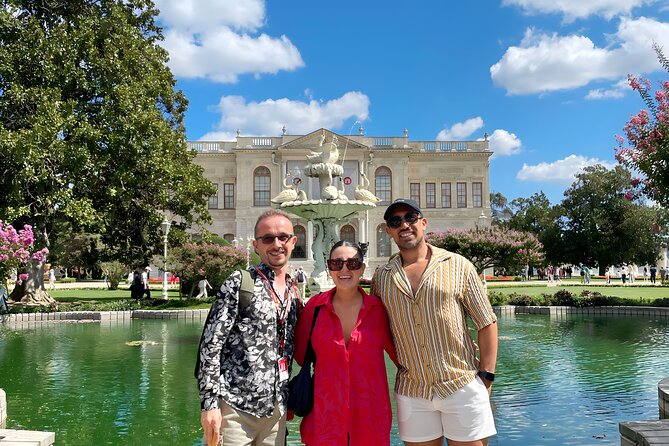
Dolmabahçe is the replacement stop on Tuesdays. It’s a dazzling 19th-century palace and the administrative center for the late Ottoman Empire, home to the last sultans. If Topkapi feels like a deep-rooted imperial machine, Dolmabahçe tends to feel more like a dramatic late-era statement.
Either way, this is where your guide’s storytelling can shine. Palace walls can feel cold if you only read signs. Reviews mention guides who treat the space like a living chronicle—connecting human stories to architecture—so you leave with a sense of what daily power and politics looked like.
Admission for both palace options is not included, and you should expect indoor time plus walking through multiple areas. Build in energy for this section. It’s one of the longest blocks of the day.
Grand Bazaar: practical shopping with historical context
By the time you reach the Grand Bazaar, you’re shifting gears from royal life to everyday trade. The bazaar is one of the world’s oldest and largest covered markets, built after the Ottoman conquest and organized into more than 61 covered streets and over 4,000 shops.
This stop is about 1 hour, and the admission ticket is free. That matters because it helps keep the tour value strong compared to itineraries that lock you into paid entries everywhere.
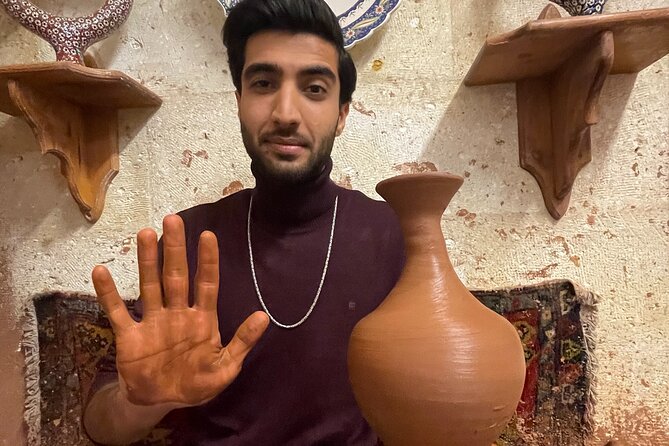
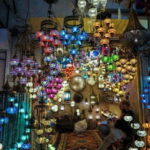
What to expect: it’s a labyrinth by design—arches, painted ceilings, and a sensory mix of goods and sound. You’ll see traditional Turkish commerce: textiles earlier on, but now expanded categories like jewelry, ceramics, spices, carpets, leather goods, antiques, and more.
Value for you: the best way to use a bazaar hour is not to try and buy everything. Instead, let your guide explain what areas tend to be focused on, and use the time to compare quality, materials, and price ranges without getting swept up in the chaos.
Consideration: if you hate crowding and narrow corridors, you may want a bit more control over how long you wander inside. Private format helps, but the bazaar still stays crowded.
Also, lunch isn’t included. If you want a sit-down meal, you’ll likely do it on your own around this area or before/after the bazaar window.
Bosphorus Strait cruise: the skyline view that ties it together
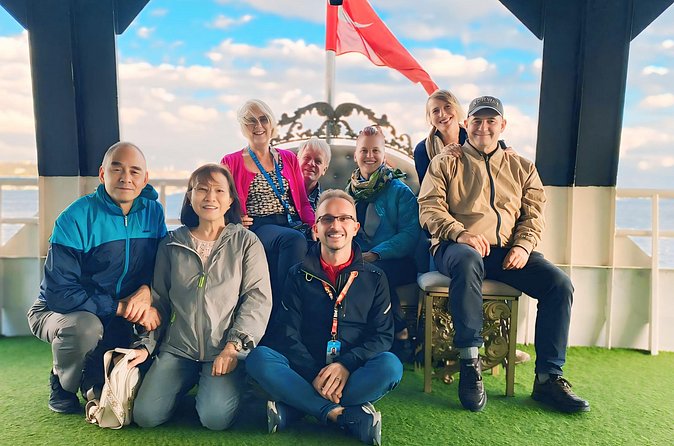
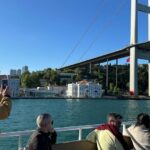
The tour’s final big visual payoff is the Bosphorus Strait experience: a boat trip through the natural waterway connecting the Black Sea and the Sea of Marmara, splitting Istanbul into European and Asian sides.
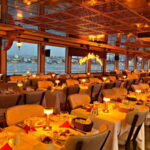
This section runs about 1 hour 30 minutes, and the admission ticket is not included. The point is to see how Istanbul looks when it’s not framed by domes and courtyards. From the water, you get panoramic views of both shores—Ottoman palaces like Dolmabahçe and Beylerbeyi, mosques, fortresses such as Rumeli Hisarı, and charming wooden mansions (yalı). You’ll also see the bridges that connect continents, plus constant maritime traffic that reminds you this is a working city, not just a museum.
What I love about ending here: it gives your brain a “reset.” After palace corridors and market lanes, the waterline offers breathing space and clear sightlines. If you’re the type who likes photography, this is where your camera will be happiest.
Weather note: the experience depends on good weather. If conditions are poor, the operator offers a different date or a refund, so it’s wise to keep some flexibility in your schedule.
Price and budgeting: is $500 per group a fair deal?
The price is $500 per group for up to 10 people, for about 8 to 9 hours. On paper, that sounds simple, but value is really about what you’re buying.
You’re paying for:
- A private English guide who manages the flow across multiple major sites
- A plan that strings together seven major stops plus a cruise in one day
- Mobile ticket support
- A format that helps you avoid the worst time-wasting of figuring out transfers and timing on your own
What you’re not paying for:
- Museum/monument entrance fees at several stops (Hagia Sophia, Basilica Cistern, and Topkapi/Dolmabahçe)
- Lunch
So your real total cost per person depends on how many sites you choose to enter and what entrance fees run that day. Still, for a group of up to 10, the per-person cost can become reasonable fast, especially if you’d otherwise pay for multiple separate guided tours across the city.
If you’re traveling as a couple or small group, the private fee still makes sense when you value time. Istanbul’s top sights are not fun to manage without a plan, and a guide helps you spend energy on what matters.
Who should book this private Istanbul day
This tour fits best if you want one focused day in Sultanahmet plus Ottoman palaces and a Bosphorus cruise, and you’d rather spend your energy on seeing and learning than on logistics.
You’ll probably love it if:
- You like big, iconic monuments and want the storyline connecting them
- You want English guidance that explains more than a label
- You’re visiting for a limited time and want a “best of” day without hopping between vendors
- You’re a couple, friends, or a family group and want privacy with up to 10 people
You might choose differently if:
- You dislike long days of walking between multiple major sites
- You don’t want to handle separate admission fees at several stops
- You prefer a more flexible, unstructured experience with frequent meal breaks
Should you book this private Istanbul tour?
I think this is a strong pick for most first-time Istanbul visitors who want a guided day that covers the essentials with enough context to feel meaningful. The private size helps the experience feel calmer and more tailored, and the built-in Bosphorus cruise is a smart ending that makes the whole itinerary click.
Book it if you’re okay budgeting for entrance fees at key stops and you want a single-day plan that keeps you moving through Istanbul’s biggest eras—Byzantine to Ottoman to modern maritime city life.
If you want, tell me your travel dates (especially if it’s Tuesday) and your group size, and I’ll help you estimate what entrance fees and timing typically feel like for this exact route.
FAQ
How long is this private Istanbul tour?
It runs about 8 to 9 hours.
How big is the group for this tour?
It’s private, and the group size is up to 10 people.
What language is the tour offered in?
The tour includes professional guidance in English.
Are museum or monument entrance fees included?
No. Museum entrance fees for some stops are not included in the tour price.
What happens if I’m in Istanbul on a Tuesday?
If it’s Tuesday, Topkapi Palace is closed, so the tour visits Dolmabahçe Palace instead.
Is lunch included, and what about cancellation?
Lunch is not included. The tour also requires good weather; if it’s canceled due to poor weather, you’ll be offered a different date or a full refund. Free cancellation is available up to 24 hours in advance.