REVIEW · ISTANBUL
Private 12 Day Tour of Turkey From Istanbul
Book on Viator →Operated by Ada Vegas Travel · Bookable on Viator
Most trips through Turkey feel like a checklist. This one feels more like a plan made for you, with private guidance and all the moving parts handled. You’ll cover Istanbul, Gallipoli, Troy, Ephesus, Pamukkale, Antalya’s ancient sites, and the Cappadocia fairy-chimney circuit—all in 12 days.
I especially like that you get 23 included meals (11 breakfasts, 8 lunches, 4 dinners). That cuts down decision fatigue, and it helps you keep energy for long, ticketed days. I also like the comfort factor: you’re on all-inclusive transfers with pickup help at Istanbul airports, so you spend less time figuring out logistics.
One drawback to weigh: the pace is full. Even with private planning, you’ll still have early starts and travel days (including a public bus transfer on one day). If you want slow mornings and lots of free time, this route may feel tight.
In This Review
- Key Things You’ll Notice on This Private Turkey Route
- Private 12 Days, One Group: What the Private Setup Actually Buys You
- Old Istanbul in One Big Day: Topkapi, Hagia Sophia, Blue Mosque, and the Hippodrome
- Grand Bazaar Shopping Time Without the Chaos
- Bosphorus Cruise and Spice Market: Europe Meets Asia by Boat
- Gallipoli National Park: A Long Day With Real Emotional Weight
- Troy and the Road to the Aegean: Myths, Ruins, and Market Stops
- Ephesus, Virgin Mary’s House, Artemis, and Sirince: One Day, Several “Wow” Types
- Pamukkale’s Cotton Castle and Hierapolis Ruins: The White Terraces Are the Main Event
- Antalya and Roman Stops: Perge, Aspendos, and Side
- Cappadocia Arrival After a 7-Hour Travel Day: Plan for the Change in Pace
- Goreme Open Air Museum, Uçhisar, Pasabagi, and the Fairy-Chimney Route
- Cappadocia Workshops and Shopping: Pottery, Kilims, and What to Expect
- Cave Dwellings Morning and the Flight Back to Istanbul
- Price and Logistics: Is $5,900 Per Person Good Value?
- Who This Tour Fits Best (and Who Might Want a Different Style)
- Should You Book This Private Turkey Tour From Istanbul?
- FAQ
- How long is the Private 12 Day Tour of Turkey from Istanbul?
- What’s included in the price?
- Is this tour private?
- Are international flights included?
- Is pickup provided?
- What language is the tour offered in?
- Are meals included throughout the trip?
- Can the itinerary change due to COVID-19?
- What happens if I need to cancel?
Key Things You’ll Notice on This Private Turkey Route
- Private-only group time so your guide can actually follow your interests instead of herding the crowd
- 23 included meals that keep the schedule moving without constant restaurant hunting
- Real “big sights” per day from Topkapi and Hagia Sophia to Ephesus and the Blue Mosque
- Guided cultural stops plus practical breaks, like lunch windows and market time
- Comfort-focused lodging with 4- and 5-star hotels, often outside major town centers
- Cappadocia workshops and valleys rather than just quick photo stops
Private 12 Days, One Group: What the Private Setup Actually Buys You
The headline is private. That matters because Turkey’s best sights are also where plans go sideways fastest—timed entrances, crowds, distance, and constantly changing energy levels. With a private setup, you’re not stuck with a rigid group tempo. Your guide can help you prioritize, slow down, or adjust when a day runs long.
In practice, that often shows up in how the route is handled. You get airport pickup and hotel transfers, and you’re not spending your time on trains and buses between stops. The tour also stacks multiple major sites into each day, which usually works only when someone is managing the timing and transitions.
You should still expect a busy itinerary. Private doesn’t mean no driving or no early starts. It means the day is run with fewer friction points.
You can also read our reviews of more private tours in Istanbul
Old Istanbul in One Big Day: Topkapi, Hagia Sophia, Blue Mosque, and the Hippodrome
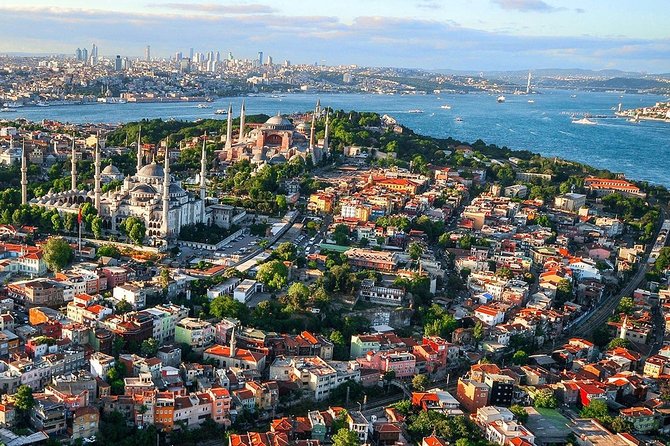
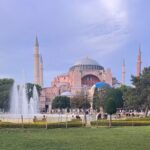
Day 2 is a classic Istanbul power day: Topkapi Palace, Hagia Sophia, the Blue Mosque, plus the Hippodrome area, then back through shopping time. The magic here is how you move through layers of empires without needing to become an expert before you arrive.
- Topkapi Palace gives you the Ottoman sultans’ world—palace life, display rooms, and the Ottoman “treasure room” vibe. You’ll also be able to focus on objects that are hard to grasp from photos, like the scale of collections and the visual weight of imperial display.
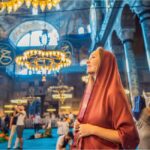
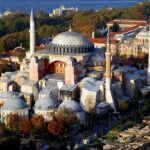
- Hagia Sophia is the architecture lesson you didn’t know you needed. The building’s timeline—from early Christian roots through later reconstructions—is part of why it still feels dramatic. Even if you’ve seen it in images before, seeing it in person is different. Plan for your guide to explain what you’re looking at, not just where to walk next.
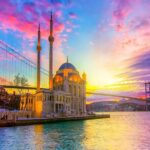
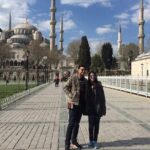
- Blue Mosque (Sultanahmet Imperial Mosque) is timed as a calmer follow-up after the palace and Hagia Sophia. The key thing is the interior detail: blue İznik tiles and the way light plays across the space.
- The Hippodrome stop anchors the older civic side of the city. It’s shorter, but it helps you understand why Istanbul is more than “just pretty buildings.”
Timing matters here. The day is paced so you’re not only walking—you’re building context. And ticketed access is included for the palace and Hagia Sophia on this day, so you’re not scrambling at the last minute.
Grand Bazaar Shopping Time Without the Chaos
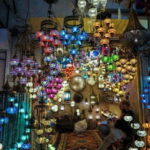
After lunch, you head to the Grand Covered Bazaar, with thousands of shops and lanes arranged around trade types—goldsmiths, carpets, arts and crafts, ceramics, copperware, brassware, and more. This is where most Istanbul visits either feel like a fun hunt or an exhausting maze.
The private structure helps because your guide can shape the experience. You can focus on what you actually want: Turkish ceramics, brass trays, onyx-style items, meerschaum pipes, or the kind of textiles that are easier to evaluate when you’re talking to someone who knows their stock.
A practical tip: treat this as window-and-try time, not a panic-buy sprint. You’re in a bazaar where quality varies, and you’ll shop better if you’re not rushed.
Bosphorus Cruise and Spice Market: Europe Meets Asia by Boat
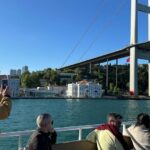
Day 3 gives you a break from “stone museum” mode and swaps in water views. You start with a Bosphorus cruise, then pair it with a Spice Market (Misir Çarşısı) tour.
The boat part is valuable for two reasons. First, it changes the geometry of the city—you see waterfront architecture and neighborhoods from an angle you can’t replicate on foot. Second, it’s a built-in reset. After concentrated sightseeing, being on the water makes the whole day feel less like running between exhibits.
Then you hit the Spice Bazaar, where the smells guide you. You’ll see the Egyptian Bazaar vibe and be able to browse spices, dried goods, and food items. If you’re the type who likes to bring edible souvenirs, this is a smart moment.
Meals here are included (breakfast and lunch), which keeps you from burning energy hunting for food between the boat and the market.
Gallipoli National Park: A Long Day With Real Emotional Weight
Day 4 is Gallipoli. You leave early—about 06:30—and you’ll arrive mid-day, with a lunch break before heading to battlefield areas. It’s a day that needs pacing, not just transportation.
What makes this stop work on a tour like this is that you don’t treat it like a quick photo stop. The route is built to give you time to absorb what you’re seeing and then move to the next viewpoint without turning it into a blur.
Dinner and overnight are in Çanakkale, which is a useful base because it reduces late-day transit stress. Also, since many battlefield-site admissions are listed as free for this segment, you can focus on the experience rather than stacking ticket fees.



Troy and the Road to the Aegean: Myths, Ruins, and Market Stops
Day 5 combines Troy (Truva) with Pergamon Amphitheater (Pergamon Acropolis) and then a market stop in Kuşadası.
- Troy is the myth layer that hooks people fast—the idea of the Trojan Horse and Helen of Troy is everywhere, but being at the site brings it down to earth. Even if you don’t consider yourself a history buff, the scale helps you understand why this place keeps reappearing in stories.
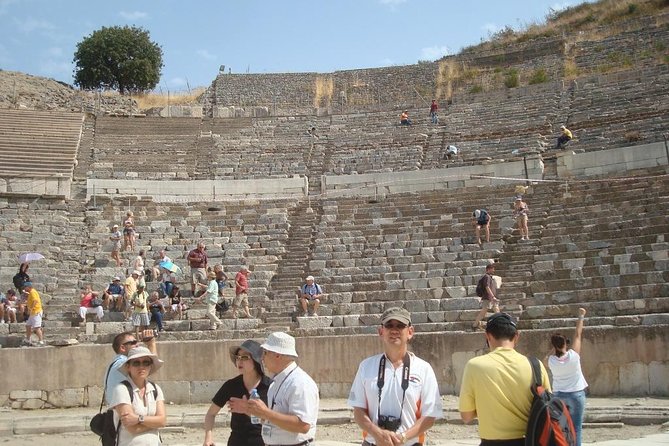
- Pergamon adds a different kind of Roman-era theatre drama: elevation, sight lines, and the way the amphitheater structure is made to hold a crowd. This is where your guide’s context matters most.
- The Kuşadası market time is your chance to breathe. It’s less intense than the archaeological stops and gives you practical shopping and snacks.
Dinners aren’t listed for Istanbul in the tour’s “not included” notes, but meals within the route are planned, and the inclusion of lunch and dinner across days helps maintain pace.
Ephesus, Virgin Mary’s House, Artemis, and Sirince: One Day, Several “Wow” Types
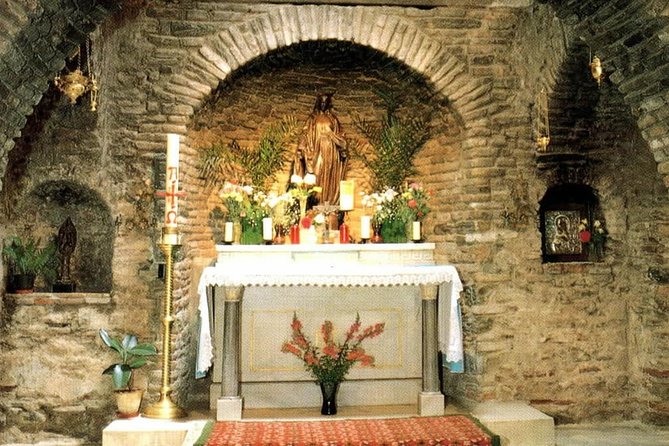
Day 6 is a full day of big names: Ephesus, Meryemana (the Virgin Mary’s House), Sirince Village, and the Temple of Artemis.
This is the kind of day where you’ll want a guide who can connect the dots:
- Ephesus is your archaeological headline. You’ll walk through spaces where the “Roman city” feeling is easy to imagine.
- Meryemana shifts the mood. It’s shorter than the main site but often memorable because it’s quieter and more reflective.
- Sirince is where many people relax a bit—village atmosphere, views, and the kind of stop that helps you remember Turkey beyond ruins.
- Artemis is brief, but it matters as context for the city’s religious and cultural pull.
The time split works. Two hours at Ephesus keeps it substantive. Then you move outward—house, village, temple—so the day doesn’t feel like only stone and captions.
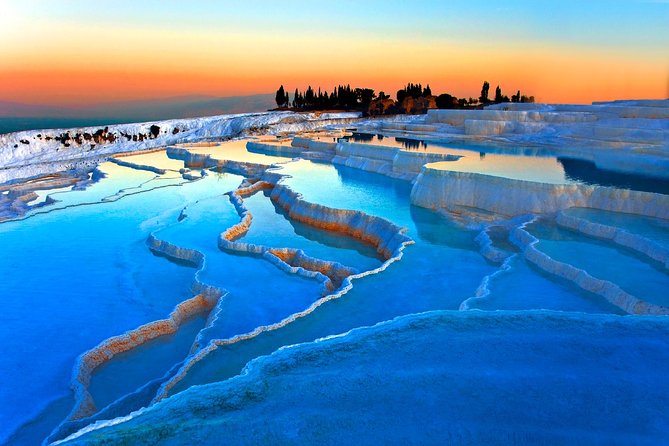
Pamukkale’s Cotton Castle and Hierapolis Ruins: The White Terraces Are the Main Event
Day 7 is Pamukkale Natural Park. You depart around 08:00, then check in around 12:00 to allow time for a lunch break before you hit the key sights.
The tour includes:
- the calcium terraces, often called the cotton castle
- the ruins of Hierapolis
- Pamukkale thermal pools
The practical value of this setup is timing. Pamukkale looks best when you have enough daylight and aren’t rushed through. Your guide can also help you navigate where to focus so you don’t spend your whole time walking in circles.
One tip if you’re packing for this: plan footwear for uneven surfaces. The terraces can be slippery, and you’ll want something stable.
Dinner and overnight in Pamukkale make this segment feel complete instead of just “see it and go.”
Antalya and Roman Stops: Perge, Aspendos, and Side
Day 8 moves you toward Antalya (overnight there), with a public bus transfer noted in the plan. That’s a real consideration: it can be fine, but it’s less “tour comfort” than private car transfers. If you’re sensitive to bus time, mentally plan for a travel-feel day.
Day 9 brings the Roman highlights:
- Perge (Perge Antik Kenti)
- Aspendos Theatre
- Side Town
This day is strong for architecture lovers. Aspendos especially has a “wow” effect because theatres are hard to understand until you stand in the space and feel how designed it is for sound and crowds.
The inclusion of breakfast, lunch, and dinner on this day helps too, because you won’t be stuck searching for food while you’re hungry. That sounds minor until you hit a full ruins day and realize food choices can either save your energy or drain it.
Cappadocia Arrival After a 7-Hour Travel Day: Plan for the Change in Pace
Day 10 is the move to Cappadocia, with a drive time listed as about 7 hours. That’s long enough that you should treat the first day in Cappadocia as transition time, not a “hit every valley” day.
Then Day 11 delivers the big Cappadocia loop, starting around 09:30.
Goreme Open Air Museum, Uçhisar, Pasabagi, and the Fairy-Chimney Route
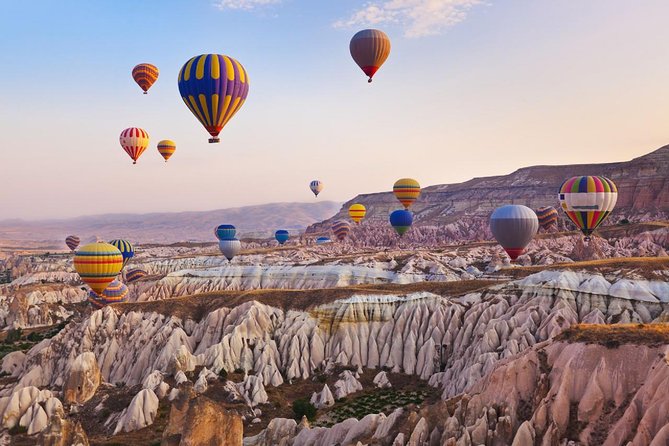
Day 11 is packed in the best way: viewpoints, then a sequence of locations with different “shapes” and textures in the landscape.
You go in a logical flow:
- Uçhisar Castle (highest point)
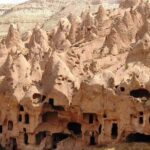
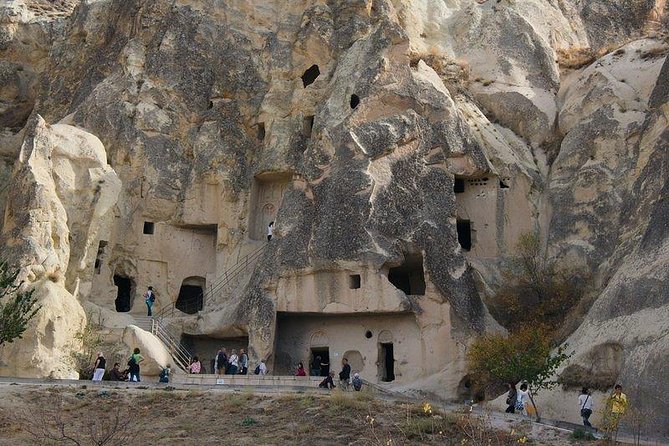
- Göreme Open Air Museum, with frescoes dating to the 10th century
- Cavusin, described as an abandoned village with old cave houses
- Avanos lunch, then workshops
- Pasabagi, known for three-headed fairy chimneys
- Devrent Valley (Imagination Valley)
- Three Beauties, another famous chimney formation
What makes this more than a photo tour is that it includes the everyday crafts side too (pottery and weaving/kilims). That changes your understanding of Cappadocia from “just rock formations” to a living culture with skills people still practice.
Also, you’re not only looking up. Several stops are more about walking and seeing how stone and homes are shaped.
Cappadocia Workshops and Shopping: Pottery, Kilims, and What to Expect
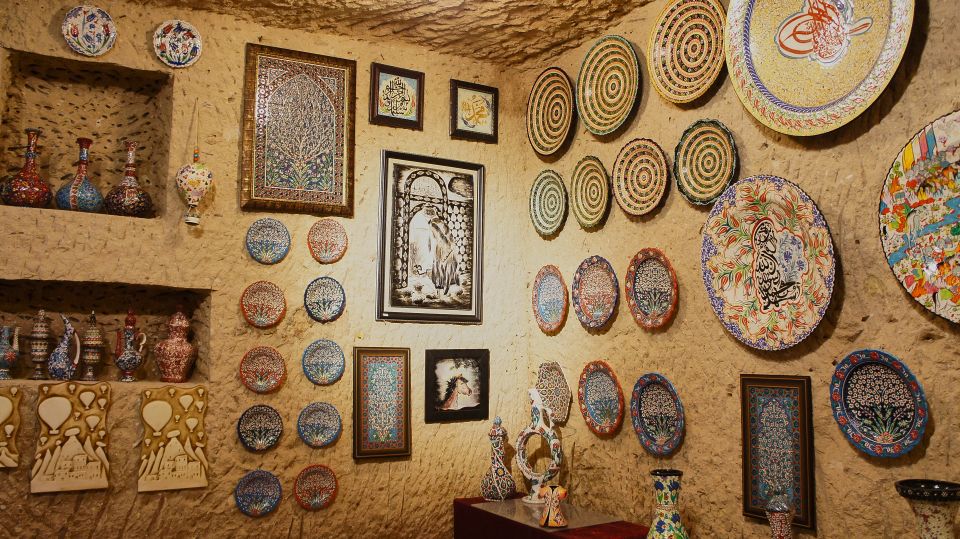
This route includes time at pottery work in Avanos and a stop connected to hand-woven carpets and kilims. You’ll also visit Cavusin Seramik and have some listed shopping time.
If you like souvenirs, this is the sweet spot. You’re shown how items are made rather than just being dropped into a store. And if you’re careful with your budget, these stops are better than random shopping because you can compare quality and craftsmanship while you’re seeing process.
If you want a “do we or don’t we” moment: this itinerary doesn’t list hot air balloon rides, but at least one guide-run experience noted that balloon rides can be arranged as an extra. If that matters to you, ask early so you’re not trying to coordinate weather and timing last minute.
Cave Dwellings Morning and the Flight Back to Istanbul
Day 12 starts with free time shopping in Cappadocia, then you head to Kayseri airport for a domestic flight back to Istanbul. This is a clean ending: you keep the last morning flexible, and you’re not stuck in a long drive back to the big city.
Keep in mind that domestic flights have their own clock rhythm. Even with a planned schedule, you’ll want to move efficiently once you arrive at the airport.
Price and Logistics: Is $5,900 Per Person Good Value?
$5,900 per person is a big number. The question isn’t whether it’s “cheap.” It’s whether it buys you something you can’t easily replicate on your own without stress.
Here’s where the value case is strongest:
- Private-only time: Your group is the only one on this tour/activity, so you’re paying for a human schedule, not just transport.
- 23 included meals across 12 days: that’s 11 breakfasts, 8 lunches, and 4 dinners. Meals add up fast in Turkey, and they can be hard to coordinate day after day when you’re self-guiding.
- Hotels with quality tiers: you’re using 4-star hotels for Istanbul and Çanakkale, and 5-star hotels for Kuşadası, Antalya, and Cappadocia (as listed). Also, one traveler noted they requested hotel location changes in Istanbul and Cappadocia with an extra cost, which suggests some flexibility in comfort preferences.
- Domestic flight included: the Cappadocia-to-Istanbul flight is part of the package, so you’re not responsible for one of the most time-sensitive moves.
- Most key admissions are covered where listed: the itinerary includes admission tickets for major stops like Topkapi Palace and Hagia Sophia on the Istanbul day, plus entries on multiple days in the Aegean and Pamukkale segments.
Where you should be honest with yourself: this isn’t “light and leisurely.” You’re paying for structure and reduced planning burden, but the route still requires stamina.
Who This Tour Fits Best (and Who Might Want a Different Style)
This tour is ideal if you:
- want a private guide and driver plan across Turkey’s major highlights
- prefer having meals handled and admissions planned
- like archaeology and major historical architecture as much as scenic stops
- enjoy craft and culture time in places like Avanos and workshop visits in Cappadocia
It might feel less ideal if you:
- want lots of downtime each day
- dislike early starts or long drive days (including a noted public bus transfer on one day)
- plan to spend large portions of each city on your own without a guide-led route
Should You Book This Private Turkey Tour From Istanbul?
I’d book it if you want the simplest way to see a lot of Turkey, with private pacing and meals largely taken care of. The route is built around the big names—Istanbul monuments, Ephesus, Pamukkale, and Cappadocia—yet it also includes market time and workshops so the trip doesn’t feel like you only stand in front of ruins.
I wouldn’t book it if you’re hunting for a slow, flexible “pick one thing per day” style trip. This one is structured, ticketed, and full.
If you’re on the fence, ask yourself one question: Do you want to spend your vacation thinking about logistics? If the answer is no, this private plan is exactly the kind of help that makes a highlight-heavy itinerary actually enjoyable.
FAQ
How long is the Private 12 Day Tour of Turkey from Istanbul?
It runs for 12 days approximately, with a packed route starting in Istanbul and ending back in Istanbul after a domestic flight from Cappadocia.
What’s included in the price?
The tour price includes accommodation as per the itinerary (4-star hotels for Istanbul and Canakkale, and 5-star hotels for Kuşadası, Antalya, and Cappadocia), all transfers, and meals listed as breakfast (11), lunch (8), and dinner (4). A domestic flight from Cappadocia to Istanbul is also included.
Is this tour private?
Yes. It’s listed as private, and only your group participates.
Are international flights included?
No. International flights are not included.
Is pickup provided?
Yes. Pickup and drop-off service is provided from/to airports of Istanbul.
What language is the tour offered in?
It’s offered in English.
Are meals included throughout the trip?
Yes. The tour includes 11 breakfasts, 8 lunches, and 4 dinners, for a total of 23 included meals. Dinners in Istanbul are not included.
Can the itinerary change due to COVID-19?
The information notes that due to the COVID-19 virus the itinerary may change due to opening hours of some attractions.
What happens if I need to cancel?
The experience is non-refundable and cannot be changed for any reason.