REVIEW · ISTANBUL
Pearl’s of Turkey – 8 Days
Book on Viator →Operated by Tour Altinkum Travel · Bookable on Viator
Turkey’s highlights, packed into an eight-day circuit. This is a practical way to see Istanbul and the big-ticket ancient sites—without the hassle of stitching everything together yourself. You’ll move from Byzantine and Ottoman landmarks to the battlefields of Gallipoli, then down through Ephesus, Pamukkale, and Antalya.
I like two things right away. First, the trip is capped at 12 travelers, so the pace feels human and questions don’t get lost. Second, the price structure is mostly “done for you”: hotels for multiple nights, select meals, transit between regions, and internal flights are built in.
One drawback to plan around: entry tickets are not included for major sights. The guide uses skip-the-line arrangements, but you’ll still need to pay for admissions in cash (lira, USD, or euro), and some sites can close on religious or national holidays.
In This Review
- Key things that make this tour work
- The value of bundling Istanbul through Antalya into one plan
- Day 1 arrival in Istanbul: get your bearings fast at SAW
- Istanbul highlights in one old-city sweep: Hagia Sophia, Topkapi, Blue Mosque, and the Bazaar
- Gallipoli’s ANZAC battlefields and Troy: war memorials plus myth history
- Pergamon and the Asklepion: ancient medicine in Pergamum ruins
- Ephesus and the Temple of Artemis: walking through a Roman city that still holds shape
- Pamukkale’s white terraces and Hierapolis: thermal pools plus Roman necropolis
- Antalya from sea-to-sky to the old town: Tunektepe, Duden Waterfalls, Kaleiçi
- Price and what to budget: $1,400 with included hotels, flights, and food
- Should you book Pearl’s of Turkey?
- FAQ
- FAQ
- Is pickup from the airport included?
- How many travelers are in the group?
- Are entry tickets to historical sites included?
- Are meals included?
- Are internal flights included?
- What languages is the tour offered in?
- Can I cancel for a full refund?
Key things that make this tour work
- Max 12 travelers for a more personal, easier-to-manage day
- One-region-to-next-region routing from Istanbul down to Antalya with internal flights
- Hotels that are central and described as “special class,” rather than remote bulk accommodations
- Skip-the-line setup handled by your guide, even though tickets are paid separately
- Turkey highlights with variety: mosques and palaces, war memorials, Roman ruins, thermal terraces, and seaside old town
The value of bundling Istanbul through Antalya into one plan
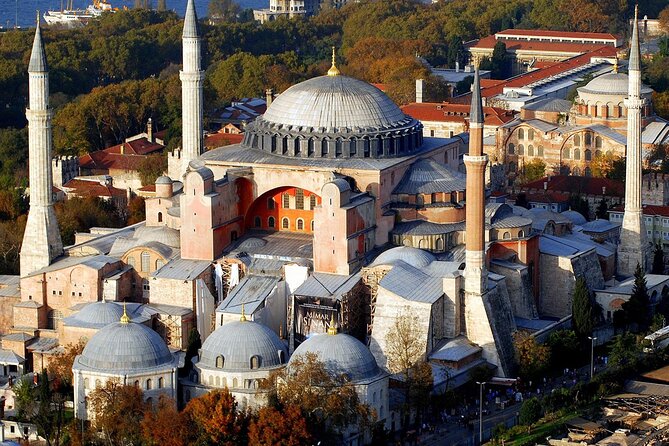
At this price point, what matters is how much decision-making you don’t have to do. Pearl’s of Turkey is built as an 8-day loop—starting with arrival support in Istanbul, then moving inland and south to finish in Antalya. That routing is smart because you’re not backtracking across the country like a “see it all” DIY itinerary.
You also get a lot of the annoying logistics handled: airport-to-hotel pickup in Istanbul, accommodation for multiple nights in Istanbul, Canakkale, Kusadasi, and Antalya, and internal flights between regions. The hotels are described as special class and centrally located, and the operator notes the aim is to use hotels with a more region-character feel (not the kind that swallows large tour groups). That means you’re more likely to find yourself closer to where you’ll actually want to wander after dinner.
Meal coverage helps too. You’ll have 7 breakfasts and 6 lunches included, but beverages aren’t included with meals. If you’re the kind of traveler who drinks tea nonstop or likes wine with lunch, you’ll want to budget for that separately.
And about the human factor: this tour is led in English, and the guide support is part of the ticket strategy. One guide name that shows up in feedback is Hati, described as the best—so if you have flexibility when booking, it’s worth asking who will guide your dates.
You can also read our reviews of more tours and experiences in Istanbul.

Day 1 arrival in Istanbul: get your bearings fast at SAW
Day 1 is your arrival day at Istanbul / SAW Airport (you’re greeted and driven to your hotel). It’s not a “first day chaos sprint,” and that matters. Landing in Istanbul and then trying to navigate public transit while you’re tired is how trips turn into stress fests.
Once you check in, your day is mostly about settling in. There’s an included admission ticket for the first-day stop, but the major value here is practical: you start with transportation handled, so you can focus on sleep and orientation rather than maps.
If you’re arriving internationally, this kind of day-one setup is exactly what makes a structured tour feel worthwhile. You skip the “Wait, where is the shuttle?” problem and you avoid that classic Istanbul trap: spending your first evening stuck in traffic instead of getting a sunset walk.
A small note to keep in mind: if you want pre- or post-tour nights, the operator says those can be arranged by request. That’s handy if your flight times don’t line up cleanly with an 8-day service window.
Istanbul highlights in one old-city sweep: Hagia Sophia, Topkapi, Blue Mosque, and the Bazaar
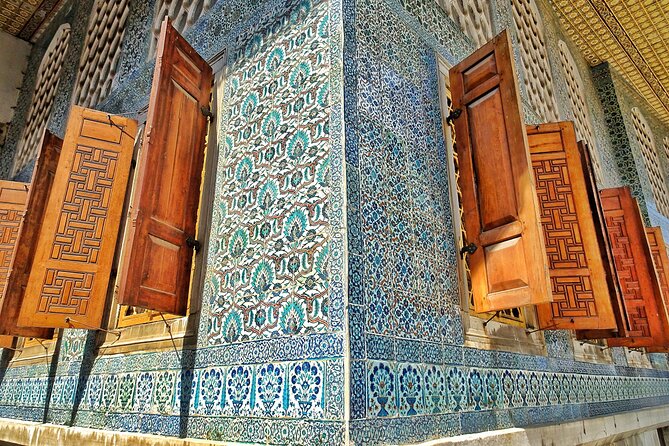
On Day 2, you’ll get a classic Istanbul core with four big sights plus the Grand Bazaar. This is the kind of day where you see the city’s layers in quick succession—Byzantine first, then Ottoman.
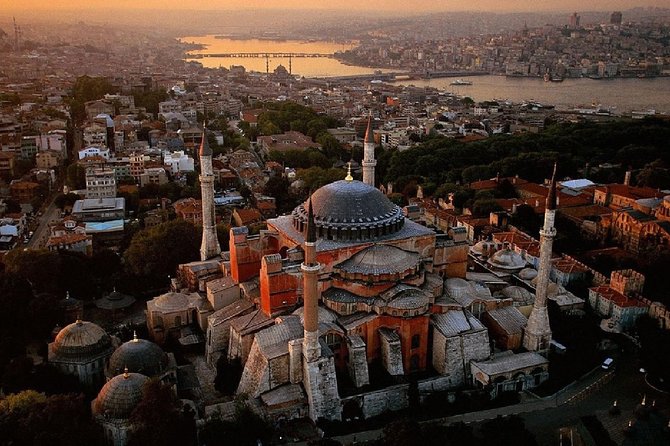
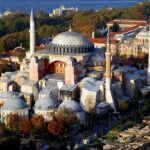
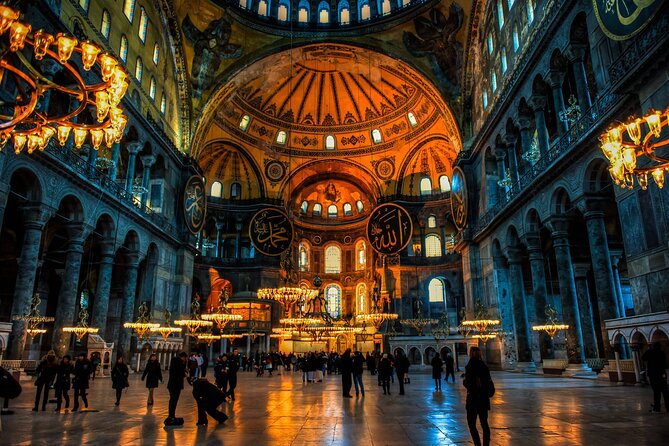
Hagia Sophia Grand Mosque is where the timeline starts. Even if you’re not a hardcore architecture person, it’s easy to feel the scale: it was the largest religious building on earth during the Byzantine period. The tour length at this stop is about 1 hour, and admission isn’t included, so you’ll be paying the site fee separately.
Next is Topkapi Palace, the imperial residence and the seat of government for the Ottoman Empire for nearly 400 years. Plan for about 2 hours here. This is one of those places where the rooms can blur together if you rush, so giving yourself an easy pace helps. Admission is also not included.
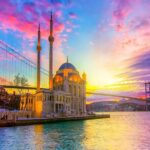
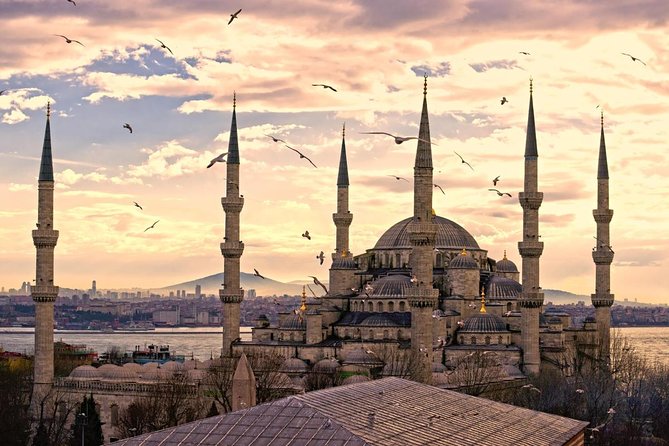
Then come the Roman and Ottoman urban symbols: the Hippodrome (built around 203 AD) and the Blue Mosque (built in 1616, with six minarets and a signature dome). The Hippodrome stop is about 1 hour and is free to enter; the Blue Mosque is also listed as free entry.
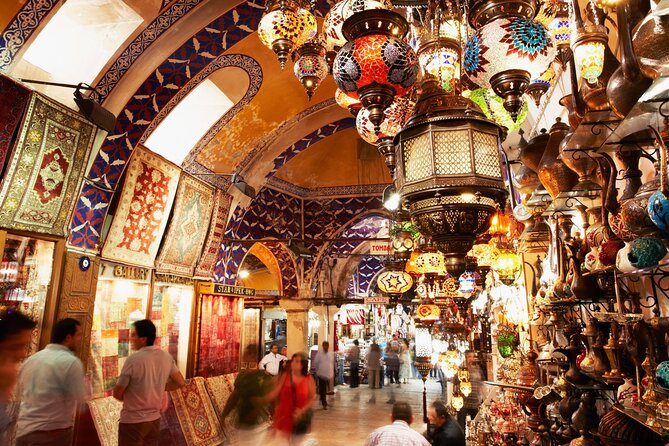
Finally, you end with the Grand Bazaar, which is more than a shopping stop. It’s a city-within-a-city: 18 entrances and over 4,000 shops. The bazaar stop is about 2 hours and is free entry on the tour. Even if you don’t buy much, go with a slow wandering mindset. The maze works best when you’re not treating it like a checklist.
Possible drawback to consider here: Ottoman and Roman sites mean lots of standing and walking over uneven ground. If you’re sensitive to crowds or steps, bring a steady pace and comfy shoes.
Gallipoli’s ANZAC battlefields and Troy: war memorials plus myth history
Day 3 shifts the mood fast. You’ll leave Istanbul for Canakkale by road (about 4 hours drive time), meet your guide, and head into Gallipoli.
Gallipoli is not “one battlefield photo.” It’s a set of specific locations tied to real people and real events. You’ll visit Brighton Beach, ANZAC Cove, Beach Cemetery, Lone Pine Australian Memorial, Turkish and allied tunnels and trenches at Johnston’s Jolly, plus the 57th Regiment Turkish Memorial and the Chunuk Bair New Zealand Memorial. The guided time at Gallipoli is listed as about 2 hours. Admission is free for those memorial sites on this tour, which is a nice cost relief.
One value of covering multiple named points is clarity. You start to understand why these sites are where they are, and how terrain shaped the story. If you’ve ever tried to learn Gallipoli from books and felt it was too broad, this kind of location-by-location structure helps your brain attach meaning.
After Gallipoli, you’ll visit Troy (Truva) for about 2 hours. Admission isn’t included. Troy is UNESCO-recognized ruins of the ancient kingdom that fueled legends like the Trojan War, the Trojan Horse, Helen of Troy, and Prince Paris. The tour mentions key areas you might see, like the Walls of Troy II, the Megaron House, the Ramp of Troy II, a Roman bath, the Odeon, and the Temple of Athena. Even if the legends aren’t your thing, the scale of the site is still memorable.
Then you transfer and check in for the night in your hotel. The practical win is that you’re not packing up and relocating repeatedly; you get one clear thread of travel plus a real stop that breaks up the long day.
Pergamon and the Asklepion: ancient medicine in Pergamum ruins
Day 4 is built around the Pergamon area, and it’s a great change from the “big city” feeling of Istanbul. You’ll start with breakfast, check out, and drive to Pergamum (listed as about 2 hours for the Pergamon ancient city stop).
Pergamon is described as a capital for nearly four hundred years, and the tour notes the presence of early Christian context through the idea of John’s letter. The key archaeological value is the way you get multiple layers: temples, palaces, agoras, and major monuments like the Asclepion. The tour also mentions the Zeus Altar and the Parchment Library, which gives you a more concrete sense of how serious this place was culturally.
Then you visit the Asklepion, known as the Pergamum “God of Health.” It’s described as a long-running medical center tied to healing practices for several hundred years, with scholars such as Hippocrates and Galen mentioned as connected to the region. Admission isn’t included for this portion, and the tour time is about 1 hour.
If you’re wondering why this matters: modern visitors often think of ruins as just “pretty stones.” But Asklepion is different. It’s a place tied to healing, routines, and belief systems—so it feels more human, less museum-like.
After that, you’ll drive toward Kusadasi (about 2 hours, admission free on the tour). This sets you up for the next day’s Ephesus visit, keeping lodging closer to the ancient site zone.


Ephesus and the Temple of Artemis: walking through a Roman city that still holds shape
Day 5 is where the route really earns its reputation for classic big-ticket archaeology. You’ll stop at the House of the Virgin Mary first (about 1 hour; admission not included). The tour describes a church built from the 6th century AD over foundations of a house dated to the 1st century AD. The church tradition says it was Mary’s final home. Even if you don’t have a religious background, the sense of place is usually what visitors remember.
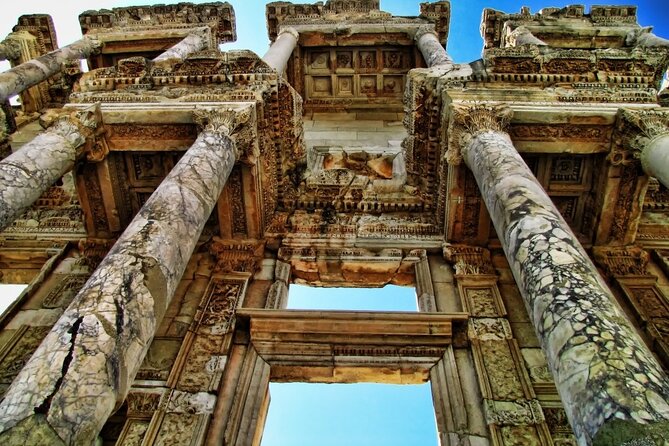
Then comes Ephesus Ancient City for about 2 hours. Admission isn’t included here either. Ephesus is described as the best-preserved classical city in the Eastern Mediterranean. In the 1st century AD, the tour notes Ephesus was the second-largest city on the planet after Rome, with more than 250,000 citizens. That’s the kind of fact that changes how you walk through a site. When you see the scale of the streets and monuments, you can better picture the crowds that once filled them.
You’ll also get a sense of “wow” landmarks: the tour specifically mentions the city’s library and its largest Roman theatre on the Asia continent. The idea is that you’re not just seeing one temple; you’re moving through a whole urban ecosystem.
To round out the day, you visit the Temple of Artemis (about 1 hour, admission listed as free). Artemis is one of the Seven Wonders of the Ancient World, and the tour notes its cult made Ephesus a major pilgrimage place.
The real consideration here is time and energy. Two hours at Ephesus sounds simple until you’re actually walking in the open. I’d plan to hydrate and take short rests when needed. This is a site where your legs do the talking.
Pamukkale’s white terraces and Hierapolis: thermal pools plus Roman necropolis
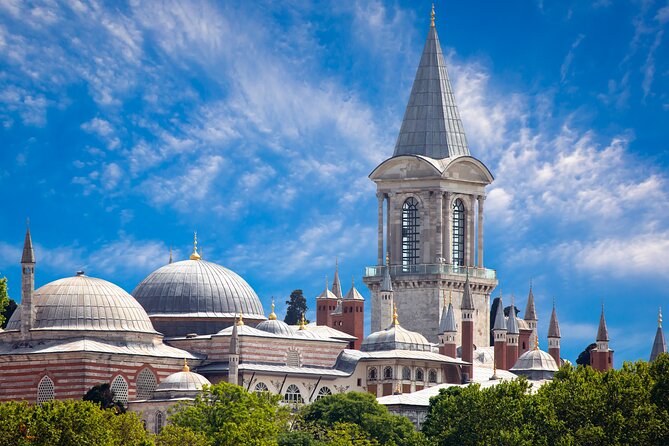
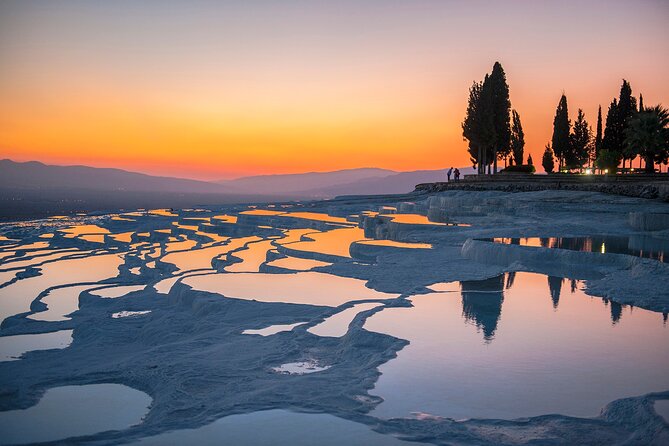
Day 6 turns scenic and weird—in the best way. You check out, meet your guide, and head to Pamukkale (about 3 hours; admission not included). Pamukkale is described as the earliest spa on earth, built around hot springs and healing beliefs.
The tour’s description highlights the mechanics: terraces are formed by warm spring water around 35°C, with calcium bicarbonate. UNESCO recognition is mentioned too, which helps explain why the place attracts serious attention worldwide.
Then you visit Hierapolis & Pamukkale (listed as 1 minute on the schedule, but it’s clearly intended as a short, stop-in highlight rather than a full museum block). You’ll see the ancient city of Hierapolis and its necropolis, described as having the biggest necropolis in Anatolia with 1,200 gravestones. The tour also notes the Sacred Pool where shallow thermal waters ripple over Roman ruins beneath.
Here’s the value: you’re not just seeing ruins and moving on. You’re pairing physical landscape (white terraces) with archaeology (Hierapolis) in one day. Most tours that hit Pamukkale focus only on the terraces. This adds another layer, even if the time is shorter for the Hierapolis component.
After the tour, you drive to Antalya (about 3 hours). Admission for the transfer segment is free on the tour, which is a nice way of keeping the focus on actual activities.
Antalya from sea-to-sky to the old town: Tunektepe, Duden Waterfalls, Kaleiçi
Day 7 is all about Antalya’s vibe: sea views, waterfalls, and an old neighborhood where you can wander without a schedule.
First is Tunektepe Teleferik Tesisi, a cable car ride “from sea to sky.” The tour says Tunektepe sits 1,365 meters above sea level. From the top, you’ll see the coastline, mountain views, pine forests, and the turquoise Mediterranean. Admission isn’t included here.
Next is Upper Duden Waterfalls (about 1 hour; admission listed as free). You’ll walk through the park and listen to the falling water. It’s the kind of stop that works even if you’re tired. It gives your brain a break from ruins.
Then comes lunch at a local restaurant with a panoramic view, and you get 1 to 1.5 hours of free time to explore Kaleiçi, Antalya’s old town. The tour lists key sights you can look for: Hadrianus Gate, the Clock Tower, Kesik Minare (Truncated Minaret), and city walls dating back to the 2nd century. Free time is where you’ll make the day your own—boutiques, art galleries, museums, and souvenir shopping in that narrow-street, stone-walled style.
The night is in Antalya, so you end your trip where you can relax rather than immediately repack for another region.
Price and what to budget: $1,400 with included hotels, flights, and food
The headline price is $1,400 per person for an 8-day tour. What’s included (based on the tour info) is the real story: accommodation across Istanbul, Canakkale, Kusadasi, and Antalya; internal flights between destinations; select meals; and the transit you’d normally spend hours arranging.
That means the cost mostly covers your ability to move efficiently while you’re seeing major stops. For a trip that includes multiple-day regional changes—plus ancient sites across several provinces—that bundled approach can be more economical than doing it piece by piece.
What’s not included is equally important. Entry tickets for historical sites are excluded, and the guide will collect the costs in cash from you, using options like lira, USD, or euro. Also, beverages aren’t included with meals. So if you’re used to “tour price means everything,” this one isn’t that kind of deal.
Still, there’s one practical advantage: the tour states your guide has pre-paid skip-the-line tickets to avoid long queues. That can be a huge time-saver on famous sites where lines can swallow half the day. Just remember you’re paying the admissions, not waiting for tickets.
Finally, the small-group cap (max 12) can affect value too. If you dislike being herded, that matters as much as the hotels do.
Should you book Pearl’s of Turkey?
If you want a structured, efficient route through Turkey’s biggest names—Istanbul, Gallipoli, Troy, Pergamon, Ephesus, Pamukkale, and Antalya—this tour makes sense. The included internal flights, central hotel locations, and the meal plan reduce the “admin work” that often ruins DIY travel.
I’d skip or at least think twice if you strongly prefer keeping full control of every ticket and entry fee yourself. Since admissions are paid on the spot in multiple currencies, you’ll want to be comfortable carrying cash options or having the right amount ready.
This also isn’t a “slow travel” trip. It’s built for movement and multiple major sights per day, especially in Istanbul and around Ephesus. If you like your days with breathing space, plan on comfortable shoes and quick resets—water, snacks, and short pauses.
FAQ
FAQ
Is pickup from the airport included?
Yes. Pickup from Istanbul Airport to your hotel is provided. The tour asks you to share your international flight details at booking.
How many travelers are in the group?
This tour has a maximum of 12 travelers.
Are entry tickets to historical sites included?
No. Entry fees are not included. Your guide has pre-paid skip-the-line tickets, but you’ll pay the admission costs to the guide in cash (lira, USD, or euro).
Are meals included?
Yes. The tour includes 7 breakfasts and 6 lunches, with beverages not included with meals.
Are internal flights included?
Yes. Internal flights between destinations are included in the tour cost.
What languages is the tour offered in?
The tour is offered in English.
Can I cancel for a full refund?
You can cancel for free up to 24 hours in advance of the experience for a full refund. Cancellation requests made less than 24 hours before the start time are not refunded.