REVIEW · ISTANBUL
Original Istanbul Jewish Heritage Tour.
Book on Viator →Operated by Davut ishaki · Bookable on Viator
Istanbul’s synagogue doors feel like time machines. This Jewish heritage tour strings together key stops—Ahrida Synagogue in Balat and community-linked worship spaces—so you understand more than dates and names. I especially like the way the route compares Sephardic and Ashkenazi experiences through the places themselves. One thing to factor in: some entrances or sites can require extra payments, and holiday closures may affect what you see.
You’ll also get real comfort from the format: private transportation means you’re not doing stop-and-start logistics across town. I just recommend planning for lunch on the way and any admission fees that aren’t included at certain stops.
In This Review
- Key Points Before You Go
- Why This Istanbul Jewish Heritage Route Works
- Stop 1: Ahrida Synagogue in Balat and Its Boat-Shaped Bimah
- Stop 2: Neve Shalom and the Quincentennial Foundation Museum
- Stop 3: Askenazi Synagogue Built in 1909 and Still Active
- Stop 4: Binbirdirek District, a Quick Look, and a Terrace Lunch View
- Stop 5: Beth Yaakov Synagogue in Kuzguncuk on the Asian Side
- Price and Value: Is $475 Per Group Fair?
- The Guide Factor: What Makes the Day Feel Personal
- Who Should Book This Tour?
- FAQ
- FAQ
- What’s the duration of the Istanbul Jewish Heritage Tour?
- How much does the tour cost?
- Is lunch included?
- Are admission tickets included for all sites?
- Do I need to arrange transportation myself?
- Is it a private tour and can I cancel for free?
- Should You Book This Istanbul Jewish Heritage Tour?
Key Points Before You Go
- Boat-shaped bimah at Ahrida Synagogue: a standout architectural detail tied to the community that built it.
- Sephardic guidance is the theme: your explanation is meant to connect the dots between communities and neighborhoods.
- A mix of Ottoman-era and later synagogues: from a centuries-old Balat synagogue to an Ashkenazi synagogue built in 1909.
- Asian-side visit at Beth Yaakov: Kuzguncuk’s ongoing worship connection shapes how you understand continuity.
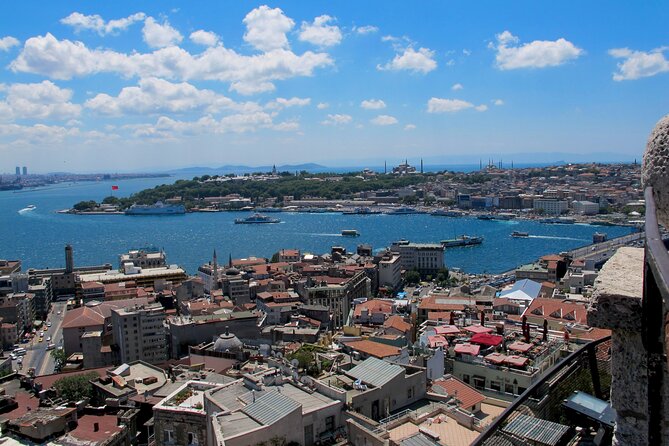
- Views at Binbirdirek: you’ll pause for a terrace lunch setting with major Istanbul scenery.
- Some days may change by holiday: a guide like Ipek has been known to substitute other stops when closures happen.
Why This Istanbul Jewish Heritage Route Works
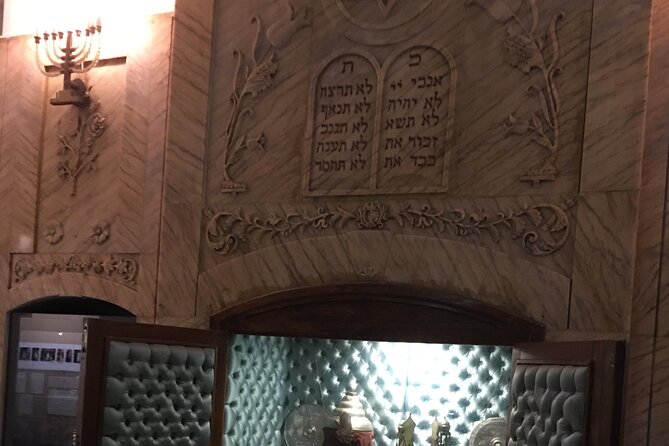
This tour is built around walking into places where Jewish life left physical traces—synagogues, museums, and the neighborhoods that shaped daily routines. Instead of treating Jewish history as background information, you get a guided lens that explains what you’re seeing and why it mattered in Istanbul.
The pacing also helps. You move between sides of the city and different community histories, which makes contrasts easier to grasp: Sephardic ties in one place, Ashkenazi migration and a still-active worship space in another. If you like context that feels practical, not academic, this kind of route tends to click.
Finally, the private-transport format matters in Istanbul. An 8-hour day can be exhausting if you’re constantly negotiating transit, and that’s exactly where private pickup-style logistics can save your energy.
You can also read our reviews of more historical tours in Istanbul
Stop 1: Ahrida Synagogue in Balat and Its Boat-Shaped Bimah
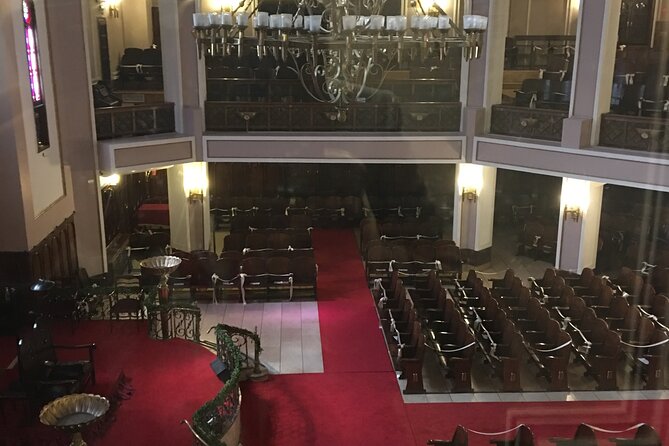
Balat sits near the Golden Horn, and Ahrida Synagogue anchors the area with a story that goes back more than 550 years. The synagogue was built by Jews of Ohri from Macedonia, and it was later renovated during the Quincentennial Celebrations in 1992.
What you should look for is the synagogue’s boat-shaped bimah. That detail isn’t just design trivia—it gives you a physical clue to how worship spaces were shaped by community tradition. With a guide from the Sephardic perspective, you’ll get the explanation tied to the people who created and sustained the space.
Admission is not included for this stop, so I’d mentally budget for that separately. Also, expect the visit to be focused—there’s enough time to absorb the meaning of what you’re seeing, but not so much free roaming that you lose the narrative thread.
Stop 2: Neve Shalom and the Quincentennial Foundation Museum
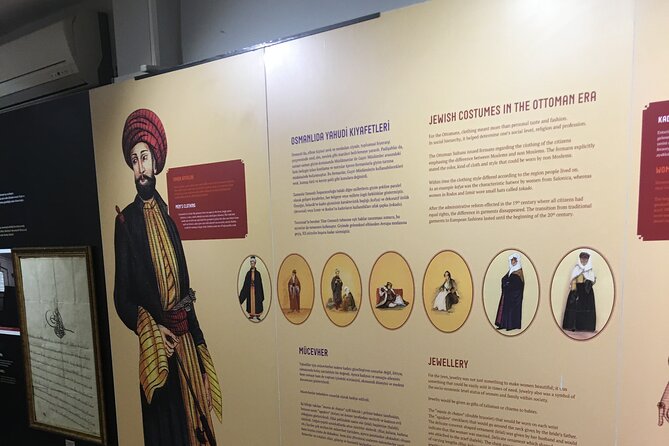
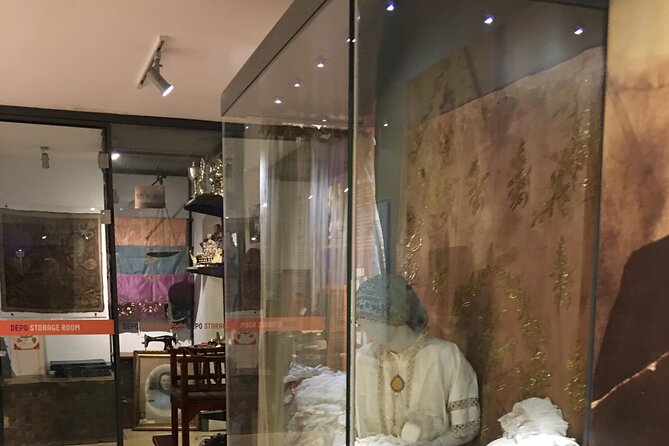
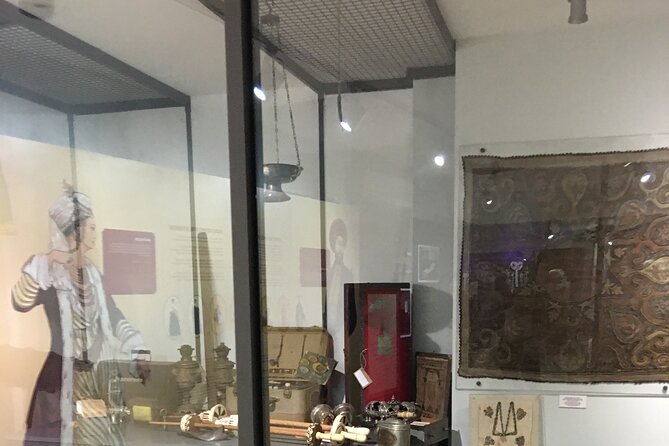
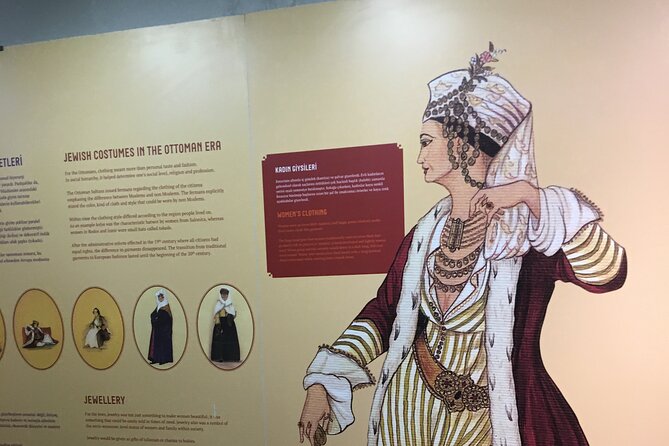
After Balat, you’ll shift to the Quincentennial Foundation Museum of Turkish Jews, located at Neve Shalom Synagogue. This museum is linked to the 1992 effort to commemorate 500 years of Sephardic Jewish–Turkish relations.
The big idea here is scale. You’ll hear how Jewish life shaped Istanbul under the Ottoman Empire, when the region was once home to up to 500,000 Jews. That kind of number can feel abstract until you connect it to the physical institutions that still exist in the modern city.
The trade-off: the time slot for this stop is short in the overall flow. So don’t expect a slow, museum-with-your-own-pace experience. Instead, treat it like a guided orientation to themes you’ll carry into the later synagogue visits.
Museum admission is also not included, so check what you’re likely to pay on the day and keep a little extra cash/card handy.
Stop 3: Askenazi Synagogue Built in 1909 and Still Active
This is the stop that often surprises people because it’s not only about memory—it’s about continuity. The Ashkenazi community emigrated from Europe to Ottoman territories in the late 14th century, and the synagogue here was built by Ashkenazi Jews from Austria in 1909.
What I’d focus on is that it remains in active use today. That makes the visit feel less like an exhibit and more like a living part of Istanbul. Even if you’re not religious, active use helps you understand why people keep coming and why these spaces matter beyond architecture.
Good news for planning: admission here is free. That also makes it a low-friction stop when you’re trying to keep the day on budget.
Stop 4: Binbirdirek District, a Quick Look, and a Terrace Lunch View
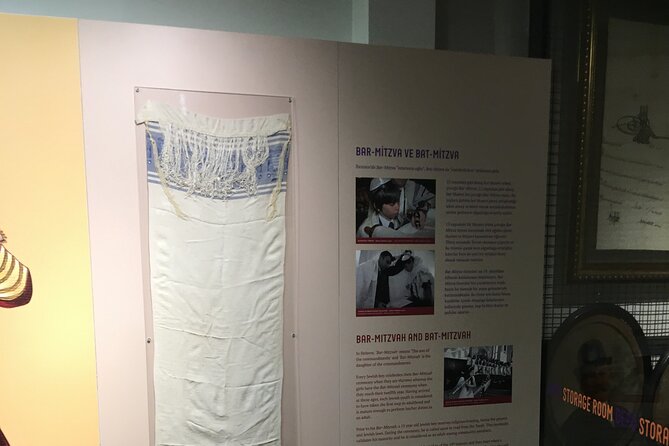
Binbirdirek is described as one of Istanbul’s most famous tourist attractions, so you’re likely to see a busy, photogenic district vibe. The tour won’t try to turn this into a long neighborhood exploration. Instead, you get a brief view, then head for lunch on a terrace restaurant.
Here’s the practical point: lunch is not included. The tour can set you up with the location and the view, but you’ll still want to budget for the meal. If you’re picky about where you eat, you might use the terrace pause to decide what’s worth ordering once you see the menu.
Because this stop is built around views, I’d use it as a mental reset. After synagogues and museum themes, the terrace break gives you a wider-angle sense of Istanbul—the kind of contrast that makes the heritage stops feel more grounded.






Stop 5: Beth Yaakov Synagogue in Kuzguncuk on the Asian Side
Beth Yaakov Synagogue takes you to the Asian side of Istanbul, in the district of Kuzguncuk. The synagogue was built in 1878, and even though the Jewish community from Kuzguncuk moved to other parts of Istanbul, people still regularly come for sabbath worship.
That detail is important. It shifts the story from a one-time settlement to ongoing belonging. The building isn’t just a historic marker; it’s a gathering point that outlasted where the community lived full-time.
Plan for a longer visit here—this stop is timed at about 2 hours, which means you’ll have space to ask questions and absorb the explanation instead of rushing through. Admission is free, so it’s another budget-friendly highlight.
If you like the feeling of slow learning, this is the place where the tour’s narrative can settle in. It’s also the stop that tends to leave you thinking about how traditions travel with people, not just with maps.
Price and Value: Is $475 Per Group Fair?
At $475 per group (up to 8), the price is positioned as a private day with private transportation and guided access across multiple sites. That means the value isn’t only in the attractions—it’s in the logistics and in having a guide thread the story together.
If you’re coming with a small group (up to the full eight), the per-person cost can make a private format feel reasonable compared with booking separate tickets and DIY transport day-by-day. If you’re just one or two people, the cost is harder to justify unless you really want the custom guide attention and the curated route.
One more value point: not every stop costs extra. Askenazi Synagogue and Beth Yaakov are free for admission, while Ahrida and the museum have admission not included. Even so, you should expect that the day can include extra spend on entry where listed as not included.
My advice: treat this as a guided heritage education day where the “product” is interpretation plus access—not just sightseeing.
The Guide Factor: What Makes the Day Feel Personal
The strongest praise attached to this tour style is the guide’s ability to bring the places to life. In particular, one guide named Ipek has been described as sharing stories like she’s introducing the city to friends—clear narratives about Jewish life in Istanbul, plus helpful comparisons between the Europe-side and Asia-side of the city.
Another detail worth noting: during the Passover holiday, some sites can close. In that case, a guide like Ipek has substituted other stops that still stayed interesting and aligned with the tour theme. That flexibility can make the difference between a frustrating day and a fulfilling one.
If you’re the type who wants to ask questions—about community differences, architecture, or everyday life—this tour’s guided format is built to support that. It’s also why a Jewish heritage theme works best when your guide can explain what you’re looking at as you stand in front of it.
Who Should Book This Tour?
This fits well if you want Jewish heritage in Istanbul with structure. It’s especially good for:
- People who like seeing multiple communities represented, not just one synagogue or one neighborhood.
- Visitors who enjoy asking questions and getting explanations on-site.
- Small groups that want private transportation to reduce city stress.
It may not be the best match if you want a fully self-paced museum day. The museum component is short, and the route is designed to keep momentum across several sites, including terrace lunch time.
Also, because lunch isn’t included and some admissions aren’t included, it suits travelers who don’t mind minor extra costs on the day.
FAQ
FAQ
What’s the duration of the Istanbul Jewish Heritage Tour?
It runs about 8 hours.
How much does the tour cost?
The price is $475.00 per group, up to 8 people.
Is lunch included?
No. Lunch is not included, even though there’s a lunch stop with a terrace view in the Binbirdirek area.
Are admission tickets included for all sites?
No. Admission is not included for Ahrida Synagogue and the Quincentennial Foundation Museum of Turkish Jews. Admission is free for Askenazi Synagogue and Beth Yaakov Synagogue.
Do I need to arrange transportation myself?
No. Private transportation is included, and pickup is offered.
Is it a private tour and can I cancel for free?
Yes, it’s a private tour/activity with only your group participating. You can cancel for a full refund up to 24 hours before the experience starts.
Should You Book This Istanbul Jewish Heritage Tour?
If you want Jewish heritage that feels grounded in real places—synagogues that were built by specific communities, a museum tied to 500 years of Sephardic–Turkish relations, and an Asian-side stop where sabbath worship continues—this is a strong choice. The private transportation and guided storytelling help the day feel organized, not like a scattered history project.
I’d book it if your group is small enough to make the private format worthwhile and if you’re comfortable budgeting for lunch and any admissions marked as not included. If you want a leisurely, totally independent museum pace, you might prefer a different setup—but for a guided, community-focused day across Istanbul, this one makes a lot of sense.
![2 Continents Tour incl. Beylerbeyi Palace [full-day] - Beylerbeyi Palace on the Asian side: an Ottoman summer residence](https://7.theturkeytraveller.com/wp-content/uploads/2-continents-tour-incl-beylerbeyi-palace-full-day.jpg)