REVIEW · KUSADASI
Kusadasi: EPHESUS PRIVATE PORT TOUR FOR CRUISES-SAVE TIME
Book on GetYourGuide →Operated by MEGALE TRAVEL · Bookable on GetYourGuide
Ephesus can feel like a lot, but this tour is built for limited time and clear priorities. You get a private day plan that links Selcuk’s pilgrimage stop with the Roman highlights of Ephesus, plus a walk route that helps you avoid wandering.
I especially like the combination of iconic ruins and a meaningful visit to the House of the Virgin Mary in Selcuk, which many people treat as a quiet spiritual stop. Your guide meets you with a name sign, then you’re off with comfort and safety instead of trying to figure out transit on your own.
The main consideration is simple: you’ll walk around 1.5 km inside Ephesus, so if you’re even slightly concerned about stamina, plan for comfortable shoes and a slower pace if you need it.
In This Review
- Quick hits before you go
- Private port timing: why pickup and drop-off matter here
- Selcuk’s House of the Virgin Mary: the pilgrimage stop with deep context
- Inside Ephesus: how the route is set up to keep you moving
- The amphitheater and Celsus: the two photo stops you’ll probably care about most
- Baths, agoras, and streets: why those names aren’t random
- Taking a break: optional restaurant and shopping time
- Temple of Artemis ruins: the Seven Wonders connection
- Price and value: what you pay for, and what costs extra
- Who this tour suits best (and who should think twice)
- Guide quality that makes the difference: clear communication and pace
- Should you book the Ephesus private port tour?
- FAQ
- How long is the tour?
- Where does the tour start?
- Is the tour private?
- How much walking is involved at Ephesus?
- Does the price include museum or site entrance fees?
- Is Terrace Houses included?
- Are meals included?
- What language is the guide?
- Is the tour wheelchair accessible?
Quick hits before you go
- Private hotel or port pickup with a sign and direct drop-off when your schedule is tight
- House of the Virgin Mary in Selcuk, connected to major Catholic pilgrimages
- Ephesus from upper gate to lower gate, designed to move you through the big sights
- A long list of Roman-city landmarks you’ll actually get to see in one run
- Temple of Artemis ruins at the end, tied to the Seven Wonders story
Private port timing: why pickup and drop-off matter here
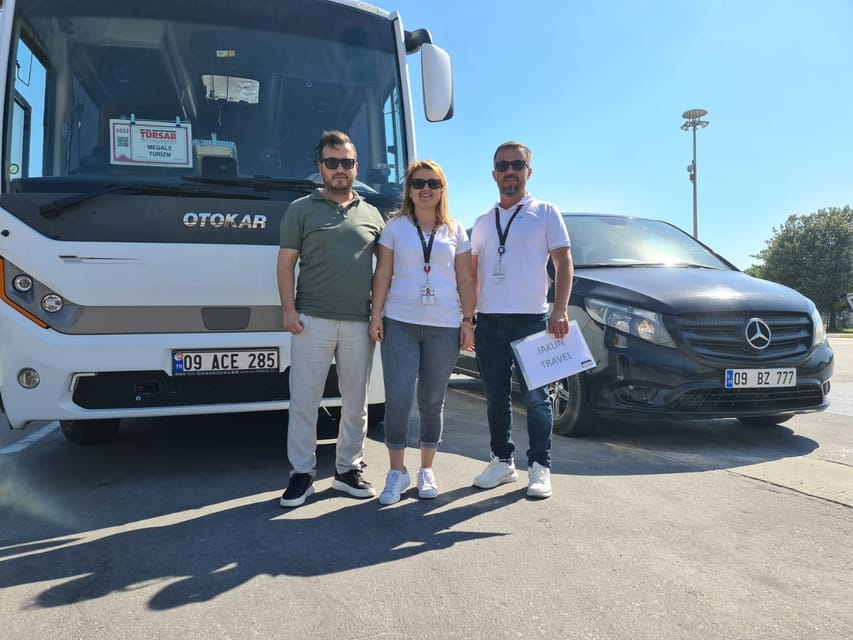
This is the kind of tour I like for cruise days. You’re not paying for a “maybe we’ll make it” plan. Instead, you get hotel or port pickup and drop-off, and you ride in a private vehicle with a driver, so the time you save is real.
A private group also changes the vibe. You can ask questions without waiting for a crowd, and you can spend an extra minute at a spot that catches your eye. The tour runs about 5 hours, which is just long enough to cover the headline sights without turning your day into a full-time marathon.
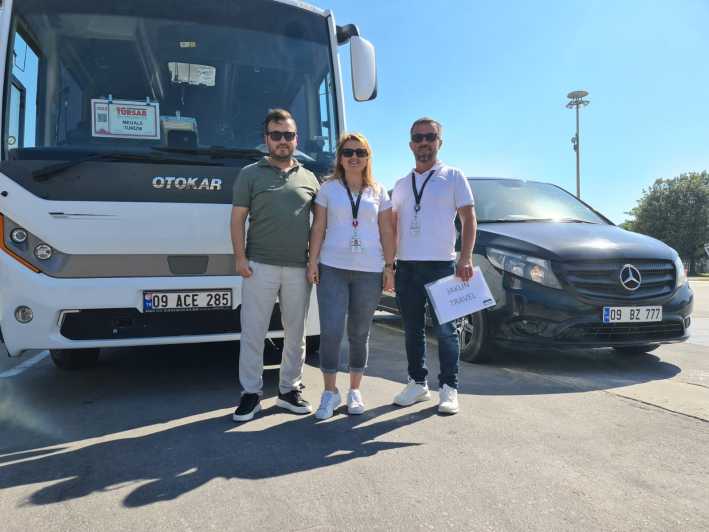
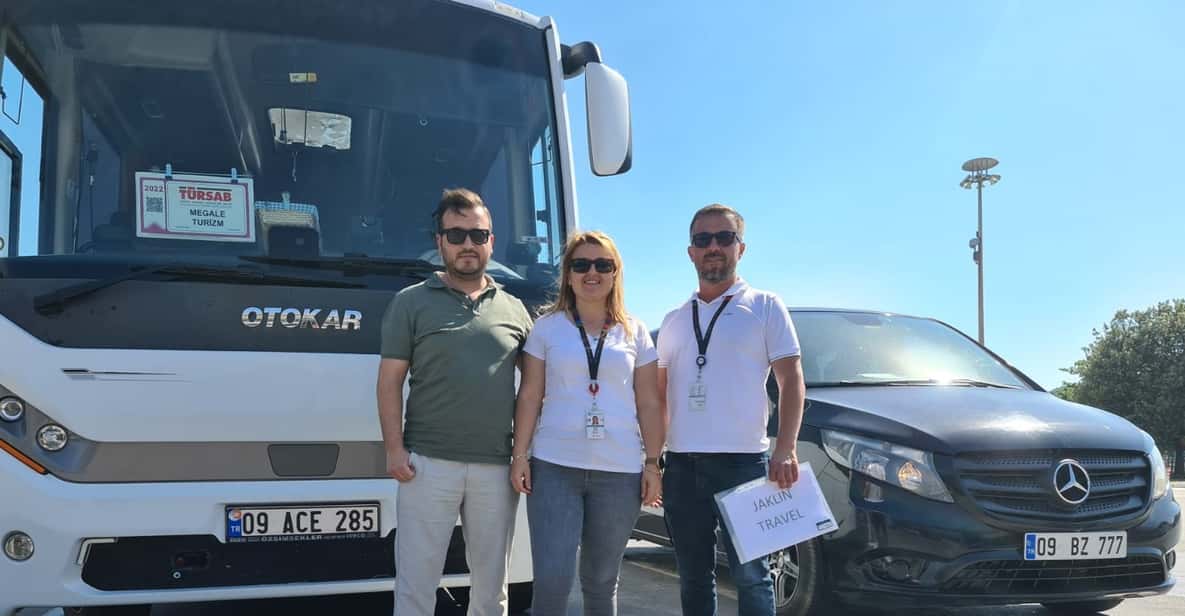
One practical detail: the guide meets you at the port or hotel with a sign with your name. That reduces the usual first-day stress of finding the right person in a busy dock area. It also helps if you’re traveling with mixed group energy, like family members who want photos but also want explanations.
You can also read our reviews of more private tours in Kusadasi
Selcuk’s House of the Virgin Mary: the pilgrimage stop with deep context
The tour begins with a drive to Selcuk town to visit the House of the Virgin Mary, located very close to the Ephesus ancient area. The stop is tied to the belief that this was the Virgin Mary’s last house. What makes it especially interesting is how the place is connected to modern pilgrimages and church history.
You’ll hear that multiple Popes visited over different eras: Paul VI (1967), John Paul II (1979), and Benedict XVI (2006). The information also notes that Pope Benedict XVI celebrated Mass there on November 29, 2006. Even if you’re not traveling for religious reasons, it helps you understand why this isn’t treated like just another viewpoint stop. People come for a specific kind of attention and reflection.
What I like about including this on the same day as Ephesus is the contrast. Ephesus is loud with architecture and scale, even when you walk slowly. The House of the Virgin Mary is the opposite: a calmer pace where history is anchored in a pilgrimage tradition.
A small but useful expectation: after the House visit, your day turns more active and archaeological. If you want to keep the day comfortable, treat the House stop as your mental reset before the longer walking section.
Inside Ephesus: how the route is set up to keep you moving
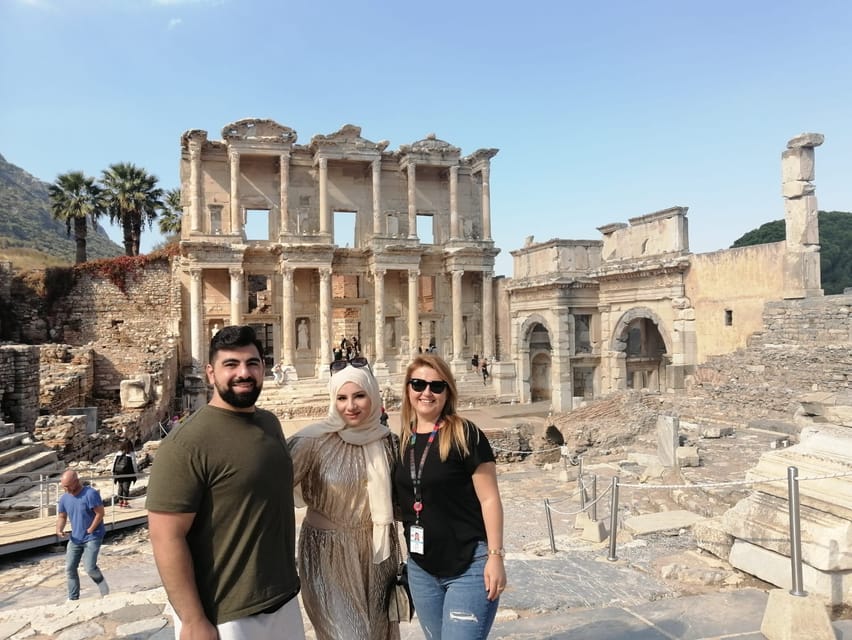
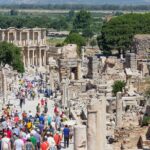
After Selcuk, the main event is Ephesus Ancient City. You’ll walk roughly 1.5 km, and the tour is structured to start at the upper gate and finish at the lower gate. That direction matters. It’s one of the ways the tour helps you see a lot without backtracking.
Your guide takes you through a curated set of highlights across the city’s main zones. Since you’ll be moving between sights, it also helps you understand Ephesus as a lived-in place rather than a single monument.
Here are the kinds of stops you can expect to see during your walk:
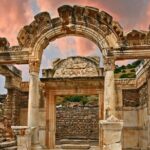
- Domitian’s, Trajan’s and Hadrian’s Temples
- The huge Roman bath
- Harbour Street and Marble Street
- Gates of Mihridates and Mazues
- Commercial Agora and Latrina
- Scolastica Baths
- Curetes Street and Polio Fountain
- Memnius’ Monument and the Prytaneion
- Odeon
- State Agora
- Celsus Library
- The biggest amphitheater in Turkey
That’s a lot of names, but you shouldn’t feel overwhelmed if your goal is “see the best stuff in one go.” A private guide’s job here is to connect each point with what it likely signaled in daily city life, so you don’t just collect photos. You get the sense of where people walked, shopped, gathered, and performed—without needing to study a map for hours.
The amphitheater and Celsus: the two photo stops you’ll probably care about most
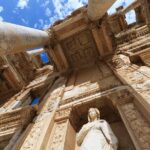
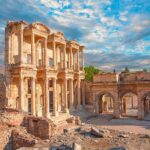
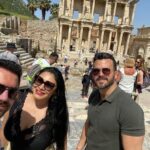
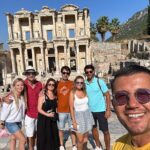
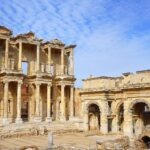
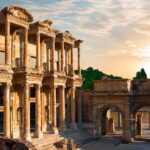
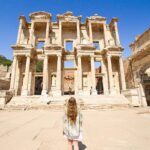
If you only remember two Ephesus moments, I’d bet on the Celsus Library and the biggest amphitheater. The library facade is one of those ruins that looks impressive even in incomplete form, and it’s the kind of scene that makes your brain click into “Roman city” mode fast.
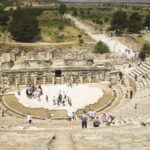
Then you have the theater scale. The amphitheater is one of the big anchors of Ephesus sightseeing, and you’ll get the chance to see it as the major public stage it was designed to be. Even if you’re not into ancient performance culture, this is a great place to feel how large and organized the city was.
Baths, agoras, and streets: why those names aren’t random
A lot of Ephesus lists throw around site names like trivia. Here, the value is that these spots line up with how people used urban space:
- Baths show public life and daily routine
- Agoras connect to commerce and civic gathering
- Harbour and Marble Streets help you picture movement and layout
- Temples and gates give you a sense of how the city organized its power and entry points
If you like tours that help you understand the city instead of just checking boxes, this layout works well because it moves through different “types” of spaces in sequence.
A few more Kusadasi tours and experiences worth a look
Taking a break: optional restaurant and shopping time
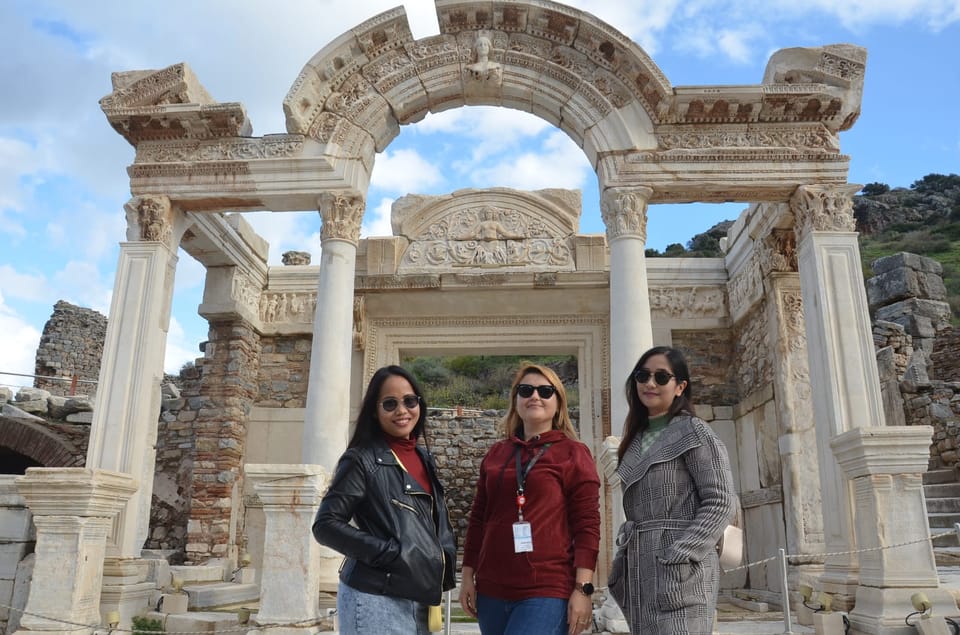
At some point, you’ll have a chance to stop for a local meal experience. Meals and drinks aren’t included, so you’ll choose what fits your day and your appetite.
You may also stop by local shops, depending on time and your interests. This is one of those areas where expectations should be realistic: it’s not a shopping tour. It’s a sightseeing day that gives you the option to browse if you want something practical, like small gifts or locally made items.
If you’re the type who likes a clear plan, decide early what you want most: a sit-down lunch, a quick snack, or skipping food stops to maximize time on the ruins.
Temple of Artemis ruins: the Seven Wonders connection
To close the day, you’ll visit the ruins of the Temple of Artemis (Artemision). The tour information ties it to one of the Seven Wonders of the World, and that alone makes it a smart ending stop. By this point you’ve already seen how big Ephesus was, so the Artemis context lands better than if you visited it first.
Even as ruins, this stop carries a different kind of energy. It’s less about walking through multiple streets and more about seeing scale and remembering that this was the kind of place people considered exceptional in the ancient world.
If you enjoy “wrap-up” stops, I like this as a finale. You finish with a recognizable story and a clear mental picture of what made Ephesus famous beyond its Roman streets.
Price and value: what you pay for, and what costs extra
The tour price is $47 per person for about 5 hours with private transportation, private driver, licensed local guide, and hotel/port pickup and drop-off. Park fees are also included.
You should budget for entrance fees to museums/archaeological sites, listed as approximately 15 euro per person. The tour information also notes that the Ephesus entrance fee is not including the Terrace Houses museum. So if you’re the type who really wants to add the Terrace Houses, plan for that extra cost separately.
Here’s the value logic I see:
- If you’re on a cruise and want less hassle, private pickup + a tight route is often the difference between enjoying your day and feeling rushed.
- If you prefer an explanation with context, the licensed local guide is a big part of what you’re buying.
- Since the main walk is about 1.5 km, this is doable for many people without turning the day into a long endurance challenge.
Who this tour suits best (and who should think twice)
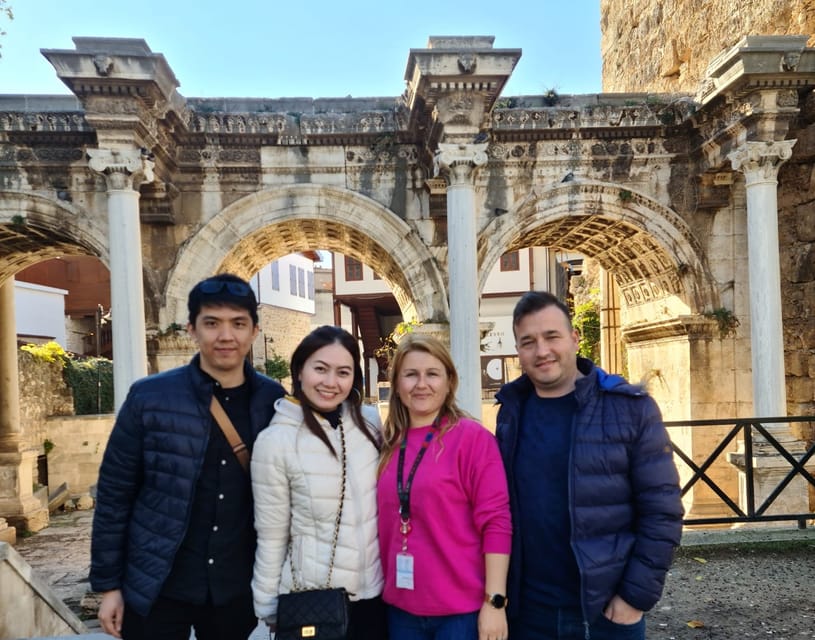
This tour fits especially well if:
- You’re on a cruise day or a strict schedule and want a plan that hits the major sights
- You prefer a private group with flexibility for questions and pace
- You want both sides of Ephesus: the spiritual/pilgrimage context in Selcuk and the Roman city highlights
It may be less ideal if:
- You want to spend hours in one museum area rather than moving between several landmark types
- You don’t handle walking comfortably, since there’s an approximately 1.5 km walk through Ephesus
- You’re looking for a tour that includes every extra site by default (Terrace Houses costs extra)
The comfort part is real here. The pacing is structured, and you get private transport between stops. The one physical effort is the walking within Ephesus, so that’s the part to plan for.
Guide quality that makes the difference: clear communication and pace
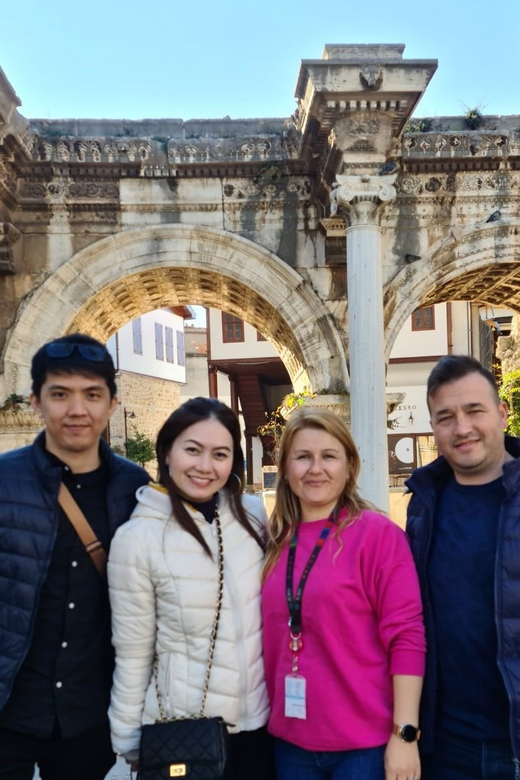
From the feedback associated with this tour, one thing stands out: the guides tend to work like real pros at matching the flow of your day. For example, Yesim/Yesin is mentioned for being easy to find at the dock with a name sign and for giving explanations clearly, while also allowing extra time where interests run high.
I also like the pattern: a good private guide doesn’t just run you through walls and columns. They answer questions, keep the day on track for timing, and adjust pacing so you can actually see what you came for. That’s exactly what you want on a port day, when you can’t afford to “lose time” to confusion.
Should you book the Ephesus private port tour?
Book it if your priority is saving time while still seeing the best known highlights: the House of the Virgin Mary, the big set of Ephesus ruins, and the Temple of Artemis. The private pickup and transport make this especially strong for cruisers or anyone who hates logistics headaches.
Consider skipping (or choosing a longer alternative) if you’re sensitive about walking or if you’re planning to add extra-ticket components like Terrace Houses, since that’s not included. Also remember: entrance fees are extra, so the final cost is a bit higher once you factor those in.
If you want a structured, guide-led day that feels organized but not rushed, this is the kind of tour that helps you get the most out of a half-day window on the Aegean coast.
FAQ
How long is the tour?
The tour lasts about 5 hours.
Where does the tour start?
Your guide meets you at your hotel or at the port with a sign that shows your name.
Is the tour private?
Yes, it’s a private group with a private driver and local licensed guide.
How much walking is involved at Ephesus?
You’ll walk about 1.5 km during the Ephesus visit.
Does the price include museum or site entrance fees?
No. Entrance fees to the museums are not included, and they are listed as approximately 15 euro per person.
Is Terrace Houses included?
Terrace Houses museum is extra. The Ephesus entrance doesn’t include Terrace Houses museum.
Are meals included?
No. Meals and drinks aren’t included.
What language is the guide?
The tour guide provides live guidance in English.
Is the tour wheelchair accessible?
Yes, the tour is listed as wheelchair accessible.