REVIEW · ISTANBUL
Hagia Sophia, Blue Mosque Tour & Ticket + Optional Basilica
Book on GetYourGuide →Operated by Travelgroup · Bookable on GetYourGuide
Hagia Sophia and the Blue Mosque, in one run. This tour ties Hagia Sophia and the Blue Mosque together with clear guidance, fast entry after ticketing, and stories that make the buildings feel less like trivia and more like living Istanbul. I love that you get an expert local guide who keeps the flow moving through real crowds, and I love the extra details you’ll notice on your own once someone points them out.
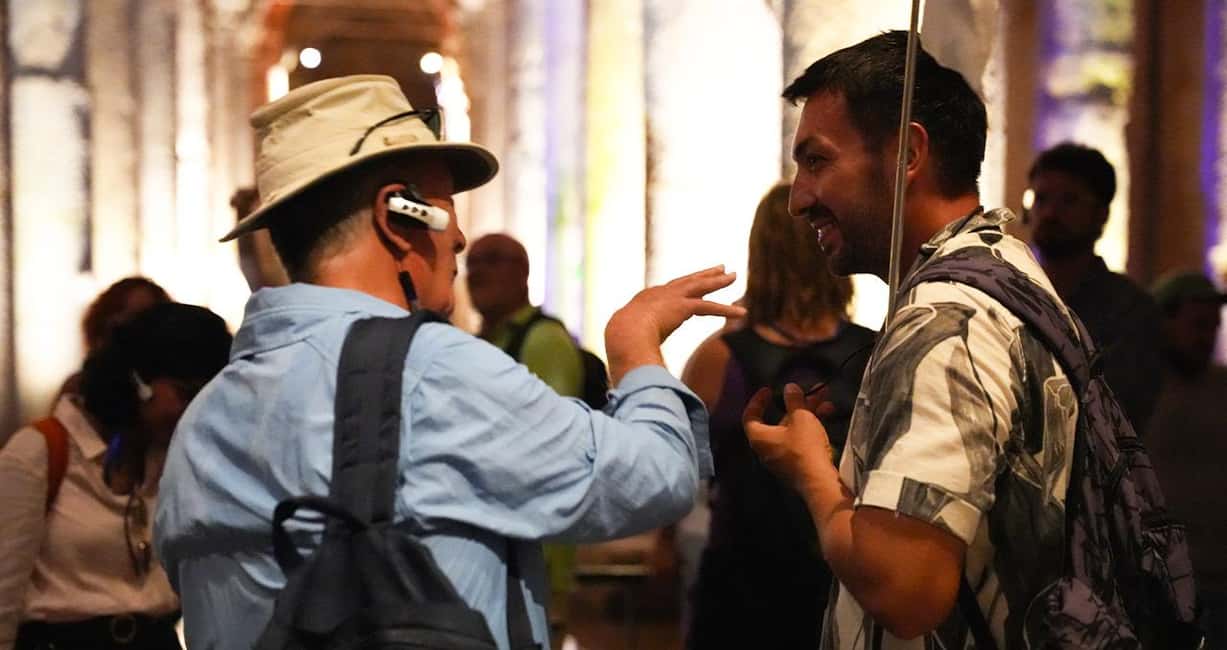
Two things I like a lot: the included headsets help you hear the guide without yelling over other groups, and the plan gives you free time at the end so you’re not stuck staring at a guide’s timetable when you’d rather photograph a favorite corner.
One consideration: the tour skips the ticket line, but you still face the security line. In high season, it can take up to 60 minutes, so build in patience at the start even if everything else runs smoothly.
In This Review
- Key highlights worth showing up for
- Starting at Dsign Café: The meeting point that actually makes sense
- Blue Mosque in an hour: The views are easy, the details take a guide
- Sultanahmet Square photo stop: Good bearings, short pause, quick reset
- Hagia Sophia guided visit: The dome is the headline, but the guide shapes the whole experience
- Optional Basilica Cistern: The Medusa heads make it feel like another world
- Topkapi Palace photo pass: Short view, smart idea for later
- How the “free time after tours” works in real life
- Price and value: What $18 is buying you, and what you should check
- What to expect from the guide: The difference between hearing and learning
- Who should book this tour (and who might want to go solo)
- Should you book the Hagia Sophia, Blue Mosque, and optional Basilica Cistern tour?
- FAQ
- How long does the tour last?
- Where do I meet the guide?
- What’s the dress code for the Blue Mosque and Hagia Sophia?
- Do you skip the ticket line?
- How much time do you spend at each place?
- Is the Basilica Cistern included or optional?
- What if I don’t choose the entry option?
- Is the tour in English?
Key highlights worth showing up for
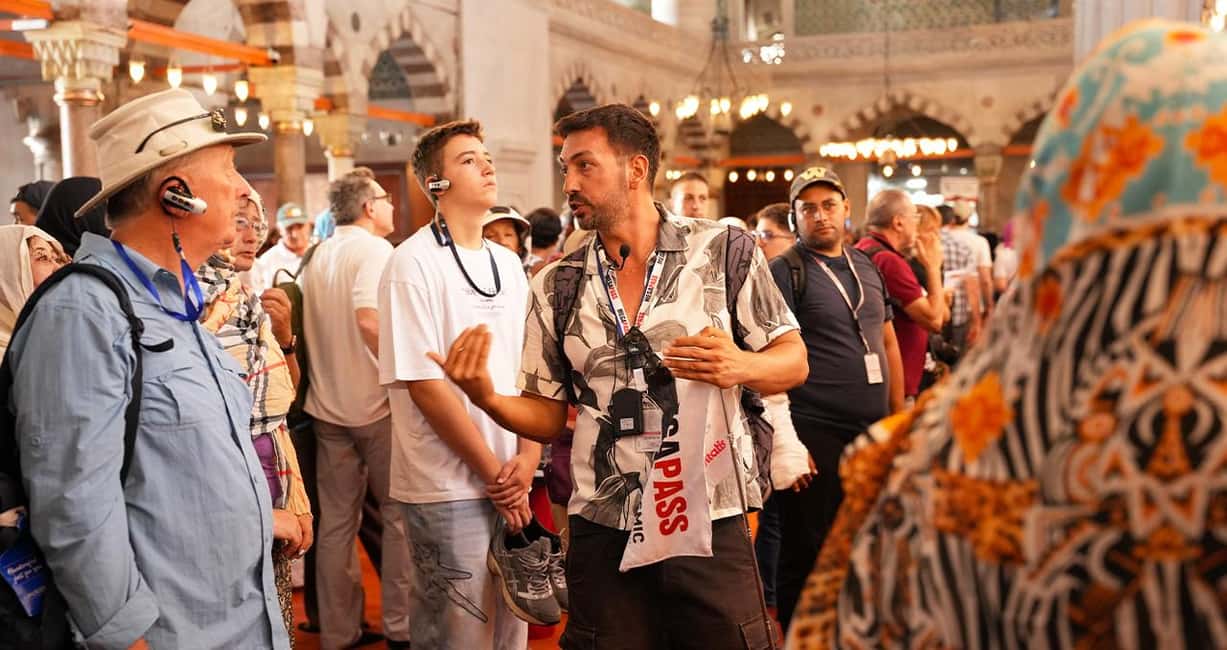
- Licensed guide + English live narration: you’re not stuck reading signs.
- Headsets included: clearer explanations inside the busy churches/mosques.
- Skip ticket lines: saves time once you’re at the sites.
- Blue Mosque + Hagia Sophia in a timed format: enough to see the big moments without feeling rushed.
- Optional Basilica Cistern: adds the Medusa-head wow factor underground.
- Smart meeting point near Sultanahmet landmarks: easy to find the group at Hippodrome.
Starting at Dsign Café: The meeting point that actually makes sense
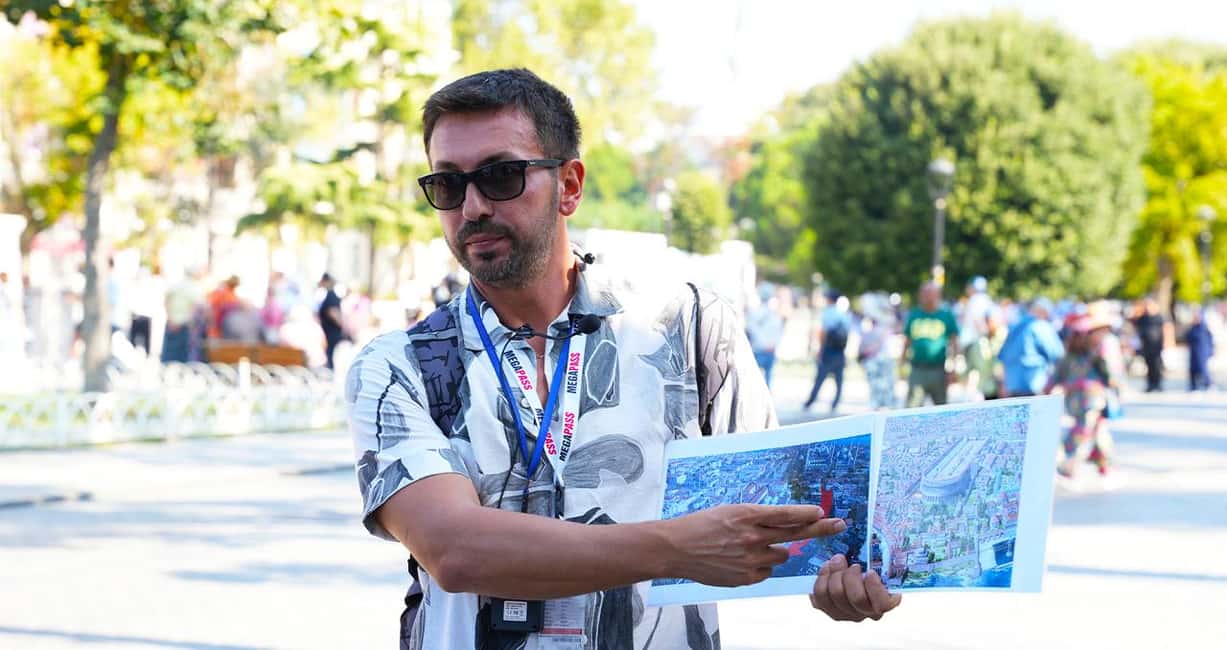
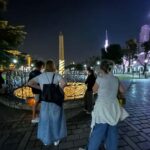
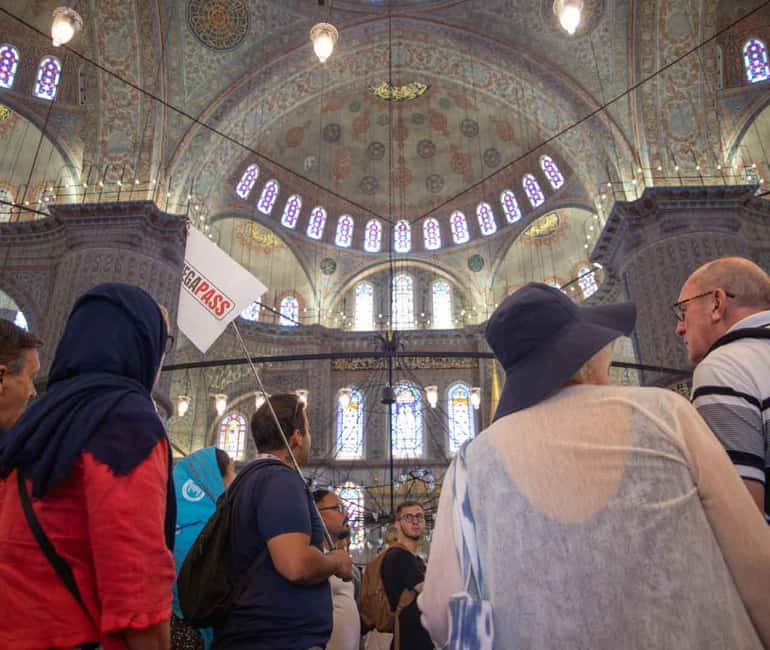
You meet your guide in front of Dsign Café and the Turkish and Islamic Arts Museum, directly on the Hippodrome area next to the Egyptian Obelisk. Look for a guide holding a white MegaPass flag. It’s a good setup because you’re already in the right pocket of Sultanahmet, close to where the action starts.
Timing matters here. Your tour moves from site to site on purpose, so arriving a few minutes early helps you avoid being the person who holds up the group while everyone else is mentally already inside the domes and courtyards.
A small but real tip: if you’re heading out in winter, don’t assume you’ll be warm. One review mentioned it was freezing cold at the beginning of January, and this tour has outside time between stops—Sultanahmet Square for photos, plus walking and repositioning.
A few more Istanbul tours and experiences worth a look


Blue Mosque in an hour: The views are easy, the details take a guide
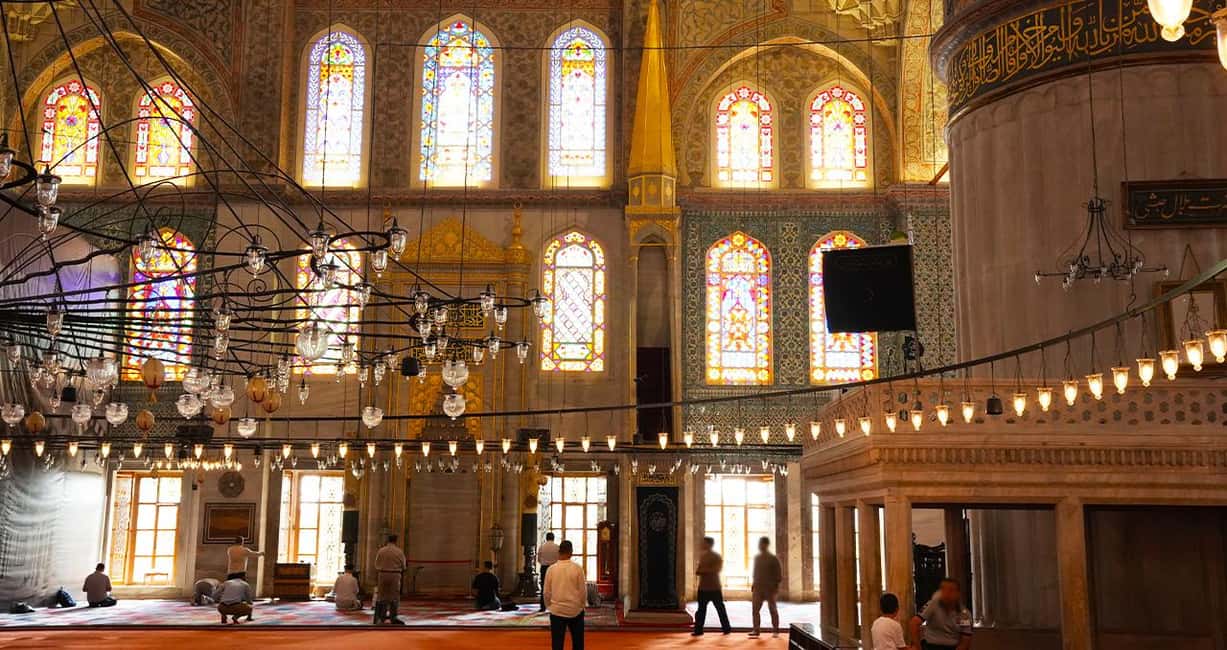
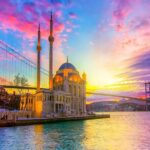
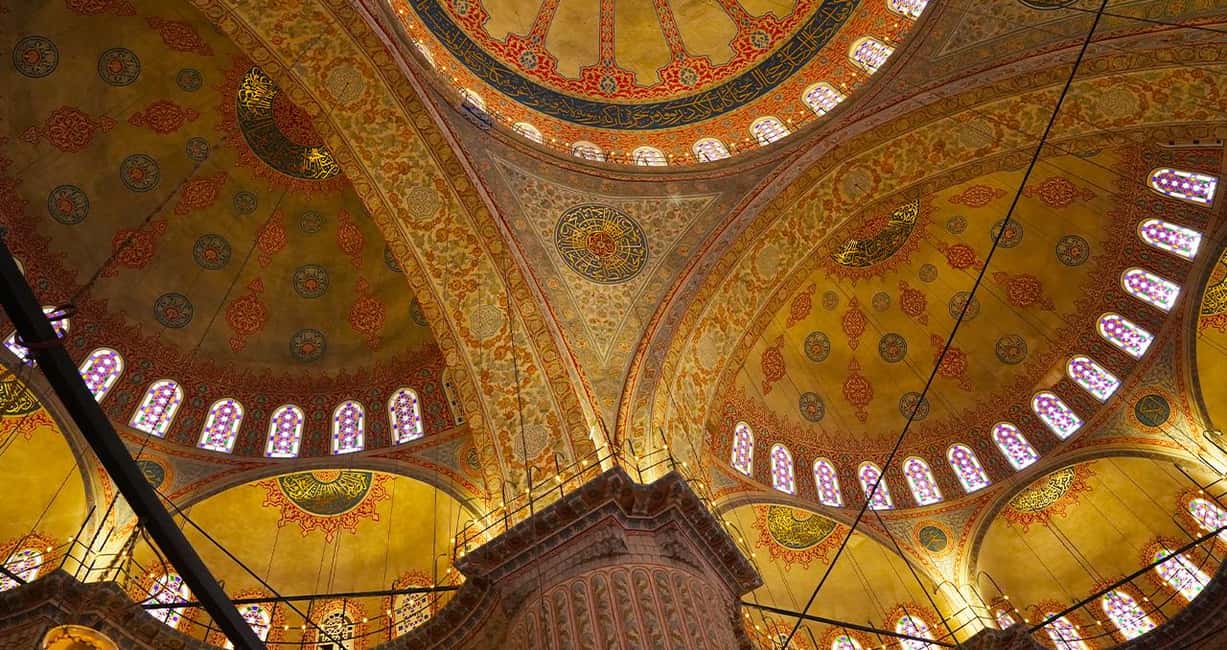
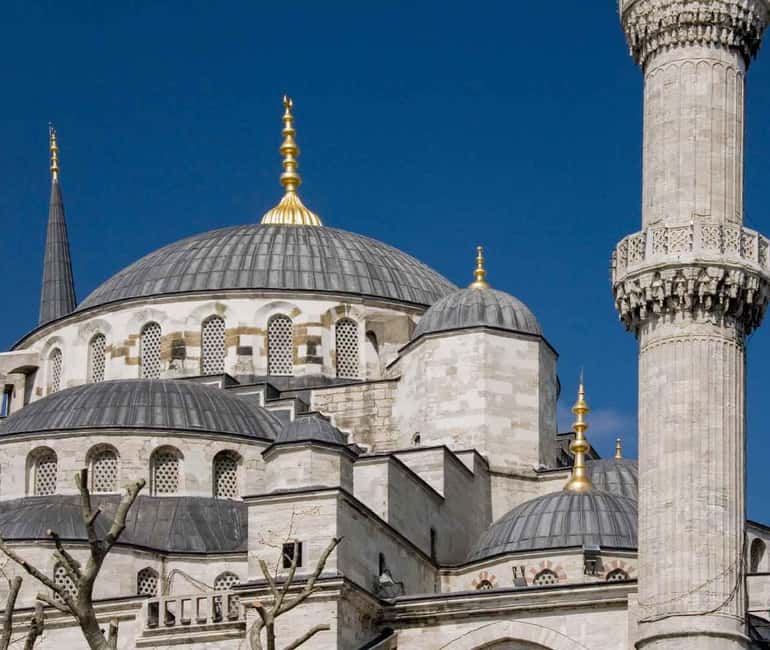
The tour’s first major stop is Sultan Ahmed Mosque, commonly called the Blue Mosque. You get about 60 minutes with your guide—enough time to see the spaces and also learn what to look for besides the obvious.
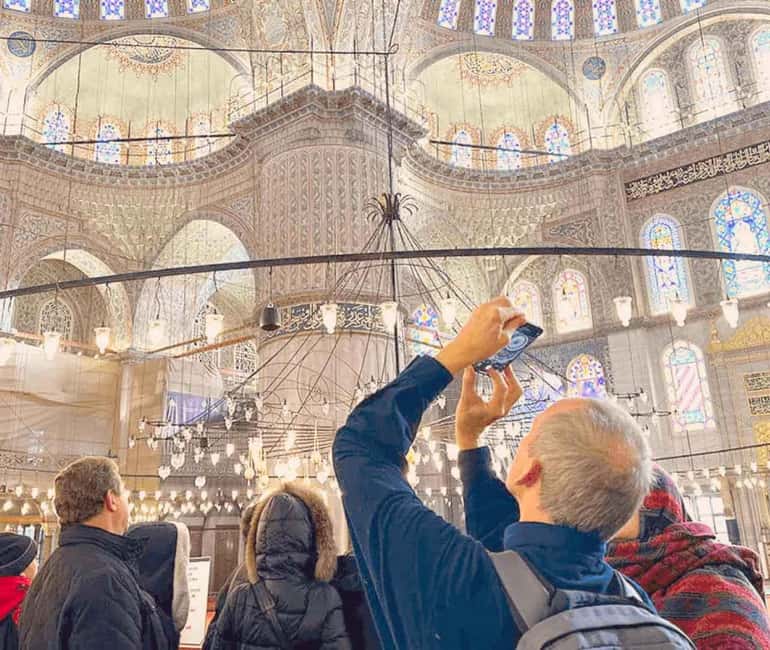
What you’ll get from a guided hour is clarity. The guide tends to explain what you’re seeing in plain language: the layout, the symbolism, and the way the Ottoman-era design choices connect back to the wider story of Istanbul’s faiths and rulers. This is also where the headsets earn their keep. Inside, it’s easy to lose sound when crowds press in, so being able to hear the guide without straining makes the whole experience smoother.
Dress code is not optional. Female visitors must cover their hair, and both men and women must cover shoulders and knees. If you forget, you might find yourself dealing with last-minute adjustments. Bring something simple you can put on quickly (a light scarf for hair coverage and a layer for shoulders helps).
One more practical note: this is a major attraction, so you’ll want to plan for crowd pacing. The guide’s job isn’t just storytelling; it’s keeping the group organized so you don’t end up stuck at the back.
Sultanahmet Square photo stop: Good bearings, short pause, quick reset
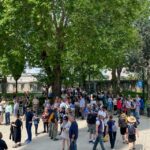
Next comes Sultanahmet Square, with a photo stop and sightseeing pass-by for about 15 minutes. This isn’t the main event, but it’s useful. It’s your chance to reorient—where things sit relative to Hagia Sophia and the mosque, how the streets flow, and where you might want to return after the tour.
Think of this stop as a reset button. If you’re the type who likes to photograph from a couple angles, this break helps you figure out where you’ll want to stand later during your free time.
Hagia Sophia guided visit: The dome is the headline, but the guide shapes the whole experience
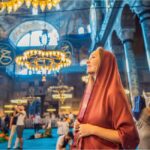
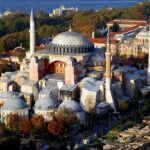
Then you move to Hagia Sophia for about 60 minutes. This is the stop most people care about the most, but the real value is how the guide frames what you’re looking at—especially the domes, mosaics, and the layered story of how different empires used the same sacred space.
You’ll hear stories about empires and sultans, plus how different eras changed the building’s identity. That kind of context helps you see the place as more than a famous photograph. For example, once you know what you’re looking at—where artistic elements sit, why certain features were important, and what the building represents—you start noticing the small stuff that gets missed when you only follow the crowd.
Also, manage expectations about what you’ll physically see. A couple reviews noted conditions inside can vary, including mosaic areas that are restored or limited. That’s not something you can control, but it’s useful to go in with flexibility: focus on the major spaces and what’s visible in your time window, and you’ll still get a strong visit.
Plan for security. Even with ticket lines skipped, security can be slow in peak season, and Hagia Sophia is a high-demand site. One review said high season security lines can take up to 60 minutes with airport-style checks. That’s not the guide’s fault, but it’s the timing reality.
The bottom line: Hagia Sophia is a “wow” building. A good guide turns it into a “wow, now I understand why” building.
Optional Basilica Cistern: The Medusa heads make it feel like another world
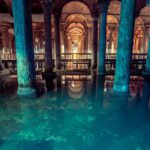
If you add the option, you’ll visit Basilica Cistern for about 45 minutes. This is the contrast stop. The mosques and Hagia Sophia are all light, height, and open space. The cistern is dark, cool, and strange in a good way.
The guide points out the underground features—ancient columns and the famous Medusa heads—so you’re not just walking through an eerie room without context. This is also where you feel the difference between a top attraction and a scene that’s meant to slow you down. The architecture and the water atmosphere change your pace naturally.
One review called it a unique experience and said it’s truly a marvel. I agree with the logic: if you only have time for one “bonus” add-on near Sultanahmet, Basilica Cistern is the one that feels worlds apart.


Topkapi Palace photo pass: Short view, smart idea for later
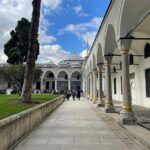
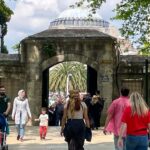
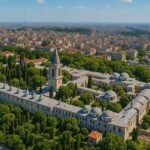
After the cistern stop, you get a Topkapi Palace photo stop with sightseeing pass-by for about 5 minutes. It’s quick, so don’t treat it like a full visit. Still, it’s valuable for orientation—especially if you’re planning to come back, because it helps you understand the layout of the area around the palace grounds.
If you’re choosing where to spend your free time after the tour, this photo stop can act like a mini preview. You might realize you want a longer stroll later, or you might decide you’ve already seen enough and prefer to explore nearby streets and viewpoints.
How the “free time after tours” works in real life
Once the guided parts are done, you’re given time to keep exploring at your own pace. This is a big deal because it gives you flexibility. You can:
- circle back for a favorite angle at Hagia Sophia,
- linger longer where you’re most curious,
- grab a snack or rest before the crowds thicken later.
This is also when your guide’s earlier pointing pays off. You’ll recognize design elements and understand what you’re seeing, so you’re not just walking around hoping something interesting appears.
Price and value: What $18 is buying you, and what you should check
The tour is listed at $18 per person for the overall experience time frame (about 2–3 hours). On top of that, there’s an important variable: admission fees.
If you select the option with entry included, tickets are included. If you don’t, you can pay entry fees at the meeting point through the guide. The data provided lists these fees as:
- Hagia Sophia: 30€
- Basilica Cistern: 30€
- Blue Mosque entry: free
How I’d think about value: this tour’s main advantage is not just access, it’s the guided flow and the time you save on the ticket line. If you’re the type who likes to understand what you’re looking at (and not just collect stamps), the guide + headsets + skip-the-ticket-line combo is the value engine.
If you’re already paying individual tickets, you should still price out whether the guided time is worth it for you. For many people, it is—because the guide helps you see more in the same time window, especially at Hagia Sophia.
Also remember: nobody skips security. The guide can speed up the ticket step, but security still takes time.
What to expect from the guide: The difference between hearing and learning
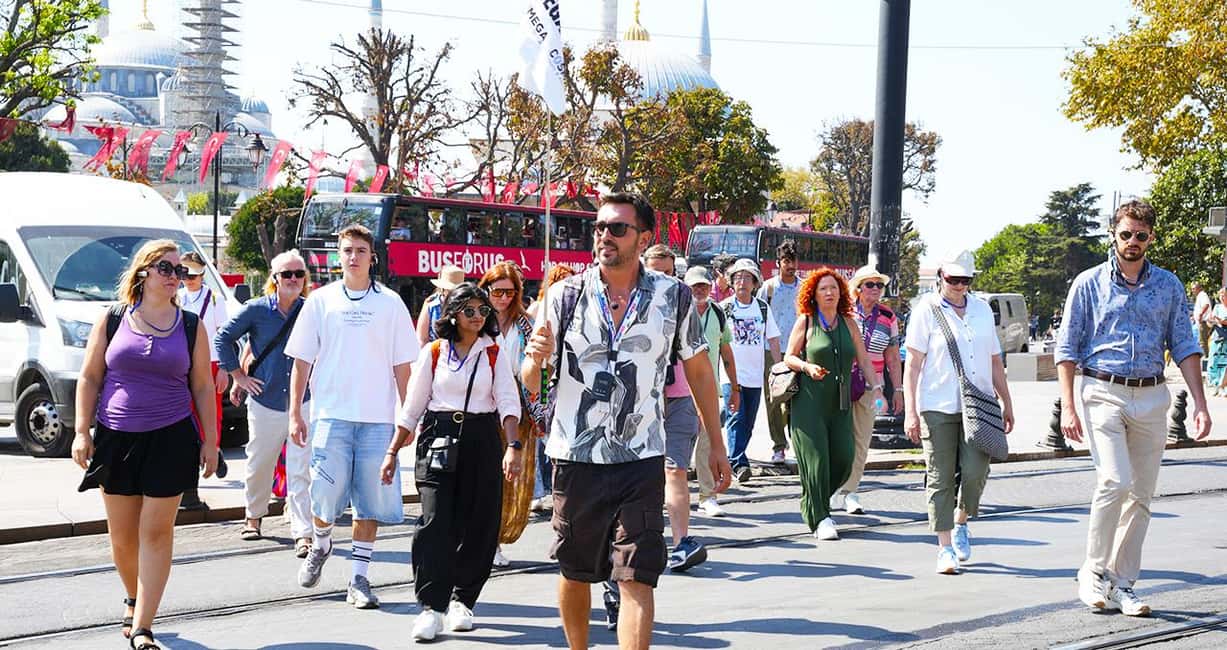
Your experience will largely depend on your guide’s style. The reviews you shared highlight guides who manage crowds well, keep a respectful tone, and explain the sights in a way that stays engaging without turning the visit into a lecture.
Some names that appear in the guide feedback include Arda, Buse (Mrs Kiss), Haluk Barlas, Ali Alex, Ali Arslan, Murat, Hal, and Huseyn. The common thread is not just accuracy; it’s pacing. You’ll notice in the feedback that guides kept groups organized in crowded spaces and handled questions patiently.
A helpful extra detail: since you get headsets, you can focus on what the guide says, even when the group swells around the same viewing spots. That makes the tour easier to manage than a self-guided rush where you’re trying to hear other people’s explanations.
Who should book this tour (and who might want to go solo)
This is a strong fit if you want:
- two major landmarks (Blue Mosque + Hagia Sophia) covered in one plan,
- a guide to explain domes, mosaics, and meaning,
- less time wrestling with ticket lines,
- an optional third stop (Basilica Cistern) for variety.
It’s less ideal if you:
- hate security line uncertainty and need a totally predictable start time,
- want a slower, more in-depth museum-style visit with longer time inside each space.
If you’re traveling with limited time and want to see the essentials without losing half your day to logistics, this is the practical approach.
Should you book the Hagia Sophia, Blue Mosque, and optional Basilica Cistern tour?
I’d book it if you want a guided, time-efficient way to see Istanbul’s biggest religious and historical icons in a short window. The mix of skip-the-ticket-line, headsets, and strong guiding makes the experience feel more “understood” than just “visited.”
Book the Basilica Cistern add-on if you like variety—going underground after the mosques keeps the day from feeling repetitive. Just plan for cool conditions and bring the right clothing for shoulder and knee coverage, plus hair covering if needed.
If you want, tell me your travel month and whether you plan to add Basilica Cistern—I can help you pick the best option based on the kind of time pressure you’ll feel that day.
FAQ
How long does the tour last?
The total duration is listed as 2–3 hours, with guided time at each main stop.
Where do I meet the guide?
Meet in front of Dsign Café and the Turkish and Islamic Arts Museum, directly on the Hippodrome next to the Egyptian Obelisk. Look for the guide holding a white MegaPass flag.
What’s the dress code for the Blue Mosque and Hagia Sophia?
Female visitors must cover their hair. Men and women must cover their shoulders and knees.
Do you skip the ticket line?
If you select the option with tickets, the tour includes skip-the-line tickets. You still cannot skip the security line.
How much time do you spend at each place?
You get about 60 minutes at Sultan Ahmed Mosque, 60 minutes at Hagia Sophia, and 45 minutes at Basilica Cistern if the option is selected. There’s also a short photo/sightseeing pass at Sultanahmet Square and a brief pass at Topkapi Palace.
Is the Basilica Cistern included or optional?
It’s optional. You’ll visit it only if you choose the upgrade option.
What if I don’t choose the entry option?
If the entry option isn’t selected, you can pay entry fees at the meeting point through the guide (cash only). The listed fees are Hagia Sophia 30€, Basilica Cistern 30€, and Blue Mosque entry is free.
Is the tour in English?
Yes. The live tour guide is listed as English.