REVIEW · KUSADASI
From Kusadasi or Izmir: Ephesus Private Tour
Book on GetYourGuide →Operated by OTTI Travel - Ephesus Tours · Bookable on GetYourGuide
Ephesus hits different in the morning. This private tour pairs skip-the-line access with a real guide so you can move through Ephesus with context, not just photos. I especially like the combination of sacred stop at the House of the Virgin Mary and the big-ticket Roman sights, including the Odeon Theatre and the Celsus Library. One thing to consider: entrance fees and lunch are extra, and you’ll need comfortable shoes because there’s a minimum of 2 hours walking.
What makes this experience feel worth it is the pacing. You can start when you want (private means you’re not chained to a bus schedule), and drivers keep things smooth in an area where traffic and parking can be a headache. In the van, guides such as Tas and Ahmet often set you up with the story of what you’re about to see, and that makes the ruins click faster. A possible drawback for some people: tripods aren’t allowed at Ephesus, and the tour isn’t suitable for pregnant women.
I also appreciate the human touch behind the “private” label. Multiple guides—like Nagi, Mehmet, and Nur—are praised for being flexible, patient, and good at answering questions, including on days with kid passengers or tight timelines. The tradeoff is that you may also hit workshop or shopping stops (carpet/rug, leather, pottery-style places), and those can feel salesy if you’re not in that mood.
In This Review
- Key points that make this tour stand out
- Private Ephesus from Izmir or Kuşadası: why it’s easier than DIY
- House of the Virgin Mary on Mount Bulbuldağı: a quieter pause before the ruins
- Ephesus ruins: how to see Odeon Theatre, Pollio Fountain, and the marble streets
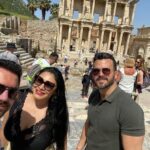
- Celsus Library (completed 117 AD): the façade you’ll want to photograph twice
- Temple of Artemis and St John’s Basilica: two eras, one route
- Selçuk food break and workshop-style stops: what to expect, and how to stay in control
- Price and value: what $49 per person really becomes
- Timing and practical logistics that make the day flow
- What to pack for Ephesus: shoes, umbrella, sun, and no tripods
- Should you book this private Ephesus tour?
- FAQ
- How long is the Ephesus private tour?
- Where is pickup for cruise passengers?
- Are entrance fees included?
- Is lunch included?
- Can I choose my start time on a private tour?
- What sites are visited during the day?
- Are tripods allowed for photos?
- Is the tour suitable for everyone?
- What should I wear or bring?
Key points that make this tour stand out
- Early access and skip-the-line tickets to save time inside the main sites
- Two major highlights in one day: the Virgin Mary House and the Roman ruins of Ephesus
- Big-name architecture explained: Celsus Library façade, Artemis Temple, and St John’s Basilica (Kuşadası departures)
- Private pacing with flexibility for families, questions, and photo time
- A stop in Selçuk with regional food plus time for refreshments
- Real-world logistics included (A/C Mercedes Vito or Sprinter, pickup and parking)
Private Ephesus from Izmir or Kuşadası: why it’s easier than DIY
Ephesus is huge, and it’s easy to wander around with half the story missing. With a private licensed guide, you get a route that makes sense: where to stand, what to look for, and what each building meant in its time. That’s the difference between seeing ruins and actually understanding the place.
I like that transportation is handled with an A/C Mercedes Vito or Sprinter plus a private driver. If you’ve ever tried to park near major archaeological zones, you know how much time and stress that saves. Several guides also work to get you to Ephesus early so you’re not stuck fighting crowds right away.
One practical note: this is not a sit-in-a-café tour. The experience requires a minimum of 2 hours walking, and Ephesus surfaces can be uneven. If you’re prone to sore feet, bring supportive shoes and plan for a slower rhythm.
You can also read our reviews of more private tours in Kusadasi
House of the Virgin Mary on Mount Bulbuldağı: a quieter pause before the ruins
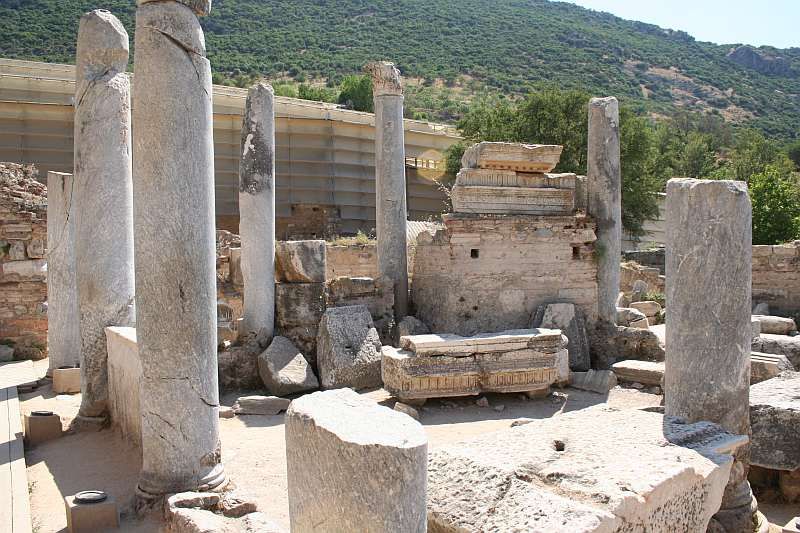
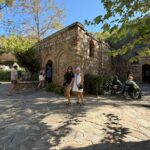
The most emotionally different stop is the House of the Virgin Mary on Mount Bulbuldağı (Koressos). Whether you’re visiting for faith, history, or both, this small site changes the tone of the day. You visit as part of a guided visit (about 1 hour), and the whole area has that calm, reflective feeling that ruins can’t match.
The basics are simple and powerful: it’s believed Mary spent her final days here after St. John brought her to Ephesus following the death of Jesus. It’s also described as a popular pilgrim place for Christians and Muslims, so you’ll feel a sense of shared reverence even if your background is different.
Dress matters, but not in a strict way. Ephesus itself doesn’t require head or shoulder covering, yet for the House of the Virgin Mary a pashmina is noted as adequate cover. I recommend carrying one in your bag anyway. It turns a “maybe” moment into a “no worries” moment.
Ephesus ruins: how to see Odeon Theatre, Pollio Fountain, and the marble streets
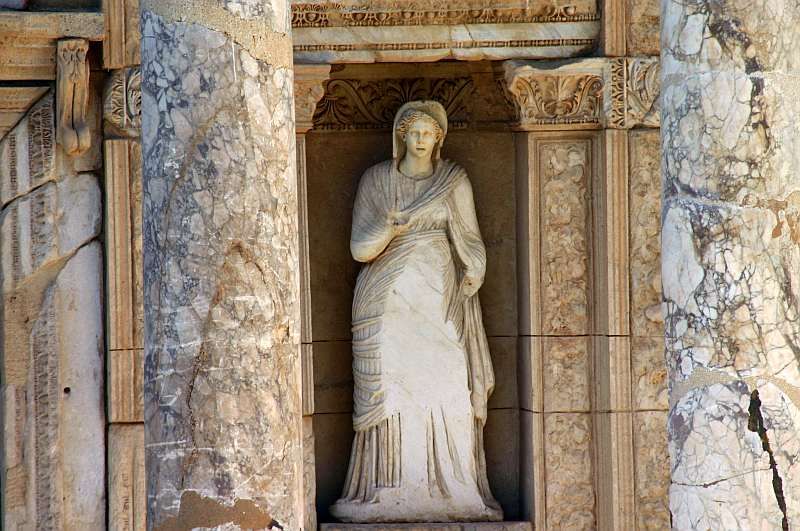
Once you’re inside Ephesus, the guide becomes your cheat code. You’re led through the ruins with time to explore, and the guide points out details you’d likely miss if you went alone. This is where you start learning how Ephesus worked as a living city—market, religion, entertainment, and politics all in the same stone neighborhood.
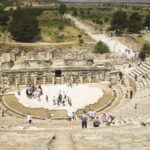
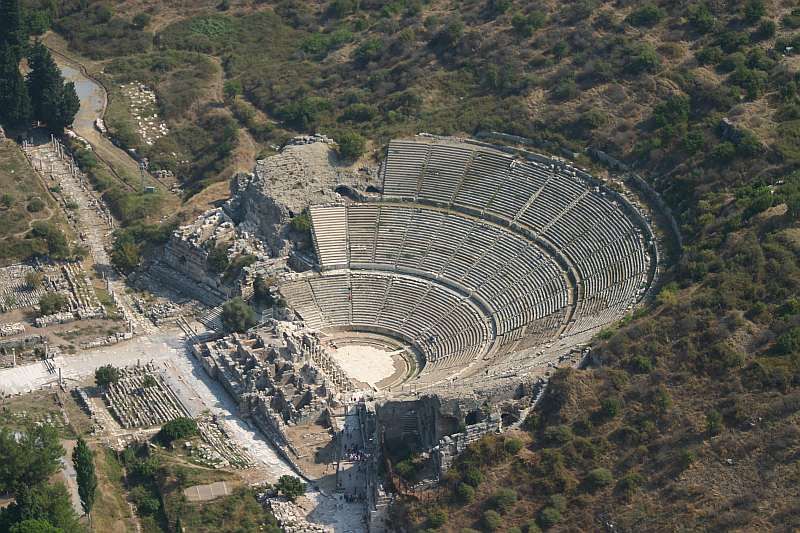
The Odeon Theatre is one of the key early stops. It’s described as seating up to about 1,400 spectators in its day. Even if you know theaters existed, seeing the scale and imagining performances helps you understand why Ephesus felt like a cultural hub, not just a pile of old walls.
Another highlight is the Pollio Fountain. The big draw is the Roman art and decoration carved into marble slabs. A good guide will help you notice patterns and symbols without turning it into a lecture marathon.
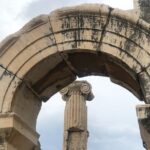
Also, don’t rush the marble streets. The ruins are famous, but the real magic is in the walk between them—standing on stones that have been shaped by centuries of footsteps. If your guide is strong (many are, including Tas in several accounts), they’ll keep you oriented so you’re not just moving forward randomly. You end up looking at the city like it has a brain and a rhythm.
Celsus Library (completed 117 AD): the façade you’ll want to photograph twice
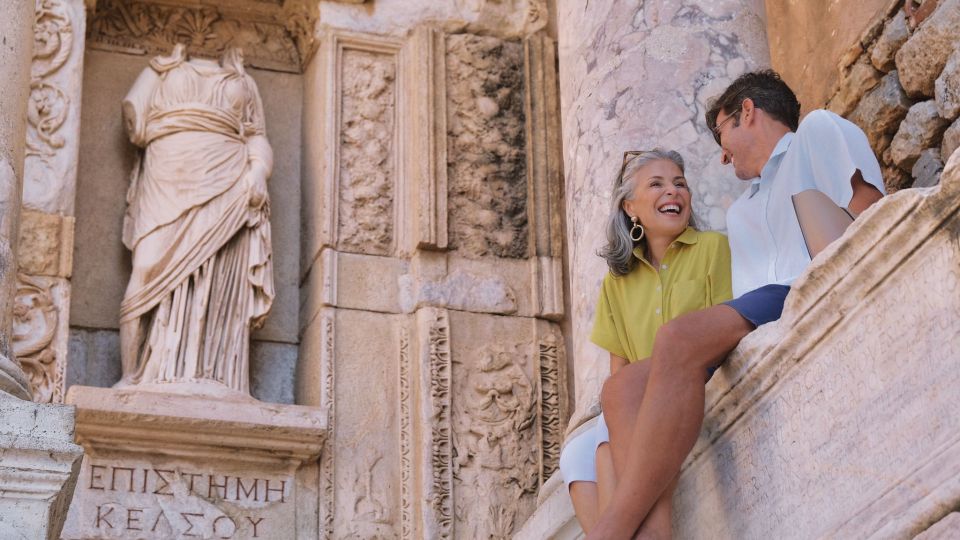
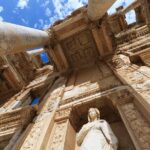
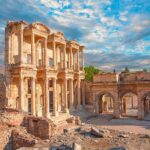
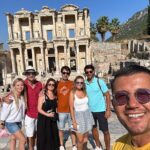
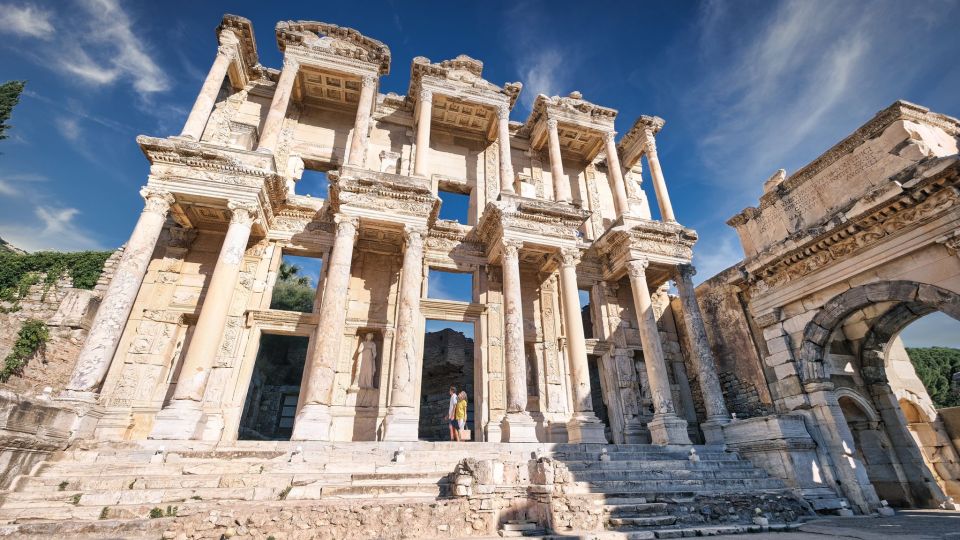
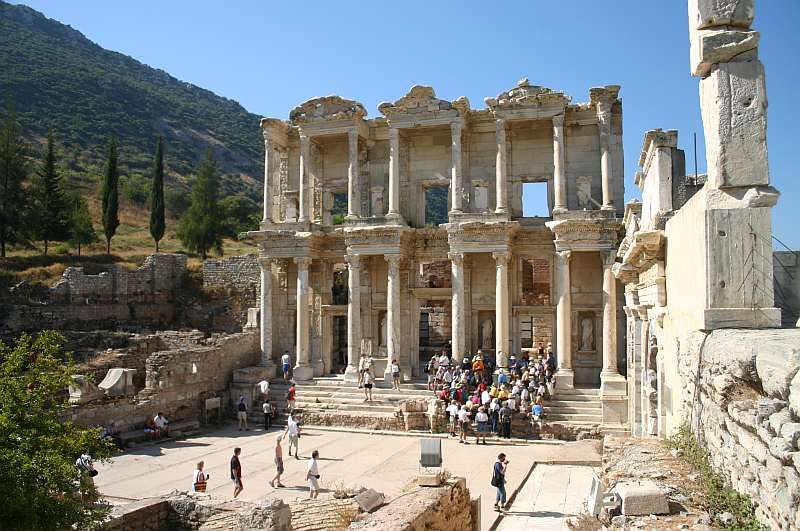
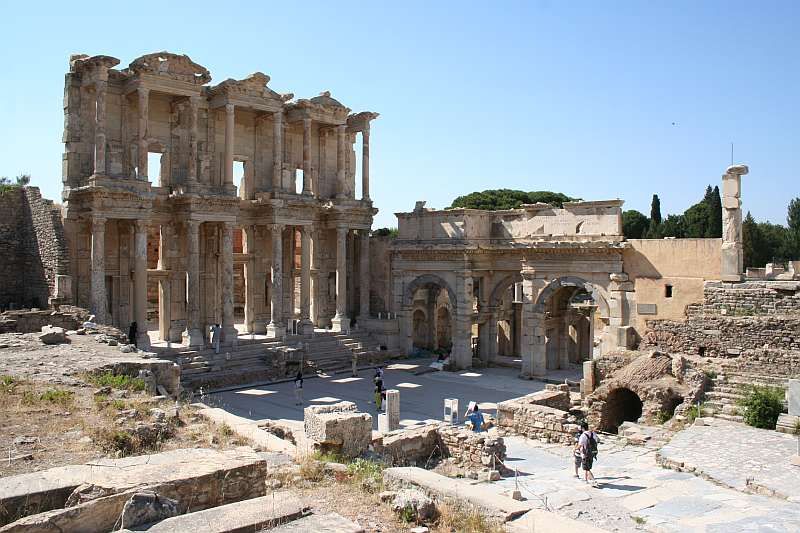
The Celsus Library is the stop that often makes people stop talking. It’s completed by Romans in 117 AD, and it’s best known for its façade—columns, statues, and intact windows that still look architectural instead of purely archaeological.
The trick at Celsus is to not treat it like a single photo spot. Spend a few minutes, change your angle, and let your guide explain what the façade was communicating. Once you understand the purpose, you start seeing design choices as messaging: civic pride, learning, and status, all carved into stone.
If you’re the type who likes details, you’ll also appreciate how guides connect nearby ruins to the wider Roman world of Ephesus. You’ll hear how temples and public spaces fit into daily life and what visitors would have expected to see and hear.
Temple of Artemis and St John’s Basilica: two eras, one route
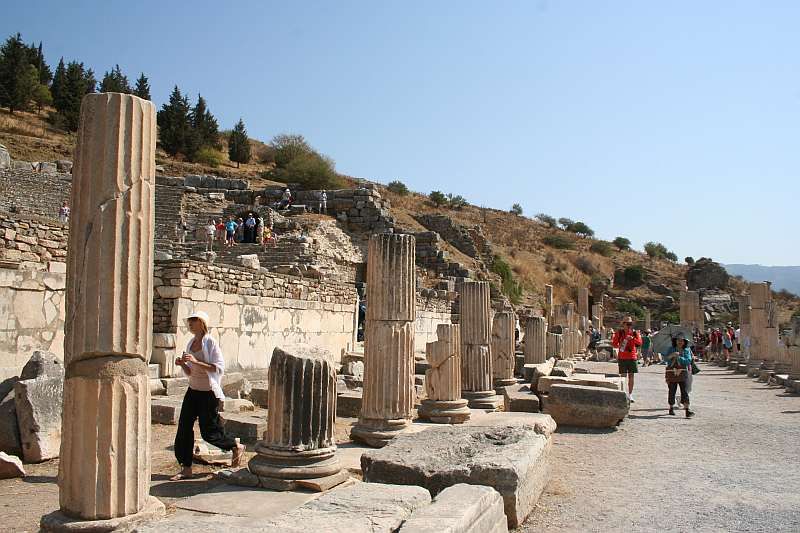
The Greek Temple of Artemis is the big ancient-world flex. It’s often listed as one of the Seven Wonders of the Ancient World, and even if you know the legend, seeing the real site helps you grasp the scale and ambition. The guided portion is shorter here (about 30 minutes), so I suggest bringing your questions so you can use that time efficiently.
Then, depending on where you start, you may also visit the Basilica of St John. This is listed for Kuşadası departures only, constructed by Justinian I over the burial site of the Apostle John, and guided for about 30 minutes. It’s a different mood from Artemis—more spiritual and grounded in early Christian tradition.
Taken together, this pairing helps you see how the same region kept reinterpreting itself. Greek, Roman, and Christian layers sit close enough to feel like chapters of one long story.




Selçuk food break and workshop-style stops: what to expect, and how to stay in control
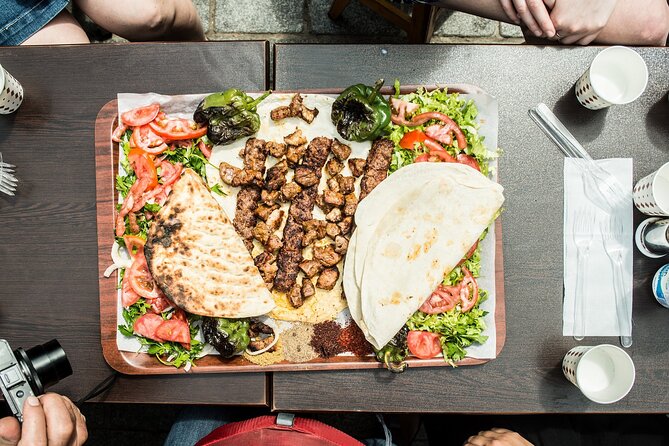
The day includes a stop in Selçuk with refreshments and a meal (about 1 hour) featuring lunch and regional food, described alongside tea, wine, beer/spirits, and BBQ. In real terms, this is where you reset: hydrate, refuel, and cool down a bit.
On top of the meal, guides may also take you into local production-style stops. In the accounts linked to this tour, people mention carpet weaving or rug-making workshops, leather manufacturing, silk production references, and pottery-style visits. Some guests love the look at local craft; others felt a stronger push to buy.
My advice: go in with a mindset of watching first. If you do want something, set your own budget before you arrive. If you don’t, it’s still worth stepping in for 10–15 minutes to see how the process is explained—just don’t let the time inside run your whole day.
Price and value: what $49 per person really becomes
At $49 per person for a private day, the base price can look like a bargain. The key is knowing what’s extra so you can judge value with clear eyes.
Entrance fees are not included; the guide uses pre-purchased skip-the-line tickets to avoid long waits, and you pay for them during the tour. The local lunch is also listed as not included, with a note of $15 for lunch. If you’re being picked up from Kusadası hotels, there’s an extra $50 per group for pickup from hotels (cruise pickup is handled differently).
So is it still a good deal? Often, yes—especially if you’re a family, a couple, or a small group that would otherwise pay for separate transportation and pay full entry-line chaos. When your guide is the difference-maker (people highlight guides like Mehmet, Nur, and Ahmet for steering the day and making it feel personal), you’re paying for time saved and for interpretation that turns ruins into an actual experience.
Timing and practical logistics that make the day flow
The sites open at 08:00, and many guides aim to get you in early to beat the rush. That matters because Ephesus is more comfortable when it’s not packed shoulder-to-shoulder. It also means you can linger at Celsus and the larger monuments without feeling like you’re on a tight conveyor belt.
For cruise passengers, pickup works like this: you meet at the exit gate of the immigration terminal at Izmir Cruise Port with a sign that reads OTTI Travel. Some days start early; one guide account describes a 7:00 a.m. pickup and getting to Ephesus ahead of other tours.
If you’re staying in Izmir hotels, you meet by the hotel reception. If you’re arriving by Izmir Adnan Menderes Airport, pickup is at the exit gate of the domestic terminal with an OTTI Travel sign.
These details sound boring until you’re standing at a port with 200 people trying to find their group. The smoother your meeting point is, the more you enjoy the first hour of the day.
What to pack for Ephesus: shoes, umbrella, sun, and no tripods
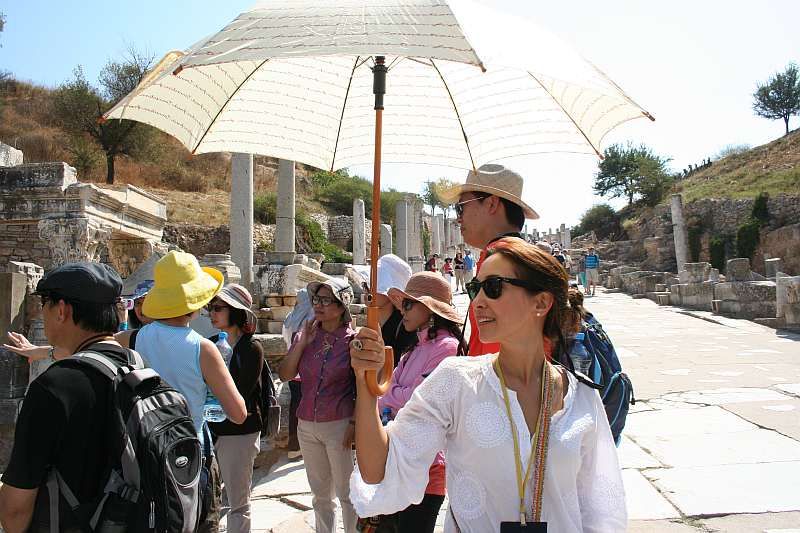
This tour is built for walking, so pack like you’re going to be outside most of the day. Wear comfortable shoes and bring a hat and sunscreen. An umbrella is recommended too—sun or rain, you’re covered.
Bring your camera. Just remember: tripods are not allowed at Ephesus. If you use a phone tripod or any bulky camera rig, leave it behind to avoid disappointment at the gate.
For clothing, the notes are practical: you don’t need to cover head or shoulders in Ephesus, and shorts and T-shirts are acceptable in summer. For the House of the Virgin Mary, a pashmina is adequate cover—so toss one in your day bag even if your itinerary sounds casual.
Should you book this private Ephesus tour?
Book it if you want Ephesus to feel navigable and meaningful. The mix of House of the Virgin Mary + Roman Ephesus highlights + Artemis (and St John for Kuşadası departures) is a strong one-day package, and private pacing is a real quality-of-life upgrade here.
Skip or consider another format if you dislike extra stops or shopping pressure. This tour may include workshop-style visits (carpets/rugs, leather, pottery), and you’ll want to be ready to say yes to craft and no to sales.
Also think twice if mobility is an issue. There’s a minimum walking requirement, and the tour notes are inconsistent about wheelchair use, so confirm directly with the operator before committing.
If your goal is to get the most out of a limited time window—cruise days included—this private setup is usually the smarter move. You trade the stress of DIY navigation for expert guidance and a calmer, earlier start at the ruins.
FAQ
How long is the Ephesus private tour?
The tour lasts 6 to 8 hours for a full day.
Where is pickup for cruise passengers?
For cruise passengers, pickup is at the exit gate of the immigration terminal of the Izmir Cruise Port, where you meet with a sign with an OTTI Travel name.
Are entrance fees included?
No. Entrance fees are not included, and you pay the guide on the day. The guide has skip-the-line tickets pre purchased.
Is lunch included?
A lunch stop in Selçuk is part of the plan, but local lunch is listed as not included, with $15 noted for lunch.
Can I choose my start time on a private tour?
Yes. Because it is private, you can start at any time you like.
What sites are visited during the day?
You’ll visit the House of the Virgin Mary and Ephesus, plus the Greek Temple of Artemis. The Basilica of St John is included for Kuşadası departures.
Are tripods allowed for photos?
No. Tripods are not allowed at Ephesus.
Is the tour suitable for everyone?
Pregnant women are listed as not suitable. The information also includes both a statement that it is wheelchair accessible and a note that it is not suitable for wheelchair users, so it’s best to confirm directly with the provider.
What should I wear or bring?
Wear comfortable shoes, bring a hat and sun cream, and pack an umbrella. For the House of the Virgin Mary, a pashmina is adequate cover.