REVIEW · ISTANBUL
Kucuksu Pavilion Skip-the-Line Ticket with Audio Guide
Book on GetYourGuide →Operated by Istanbul Tourist Pass® · Bookable on GetYourGuide
Bosphorus views without ticket stress. The Küçüksu Pavilion skip-the-line ticket lets you get inside faster and then use a professional English audio guide to explore comfortably at your own speed. It’s a one-day stop that mixes history with real scenery.
I like that you’re not stuck waiting in line first thing. I also like that the audio guide helps you make sense of what you’re seeing, instead of wandering around wondering what all this brick-and-stone is trying to tell you.
One thing to keep in mind: this isn’t a guided tour with a live person. If you strongly prefer a lecturer on-site, you’ll need to rely on the audio guide and your own questions.
In This Review
- Key Highlights to Expect
- Küçüksu Pavilion in Plain Terms: Where History Meets Bosphorus Views
- Skip-the-Line Entry: Why It Matters for a One-Day Plan
- Using the English Audio Guide Like a Pro (Not Like a Button-Masher)
- A Quick Timeline You’ll Hear While You Walk
- Inside the Pavilion: What the Museum Feel Adds to Your Visit
- Garden Time and Bosphorus Views Between Two Streams
- Ottoman Meets Western Design: How to Read the Visual Mix
- Price and Value: Is $14 a Fair Deal?
- Who Should Book This Skip-the-Line Audio Ticket?
- Should You Book Küçüksu Pavilion With Skip-the-Line and Audio?
- FAQ
- Where is Küçüksu Pavilion?
- How long does the experience take?
- What does the $14 per person ticket include?
- Is a guided tour included?
- What language is the audio guide available in?
- Do I need to choose a specific start time?
- Is there skip-the-line access?
- Can I cancel for a refund?
- Is reserve & pay later available?
- When was the pavilion originally built and when did it become a museum?
Key Highlights to Expect

- Skip-the-line entry so your time goes to the pavilion, not the queue
- Professional English audio guide for learning at your pace
- Ottoman-era setting tied to Sultan Mahmud I and Bosphorus fascination
- Two-storey brick-and-stone pavilion with garden atmosphere and museum status
- Bosphorus views framed by the pavilion’s location between two streams
- Ottoman meets Western design across the pavilion’s evolving forms
Küçüksu Pavilion in Plain Terms: Where History Meets Bosphorus Views
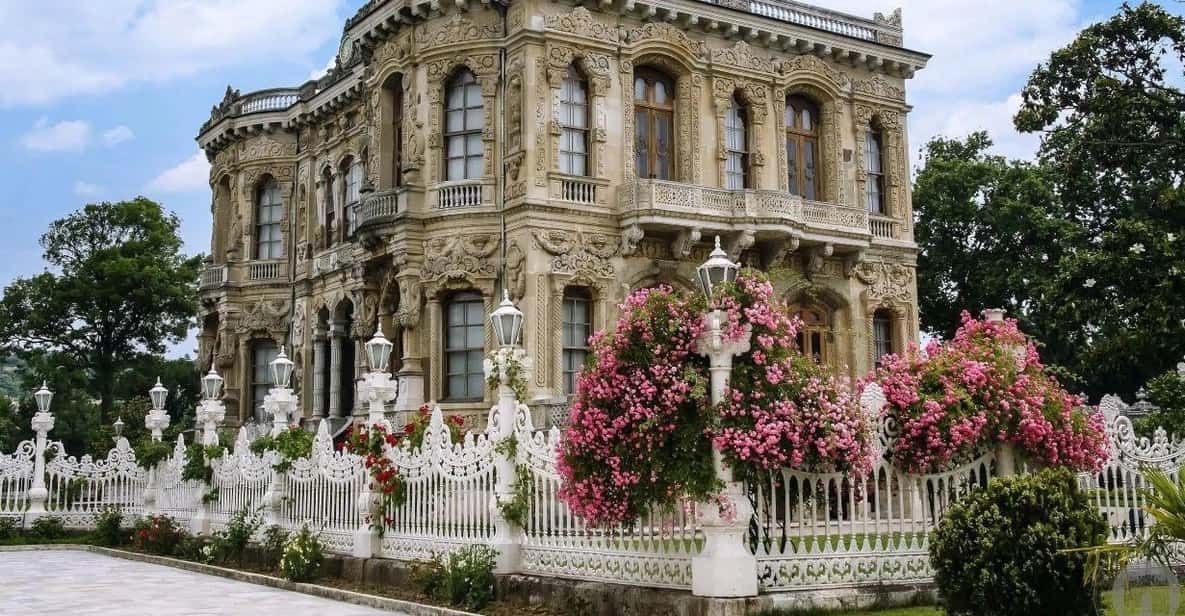
Küçüksu Pavilion is the kind of Istanbul spot that works even if you only have part of a day. It’s a two-storey structure built from brick and stone, and it sits in a garden setting that feels calmer than the city’s busiest viewpoints. The big draw is that you get both story and scenery, not just one or the other.
The location also matters. The pavilion is described as being between two streams, which helps explain why it feels like more of a composed retreat than a random building plopped by the water. Add in Bosphorus views, and you get a place where stopping to look around is part of the experience, not a distraction.
Then there’s the design. You’ll encounter a mix of Ottoman and Western influence. That blend is useful to know going in, because it changes how you interpret details. Instead of thinking of the pavilion as purely one style, it’s more like a visual timeline of how Istanbul thought about taste and power over time.
A few more Istanbul tours and experiences worth a look



Skip-the-Line Entry: Why It Matters for a One-Day Plan
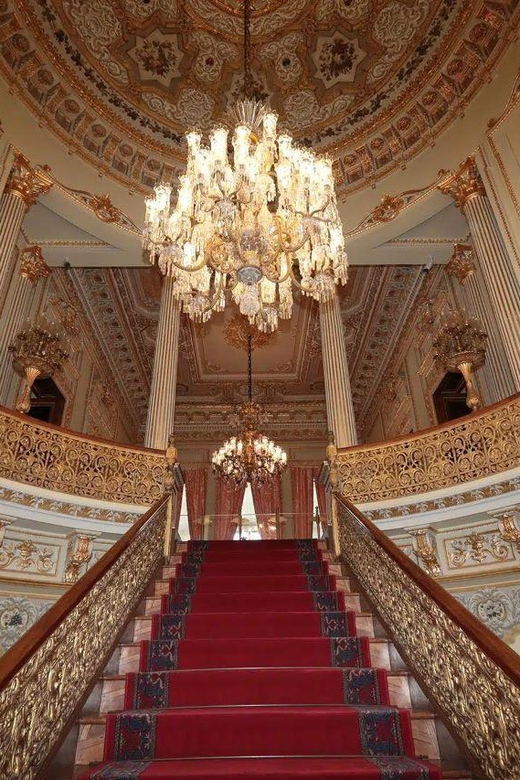
This ticket’s main practical benefit is simple: you skip the line. For a one-day activity, that can be the difference between a relaxed visit and a rushed one. And even if lines move quickly, saving the waiting time gives you flexibility—especially if your day already includes other sights.
Here’s how I’d use the extra time you gain. Spend your first minutes orienting yourself with the audio guide. Don’t try to absorb everything instantly. Let the guide set the context, then you can walk with intention instead of drifting.
Also, skip-the-line entry tends to help you avoid the worst timing problem: arriving when you’re tired. If you’re moving through Istanbul on a tight schedule, that buffer is real value.
Using the English Audio Guide Like a Pro (Not Like a Button-Masher)
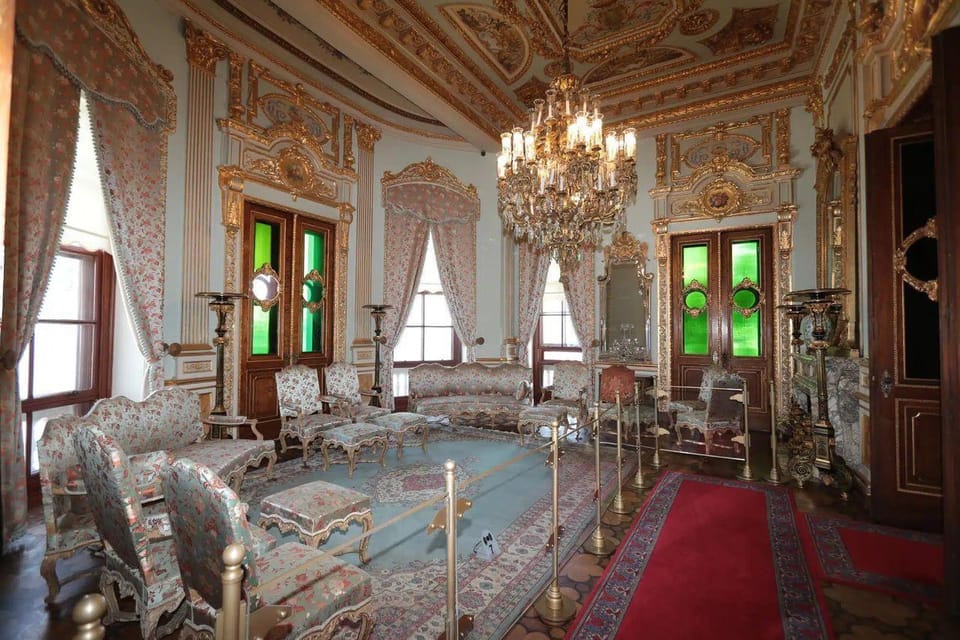
The included audio guide is professional and in English, and that’s the heart of this experience. The way it’s set up—so you can use it at your own pace—fits visitors who don’t want to be herded. You can stop when you want, rewind if something clicks late, and move on when the next room makes sense.
To get the most out of it, I suggest a simple rhythm:
- Listen first to understand the pavilion’s timeline and setting.
- Then re-listen to parts as you spot matching architectural features.
- Finish with the parts that connect the building to the Bosphorus story.
What makes this useful here is that Küçüksu Pavilion isn’t a one-era building in a single frozen snapshot. It has layers: constructed during Sultan Mahmud I’s reign, later shaped into its current form, and eventually turned into a museum. An audio guide is ideal for this kind of place because it can explain transitions that your eyes alone might not catch.
No live guide also means you control the pace. If you’re the type who likes to read a bit, take photos, and then move on when ready, the audio format fits nicely.
A Quick Timeline You’ll Hear While You Walk
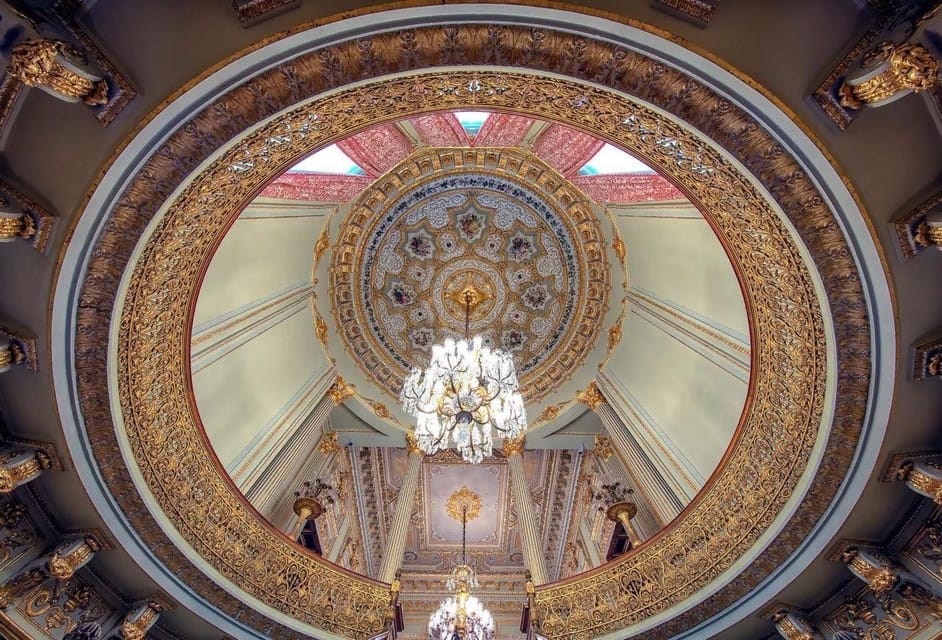
The pavilion’s story is tightly connected to Istanbul’s relationship with the Bosphorus. Originally constructed during Sultan Mahmud I’s reign, it opened in 1751. Later, the pavilion took on its current form in 1856–1857. Then, in 1983, it became a museum.
That timeline isn’t just trivia. It helps you interpret what you’re seeing. A pavilion built in the 1700s, reshaped in the 1800s, and later turned into a museum will naturally feel like a building that has been adapted for different needs and tastes. The audio guide can help you connect design choices to time periods instead of treating everything as an unconnected set of rooms and corners.
You may also hear about why it was built and who influenced it. The pavilion was constructed on the recommendation of a Grand Vizier, and it’s described as a product of fascination with the Bosphorus shores. That kind of context matters. It turns the visit from passive sightseeing into a clearer understanding of why this place existed at all.
Inside the Pavilion: What the Museum Feel Adds to Your Visit
Since Küçüksu Pavilion became a museum in 1983, you can expect a historical-visit tone rather than a purely decorative stop. The experience is built around learning—especially if you actually listen to what the audio guide is telling you.
The pavilion is described as having a garden and historical ambiance, and that’s a big part of how it lands. Even when you’re moving indoors, the setting keeps the mood connected to the outdoors. That’s helpful if you’re trying to balance indoor history with outdoor viewing time.
Because this experience is self-guided, you’ll want to choose a few key moments to slow down. Focus on:
- Any points where you can easily connect what the audio guide says to visible architectural details.
- Moments where you can pause and take in the Bosphorus view line.
- Indoor segments that the guide frames as part of the pavilion’s evolution.
You won’t get a live explanation of what to look at first, so your best tactic is to use the guide to pick your priorities, then let the building match the story in your head.
You can also read our reviews of more guided tours in Istanbul




Garden Time and Bosphorus Views Between Two Streams
One of the best reasons to visit Küçüksu Pavilion is that it’s not just a building. It’s a garden setting with a sense of old-quiet Istanbul. The pavilion is noted as being located between two streams, which helps explain why it can feel like a small landscape experience even when you’re staying in one area.
In practice, this means you can build natural breaks into your day. Walk a bit with the audio guide on, then pause outside. The Bosphorus views aren’t a vague promise here—they’re a highlighted part of the experience. That makes it easier to justify spending time lingering, because the view isn’t incidental. It’s part of why the pavilion is special.
If you’re the kind of traveler who tends to move too fast through gardens, try this: let the audio guide tell you what to look for, but give yourself time to look anyway. The pavilion’s charm comes from the combined effect of atmosphere plus architecture plus water.
Ottoman Meets Western Design: How to Read the Visual Mix

This is where Küçüksu Pavilion gets more interesting than many “pretty historic buildings.” The experience highlights a blend of Ottoman and Western design. That matters because it changes your expectations.
Instead of searching for only one aesthetic language, try spotting contrasts:
- Where Ottoman-style sensibilities might show up through form, layout, or ornament.
- Where Western influence might be visible through symmetry, proportions, or stylistic shifts.
Even if you’re not an architecture nerd, the audio guide can help you understand what the blend means in the context of Istanbul over time. Built in 1751 during Sultan Mahmud I’s reign, reshaped in 1856–1857, and later maintained as a museum, it’s reasonable that the pavilion reflects changing tastes and political-cultural contact. The guide turns that into something you can actually notice.
Price and Value: Is $14 a Fair Deal?
At $14 per person, this is one of those purchases that can feel small, but it can also protect your time. You’re paying for two things: skip-the-line entry and an included professional English audio guide. There’s no guided tour included, so the value comes from self-guiding with solid context instead of a full human-led narration.
For value, ask yourself one question: do you like independent museum pacing? If yes, $14 can be a great deal because you’re basically buying convenience plus interpretation. The audio guide is doing the work that turns a random walk into an informed one.
If you hate audio and want a person to answer questions, you might feel the cost isn’t doing enough. But for most visitors who can handle a headset and like to move at their own pace, it’s a sensible price for a historically focused Bosphorus visit.
Who Should Book This Skip-the-Line Audio Ticket?
I’d point this ticket toward travelers who:
- Want a one-day activity without committing to a full guided group tour
- Prefer learning at a personal pace with a professional audio guide in English
- Care about Istanbul history but also want scenic downtime
- Like architecture and design details enough to pay attention when prompted
It also fits well if your schedule is packed and you don’t want to “pay” for your day with waiting time. Skip-the-line access helps keep the day efficient.
If you’re traveling with someone who strongly dislikes self-guided audio experiences, it may not be the best match. The ticket is built for independence, not constant conversation.
Should You Book Küçüksu Pavilion With Skip-the-Line and Audio?
Yes, if you want an informed, low-stress visit to a Bosphorus-side historic pavilion. The biggest reasons to book are the skip-the-line entry and the included English audio guide, which together help you see and understand more in less time.
Skip it or think twice if you want a live guide, or if you’re the type who rarely uses audio at museums. For everyone else, Küçüksu Pavilion is a strong pick: a two-storey pavilion made of brick and stone, with a garden setting, Bosphorus views, and design influences tied to major moments from 1751 through its museum era in 1983.
FAQ
Where is Küçüksu Pavilion?
It’s in the Marmara Region of Turkey.
How long does the experience take?
The activity is listed as lasting 1 day.
What does the $14 per person ticket include?
It includes a skip-the-line entry ticket for the Küçüksu Pavilion and a professional audio guide in English.
Is a guided tour included?
No. Guided tours are not included.
What language is the audio guide available in?
The audio guide is available in English.
Do I need to choose a specific start time?
The ticket is valid 1 day, and you should check availability to see starting times.
Is there skip-the-line access?
Yes, the ticket is described as skip the ticket line / skip-the-line entry.
Can I cancel for a refund?
Yes. Free cancellation is offered up to 24 hours in advance for a full refund.
Is reserve & pay later available?
Yes. You can reserve now and pay later.
When was the pavilion originally built and when did it become a museum?
It was opened in 1751 during Sultan Mahmud I’s reign, and it became a museum in 1983.