REVIEW · ISTANBUL
Istanbul: Wine Tasting with Indigenous Local Varieties
Book on GetYourGuide →Operated by WAYANA Wine Bar · Bookable on GetYourGuide
Indigenous wine in Kadıköy is a smart detour. At WAYANA Wine Bar, you taste six natural wine flights with an English host, each one tied to indigenous grape varieties that are hard to find beyond Turkey. I like the clean structure and printed sheets, and I love the way the lineup spotlights grapes such as Hasandede and Karasakız that feel truly local, not just trendy.
The only real drawback is the format: you taste a mix of three whites and three reds in the same sitting, so if you want one-style focus, you’ll need to compensate by ordering more later.
In This Review
- Key things to know before you go
- Entering WAYANA Wine Bar in Kadıköy (and finding it fast)
- The 90-minute tasting format: six 50 ml flights
- Indigenous grapes you’ll actually hear named: Hasandede, Karasakız, Kanlıkara, Karkuş
- Natural wine, low-intervention style: what to watch for
- The small-group feel: questions, sheets, and a cozy pace
- Price and value: why $59 makes sense for this format
- Who this fits best (and who might want a different plan)
- Should you book this WAYANA wine tasting?
- FAQ
- How long is the wine tasting?
- How many wines will I taste, and how much is each pour?
- Are there whites and reds in the tasting?
- Is food included in the price?
- What is the price?
- What language is the host using?
- Where do I meet for the activity?
- Is the experience wheelchair accessible?
- Can children join?
- Is cancellation allowed?
Key things to know before you go
- Six flights, 50 ml each, over 90 minutes keeps the pace lively without battering your palate.
- Indigenous grapes are the star (skin-contact, wild ferment, amber styles, and more).
- Low-intervention, natural-wine approach is explained through terroir, farming choices, and stories tied to the grapes.
- Small group at 10 people max makes it easy to ask questions instead of sitting in silence.
- No food is included, but you can order from the menu (cheese is a popular pairing).
- WAYANA’s catalog signal is part of the experience: 500+ labels from 142 local wineries.
Entering WAYANA Wine Bar in Kadıköy (and finding it fast)
This tasting happens at WAYANA Wine Bar in Kadıköy, and it’s easy to spot once you know the landmark. Meet in front of the bar at the modern steel statue outside.
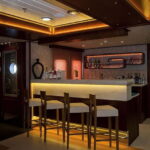
Kadıköy is a good base for wine lovers because it feels local and lived-in, not like a “tour-only” corridor. Inside, the room is intentionally small (just 24 seats, with limits on the group size), so the evening feels like you’ve been invited into a tight wine corner, not herded through a process.
Also, WAYANA isn’t just doing one tasting and calling it a day. The bar carries 500+ labels from 142 local wineries, which matters because it signals what they’re trying to do: show you the range of Turkish wine, not one safe style.
You can also read our reviews of more food & drink experiences in Istanbul
The 90-minute tasting format: six 50 ml flights
Plan for a 90-minute experience built around a simple, smart rhythm: six flights, with 50 ml poured each time.
That small serving size is practical. You can concentrate on aroma and taste without getting overwhelmed, and you don’t end the night with a heavy stomach or a foggy palate. It’s also a good way to compare styles quickly—especially since the selection includes both whites and reds.
One detail that affects your expectations: you get three whites and three reds, together. That means you’ll likely taste a wider “map” of what indigenous grapes can do, but you won’t get a pure white-only or red-only deep run.
If you’re the type who wants one style to be your entire focus, consider treating this as an intro. Then, if something really clicks, order more from the menu afterward and make it your own.
Indigenous grapes you’ll actually hear named: Hasandede, Karasakız, Kanlıkara, Karkuş
This is the whole point of the evening: the flight menu is built around rare native grape varieties. The host connects what’s in the glass to where it comes from, and also why these grapes have reputations in their home regions.
You’ll encounter expressions such as:
- Hasandede, including a skin-contact style
- Karasakız, made with wild fermentation
- Kanlıkara, noted as coming from wild vines
- Karkuş, served as an amber wine
Even if you don’t remember every grape name, you’ll walk away with something more useful than trivia: a sense that “Turkish wine” isn’t one flavor. It’s a set of specific grapes, farm practices, and winemaking choices.
And that’s where the experience feels more authentic than a generic “natural wine crash course.” When the host ties the wine to the grape’s character and the farming method, the tasting stops being random and becomes a guided tour of a living regional wine frontier.
Natural wine, low-intervention style: what to watch for
Natural wine can sound intimidating if your previous experiences were inconsistent. I like that this tasting doesn’t pretend natural wine is automatically better; it treats it as a style with its own logic.
You’re looking at low-intervention choices, which typically means the winemaking stays hands-off and the character of the grapes comes through more directly. In practice, that can show up as wines with more texture, more aromatic quirks, and sometimes flavors that feel a bit wild or rustic compared with mass-produced styles.
Here’s the helpful part: the host connects the dots with explanations about terroir, regenerative farming, and the stories attached to these indigenous varieties. That gives you a framework for what you’re tasting, instead of asking you to judge each pour purely by personal preference.
A practical tip: keep your notes mentally, not with a phone frenzy. Take a breath between flights and ask yourself what changed—grape type, fermentation approach, color, or mouthfeel. With six pours in 90 minutes, you’ll learn more by comparing than by chasing “perfect” wine.
The small-group feel: questions, sheets, and a cozy pace
The bar is set up for conversation. With only 10 participants in the small group setting, you’re not stuck waiting for a rare question moment.
I also really value the use of printed wine sheets during the tasting. They give you a second channel for information, and they help you keep the lineup straight while you’re tasting. When you can glance at what you just poured, you’re more likely to remember the grape names and what makes each one different.
The host’s job here isn’t just to talk at you. You should expect an energetic, supportive style—inviting questions and giving helpful context without turning the evening into a lecture.
And yes, you can order something if you want extra comfort. Since no food is served as part of the package, many people find that a cheese plate helps reset the palate. If you’re the kind of person who likes food-wine harmony, check the menu and pair as you go.
You can also read our reviews of more wine tours in Istanbul





Price and value: why $59 makes sense for this format
At $59 per person, you’re paying for more than six tastes. This price includes service and tax, and you’re getting a structured tasting with 50 ml flights across three whites and three reds—all focused on indigenous grapes and a natural, low-intervention approach.
What makes the value feel real is the pairing of two things:
- Specialization: indigenous grape varieties plus old-vine angles (and specific methods like wild ferment and amber styles).
- Context: the host links what you taste to farming and place, not just “flavor notes.”
Also, WAYANA’s broader selection matters. You’re not tasting in a vacuum; you’re tasting in a bar that carries 500+ labels and represents a big slice of local wineries. The evening works as a launchpad. When you find a style you like, you’re in the right place to explore more.
The main trade-off is that food isn’t included. So if you usually need a proper meal to enjoy wine comfortably, budget for menu add-ons. That doesn’t make the experience overpriced—it just changes what you should expect for that $59.
Who this fits best (and who might want a different plan)
This tasting is a great match if you:
- want to try natural wine but prefer guided context
- are curious about indigenous grape varieties rather than only international classics
- like small groups where you can ask questions
- enjoy learning how farming choices shape the final glass
It may be less satisfying if you:
- strongly prefer only whites or only reds (since you taste a mixed set)
- need food included in the price to feel comfortable
- are shopping for a kid-friendly activity (it’s not suitable for children under 18)
One more practical note: if you’re very brand-new to wine, start with open ears. This experience won’t pretend every natural wine will taste like the wines you already know. But the structure and explanations are there to help you make sense of the differences.
Should you book this WAYANA wine tasting?
Yes, if you want an efficient, well-shaped introduction to Turkish natural wine with a clear focus on indigenous grapes. The six flights in 90 minutes are paced well, and the combination of grape-specific stories plus printed tasting sheets makes it easy to follow along.
Book with extra confidence if you’re the type who enjoys asking questions and learning why wines taste the way they do. Just go in knowing there’s no included food, and the tasting is three whites plus three reds together. If that format fits your taste, this is a smart use of an evening in Kadıköy.
FAQ
How long is the wine tasting?
It lasts 90 minutes.
How many wines will I taste, and how much is each pour?
You’ll do six flights, with 50 ml each.
Are there whites and reds in the tasting?
Yes. You’ll taste three whites and three reds.
Is food included in the price?
No food is served as part of the tasting. Additional food and wine are available at menu prices.
What is the price?
The price is $59 per person.
What language is the host using?
The host or greeter speaks English.
Where do I meet for the activity?
Meet in front of WAYANA Wine Bar at the modern steel statue.
Is the experience wheelchair accessible?
Yes, it is wheelchair accessible.
Can children join?
No. It is not suitable for children under 18.
Is cancellation allowed?
There’s free cancellation up to 24 hours in advance for a full refund. Reserve now & pay later is also available, so you can book and pay nothing today.