REVIEW · ISTANBUL
Istanbul Unveiled: A Quest for the Unique and Unusual Jewels
Book on Viator →Operated by Serif Yenen Travel & Tourism Co. · Bookable on Viator
Istanbul has a second city underground. This 6–7 hour tour strings together Roman, Byzantine, and Ottoman landmarks in an order that makes the layers click fast, including cistern visits most people never see. You’ll also get timed breaks (tea and lunch) so the day feels like sightseeing, not a sprint.
I love two things most: the chance to visit sites with special access (not just the usual crowd stops), and the tour style that keeps the story moving—Serif Yenen is repeatedly praised for English skills, humor, and making connections across eras. One drawback to consider: you’ll want strong walking stamina, especially with stairs and uneven steps around the underground portions.
In This Review
- Key Points Before You Go
- What Makes This Istanbul Day Different: Private Cisterns and Byzantine Corners
- Starting at Küçük Ayasofya: Garden Tea and a Byzantine Prequel
- Eresin Hotel Sultanahmet Ruins: The Byzantine Great Palace Area You Can’t Just Walk Into
- Down in the Underground: Nakkas Cistern, Hippodrome Echoes, and Binbirdirek
- Roman Public Squares: Hippodrome, the Column of Constantine, and the Forum of Theodosius
- Tea, Boza, and Lokanta Lunch: Real Food Breaks Built In
- Ottoman Beauty With a Byzantine Backdrop: Kalenderhane Camii and Şehzade Mehmet Mosque
- Roman Aqueduct Finish: Valens, the Skyline, and a Last Big View
- Price and Value: Is $490 Worth It?
- Who Should Book, and Who Might Skip This Route?
- Should You Book Istanbul Unveiled?
- FAQ
- How long is the Istanbul Unveiled tour?
- Where does the tour start and end?
- Is the tour offered in English?
- What’s included in the price?
- Do I need to pay for cistern and other site admissions?
- Is transportation included?
- What food and drinks are part of the tour?
- Is the tour physically demanding?
- What ages are allowed?
- What if my plans change?
Key Points Before You Go
- Private-access stops: special-permission ruins and cistern areas that feel noticeably different from the standard route.
- An “Istanbul layers” storyline: you move from early Byzantine to Roman public monuments to Ottoman masterpieces without getting lost.
- Serif Yenen’s on-the-ground style: frequent notes about his smooth pacing, flexibility, and vegetarian-aware attention.
- Tea, boza, and lunch breaks: built-in local flavors so you’re not just hopping between stones.
- Centrally located drop-off: you end closer to where you’ll actually want to be after a long day.
What Makes This Istanbul Day Different: Private Cisterns and Byzantine Corners
Most Istanbul days are either “big sights only” or “wandering with no plan.” This one does something smarter: it mixes the famous names (like the Hippodrome area and the Constantine column) with stops you typically can’t access from the street. That matters because Istanbul’s best surprises often happen off the main pedestrian lanes.
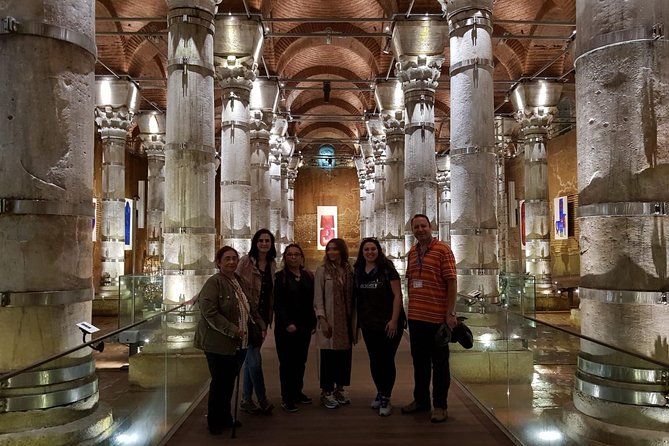
The day is also designed around contrast. You’ll start above ground, then go down into cistern spaces that change how you picture the city’s past. Even if you’ve seen photos, the scale and the air in those underground rooms hit differently. And then you climb back to street level for views, mosques, and the finishing Roman aqueduct—so the whole route feels like a full arc, not random hopping.
The other big difference is the human element. The guide—Serif Yenen—shows up in the feedback as the reason the tour “clicks,” not just the checklist of stops. People highlight his ability to connect eras, his humor, and his ability to adjust when something interesting comes up.
You can also read our reviews of more tours and experiences in Istanbul.

Starting at Küçük Ayasofya: Garden Tea and a Byzantine Prequel
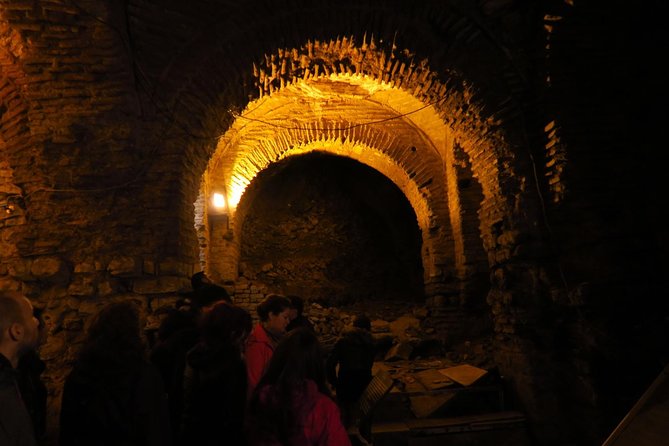
The tour begins at the Küçük Ayasofya Mosque (Küçük Ayasofya Camii), with a garden-cafe feel that keeps the start calm. Before you hit the big monuments, you sip traditional Turkish tea while the guide frames how Istanbul’s geography and history fit together.
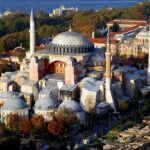
This stop is special because it acts like a “prequel” to Hagia Sophia. Built under Emperor Justinian before the famous cathedral-scale project, Küçük Ayasofya preserves Byzantine architectural traits that you don’t get from a lot of modern reconstructions. You also get a calmer entry point than starting straight at the crowds.
Practical tip: plan for a relaxed pace here. If you rush the garden break, you’ll miss the best moment to get your bearings fast—this tour works best when you understand where you are and why you’re going next.
Eresin Hotel Sultanahmet Ruins: The Byzantine Great Palace Area You Can’t Just Walk Into
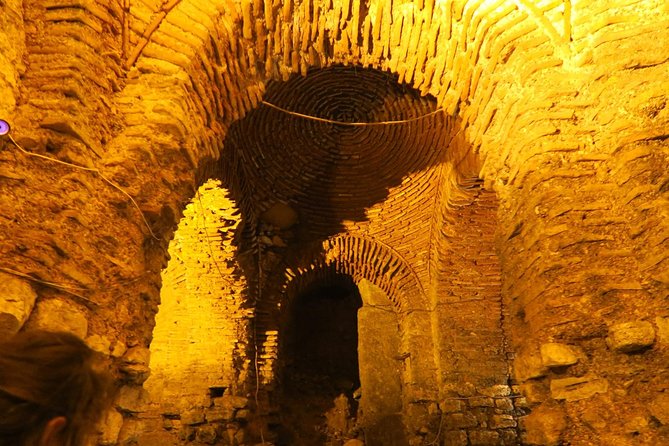
At Eresin Hotel Sultanahmet, you’ll be taken to a site tied to the Byzantine Great Palace ruins. What makes it worthwhile is access: this is described as a private location reachable only with special permission. In other words, you’re not just seeing stones—you’re being guided into a part of Istanbul that most visitor routes don’t touch.
The payoff here is perspective. Byzantine Constantinople wasn’t only churches and streets—it was also power, administration, and daily life tied to imperial spaces. Seeing ruins connected to the palace area helps your later stops (Hippodrome and forum monuments) feel less like separate attractions and more like one connected city.
A small timing note: this is a shorter stop (about 30 minutes). That’s not a problem if you’re in “see, understand, move on” mode. If you prefer slow museum-style wandering, you’ll want to spend extra time later on your own at any site that grabs you.
Down in the Underground: Nakkas Cistern, Hippodrome Echoes, and Binbirdirek
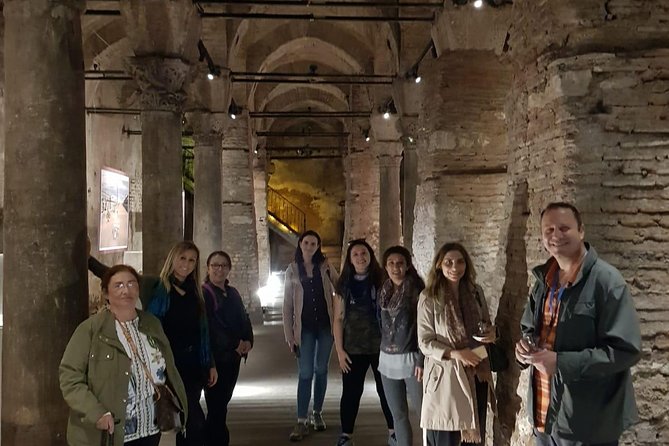
This is the section that earns the tour’s title.
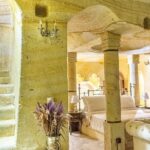
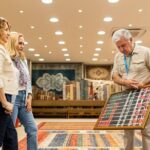
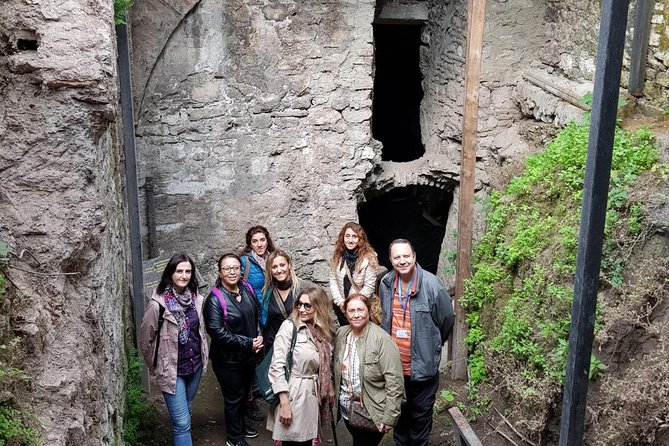
You’ll head to Nakkas Oriental Rugs & Textiles, which is tied to an “exclusive tour” to an underground Byzantine cistern space requiring special access permission. This cistern area also includes an exhibition related to the ancient Hippodrome, so the story isn’t just geography—it’s thematic. You’re essentially pairing the underground structure with what was happening above it.
Why this works: cisterns in Istanbul aren’t random cool basements. They were part of the city’s water system and engineering brain. When you connect that to the Hippodrome’s public entertainment role, you start picturing the city as a living machine.
After that, you’ll return to the surface with a stop at the Hippodrome itself (short and mostly “see and orient”). That quick look helps you mentally match the underground exhibit to the public space above.
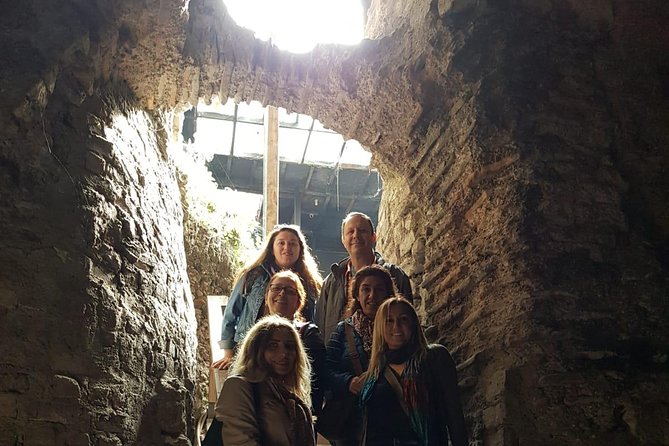
Then comes Binbirdirek Cistern (also called the Cistern of Philoxenos), one of Istanbul’s larger storage basins underground, noted as the second largest. It often gets less attention than the famed Basilica Cistern, and that’s part of why I like it for this kind of tour. You get the experience without the same level of crowd pressure.
A fun, real-world detail: Mark Twain is mentioned as a visitor who wrote impressions after seeing it. That’s a good sign you’re standing in a place that has fascinated visitors for generations—not just a modern photo spot.
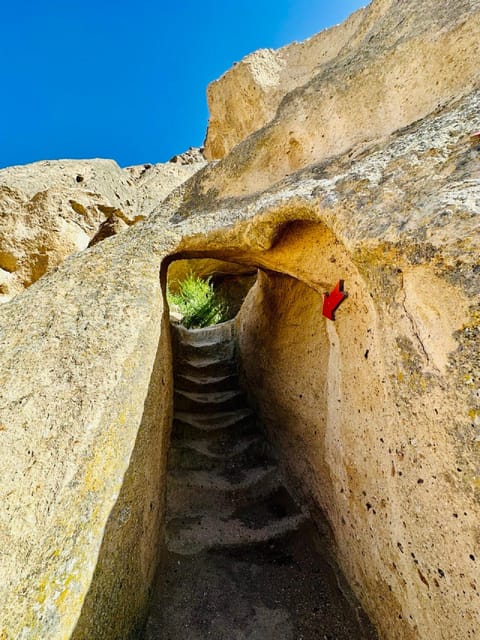
Practical tip: cistern visits can be dim and cool. Wear shoes with grip. And if you’re carrying a bag, keep it simple—these spaces reward fast movement and not trying to “make it a photo shoot.”
Roman Public Squares: Hippodrome, the Column of Constantine, and the Forum of Theodosius
After the underground engineering stops, the day turns outward—into public life.
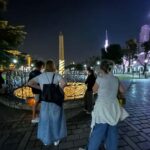
You’ll visit the Hippodrome area again for a clearer sense of where all that civic energy lived: chariot races, crowds, and the theater-like atmosphere of Constantinople. Even in fragments, you can feel why this place mattered.
Next is Cemberlitas Sutunu, the Column of Constantine—described as the sole surviving monument. Built to mark Istanbul’s shift as the new capital about 1700 years ago, it’s not just a tall piece of stone. It’s a landmark that anchors how the empire rebranded itself in this city.
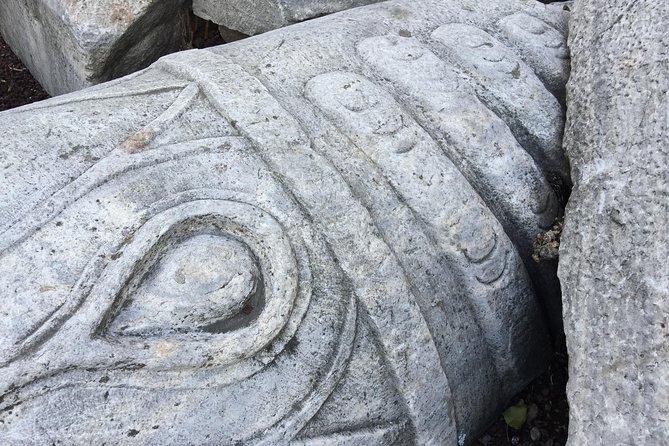
Then you’ll head to the Forum of Theodosius, originally constructed in the late 4th century. The column here is wrapped in reliefs (spiraling upwards) that commemorate military victories. What you see today is fragmentary, but the stop works because the guide helps you imagine what the arcades, shops, and public bustle would have felt like.
This is one of those moments where “short stop” still adds value. You’re not trying to recreate an entire Roman plaza in your brain. You’re getting a framework that makes the next mosque and aqueduct make sense.





Tea, Boza, and Lokanta Lunch: Real Food Breaks Built In
A well-run Istanbul day includes food you can actually enjoy—without it feeling like a forced restaurant stop.
The tour includes Turkish tea early on at the Küçük Ayasofya garden cafe. That’s more than a drink break. It’s also a rhythm cue. You’ll start calmer, learn more, and then you’re ready for the more physical underground part of the day.
Later, you’ll have lunch at a nearby lokanta, a Turkish-style eatery known in this description for fast service and a menu that locals (including shopkeepers) would likely understand right away. The idea here is practical: you’re not stuck hunting for “the perfect place” while your tour time ticks away.
And then there’s boza tasting at Vefa Bozacısı. Boza is a fermented drink with a sweet-tangy character and a thick texture. For first-timers, it’s the kind of taste that makes Istanbul feel local instead of staged for tourists. Even if you don’t become a boza person, the stop is a memorable cultural marker.
If you’re sensitive to strong fermented flavors, you can still sip lightly. The staff won’t be expecting you to finish a full cup—you’re trying it as part of the experience.
Ottoman Beauty With a Byzantine Backdrop: Kalenderhane Camii and Şehzade Mehmet Mosque
Not every tour gives you both: the Ottoman highlight and the architectural “conversation” between empires. This one does.
You’ll visit Kalenderhane Camii, where the building reflects a blend of Byzantine and Islamic architecture. The tour notes that your visit is outside only, but the structure is visually striking—domes and detailed brickwork that show how Istanbul layers its religious and architectural identity over centuries.
After that, the day moves to Şehzade Mehmet Mosque, a masterpiece by Mimar Sinan. Commissioned by Sultan Süleyman the Magnificent in memory of his son, it’s a top-tier Ottoman work with domes and calligraphy. Even if you’re not a “mosque architecture only” person, Sinan’s design choices tend to pull you in because they look intentional, not decorative.
This section balances the earlier Roman and Byzantine stops. It reminds you that the story didn’t end when one empire fell. Styles changed. Buildings changed. But the city’s skill at making meaning with stone stayed.
Roman Aqueduct Finish: Valens, the Skyline, and a Last Big View
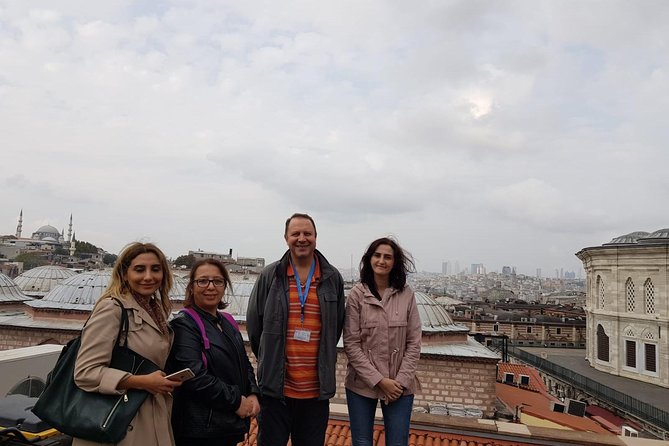
You end near the Valens Aqueduct (Bozdogan Kemeri) on the European side, around Kalenderhane.
This structure is huge. Built in the 4th century to supply water to Constantinople, it spans across the valley between hills—an engineering project that made the city possible at scale. Ending here is a smart choice for a tour about underground systems and public monuments. It closes the loop: water storage underground earlier, water delivery across the city here.
For me, the best part is the sense of “why it mattered.” Aqueducts are not just ancient decor. They’re a functional backbone. When you see it at the end of the day, the earlier cistern stops start feeling like pieces of the same system.
Wear a comfortable layer. This area can feel exposed near open sky, especially if the day turns windy.
Price and Value: Is $490 Worth It?
At $490 per person for a 6–7 hour English tour, this isn’t the cheapest option in Istanbul. The value comes from two things that are hard to copy with cheaper tours: access and execution.
Access matters. You’re not only visiting well-known sites. You’re getting taken to private-access ruins and underground cistern spaces with special permission. That’s the kind of effort and coordination that drives cost.
Execution matters too. The strong pattern in the feedback is that the guide’s English is excellent, the pacing is well judged, and the day stays flexible without becoming chaotic. People also note he handles special needs thoughtfully—one example mentioned vegetarian food choices being supported during restaurant stops. That’s not free. A guide with that kind of organization can make a “good tour” feel like a “smart one.”
Where this price may not feel right: if you’re mostly after the top 3 headline monuments and you love planning on your own, you may prefer building your own route. But if you want the unusual underground side and prefer not to chase special access yourself, this price starts to look fair.
Who Should Book, and Who Might Skip This Route?
This tour fits you best if you:
- Love Istanbul’s layered story and want it tied together across eras.
- Want underground cistern time and a practical route that avoids random guessing.
- Appreciate a guide who can connect sites quickly, keep you moving, and still allow breaks for tea and food.
You might skip (or at least adjust expectations) if you:
- Prefer long stays in museums with slow pace. Several stops are short by design.
- Have mobility limits that make stairs and uneven surfaces hard. The underground parts are part of the point, so you’d want to be sure you’re comfortable with that.
Should You Book Istanbul Unveiled?
Yes—if you want the unusual side of Istanbul without sacrificing structure. The biggest reason to book is the mix of standard monuments with special-access underground spaces, plus a guide style that people consistently praise for English, humor, and making the day flow.
If your goal is only the most famous sights with minimal walking, you might choose a different format. But if you want the kind of Istanbul day where the city feels like one connected puzzle—Roman public life, Byzantine engineering, and Ottoman architectural style—this route is a strong match.
FAQ
How long is the Istanbul Unveiled tour?
It runs about 6 to 7 hours.
Where does the tour start and end?
It starts at the Little Hagia Sophia Mosque (Küçük Ayasofya) and ends at the Aqueduct of Valens near Kalenderhane.
Is the tour offered in English?
Yes, it’s offered in English.
What’s included in the price?
Entrance costs, a professional guide, coffee and/or tea, an Istanbul map, boza tasting, and lunch are included.
Do I need to pay for cistern and other site admissions?
According to the tour details, entrances for the cistern and included stops are part of what’s covered.
Is transportation included?
Private transportation is not included.
What food and drinks are part of the tour?
You’ll have Turkish tea, lunch at a nearby lokanta, and boza tasting.
Is the tour physically demanding?
The information says travelers should have strong physical fitness, and comfortable walking shoes are recommended.
What ages are allowed?
The minimum age is 8 years old.
What if my plans change?
You can cancel for a full refund up to 24 hours in advance of the experience start time.