REVIEW · ISTANBUL
Istanbul-St Sophia,Blue Mosque,Hippodrome Guided Tour
Book on GetYourGuide →Operated by All Tours Istanbul · Bookable on GetYourGuide
Three monuments, one shared street story of empires. This 3-hour, English-guided walk ties together the Blue Mosque’s Iznik tilework and the Hagia Sophia’s mind-blowing scale with stops in the Hippodrome where Roman chariot races once roared. You’re not just looking at buildings—you’re getting the “why this matters” behind what you see, from Byzantine church life to Ottoman mosque grandeur.
I especially like how the tour keeps you moving through the Sultanahmet area without feeling rushed, with time built in to look closely and ask questions. The guide also frames Istanbul as a layered city, so the names and symbols don’t feel random—they connect. If you’re hoping for an easy, guided route through the big hitters, this fits well.
One catch: access can be unpredictable. Entry into Hagia Sophia is not guaranteed due to long lines, and the Blue Mosque is a functioning mosque that could close last minute. That means you should go in with a flexible mindset and plan your day around lines, security, and short notice.
In This Review
- Key points before you go
- Meeting at Marmara Universitesi and getting your bearings fast
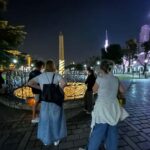
- Sultanahmet Square: the Hippodrome’s chariot-race footprint
- Blue Mosque: Iznik tiles, minarets, and mosque rules you’ll feel
- Hagia Sophia: Holy Wisdom, and what to expect if lines get in the way
- How the tour format affects your time (and your value)
- What’s included—and the sneaky part about entry fees
- Logistics that can make or break the day
- Who this tour suits best
- Should you book this Istanbul–St Sophia, Blue Mosque, Hippodrome tour?
- FAQ
- Where is the meeting point for the tour?
- Does the tour include hotel pickup?
- Are entry fees included for Hagia Sophia and the Blue Mosque?
- How long is the guided tour?
- What should I bring, and what’s not allowed?
- Do I need a headscarf?
Key points before you go
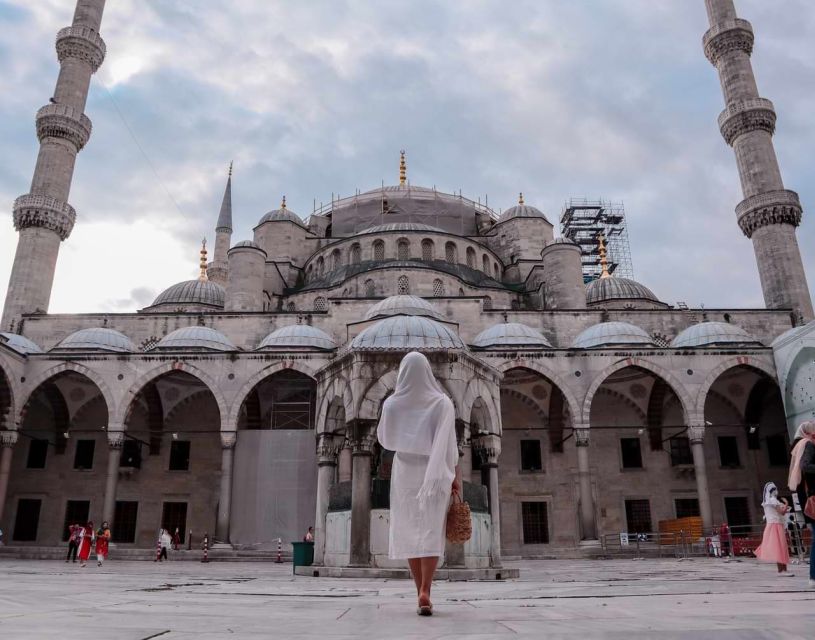
- Hippodrome on the paving: the chariot-track area is now about 2 meters below ground, but it’s marked right on Sultan Ahmet Square
- Real monuments, practical viewing: you’ll see surviving obelisks and the Serpentine Column from Delphi, plus the Wilhelm II fountain
- Blue Mosque focus: time for the minarets and Iznik tiles, with mosque etiquette baked into the visit
- Hagia Sophia context: guided explanation of its Byzantine identity as the Church of Holy Wisdom (and the Justinian story)
- Timing is tight: the tour is only 3 hours, so delays at the start or security can shrink your inside time
Meeting at Marmara Universitesi and getting your bearings fast
Your tour meeting point is in Sultanahmet, in front of Marmara Universitesi Rektörlük, opposite the obelisk on the Hippodrome grounds. The guide holds a flag with the Azure/All Tours Istanbul logo, so you’re not hunting in a crowd for long—if you arrive early.
I’d treat 10–15 minutes early as non-negotiable. Not because you’ll be early, but because this area is busy and full of other groups starting around the same time. Add in the reality that security checks are required, and you’ll want a buffer before you’re standing in line wondering if you’re in the right place.
Also, show up with your basics ready:
- Passport or ID card (you’ll need it at security)
- Comfortable shoes (this is a walking tour)
- Camera and sunglasses
- For women: a headscarf (you’ll need one)
If you’re thinking of bringing a large bag, don’t. Large bags and luggage aren’t allowed, and pets aren’t allowed either.
You can also read our reviews of more guided tours in Istanbul


Sultanahmet Square: the Hippodrome’s chariot-race footprint
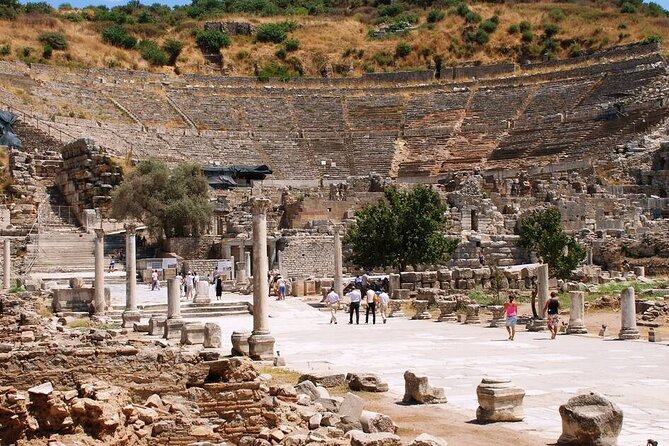
Before you even reach Hagia Sophia or the Blue Mosque, the tour anchors you in a place that changed Istanbul’s pulse: the Hippodrome. This is where the Roman Empire staged thrilling chariot races, and the atmosphere of spectacle is still the point, even though the track itself is buried.
Here’s the neat practical detail I like: the chariot-racing track is now about 2 meters (6.6 feet) below ground, but the route is marked in the paving of Sultan Ahmet Square. That makes the story physical. You can stand where horses once ran, even if you’re looking at a modern street surface.
As you walk, you’ll also see major surviving leftovers that help the whole scene snap into focus:
- surviving obelisk monuments (the tour includes them as visible anchors)
- the Serpentine Column from Delphi
- the Byzantine German Fountain of Wilhelm II
This is one of the best parts of the experience because it turns landmarks into geography. Instead of memorizing names, you learn what those objects were doing in the bigger entertainment system of the empire.
One more thing to watch: depending on the day and timing, you may feel a bit of crowd friction at the start. Groups cluster around similar meeting points, so your guide’s job includes basic crowd management before the actual tour story gets going. Build in patience and keep your phone charged in case you need to coordinate if something gets delayed.
Blue Mosque: Iznik tiles, minarets, and mosque rules you’ll feel
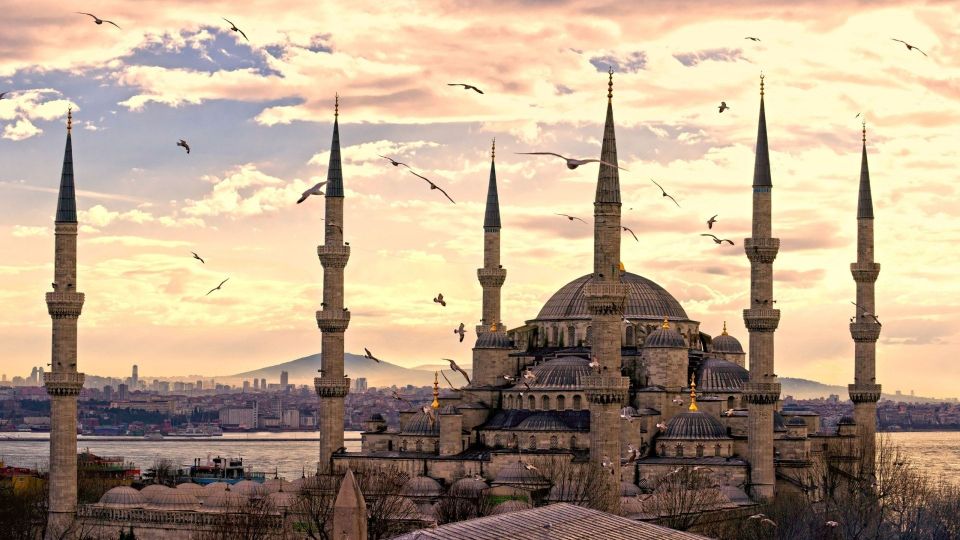
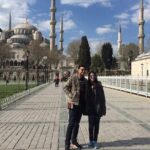
After the Hippodrome area, the tour heads to the Sultan Ahmed Mosque—the Blue Mosque. This is the stop most people picture when they think of Istanbul, and the guided format helps you see it like an art-and-history object rather than a postcard.
What you’ll focus on here:
- the slender minarets
- the decorative Iznik tiles (the tour highlights their beauty)
- the overall layout and meaning of the mosque during Ottoman rule
Because it’s a working mosque, you should expect rules and possible interruptions. The tour information is clear that the Blue Mosque can be closed last minute without notice. Even when it’s open, you’ll likely need to be respectful and follow entry guidance from staff on-site.
Practical etiquette matters, especially with women visitors. You should plan to come ready with a headscarf. If you don’t, your visit could stall at the exact moment you want it to flow.
If you’re the type of traveler who likes architecture you can actually spot—tile colors, repetition, design choices—this is a strong match. You’re not stuck with vague explanations; you can look up, count details, and connect the explanation to what’s in front of you.
Hagia Sophia: Holy Wisdom, and what to expect if lines get in the way
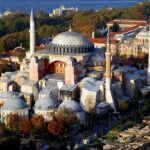
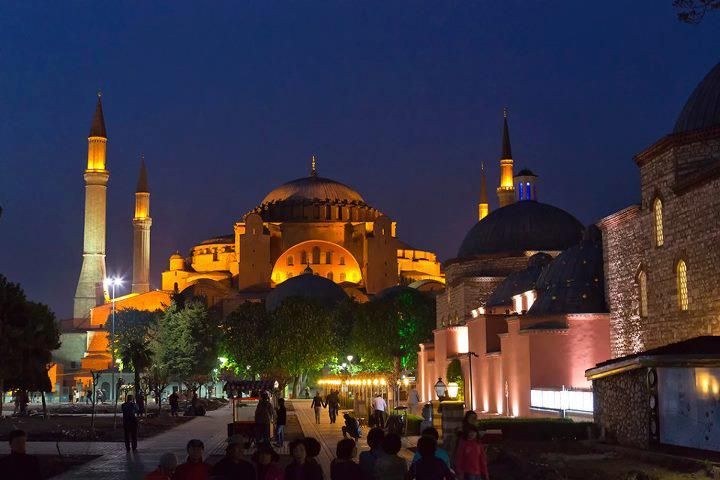
Next comes Hagia Sophia, known as the Church of Holy Wisdom. This is the kind of monument where scale hits you before the details do. Even with a guided tour, it can feel like the building is doing the talking.
The guide’s role here is especially valuable: you’ll get historical context tied to Byzantine identity and major moments of the empire. You’ll also hear the famous Justinian story—that he felt he had surpassed Solomon after Hagia Sophia’s lavish artistic display. The point isn’t whether you’ve heard the legend before. The point is how it explains the ambition behind the building.
Now the part you should plan around: entry into Hagia Sophia is not guaranteed. The tour explicitly warns that long lines can prevent you from getting inside. That means the experience is partly about what you can see and learn from outside when crowds block entry.
So how do you decide if that’s a dealbreaker? You can treat the Hagia Sophia stop as two possible wins:
- If you get in, you’ll likely have a deeper, more complete architectural experience.
- If you don’t, you’ll still get guided interpretation, and you’ll still get oriented in terms of what to look for when you visit again later.
Either way, Hagia Sophia is one of those places where a good guide changes how you experience your photos. Without that context, you’ll take pictures. With it, you’ll understand the building’s logic—why certain spaces feel different, and why the artwork and form mattered to people who lived under those empires.
How the tour format affects your time (and your value)
This is a shared walking tour with a professional English-speaking licensed guide. That’s a big deal for two reasons.
First, the guide is built into the value. You’re not paying for logistics—you’re paying for explanations that help you interpret what you’re seeing. In Istanbul, the difference between “I saw buildings” and “I understand what I saw” is often just one good, clear person talking on the move.
Second, the tour structure favors focused time. The plan is around 3 hours, with time allocated to Sultanahmet Square, the Blue Mosque, and Hagia Sophia. You also get extra storytelling tied to Byzantine/ Ottoman perspectives, including references to Byzantine churches and the overall transformation of the area.
But shared tours also bring variability. Group organization at the start can take time when multiple tours are meeting in the same zone. In a couple of cases, delays have pushed the actual start later, and in one instance the duration felt shorter than expected because certain site access was affected.
So here’s the advice I’d give you: treat this as a high-impact primer, not a slow museum day. If you want unhurried, deep interior time at every stop, you might feel constrained by the 3-hour format and the line risks.




What’s included—and the sneaky part about entry fees
The tour includes:
- a professional English-speaking licensed tour guide
- time spent at the sites (the tour promises long time at all places)
- service charges and taxes
What’s not included:
- hotel transfers
- transport to the meeting point
- all entry fees
- food and drink
That last part matters for budgeting. $41 is the headline price, but entry fees can add up quickly in the Sultanahmet zone. Since Hagia Sophia entry isn’t guaranteed and entry fees aren’t included, you could end up paying entry costs for other sites only if you gain access that day.
Still, there’s value here if you approach it the right way:
- If you care about historical context and you don’t want to piece together timelines on your own, the guide helps you get more meaning per hour.
- If you’re visiting only a few major sights, the walking route saves time and helps you avoid getting lost between monuments.
If you’re the kind of traveler who already knows Byzantine and Ottoman details and you prefer self-guided flexibility, you may feel the guide value is less critical. But if you want the story delivered while you’re standing in front of the evidence, this tour is a practical way to get it.
Logistics that can make or break the day
Istanbul traffic is real, and the tour acknowledges delays. If you choose optional pickup, you’re expected to be ready in your hotel lobby 15 minutes before the pickup time, and the driver waits no longer than 5 minutes after the scheduled time. Some streets may not be accessible by van, which means you could be reassigned to a nearby meeting point.
Even if you’re meeting at the main spot, your day still depends on timing because:
- all visitors must pass airport-style security
- it isn’t possible to join after the tour starts
- mosque closures can happen last minute
- Hagia Sophia lines can be long
Here’s how you protect yourself:
- Arrive early even if you think you’re early
- Keep your phone accessible (you might need to contact the guide if you’re running behind)
- Wear shoes you can stand and walk in for the full route
- Keep water in your day plan, even though food and drink aren’t included (you can plan a stop after the tour ends)
Also remember: the tour can’t wait for late arrivals. If you miss the start, you miss the tour.
Who this tour suits best
This experience is a strong fit if you want:
- a guided introduction to Sultanahmet’s Byzantine-to-Ottoman transformation
- a short, structured route that hits Hippodrome + Blue Mosque + Hagia Sophia
- clear explanations while you’re seeing the buildings in person
It’s also a good choice if you’re traveling with limited time and you want to spend your energy on interpretation instead of figuring out logistics.
You might want to think twice if:
- you’re counting on guaranteed Hagia Sophia interior time
- you dislike any chance of schedule compression due to crowds or last-minute closures
- you want a slow, detailed architecture deep-dive at one monument instead of a “greatest hits” loop
Should you book this Istanbul–St Sophia, Blue Mosque, Hippodrome tour?
I think this booking makes sense for most first-timers who want the big monuments with context, not just photos. The guide-led storytelling, the Hippodrome geography, and the Blue Mosque’s Iznik tile focus give you real payoff in a short window—especially if you’re happy with “plan A, plan B” for Hagia Sophia entry.
Book it if you want a practical walking route with expert explanations and you can handle the reality of security lines and mosque access rules. Skip it only if guaranteed interior time at Hagia Sophia is your non-negotiable goal.
If you do book, show up early, bring a headscarf, and wear shoes you trust. Then you’ll get the best version of this tour: a clear, guided walk through the places where Istanbul’s empire story is written into stone and tile.
FAQ
Where is the meeting point for the tour?
Meet your guide in front of Marmara Universitesi Rektörlük, opposite the obelisk on the Hippodrome. The guide will be holding a flag with the Azure/All Tours Istanbul logo.
Does the tour include hotel pickup?
Hotel transfers are not included, but pickup is optional. If you choose pickup, you’ll need to be ready in your hotel lobby 15 minutes before the scheduled pickup time, and pickup may not be possible on all streets.
Are entry fees included for Hagia Sophia and the Blue Mosque?
No. All entry fees are not included, and Hagia Sophia entry is not guaranteed because of long lines.
How long is the guided tour?
The duration is 3 hours.
What should I bring, and what’s not allowed?
Bring a passport or ID card, comfortable shoes, sunglasses, and a camera. Pets and luggage or large bags are not allowed.
Do I need a headscarf?
Yes, women must carry a headscarf.