REVIEW · ISTANBUL
Istanbul: Private Sightseeing Tour in Multiple Languages
Book on GetYourGuide →Operated by TourThese · Bookable on GetYourGuide
Istanbul’s history shows up in layers. I like the way this private, multilingual tour strings together the rise of Byzantium into the Ottoman capital, using landmarks and artwork as your timeline. I also like that you’re not stuck with a packed bus vibe; you get a real guide who can explain what you’re seeing in English, Russian, Greek, German, Portuguese, French, or Spanish.
The day centers on two heavyweight sights: Hagia Sophia (with its famous frescoes and a 1,500-year story) and the Blue Mosque (with the details that earned it its nickname). You’ll also appreciate the smoother pace from a skip-the-ticket-line setup plus coffee or tea to keep your energy up between stops. One thing to consider: this is a full-day walk—up to about 10 miles—and mosque clothing rules can be a bit of a scramble if you packed light.
In This Review
- Key points that make this tour worth it
- A private Istanbul day that actually reads like a story
- Starting at the German Fountain: get your bearings fast
- Hippodrome first: obelisks and columns that scream Constantinople
- Hagia Sophia: frescos, function changes, and 1,500 years in one stop
- Blue Mosque etiquette plus the photos you actually want
- Basilica Cistern: when the Ottoman city feels underground
- Sultanahmet Square lunch break: a needed pause without losing time
- Topkapi Palace (and the Tuesday switch)
- Grand Bazaar shopping time: souvenirs with bargaining practice
- Price and value: what you’re really paying for
- Who this tour suits best (and who should skip it)
- Tips to make the day smoother (so you enjoy it more)
- Final verdict: should you book this private Istanbul tour?
- FAQ
- What is the duration of this Istanbul private sightseeing tour?
- Where do we meet the guide?
- How many people are in a group?
- Which languages are available for the live guide?
- Is entrance fees included?
- Is lunch included?
- Does the tour skip ticket lines?
- Is Topkapi always included?
- What happens if the Grand Bazaar is closed?
- How much walking should I expect?
Key points that make this tour worth it
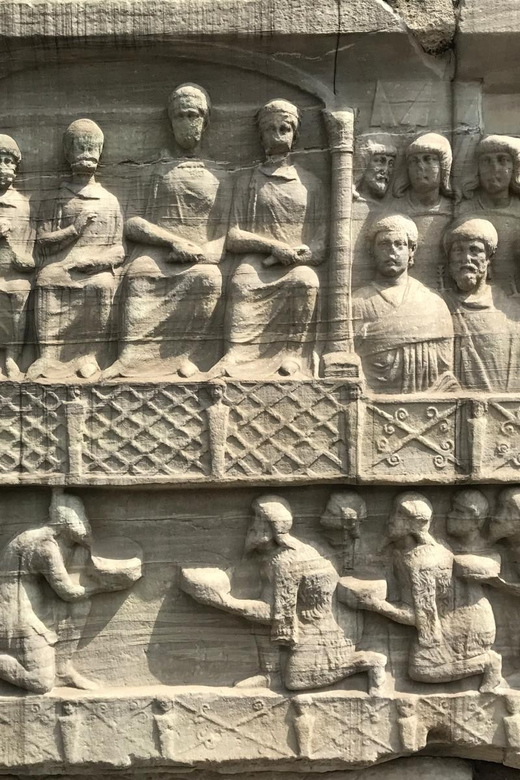
- Chronological history that connects Greek colony Byzantium to New Rome, Constantinople, and the Ottoman capital
- Hagia Sophia + Blue Mosque as the core anchor, with a guide explaining the big details you’d miss alone
- Skip-the-ticket-line support (and an optional fast-track add-on if you want extra speed)
- Basilica Cistern and Sultanahmet Square for a breather that still keeps the story moving
- Grand Bazaar shopping with real time for browsing and bargaining
- Multiple languages and private group pacing, with guides like Fikret, Yusuf, Sara, and Gökhan praised for knowledge and tact
A private Istanbul day that actually reads like a story
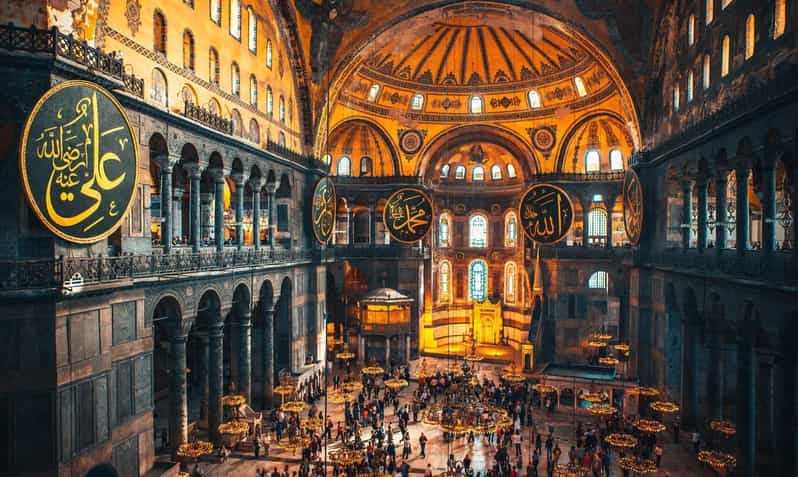
Istanbul can feel like a photo scavenger hunt if you don’t have a framework. This tour gives you one: you walk through the city in order—Greek colony Byzantium, then New Rome, then Constantinople, and finally the Ottoman capital. You don’t just see monuments. You get the “why this matters” thread linking them.
That framework is the biggest reason the day feels coherent. One stop explains another. A column in an open-air square makes sense because you’ve already heard what kind of power Istanbul used to project. And when you reach the big religious sites, you understand what changed over centuries—and what stayed recognizable.
The format also helps: it’s private, not a cattle-style group. You’re moving across Sultanahmet and nearby areas on foot, and that means you can ask questions, request a slower pace at a specific stop, or spend an extra few minutes on something the guide flags as important. In past experiences, guides like Yusuf were praised for sharing lots of curiosities, while Gökhan was noted as knowledgeable without being pushy about extra spending.
You can also read our reviews of more private tours in Istanbul
Starting at the German Fountain: get your bearings fast
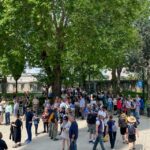
You meet at the German Fountain, with your guide holding a TourThese flag so you can spot them quickly. This matters more than it sounds. Istanbul’s streets can be a maze, and a clean start means you don’t burn time hunting.
From here, you head straight into the Hippodrome of Constantinople area—one of the best ways to set context early. Before you enter buildings, you’re introduced to how the city used to perform its identity in public space: power, spectacle, and symbolism in stone.
If you’re sensitive to long walking days, this is also where you’ll learn the rhythm of the tour. The pacing is meant to keep you going, but it isn’t so rushed that you can’t take photos or listen. Still, bring your best walking shoes. You’ll earn them by the end.
Hippodrome first: obelisks and columns that scream Constantinople
Your first main stop is the Hippodrome of Constantinople, an open-air museum setting. Even if you only know the broad history, this is where you start to feel how early rulers wanted the city to look and behave.
Expect photo stops and guided explanations around the visible remnants and related landmarks, including the Obelisk of Theodosius III, the Serpent Column, and other notable obelisk elements in the same area (including the Egyptian Obelisk and the Masonry Obelisk). Your guide connects these to the message Constantinople projected: it was borrowing prestige from the past and then branding it as its own.
This is a “small things, big meaning” kind of stop. You’re looking at pieces that survived while the original structures didn’t. That’s exactly why a guide helps—otherwise, you just end up with a bunch of impressive but disconnected objects.
Hagia Sophia: frescos, function changes, and 1,500 years in one stop
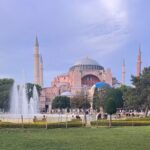
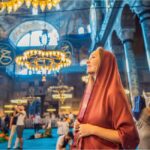
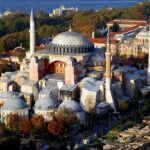
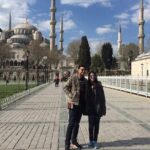
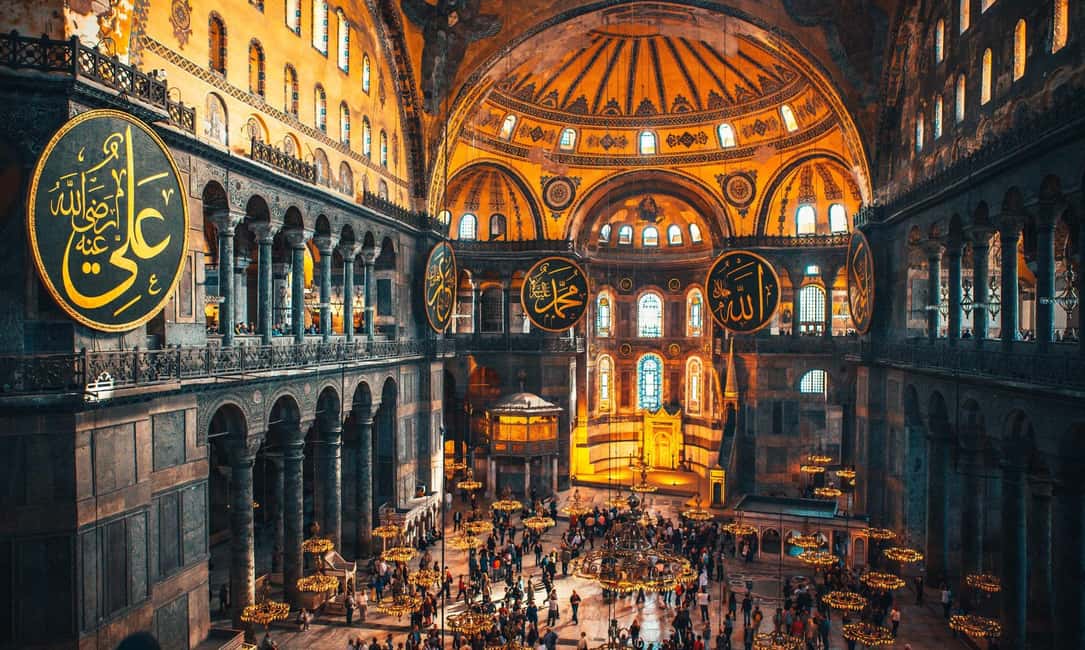
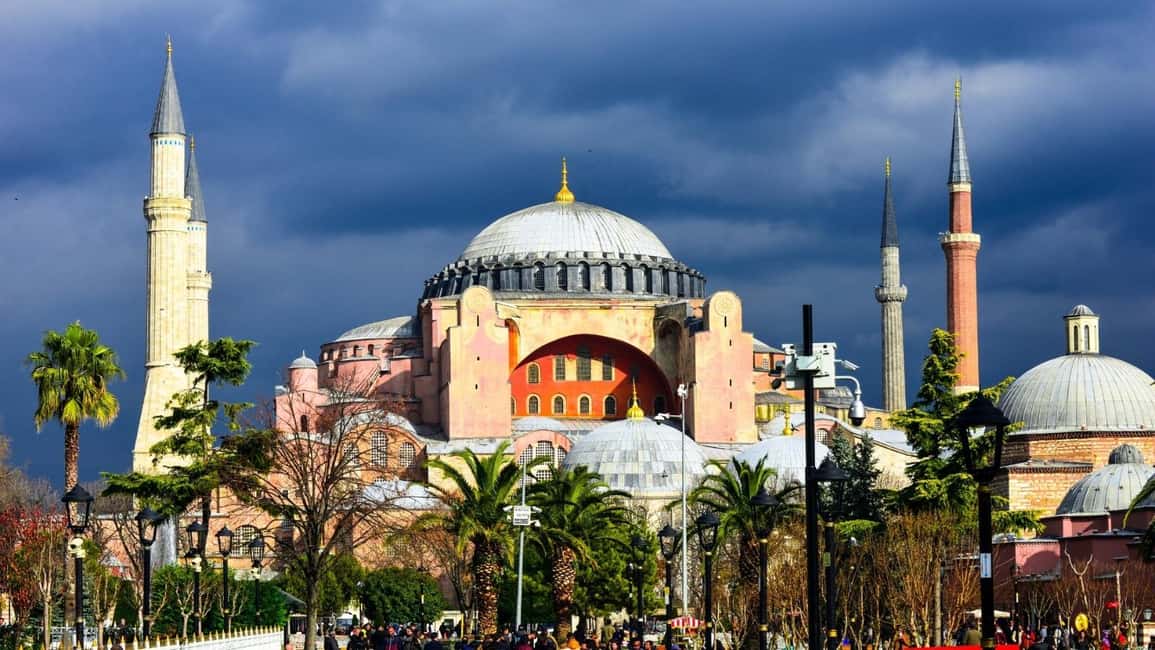
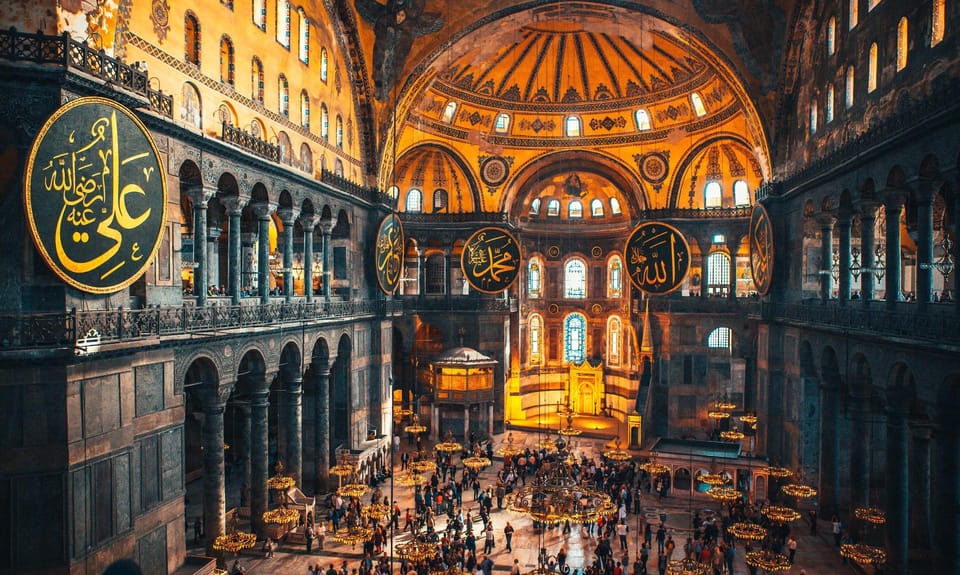
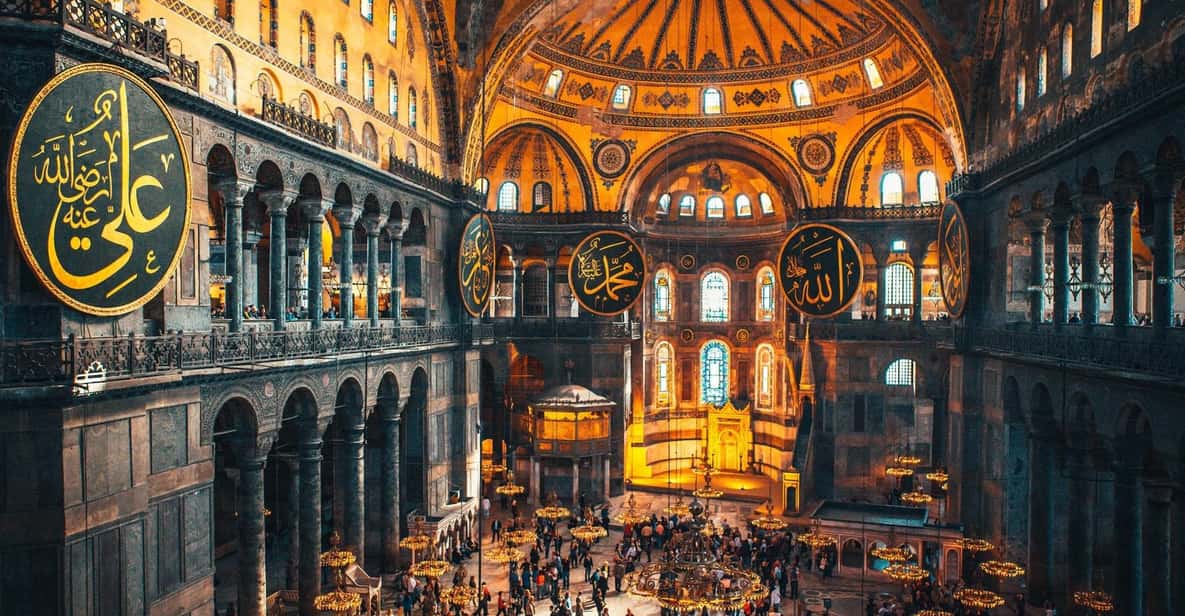
Then comes the anchor: Hagia Sophia. You’ll get a focused guided visit with time for photos, and your guide will walk you through the building’s frescoes and long timeline—about 1,500 years of evolving purpose and cultural layers.
What I like about having this as the centerpiece is that it gives your brain a “now I get it” moment. After the Hippodrome symbolism, Hagia Sophia shows the more lasting side of power: art, religion, and architecture built to endure.
Practical tip: mosques and historic sites can involve uneven floors and crowds. Wear the shoes you’d trust on a long day. If you need breaks, mention it early; good guides can pace you so you don’t feel rushed at the most crowded interior moments.
Blue Mosque etiquette plus the photos you actually want
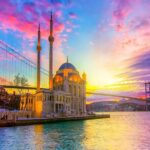
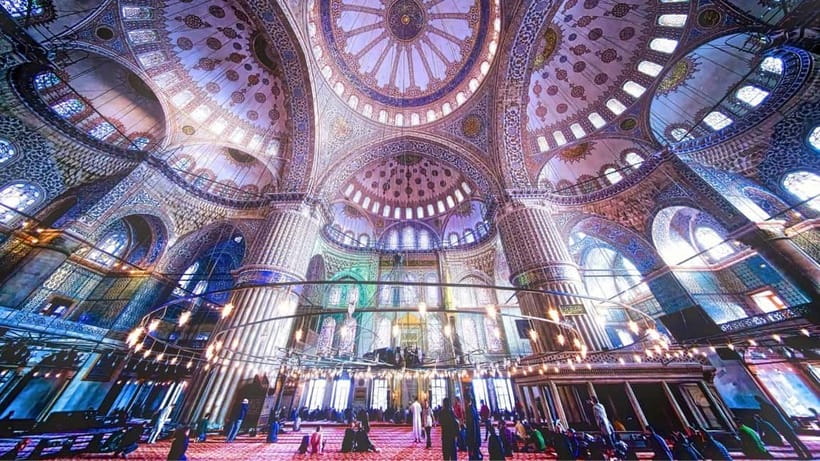
Next is the Sultan Ahmed Mosque, commonly called the Blue Mosque. Plan on about an hour here, with photo opportunities and a guided tour.
There’s a lot to see, but the key value is understanding the nickname behind it and what you’re looking at inside. The guide’s explanations help you notice details rather than just snapping a quick exterior shot.
Also, this is where the tour’s clothing rules matter. Since the itinerary includes mosque entry:
- Men should wear shorts below the knees
- Women should cover their head and wear long pants or skirts
If you’re traveling with a small day bag, consider tossing a light scarf just in case. It saves stress.
The Blue Mosque is a top-of-the-list moment for most people. A private guide makes it less chaotic because you can move as a group with a plan instead of guessing what to do next.




Basilica Cistern: when the Ottoman city feels underground
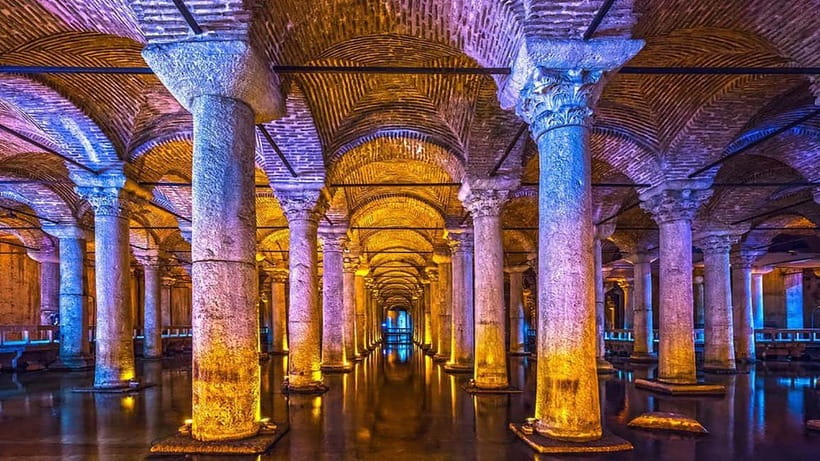
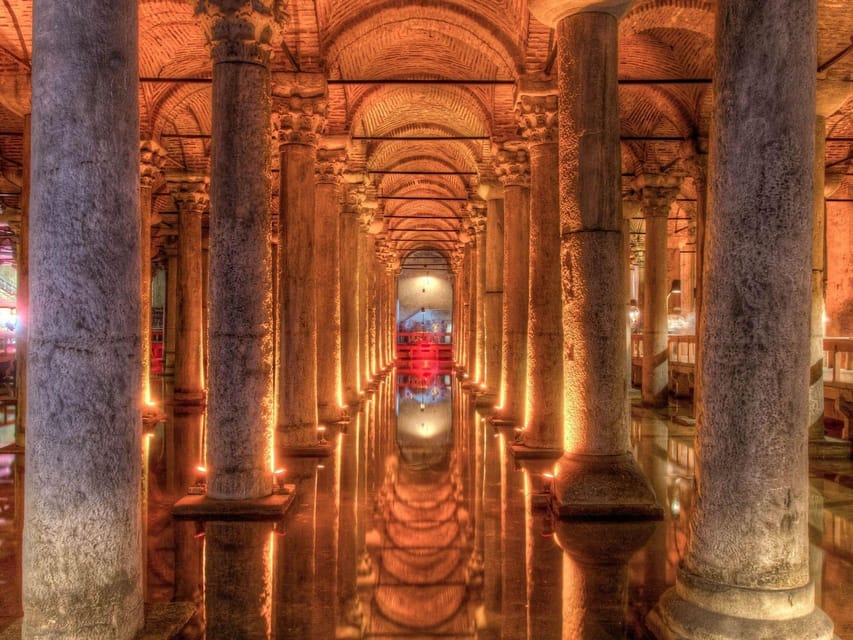
After the mosque, the tour heads to the Basilica Cistern. This stop is shorter—around 30 minutes for visit and guiding—but it’s one of the most atmospheric moments in the whole day.
You’ll take photos and get context for what you’re seeing. The cistern works as a story bridge: it connects major surface monuments to the practical engineering that made life possible in a dense city.
If you’re someone who likes architecture that’s more hidden than flashy, you’ll probably enjoy this. It’s also a good place to reset if you’ve been on your feet for a while. The lighting and the setting make it easier to slow down than at some of the big outdoor landmarks.
Sultanahmet Square lunch break: a needed pause without losing time
Between major sights, there’s a break at Sultanahmet Square for about one hour. Lunch is listed as optional here, and you’ll have time to eat at a nearby spot without having the whole group move on immediately.
This is a smart timing choice. By this point you’ve covered heavyweight history and two major religious buildings. An hour gives you the chance to recharge and choose your own lunch style.
One small plus: tea or coffee is included, so even if you grab something quick, you’ll still feel the tour hasn’t ignored comfort.
Topkapi Palace (and the Tuesday switch)
Next is Topkapi Palace, usually a longer, about two-hour guided visit with photo stops and a tour.
But there’s a catch: Topkapi is closed on Tuesdays. On those days, the tour replaces it with Basilica Cistern instead. If you’re planning travel around the calendar, this is the one scheduling detail that can change the shape of your day. Check your day-of-week so you aren’t surprised.
Why Topkapi fits this tour’s theme: it’s where Ottoman identity becomes visible through artwork and architecture. After Constantinople’s earlier layers, Topkapi shows you a different kind of power—less about public spectacle and more about court life and imperial taste.
Grand Bazaar shopping time: souvenirs with bargaining practice
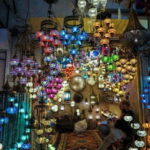
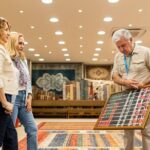
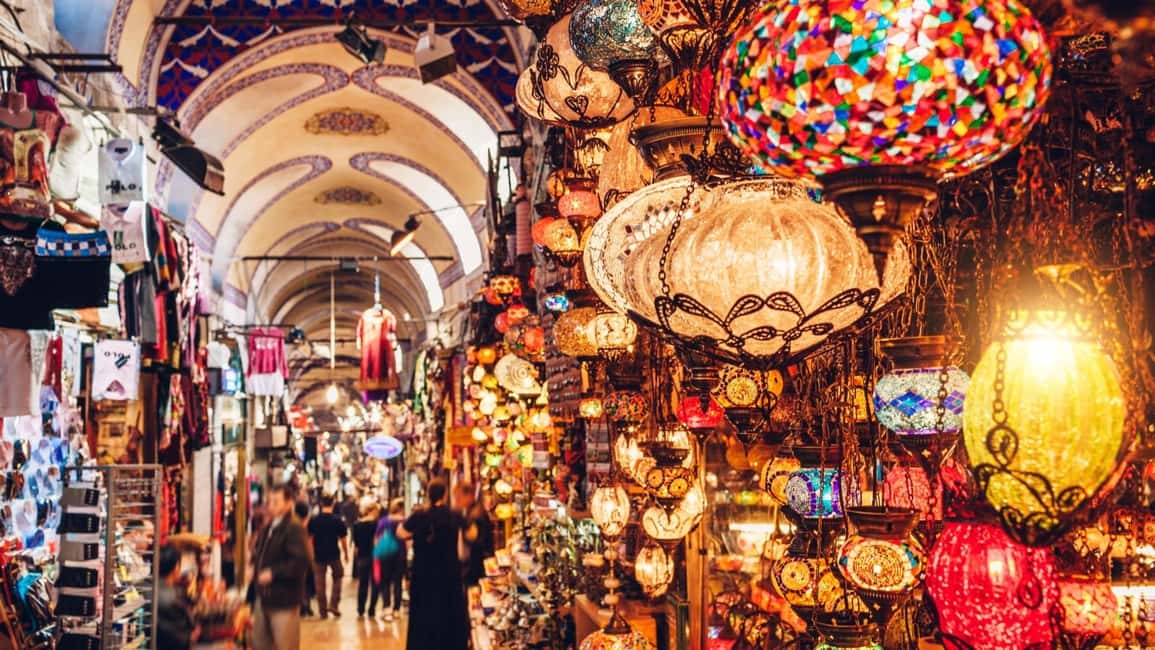
The final big stop is the Grand Bazaar, with guided time and shopping (about one hour). This is the part of the day where the tour shifts from history to everyday Istanbul life.
You’re encouraged to try haggling for the best price. That’s not just a shopping tactic—it’s a cultural skill. Even if you don’t go wild, you’ll learn how pricing conversations work in a market environment.
Important timing note: the Grand Bazaar is closed on Sundays. If your tour lands on a Sunday, it’s replaced with the Spice Market. You’ll still get a market experience, just with a different vibe and different goods.
If you want a practical souvenir strategy, aim for textiles, small crafts, and items you can actually use at home. The bazaar is easy to get overwhelmed by, so decide your target before you walk in. Then let the guide’s pointers help you compare what’s worth your time.
Price and value: what you’re really paying for
This costs $198 per group up to 10 people, with a private guide and coffee or tea included. That pricing structure can be surprisingly good value if you’re traveling as a small group or family, because you’re sharing the guide rather than paying per person in a big tour pool.
Here’s where value shows up beyond the math:
- You get one guide pacing you through the day instead of joining a larger crowd
- You can ask questions in your selected language
- You get skip-the-ticket-line support, plus an optional fast-track add-on if you want extra speed
If you’re the type who likes to linger at photos, ask follow-ups, or adjust your focus, private time pays off fast. If you want the cheapest option possible and don’t care about explanations, then a self-guided day might be fine. But for most people, Istanbul becomes more meaningful when someone connects the dots while you’re standing in front of the dots.
Who this tour suits best (and who should skip it)
This tour is best for you if:
- you like structured history and clear explanations
- you want Hagia Sophia + Blue Mosque handled with guidance
- you’re comfortable walking a lot and can handle mosque entry rules
It’s not suitable for:
- people with mobility impairments or wheelchair users
- people with low fitness
- anyone with motion sickness
- anyone who can’t follow the mosque dress expectations
That walking requirement is the real decision-maker. Up to about 10 miles over a full day means your body needs to be ready. If you’re unsure, plan a slower day elsewhere and treat this as your “big effort” day.
Tips to make the day smoother (so you enjoy it more)
A few practical things will make a noticeable difference:
- Wear comfortable shoes you’ve already tested
- Bring comfortable clothes you can move in
- For mosque stops, pack or plan clothing that meets the dress rules (especially head covering for women)
- Bring a small bag for essentials so you’re not juggling items all day
- If you’re traveling with a group, decide in advance what you want most: architecture, photos, bazaar shopping, or history explanations
One more tip: since you’ll be walking through dense tourist areas, it helps to stay flexible. When the guide suggests where to stand or what to focus on, it usually improves your photo results and reduces stress.
Final verdict: should you book this private Istanbul tour?
If you want a one-day plan that makes Istanbul’s timeline make sense, I think this is a smart booking. The standout is how the day connects Byzantine Constantinople into Ottoman Istanbul through the right stops—Hippodrome, Hagia Sophia, Blue Mosque, then the Ottoman imprint at Topkapi, capped with bazaar shopping.
Skip this only if your mobility or stamina is limited, or if mosque-entry clothing rules are a problem for you. Otherwise, it’s a high-value way to experience the big names without turning the day into an exhausting, guess-and-chase routine.
FAQ
What is the duration of this Istanbul private sightseeing tour?
The tour runs for about 6 to 8 hours.
Where do we meet the guide?
You meet your guide at the German Fountain, and the guide will be holding the TourThese flag.
How many people are in a group?
This is a private group for up to 10 people.
Which languages are available for the live guide?
Live tour guide languages include English, Russian, Greek, German, Portuguese, French, and Spanish.
Is entrance fees included?
No. Entrance fees are not included.
Is lunch included?
Lunch is not included, though there is an optional lunch break during the day. Coffee or tea is included.
Does the tour skip ticket lines?
Yes, there is an included skip the ticket line opportunity. There is also an optional fast track add-on for an additional fee.
Is Topkapi always included?
No. Topkapi is closed on Tuesdays, and on those days it is replaced with Basilica Cistern.
What happens if the Grand Bazaar is closed?
The Grand Bazaar is closed on Sundays. On Sundays it is replaced with the Spice Market.
How much walking should I expect?
This is a full-day walking tour and can require walking of up to 10 miles. It is not suitable for wheelchair users or people with mobility impairments.