REVIEW · ISTANBUL
Istanbul Private Shopping Tour – Grand Bazaar & Spice Market
Book on GetYourGuide →Operated by MGT · Bookable on GetYourGuide
Shopping in Istanbul gets easier fast. This private day pairs the famous Grand Bazaar and Spice Market with real artisan workshops, so you’re not just collecting souvenirs—you’re learning what to buy and how to buy it.
I love that the tour stays flexible to your interests while keeping everything organized: pickup, an air-conditioned ride, and a licensed English guide to translate and help you move through the shops. I also like the mix of stops, from leather and carpet work to ceramic studios, because it turns shopping into a quick crash course on Turkish craftsmanship.
One possible drawback to consider: you’ll be shopping and walking for hours, and the most fun part—looking closely and negotiating—takes time and energy.
In This Review
- Key things to know before you go
- Why the Grand Bazaar and Spice Market need a local guide
- What a private 8-hour shopping day feels like
- Carpet workshop time: how you spot quality before buying
- Leather stores and ceramic studios: shopping with fewer regrets
- Entering the Grand Bazaar: navigating the maze and the sales pressure
- Spice Market strategy: turn aromas into smart buys
- Bargaining tips you can actually use
- Why the tour works for first-timers and gift shoppers
- Timing, walking, and the all-important scarf rule
- Lunch planning when lunch isn’t included
- Price and value: what $92 per group up to 6 really buys
- Who should book this tour (and who might not)
- Should you book? My practical take
- FAQ
- Is this tour private or shared?
- How long is the Istanbul Private Shopping Tour?
- How much does the tour cost?
- What places does the tour include?
- Is lunch included?
- Where is pickup available?
- What language is the guide?
- Do you skip any lines?
- What happens if I visit on Sunday?
- Do women need to bring a scarf?
Key things to know before you go
- Private guidance, not a pushy shop run: your guide helps you navigate without forcing purchases.
- Grand Bazaar + Spice Market in one day: you get both the shopping maze and the aroma-driven market.
- Hands-on stops for crafts: you can see how carpets, leather, and ceramics are made and what quality looks like.
- Insider bargaining and quality spotting: you learn what to check before you pay.
- AC vehicle plus hotel or Galataport pickup: the day starts and ends smoothly.
- Grand Bazaar closure on Sundays: the schedule swaps to alternatives like Arasta Baazar or the Spice Bazaar.
Why the Grand Bazaar and Spice Market need a local guide
The Grand Bazaar is huge, covered, and easy to get turned around in. With a guide, you get a plan and a translator, so you can spend your energy evaluating goods instead of hunting for the right shop.
The Spice Market (Egyptian Bazaar) works differently: it hits your senses first—spices, teas, Turkish delight, dried fruits—and then pulls you into tasting and comparing. A good guide helps you shop with confidence, so you’re not guessing what’s what when everything smells good.
Both places are also where bargaining matters. A local guide makes negotiations smoother, and that can save money even before you think about the item’s price tag.
You can also read our reviews of more private tours in Istanbul

What a private 8-hour shopping day feels like
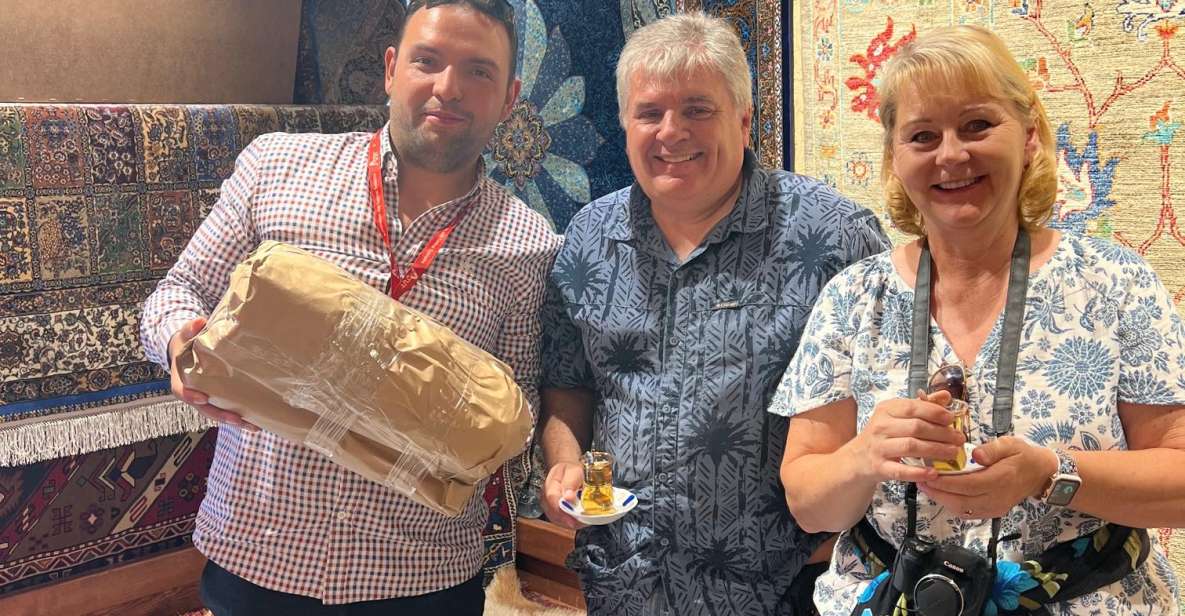
This is a private group experience for up to 6 people, which changes everything. You’re not stuck waiting in line with strangers, and you can slow down or speed up depending on what you actually want.
Expect pickup and drop-off from convenient places, including Galataport (cruise port) and your hotel or Airbnb location. Then you’ll ride in a comfortable air-conditioned vehicle—important in Istanbul when the weather shifts.
The day is designed to feel like a shopping itinerary with a rhythm: workshops first, then the big markets. That order helps because you’ll understand what you’re looking at by the time you reach the stalls you’ve heard about.
Carpet workshop time: how you spot quality before buying
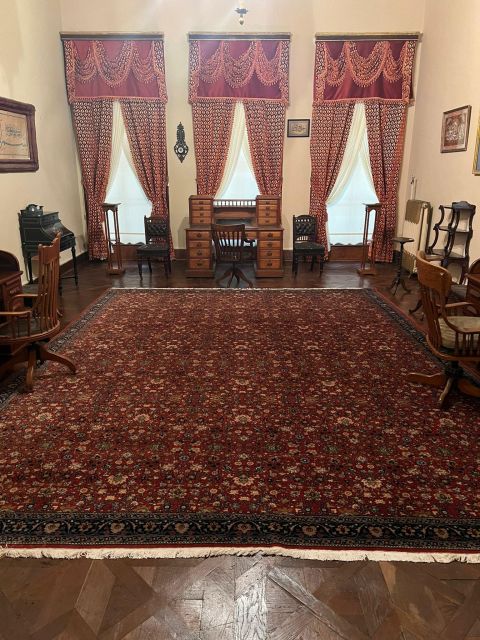
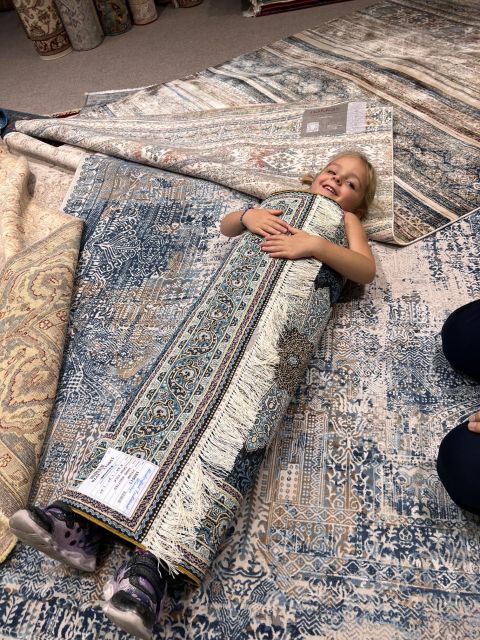
Carpets are where many people get overwhelmed, because you can’t just judge by looks from 10 feet away. A tour that includes a carpet workshop helps you learn the basics while the material is right there in front of you.
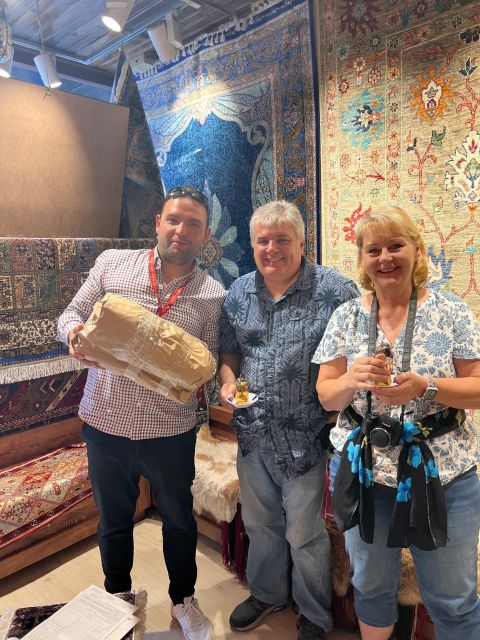
In one common flow, the day starts outside the Grand Bazaar area at a traditional carpet-making place, where you can see how carpets are made. You may also sit with tea while carpets are brought in for viewing—useful, because you can compare details calmly instead of rushing through a storefront.
This is the value of the workshop stop: it gives you a vocabulary for quality. Even if you don’t buy a carpet, you’ll understand what’s being claimed and what to look for when a shopkeeper is explaining a price.
Leather stores and ceramic studios: shopping with fewer regrets
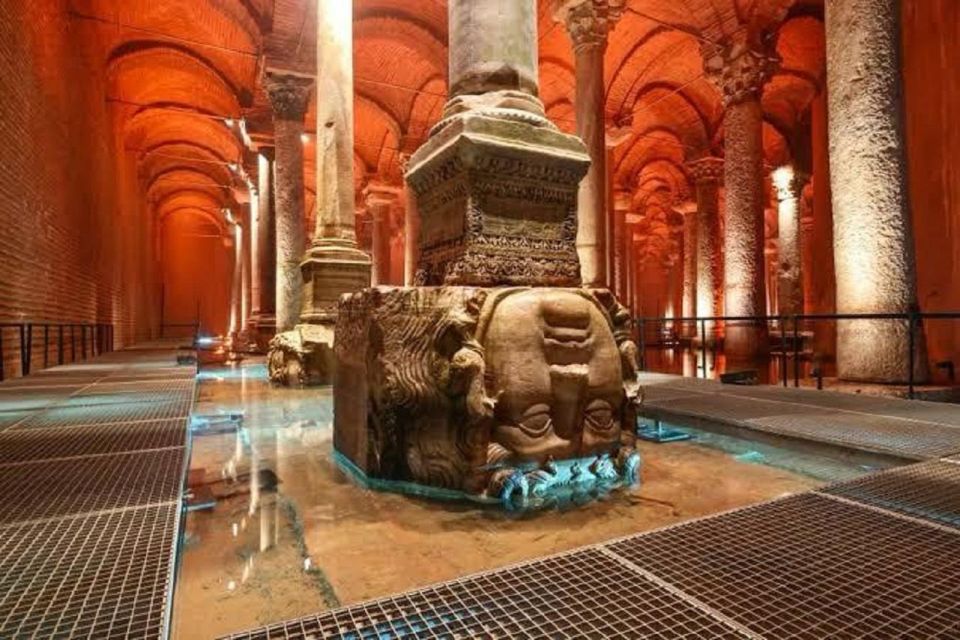
After carpets, the tour typically shifts to leather and ceramics, which is a smart pacing choice. Leather goods often require a closer look—stitching, finish, and how the item feels—so seeing them with guidance helps.
Ceramics are different: they’re visual, but also easy to overpay for if you don’t know what’s decorative versus well-made. A ceramics stop gives you time to compare pieces and ask questions while you’re still not locked into one store.
What I like here is that you’re building judgment. You’re not just collecting items; you’re learning how to evaluate them across different crafts.
Entering the Grand Bazaar: navigating the maze and the sales pressure
When you finally step into the Grand Bazaar, it can feel like you’ve entered a city inside a city. The streets are made of shops, and the signage can blur together quickly if you don’t have a plan.
This is where a patient guide makes the biggest difference. In past experiences like this, people have praised guides for helping them move through many stores without pressure to buy, which makes browsing more relaxing and actually fun.
Also, skip-the-tension matters. When you have someone to translate and handle the back-and-forth, it’s easier to ask good questions. You can focus on whether the item’s quality matches the price instead of getting stuck in misunderstanding.
You can also read our reviews of more shopping tours in Istanbul





Spice Market strategy: turn aromas into smart buys

The Spice Market is the fun kind of chaos. Spices, teas, Turkish delight, and dried fruits all tempt you at once, and it’s easy to grab the first thing that smells amazing.
With a guide, you can shop in a more structured way: ask what’s best for your use (tea, cooking, gifts), learn what’s fresh, and compare options without feeling rushed. That’s the real advantage here—shopping with confidence.
You’ll also get historical context as you go, which helps you understand why certain goods are tied to Istanbul’s trading culture. Even a few minutes of context can make the shopping feel less random.
Bargaining tips you can actually use
Bargaining can be intimidating in a foreign language, but you don’t need to become a negotiation champion. The goal is to pay a fair price without turning the experience into stress.
A good tour guide will help you with three practical things:
- Start with questions: what it is, how it’s made, and what quality features matter.
- Compare before you commit: the tour format helps you see multiple shops and workshop pieces.
- Use the guide for translation and pacing: you’ll know when to keep browsing and when to discuss price.
One highlight mentioned in feedback: guides have helped with negotiation while also finding good bargain opportunities. Another important point: the experience should feel interactive, not combative, so you can keep control of the day.
Why the tour works for first-timers and gift shoppers
If you’re seeing Istanbul for the first time, this kind of guided shopping day helps you do two things at once: learn the city’s trading culture and bring home items that make sense.
It’s also a strong fit for couples and small groups who want one shared plan. Everyone can follow the same route, but the guide can still steer you toward leather, carpets, ceramics, or market snacks based on interest.
If you’re buying gifts, this structure helps a lot. You can compare similar items across stops and markets, and you’ll be less likely to buy something that looks right but isn’t what you thought it was.
Timing, walking, and the all-important scarf rule
This is a full day—8 hours—and it’s mostly shopping and walking between craft stops and markets. Comfortable shoes matter, and you’ll feel better if you keep breaks short and purposeful.
There’s also one practical note you’ll want to plan around: the Grand Bazaar is closed on Sundays. On those days, the tour uses alternatives such as the Arasta Bazaar or the Spice Bazaar instead.
If you’re visiting as a woman, you’ll need a scarf to cover your head. It’s one of those Istanbul details that can turn into a hassle if you don’t bring one along.
Lunch planning when lunch isn’t included
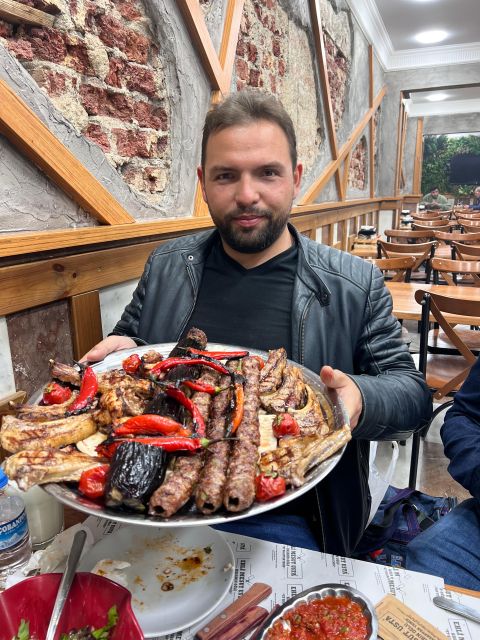
Lunch isn’t included, so you’ll want to treat food as a separate choice during the day. In real-world routes, guides may pause for unique Turkish cuisine recommendations, but you should expect to pay for your own meal.
This matters for value. If you try to force a full sit-down lunch, you’ll lose the time you came for—shopping and careful evaluation. A better approach is to choose lighter meals or strategically timed breaks.
Think of lunch as part of your shopping budget. If you plan ahead, you’ll keep the day comfortable without sacrificing the crafts and markets.
Price and value: what $92 per group up to 6 really buys
At $92 per group (up to 6 people), the price is more about buying time and guidance than paying for access. You’re getting private pickup and drop-off (including Galataport), an air-conditioned vehicle, and a licensed English-speaking shopping assistance guide.
That’s value when you consider how hard it can be to navigate bazaars alone. The guide reduces language friction, helps you compare options, and supports you with bargaining so you can avoid common mistakes.
If your group is small, the per-person cost can get very reasonable fast—especially compared to what shopping guidance usually costs in big cities. Just remember you still control spending on items, and that’s the point: you’re shopping with better judgment.
Who should book this tour (and who might not)
This is a great pick if you want a stress-free shopping plan with expert guidance and you don’t want to spend your day figuring things out from scratch.
It also suits people who care about craft quality—especially if you’re interested in carpets, leather goods, or ceramics. Seeing workshops first helps you ask better questions and shop with more confidence at the markets.
You might think twice if you hate bargaining or you want a slow, sightseeing-heavy day. This is shopping-focused, and the best results come when you’re ready to look closely and make decisions.
Should you book? My practical take
I’d book this tour if your top goal is smarter shopping—getting through the Grand Bazaar and Spice Market with a guide who can translate and help you spot quality. The workshop stops make it more than a basic bazaar walk, and the private format keeps the day from feeling chaotic.
If your idea of a perfect Istanbul day is mostly views and museums, you might prefer a sightseeing itinerary instead. But if you want souvenirs that feel earned—and you like the idea of bargaining with support—this is one of the more practical ways to do it.
FAQ
Is this tour private or shared?
It’s a private group experience, with a group size of up to 6 people.
How long is the Istanbul Private Shopping Tour?
The duration is 8 hours.
How much does the tour cost?
The price is $92 per group (up to 6 people).
What places does the tour include?
You’ll visit the Grand Bazaar and the Spice Market, plus local craft workshop stops such as leather stores, carpet workshops, and ceramic studios.
Is lunch included?
No. Lunch is not included.
Where is pickup available?
Pickup and drop-off are included from hotels and Airbnb locations in Istanbul, as well as the Galataport cruise port.
What language is the guide?
The guide is English-speaking.
Do you skip any lines?
Yes, the tour includes skip the ticket line.
What happens if I visit on Sunday?
The Grand Bazaar is closed on Sundays. On those days, it’s replaced with alternatives such as the Arasta Baazar or the Spice Bazaar.
Do women need to bring a scarf?
Women need to wear a scarf to cover their head.