REVIEW · ISTANBUL
Istanbul Full-Day Private Christian (Byzantium) Tour
Book on GetYourGuide →Operated by All Tours Istanbul · Bookable on GetYourGuide
Byzantine Istanbul gets personal in one day. This full-day private tour strings together the Christian story of Constantinople with stops like the Church of St. Saviour in Chora and the Hagia Sophia museum, using a coach so you spend more time looking and less time figuring out transit. It’s especially good if you like your Istanbul history tied to church art and Christian relics, not just big monuments on a postcard.
I love that this route is designed around the Byzantine/Christian viewpoint, so you keep seeing the same themes—imperial faith, sacred art, and the built layers of Constantinople—as you move city to city. The potential drawback: Chora (Kariye) is closed until 31 December 2024, and the guide swaps in another place, so the exact lineup can shift on your date.
In This Review
- Key points at a glance
- A Byzantine Christian Day: how the route makes sense
- Hotel pickup and the 8-hour pace you’ll feel
- Church of St. Saviour in Chora (Kariye): mosaics, frescoes, and the naming story
- When the route includes Zeyrek Mosque: Byzantine stones, lived-in streets
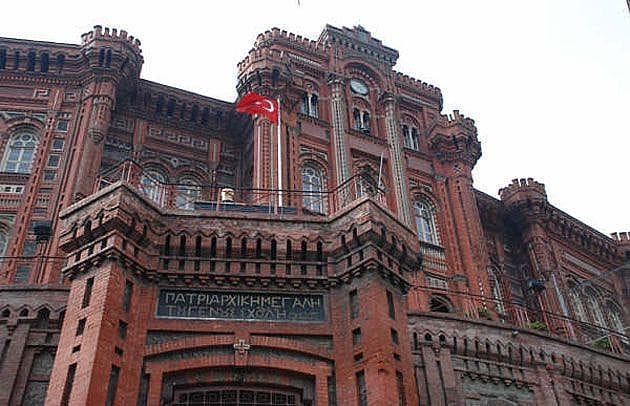
- Fener Orthodox Patriarchate: seeing Orthodoxy as an institution, not just a symbol
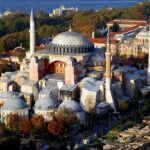
- Hagia Sophia museum time: Divine Wisdom as architecture and art
- Basilica Cistern (Yerebatan Sarayı): the sunken palace mood is the payoff
- What you really get for $413 per person
- Guide quality is the make-or-break detail
- Timing and what to pack for a coach-and-walk day
- Who should book this tour (and who should skip it)
- Should you book this Byzantine Christian day tour?
- FAQ
- How long is the Istanbul Full-Day Private Christian (Byzantium) Tour?
- What is included in the price, and is lunch included?
- Is the Hagia Sophia ticket included?
- Where does pickup happen?
- What languages are available for the live tour guide?
- What happens if the Church of St. Saviour in Chora (Kariye) is closed?
Key points at a glance
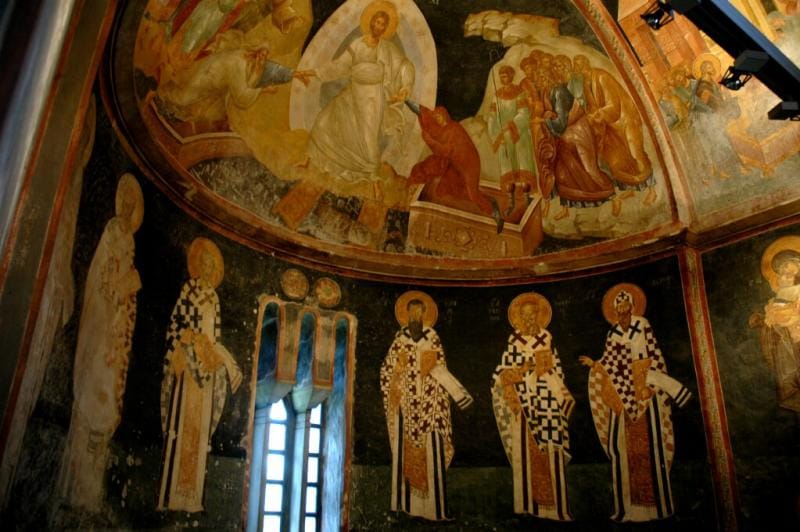
- Chora focus: Expect standout Byzantine mosaics and frescoes when it’s operating
- Fener Orthodox Patriarchate stop: A direct link to Orthodox Christianity since Constantine’s era
- Hagia Sophia museum time: One of the best ways to understand Byzantine architecture and symbolism
- Basilica Cistern ending: A calm, atmospheric finish beneath the historical peninsula
- Private group coach day: A smoother pace than piecing it together yourself
- Closure swaps matter: Chora shutdown can change what you see most clearly
A Byzantine Christian Day: how the route makes sense
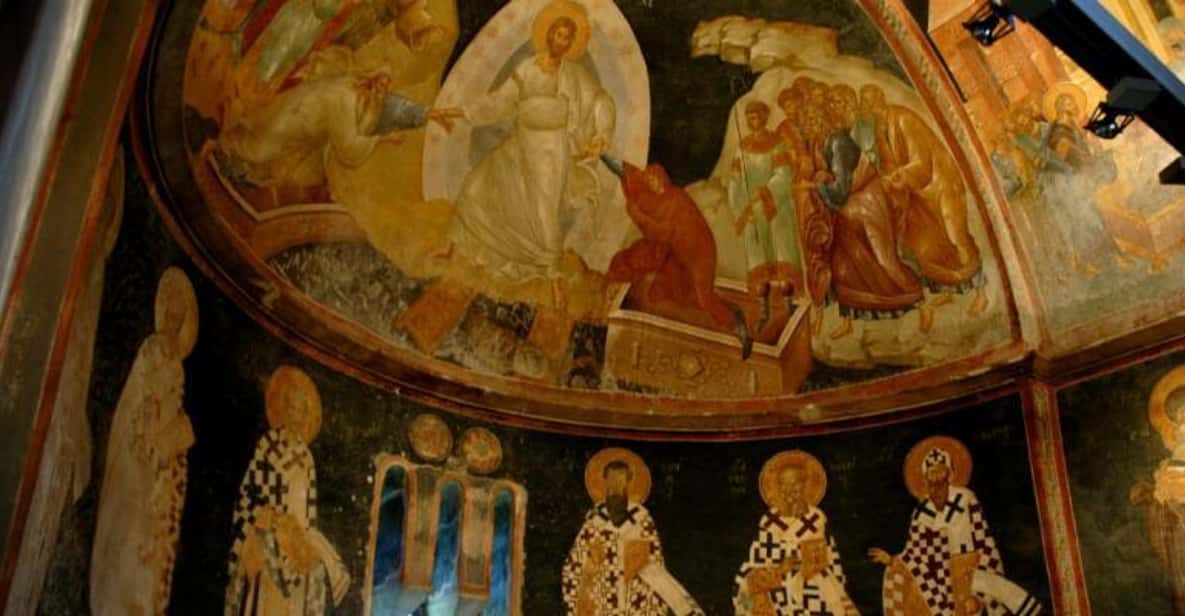
This tour works because it treats Istanbul like an old faith capital first, a modern city second. You start on the Byzantine Christian art side (Chora/Kariye), then pivot toward living Orthodox institutions (Fener), and finally close with the two heavyweight icon-places: Hagia Sophia and the Basilica Cistern.
You’ll also notice the day is organized around “layers.” Even when you’re standing in one place, the story usually points to what came before: old Greek terms, imperial building phases, and how sacred spaces evolved over centuries. That’s the real value here—the connecting thread—and it helps you understand what you’re looking at instead of just collecting sites.
You can also read our reviews of more private tours in Istanbul

Hotel pickup and the 8-hour pace you’ll feel
The tour runs for 8 hours, with hotel pickup and drop-off from European city-center areas. If you’re staying within the listed zones on the European side (think Sultanahmet–Laleli–Topkapı–Aksaray–Taksim–Sirkeci and the Şişli area), you should get a convenient start without fighting traffic on your own.
A coach day also changes your experience. You’re not sprinting between landmarks, and you get more time at each stop for the guide’s explanations. The trade-off is simple: Istanbul can be slow. So you’ll want comfortable shoes and a flexible mindset if timing tightens.
Church of St. Saviour in Chora (Kariye): mosaics, frescoes, and the naming story
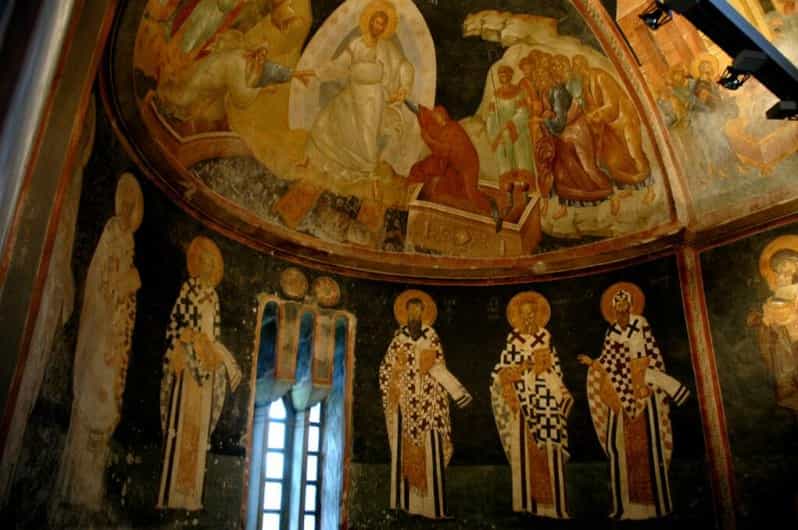
When Chora is open, this is the star. The Church of St. Saviour in Chora is famous for its superb Byzantine mosaics and frescoes, and the tour’s focus on it makes a lot of sense if you care about Christian art rather than just big architecture.
Here’s another reason I like this stop: the name itself carries meaning. The Turkish word Kariye comes from the ancient Greek word Chora, tied to the idea of outside the city. The tour’s framing points out that there was already a chapel outside the city before the 5th century walls were erected, and then later rebuilds connected it to major Byzantine eras. Even if you’re not an art expert, that kind of timeline turns the interior decoration into a story you can follow.
One very practical catch: Chora (Church/Mosque) is closed until 31 December 2024 for renovation, and the guide will offer another option instead. If Chora is the reason you booked, you should treat this tour as a “Byzantine Christian art day, with a possible swap” and ask what the replacement will be for your travel date.
When the route includes Zeyrek Mosque: Byzantine stones, lived-in streets
The tour highlights the Zeyrek Mosque, which is a useful contrast to Chora. If you’re comparing sacred spaces, Zeyrek helps you see how Constantinople’s church heritage continued transforming through time into modern Istanbul landmarks.
Even when the exact focus at Zeyrek depends on timing, the broader tour promise includes Byzantine-feeling streets and structures, like ruins of Byzantine churches and Byzantine stone houses. That matters because Istanbul’s “feel” is part of the history. A coach route can make you miss that texture if you’re not paying attention, so keep your eyes open for the stonework and street-level remnants between the bigger stops.
Fener Orthodox Patriarchate: seeing Orthodoxy as an institution, not just a symbol
Next comes the Fener Orthodox Patriarchate, described as the Ecumenical Patriarchate of Constantinople and the seat of Orthodox Christianity since Constantine the Great’s declaration of Christianity as the Roman Empire’s religion. This is a different kind of stop than Hagia Sophia: instead of a monument-first visit, you’re dealing with a religious institution and its historical continuity.
This is also where the tour’s “Christian perspective” becomes more than a label. When you hear the story of how Constantine’s shift shaped Christianity’s official role, Fener gives that history a place you can connect to. It helps you understand why Constantinople mattered so much to later Orthodox identity.
Practical note: a stop like this can feel more formal and rule-driven than a museum. So plan to keep your pace calm, dress appropriately, and be ready for any on-site guidance about what you can and cannot photograph.
A few more Istanbul tours and experiences worth a look
Hagia Sophia museum time: Divine Wisdom as architecture and art
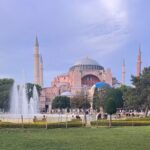
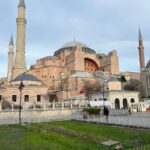
Then you hit Hagia Sophia, with a key detail: the Hagia Sophia ticket is not included. That means you should budget extra time and plan to handle the entry separately unless your tour arrangement specifically provides it through your guide on the day.
In the way this tour frames it, Hagia Sophia is not just a famous building—it’s Divine Wisdom and one of the greatest survivals of Byzantine architecture. The tour also points out a fun architectural comparison: it has the 4th largest dome, after St. Paul’s in London, St. Peter’s in Rome, and the Duomo in Florence. Even if you’ve seen photos, standing near the scale is still a reality check. It’s the kind of place where you start noticing transitions—how spaces funnel you upward and how light and structure work together.
The museum angle matters too. A guided museum visit tends to help you read the building as an artistic system: sacred geometry, imperial power made visible, and the layering of meaning over different eras. That’s where a strong guide earns their wage.
Basilica Cistern (Yerebatan Sarayı): the sunken palace mood is the payoff
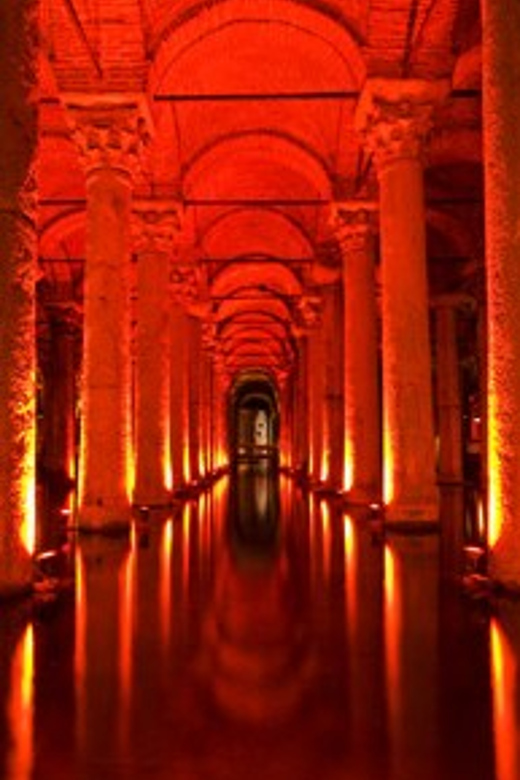
You’ll end at Basilica Cistern, also called Yerebatan Sarayı or the Sunken Palace. This stop is special because it’s a complete tone shift after the brightness and crowds of major sites.
The cistern sits about 500 feet (150 meters) southwest of Hagia Sophia, on the historical peninsula of Sarayburnu. The tour ties the “magical atmosphere” to its 6th-century reign of Emperor Justinian I, and that’s a big part of why this ending works. You’re leaving Byzantine Christian architecture behind for a moment and stepping into Byzantine engineering—still sacred in its own way, because water storage was a piece of urban power.
Practical tip: this is where comfortable shoes help again. The paths can be uneven, and you’ll likely want time to look around before the day’s energy moves you on.
What you really get for $413 per person
The price—$413 per person—is not cheap, so you’ll want to judge value by what’s included and how the day is organized.
On the plus side, you get:
- Hotel pickup and drop-off from European city-center hotels (only from certain listed areas)
- Entrance fees mentioned in the itinerary (but note Hagia Sophia ticket is not included)
- A private group with a live guide
- Transport via air-conditioned coach
On the balance side, you don’t get:
- Lunch (you’ll need to plan for food)
- The Hagia Sophia ticket (another cost to factor in)
For me, the value question comes down to this: will you use the guide time well? This kind of Christian/Byzantine-focused route only pays off if the guide can connect the art and architecture to the bigger religious story. When the guide is strong, the day feels like a coherent narrative. When the guide is weak or the site order changes due to closures, you can feel the cost more sharply.
Guide quality is the make-or-break detail
This tour is built around interpretation, not just ticking off landmarks. And that means guide quality matters more than usual.
One highly positive experience described a fantastic francophone guide with 30 years of experience in historical and archaeological guiding, with the ability to adapt to the group’s interests and keep the discussion engaging. Another experience was simply short and direct—just a very strong endorsement of the guide.
The caution is that if the guide is not prepared for the specific Christian/Byzantine focus, the day can feel messy fast—especially with the known issue that Chora is closed for renovation and a replacement may be used. If Chora is your top priority, you should confirm ahead of time what the swap will likely be on your date, and whether the alternative still matches the Byzantine Christian art goal.
Timing and what to pack for a coach-and-walk day
This is a full-day plan, but it’s not a marathon. You’ll move by coach between areas, then walk through the key indoor spaces.
Still, pack like you’re doing a serious sightseeing day:
- Comfortable shoes
- Passport or ID card
- Sunglasses (especially for the bright walk to and from sites)
- A camera if you plan to document mosaics, cistern architecture, and exterior details
Also note what’s not allowed: pets and non-folding wheelchairs.
Who should book this tour (and who should skip it)
This tour fits best if you want:
- A Byzantine Christian lens rather than a general Istanbul highlights day
- Focus on Chora art, Orthodox history at Fener, and the Hagia Sophia museum experience
- A private group day with a guide who can translate Byzantine symbolism into something you can actually see and understand
You might want to skip or adjust expectations if:
- Chora is closed on your dates and you only booked for the exact Chora mosaics
- You strongly prefer fully predictable itineraries without any swaps
- You have mobility needs and want guaranteed wheelchair suitability, since the information provided is contradictory (it’s marked wheelchair accessible, but also listed as not suitable for wheelchair users). In that case, you should check carefully with the operator before committing.
Should you book this Byzantine Christian day tour?
If your top interest is Christian and Byzantine Istanbul—and you’re okay with the fact that Chora may be swapped due to renovation—this is a very good way to structure a single day. The combination of Chora/Kariye (or its replacement), Fener Patriarchate, Hagia Sophia (ticket separate), and Basilica Cistern hits both the art and the atmosphere, and the private coach format helps you actually enjoy the stops.
I’d book if you’re the type who reads what you’re seeing and likes guides who can connect symbolism to stone and fresco. I’d be cautious if you’re shopping on price alone, or if you need total certainty that every planned monument will be open exactly as named. Either way, ask what the Chora replacement is on your date, and you’ll make the decision with your eyes open.
FAQ
How long is the Istanbul Full-Day Private Christian (Byzantium) Tour?
The tour duration is 8 hours.
What is included in the price, and is lunch included?
The tour includes hotel pickup and drop-off from European city center hotels and entrance fees mentioned in the itinerary. Lunch is not included.
Is the Hagia Sophia ticket included?
No. The Hagia Sophia ticket is not included.
Where does pickup happen?
Pickup is offered from Europe-side city center hotels only, specifically in the Sultanahmet–Laleli–Topkapı–Aksaray–Taksim–Sirkeci areas and the Şişli area.
What languages are available for the live tour guide?
The guide is available in Spanish, English, French, German, Italian, Russian.
What happens if the Church of St. Saviour in Chora (Kariye) is closed?
The Chora Church/Mosque is closed until 31 December 2024 for renovation. The guide will inform guests from outside, and the tour offers another place instead of Chora Church.