REVIEW · ISTANBUL
Istanbul: Full-Day Heritage Tour
Book on GetYourGuide →Operated by Adore Tour & Travel · Bookable on GetYourGuide
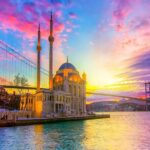
Istanbul’s domes and minarets are the main event. This full-day heritage tour strings together Hagia Sophia mosaics and Topkapi Palace relics with guided time in the Sultanahmet core, plus free shopping in the Grand Bazaar and a comfort-first ride with pickup. I love the built-in pacing—morning monuments, a bazaar window, then palace time—so you don’t feel like you’re sprinting across the city. One possible drawback: food quality can be hit-or-miss, because lunch is included as a set menu, and that’s not everyone’s idea of a highlight.
You’ll spend about 8 hours with an official English guide and air-conditioned transport, in groups sized around 20 to 25 people. The route is very workable for first-timers who want the big names, with a couple of important religious-calendar quirks (Friday prayer outside views; Grand Bazaar closed on Sundays). If you’re picky about meal quality or you need wheelchair access, you’ll want to read the practical notes below before booking.
In This Review
- Key highlights worth planning for
- Why this full-day Sultanahmet route makes sense
- Hagia Sophia: mosaics, scale, and what to watch for
- Practical tips that actually help
- The Blue Mosque: six minarets, blue tiles, and courtyard energy
- What to know before you go in
- Hippodrome and the German Fountain: ancient leftovers you can still spot
- Grand Bazaar: a shopping break with real history in the floor plan
- Optional handicrafts presentation (near the bazaar)
- Sundays: the workaround you’ll want on your radar
- Lunch: included, timed well, and sometimes a wildcard
- Topkapi Palace: where the Ottoman sultans turn into objects
- Timing and access note
- Hagia Irene and Gülhane Park: a quieter finale with real meaning
- Hagia Irene
- Gülhane Park
- Price and logistics: is $210 good value for a guided day?
- Who should book (and who should reconsider)
- Should you book this Istanbul heritage day?
- FAQ
- How long is the Istanbul: Full-Day Heritage Tour?
- What’s included in the price?
- Is the Grand Bazaar included every day?
- What happens if I’m on this tour on Friday morning?
- How much time is spent at Topkapi Palace?
- Are head coverings provided for mosque visits?
- Is the tour wheelchair accessible?
Key highlights worth planning for
- Guided entrance time at major sights, with a plan that reduces standing around
- Sultanahmet focus: Hagia Sophia, Blue Mosque, Hippodrome, and German Fountain in one morning
- Grand Bazaar shopping window plus an optional handicrafts presentation nearby
- Topkapi Palace time with the harem included, and visits to sacred-relic areas
- Hagia Irene + Gülhane Park finale, quieter stops that explain Ottoman modernization
- Small-group format (about 20 to 25) with hotel pickup/drop-off on the European side
Why this full-day Sultanahmet route makes sense
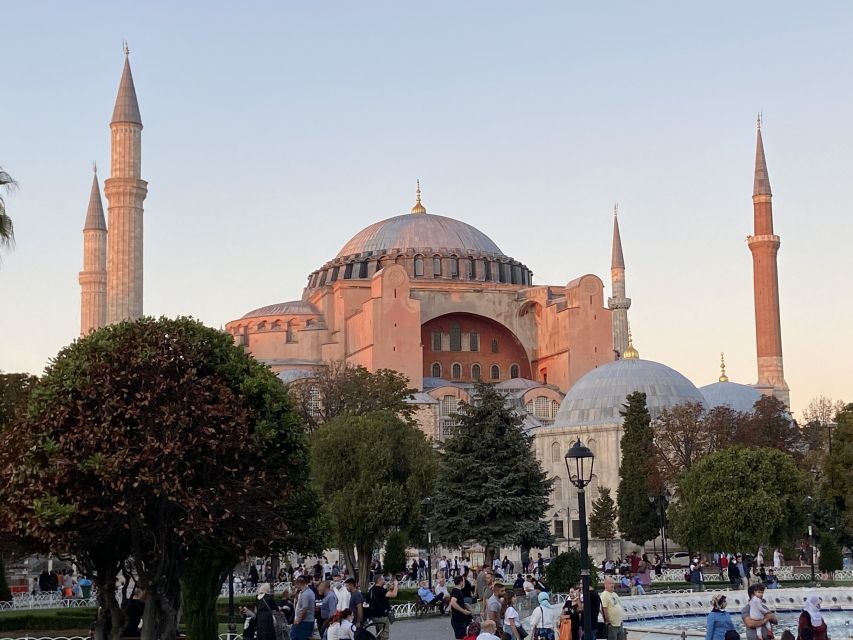
I like tours that help you get your bearings fast, and this one does that by keeping you inside the Old City “easy walking” zone. You start in Sultanahmet, where the big monuments cluster, and the route moves in a logical arc rather than bouncing across Istanbul.
The value also comes from what’s packaged together. You’re not just paying for a guide—you’re getting a vehicle, entrance fees, and a 4-course lunch (with a vegetarian menu option). That matters because Istanbul’s top sights can eat up time and budget once you start buying tickets and arranging transport separately.
Two practical notes shape the experience. First, there are days when view access changes: on Friday morning, Hagia Sophia and the Blue Mosque are seen only from outside due to prayer. Second, Topkapi Palace isn’t offered on Tuesdays because it’s closed. If your schedule includes either of those, you’ll want to align your day with what the tour can actually do.
You can also read our reviews of more historical tours in Istanbul
Hagia Sophia: mosaics, scale, and what to watch for
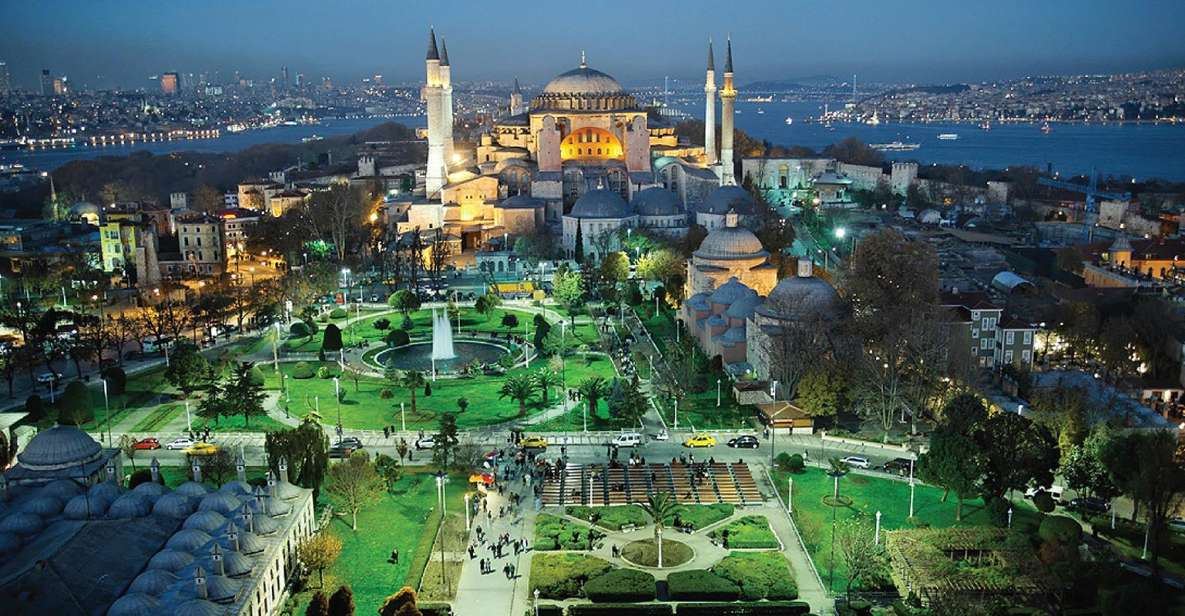
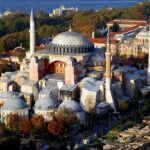
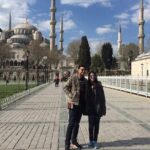
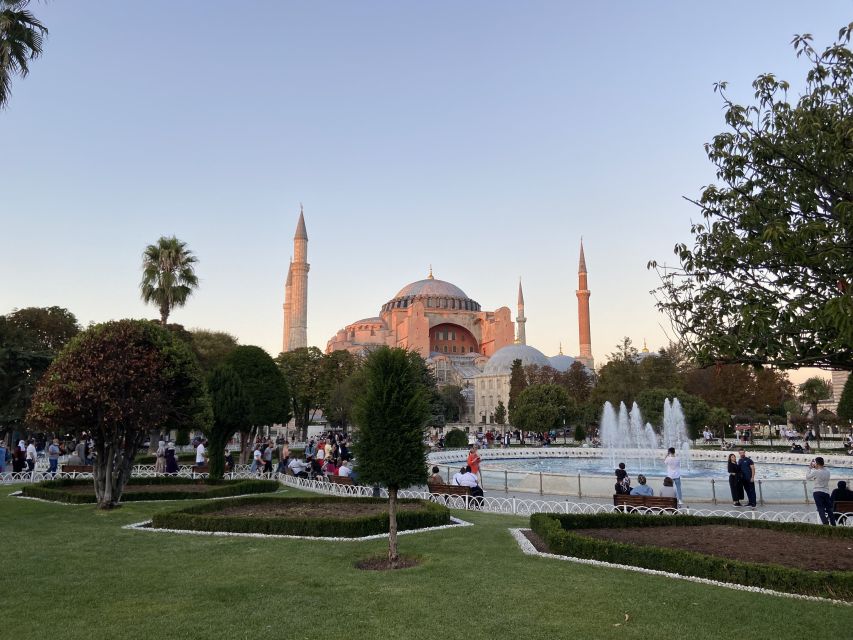
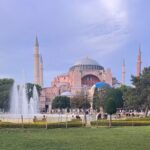
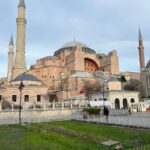
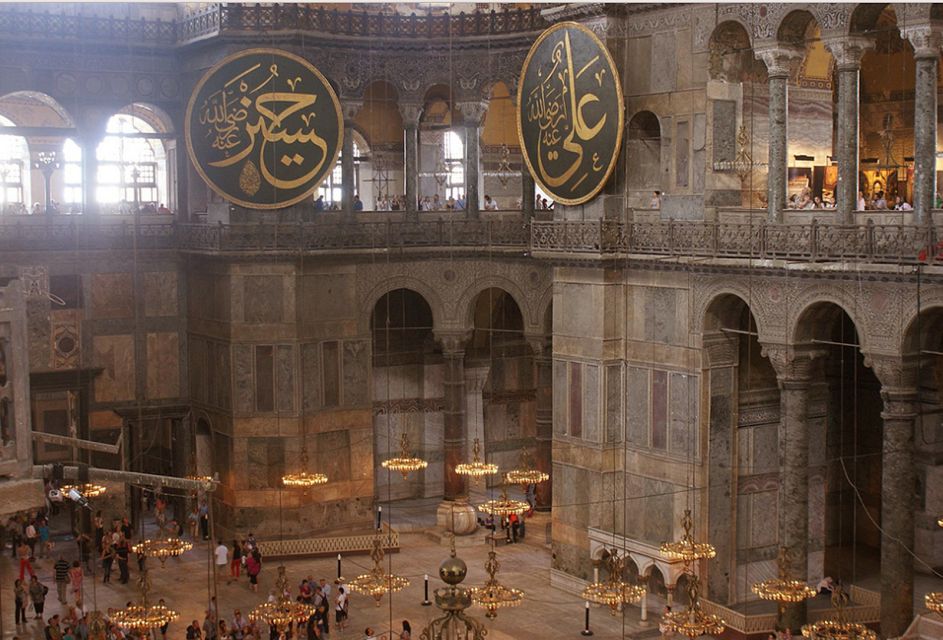
Your morning begins at Hagia Sophia, one of the world’s most recognizable buildings. It was built in the early 6th century under Emperor Justinian, with architectural design credited to Anthemius of Tralles and Isodore of Miletus. Later, it was converted into a mosque in 1453 and now functions as a museum.
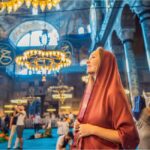
What I’d prioritize here is the interior texture and storytelling. Hagia Sophia is famous for its mosaics—glittering portraits of emperors and empresses, plus the moving image of the Virgin and Child. Those aren’t just decoration. They’re part of how the building kept changing roles across centuries while still remaining unmistakably itself.
Practical tips that actually help
- Dress for a place of worship and long indoor time. You may need to adjust on the fly, so bring something light you can layer.
- If you’re traveling as a woman, plan for head coverage: the tour notes say ladies should have a scarf for Hagia Sophia, or they can buy one at the mosque.
- Friday timing matters. If you’re on a Friday morning, you’ll get outside views only for Hagia Sophia.
The Blue Mosque: six minarets, blue tiles, and courtyard energy
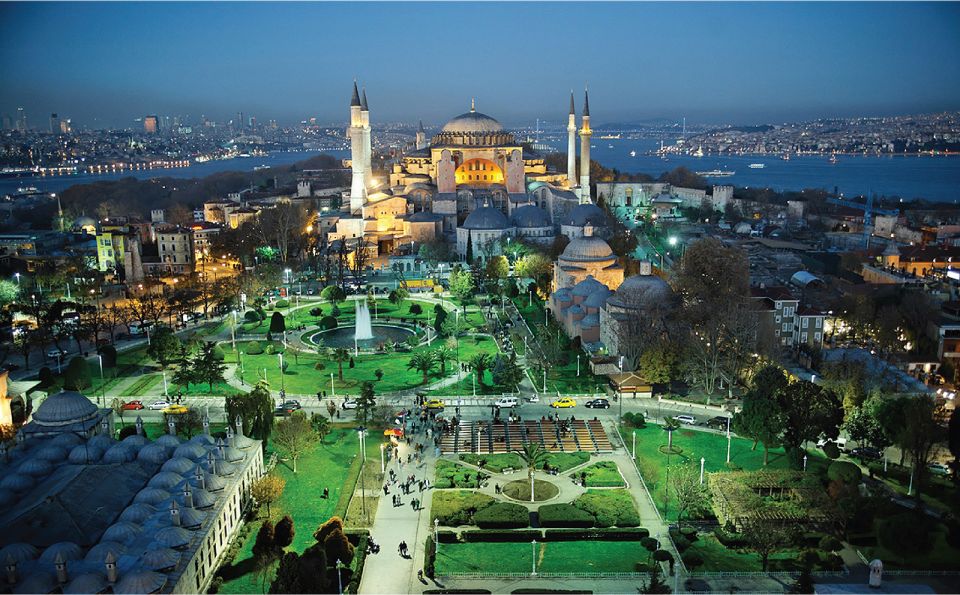
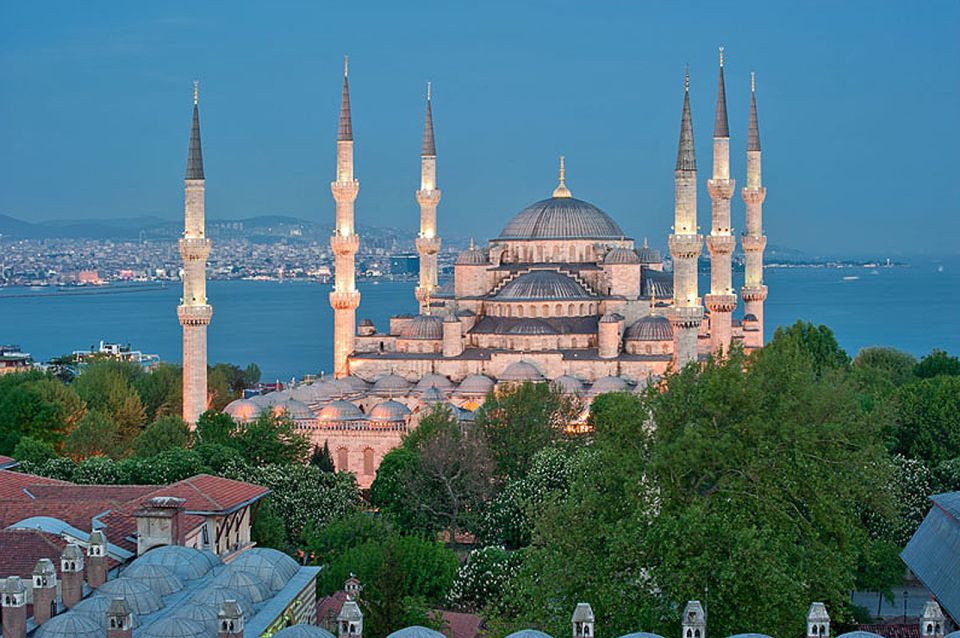
Next is Sultan Ahmed Mosque, the Blue Mosque. It gets its name from the exquisite interior tiles, and it was built in the early 17th century by Sultan Ahmet I. The design is credited to a pupil of Sinan—Sinan being the Ottoman architect you’ll keep seeing referenced across Istanbul.
The building is also famous for a specific design feature: it’s the only imperial mosque with six minarets. When you’re there, pay attention not just to the minarets outside, but to the courtyard inside. The tour guide spends time on the square-like open space because it’s part of how the mosque “reads” as a whole.
What to know before you go in
- You’ll need cover ups and head scarves at the Blue Mosque, and the tour provides them.
- If you’re visiting on a Friday morning, the Blue Mosque is also outside only due to prayer.
A few more Istanbul tours and experiences worth a look
Hippodrome and the German Fountain: ancient leftovers you can still spot
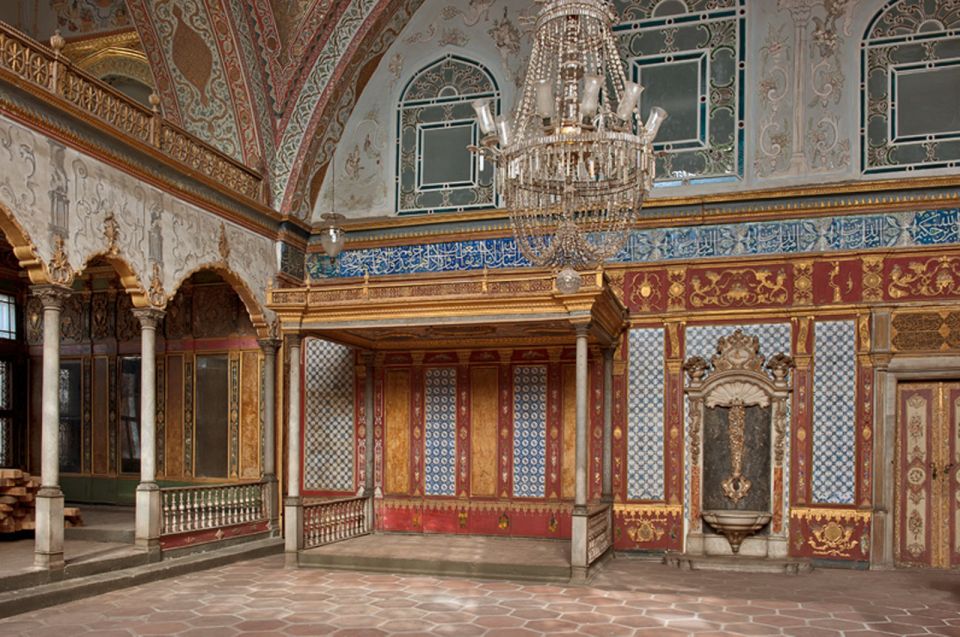
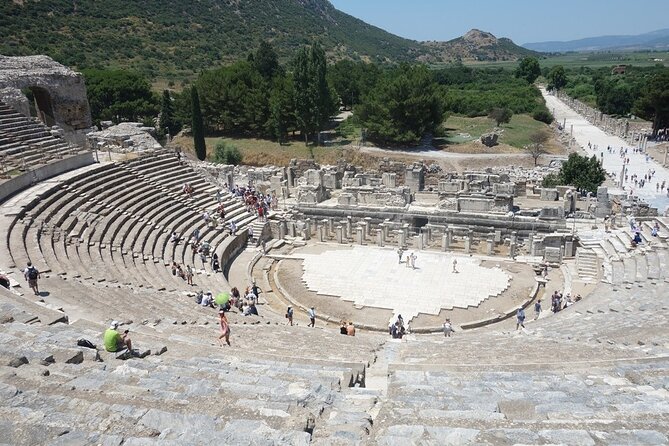
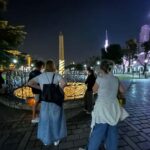
After the big two, you’ll visit the Hippodrome, the ancient stadium of Byzantium. This place matters less because you’ll see one intact structure and more because it explains what used to happen here. The Hippodrome could hold about 100,000 spectators, and it displayed trophies pulled from across the empire.
Two surviving objects anchor the story:
- an Egyptian obelisk
- a bronze sculpture of three entwined serpents from Delphi
You’ll also stop at the German Fountain. It’s one of those “small but memorable” moments that breaks up the monument intensity and gives the Old City a modern-European layer—without pulling you away from the main sights.
If you’re the type who likes context, this is where a good guide can turn a set of stops into a timeline you can feel.
Grand Bazaar: a shopping break with real history in the floor plan
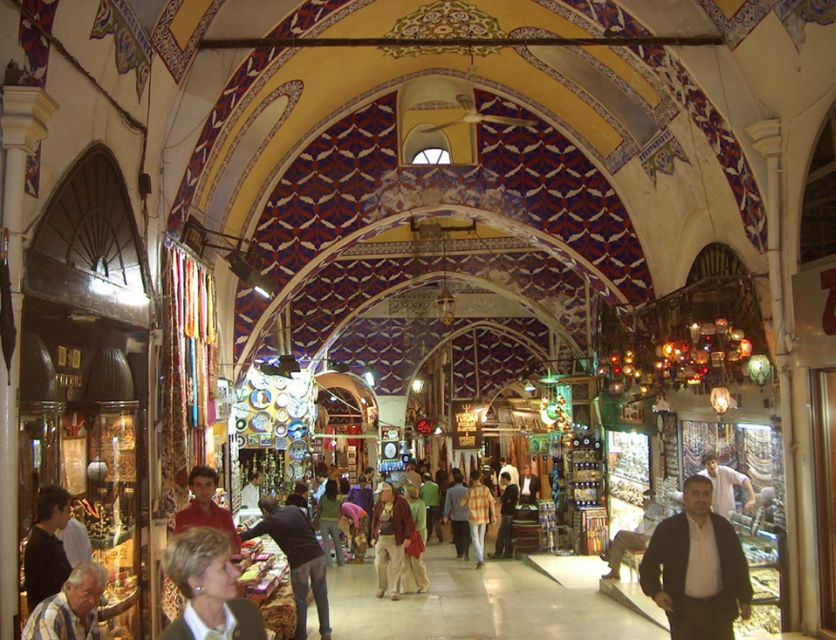
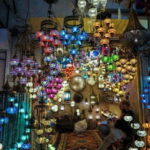
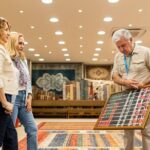
Then comes a block of free time in the Grand Bazaar, Istanbul’s commercial heart. The scale is hard to grasp until you’re inside: the bazaar has around 4,000 shops, packed with carpets and kilims, silks, jewelry, ceramics, icons, and leather goods.
I like that the tour doesn’t force you to “keep moving” nonstop. You get an actual window to wander, look, and decide if you want to buy. If you don’t want shopping, it still works. The Bazaar’s layout gives you a feel for how commerce and everyday life shaped the Old City.
Optional handicrafts presentation (near the bazaar)
There’s also an optional brief handicrafts presentation and lecture near the Grand Bazaar. Even if you skip it, it can be a nice palate cleanser—something hands-on that helps you understand what you’re seeing among the stalls.
Sundays: the workaround you’ll want on your radar
The tour notes a key calendar detail: Grand Bazaar is closed on Sundays. On those days, you’ll visit Nuruosmaniye Street around the Grand Bazaar instead. So if you’re dead set on the interior bazaar atmosphere, avoid Sundays if you can.
Lunch: included, timed well, and sometimes a wildcard
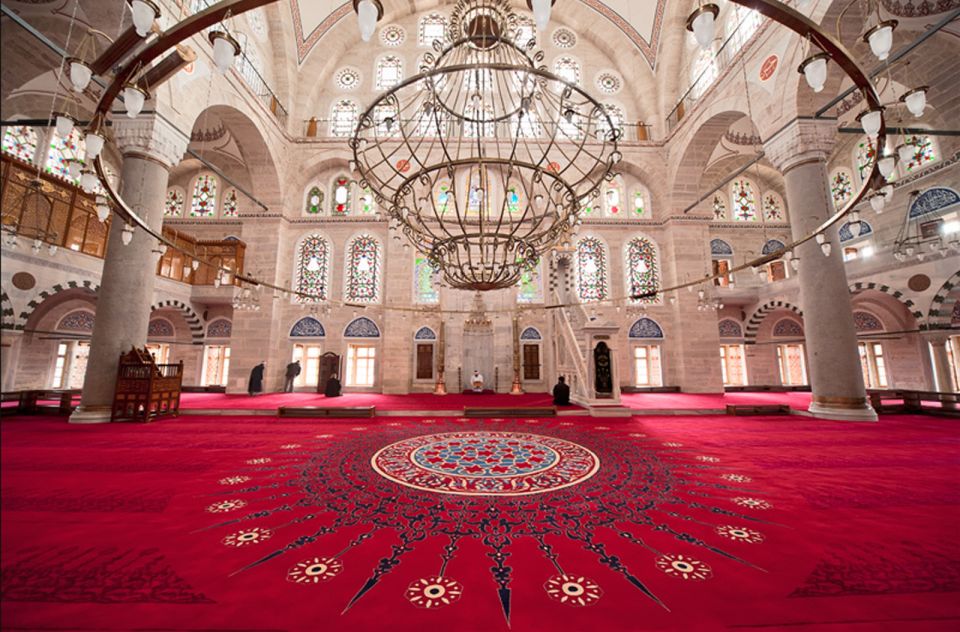
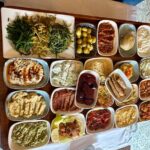
Lunch is included, and the tour specifies a 4-course meal with a vegetarian menu available. The sample menu is set up like this: soup and seasonal appetizers with salad, a main course such as meatballs or chicken, then dessert. Drinks aren’t included.
This is one of the moments where the group experience can vary. The structure is convenient—one place, one schedule, no decision fatigue. But because the menu is pre-set, you’re not choosing a restaurant à la carte, and that’s why some people may feel disappointed if their expectations were for restaurant-style choice or top-tier food.
If you care a lot about eating well, treat this as “fuel during a packed day,” not as a culinary destination.
Topkapi Palace: where the Ottoman sultans turn into objects
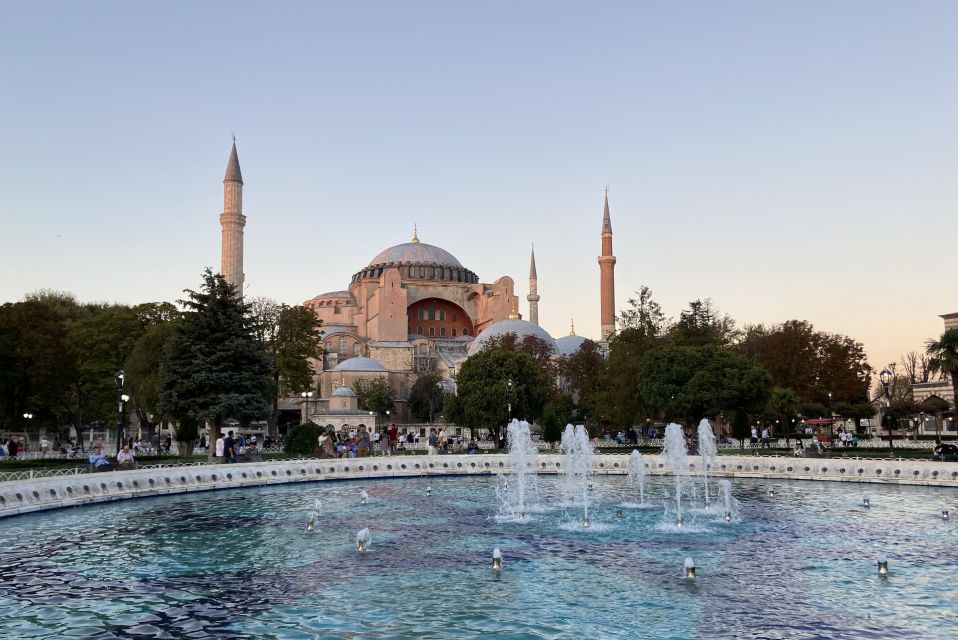
Topkapi Palace is the tour’s big deep breath. You get a guided visit for 1 hour 45 minutes, and the palace spans the Ottoman period from the 15th to the 19th centuries.
This stop is valuable for a few reasons:
- The collection is tangible: you’re not just hearing about power—you’re seeing it in physical artifacts.
- The sacred elements are included: you’ll see the Holy Mantle and the Chamber of Sacred Relics.
- The domestic-royal side isn’t skipped: the program notes that the harem is included.
During your guided time, you’ll also encounter treasures like precious gems and jewelry, sultan thrones, robes worn by sultans and their families, and miniatures.
Timing and access note
If your trip day is Tuesday, this tour isn’t offered because Topkapi Palace is closed. If you’re traveling on a Tuesday, you’ll need a different plan for this particular set of monuments.
Hagia Irene and Gülhane Park: a quieter finale with real meaning
After Topkapi, the day shifts into something calmer.
Hagia Irene
You’ll visit Hagia Irene, the Church of the Holy Peace. It’s one of the few Istanbul churches that was never converted into a mosque. The tour notes that it may stand on the site of a pre-Christian temple and highlights that it was the first church built in Byzantium as it became the capital of the Eastern Roman Empire.
Hagia Irene doesn’t have the same headline power as Hagia Sophia, but that’s exactly why I like ending here. It gives you a different kind of atmosphere—more “read the building slowly” than “check off the icon.”
Gülhane Park
Next is Gülhane Park, once part of Topkapi’s outer gardens. This is where the Ottoman story turns toward modernization. The Edict of Gülhane—described as a declaration of rights and liberties—played a role in pushing the empire toward change.
And it has a modern layer too. After the proclamation of the Republic, Gülhane Park was home to the Istanbul Zoo for many years. So you’re not just looking at greenery. You’re standing on a spot that moved with the city’s shifting identity.
Price and logistics: is $210 good value for a guided day?
At $210 per person for about 8 hours, the value depends on how you prefer to travel.
This price makes sense if you value:
- Pickup and drop-off from European-side city center hotels
- An official English guide and an air-conditioned vehicle
- Entrance fees handled as part of the package
- A 4-course lunch included
- Skipping the ticket line (helpful during high-demand periods)
- VAT included
The biggest “gotchas” are the limits of what the package can do. You’ll notice the tour isn’t wheelchair-friendly, and pickup/drop-off is limited to European-side hotels. If your hotel is outside those areas, you might need to arrange your own start point.
Also, religious calendar days can affect access. During religious holidays, the Spice Market and Grand Bazaar may be closed. And again: Friday morning means outside-only views for the Blue Mosque and Hagia Sophia.
Who should book (and who should reconsider)
This tour is a strong match if:
- You’re visiting Istanbul for the first time and want the top Ottoman/Byzantine sites in one day
- You want a guided experience with time planned between monuments and shopping
- You prefer small-group pacing (about 20 to 25 people) instead of a giant bus crowd
- You like the combination of architecture and objects—palace collections, relics, and mosaics
You might reconsider if:
- Lunch quality is a major priority for you, because it’s included as a set menu (and experiences with it can vary)
- You’re visiting on a Tuesday (Topkapi can’t be visited via this tour)
- You need wheelchair access (this tour isn’t suitable)
- You’re traveling on a Friday morning and want interior views of Hagia Sophia and the Blue Mosque (you’ll see them from outside)
Should you book this Istanbul heritage day?
If your goal is a focused, guided day that hits Hagia Sophia, the Blue Mosque, Topkapi Palace, and Grand Bazaar without turning your schedule into a logistics puzzle, I think this is a very practical way to do it.
My main booking check is simple:
- If you can accept lunch as included “day fuel,” and you’re okay with the Friday/Sunday/Tues rules, the packed itinerary is likely to feel worth the money.
- If you’re unusually picky about meals or you need specific interior access on a Friday morning, you’ll want to compare alternatives before committing.
One more detail that can make or break the feel of the day: this kind of tour rises and falls on the guide. Past experience with guides like Mehmet Sakir has been praised for patience and clear explanations, which is exactly what you want when a day includes both major monuments and details you’d otherwise miss.
FAQ
How long is the Istanbul: Full-Day Heritage Tour?
It’s scheduled for 8 hours.
What’s included in the price?
The tour includes free hotel pickup and drop-off (European side hotels), an official English live guide, an air-conditioned vehicle, entrance fees as per the itinerary, VAT, and a 4-course lunch (vegetarian menu available). Drinks are not included.
Is the Grand Bazaar included every day?
Not exactly. Grand Bazaar is closed on Sundays, and on Sundays the tour visits Nuruosmaniye Street around the Grand Bazaar instead.
What happens if I’m on this tour on Friday morning?
On Friday morning, the Blue Mosque and Hagia Sophia are viewed only from outside due to Friday prayer.
How much time is spent at Topkapi Palace?
Topkapi Palace is allocated 1 hour 45 minutes with a guided visit, and the harem is included.
Are head coverings provided for mosque visits?
Cover ups and head scarves are provided for the Blue Mosque. For Hagia Sophia, the tour notes say ladies should have a scarf with them or can buy one from the mosque.
Is the tour wheelchair accessible?
No. It’s not suitable for wheelchair users.