REVIEW · ISTANBUL
Istanbul: Cistern of Theodosius Entry Ticket and Audio Guide
Book on GetYourGuide →Operated by Istanbul Tourist Pass® · Bookable on GetYourGuide
One underground stop can teach you more than a full museum day. The Cistern of Theodosius is an engineering time capsule under Istanbul’s streets, and the audio guide keeps you moving smoothly without a crowd push.
What I like most is how the setup helps you get in fast: you use the skip-the-ticket-line entry and receive a QR code at the entrance for quick access. Second, the audio narration is clear and fact-forward, so the place feels understandable instead of mysterious.
The main downside to plan around is practical: some people report ticket-reception hiccups even after buying online, so it pays to have your booking confirmation ready and expect a little patience at the entrance if tech acts up.
In This Review
- Key things to know before you go
- Cistern of Theodosius in Istanbul: what you’re really walking into
- Skip-the-line entry and QR code pickup: where time really gets saved
- The audio guide route: what to look for inside the cistern
- Start by learning the cistern’s job
- Spot the structure: columns, vaults, and plaster
- Notice how the walls handle pressure
- The narration ends with a wider historical link
- Byzantine roots you can see: Theodosius II and the purpose of the cistern
- Ottoman expansion: how later rulers kept the infrastructure alive
- Rediscovery in 2010 and the archaeological park setting
- The lighting moment: when the cistern shifts from engineering to atmosphere
- Price and value: is $30 a smart buy for this visit?
- Who should book this self-guided cistern ticket?
- Practical tips to make your visit smoother
- Should you book the Cistern of Theodosius entry ticket with audio guide?
- FAQ
- How long does the Cistern of Theodosius experience take?
- Is this a guided tour?
- What’s included in the ticket?
- What’s the main benefit of the skip the ticket line option?
- Do I get a QR code when I arrive?
- Is there a 3D show included?
- How much does it cost?
- Is there free cancellation?
- Do I need to choose a time slot?
- Where is this activity located?
Key things to know before you go
- Skip-the-line entry with QR code pickup at the entrance
- Self-paced audio guide with clear narration and historical facts
- 1,600-year-old engineering you can actually see: columns, vaults, plastered walls
- Byzantine foundation + later Ottoman expansion told through the guide
- A lighting show moment is a standout for many visitors
- Spend flexible time onsite rather than rushing with a group
Cistern of Theodosius in Istanbul: what you’re really walking into
The Cistern of Theodosius (also called the Serefiye Cistern) sits quietly beneath modern streets, built to move and store water for a growing city. If you’ve only seen cisterns as “pretty ruins,” this one changes your mind. It’s less about decoration and more about problem-solving—how to keep water stable through shortages, and how to build structure strong enough to hold pressure for centuries.
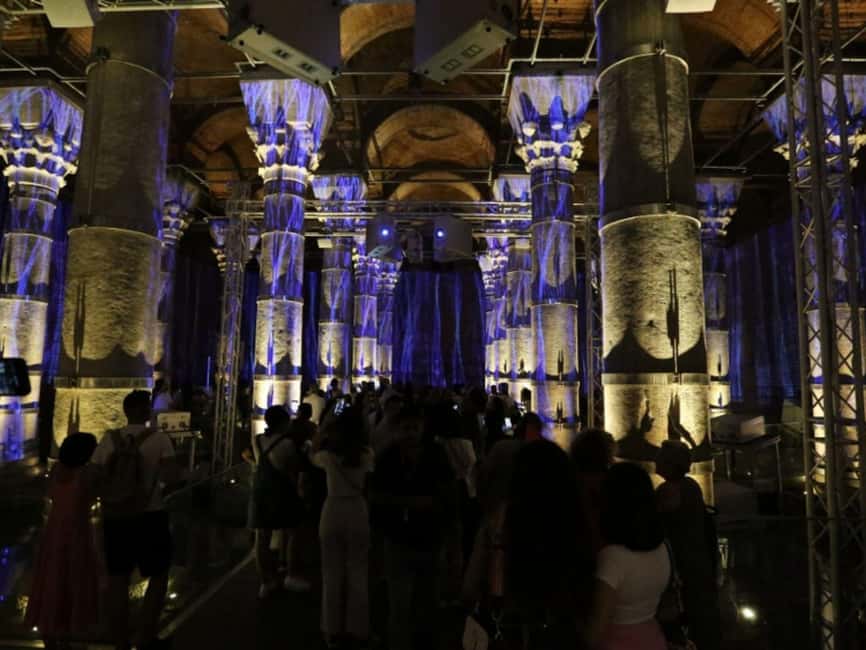
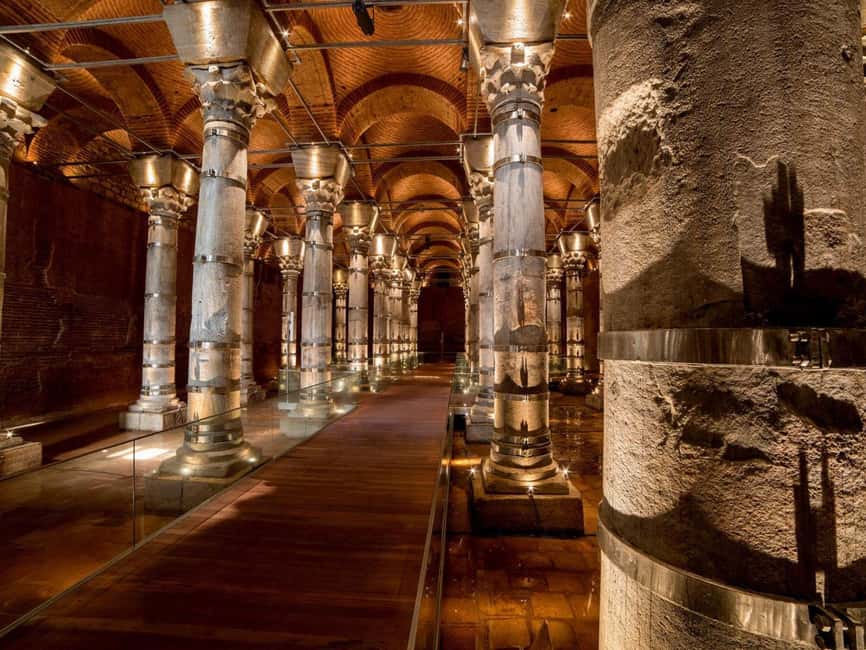
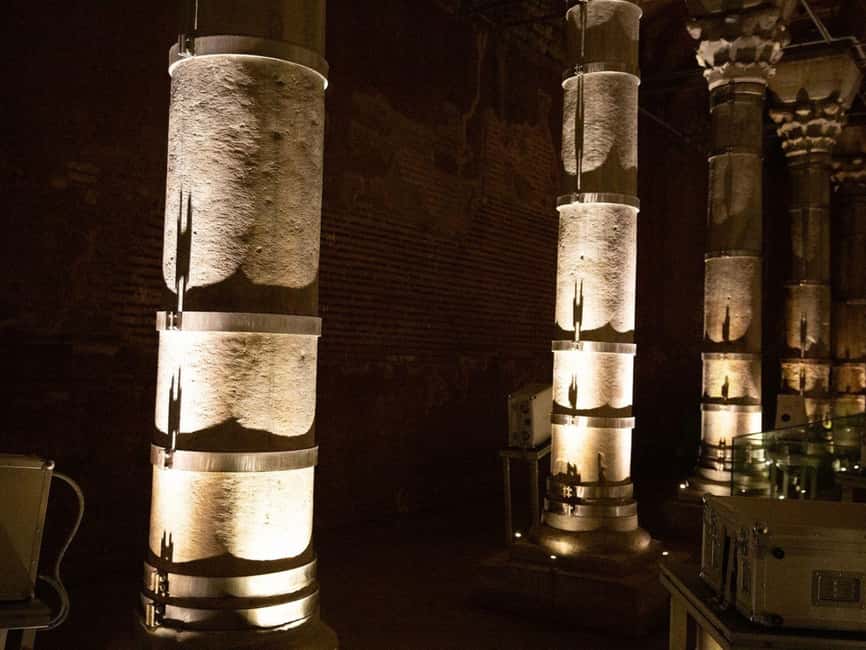
You’ll be able to read the architecture as you go. The cistern covers an area of 24 by 40 meters with a ceiling height of about 11 meters, and the space is supported by 32 columns made from Marmara Island marble. Even without technical training, the scale and layout make the purpose obvious: this was an active piece of the city’s infrastructure.
And the guide doesn’t treat it like a random basement. It connects the cistern to different eras—built under Emperor Theodosius II (408–450 AD), later expanded, then rediscovered and restored when the city changed around it.
A few more Istanbul tours and experiences worth a look


Skip-the-line entry and QR code pickup: where time really gets saved
This is a self-guided visit, so logistics matter more than usual. The big advantage here is the skip the ticket line entry. Instead of waiting while people compare phones, you’re positioned to enter promptly and start at your pace.
Once you’re at the entrance, you get a QR code. That QR is your key to accessing the audio guide experience quickly, without needing staff to walk you through steps.
What I’d do to keep things smooth:
- Keep your booking confirmation accessible on your phone (and a backup screenshot if possible).
- Be ready to show details quickly at entry, since the experience is designed for fast onboarding rather than slow troubleshooting.
A small but important caution: at least one visitor reported trouble receiving tickets after buying online. So while the system is set up for speed, don’t schedule this visit as your only timed commitment of the day. Build in a little buffer.
The audio guide route: what to look for inside the cistern
You won’t follow a tour group with a countdown. Instead, your audio guide guides you through the cistern at a natural rhythm: listen, look, pause, rewind if you want, then move on.
Start by learning the cistern’s job
The guide frames the cistern as a storage system—built to manage water needs during shortages or siege conditions. That context matters because it explains why the space feels heavy and structured, not like a decorative hall.
Spot the structure: columns, vaults, and plaster
Inside, your eyes will land on the 32 columns first. These aren’t generic supports; they signal how the builders distributed weight and created stability. The guide also points you to the 45 sail vaults, which are a key element of the ceiling system.
You’ll also hear about the watertight plaster used on the walls to reduce leaks. It’s one of those “small” details that suddenly becomes big when you realize the cistern wasn’t built to look good for visitors—it was built to function.
You can also read our reviews of more guided tours in Istanbul




Notice how the walls handle pressure
The cistern’s design includes thick walls and curved corners intended to withstand pressure. If you take a moment to look at the geometry where walls meet, you’ll start to understand how the structure resists stress over time.
This is where the self-paced format shines. You can linger over a detail until it clicks, instead of feeling rushed by a group.
The narration ends with a wider historical link
The audio guide also ties the cistern story to later history—its final section connects it to the founding of the Turkish Republic. Even if your main interest is architecture, that last part helps the cistern feel like part of Istanbul’s ongoing story, not just something sealed in time.
Byzantine roots you can see: Theodosius II and the purpose of the cistern
The cistern was built during the reign of Emperor Theodosius II (408–450 AD). That name isn’t just a label—it’s a time marker for how Istanbul managed resources in the late Byzantine period.
In practical terms, the cistern was designed to store water for the city, especially when conditions were tough. The guide helps you connect the dots between the city’s needs and the cistern’s scale: water storage had to be dependable, or the whole urban system suffers.
One of the underrated benefits of the audio guide is that it doesn’t just drop dates. It explains why those dates matter through the physical design—what the builders were solving and how they used materials and structure to do it.
Ottoman expansion: how later rulers kept the infrastructure alive
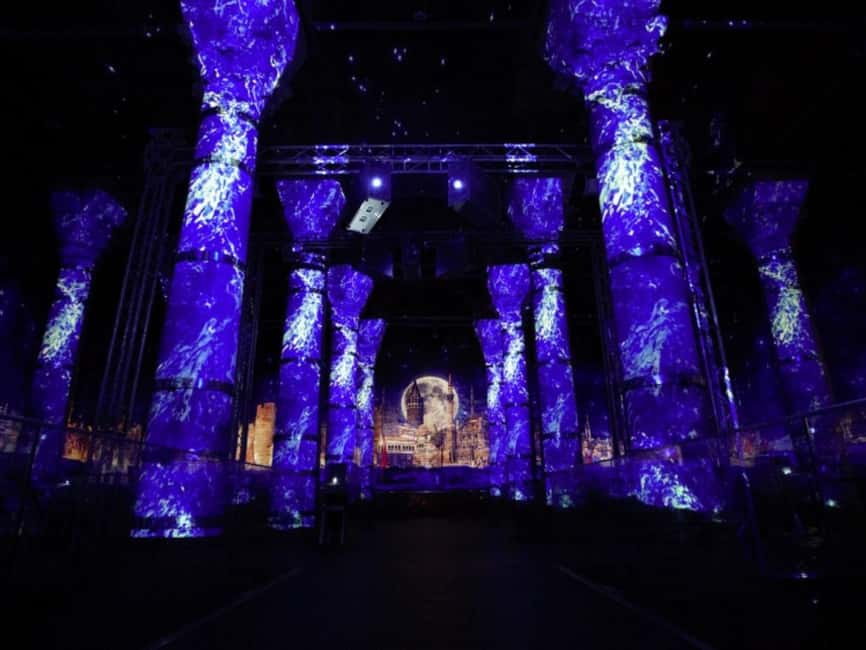
The Cistern of Theodosius wasn’t frozen in Byzantine time. After its original construction, the Ottomans expanded it. The audio guide highlights this layered history so you understand the cistern as a living asset that kept being used and adjusted.
That “layered” feeling is one of the reasons this site works better than a lot of one-era ruins. You’re not only looking at a snapshot—you’re looking at a system that stayed relevant long after its first builders.
If you like places where history overlaps, you’ll enjoy having the guide explain what changes happened later, rather than you guessing with no context.
Rediscovery in 2010 and the archaeological park setting
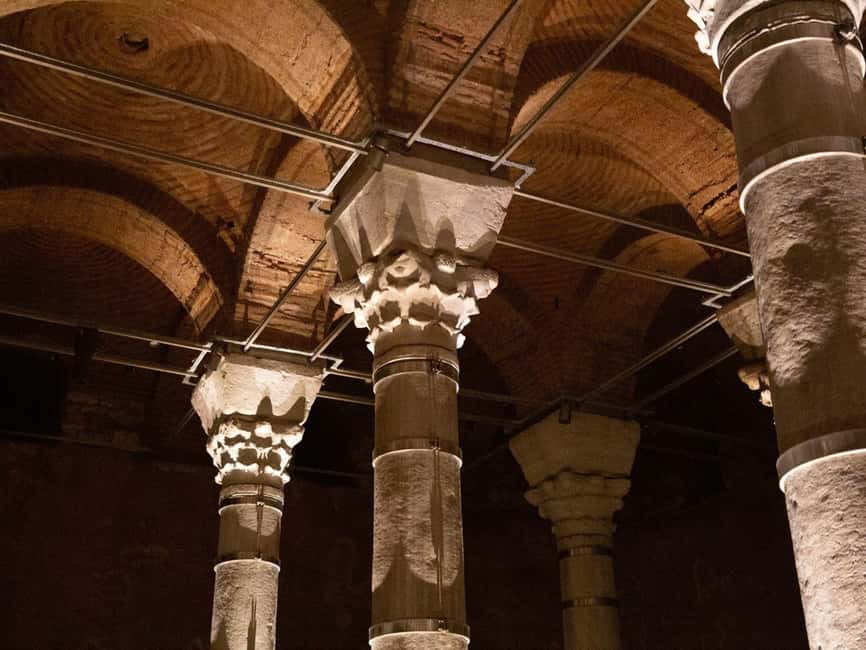
Cisterns sound like permanent features, but cities change. In 2010, demolition of nearby buildings uncovered the cistern. Restoration followed, and an archaeological park was created around it.
The guide also describes the area’s earlier use. Nearby, the Arif Pasa Estate, built in the late 18th or early 19th century, once housed municipal offices. That detail helps you understand why the cistern’s location feels like it belongs to the city’s administrative geography, not just its underground plumbing.
As you walk the space, it helps to keep this in mind: you’re not only visiting an ancient tank. You’re standing inside a rediscovered urban layer that the city chose to preserve and present once it was exposed.
The lighting moment: when the cistern shifts from engineering to atmosphere
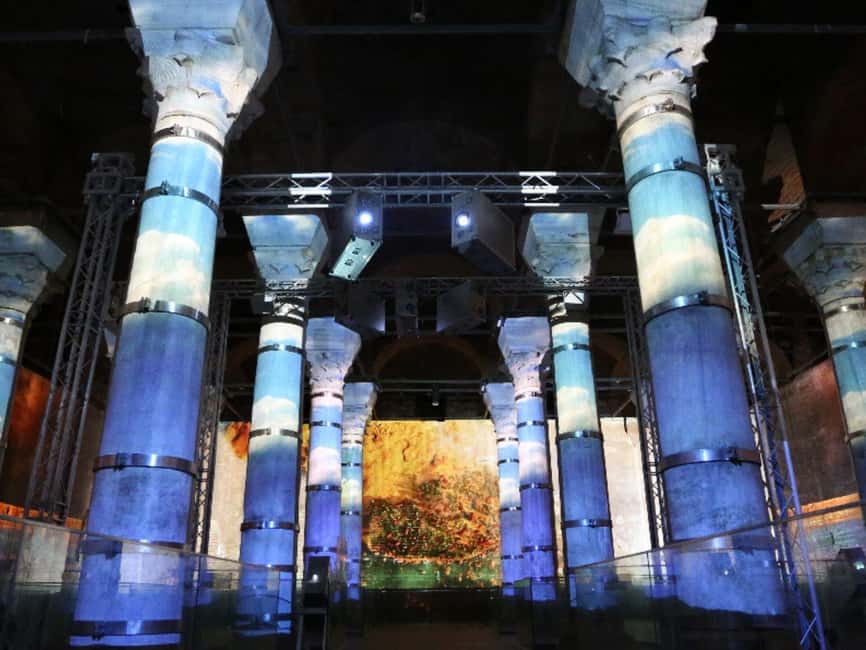
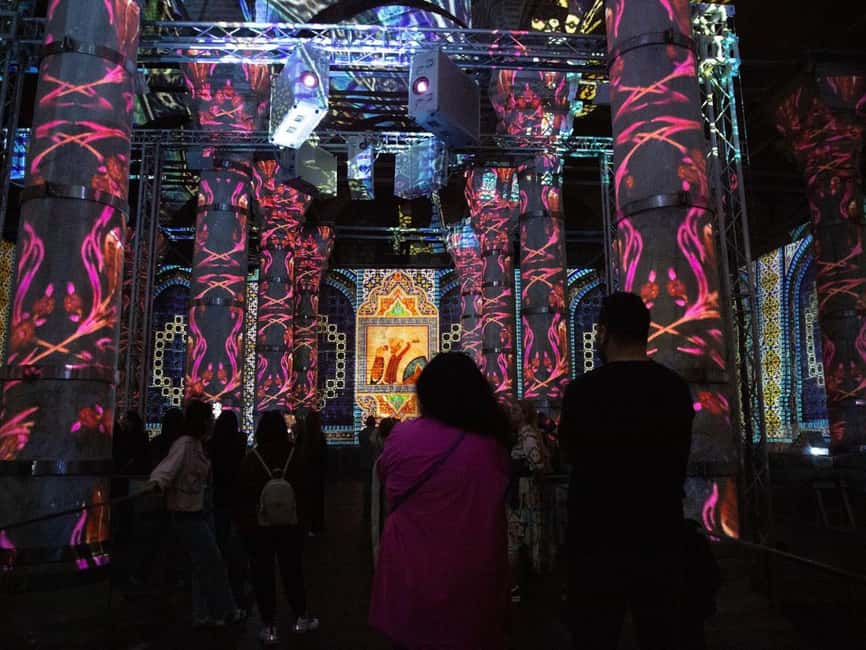
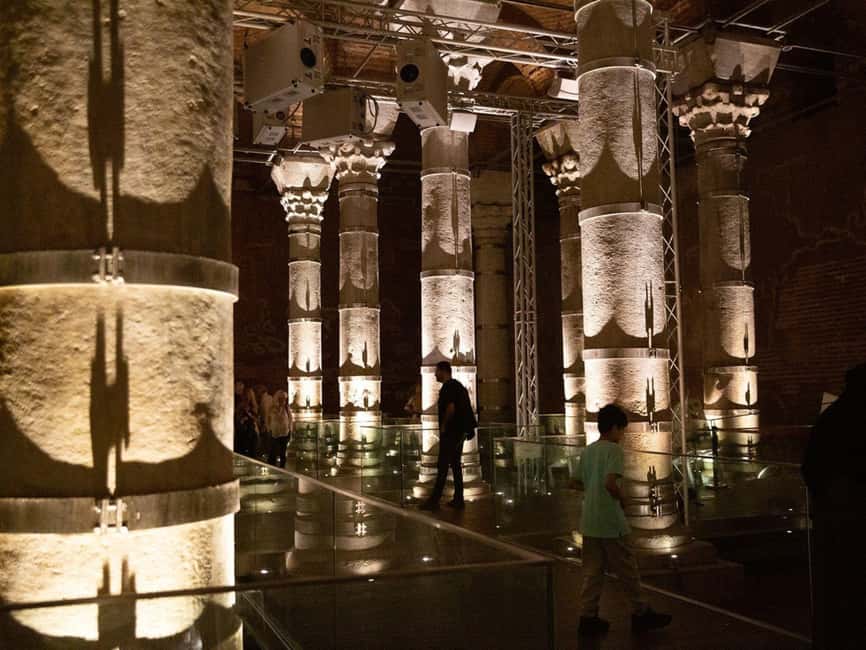
One thing I’d plan for if you want the best overall experience: there may be a lighting show or light-focused segment inside. At least one visitor specifically called the lighting show fantastic, which makes sense in a space like this.
Why it matters: when the light changes, your view of the columns, vault lines, and stone surfaces changes too. The engineering you’re tracking with the audio guide suddenly becomes visual drama, without turning the place into a theme park.
If you’re the type who likes photos, this is the part where they’ll look best without needing to stage anything.
Price and value: is $30 a smart buy for this visit?
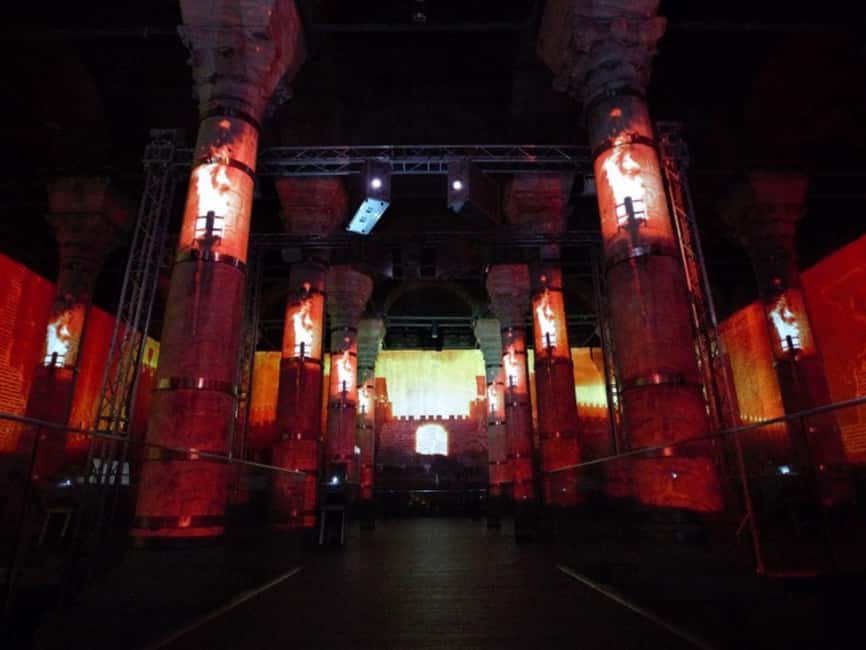
At about $30 per person for the entry ticket plus audio guide, the value comes down to how you like to travel.
You’re not paying for a guide’s storytelling in real time. You’re paying for:
- skip-the-line access
- an audio narration that gives context
- the freedom to set your own pace in a site where lingering helps
If you enjoy self-guided experiences, $30 often feels fair, because you can take your time with the architecture details—columns, vaults, plaster, and all the structural clues the guide points out.
If you prefer an in-person guide, this might feel overpriced, since there’s no guided tour included. You’ll still get the story, but it’s one-way narration, and you won’t be able to ask questions on the spot.
Also, consider timing. Since it’s valid for 1 day and you should check starting times, it’s best to reserve your slot so you’re not stuck figuring out timing the day-of.
Who should book this self-guided cistern ticket?
This ticket fits best if you:
- want an easy entry experience without joining a walking group
- like architecture that you can understand through guided explanations
- prefer calm pacing, pausing, and listening in your own order
- want a break from Istanbul’s more crowded, high-energy attractions
It might not be the best match if you need lots of human assistance. Since it’s not a guided tour and there’s no mention of staff-led interpretation, you’ll rely on the audio guide and your own navigation.
Practical tips to make your visit smoother
A cistern visit is simple, but the details can make it feel effortless or stressful.
First, plan a calm start. Since the ticket system can be fast when it works, you’ll feel better if you arrive with time to spare rather than right at a tight deadline.
Second, use the audio guide actively. Don’t just let it play while you wander. Stop when you hear a structural point (columns, vaults, plaster, pressure design) and locate it with your eyes. That’s when the cistern starts making sense.
Third, bring your patience for the entrance. The process is designed for speed, but technology and ticket pickup can occasionally be messy. Your best defense is having your booking confirmation ready.
Should you book the Cistern of Theodosius entry ticket with audio guide?
Yes—if you want a calmer, self-paced way to experience a Byzantine-to-Ottoman engineering site and you value skip-the-line entry plus QR-based audio narration. At $30, the price makes sense when you’ll actually use the audio guide and take time to look at the structure details.
Hold off or rethink if you’re the kind of traveler who feels lost without a live guide, or if you’re traveling in a tight schedule where even a small ticket-setup delay would ruin your day.
If you like “small history” with real physical evidence underfoot, this is a strong use of your time in Istanbul.
FAQ
How long does the Cistern of Theodosius experience take?
The activity duration is listed as 1 day, and you can explore at your own pace with the audio guide.
Is this a guided tour?
No. This is not a guided tour. You explore the cistern yourself using the included audio guide.
What’s included in the ticket?
You get the Cistern of Theodosius entry ticket and an audio guide for the cistern.
What’s the main benefit of the skip the ticket line option?
It helps you enter more quickly instead of waiting in the standard ticket line.
Do I get a QR code when I arrive?
Yes. A QR code is provided at the entrance for quick access.
Is there a 3D show included?
No. A 3D show is not included.
How much does it cost?
The price is listed as $30 per person.
Is there free cancellation?
Yes. You can cancel up to 24 hours in advance for a full refund.
Do I need to choose a time slot?
It’s valid for 1 day, and you should check availability to see starting times.
Where is this activity located?
It’s in Istanbul, Turkey (Marmara Region).