REVIEW · ISTANBUL
Istanbul: Bosphorus Boat Cruise
Book on GetYourGuide →Operated by Before Travel Istanbul- Day Tours · Bookable on GetYourGuide
A boat ride on the Bosphorus feels like a moving postcard. This 2.5-hour guided cruise threads together big-name sights and real waterways, with commentary as you float between two continents. I especially like the way the trip frames Istanbul’s skyline from the water, and the chance to see palace-and-fort viewpoints that you usually only get on longer outings. One thing to consider: stops are mostly for seeing from the boat, so if you want lots of time ashore, this may feel a bit fast.
What I really liked here is the pairing of Dolmabahçe Palace and Beylerbeyi Palace views from the Bosphorus side, plus the cruise’s steady route that keeps the scenery coming. You also get the historical geography of the Golden Horn—where ships and shipbuilding played a major role—without having to stand in a museum line.
My main caution is logistics and comfort. The meeting details can be a little confusing if you’re expecting a clear pick-up near Armada Hotel, and the loud onboard announcements plus frequent sales pitches can cut into the calm if you’re sensitive to noise.
In This Review
- Key highlights worth your attention
- Bosphorus Boat Cruise: the value of seeing Istanbul from the water
- Meet at Ahırkapı İskelesi: your best move for a smooth start
- Dolmabahçe Palace from the Bosphorus: more than a photo backdrop
- Beylerbeyi Palace and the long coastline story
- Rumeli Fortress: the medieval feel on a hillside
- Golden Horn: the dockyard angle that sticks in your head
- Old city walls near 1,600 years old: quick but memorable
- Leander’s Tower: the island lighthouse moment to end on
- Timing and pace: enough time for views, not enough for full sightseeing
- Onboard comfort: noise, language, and how to plan your expectations
- Price vs. what you get: is $24 worth it?
- Who should book this cruise (and who should pick something else)
- Should you book this Istanbul Bosphorus boat cruise?
- FAQ
- What is the duration of the Istanbul Bosphorus boat cruise?
- How much does the Bosphorus boat cruise cost?
- Where is the meeting point?
- What does the tour include?
- Is hotel transfer included?
- Are food and drinks included?
- What landmarks will I see during the cruise?
- Where does the tour end?
- Is there free cancellation?
- Is there a reserve and pay later option?
Key highlights worth your attention
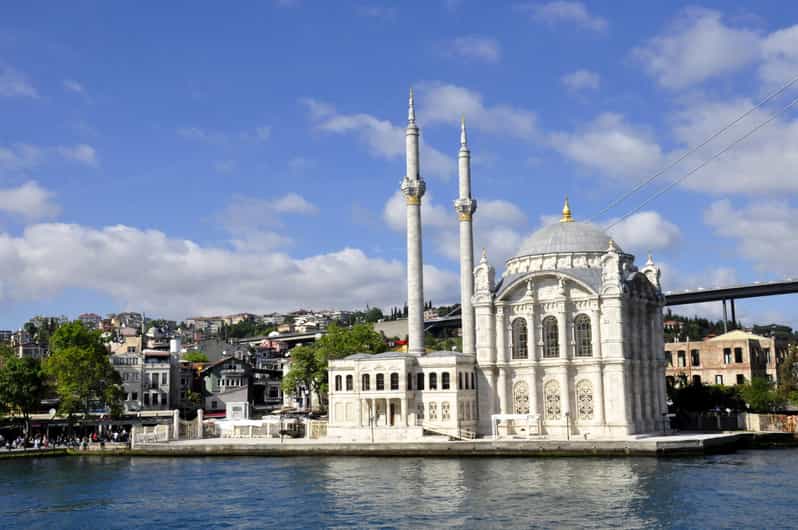
- Two-palace panorama: Dolmabahçe and Beylerbeyi from the water, with guided narration
- Rumeli Fortress in the hills: a medieval-feeling silhouette as you pass along the coast
- 1,600-year-old city walls: you’ll spot them from the boat as the route hugs the shoreline
- Golden Horn shipyard context: a memorable explanation tied to the Ottoman Navy and 300 boats produced in a year
- Leander’s Tower finale: a lighthouse/watchtower moment on an island setting
- Value timing: long enough for views, short enough to fit a day plan
Bosphorus Boat Cruise: the value of seeing Istanbul from the water
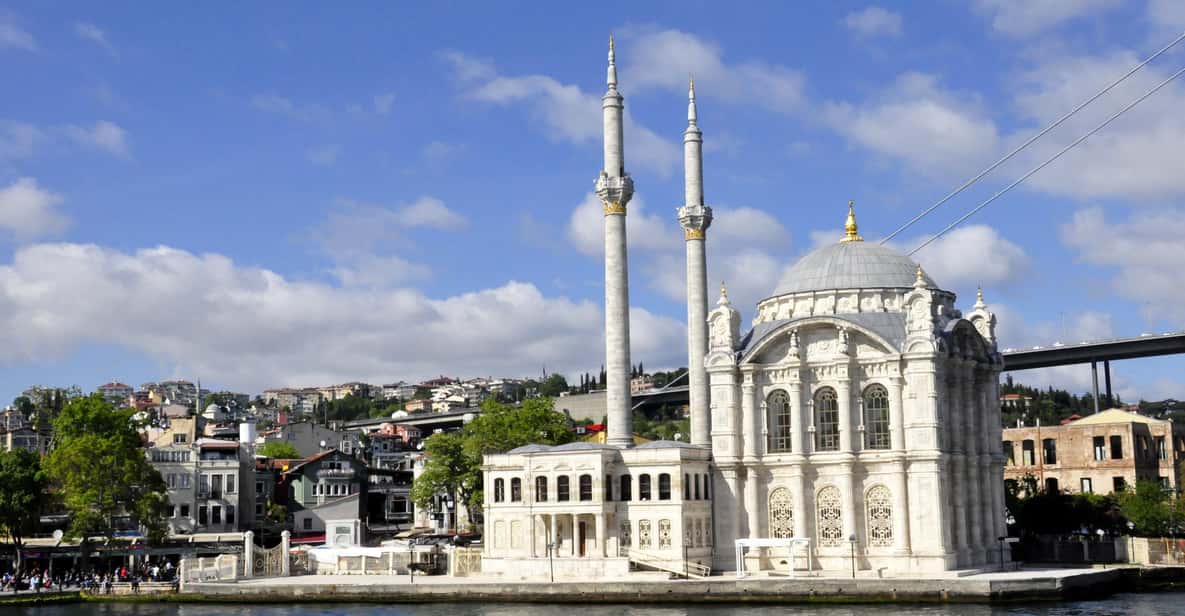
If Istanbul can feel like too many monuments stacked back-to-back on land, the Bosphorus cruise is a smart fix. In a short window, you get moving perspective—water in the foreground, landmarks lining up across the skyline, and that constant sense of travel as the city glides past.
This tour is built around a very practical idea: you don’t need to choose between “palaces” or “coastal views.” From Ahırkapı İskelesi you head out, and the route naturally strings together Dolmabahçe Palace, Beylerbeyi Palace, Rumeli Fortress, and the Golden Horn shoreline. Then you end with the iconic silhouette of Leander’s Tower.
At $24 per person for a guided 2.5-hour cruise, the math is simple. You’re paying mostly for access to the Bosphorus route and an organized narrative. There’s no hotel transfer, and there’s no food included, so treat it like a transit-style sightseeing experience: you’re there for views, explanations, and photos.
You can also read our reviews of more boat tours in Istanbul
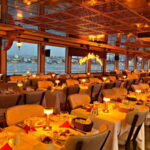
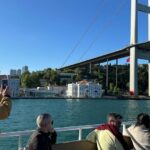
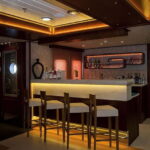
Meet at Ahırkapı İskelesi: your best move for a smooth start
The tour starts and ends at Ahırkapı İskelesi. If you’re coming via Armada Hotel, the written meeting idea is straightforward: walk through the small stone gate, cross to the seaside, and you should see Ahırkapı Pier straight in front of you.
Here’s the real-world advice: don’t wait around too long for a distant coordinator. Plan to arrive early and physically locate the pier area yourself. The cruise departs from the water, not from a sidewalk meetup point. If you’re the type who likes certainty, give yourself extra buffer time, because you’ll avoid the stress of lingering for someone who may be busy with others.
Also keep in mind that onboard commentary can switch languages. If you booked a specific language, you may still hear a mix. That doesn’t ruin the trip—because you’ll still see the sights—but it can affect how much of the story you catch word-for-word.
Dolmabahçe Palace from the Bosphorus: more than a photo backdrop
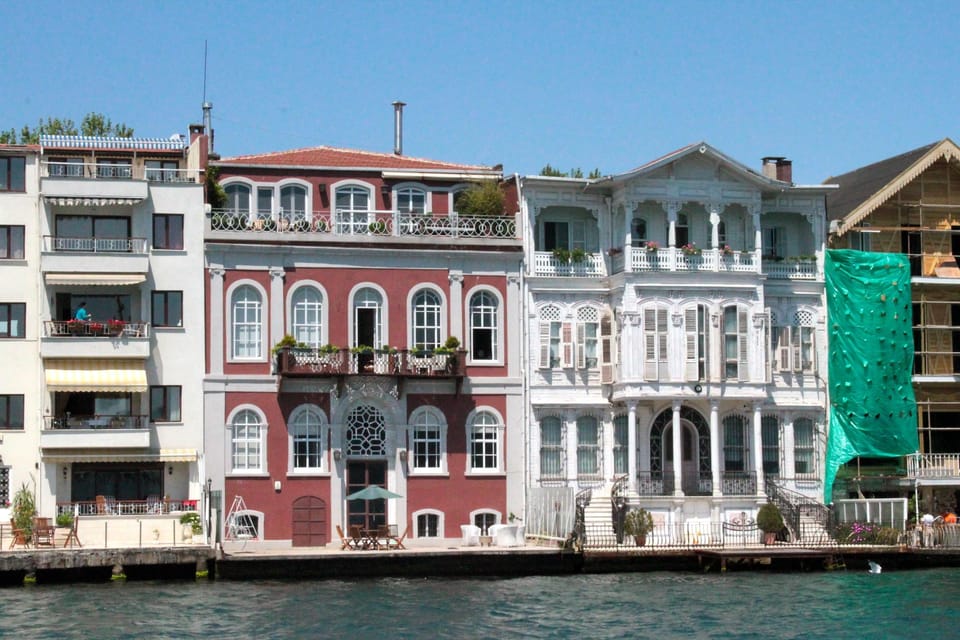
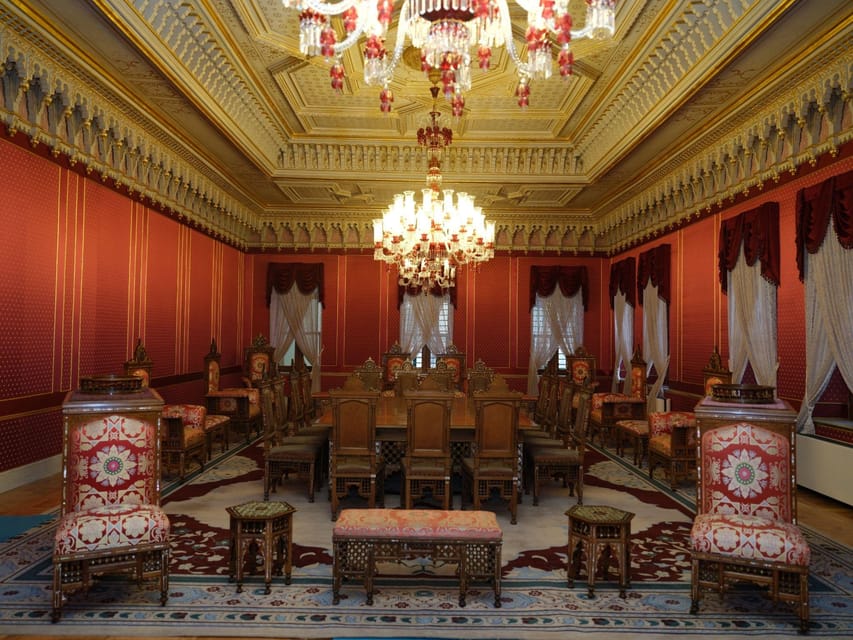
You’ll float past Dolmabahçe Palace, one of the big visual anchors of the Bosphorus shore. From water level, palaces don’t just look impressive—they look situated. The coastline context matters: you can sense how Istanbul uses its waterfront as a stage for power, trade, and ceremony.
What’s especially good about doing this by boat is the pacing. On land, the palace area can be physically demanding and time-consuming to navigate. On the water, you’re not juggling ticket lines or walking distances. You’re simply watching the city present itself in sequence.
A quick drawback to expect: this is primarily a “see from the cruise” experience. If you hoped for substantial time to get out and photograph angles up close, you might find the viewing time feels brief.
Still, for a first Bosphorus outing, this is a solid introduction. It sets the tone immediately—this isn’t just a generic sightseeing loop.
Beylerbeyi Palace and the long coastline story
After Dolmabahçe, the cruise continues along the Bosphorus view axis toward Beylerbeyi Palace. Like Dolmabahçe, Beylerbeyi works best when you’re traveling past it, because your viewpoint keeps changing. You get more than one angle without changing your schedule.
This part of the route also helps you read the city’s geography. The Bosphorus isn’t just scenic; it’s functional. The palaces feel like waterfront landmarks, but the waterway is the real reason they’re impressive. You’re literally moving through the same separation line that divides and connects Istanbul.
If you enjoy architecture, don’t treat this section like a checklist. Look for details like the palace silhouette against the shore, how the shoreline curves, and how the skyline shifts from side to side as the boat turns.
You’ll also likely spot plenty of homes along the coast. The experience is less about visiting every structure and more about building a mental map of where the city clings to the water.
Rumeli Fortress: the medieval feel on a hillside
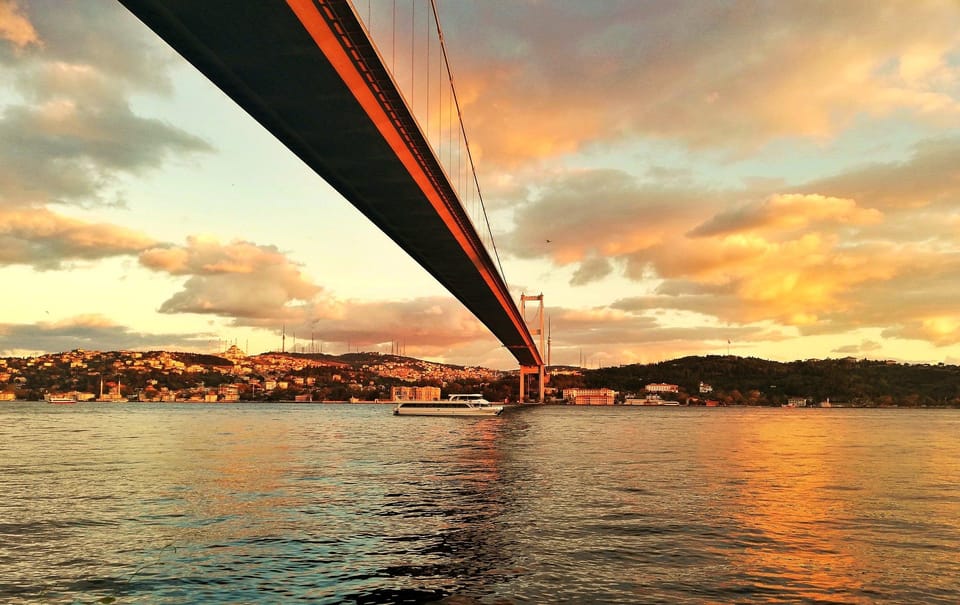
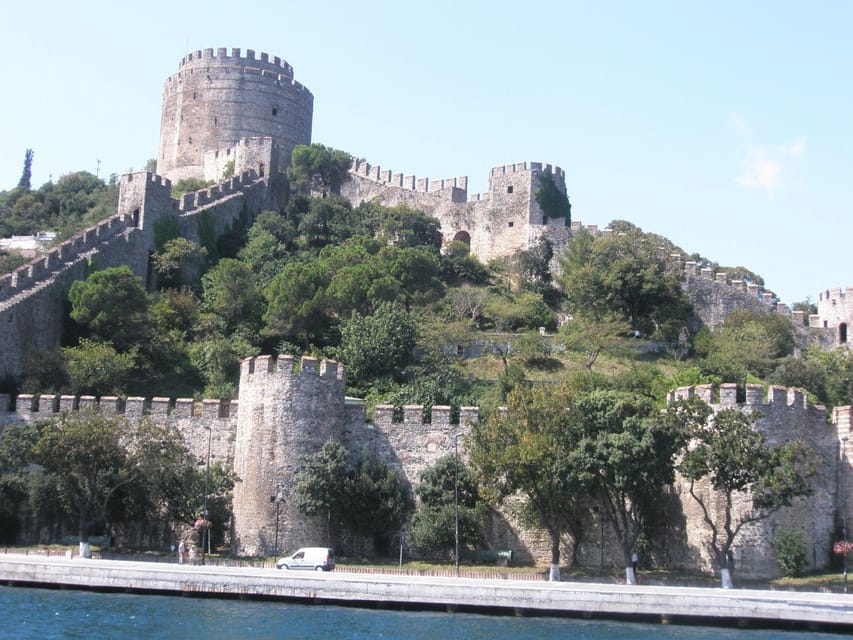
Then comes Rumeli Fortress, described as a medieval building in the hills. This is one of those sights that looks dramatic even when you’re seeing it from a moving boat. Hills give it gravity. Stone gives it texture. And the hillside setting makes it feel less like a landmark and more like a position—something built to defend a waterfront.
From the cruise perspective, Rumeli Fortress can be the moment when the trip stops feeling purely scenic and starts feeling explanatory. It’s a reminder that Istanbul’s waterfront wasn’t only for beauty. It was for strategy.
You’ll also be passing along older shoreline elements and views that help you sense the age of the city’s defenses and waterfront use. Even when you’re not stepping onto land, you still get the “how was this coast used?” feeling.




Golden Horn: the dockyard angle that sticks in your head
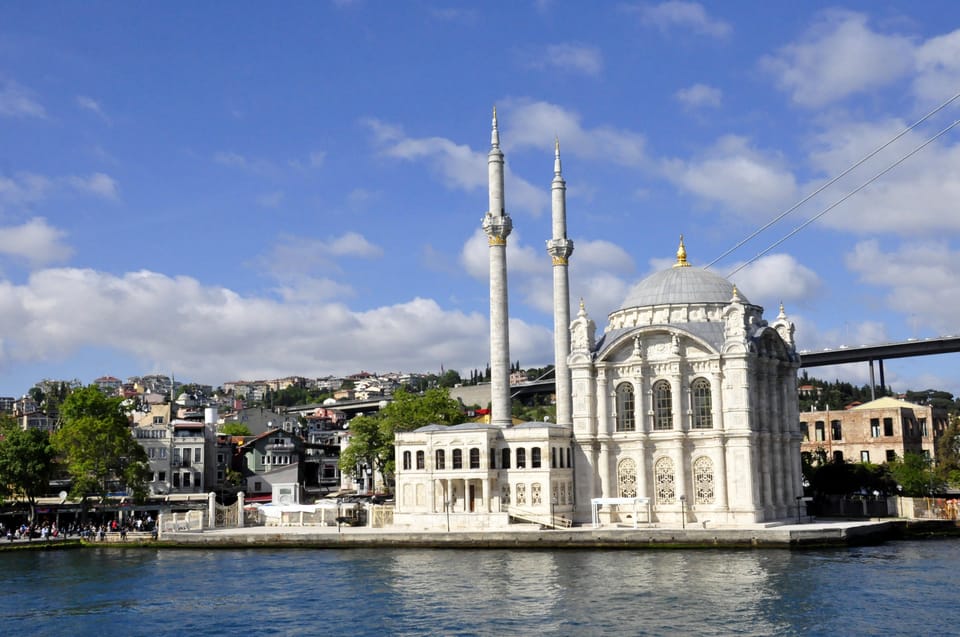
Next, the cruise reaches the Golden Horn, the long estuary that functioned as a dockyard for the Ottoman Navy. You’ll hear this kind of historical framing from the guide, and it’s the sort of detail that changes how you look at a place.
There’s a specific fact that helps anchor the story: 300 boats were produced in a year. Even if you only remember one number from the tour, this is the one that makes the Golden Horn feel real rather than just pretty. It turns the shoreline into an industrial timeline.
On the boat, the Golden Horn experience works like this:
- You see the waterway stretch out.
- You follow the shoreline lines as they shift.
- You connect the scenery to the idea of movement, storage, and ship work.
Photo tip, if you like pictures: keep your camera ready during these segments. The combination of water + shoreline + built-up edges creates strong composition, and the tour keeps momentum moving, so you won’t get a long pause.
Old city walls near 1,600 years old: quick but memorable
The route also passes views of city walls that are 1,600 years old. From the boat, the walls don’t become a slow museum-style experience. Instead, they act like a visual punctuation mark: you catch them, register their scale, and move on.
That’s actually a good thing for many people. Not every tour needs you to spend an hour studying a single structure. Here, the walls help you feel the timeline of the city while staying in motion.
If you’re prone to information overload on big days, this is the right balance: the boat keeps you in sightseeing mode, while the guide’s context keeps it from becoming random scenery.
Leander’s Tower: the island lighthouse moment to end on
The final standout is Leander’s Tower, a small lighthouse and watchtower on an island. This is one of those Istanbul icons that doesn’t require deep explanation to understand why it’s famous. You just have to see it from the water.
The ending matters. By the time you reach Leander’s Tower, you’ve already been through palaces, fortifications, walls, and the Golden Horn. So the tower becomes a clean, visually distinct finish—almost like the cruise’s closing signature.
If you catch this during better light (think late-day conditions), the island setting can look especially dramatic. One review-style observation that matches the general vibe of this stretch: sunset scenery can be a real highlight, with the Bosphorus bridge area showing up nicely in the background.
And yes, you’ll get to disembark back near the starting point, so you’re not stuck figuring out a new area at the end of your day.
Timing and pace: enough time for views, not enough for full sightseeing
The cruise is listed at 2.25 hours while also described as 2.5 hours in other details. Either way, expect a fairly brisk sightseeing window. You’re not touring interiors here. You’re getting guided narration and landmark visibility from the water.
So ask yourself what you want:
- If you want a view-first day, this fits nicely.
- If you want to walk around, this likely won’t satisfy by itself.
A few practical notes from the overall experience pattern:
- The guide provides commentary while you sail.
- Onboard announcements and repeated sales messaging can be frequent.
- The experience is highly shaped by the fact that you remain on the boat for most of the route.
Because the experience is time-limited, it can feel a bit short if you expected multiple major photo stops or time to disembark for landmark viewing. Keep your expectations aligned with what the experience is: cruise-based sightseeing.
Onboard comfort: noise, language, and how to plan your expectations
Two issues can affect how pleasant the cruise feels: loud announcements and language mixing.
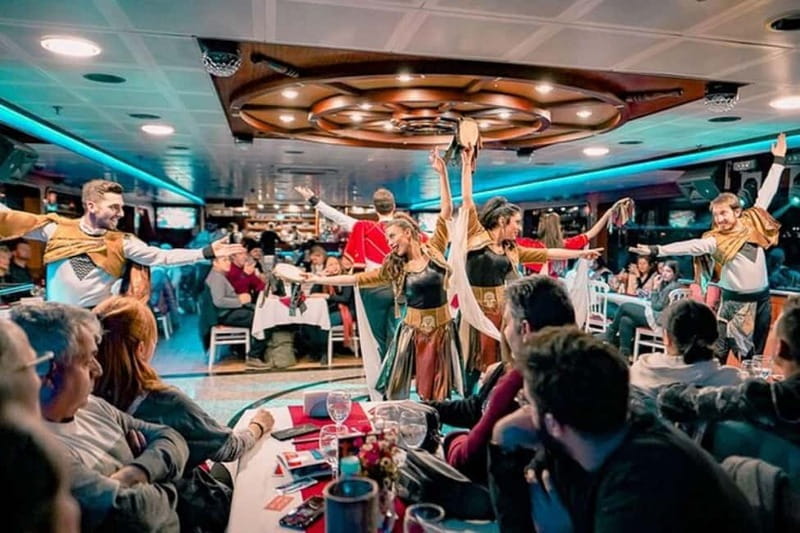
One traveler experience highlighted the volume of onboard announcements across multiple languages, including frequent reminders to buy food and drinks. Another mentioned the language format didn’t match what they expected, with a larger share of narration happening in Spanish when English was selected.
None of that is a deal-breaker for everyone, especially if you’re mainly there for the views. But if you’re someone who wants quiet narration and uninterrupted attention, you might want to mentally prepare.
My practical advice:
- Bring headphones only if the boat environment allows it without missing key safety instructions.
- Focus on the visual story even if you catch only parts of the spoken commentary.
- Sit where you can see forward and sideways. The best moments happen as the boat transitions between coastline segments.
Price vs. what you get: is $24 worth it?
Let’s be honest about value. $24 is low for a guided, structured Bosphorus cruise that covers major landmarks. You’re paying for organized routing and narration, not for a full day of museum visits.
Here’s what you get for that price:
- A guided boat cruise
- A tour guide
- The captain
- A route that includes palaces, a fortress, the Golden Horn, city walls, and Leander’s Tower
Here’s what costs extra or needs planning:
- No hotel transfer
- No food and drinks included
So for value, I think this is strongest for you if:
- You want one efficient Bosphorus experience without spending a fortune
- You like scenic travel where the “museum” moves with you
- You’re pairing this with palace visits or walking plans before or after
If you’re hoping for a tour that functions like a land sightseeing day with stops and time ashore, you’ll likely feel the value is lower than expected—because the format stays on the water.
Who should book this cruise (and who should pick something else)
This Bosphorus boat cruise is a good match for:
- First-time Istanbul visitors who want a fast, big-picture understanding of the city’s waterfront
- People who prefer not to walk lots between sights
- Anyone who loves skyline and shoreline photos
It may not be ideal if:
- You need quiet and long narration without constant announcements
- You want time to get off and explore landmarks in depth
- You’re very sensitive to tour timing feeling shorter than expected
The tour is also easier to enjoy when you treat it like a scenic circuit with story support. Don’t try to force it into the mold of a museum day.
Should you book this Istanbul Bosphorus boat cruise?
Book it if you want major landmarks with minimal effort—and you’re happy seeing them from the boat. The combination of Dolmabahçe, Beylerbeyi, Rumeli Fortress, Golden Horn context, ancient walls, and the Leander’s Tower finale is exactly the kind of concentrated Istanbul overview that can save you time and help you plan the rest of your trip.
Skip it (or pair it carefully) if you’re expecting lots of time ashore, very quiet narration, or a perfect language experience. The cruise format is what it is: water-based sightseeing with guide commentary and frequent onboard audio.
If you do book, here’s the smart move: get to Ahırkapı İskelesi early, keep your expectations realistic about time on deck, and enjoy the trip for what it does best—show Istanbul sliding by across the water.
FAQ
What is the duration of the Istanbul Bosphorus boat cruise?
The cruise lasts about 2.5 hours.
How much does the Bosphorus boat cruise cost?
The price is $24 per person.
Where is the meeting point?
You start at Ahırkapı İskelesi. From Armada Hotel, walk through the small stone gate and cross to the seaside; Ahırkapı Pier is directly in front of you.
What does the tour include?
It includes the boat cruise, a tour guide, and the captain.
Is hotel transfer included?
No, hotel transfer is not included.
Are food and drinks included?
No, food and drinks are not included.
What landmarks will I see during the cruise?
You’ll pass Dolmabahçe Palace, Beylerbeyi Palace, Rumeli Fortress, explore the Golden Horn, and see Leander’s Tower, along with views of old city walls.
Where does the tour end?
You return and arrive back at Ahırkapı İskelesi.
Is there free cancellation?
Yes. You can cancel up to 24 hours in advance for a full refund.
Is there a reserve and pay later option?
Yes. You can reserve now and pay later to keep your plans flexible.