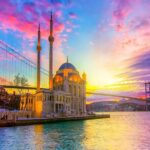
REVIEW · ISTANBUL
Istanbul: Bosphorus and Golden Horn Boat Tour with Guide
Book on GetYourGuide →Operated by TURISTA TRAVEL AGENCY · Bookable on GetYourGuide
First impressions: Istanbul looks different from the water. This Bosphorus and Golden Horn cruise gives you sweeping views of both the European and Asian sides in just 2 hours, plus an English-speaking guide who explains what you’re seeing. I especially like that you get major shoreline sights—palaces, fortresses, mosques, and bridges—without needing to fight traffic or plan a long day.
What I like most is the combination of guided commentary and the ferry-style ride. You’re not just staring out a window; you’re getting context about landmark waterfront buildings, including big names like Dolmabahçe and Beylerbeyi Palaces. The other thing that works well for a first-time visit is that the route naturally teaches you how Istanbul sits across two continents.
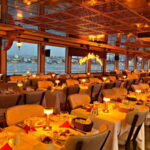
One thing to keep in mind: not every departure may feel like a small, quiet boat experience. If you end up on a larger vessel, the narration can shift to loud audio over public speakers and you may hear English later than you’d like, with occasional ads interrupting the view.
In This Review
- Key points to know before you go
- Why a 2-hour Bosphorus and Golden Horn cruise makes sense
- Sultanahmet meeting point to the docks: quick and simple, but plan light
- Golden Horn portion: old waterfronts, churches, and bridges seen from sea level
- Bosphorus stretch: palaces, fortresses, wooden villas, and the Europe–Asia split
- The English guide: what you gain beyond the views
- Boat ride reality check: group size, announcements, and staying comfortable
- Included vs. not included: how to plan a simple, no-stress day
- Price and value: is $11 a bargain or a compromise?
- Who should book this cruise, and who should skip it
- Should you book the Istanbul Bosphorus and Golden Horn boat tour?
Key points to know before you go
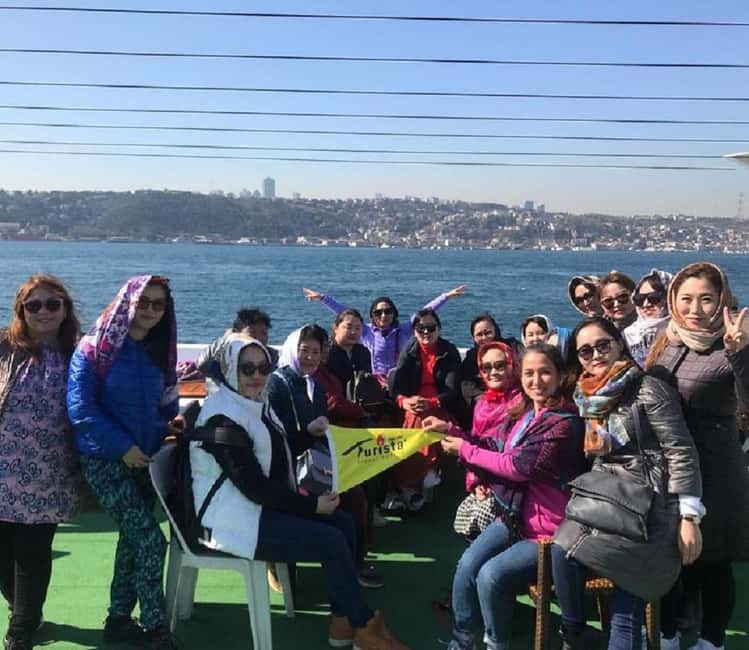
- Two waterways, one clean overview: Golden Horn for old-city waterfronts, then the Bosphorus for the Europe–Asia split.
- Imperial palaces from the shoreline: Dolmabahçe, Beylerbeyi, and Çırağan show up as standout landmarks.
- Bridges, castles, and churches at sea level: You’ll see the city’s architecture from a perspective most people never get.
- English live guide commentary: Ask questions while you’re cruising, not after.
- Good value for a guided boat ride: At about $11 per person, you’re paying mainly for the ferry time plus the guide.
- Potential issue with boat size and audio: Some departures may feel crowded or rely on multi-language announcements.
Why a 2-hour Bosphorus and Golden Horn cruise makes sense
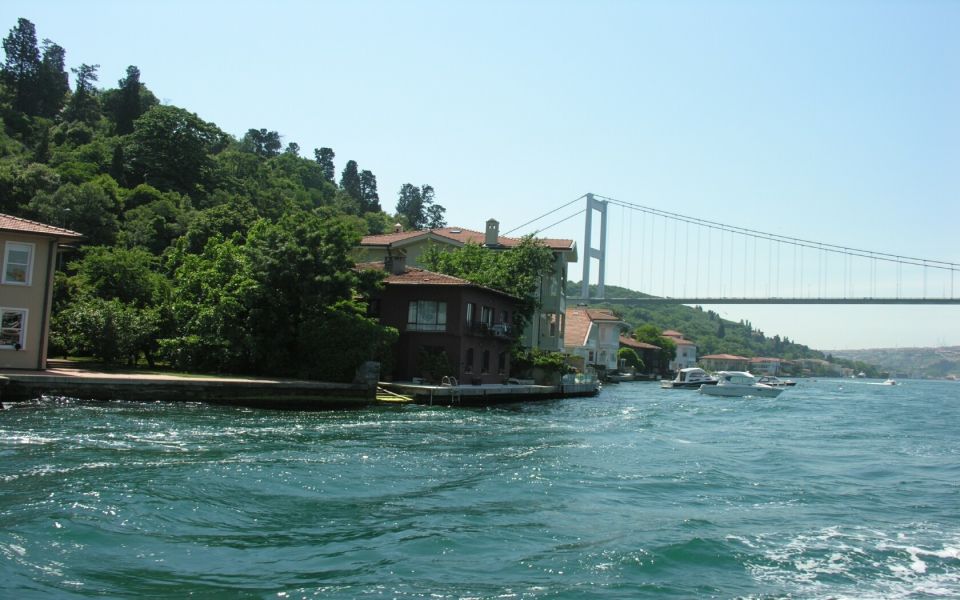
If your Istanbul days are already packed with mosques, bazaars, and neighborhoods, this tour is a pressure-free win. A boat gives you fast context: you see how the city’s waterfront works, where the major palaces sit, and how the waterways shape Istanbul’s layout. And because it’s about 2 hours, you’re not committing your whole morning or afternoon just to get a few views.
It also helps that you’re not choosing between “European Istanbul” and “Asian Istanbul.” The route is designed to show both sides during the same outing. That’s a big deal if you want the headline sights without spending extra time traveling across town.
You can also read our reviews of more boat tours in Istanbul

Sultanahmet meeting point to the docks: quick and simple, but plan light
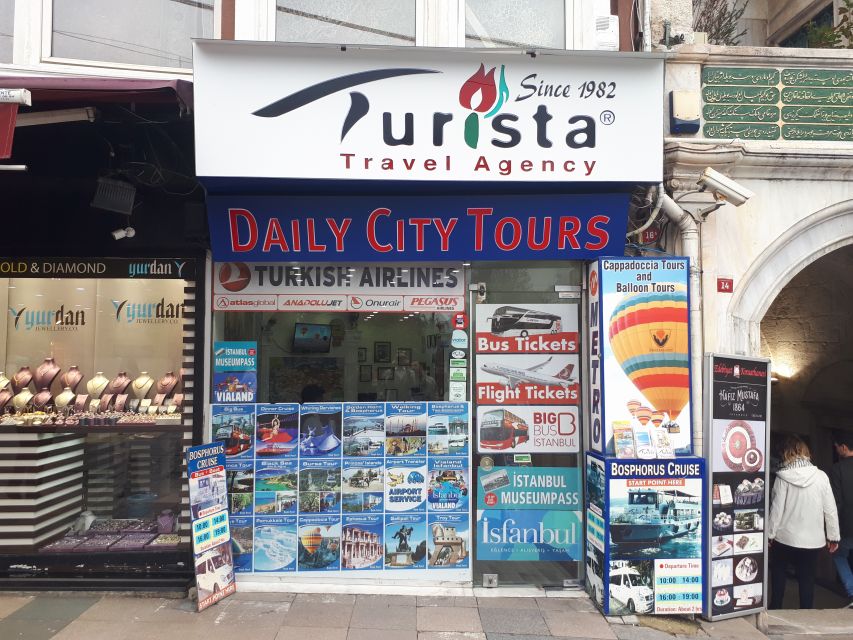
The tour meets at Divanyolu Street no. 16 in Sultanahmet. From there, you transfer to the boat dock to start the cruise. This is one of those city-day logistics that’s easy when you travel light.
Here are the practical limits you should remember:
- No luggage or large bags are allowed.
- It’s not suitable for wheelchair users.
So if you’re coming from a hotel room with a big suitcase, you’ll need to keep it stored elsewhere. Wear shoes that work on crowded dock surfaces, and bring what you’ll realistically need for two hours: water, sunglasses, and a phone/charger if you’re the type who takes a lot of photos.
Also note that the tour includes 2-way transportation by ferry. That matters, because you’re not just paying for the boat time—you’re paying for the round-trip movement between the meeting area and the water.
Golden Horn portion: old waterfronts, churches, and bridges seen from sea level
The Golden Horn is where you start to feel the “history as architecture” part of Istanbul. This waterway wraps around the city like a natural harbor, so the shoreline is packed with buildings that look different when you’re looking at them from the water.
On this cruise section, you’re meant to focus on:
- the coastline view
- historical churches and buildings along the shore
- the way bridges connect neighborhoods across the water
What makes this part satisfying is the angle. From land, you often see these landmarks from street height, sometimes blocked by traffic or street-level clutter. From the Golden Horn, you get a cleaner line of sight. It’s also where the city’s spiritual mix comes through visually—mosques, churches, and civic structures all share the same waterfront plane.
If you’re the kind of traveler who likes to “read” a city layout, this section gives you an easy mental map: you’ll start recognizing how the Golden Horn frames the old core.
Bosphorus stretch: palaces, fortresses, wooden villas, and the Europe–Asia split
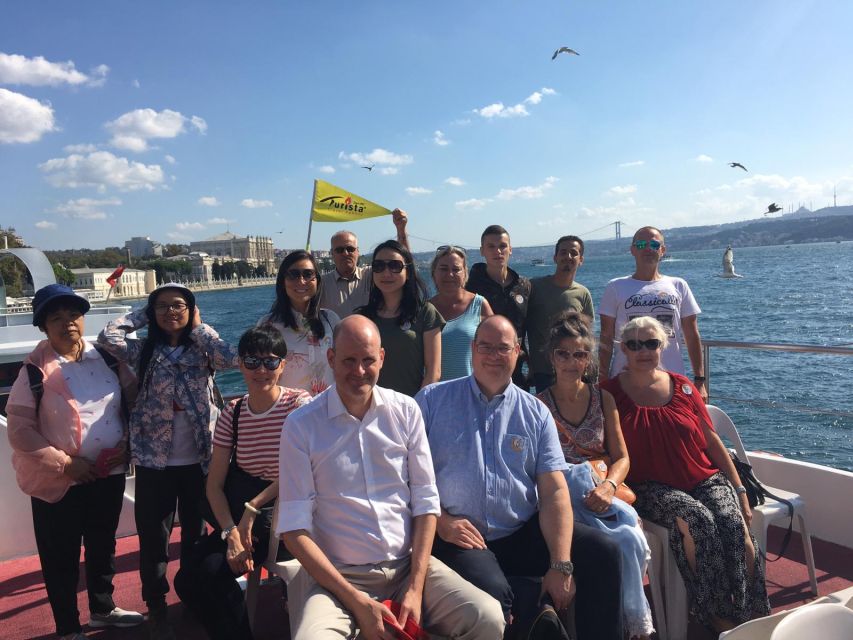
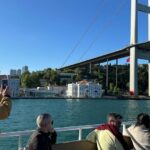
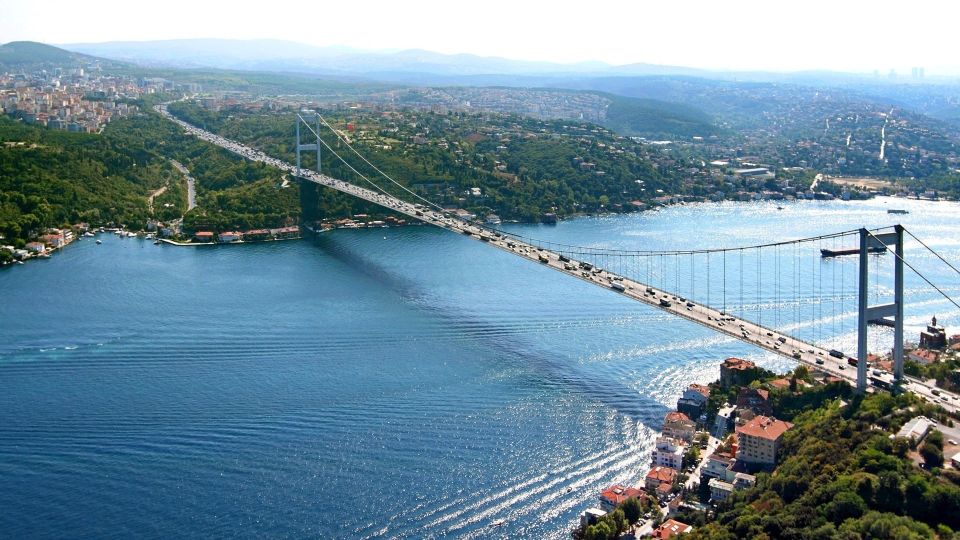
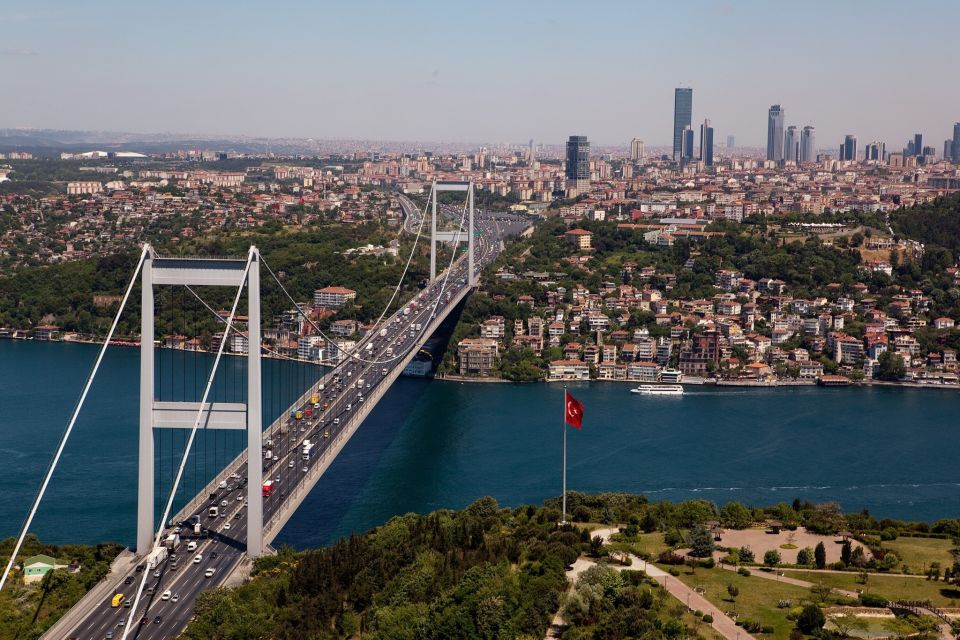
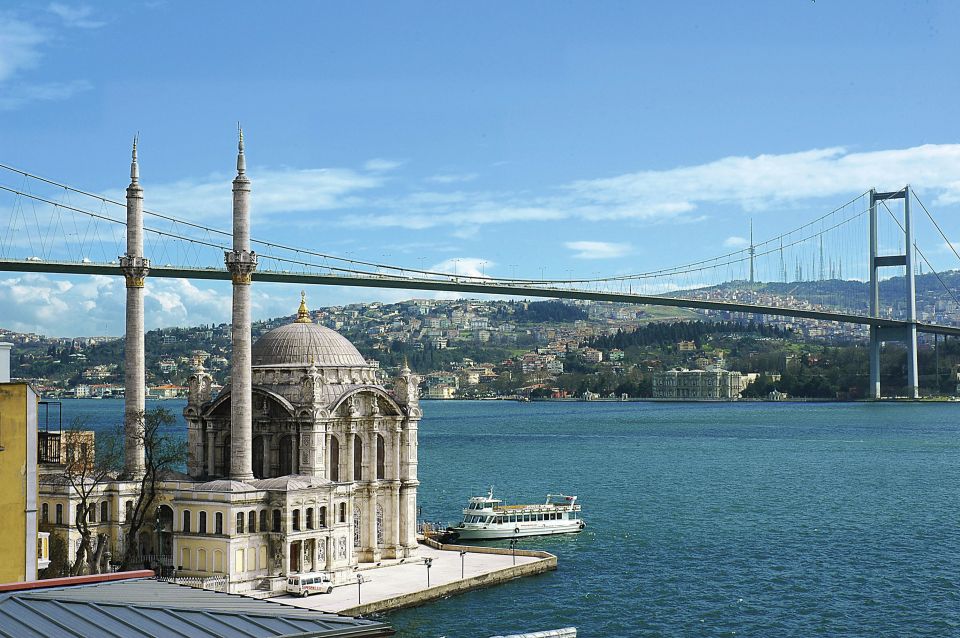
Then comes the Bosphorus Strait, the famous channel that connects the Sea of Marmara to the Black Sea and separates Europe and Asia. Seeing that separation in motion is one of the best ways to understand Istanbul’s geography, because the city doesn’t feel like a postcard anymore—it feels like a living shoreline with layers.
This part of the cruise is built around big waterfront landmarks, including:
- Dolmabahçe Palace
- Beylerbeyi Palace
- Çırağan Palace
- Rumeli Fortress
- bridges
- wooden villas and smaller traditional waterfront houses
Here’s why these sights matter. Palaces along the Bosphorus aren’t just impressive because they’re ornate. They’re also a clue to how power and wealth used the waterfront. When you see them from water level, you notice the relationship between the buildings and the shoreline: who would have arrived by sea, where crews docked, and how the palaces turned their attention toward the water.
The Bosphorus is also your best chance to take in the city’s scale. You’ll see more than one kind of shoreline—grand imperial buildings side-by-side with older wooden houses—and that contrast is part of Istanbul’s personality.
The English guide: what you gain beyond the views
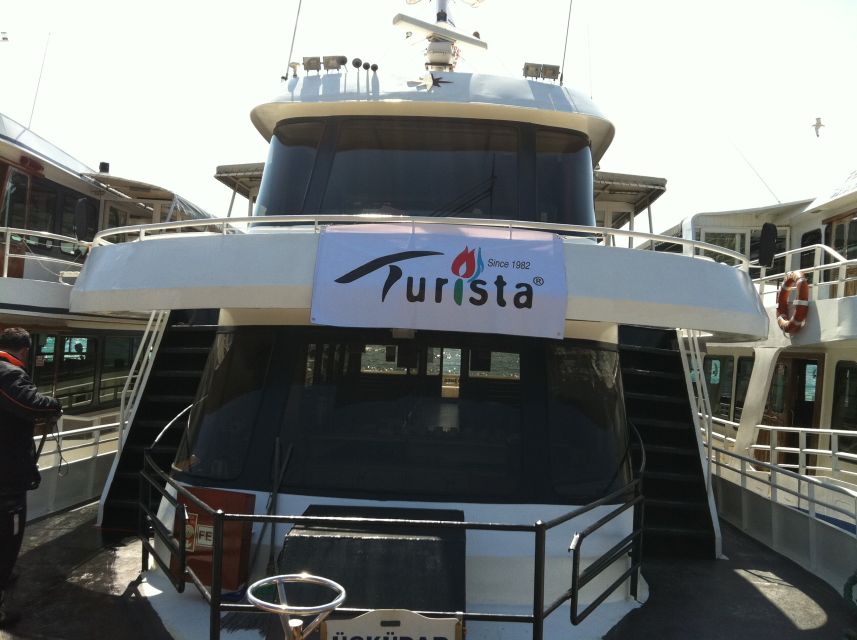
The tour is designed with a live guide who provides commentary and answers questions as you cruise. In a city full of plaques and self-guided ruins, having a human explain what you’re seeing can speed up your understanding fast.
When the guide points out places like Dolmabahçe, Beylerbeyi, Çırağan, and Rumeli Fortress, the key benefit isn’t memorizing dates. It’s learning what to look for:
- Why certain buildings sit right on the water
- How the waterways shaped routes and neighborhoods
- How mosques and churches appear together along the shoreline
- How bridges change the way you read the city’s layout
And because it’s an English-speaking guide, you can ask practical questions on the spot—especially useful if you’re trying to decide what to visit next on land.
You can also read our reviews of more guided tours in Istanbul




Boat ride reality check: group size, announcements, and staying comfortable
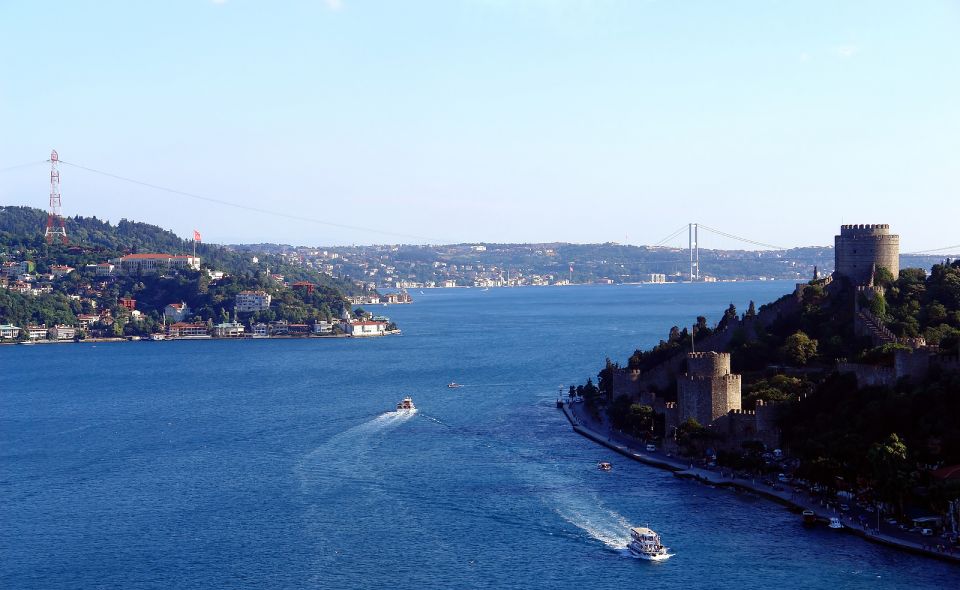
This is where I’ll be blunt in a helpful way. A cruise can sound calm and intimate in the brochure language, but on the water the experience depends on the actual boat and crowd level.
One concern to watch for is audio quality and timing. If your departure ends up using loud, multi-language announcements over public speakers, you might find that English comes on after you’ve already passed a sight. If you care about detail—like the name and significance of a specific palace or bridge—this can reduce how much you get out of the commentary.
There’s also the practical reality of on-board announcements. If ads interrupt the ride, it can pull your attention away from the views right when the most photogenic landmarks are outside your window.
So what should you do? Aim to be flexible:
- Keep your expectations aligned with a “views with context” style cruise, not a private lecture.
- Have your camera ready for the big palaces and fortresses.
- If you’re sensitive to sound, bring earplugs.
The good news: even with these issues, the route itself delivers the core value—seeing the Bosphorus and Golden Horn from the water. The cruise is short, so you’re not stuck for hours if the audio gets annoying.
Included vs. not included: how to plan a simple, no-stress day
You’re getting:
- a guide
- 2-way ferry transport
What you’re not getting:
- meals and drinks
That’s not a deal-breaker, but it does change how you should plan. If you tend to get hungry on outings, grab a snack before you head to Sultanahmet. During the cruise, you may have opportunities to buy something on board or nearby, but the data you shared flags that food and drinks can be expensive. For value, I’d treat this as a “short sightseeing ride” and plan your eating around your time on land.
For your best comfort, think like this:
- Bring water if you’re the type who drinks often.
- Use the cruise time for photos and orientation, not for a full meal break.
Price and value: is $11 a bargain or a compromise?
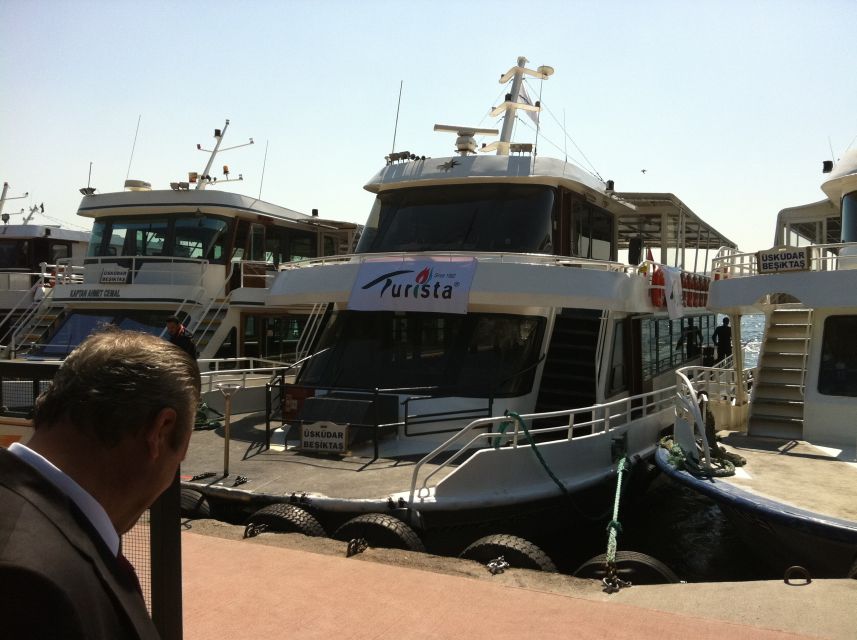
At $11 per person for a 2-hour guided boat tour with ferry transfers, the value math is strong. Most Istanbul sightseeing that includes transport and a guide costs far more once you add up tickets plus time plus logistics.
Where the value can change is in the experience style. If you get a well-run, English-first live guide on a manageable-sized boat, you’ll feel like you got a lot for the money. If you’re on a larger vessel with louder multi-language audio and frequent interruptions, the “guided” part can feel thinner.
Still, even in the less ideal version, you’re buying time on two iconic waterways, plus views of major landmarks that would otherwise require multiple separate trips. That’s the core bargain here.
Who should book this cruise, and who should skip it
This tour fits best if you:
- are on a tight schedule and want an Istanbul overview fast
- want both sides of the city (Europe and Asia) in one outing
- enjoy learning what you’re looking at while you move
- prefer outdoor sightseeing over more museum-heavy days
I’d be cautious or skip it if you:
- need accessibility support (it’s not suitable for wheelchair users)
- can’t travel light due to the no luggage / no large bags rule
- hate noisy group settings where English commentary might be drowned out by announcements
If you want a peaceful, private-feeling cruise with pinpoint narration, this might not be the best match. If your goal is orientation plus photos plus basic context, it’s a solid choice.
Should you book the Istanbul Bosphorus and Golden Horn boat tour?
If you’re trying to get the Istanbul waterfront story without spending a whole day on transport, I think it’s worth considering. The price is unusually low for a guided experience that includes ferry transfers and a two-water route.
Book it if you’ll use the time well: keep your attention on the big landmarks (Dolmabahçe, Beylerbeyi, Çırağan, Rumeli Fortress), enjoy the Golden Horn shoreline, and treat the guide as your shortcut to understanding what you’re seeing.
Skip or rethink it if you’re sensitive to audio issues or you’re expecting a small-boat, quiet, English-only narration experience. In that case, it’s worth verifying the exact boat setup for your departure before you commit.
If you want, tell me your travel dates and whether you’re starting from Sultanahmet or another area—I can suggest the smoothest way to fit this 2-hour cruise into your day.