REVIEW · ISTANBUL
Glass Melting and Shaping with Flame with the Senior Glass Master
Book on Viator →Bookable on Viator
A 1200°C flame turns ideas into glass. In Istanbul, you’ll spend about 1 hour 45 minutes learning flameworking with a senior glass master, starting with an easy sit-down demo and coffee before you make your own bead and jewelry. The shop is in Beyoğlu, and the session runs in English with a small group (not a big crowd).
I like two things most: you get a calm, patient pace (coffee, explanations, then hands-on), and you leave with something you can actually wear or give away, not just a photo of glass smoke. You’ll work with artists including Gamze and her husband Eyüp/Eyyup, who guide you step-by-step. One consideration: it can’t be held with only 1 person, so if you’re traveling solo you’ll need to pair up.
In This Review
- Key moments you’ll remember
- Flameworking in Beyoğlu: the 1200°C torch experience
- How your 1h45 workshop runs: coffee, demos, then making
- Choosing colors and styles from Efetre glass samples
- Safety and comfort: what to expect before the torch time
- Turning your bead into jewelry you can actually use
- Small group format: 2 to 5 people and why that matters
- Price and value: what $96.11 buys you in Istanbul
- Where to go: Dega Cam Sanat Atölyesi in Beyoğlu
- Who should book this flameworking session (and who should skip)
- Booking thoughts: should you do it?
- FAQ
- What is flameworking?
- How long does the workshop last?
- How many people can join at once?
- What will I make at the end?
- Is the workshop offered in English?
- What is included in the price?
- Is lunch included?
- What safety equipment do you provide?
- Where does the experience take place?
- What if the weather is bad?
Key moments you’ll remember
- Coffee-first learning: you start seated while the master explains tools, materials, and technique
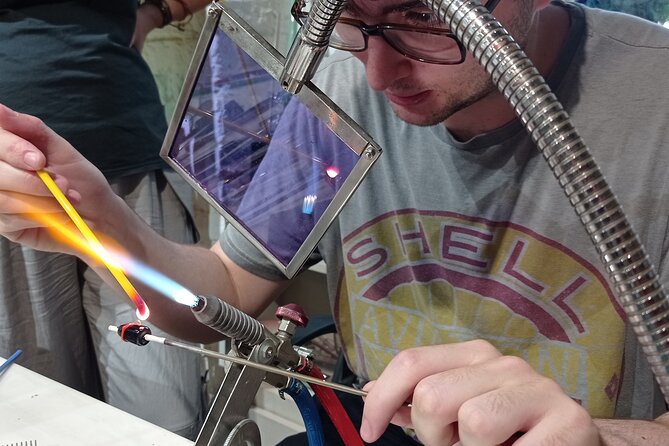
- 1200°C flameworking: Efetre glass rods melt under a torch flame
- Two demo sessions before you choose your shape, style, and colors
- Apron + protective glasses when it’s time for hands-on making
- Heat-blanket cooling and your finished piece handed back to you
- From bead to jewelry using auxiliary parts and hand tools
Flameworking in Beyoğlu: the 1200°C torch experience
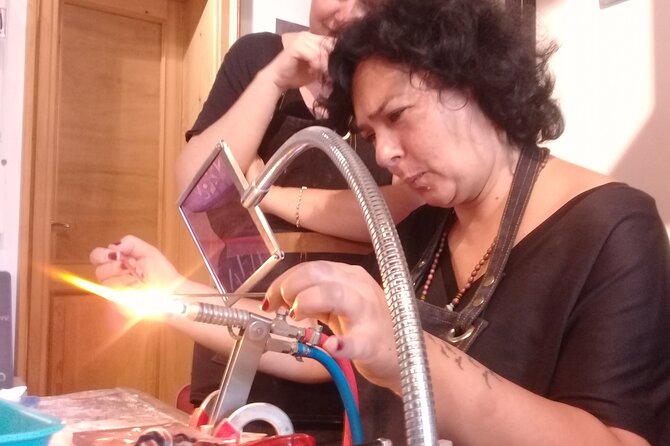
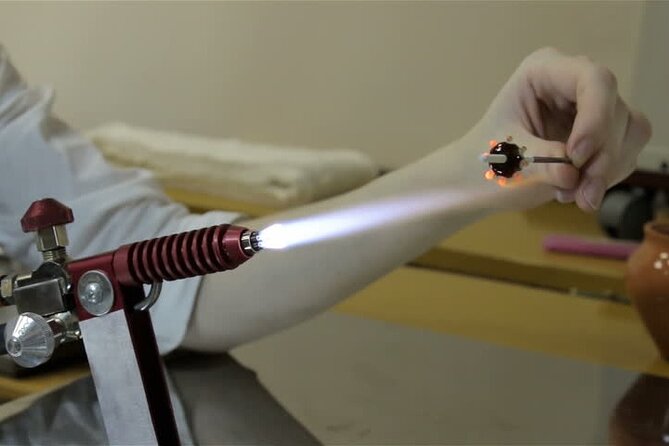
Flameworking is one of those crafts that looks almost magical until you watch the process up close. In this Istanbul workshop, you melt Efetre glass rods using a torch flame that reaches around 1200°C. The temperature matters because it’s what allows solid glass to turn fluid quickly enough to shape, stretch, twist, and form beads.
What you’re really learning isn’t just how to make one bead. You’re picking up the practical rhythm of lampworking: how the glass behaves as it melts, how the tools change what you can do, and how small choices in color and form show up in the final object.
You can also read our reviews of more tours and experiences in Istanbul.

How your 1h45 workshop runs: coffee, demos, then making
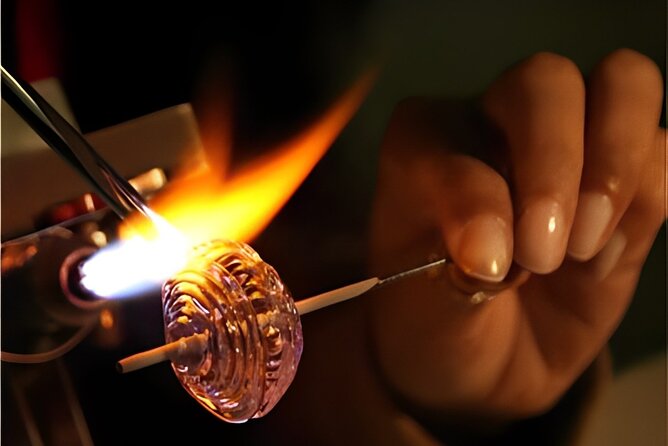
The session is built around a gentle learning curve. You’ll sit at the start with coffee while the artist explains the flameworking technique, along with the tools and materials they’ll use. It’s a nice setup because you aren’t thrown straight into the heat. You’re building context first.
Then you get two demonstration sessions. This is where you see how the torch flame works, how the glass rod transitions from solid to liquid, and how the piece takes shape. Watching twice helps, because the first demo gives you the big picture, and the second one makes the steps feel repeatable.
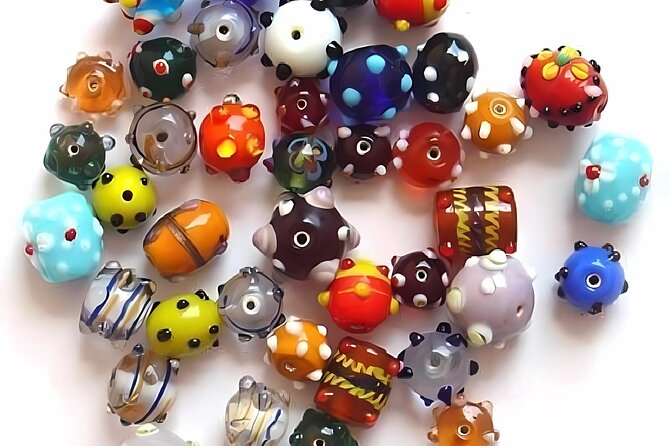
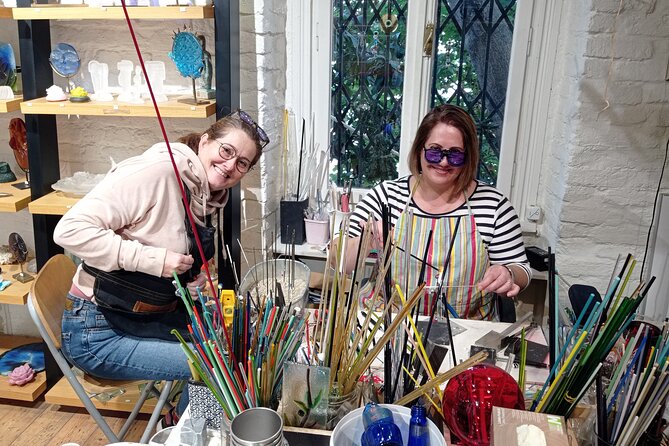
After that, you make your choices. You’ll decide on the shape, style, and colors from the samples the master shows. This is a key value point: the workshop isn’t just generic “make something.” You’re guiding the look of the piece from the start.
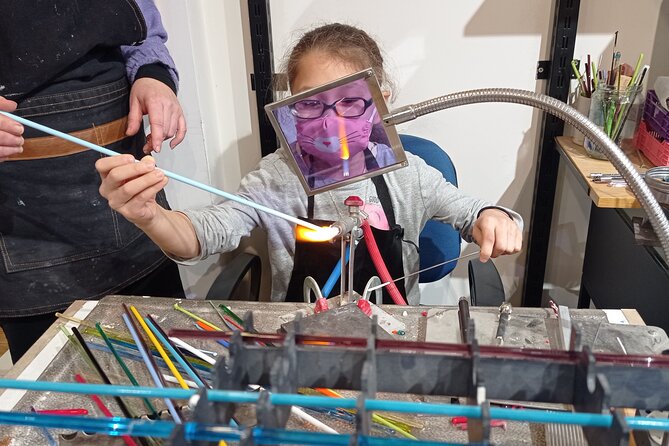
When it’s time to do your own work, you put on aprons and protective glasses. Then you start melting and shaping your piece with the artist’s support, not by guessing in a hands-off way.
Choosing colors and styles from Efetre glass samples
The best part of small workshops is the decision stage. You’ll look at the glass samples and choose the colors and the general form you want. That choice has a direct payoff: you’ll be the one who turns those chosen colors into a real bead and then into wearable art.
Because the process is torch-based, colors don’t always behave like paint. They can look different once melted, pulled, and formed. That’s why the samples step matters. You’re using the workshop’s prepared reference points to reduce uncertainty and speed up the moment when you can relax and focus on technique.
If you’re the type who likes planning, you’ll probably enjoy this stage most. If you’re more spontaneous, you can still let the master’s suggestions steer you, since you’re making a small piece with direct guidance.
Safety and comfort: what to expect before the torch time
This isn’t a casual “watch from the sidelines” class. It’s an active craft, and safety is part of the experience. The studio provides aprons and protective glasses once it’s time for you to work at the torch.
You should expect the pace to be guided. The group sits together, the master demonstrates, then you move into making under support. That structure matters because flameworking has a lot of tiny steps, and doing it wrong is frustrating, not dangerous—especially when someone can correct your technique while you’re learning.
Also, the cooling step is handled for you. After you complete your work, it’s cooled in a heat blanket and then handed back to you. That means you’re not managing the hardest part at the end, when you might otherwise worry about damage or timing.
Turning your bead into jewelry you can actually use
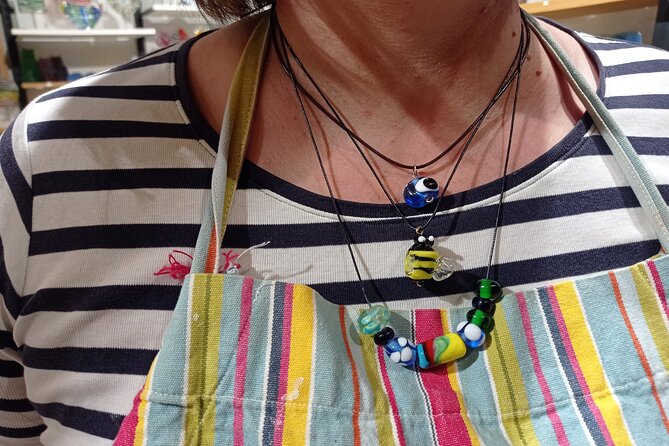
Once your bead or glass piece is finished and cooled, you don’t stop there. You’ll create a simple jewelry piece using auxiliary parts and hand tools. The goal is practical: you’ll leave with something you can wear, use, or gift.
This is one reason the workshop feels like good value. Many “craft” activities end with a finished object you’re meant to hang on a shelf. Here, the last stage pushes you toward a usable result—often the difference between a nice souvenir and a keepsake.
You’ll also get a chance to shape your piece with intention. Color and form aren’t just aesthetic choices; they determine how your bead looks once it’s set into jewelry.




Small group format: 2 to 5 people and why that matters
This workshop runs for 2–5 people. It’s not offered with just 1 participant, so if you’re traveling solo, you’ll need to book with at least one other person in your group or coordinate with someone who’s also looking.
The good news is that the small size is exactly what makes flameworking comfortable. With fewer people, you get steadier attention when you’re learning the flame-to-glass workflow. That’s also how you end up leaving with a finished piece rather than a halfway attempt.
Since it’s a private session for your group, you avoid the awkward feeling of sharing your learning moment with strangers who are on different skill levels.
Price and value: what $96.11 buys you in Istanbul
At $96.11 per person for about 1 hour 45 minutes, you’re paying for more than “a lesson.” You’re paying for supervised equipment time, glass materials (including Efetre rods), and guided finishing so you walk out holding something completed and cooled.
What’s included helps justify the price:
- all fees and taxes
- coffee and/or tea
- a certified guide
What isn’t included is lunch, so plan your meal around the workshop timing.
If you’re trying to find value in a city packed with tours, this one stands out because it’s hands-on and personal. You’re not just observing Istanbul from a distance. You’re learning a craft step-by-step and leaving with an item that carries the memory of the work itself.
Where to go: Dega Cam Sanat Atölyesi in Beyoğlu
The workshop starts at Dega Cam Sanat Atölyesi, Bereketzade, Camekan Sk. 1/C, 34421 Beyoğlu/İstanbul and ends back at the same meeting point.
It’s near public transportation, which is a big deal for a workshop. You don’t want to lose time hunting for parking or dealing with complicated last-mile directions, especially when your total time on-site is less than two hours.
Tip: give yourself a little buffer to arrive calmly. You’ll enjoy the coffee-and-demo start more if you’re not rushing in at the last second.
Who should book this flameworking session (and who should skip)
This is a strong fit if you want:
- a hands-on craft in Istanbul that’s not physically intense
- a short class with a clear end result
- English instruction with a small group
- a workshop that guides beginners without making you feel out of place
It may not be your best match if:
- you’re traveling completely solo and can’t find a second participant to join
- you want a long activity with minimal structure (this is very step-by-step)
If you’re doing an Istanbul trip with a packed schedule, the timing can work nicely. It’s short enough to fit into a day without swallowing your whole afternoon.
Booking thoughts: should you do it?
I’d book this if you enjoy practical learning and want a souvenir that feels earned. The mix of coffee-first teaching, two demos, guided torch time, and the final bead-to-jewelry step is a well-formed learning arc for first-timers.
Before you commit, check two things: the session requires 2–5 people, and the experience depends on good weather. If weather gets poor, you’ll be offered a different date or a full refund, so you’re not stuck.
If you want one cultural activity that’s still fun and hands-on, this is a solid choice.
FAQ
What is flameworking?
Flameworking is melting Efetre glass rods using a torch flame that reaches about 1200°C. The workshop explains this technique and then helps you shape the melted glass into your own piece.
How long does the workshop last?
The glass melting and shaping session is about 1 hour 45 minutes (approx.).
How many people can join at once?
It can be held with 2–5 people. It cannot be held with only 1 person.
What will I make at the end?
You’ll make a glass artwork (including a bead) and then turn it into jewelry using auxiliary parts and hand tools. Afterward, your piece is cooled in a heat blanket and handed to you.
Is the workshop offered in English?
Yes, the experience is offered in English.
What is included in the price?
The price includes all fees and taxes, coffee and/or tea, and a certified guide.
Is lunch included?
No. Lunch is not included.
What safety equipment do you provide?
Before torch time, you put on aprons and protective glasses.
Where does the experience take place?
It starts at Dega Cam Sanat Atölyesi, Bereketzade, Camekan Sk. 1/C, 34421 Beyoğlu/İstanbul and ends back at the same meeting point.
What if the weather is bad?
The experience requires good weather. If it’s canceled due to poor weather, you’ll be offered a different date or a full refund.
If you want, tell me your travel dates and whether you’re traveling solo or with friends, and I’ll suggest the most sensible timing for fitting this into a Beyoğlu day.