REVIEW · ISTANBUL
Istanbul Blue Mosque Guided Tour
Book on GetYourGuide →Operated by Istanbul Tourist Pass® · Bookable on GetYourGuide
Blue Mosque tiles can halt you in your tracks. This 1-hour guided visit helps you make sense of the Ottoman-era design while you admire the Blue İznik tiles and the Sultan Ahmed Mosque details with a licensed English-speaking guide. It’s also a chance to experience a living place of worship, not just a photo stop.
My favorite part is how the guide connects what you see to what came before. You’ll learn why this mosque looks the way it does, what the complex was meant to represent, and how Islamic art shows up in everyday spaces. One heads-up: groups can be busy, and when everyone is trying to listen at once (or translate), it can be tough to hear every word inside.
In This Review
- Key things to know before you go
- Why a guided Blue Mosque stop is worth $11
- Where to start in Sultanahmet Square (and how to find your guide)
- Fatih and Sultan Ahmed: the Ottoman story you’ll hear in plain terms
- Entering the Blue Mosque: dress code, shoes, and quick reality checks
- What you need on you
- Shoes come off
- Expect security checks
- Iznik tiles and Ottoman architecture: what to look for inside
- What you can access (and what you can’t)
- The 1-hour pace: how the visit actually works
- Timing tips: 09:15 vs 16:30 and the reality of crowds
- Wheelchair access: good news with one important limitation
- Who should book this (and who might skip it)
- Should you book this Blue Mosque guided tour?
Key things to know before you go
- One hour, two perspectives: you’ll get guidance for both the exterior presence and the interior artwork.
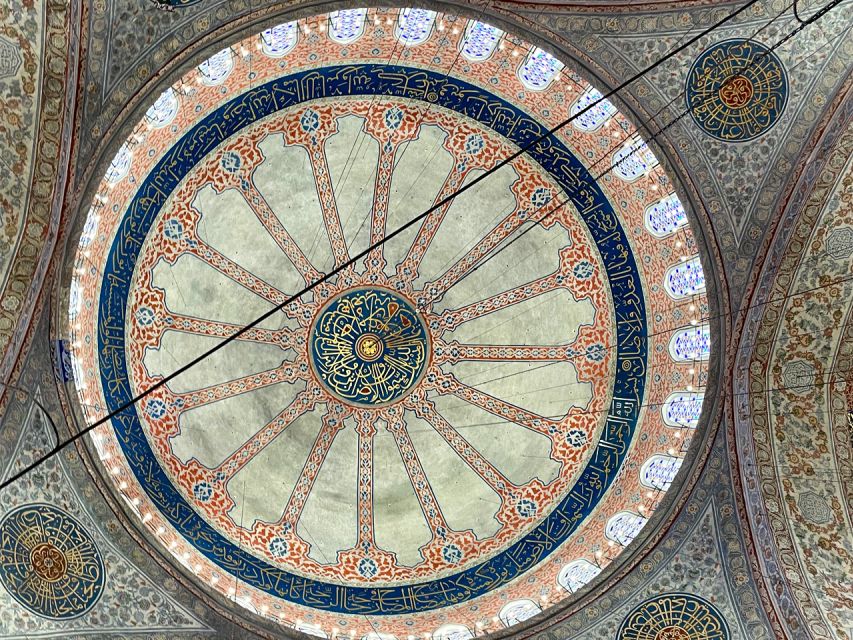
- Iznik tiles are the star: expect to focus on the famous blue tilework and what it signals about design and devotion.
- You’ll meet in Sultanahmet Square: look for your guide at Dsign Cafe holding an Istanbul Tourist Pass flag.
- Dress and shoe rules are real: long sleeves, covered legs, and headscarves (borrowable) come into play fast.
- Small group format: you’re set up for questions, not just a lecture from afar.
- Prayer times can pause entry: the mosque may close to visitors during worship.
Why a guided Blue Mosque stop is worth $11
At $11 per person, this tour is cheap for what you get: a licensed, English-speaking guide focused tightly on the Blue Mosque experience. You’re not paying for transport or a long bus ride. You’re paying for interpretation—someone helping you notice things you’d otherwise skim over.
The Blue Mosque is famous for a reason, but fame can make you feel rushed. A guide slows you down in the right places. You’ll be prompted to look beyond the obvious symmetry and toward the design logic: the role of tilework, the way space is arranged for worship, and the story of how the Ottoman Empire expressed faith through architecture and art.
If you like monuments that reward attention—rather than just walking past them—this price feels fair.
You can also read our reviews of more guided tours in Istanbul



Where to start in Sultanahmet Square (and how to find your guide)
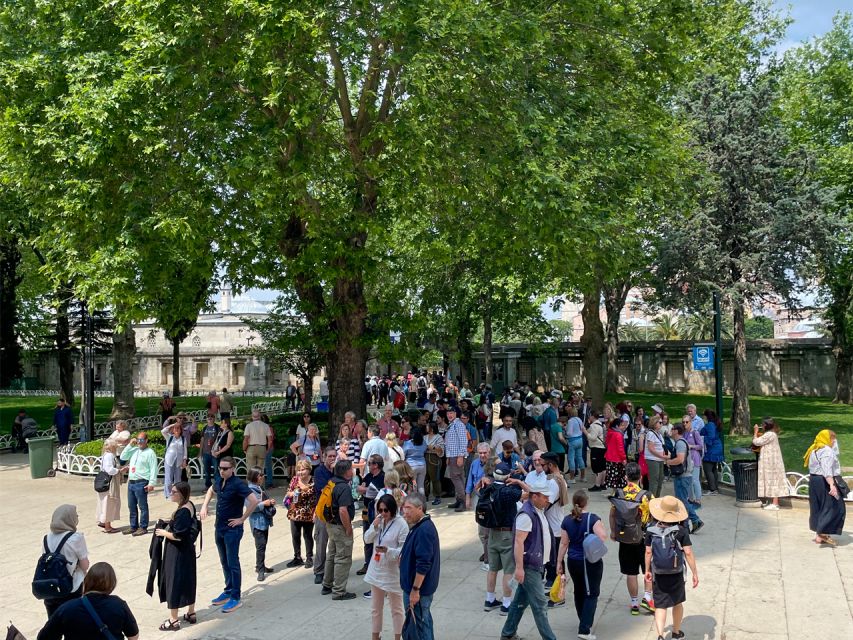
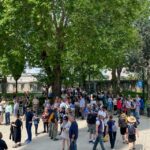
This is a no-hotel-pickup tour. You’ll meet in Sultanahmet Square at Dsign Cafe, where the guide holds a white flag with the Istanbul Tourist Pass logo.
Plan to arrive a bit early. They ask for at least 15 minutes before the start time. That buffer matters because you’ll still need to clear security checks before you’re inside the mosque area.
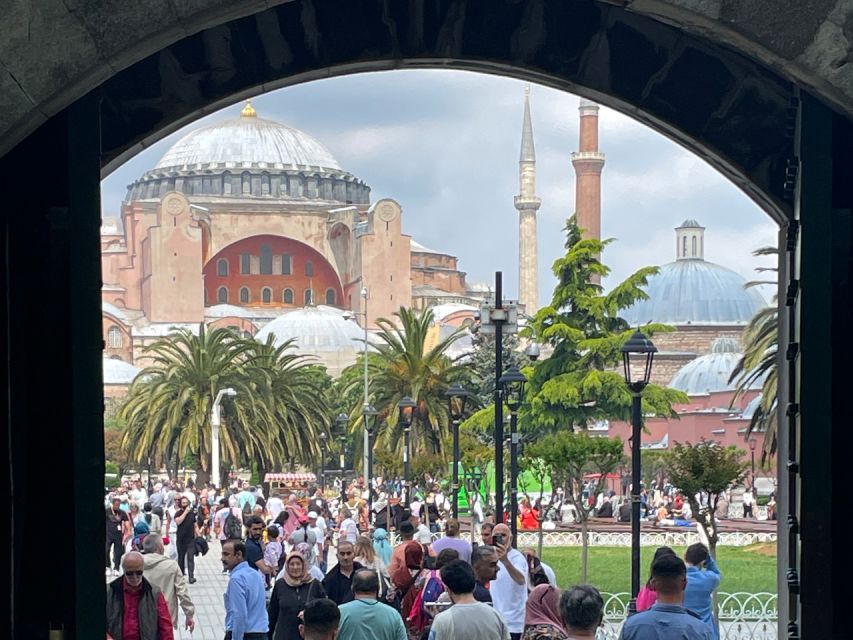
The good news: the meeting spot is in the heart of the historic zone. Once you’re there, the whole area around the Hippodrome and Sultanahmet Square is within easy walking distance, so even your waiting time can feel productive.
Fatih and Sultan Ahmed: the Ottoman story you’ll hear in plain terms
The mosque is often called the Blue Mosque, but its formal name is the Sultan Ahmed Mosque. This matters because the naming points you straight to the Ottoman connection: it was commissioned by Sultan Ahmed I as part of a grand imperial complex.
In a one-hour tour, you won’t leave with a 20-page book report. Instead, you’ll get the key anchors:
- how the mosque fits into the Ottoman imperial vision
- how classical Ottoman architecture shows itself in scale and layout
- how Islamic art is meant to guide the eye and support worship
One detail I like: your guide doesn’t just point at the building. They also help you understand what you’re seeing while you’re looking at it—so you’re not waiting until the end to feel like you learned something.
And if you happen to get a guide like Fatih Mehmet or Fatih (names that have come up in past tours), you’re likely to get clear answers and lots of on-the-spot explanation. Some guides also talk in a way that keeps things fun without being disrespectful in a mosque setting.
Entering the Blue Mosque: dress code, shoes, and quick reality checks
This is an active place of worship, so the rules are not optional.
What you need on you
Bring:
- a long-sleeved shirt
- a headscarf
Long shorts and sleeveless tops are not allowed. For women, the expectations include covering head, shoulders, and knees. If you’re missing a scarf, scarves are available to borrow.




Shoes come off
Before entering, you’ll remove your shoes. A plastic bag is provided so you can carry them during your visit.
Expect security checks
Security checks are mandatory. Give yourself extra time so you don’t end up stressed at the door. This is a common rhythm for major sites in Istanbul, and it can affect how smoothly your one-hour window feels.
Also note: loud talking isn’t allowed, and flash photography is not permitted inside. Think “quiet respect,” not “tour group volume.”
Iznik tiles and Ottoman architecture: what to look for inside

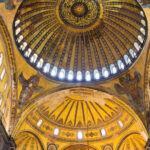
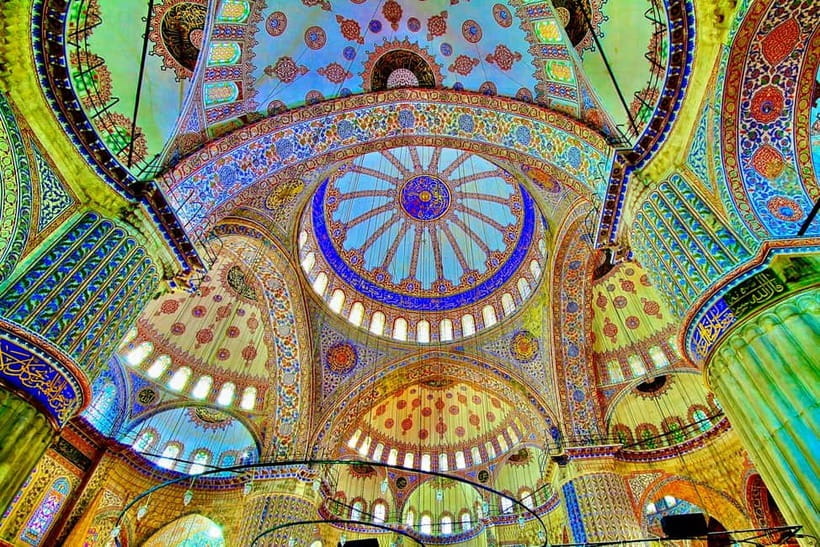
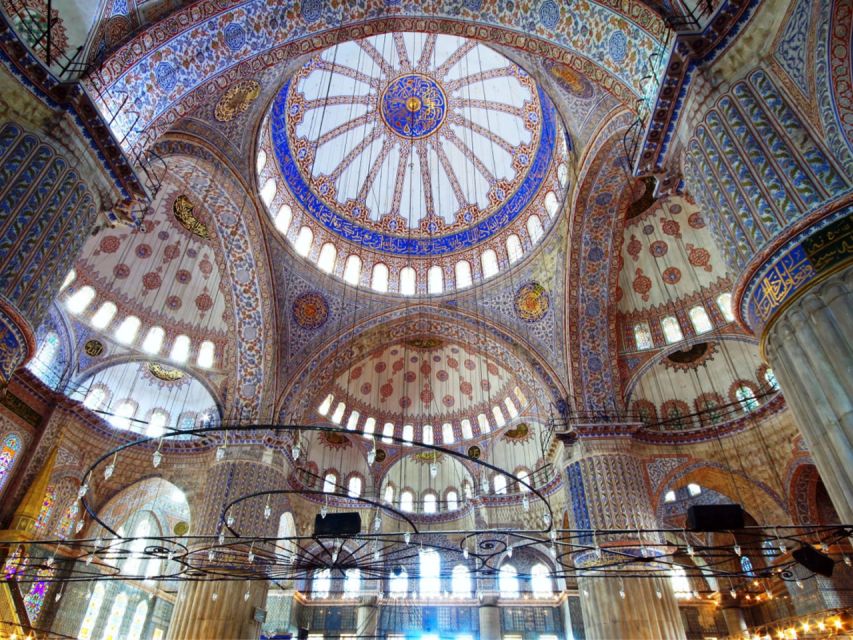
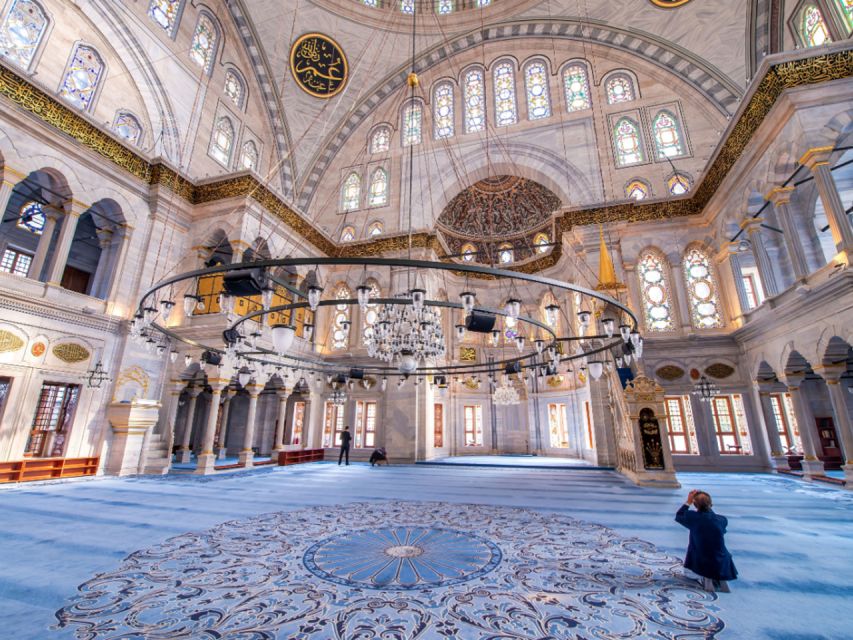
The Blue Mosque interior is where the “Blue” part earns its reputation. The famous blue İznik tiles line the interior, and the guide helps you read them instead of just admiring them.
When you’re standing inside, here’s what the guide experience typically turns into:
- you notice the tile patterns more than you’d expect
- you learn how the artwork supports the spiritual atmosphere
- you understand how architectural choices create a sense of order and focus
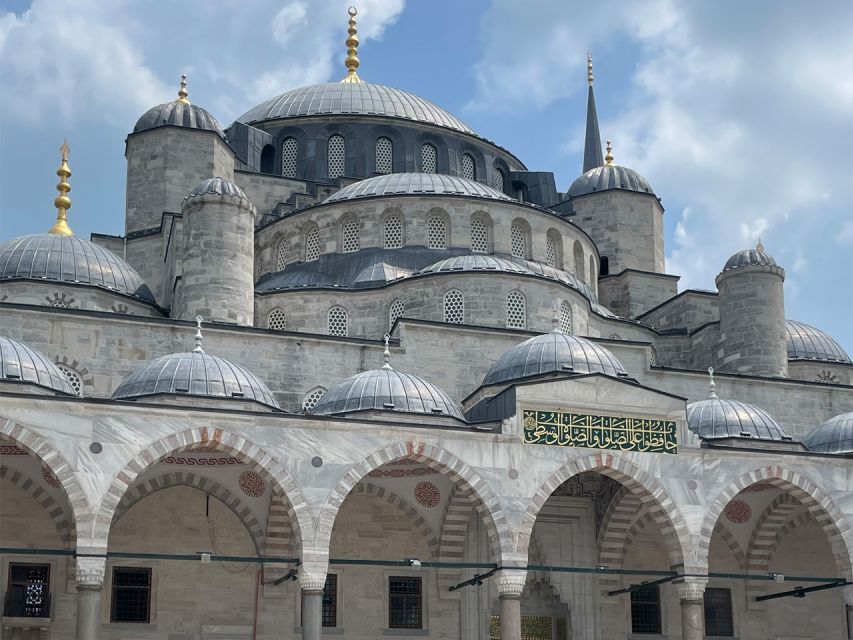
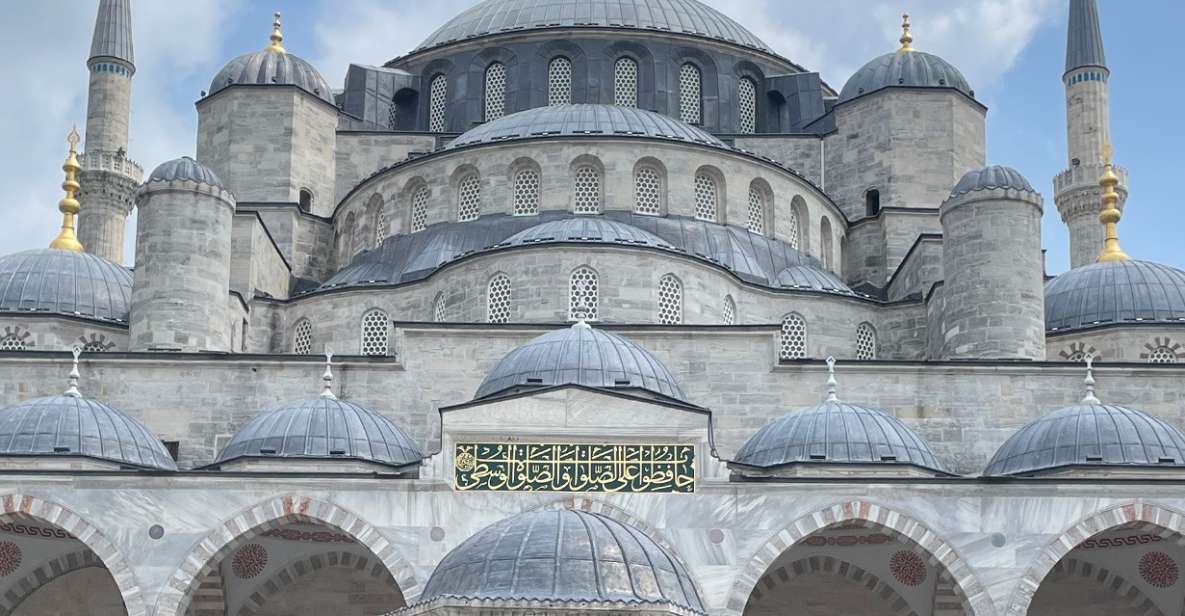
The mosque’s six minarets are visible from the outside and part of why this building dominates the skyline. Inside, the attention shifts from outward silhouette to inward meaning—how the space feels designed for worship and contemplation.
A useful mindset: don’t try to photograph everything. Let your eyes do the work first, then snap a few careful shots where allowed.
What you can access (and what you can’t)
This tour focuses on the main experience. You get access to the visitor areas of the mosque, but you do not get into non-public areas.
Practically, that means you should plan your expectations around seeing the mosque properly and learning the key stories, not chasing restricted rooms or backstage access.
Also, the mosque may close to visitors during prayer times or special religious events. On a day with changes, you’ll feel that impact quickly. The guide will still do their best to keep the group aligned, but the building has its own schedule.
The 1-hour pace: how the visit actually works
This isn’t a “wander at your own speed” tour. It’s a guided hour that aims to cover:
- the big architectural and historical points
- the visual highlights of the interior (especially the tiles)
- space-by-space context so you understand what you’re looking at
Because the timing is short, you’ll get more value if you come ready to pay attention. I’d treat it like a museum visit with a mission: understand the story while you’re still there, so the site sticks after you leave.
One practical perk: multiple guides have been praised for explaining the surrounding area as well, not just reciting facts from inside the prayer hall. That helps you connect the mosque to Sultanahmet Square and the broader historic district.
If you hate rushing, this may feel brief, but the pace is also the point. You’re getting the essentials without burning half a day.
Timing tips: 09:15 vs 16:30 and the reality of crowds
Tours run daily at 09:15 and 16:30, except Fridays. That gives you two choices depending on your day’s rhythm.
In general:
- Morning often helps you get settled before your Istanbul sightseeing day gets hectic.
- Later in the day can work well if you’ve already paced yourself around Sultanahmet and want a focused final stop.
No matter when you go, understand the Blue Mosque is one of the most visited sites in Istanbul. Even with a guided group, you may wait as part of the shared entry process. One guide can keep you engaged during those gaps—some have even used light games or questions to keep the group thinking while waiting.
If you’re the type who wants quiet, a smaller group and early arrival can help. Even then, it’s still a big landmark.
Wheelchair access: good news with one important limitation
The tour information says the overall experience is not wheelchair accessible due to uneven ground around the mosque. However, it also notes that the Blue Mosque is wheelchair accessible.
Here’s the key detail to plan around: personal wheelchairs aren’t allowed inside the prayer hall to protect the carpets. Visitors can transfer to a mosque-provided wheelchair with staff assistance at the entrance.
If this affects you, it’s smart to be ready for a transfer step and to ask staff on-site how assistance will work for your specific situation.
Who should book this (and who might skip it)
Book it if you:
- want a clear, guided understanding of the Blue Mosque in about an hour
- love architecture and Islamic art details like the İznik tiles
- appreciate a respectful visit inside a functioning mosque
- like having a guide answer questions as you go
You might skip it if you:
- only want a self-paced photo walk and already feel confident reading Ottoman architecture on your own
- can’t handle modest dress rules and shoe removal right now
- need a setting with very low noise and very small listening zones (groups can get loud when everyone is trying to hear)
Should you book this Blue Mosque guided tour?
Yes, if you want the most meaning for the least time. At $11, the value is the explanation you get inside a site that can otherwise feel like a blur of crowds and icons.
I’d book it with a simple strategy: arrive early, dress correctly, and treat the guide’s job as your shortcut to understanding what you’re looking at. If you’re hoping for total quiet, plan around the fact that this is a busy, active mosque with security and prayer rhythms.