REVIEW · ISTANBUL
Colors of Turkey – 8 Days
Book on Viator →Operated by Turkey Tours Company · Bookable on Viator
Istanbul to Cappadocia in eight tightly guided days. I like how this trip stitches together big highlights with guided visits and smooth internal flights, so you’re not spending the vacation time figuring out routes. I also like the way the route covers both Ottoman icons and ancient ruins, from Hagia Sophia and Topkapi to Ephesus and the cotton-white terraces of Pamukkale.
One thing to consider: the experience depends on punctual pickups and solid lodging. In one unhappy account, a guest described late pickup issues and hotel problems, including bed-bug concerns—so I’d treat confirmation details (pickup time, hotel name, and any special needs) as part of your prep.
In This Review
- Key things that make Colors of Turkey worth your attention
- Price and value: what you’re really paying for
- Day 1 in Istanbul: landing, hotel transfer, and a clean start
- Day 2 in Sultanahmet: Hagia Sophia, Blue Mosque, Topkapi, and the Bazaar
- Day 3: Pamukkale’s cotton terraces and Hierapolis’ limestone ruins
- Day 4 in the Ephesus area: Roman streets, the amphitheater, Artemis, and Mary’s House
- Day 4 also transitions to Cappadocia: flights and the “arrive and settle” approach
- Day 5 in Cappadocia: Devrent Valley, Pasabag chimneys, Avanos pottery, and Uchisar photos
- Day 6: underground city history, Goreme Panorama churches, and Kayseri back to Istanbul
- Day 7: Bosphorus shared cruise, Misir Çarşısı spices, and a last Istanbul night
- Day 8: free time in Istanbul and flight home
- Practical tips that can make or break the trip
- Should you book Colors of Turkey?
- FAQ
- What does the Colors of Turkey tour include?
- What entrance fees are not included?
- Do I need to bring anything for Hagia Sophia?
- Is Grand Bazaar always open?
- Where do they pick you up and drop you off?
- What kind of transportation is used?
- Is the tour guided at each location?
- Can the itinerary change?
Key things that make Colors of Turkey worth your attention
- Sultanahmet full-day rhythm: Hagia Sophia, Blue Mosque, Topkapi, and the Grand Bazaar in one organized sweep
- Ancient-meets-wow stops: Pamukkale’s mineral terraces plus Hierapolis’ limestone ruins and necropolis
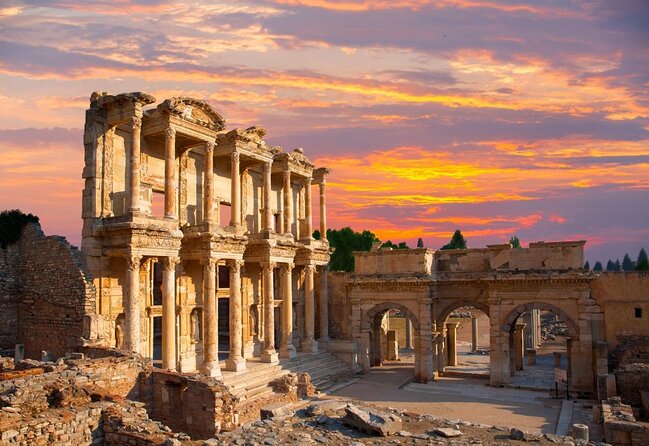
- Ephesus at Roman scale: you’ll see the amphitheater, major city streets, gates, and the Temple of Artemis area
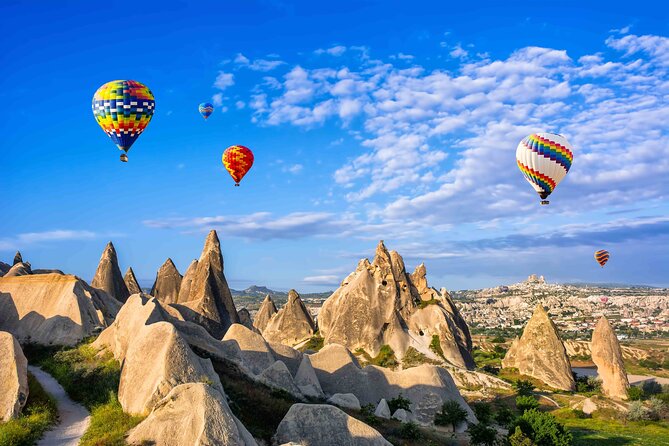
- Cappadocia beyond the photos: fairy chimneys stops, a pottery stop in Avanos, and church-history viewpoints
- Underground history in the morning: Kaymakli-type underground city touring early in the day
- Bosphorus on a shared boat: a straightforward way to get the Europe–Asia perspective
Price and value: what you’re really paying for
At $2,890.40 per person for an ~8-day loop, this is not a budget deal. You’re paying for three big things that reduce friction: accommodations, internal flights, and a fully air-conditioned vehicle that handles transfers between cities and major sites.
To judge value, I look at how much time the plan saves you. Istanbul alone could take multiple days if you self-plan everything. Here, you get guided structure and transport so you’re not losing half your day in ticket lines, transit confusion, or “wait, where do we go next?” moments. The tradeoff is that you’re on someone else’s schedule, and you’ll still have to pay some key entrance fees separately.
Also, your final cost may rise a bit depending on what you want to see beyond the included pieces, plus any optional ticket upgrades your guide offers (for example, skip-the-line help is mentioned for several high-demand sites).
If you’re the type who likes to move fast and see the “greatest hits” without doing homework, the price starts to make sense. If you hate tight timing, you might feel it.
You can also read our reviews of more tours and experiences in Istanbul.

Day 1 in Istanbul: landing, hotel transfer, and a clean start
Your tour starts the moment you arrive at Istanbul Airport. You get a transfer to your hotel and an overnight stay, which matters more than it sounds. Jet lag hits hard in Istanbul traffic, and having that first handoff already solved helps you stay in vacation mode.
This day is simple: get settled. No major marathon sightseeing day one, which is a smart design choice. It also gives you time to plan your religious-site wardrobe and decide how you’ll handle Hagia Sophia requirements later in the week.
Practical note: since pickup is from central Istanbul hotels and you’ll be dropped back at the same hotel at the end, double-check your address and that your hotel is in their pickup zone.
Day 2 in Sultanahmet: Hagia Sophia, Blue Mosque, Topkapi, and the Bazaar
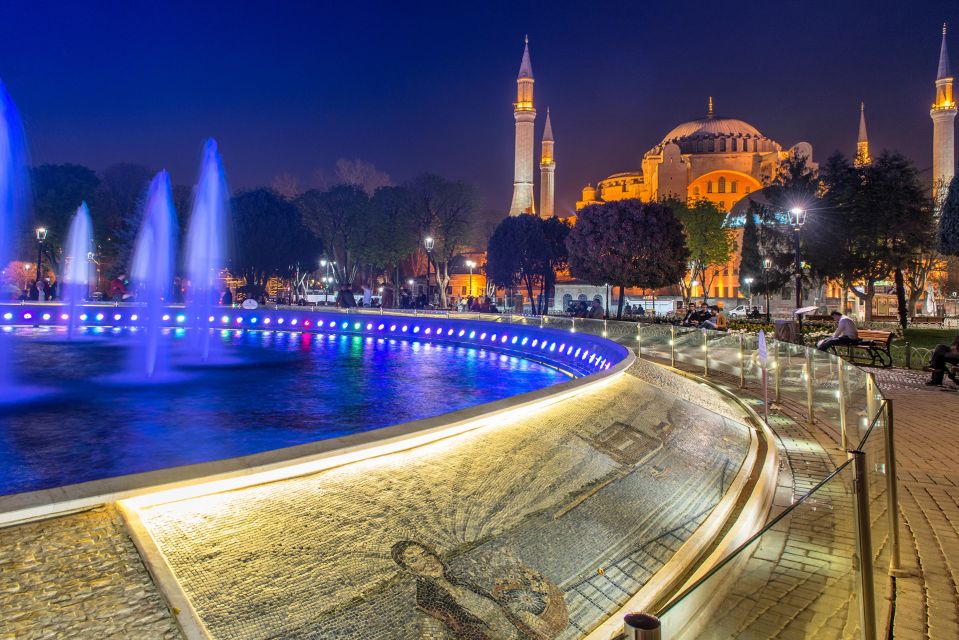
This is the “big day” in Istanbul. You start at the Hippodrome, the former center of sport and public spectacle in Constantinople. Even though you’re not walking through a fully preserved stadium, the monument-focused stops are a nice way to get your bearings in the old city.
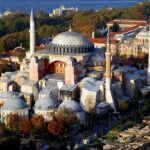
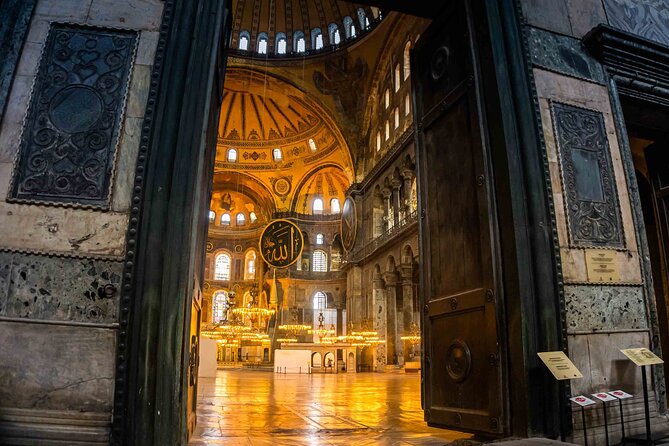
Then comes Hagia Sophia. This building has layers: a 6th-century church under Justinian, an Ottoman mosque after 1453, then a museum phase—each era left marks. Expect crowds and logistics. Your entry fee is not included, and the details specifically call out the need to bring your own head covering and a headset/scarf setup for the visit. Also, Hagia Sophia can be restricted during praying time, so the day’s flow can feel a bit flexible around that reality.
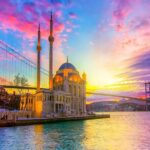
Next you visit the Blue Mosque (Sultanahmet Mosque). It’s free in this plan and is closed on Friday, so day-of scheduling matters. Topkapi Palace follows, but it’s closed on Tuesday and entrance is not included. The palace is described as an Ottoman seat of administration and arts, with highlights like the imperial treasury, Islamic relics, palace kitchens, and weapons—exactly the kind of details that help the site feel less like a museum catalog and more like a lived power center.
Finally, you end with the Grand Bazaar. Shopping here is part of the experience, and it’s also part of the culture lesson: carpets, leather goods, Turkish delight, gold, jewelry, and antique tiles. The bazaar closes on Sunday, so again, your actual calendar day matters.
One good way to handle a day like this: wear comfortable shoes and expect a lot of walking. Istanbul tours here are walking tours, and the plan includes several major stops close enough to do in one day, but still enough to fatigue you if you show up in anything too fancy.
Day 3: Pamukkale’s cotton terraces and Hierapolis’ limestone ruins
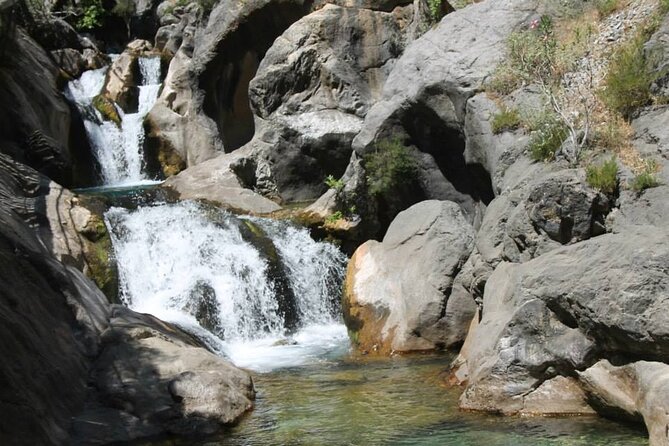
After breakfast you head to Pamukkale, often called the Cotton Castle because of the pale, mineral-white terraces. This is one of those places where the scenery does half the explaining. The mineral pools and thermal-spa reputation goes back to Roman era use, and the setting itself keeps drawing people back even when you’ve seen photos already.
Pamukkale entrance fees are not included. The site time is listed as about 4 hours, which gives you enough time to see the terraces and the main areas without turning it into a full-day slog. If you like photographing textures—white mineral layers, warm light, and tiny pools—this timing usually works well.
Then you pair it with Hierapolis and the UNESCO-listed ruins. Hierapolis is described as evangelized by Paul and associated with Apostle Philip, but the real “wow” is the way the ruins spread over limestone deposits above the mineral springs. You also get the necropolis element, including sarcophagi of important figures like Marcus Aurelius.
After the day’s sightseeing, you transfer to Kusadasi and overnight. That hotel night matters: it positions you well for Ephesus the next day without forcing another long commute the morning you’re still fresh-ish.
Day 4 in the Ephesus area: Roman streets, the amphitheater, Artemis, and Mary’s House
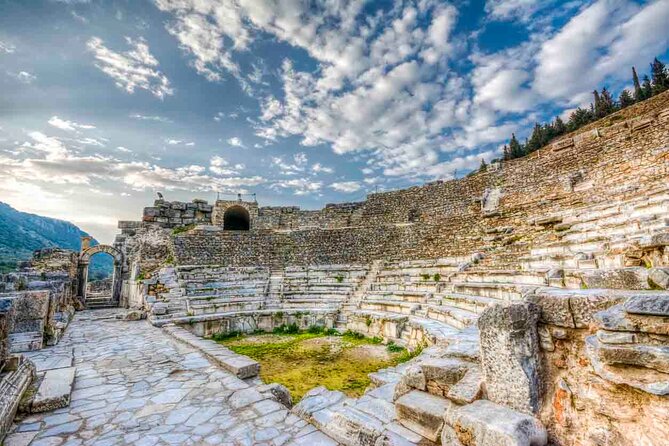
Ephesus is the star, and the plan leans into it. You’re timed at about 3 hours, which is enough to hit major structures without feeling like you’re speed-walking the whole city.
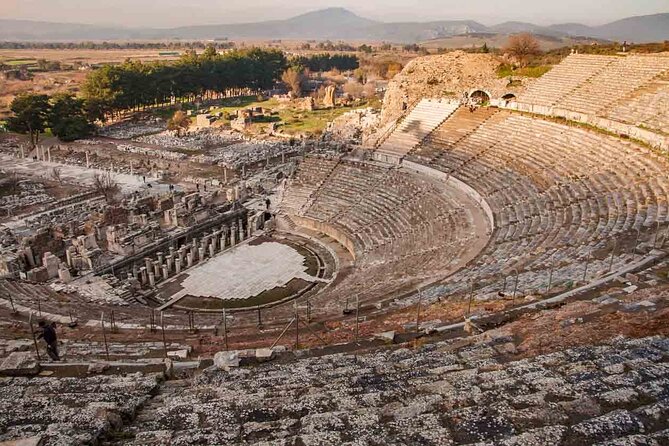
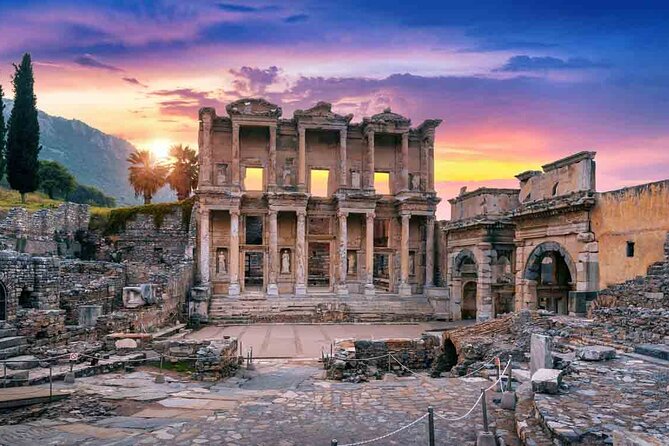
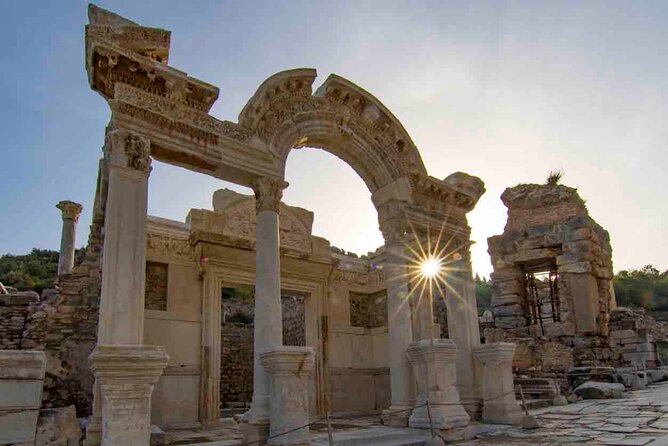
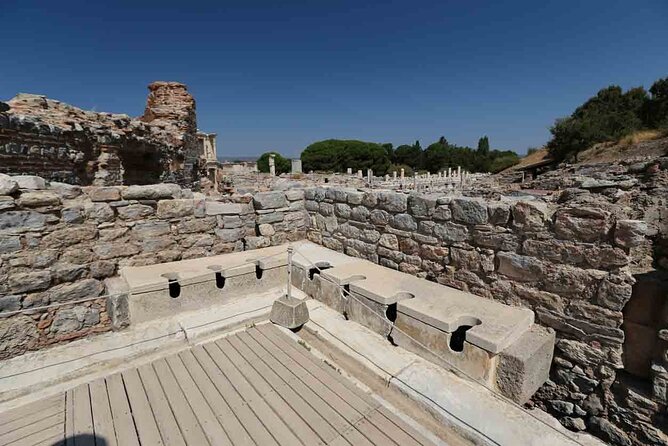
The tour framing is clear: Ephesus was one of the biggest Roman-era cities, with an amphitheater mentioned as seating over 25,000. You also get specific stops like Hadrian Gate, the Library of Celsus (listed as the third largest library), marble street and harbor street, plus a local pharmacy and Goddess Nike.
A short add-on follows with the Temple of Artemis area. The plan says it was built in the 6th century and was among the Seven Wonders of the World. It’s only about 15 minutes here, so treat it as a quick “see and connect the dots,” not a full museum-grade deep stop.
Then there’s the House of the Virgin Mary. This is described as a place where Mary spent her last days, with a shrine and a green hillside atmosphere. Time is short (about 45 minutes), but it provides a different tone from Roman stone. The entrance is not included.
After Ephesus and its pair of spiritual stops, you head back to your hotel in Kusadasi for overnight. The next day shifts you onward.
One practical thing: entrance fees here are not included, and Ephesus’s fee is specifically listed with a note that you can pay the guide for skip-the-line tickets. If you care about cutting lines, it’s worth asking early.



Day 4 also transitions to Cappadocia: flights and the “arrive and settle” approach
The itinerary includes a move from the Ephesus region toward Izmir Airport, then onward flight to Kayseri, and finally reaching Goreme for overnight in Cappadocia.
This travel structure is common in Turkey multi-city tours: you front-load the big sight time in the morning, then use flights to preserve what’s left of your day.
Don’t underestimate the value of that “arrive and settle” overnight. Cappadocia towns can feel busy for a few hours and then calm down, and that’s easier to enjoy if you’re not trying to cram in a major viewpoint the moment you land. The tour plan does the heavier sightseeing on Day 5 and Day 6.
Day 5 in Cappadocia: Devrent Valley, Pasabag chimneys, Avanos pottery, and Uchisar photos
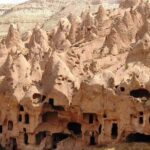
Cappadocia starts with Devrent Valley, also called Imagination Valley. You’ll see fairy chimney formations described as roughly 30 million years old. This stop is a visual warm-up: look at the shapes, then look again at how erosion created the forms.
Next you go to Pasabag, where you’ll see the most interesting fairy chimneys. The plan specifically compares them to Hobbit and Smurfs-style imagery, which is a good mental cue. It’s an easy place to understand why people fall in love with this landscape.
Then comes Avanos, a pottery stop and workshop-style visit with a local pottery shop and info about how people made art dating back to the Hittite period. Even if you don’t buy anything, it’s a useful cultural break from pure scenery.
Uchisar Castle and Pigeon Valley follow as photography stops. Time is tight but focused—about 15 minutes for Uchisar and shorter for Pigeon Valley. If you like pictures, these are usually the “stand at the right spot, frame it, move on” moments.
Entrance fees are not included for several Cappadocia items listed in the details, including the Goreme Open-Air Museum fee (later day), so go in prepared with extra payment options.
Day 6: underground city history, Goreme Panorama churches, and Kayseri back to Istanbul
The day starts early with an underground city visit. The plan lists Ozkonak Underground City and also mentions Kaymakli Underground City for Christians who protected themselves from persecutions and invasions over centuries. Underground history is one of those topics that surprises people: it’s not just “cool caves,” it’s a survival story you can read in the layout and tight spaces.
Then you stop at a Sarihan Caravanserai, described as a 13th-century residence for merchants and their camels. It’s a good interlude that keeps the day from becoming only cave-and-viewpoints.
Next is Goreme Panorama, timed at about 1 hour. This is where you get the region’s church remnants and Christian history framing, plus the viewpoint angle that makes Cappadocia photos look easy—even though in reality it’s all about choosing the right vantage.
Pigeon Valley is the last major sightseeing item, with a fun local detail: pigeons contributed to local vineyard fertilizing through manure. If you like learning how people used a natural system, this kind of note is worth paying attention to.
Finally, you transfer to Kayseri Airport and fly back to Istanbul, then overnight back in Istanbul.
Day 7: Bosphorus shared cruise, Misir Çarşısı spices, and a last Istanbul night
Day 7 shifts the vibe to water and food. You start with transfer to the airport and flights back to Istanbul in the morning (the plan describes this as returning to Istanbul). Then you do a Bosphorus by shared boat cruise.
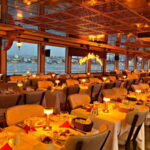
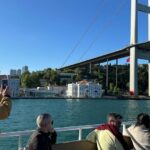
This is a simple, efficient way to see two continents: Europe and Asia, passing Dolmabahçe Palace and Beylerbeyi Palace on the route. The details say the boat portion is about 1 hour. Expect it to feel scenic and relaxing compared to the stone-heavy previous days.
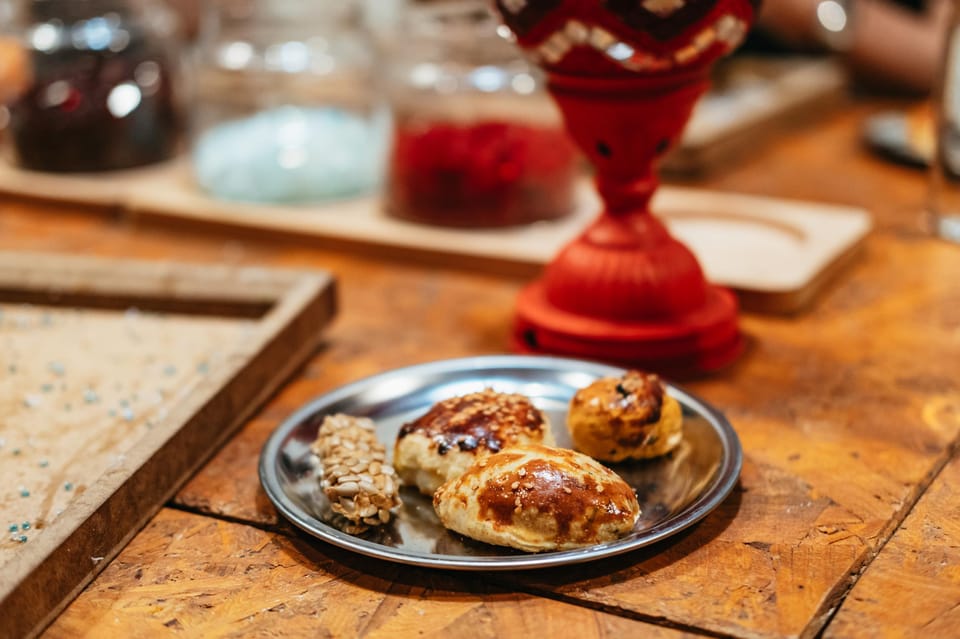
Then you head to Misir Çarşısı, the spice market. The description makes it clear this is sensory tourism: you walk into an area where spice stalls dominate the air, with items like nuts, honeycomb (petekbal), Turkish delight, dried fruit, hard Turkish cheese (eski kaşar), caviar, and pastırma.
Even if you don’t plan to buy, it’s a good place to understand Turkish flavors in a human way. You’ll likely spot familiar ingredients and new ones you’ve never seen in your home grocery store.
You end with hotel time and overnight in Istanbul.
Day 8: free time in Istanbul and flight home
Your final day is laid back. You get free time until your flight departure, then transfer to Istanbul Airport.
This is a relief after a packed week. It also gives you breathing room to do one last walk, pick up snacks, or grab small souvenirs before you head out.
Practical tips that can make or break the trip
A great tour still needs good traveler prep. Here’s what I’d lock in before you go:
- Bring the required items for Hagia Sophia: a head covering and plan for a headset/scarf setup as noted in the tour details. Hagia Sophia entrance is 25 € and entry rules can change during prayer times.
- Wear comfortable shoes for Istanbul. Even when stops are planned, you’ll be moving a lot across sites and bazaars.
- Dress modestly for religious sites. The tour is explicit about being mindful of local customs, especially at mosques and major church-linked sites.
- Expect separate entrance fees in several spots. The details list fees you pay on the side for places like Kaymaklı Underground City (listed as 13 € or €15 in different parts of the info), House of the Virgin Mary (TRY500), and Pasabag (12 €), plus other major site fees like Topkapi (2750 TRY), Ephesus (40 €), Pamukkale (30 €), and Goreme Open-Air Museum (20 €).
- Know the closure days because your calendar can shift. Grand Bazaar is closed on Sunday, Topkapi Palace is closed on Tuesday, and the itinerary notes several Istanbul museum rules that can affect timing.
- If you have dietary needs, write them down clearly before the trip. One unhappy account mentioned dietary preferences being ignored, which is exactly the kind of gap you want to prevent early.
Also, note the tour is described as a private tour/activity where only your group participates, and pickup is offered from central Istanbul hotels. That can make coordination easier, but it also means you should confirm your pickup window and hotel name so there’s no confusion.
Should you book Colors of Turkey?
Yes, if you want a guided, high-coverage Turkey sampler with internal flights and transport handled. The route is built to hit Istanbul’s flagship Ottoman and Byzantine-era sights, then transition into Aegean ancient history, then land in Cappadocia for geology-and-church-history scenery, ending with a Bosphorus cruise and spice-market finale.
It’s also a good match if you like structure. You’ll have guides at locations and a plan that’s designed to keep you moving efficiently between regions.
I’d be more cautious if you’re picky about lodging standards or you have strict food needs. A negative account I saw included late pickups and serious hotel issues, so do your homework: confirm the hotel name and details in writing, ask how pickup timing is handled, and clearly communicate any preferences before departure.
If you want flexibility and lots of free time to wander on your own, this might feel too scheduled. But if you’re aiming to see the big stuff with a guide and minimal logistics stress, this is a strong “put it on rails” option.
FAQ
What does the Colors of Turkey tour include?
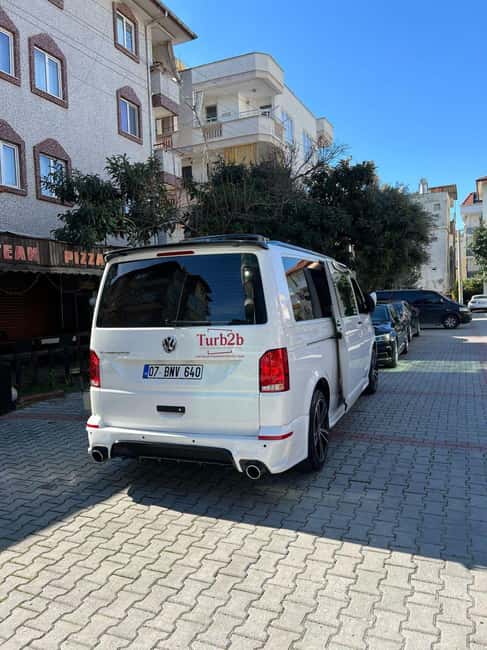
It includes fully air-conditioned vehicle, internal flight tickets, accommodations, and breakfast for 7 days. You also get a mobile ticket, pickup offered in central Istanbul, and the tour is offered in English.
What entrance fees are not included?
The tour lists several entrance fees not included, including Kaymakli Underground City, the House of the Virgin Mary, and Pasabag. It also lists additional site fees such as Hagia Sophia (25 €), Topkapi Palace (2750 TRY), Ephesus (40 €), Pamukkale (30 €), and Goreme Open-Air Museum (20 €).
Do I need to bring anything for Hagia Sophia?
Yes. The tour details note that you should bring your own headset/scarf for head covering. Hagia Sophia entrance is also restricted during praying time.
Is Grand Bazaar always open?
No. Grand Bazaar is closed on Sundays, and the tour notes closures for several key Istanbul sites like Topkapi Palace being closed on Tuesdays.
Where do they pick you up and drop you off?
They pick you up from your hotel in central Istanbul at the start of the tour and drop you off at the same hotel at the end.
What kind of transportation is used?
You’ll travel in a fully air-conditioned vehicle for land transfers and use internal flights between regions. Istanbul days are described as walking tours, so comfortable shoes matter.
Is the tour guided at each location?
Yes. The plan describes having a guide at each location and notes you can pay the guide for skip-the-line tickets for several major sites.
Can the itinerary change?
Yes. The details say the itinerary might change depending on direct flights.