REVIEW · ISTANBUL
Historic Balat and Chora Tour with Sunset Cruise
Book on Viator →Operated by Tour Book Turkey · Bookable on Viator
Chora meets the Bosphorus sunset. This 5-hour Istanbul small-group tour pairs Balat’s storied churches and synagogues with a 2-hour luxury cruise and live onboard performances, and I love how the pace stays relaxed while the guide keeps the details clear. I also love that you’ll snack on things like baklava during the cruise and enjoy dinner with alcoholic drinks. One catch: Chora admission and public-transport costs aren’t included, so budget extra before you go.
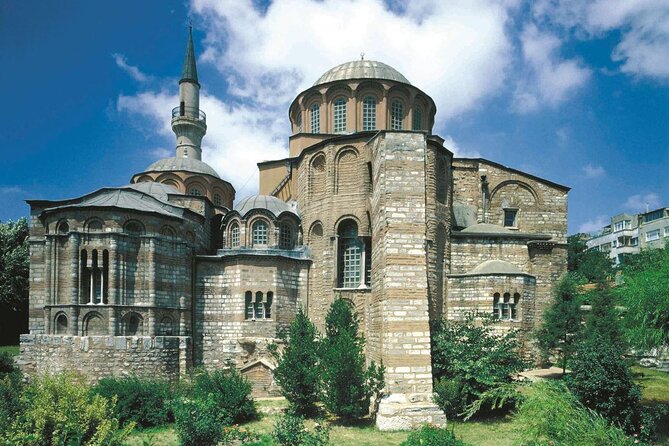
You’ll start at Kariye Mosque with your English-speaking guide and end at Kabataş Square after the boat portion. The cruise gathering point is the Sveti Stefan Church, often called the Iron Church, which is a fun way to connect the land history of Balat to the water views of Istanbul.
In This Review
- Key things to know before you go
- Why this Balat and Bosphorus combo makes sense
- Kariye Mosque start: where the day begins and what it costs
- Balat’s synagogue and church circuit: more than one storyline
- Ahrida Synagogue: a 15th-century anchor
- Yanbol Synagogue: Bulgarian roots in 18th-century Balat
- The Orthodox landmarks that frame the neighborhood
- The Iron Church stop: why Sveti Stefan matters for both history and photos
- Balat Bazaar and the stairway photo moment
- From Bosphorus dock to sunset: how the cruise portion flows
- Dolmabahçe, Çırağan, and the palaces that frame the shore
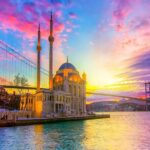
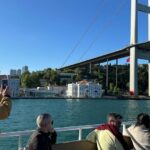
- Ortaköy, bridges, and the best kind of photo angles
- Fortresses and narrow-water drama: Rumeli Hisarı and Anadolu Hisarı
- Beylerbeyi Palace, Kucuksu Palace, and the calmer shore scenery
- The view toward Karaköy and Galataport
- Food, performances, and the vibe on the water
- Price and logistics: is it worth about $95.86?
- Who should book this tour?
- Should you book this tour?
- FAQ
- Where does the tour start and end?
- How long is the tour?
- Is the tour only in English?
- What’s included in the price?
- What is not included?
- Do I need a Chora Museum ticket ahead of time?
- Is there pickup and drop-off?
- Where do we meet for the sunset cruise?
- How many people are in the group?
- You might also want to consider the weather
Key things to know before you go
- Small group size (max 12) keeps your questions from getting lost in the crowd.
- Balat’s mix of faiths means you’ll see synagogues, Orthodox churches, and a lot of layered Istanbul.
- Live cultural performances during the cruise turn the boat ride into an actual evening event, not just sightseeing.
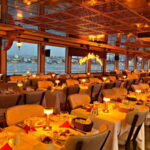
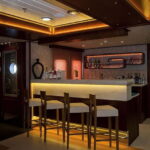
- A two-deck boat setup (interior and exterior space) helps you handle wind or cold without missing the views.
- Sunset timing plus Bosphorus landmarks gives you postcard angles of bridges, palaces, and fortresses from the water.
Why this Balat and Bosphorus combo makes sense
I like tours that connect neighborhoods instead of just ticking off sights. This one works because Balat is its own time capsule, then the cruise shifts you to Istanbul’s other big star: the Bosphorus strait between Europe and Asia.
The itinerary also avoids the usual sightseeing sprint. You get guided walking time for the stories on land, then you switch to a calmer rhythm on the water—ideal if you want history, photos, and an evening atmosphere without burning out.
You can also read our reviews of more boat tours in Istanbul
Kariye Mosque start: where the day begins and what it costs
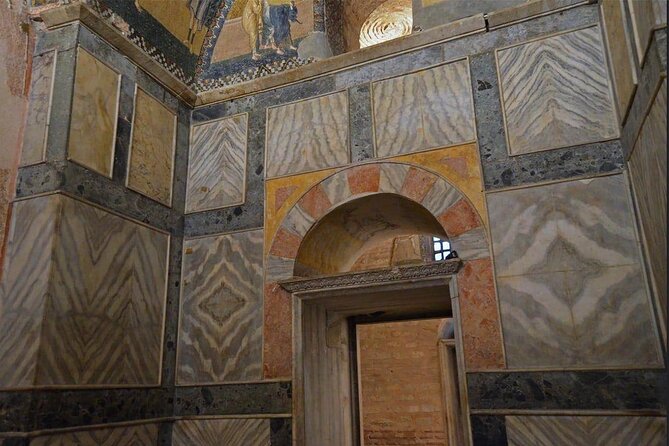
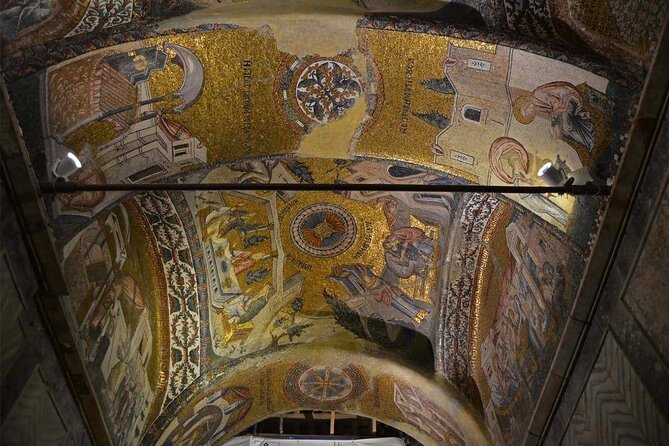
You’ll meet in front of Kariye Mosque in Fatih, right at Derviş Ali, Kariye Cami Sk. No:18. This part of the tour is the land-based warm-up, and it’s a good way to start with a major Ottoman-era art site before heading into Balat’s more religious and community-focused streets.
Plan on paying for entry related to Chora separately. The info provided makes it clear that admission and entry tickets for the Chora Museum are not included (it lists €20 per person). If you’re the type who hates last-minute money or line stress, factor that cost in as early as possible.
Also note the tour mentions public transport tickets and expenses of €5 per person. If your hotel is far from the start, confirm how pickup and drop-off works for your specific booking, because the tour highlights complimentary pickup/drop-off but the meeting point is still Kariye Mosque.
Balat’s synagogue and church circuit: more than one storyline
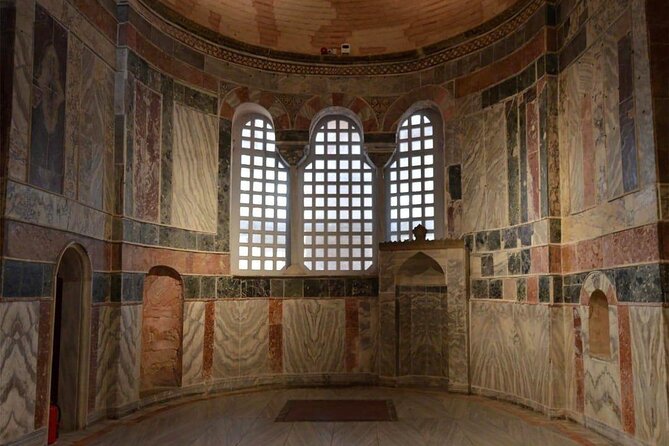
Balat is famous for its color, but the deeper reason it’s worth your time is the mix of communities and buildings packed into walking distance. This tour leans into that.
Ahrida Synagogue: a 15th-century anchor
You’ll visit the Ahrida Synagogue, built in the 15th century by Jews from Ohrid. What I like about starting here is the sense of how far back the community links reach—Balat isn’t just decorative old-street tourism; it’s tied to migrations and trade routes.
Yanbol Synagogue: Bulgarian roots in 18th-century Balat
Next up is the Yanbol Synagogue, built in the 18th century by Jews who came from Yambol, Bulgaria. This stop works well because it shows that Balat’s history didn’t come from one moment. It kept adding layers as people arrived and established their own places of worship.
You can also read our reviews of more historical tours in Istanbul
The Orthodox landmarks that frame the neighborhood
Then the tour shifts into Orthodox sites that help you understand the neighborhood’s Byzantine-to-Ottoman-to-modern continuity.
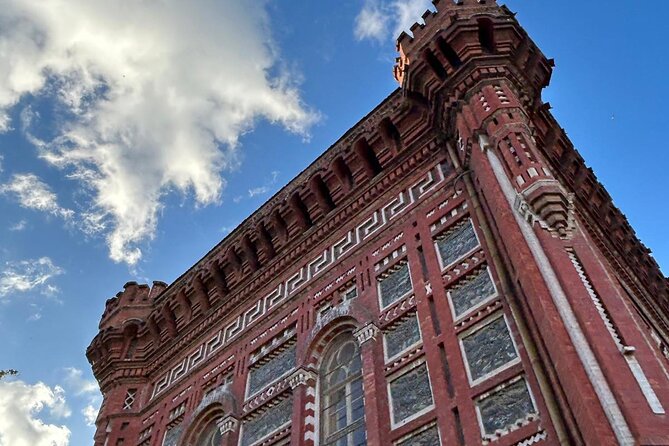
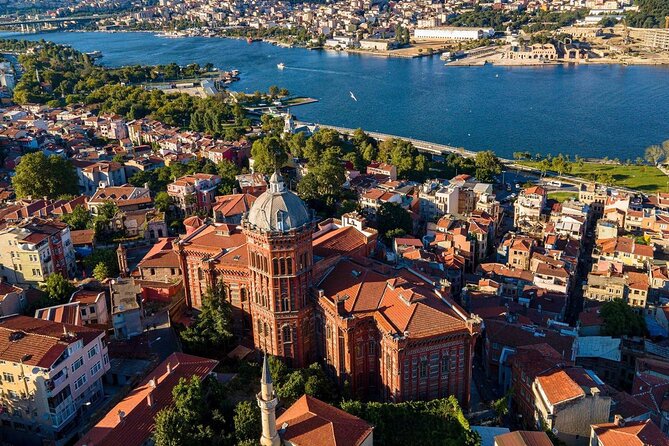
You’ll see the Virgin Mary Greek Orthodox Church, with roots dating back to the Byzantine era. You’ll also visit the Fener Greek Girls’ High School, built in the 19th century, known for its red-brick architecture.
After that, the St. George Cathedral enters the bigger regional story. It’s described as the center of the Ecumenical Patriarchate, and that makes it more than a local church—it connects Balat to a wider Orthodox world.
The Iron Church stop: why Sveti Stefan matters for both history and photos
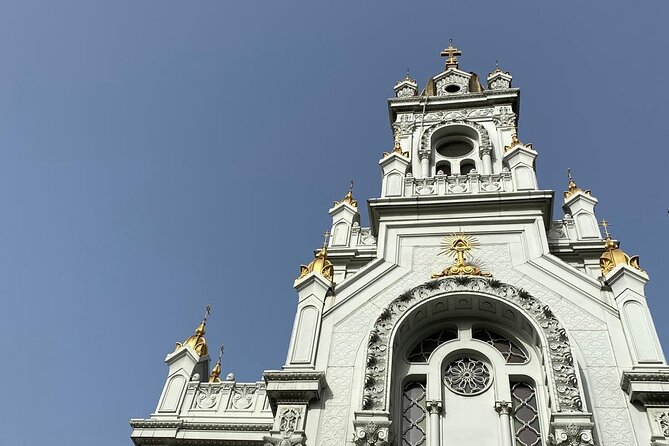
The last major church stop in Balat is the Sveti Stefan Church, also nicknamed the Iron Church, built entirely of cast iron. That detail alone makes it a memorable pause: it feels almost unreal among older masonry buildings.
This is also where the timeline turns toward the sea. The information you have says the Iron Church is the meeting and starting point for the Sunset Cruise. So you’re not just ending a walking tour and then re-routing—you’re stepping into the boat experience right after you’ve seen one of Balat’s most unusual structures.
If you’re photo-focused, this is a smart transition point. You get that symbolic feeling of going from a uniquely built church to Istanbul’s waterline, which is where the city’s scale starts to hit you.
Balat Bazaar and the stairway photo moment
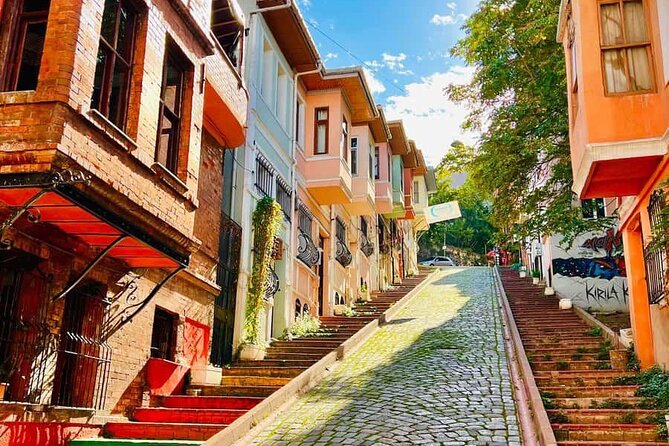
Balat Bazaar is described as one of Istanbul’s most lively areas, known for colorful streets, historic charm, and cozy cafés. On a guided visit, you get context fast: the colors make sense when you understand the neighborhood’s past and its mixed communities.
You’ll also have time around the colorful stairs, which are a popular photo spot. My practical take: if you want clean shots, go with the crowd flow rather than trying to outsmart it. The stairs are small and angles change quickly, so patience beats wrestling for position.
From Bosphorus dock to sunset: how the cruise portion flows
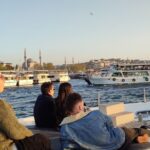
Once you reach the cruise start, the tour becomes a different kind of experience. Instead of walking and stopping, you’re looking out the windows and deck railings, with an emphasis on views and onboard energy.
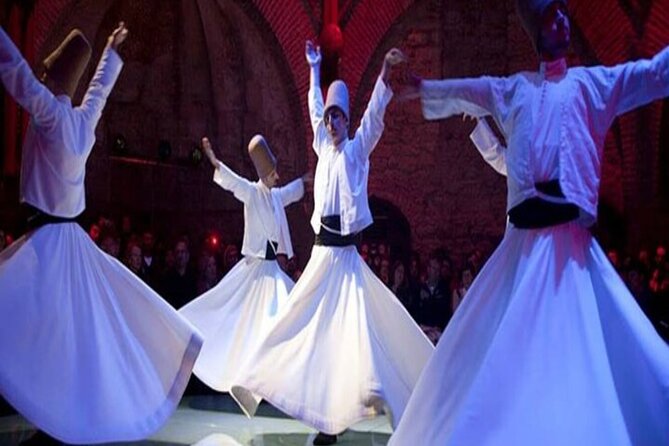
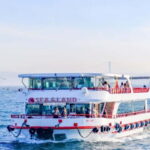
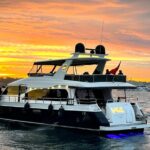
The cruise is 2 hours and includes some snacks like cookies, baklavaa, and fruit plates. On top of that, the highlights mention traditional Turkish dinner with alcoholic drinks, and live cultural performances during the cruise. That combination is a big reason this tour is popular: you get food and entertainment, not just narration.
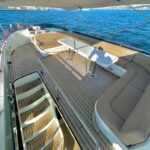
One small but important detail for comfort: the boat has both interior and exterior areas. That’s a lifesaver in winter or if the wind picks up, so you can still enjoy the scenery even when the weather doesn’t cooperate.
Dolmabahçe, Çırağan, and the palaces that frame the shore
From the water, the Bosphorus turns into a moving museum of powerful residences and Ottoman-era ambition. Your cruise route includes major palace names, and each one adds a different flavor.
You’ll pass Dolmabahçe Palace, described as an Ottoman palace on a large area in Beşiktaş, between Dolmabahçe Street and the Bosphorus waterfront. It’s a classic “wow” moment because palace facades along the water instantly communicate status and scale.
Next is Çırağan Palace, commissioned by Sultan Abdulaziz and completed in 1871. The story is dramatic: it was used to imprison deposed sultans and later damaged by fire, then eventually restored and reopened as a luxury hotel. Even without stepping inside, you can understand why this location mattered—the palace sits right on the Bosphorus where the sultan’s world and the city’s traffic meet.
Ortaköy, bridges, and the best kind of photo angles
After the grand palaces, the cruise hits neighborhood life around Ortaköy. The tour info describes Ortaköy as lively with an “intellectual market,” souvenirs, cafes, bars, and restaurants, and it’s known for its waterfront setting. This stop works because it gives you a sense of how Istanbul lives day to night, not only how it ruled centuries ago.
You’ll also see the feet of the Bosphorus Bridge in Ortaköy on the European side, linking to Beylerbeyi on the Anatolian side. Bridges aren’t just traffic tools here—they’re part of the city’s identity. From a boat, you can photograph the structure with a sense of depth that you simply can’t get from street level.
Fortresses and narrow-water drama: Rumeli Hisarı and Anadolu Hisarı
A cruise on the Bosphorus becomes especially satisfying when it shifts from pretty shoreline to strategic history. Your route includes Rumeli Fortress (Rumeli Hisarı), constructed in 1453 by Sultan Mehmet the Conqueror at the narrowest point of the Bosphorus. The construction happened in a very short span, and its location across from the Anatolian side is the reason it mattered.
Then you’ll see Anadolu Fortress (Anadolu Hisarı) on the Asian side. Built in 1395 by Beyazit I, it includes a citadel and exterior walls. The tour info adds that the area shifted in purpose over time and even became a military hospital, then later a museum-like site focused on outer walls.
If you like history with physical geography, this part is the payoff. You start to see why Istanbul’s control was about who could watch the waterway.
Beylerbeyi Palace, Kucuksu Palace, and the calmer shore scenery
Not every sight has to be a fortress or a bridge. You’ll also pass Kucuk Su Palace, an Ottoman summer palace ordered by Sultan Abdulmecit, and Beylerbeyi Palace, built in the 1860s right under the Bosphorus bridge.
Beylerbeyi is described as combining elements from multiple architectural styles and includes halls, rooms, and even a hamam. Even if you can’t tour inside during the cruise, the viewpoint tells the story: these were residences built for breezes, views, and royal ease.
There’s also Maiden’s Tower (Kız Kulesi), sitting on a tiny island near Üsküdar. The legend about a prophecy and a snake bite is part of what gives the tower its cultural pull, and seeing it from the water makes the island scale click in your mind.
The view toward Karaköy and Galataport
Near the end of the cruise section, the route brings you toward the modern waterfront with Galataport. It’s described as a development with shopping, dining, and a cruise port, which means you get a glimpse of how the shoreline evolved from empire-era importance to today’s entertainment and arrivals.
The itinerary also references Galata Bridge (Galata Köprüsü), spanning the Golden Horn. From the water, you can catch the city rhythm below: pedestrian activity, tram traffic, and restaurants along the bridge area. It’s a good final photo stop because the city looks busy again, not only grand and monumental.
Finally, you end after the sunset cruise at Kabataş Square, which makes it easier to connect to ferries and other transit options in that area.
Food, performances, and the vibe on the water
This is where the tour feels like an evening plan, not just a sightseeing route.
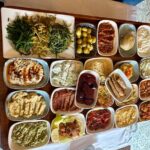
You’ll have snacks such as cookies, baklava, and fruit plates, and you’re also told there’s traditional Turkish dinner with alcoholic drinks. The tour also includes live cultural performances during the cruise, which adds energy and breaks up the time between landmark passes.
From the comfort side, remember the weather can change your experience on the Bosphorus. The information you provided includes examples of cold winter conditions, so I’d treat a jacket as non-negotiable when sunset gets late or the wind rises. The interior and exterior spaces help you adjust without abandoning the views.
Price and logistics: is it worth about $95.86?
At $95.86 per person, you’re paying for several things at once: a professional English guide, a 2-hour luxury sunset cruise, onboard snacks, plus the promise of dinner and live cultural performances. For Istanbul, where boat tours can get expensive fast, the bundle is the key value.
Still, you should budget extras because they’re not included:
- Chora Museum admission (listed as €20 per person)
- Public transportation tickets and expenses (listed as €5 per person)
So the best way to think about the price is this: the base cost buys you the structure and guidance, and your add-ons mostly cover museum entry and getting to/from starting points. If you’re the type who already plans to visit Chora anyway, the math gets simpler.
Also consider time. This runs about 5 hours total, so it suits people who want a full evening but still need to be back in the city afterward.
Who should book this tour?
This works best if you want:
- A guided walk through Balat’s synagogues and Orthodox sites
- A sunset Bosphorus cruise with food and entertainment
- A small-group experience (maximum 12 travelers)
I’d especially recommend it if you’re staying in Istanbul for a short visit and you want both sides of the city story: community history on land and the dramatic waterway views that define the Bosphorus.
Should you book this tour?
Book it if you want a single evening that ties together Balat’s layered religious landscape and the Bosphorus skyline from the water, with enough onboard comfort (snacks, dinner, and indoor viewing options) to keep the experience enjoyable in cooler weather too.
Skip or double-check if you don’t want to pay separate entry for Chora or if you’re working with a tight budget that can’t handle the extra €20 plus the transport costs. Also, if you dislike guided walking through religious sites, make sure you’re comfortable with that style of sightseeing.
If you’re okay with a bit of up-front planning and you like your Istanbul stories told in layers, this is a strong pick.
FAQ
Where does the tour start and end?
The tour starts in front of Kariye Mosque at Derviş Ali, Kariye Cami Sk. No:18, 34087 Fatih/İstanbul. It ends at Kabataş Square (Kabataş, Meclis-i Mebusan Cd., 34427 Beyoğlu/İstanbul) after the sunset cruise.
How long is the tour?
The duration is listed as about 5 hours.
Is the tour only in English?
Yes. It’s offered in English.
What’s included in the price?
The tour includes a professional English tour guide, some snacks during the sunset cruise (cookies, baklava, and fruit plates), and a 2-hour luxury sunset cruise. The highlights also mention traditional Turkish dinner with alcoholic drinks and live cultural performances during the cruise.
What is not included?
Chora Museum admission and entry tickets are not included (listed as €20 per person). Public transportation tickets and expenses are also not included (listed as €5 per person). Admission is also not included for the Kariye Mosque stop.
Do I need a Chora Museum ticket ahead of time?
You’ll need to budget for it because the ticket is not included. The info lists €20 per person for admission and entry tickets related to Chora.
Is there pickup and drop-off?
The highlights say there is complimentary hotel pickup and drop-off.
Where do we meet for the sunset cruise?
The meeting and starting point for the sunset cruise is the Sveti Stefan Church (the Iron Church).
How many people are in the group?
The maximum group size is 12 travelers.
You might also want to consider the weather
No, this isn’t an official requirement, but it’s a smart move. The Bosphorus can feel cold at sunset, so bring layers and plan to use the boat’s interior area when needed.