REVIEW · ISTANBUL
Highlights of Turkey – 12 Days
Book on Viator →Operated by Tour Altinkum Travel · Bookable on Viator
Istanbul to fairy chimneys in 12 days. This tour lines up the big classics plus real “wait, how did they do that?” stops, from Istanbul’s East-meets-West icons to Cappadocia’s rock churches and underground refuges. You’ll also get water time in Fethiye and Pamukkale—the kind of contrast that keeps the days from feeling repetitive.
Two things I really like: you get a smooth, handled-by-someone approach with airport pickups and air-conditioned transfers, and the trip uses a max 12 travelers group size that keeps logistics from turning into a herd. The guides and coordination (with hands-on support from Kerem and Seda in the experiences I reviewed) also stand out when plans need to adjust.
One consideration: the pace is busy, and some days tack on extra shop stops or run through meals at more tourist-oriented spots. If you’re the type who likes slow mornings and long sit-down lunches, you’ll want to manage expectations and pick a couple of off-tour hours for breathing room.
Key points to know before you go
- Small group (max 12) keeps the experience more personal and easier to manage across multiple cities.
- Skip-the-line guidance is handled by your guide for historical sites, so you spend more time walking and less time waiting.
- Water highlights are built in: Bosphorus views, Pamukkale’s thermal terraces, and a Fethiye boat day with swimming.
- Cappadocia coverage is wide with major valleys plus at least one underground-city stop.
- Domestic flight options matter for value—confirm whether flights are included in your booking choice.
In This Review
- Istanbul’s Icon Loop: Hagia Sophia, Blue Mosque, and Topkapi
- Bosphorus Strait Views and the Dolmabahce Route Before You Fly
- Ephesus Day: Ancient City + Artemis + the House of Mary
- Pamukkale’s Thermal Terraces and Hierapolis Ruins
- Fethiye Boat Trip: Swim Time, BBQ Lunch, and Calm Sailing
- Antalya: Cable Car Views, Duden Waterfalls, and Kaleiçi Old Town
- Rumi in Mevlana Museum and a Silk Road Stop at Sultanhani Kervansarayi
- Cappadocia Rock Churches: Goreme Open Air Museum to Uchisar Castle
- Rose and Red Valley Colors, Cavusin Rock Houses, and Kaymakli Underground City
- Hotels, Meals, and Group Pace: What You’re Signing Up For
- Price and Value: What $2,250 Covers (and What It Doesn’t)
- Should You Book This Turkey Highlights Route?
- FAQ
- Is airport pickup included?
- Are domestic flights included in the price?
- Are entry tickets to historical sites included?
- How many nights are spent in each destination?
- Is a hot air balloon flight included?
- What group size is this tour?
- What meals are included?
- How do you communicate with the tour team?
Istanbul’s Icon Loop: Hagia Sophia, Blue Mosque, and Topkapi
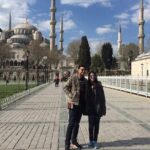
The first real wow comes fast in Istanbul. On day two, you’re guided through the city’s old core where Byzantine scale and Ottoman power still feel visible in the stone.
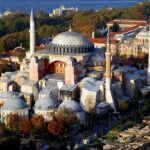
Hagia Sophia is the centerpiece. It was the religious and civic heavyweight during the Byzantine era, and even today it’s a place where your brain keeps comparing eras as you look up at the vast interior. Plan on using your time well here: it’s a big-feeling stop, and the best way to enjoy it is to slow down for a few key viewing moments instead of rushing from one photo spot to the next.
Next is Topkapi Palace. This wasn’t just a home for sultans—it was the administrative seat of the Ottoman Empire for nearly four centuries. If you like history that turns into architecture, Topkapi is one of the trips inside the trip. It helps that you get a longer block of time (about two hours), so you can actually read and not just sprint.
Then you round it out with two “quick but meaningful” landmarks: the Hippodrome and the Blue Mosque. The Hippodrome site is shorter on time but it gives context for how major crowds once gathered in the Roman period, with room for huge spectacles. The Blue Mosque is more direct: it’s famous for its six minarets and grand dome, and the visit is timed well for a one-hour stop.
Possible drawback: admission tickets for these major sights are not included, so budget for entry fees on top of the tour price.
Bosphorus Strait Views and the Dolmabahce Route Before You Fly
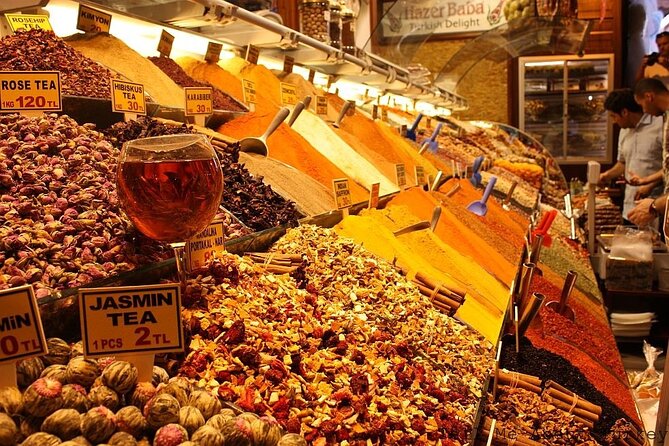
After checking out in the morning, you start with the Spice Bazaar area—often described as Egyptian Bazaar during Ottoman times—where the mix of herbs and spices gives you a sensory warm-up. Even if you don’t buy much, it’s a good place to learn your way around the neighborhoods before the city pivots to water.
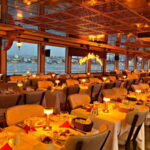
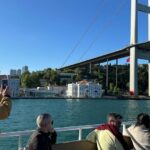
Then comes the Bosphorus cruise. This is where Istanbul earns its nickname as a bridge between regions. The shoreline is packed with old villas, palaces, fortresses, and small villages, and your cruise route is designed to pass major landmarks like Dolmabahce Palace and Rustem Pasa Mosque. You also catch fortifications and parks linked to Yildiz Palace as you move along.
The payoff is the pacing. A cruise breaks the intensity of the historical sites and gives you a calmer sense of orientation. It’s also a great “photo time” day without turning into a frantic shopping stop.
After the cruise, you transfer to Istanbul Airport for a domestic flight to Izmir. This is one of the practical choices that makes the whole 12-day structure work. Instead of spending half the trip on roads, you get the travel jump and arrive ready to continue the sightseeing.
Tip for comfort: when flying out late-day, keep your day bag lightweight. You’ll want your camera, water, and something small to snack on without digging for it in transit.
You can also read our reviews of more tours and experiences in Istanbul.

Ephesus Day: Ancient City + Artemis + the House of Mary
Once you land in Izmir, you’re set up for an easy entry into Western Turkey’s classical world. Day four is all about Ephesus and its surrounding anchors.
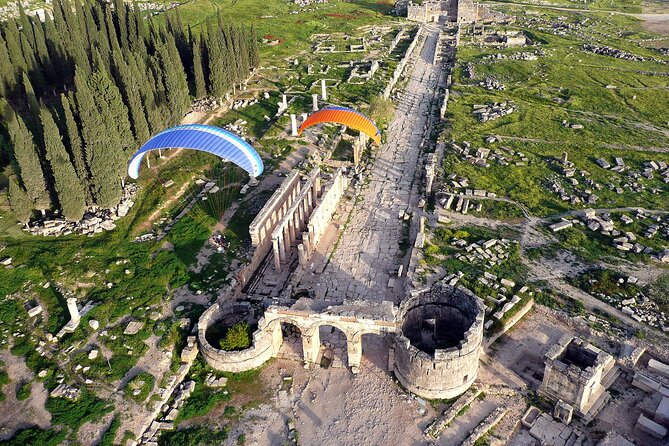
Ephesus is the big one. This ancient city is famous for being one of the best-preserved classical sites in the eastern Mediterranean. It was enormous in its peak—over 250,000 people during the 1st century—and the ruins still feel “legible” as you walk between monuments. Highlights are often the library area and the Roman theatre, which can make the scale hit harder because you can stand where crowds once gathered.
You also stop at the Temple of Artemis (Artemision). It’s tied to one of the Seven Wonders of the Ancient World, so even if the current remains are smaller than what your imagination predicts, the context is strong—and it helps explain why Ephesus mattered to pilgrims in antiquity.
Then comes the House of the Virgin Mary. This isn’t the same kind of “ruins tourism.” It’s a quieter spiritual visit connected to the story of Mary’s last days, with roots described from around the 1st century and a later church built on top.
Possible drawback: entry fees for these historic sites are not included, and the day is also a long one—so it helps to wear comfortable shoes and have your priorities sorted before you arrive.
Pamukkale’s Thermal Terraces and Hierapolis Ruins
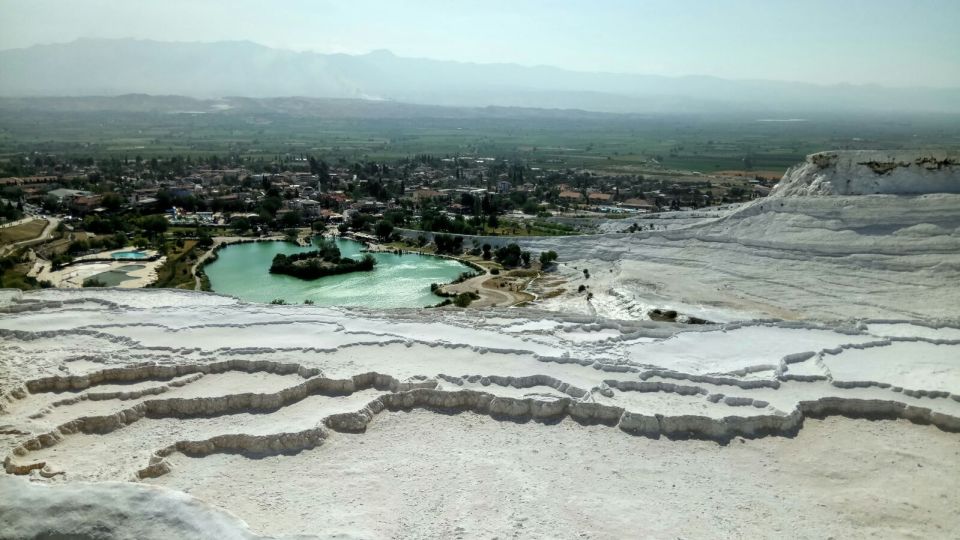
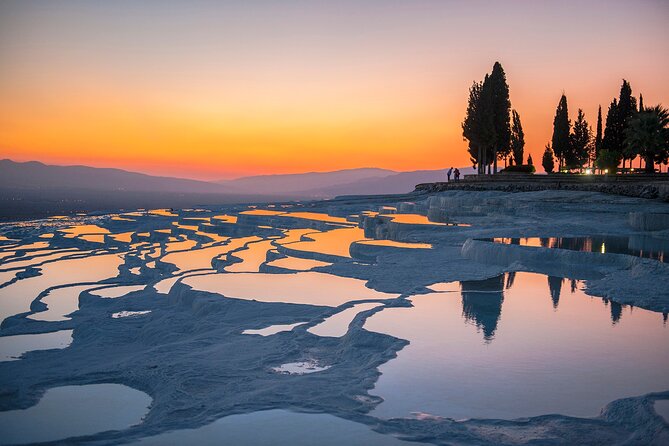
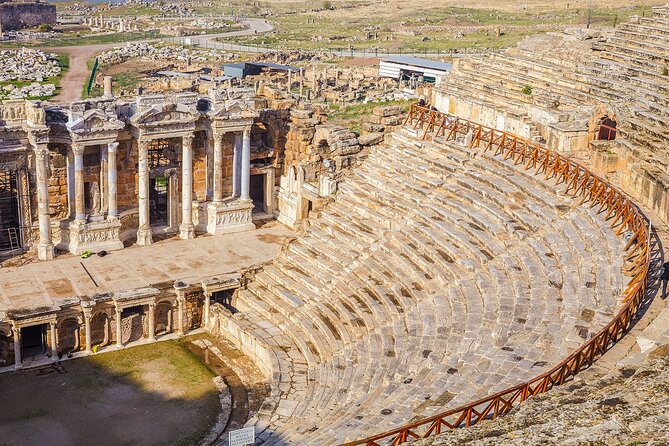
Day five is a rare combo: serious nature-and-science beauty plus ancient stone cities. Pamukkale’s thermal pools are the star, with warm spring water (around 35°C) that leaves calcium-rich terraces. The effect looks simple—white steps of mineral water—but that simple look is exactly why people keep coming back.
You also visit Hierapolis, including its necropolis with many gravestones, plus the Sacred Pool where shallow thermal waters sit above scattered ancient Roman ruins. It’s one of those experiences where you can tell the place was historically valued not only for scenery, but for health beliefs and healing culture.
Practical note: the thermal experience is powerful, but it can be slower if you take time walking the terraces. If you’re sensitive to heat or want the best photos, aim for earlier arrival energy.
After Pamukkale, you’re driven to your hotel in Fethiye and check in. That transition matters because you’ll need fresh legs for the next day’s boat time.
Fethiye Boat Trip: Swim Time, BBQ Lunch, and Calm Sailing
Day six is where the tour earns its “vacation” feeling. You’re on a sailing-style boat for around seven hours, and the plan is built around water time: swim in clear bays, disembark at islands and smaller stops, sunbathe, and enjoy a BBQ lunch on board.
The tour description also emphasizes comfort details that matter on a long day: clean toilets and shower facilities, sunbeds and shade, and equipment like life vests and tackle/jackets for non-swimmers or beginners. You also get the “less noise” angle—no loud music on the boat—which makes the day feel calmer and more like a shared outing than a party cruise.
Reality check: the experiences I saw included one complaint about rude behavior from a crew on a 12-island style cruise segment. So if you’re picky about service personality, keep that in mind. The water and the swim time are the main reason you book this day.
Antalya: Cable Car Views, Duden Waterfalls, and Kaleiçi Old Town
Getting from Fethiye to Antalya is done by bus (about four hours). It’s not the fastest way to travel, but it keeps the itinerary moving without adding another flight.
Day eight starts with Tunektepe Teleferik (cable car). You ride up from sea to sky and get a big-view perspective: coastline, mountains, pine forests, and the turquoise sea. This is one of the best kinds of stops on a packaged trip because it’s low-effort and high reward—you don’t need a guide to appreciate it.
Then you walk through the park around Lower Duden Waterfalls. This is more than a quick glance. You’re given about an hour to listen and walk rather than just stare from a bus window.
Lunch is followed by free time in Kaleiçi, Antalya’s old town. You get about 1–1.5 hours to explore narrow stone streets and key landmarks like Hadrianus Gate and the Clock Tower, plus spots such as Kesik Minare and old city walls dated back to the 2nd century.
What to do with that free time: don’t treat it like a shopping chore. Use it to find one viewpoint, wander slowly, and pick one small thing to remember—then head back before your energy drops.



Rumi in Mevlana Museum and a Silk Road Stop at Sultanhani Kervansarayi
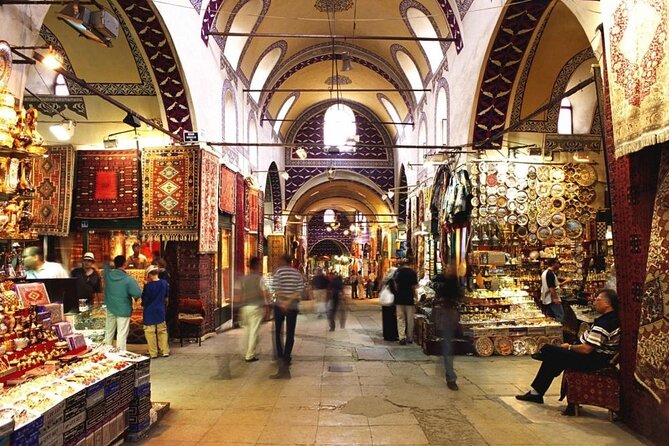
Day nine mixes culture and travel history in a way that breaks the “ruins only” rhythm.
You visit the Mevlana Museum, tied to 13th-century philosopher and mystic Mevlana Celaleddin-i Rumi. The focus here isn’t just biography; it’s an outlook described in the plan around tolerance, charity, and love-based awareness. It’s a calmer pause before Cappadocia’s more dramatic scenery.
Next is Sultanhani Kervansarayi, a caravanserai from around 700 years ago. This is the structure that tells you how merchants and travelers moved on the Silk Road—where people ate, rested, and regrouped along long routes.
After that, you travel to Cappadocia and check in. When you land in Cappadocia, the next days are all about rock forms and meaning.
Cappadocia Rock Churches: Goreme Open Air Museum to Uchisar Castle
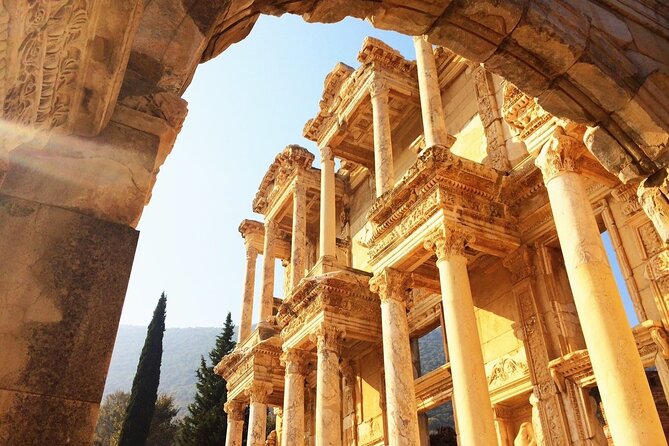
Cappadocia day ten is classic “greatest hits,” and it’s planned so you can see multiple rock-forming styles without feeling trapped in one corner.
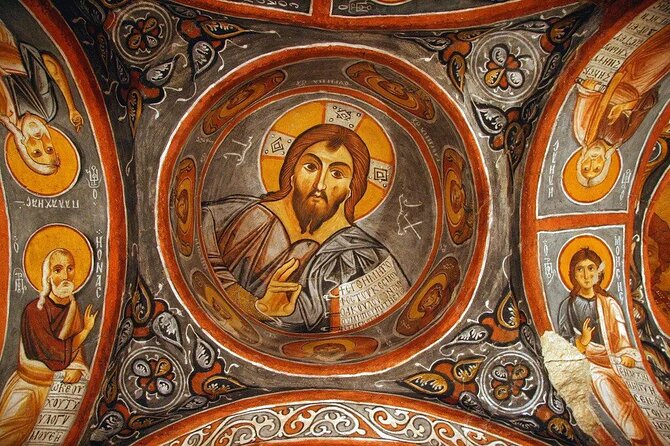
You start at the Goreme Open Air Museum: many rock-cut churches from the second half of the 9th century with colorful frescoes. The churches are what make Cappadocia feel like a living museum—carved spaces designed for worship, built into the terrain.
Then you move through valleys and viewpoints:
- Devrent Valley for quirky animal-shaped rock formations.
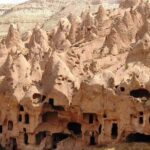
- Pasabag (Monks Valley) for fairy chimneys, including the mushroom-like chimneys with rock caps—one of Cappadocia’s most recognizable silhouettes.
- Avanos where you get a Turkish lunch experience and the chance to try pottery with local experts (this is a nice change of pace from stone watching).
- Goreme Panorama for a short photo-and-view stop.
- Uchisar Castle for the highest natural rock castle and broad panoramas over the area.
Possible drawback: many of these stops depend on terrain and walking surfaces. Wear grippy shoes. The “best views” are often also the steepest routes.
Rose and Red Valley Colors, Cavusin Rock Houses, and Kaymakli Underground City
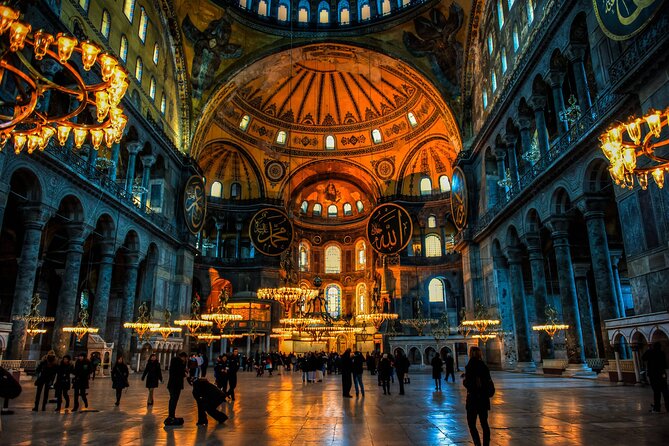
Day eleven leans into Cappadocia’s mood shifts: pink tones, rock villages, and underground life.
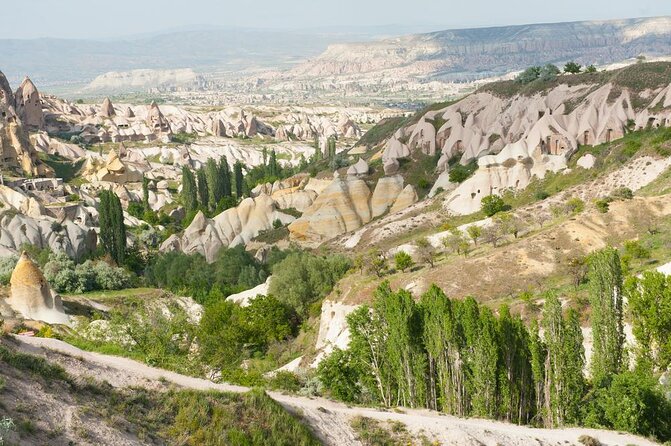
You start with Rose Valley and Red Valley, where sandstone minerals give the terrain a pink tint, especially around sunset. Even if you don’t catch the exact golden-hour peak, the changing color over the day is the point—plan to take your time here rather than treating it as a quick stop.
Then you visit Cavusin, a village area with houses cut into rock formations and rock churches. It’s one of those places where you can see how people adapted everyday life to geology.
Pigeon Valley follows, named for dovecotes carved into soft volcanic tuff. It’s also one of the best “walk-and-breathe” segments in the whole region, even with a short stop.
The underground highlight is Kaymakli Underground City. This is the kind of place that resets your sense of scale: refuge for tens of thousands of Christians, with rooms connected by long corridors across multiple levels. The plan mentions bedrooms, churches, meeting halls, and food storage spaces. That mix makes it feel like a full society, not just a hiding hole.
Finally, you finish with Ortahisar—small-town charm, narrow streets, and a castle-like rock formation that defines the town.
Hotels, Meals, and Group Pace: What You’re Signing Up For
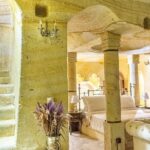
Accommodation is spread across the key regions, with multiple nights each city to reduce daily stress. You get 3 nights in Istanbul, plus 2 nights in Kusadasi, 2 nights in Cappadocia, 2 nights in Antalya, and 2 nights in Fethiye. The tour also emphasizes centrally located “special class” hotels, and in the experiences I reviewed, people liked being able to walk out for meals at night instead of being stuck out on the edge.
Meal planning includes breakfast (11) and lunch (8). Breakfasts at hotels tend to be a plus, but lunches on tour days can be hit-or-miss depending on the restaurant setup. The plan also notes beverage with meals is not included, so pack cash or plan on buying water/soft drinks.
The biggest pacing issue is simple: the schedule is packed. Some days run from one main stop to the next with fewer true gaps for unstructured time. If you want “breathing room,” you’ll need to protect it—use free time blocks like Kaleiçi and Cappadocia viewpoints, and don’t schedule extra shopping every day.
Price and Value: What $2,250 Covers (and What It Doesn’t)
The headline price is $2,250 per person for 12 days, which is workable mainly because the trip includes a lot of moving parts: airport transfers, air-conditioned vehicle transport, domestic flights if you select that option, and a guide-led route across multiple regions.
But here’s what affects real value:
- Entry fees are excluded. The tour estimates historical site entry fees at about €265 per person. That number can change, so treat it as a planning baseline.
- Domestic flights depend on your choice. If you choose the included flight option, you get economy class domestic flight tickets. If you choose excluded, you’ll buy the flights yourself.
- Hot air balloon flights are not included, but the provider can help you reserve one if you want to add it.
- Optional upgrade exists: you can upgrade land drive as a flight from Antalya to Cappadocia for an extra $150 per person. If you choose this, the plan notes there’s no visit to Konya and lunch/airport transfers are handled.
For most people, the best value is when you want the full “see a lot without planning it yourself” package, and you don’t mind that you’re paying for coordination more than for long unplanned wandering.
Should You Book This Turkey Highlights Route?
Book it if you want:
- Big-name sites done with a guide, not solo planning
- A structured route that connects Istanbul → Ephesus → Pamukkale → Fethiye → Antalya → Cappadocia
- A small group feel (max 12 travelers) with airport pickups and transfers handled
Consider another option (or add your own days) if you:
- Hate tight schedules and want long, slow afternoons
- Care a lot about meals being in small local places every day
- Prefer fewer “craft shop” stops and more free wandering
My call: this tour is strongest for first-timers to Turkey who want a guided hits package with built-in water and nature days. It’s less perfect if your top priority is total spontaneity. If you’re flexible and plan to protect a little time for yourself each day, you’ll get your money’s worth in memories.
FAQ
Is airport pickup included?
Yes. The tour offers pickup from IST/SAW Airport. You should share your flight details at booking time.
Are domestic flights included in the price?
That depends on the booking option you choose. The tour offers included or excluded domestic flight tickets. If you select the included option, you receive economy class domestic flights.
Are entry tickets to historical sites included?
No. Entry fees are excluded (the tour estimates about €265 per person). Your guide is set up to use skip-the-line tickets for historical sites.
How many nights are spent in each destination?
You get 3 nights in Istanbul, 2 nights in Kusadasi, 2 nights in Cappadocia, 2 nights in Antalya, and 2 nights in Fethiye.
Is a hot air balloon flight included?
No. Hot air balloon flights are not included in the package, but you can request the provider to help you reserve one.
What group size is this tour?
The maximum group size is 12 travelers.
What meals are included?
The plan includes breakfasts (11) and lunches (8) as listed in the itinerary. Beverages with meals are not included.
How do you communicate with the tour team?
Communication in at least some experiences is handled through WhatsApp, including reminders and coordination.