REVIEW · ISTANBUL
Galata Tower – Fener-Balat Neighborhoods & Golden Horn by Ferry
Book on Viator →Operated by Local Tour Guide Istanbul · Bookable on Viator
Galata Tower gives you a whole Istanbul frame in one morning. I love the way this tour stitches together Galata, Balat, and Fener like a living timeline, and I especially like the photo stops that make the route feel effortless even when you are walking. One thing to consider: you need good weather for the best experience, and the Galata Tower ticket may cost extra unless you pick the all-inclusive option.
You start in the Beyoğlu/Galata area, then work your way toward the Golden Horn and across into the Balat and Fener sides. With a maximum group size of 8, the guide can pace things, answer questions, and keep you moving without rushing. Guides I learned from include Erol and Hüseyin, and both of them made architecture and neighborhood context easy to follow.
A mild heads-up: plan for cobblestones and lots of short walks. If you arrive a bit late, Istanbul traffic and finding your way can turn annoying fast, so aim to show up early.
In This Review
- Key highlights you should care about
- Galata Tower, Golden Horn, and the Fener-Balat neighborhoods in one route
- Meeting point and what the small group pace feels like
- Galata Tower stop: tickets, timing, and what to look for
- Kamondo Stairs: the 15-minute photo moment that pays off
- The Bulgarian Iron Church (St. Stephen): architecture you can’t fake
- Balat market time and why it’s more than shopping
- Colorful stairs in Balat: Rainbow Stairs and Kiremit Street
- Jewish heritage context in Balat: what you might see
- Fener and Balat: crossing from one era to the next
- Walls of Constantinople plus the Golden Horn finishing walk
- Galata Köprüsü and Karaköy: the bridge that links more than directions
- Ferry, tram, and bus transport: how to plan for the day
- Price and value: what $66.23 covers, and what can cost extra
- Who this tour suits best
- Should you book this Galata to Fener-Balat experience?
- FAQ
- FAQ
- Is Galata Tower entry included in the tour price?
- How long is the tour?
- What language is the tour offered in?
- How many people are in the group?
- What transport is included?
- Where do I meet the guide?
- Where does the tour end?
- What is the best time to arrive before the tour starts?
- Do I need good weather?
- What if the minimum number of travelers isn’t met?
- Can I cancel for a refund?
Key highlights you should care about
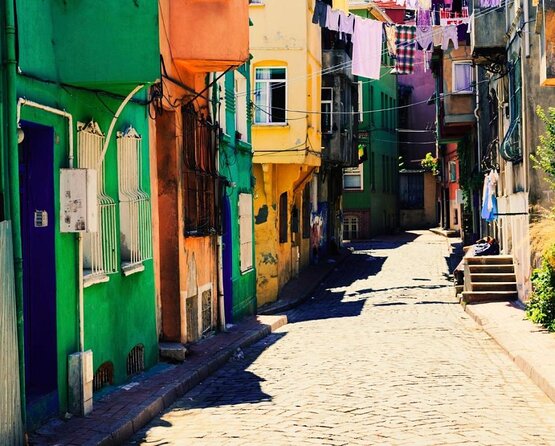
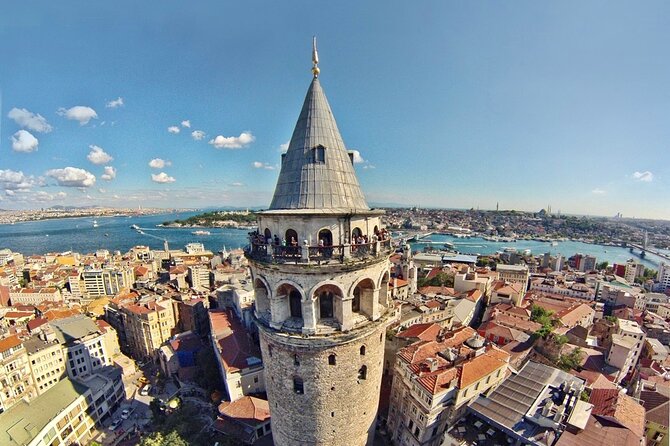
- Galata Tower views: a real payoff early, with a clear vantage over the Golden Horn
- Kamondo Stairs: a quick, photogenic art nouveau break with almost no effort
- The Iron Church (Bulgarian St. Stephen Church): an Orthodox church made entirely of cast iron
- Balat’s pastel-street photo lanes: Rainbow Stairs and Kiremit Street are easy to hit on foot
- Fener and the Ecumenical Patriarchate area: an Eastern Orthodox spiritual center with serious atmosphere
- Walls of Constantinople + Golden Horn finale: fortifications plus waterfront calm to close the loop
Galata Tower, Golden Horn, and the Fener-Balat neighborhoods in one route
This is the kind of tour that helps you stop guessing where everything fits. Galata shows you the hip-meets-historic side of Beyoğlu, then Balat and Fener shift the mood into old streets, layered communities, and streets that look like they were built for wandering. The route is designed so your eyes get better and better at reading the city: you start at a skyline marker (Galata Tower), then move into neighborhoods where the details are the story.
Two big reasons I like this format. First, the walking is broken up with short stops that keep you from feeling stuck at one place too long. Second, the Golden Horn waterfront and the bridge crossing give you a visual rhythm—view, street, view, church, street—so you actually see the shape of Istanbul, not just a list of sights.
The best moment for a lot of people is the ending stretch along the Golden Horn, where the city feels quieter for a bit and you can reset your camera settings (and your feet).
You can also read our reviews of more tours and experiences in Istanbul.

Meeting point and what the small group pace feels like
The tour starts at Anemon Koleksiyon Galata Hotel on Büyük Hendek Cd. (Bereketzade), in the Beyoğlu/Galata area. You end by the Karaköy Ferry Terminal, right next to Galata Bridge.
You are grouped with a maximum of 8 people, and that matters more than it sounds. In a big group, you end up trying to keep up. In a small group, you can ask a real question about why a building looks the way it does, or what you should notice inside a church. That same size also helps the guide keep you moving between areas without turning every transfer into a long wait.
Transport is included and uses ferry, tram, and bus during the experience. That mix is practical: Istanbul’s layout can be a puzzle, so letting the guide route you saves time and energy—especially if you are not used to navigating the city’s public transport.
Galata Tower stop: tickets, timing, and what to look for
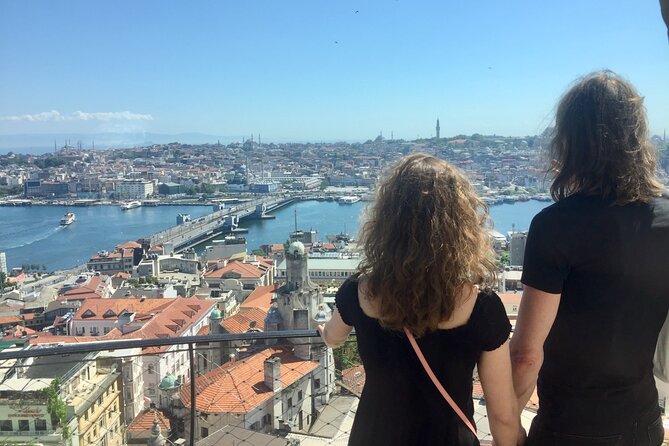
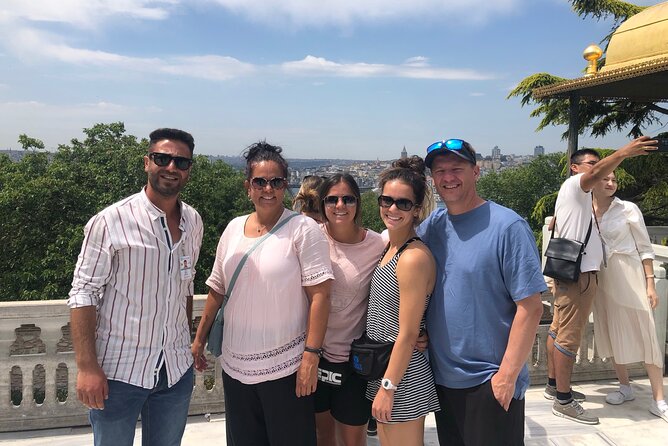
Galata Tower is the centerpiece and it is where your photos start making sense. Even if you do not care about every historic detail, the views help you understand Istanbul’s geography: the Golden Horn’s curve, the bridge connections, and how the neighborhoods spill along the water and up the hills.
Here is the key value question: the Galata Tower entry ticket is included only if you select the all-inclusive option. If you do not select that option, plan for an extra €30 per person for entry.
If you are coming just for the skyline view, it is usually worth choosing the all-inclusive option so you do not waste mental energy at the start. If you already know you might skip going up, then the non-inclusive price could work better for you. Either way, factor in a bit of time for entry lines and getting oriented.
Kamondo Stairs: the 15-minute photo moment that pays off
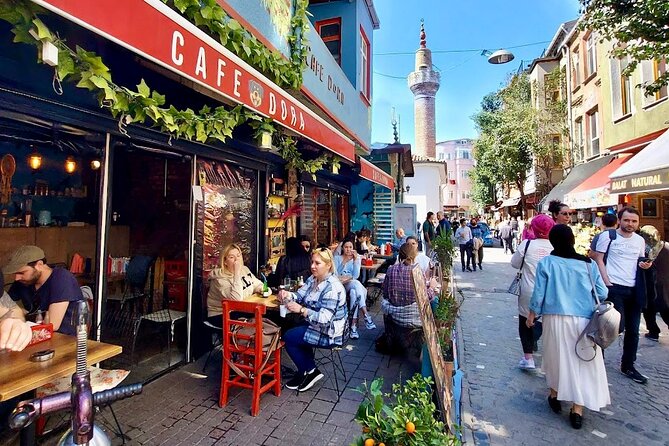
Not every stop needs a long explanation. Kamondo Stairs is one of those places where 15 minutes is enough. These 19th-century art nouveau steps are famous for a reason: they give you a clean angle into the streets and make it easy to shoot “Istanbul-from-the-stairs” photos without hiking.
Tip that helps: move fast through the first photo setups, then slow down for the best light. You will see the same staircase from different angles as you walk up and around, and that lets you capture variety without changing locations.
This is also a good breathing point. After that, the day shifts into churches and neighborhood streets where you will do more looking than posing.
The Bulgarian Iron Church (St. Stephen): architecture you can’t fake
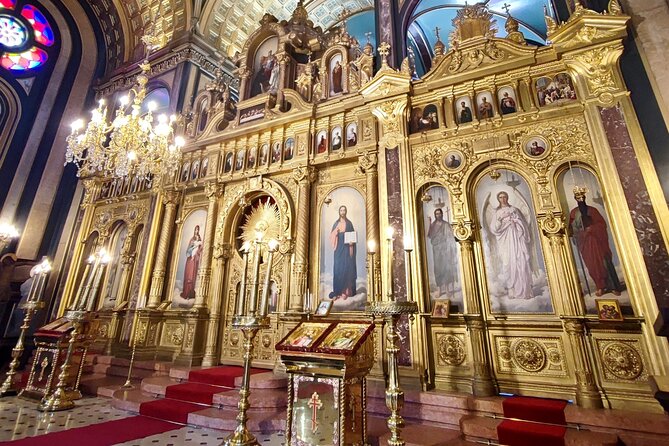
The Orthodox church stop is one of the most unusual things on the route. You visit the Iron Church (Bulgarian St. Stephen Church), known for being made entirely of cast iron. That material choice changes the whole feel of the space. Details that might look ordinary in stone or plaster take on a different texture when you are looking at ironwork and structure.
The visit is brief, but it is not a rushed checkbox. You are close enough to see the character of the building, and if you like interior decoration and older religious objects, this is the kind of place where your brain switches into slow mode. It also helps anchor the day’s bigger theme: the city’s many communities were not just passing through—they built places that still hold meaning.
If you care about photography: keep your expectations realistic. Churches can have rules about where you can stand and what you can photograph, and your guide can help you navigate that respectfully.





Balat market time and why it’s more than shopping
Then you hit Balat, where the day turns into streets, stalls, and everyday textures. The market stop gives you a chance to experience local commerce rather than only looking at famous landmarks. This is where you might browse antiques, second-hand goods, and small souvenir finds that feel personal because they come from how locals sell and trade.
I like this stop because it balances the more structured sights. If you have been to Istanbul before and felt like everything was either a museum or a monument, this gives you a human-scale break.
One caution: do not treat it like a marathon of bargaining. Move at a relaxed pace, choose one or two items you truly want, and keep your time for the photo streets that come right after.
Colorful stairs in Balat: Rainbow Stairs and Kiremit Street
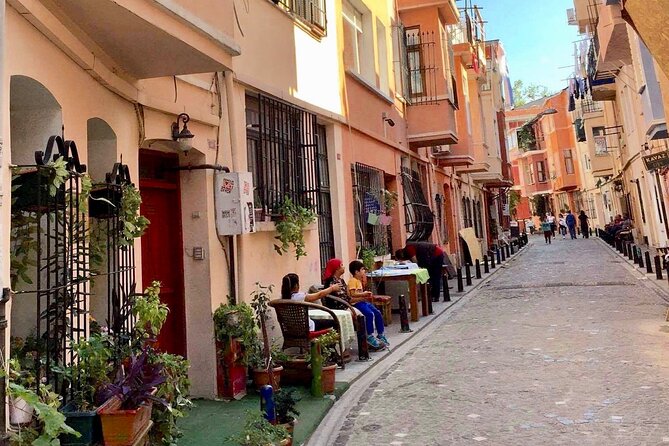
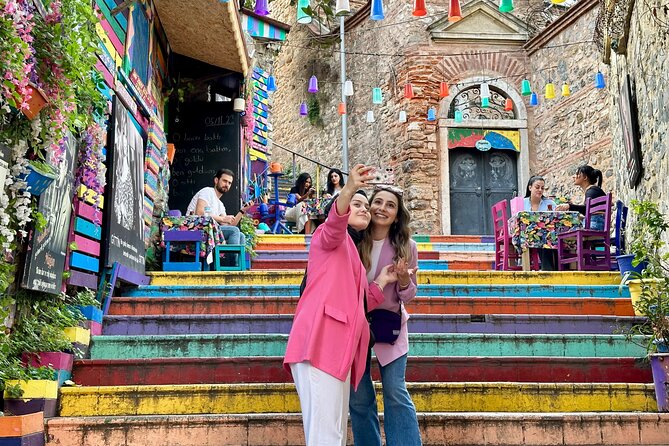
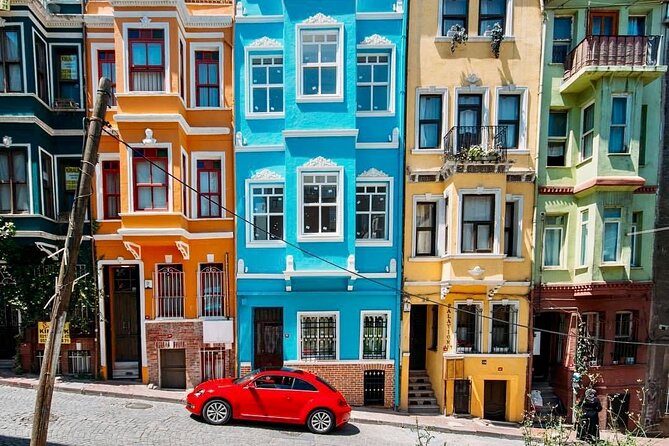
Colorful streets are a huge reason people plan Balat days in the first place. This route takes you to key spots where those pastel facades and stair lanes are the star.
Two names to keep in mind: Rainbow Stairs and Kiremit Street. These areas are great for photos because the buildings line up well for angles, and the streets create natural leading lines toward the sky.
If you want a smoother experience, watch for the flow of foot traffic before you stop for photos. When a spot gets crowded, it is hard to shoot without getting in someone’s way—so you do better by moving a few steps to find a quieter angle.
Jewish heritage context in Balat: what you might see
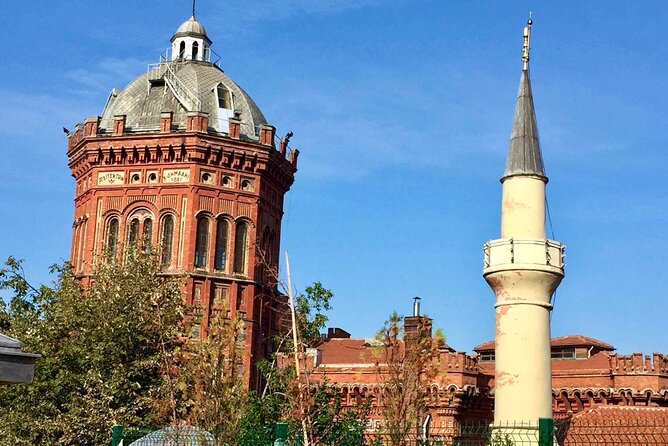
Balat is also tied to Jewish heritage. On this route, you can learn about that history and you may be able to visit the Ahrida Synagogue if it is accessible.
The value here is context. Instead of treating Jewish sites as isolated stops, your guide helps you connect them to the neighborhood layout and the communities that shaped it over time. Even if you do not see every interior space, understanding what these places meant gives you a stronger read on the street life around you.
Because access can vary, keep this stop flexible in your mind. If you can enter, great. If not, you still get the historical framing that makes the neighborhood make more sense.
Fener and Balat: crossing from one era to the next
The route into Fener and Balat feels like a shift in texture and time. The area is often described as a miniature timeline of Byzantine, Ottoman, and modern eras. That idea sounds fancy, but you feel it as you walk: architectural details, places of worship, and street patterns that reflect different community priorities across centuries.
You also get spiritual and political context through the Ecumenical Patriarchate, described as the major spiritual center for Eastern Orthodox Christians—often compared to the Vatican in terms of importance.
From a practical standpoint, this part of the day works because you are not just staring at buildings. You are learning what they represent, and that turns “pretty streets” into “I understand why this street matters.”
If your guide is Erol, you may also get a local pause for something simple like tea and cookies. That kind of stop is more than a break; it gives you a calmer moment to absorb the day’s sights without rushing back into the street flow.
Walls of Constantinople plus the Golden Horn finishing walk
After the neighborhood wandering, the tour pivots into the Walls of Istanbul area—fortifications from the medieval age connected to Constantinople’s defenses. The feeling here is different. You are no longer looking for postcard colors. You are tracing survival: what held the city together, what still remains, and how walls shape what can be built nearby.
Then you close with the Golden Horn, finishing along the waterfront views. This is where the day feels earned. You have walked enough streets and looked at enough landmarks to appreciate what it means to step out onto open water.
If you still have camera battery, this is the time. The Golden Horn gives you gentle light angles and a calmer horizon line than the tighter streets earlier in the day.
Galata Köprüsü and Karaköy: the bridge that links more than directions
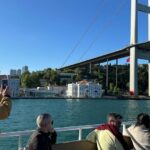
The route includes Galata Köprüsü, a bascule bridge spanning the Golden Horn. You get both a literal link across two sides of Istanbul and a symbolic one: the city’s ability to connect worlds while keeping them distinct.
Karaköy is also part of the closing feel. It helps the day land back in a lively but manageable area, so you are not left wondering how to transition to your next stop.
Ferry, tram, and bus transport: how to plan for the day
Because transport is included and mixes ferry, tram, and bus, you can plan around a real Istanbul rhythm rather than forcing your own route. That said, public transit days can be affected by timing, crowds, and weather, so build a little flexibility into your schedule outside the tour window.
Also remember: you should arrive at least 5 minutes early. Istanbul traffic and taxi-finding can slow things down, and you do not want to start the tour already stressed.
This is also a tour where you will likely be comfortable walking on mixed surfaces. If you have mobility concerns, the tour states most people can participate, but cobbles and stairs around Galata and Balat may still be a factor.
Price and value: what $66.23 covers, and what can cost extra
The price is $66.23 per person for about 4 hours. You get a professional English-speaking guide, donations, and transport by ferry, tram, bus. If you select the all-inclusive option, you also get the Galata Tower entry ticket.
If you do not select all-inclusive, plan for the Galata Tower fee of €30 per person. That means the “true total” depends on which option you choose and how strongly you care about going up into the tower.
At this size and with this mix of neighborhoods, I see the value in two places:
- You are not just hopping between sights. You are getting guidance across different areas in a route that makes sense.
- Your time is protected. Transfers are handled, so you spend less time figuring out Istanbul and more time looking at it.
Add the small group cap of 8 travelers maximum, and the day feels more personal than a bus-style tour.
Who this tour suits best
This tour is a strong fit if you want a route that mixes:
- big views (Galata Tower and the Golden Horn)
- distinctive architecture (the cast-iron Bulgarian Orthodox church)
- street photography opportunities (Kamondo Stairs, Rainbow Stairs, Kiremit Street)
- neighborhood context (Balat and Fener communities, plus the Ecumenical Patriarchate area)
It is also a good choice if you like tours with a human pace. When guides such as Erol made the experience enjoyable even in rain, the lesson was clear: the best value comes from having someone explain what you are seeing and keep the day moving when conditions change.
Should you book this Galata to Fener-Balat experience?
If you want Istanbul in one compact day—and you care about seeing how communities and architecture connect—this is an easy yes. The route balances viewpoints with walkable neighborhood texture, and the small group size helps the guide keep things thoughtful instead of rushed.
Book it if:
- Galata Tower is on your must-do list (and you will likely choose the all-inclusive option)
- you like photography-friendly streets and stairs
- you want more meaning than a quick sightseeing circuit
Skip it or adjust your expectations if:
- you are traveling only on days with uncertain weather, since the experience requires good weather
- you know you will not want to pay extra for Galata Tower entry if you did not select all-inclusive
FAQ
FAQ
Is Galata Tower entry included in the tour price?
It depends on the option you choose. If you select the all-inclusive option, the Galata Tower entry ticket is included. If not selected, the Galata Tower entrance fee is not included and is listed as €30.00 per person.
How long is the tour?
The duration is about 4 hours.
What language is the tour offered in?
The tour is offered in English, with a professional English-speaking guide.
How many people are in the group?
The tour has a maximum of 8 travelers.
What transport is included?
Transport is included and can include ferry, tram, and bus.
Where do I meet the guide?
The start point is Anemon Koleksiyon Galata Hotel, Bereketzade, Büyük Hendek Cd. No:5, 34421 Beyoğlu, Istanbul.
Where does the tour end?
The tour ends by the Karaköy Ferry Terminal next to Galata Bridge.
What is the best time to arrive before the tour starts?
You should arrive at least 5 minutes before the activity starts, since taxi finding and traffic congestion can be an issue.
Do I need good weather?
Yes. The experience requires good weather. If canceled due to poor weather, you’ll be offered a different date or a full refund.
What if the minimum number of travelers isn’t met?
If it’s canceled because the minimum isn’t met, you’ll be offered a different date/experience or a full refund.
Can I cancel for a refund?
Free cancellation is available. You can cancel up to 24 hours in advance for a full refund. If you cancel less than 24 hours before the start time, the amount paid is not refunded.