REVIEW · ISTANBUL
From istanbul: Gobeklitepe and Harran Day Trip
Book on GetYourGuide →Operated by Laal Dmc · Bookable on GetYourGuide
A day trip that starts with a flight still feels like a real expedition. This Istanbul-to-Sanliurfa tour strings together UNESCO Gobekli Tepe and the religious-history magnet of Harran, with an English-speaking guide who actually knows the sites.
What I like most is that it’s built for understanding, not just checking boxes.
You’ll get to experience Gobekli Tepe with a professional, English live guide, and the kind of explanations that connect the stones to bigger questions people ask about early civilization. I also like how you’re not stuck in one place: you add Edessa (and Abraham’s Cave) and then move on to Harran’s unique ruins and beehive-style houses, plus the nearby sacred water area people visit in Sanliurfa.
The main consideration is simple: the day is long, and the total time (listed as 7–22 hours) will depend on flight schedules. If you hate rushing between airports, museums, and excavation sites, plan for a full-day pace.
In This Review
- Key points worth knowing before you go
- From Istanbul to Sanliurfa: the smart way to see two legends
- Gobekli Tepe: the excavation site you’ll never forget
- Edessa and Abraham’s Cave: why the stories stick
- Harran: beehive houses and an ancient town feel
- Pool of Abraham and the mosaic museum: a spiritual stop with real atmosphere
- How the long day runs: pacing, comfort, and photo time
- Guides make or break it: meet the people behind the explanations
- What you’re really paying for: value in access, time, and context
- Who this tour fits best
- Should you book this Istanbul to Göbekli Tepe and Harran day trip?
- FAQ
- What sites does this tour visit?
- Is the tour guided in English?
- How big is the group?
- Do I skip the ticket line?
- Is pickup included in Istanbul?
- Where does the tour start and finish?
- How long is the tour?
- Are flights and transfers included?
- Is there a cancellation option?
- Do I need to send passport copies?
Key points worth knowing before you go
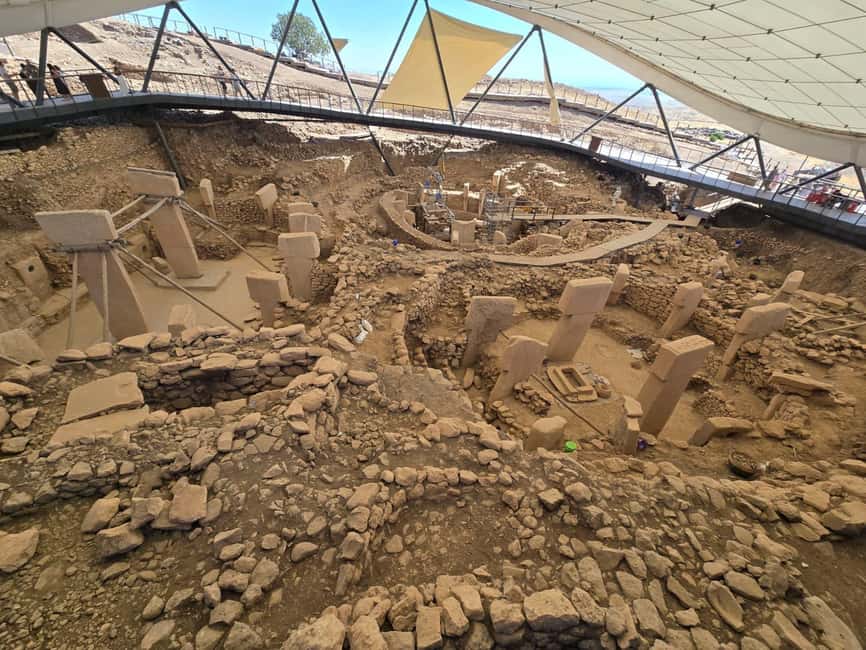
- Göbekli Tepe, UNESCO, with an expert English guide who can explain what you’re seeing in plain language
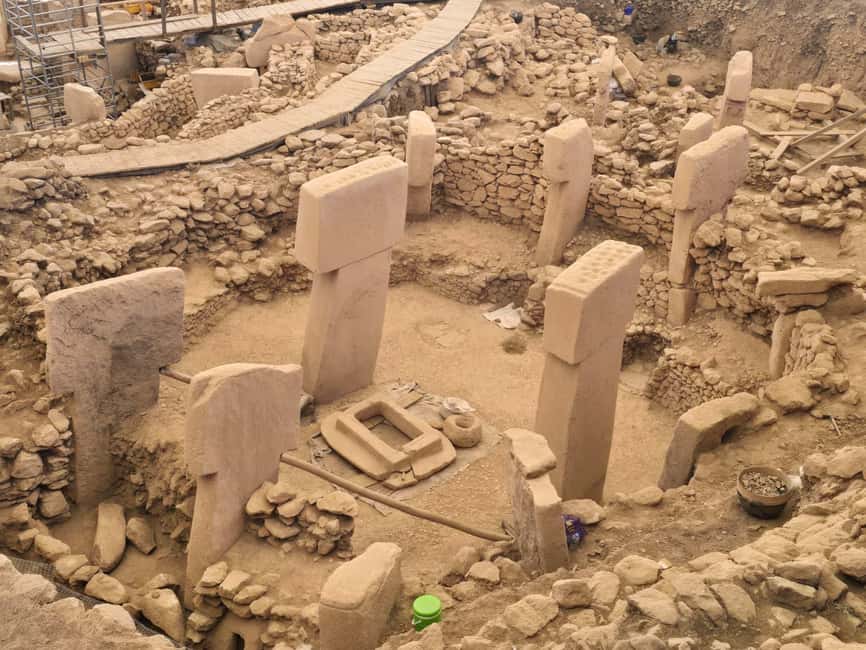
- Monolithic pillars and dry-stone connections make Gobekli Tepe feel more like a designed space than ruins
- Edessa (one of the great holy-place names) plus Abraham’s Cave gives you context beyond archaeology
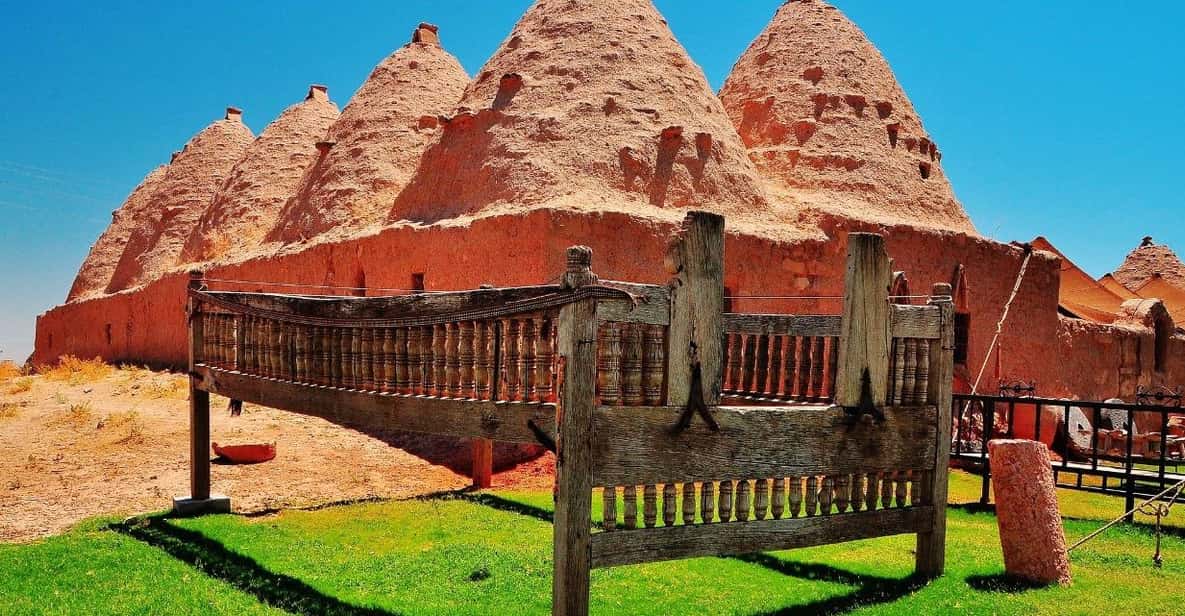
- Harran’s beehive houses add a lived-in feel to ancient history
- Private airport transfers in Istanbul and Sanliurfa reduce stress on travel day
- Small group size (up to 12) so you can ask questions and get attention when you need it
From Istanbul to Sanliurfa: the smart way to see two legends
This is not a bus-and-hope day. You’re picked up in Istanbul (pickup is optional, based on what you share when you book), transferred to the airport, then you fly to Sanliurfa and meet your guide after arrival. After the site visits, you fly back and return to your hotel in Istanbul.
That flow matters. Flying means you’re spending your energy at the sites instead of being stuck on roads for most of the day. And because the tour includes private transfers at both ends, you’re not trying to figure out taxis with jet lag and luggage.
You’ll also feel the difference in group size. With a small group limited to 12 participants, it’s easier to keep the day moving without losing the chance to ask questions.
A few more Istanbul tours and experiences worth a look

Gobekli Tepe: the excavation site you’ll never forget
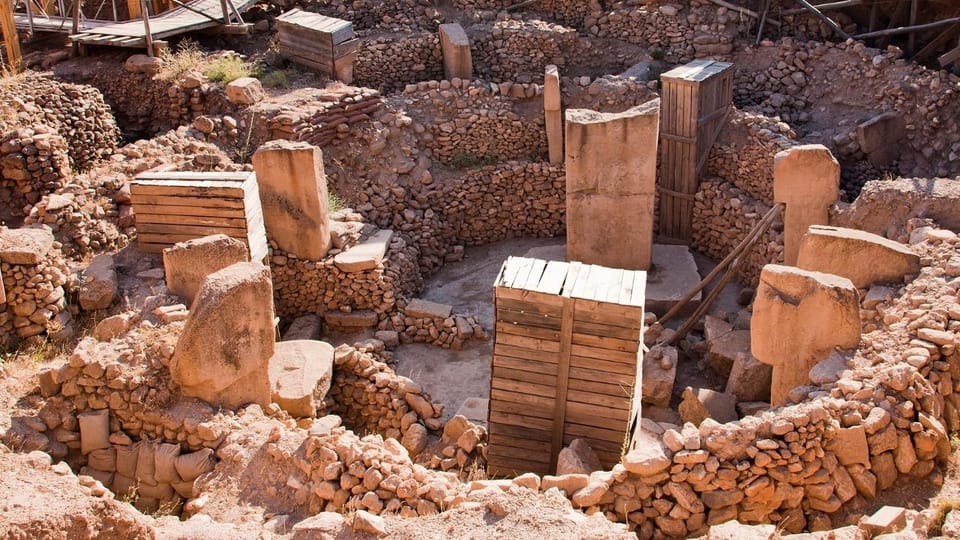
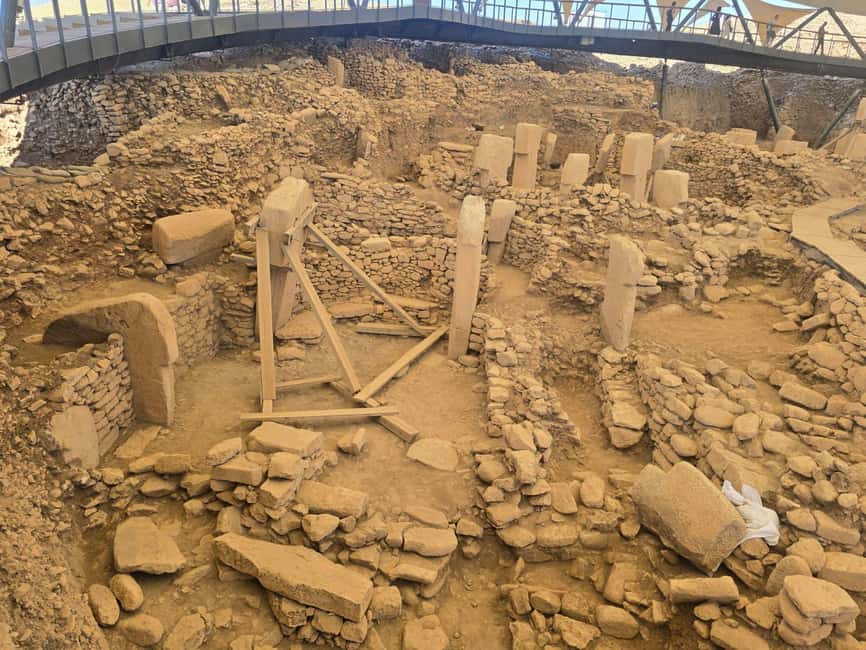
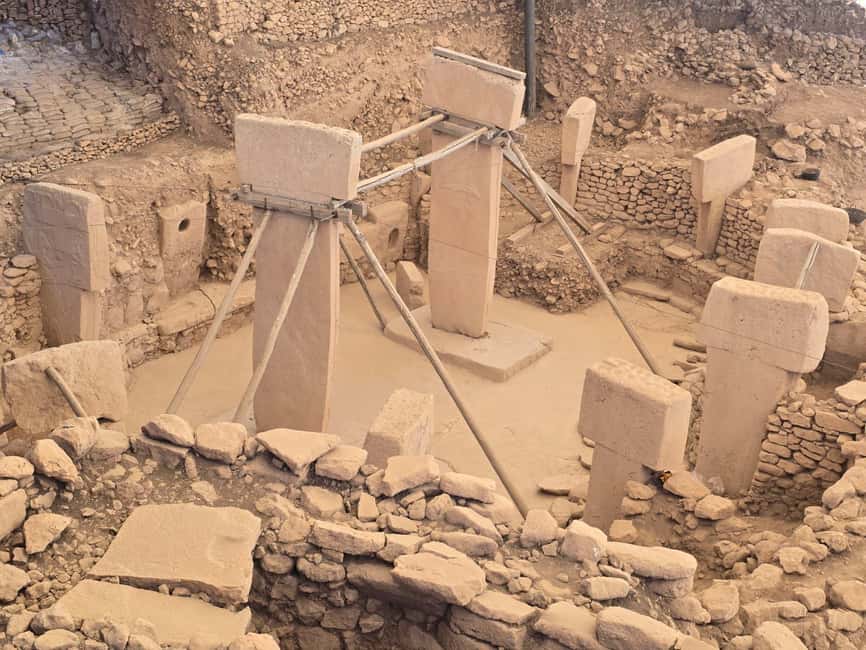
Plan for one of Turkey’s biggest archaeology “wow” moments. Göbekli Tepe (UNESCO) is widely considered one of the world’s earliest known temple sites, and the excitement is not just about age. It’s about the way the place was built.
At the excavation area, you’ll see monolithic pillars that stand like upright markers, linked by dry stone walls. Your guide’s job is to help you understand what those arrangements suggest—where visitors often get stuck is trying to read meaning into stones without the background. The English guides on this tour, including people like Ibrahim (often described as an archaeology specialist and even PhD-level researcher) and others such as Selim or Yusuf, are the type who answer follow-up questions instead of rushing ahead.
What makes this stop especially valuable is how the guide frames the site. Some explanations go beyond straightforward description and touch on links people make between early symbolism and wider patterns in the region, including astronomy-type theories and dramatic ideas about ancient timelines. Even if you don’t buy every speculative connection, you’ll walk away thinking, because you’ll have a guide who can talk about evidence and uncertainty rather than selling one storyline.
You should also expect a steady pace for photos. Several guide experiences mention how they create space for pictures. That matters here, because Gobekli Tepe rewards slow looking.
Edessa and Abraham’s Cave: why the stories stick
After Gobekli Tepe, the day shifts from stone arrangements to sacred place names. You’ll visit Edessa, described as one of the most important holy places, and learn how the region’s religious history overlaps with how people read their past.
This part is where the tour becomes more than archaeology. Your guide can help you understand why places like Edessa have staying power—because they’re not only “ancient,” they’re also part of how different communities built identities over time.
You’ll also visit Abraham’s Cave, which is included in the tour route. This stop tends to resonate if you like places where faith, legend, and geography all meet. Even when you’re not religious, standing in a site tied to Abraham’s story can give you a better sense of why travelers have been drawn to this area for centuries.
If you want a practical tip: ask your guide to connect the dots between what you saw at Gobekli Tepe and the later sacred geography of Sanliurfa. The most satisfying moments come when early archaeology and later religious tradition speak to each other instead of living in separate mental folders.
Harran: beehive houses and an ancient town feel
Next comes Harran, a city known for its historic ruins and its distinctive architecture. One of the most memorable parts is seeing the beehive houses—conical structures that look like they were designed for desert weather and daily life. It’s one thing to read about Harran; it’s another to stand near the remains and feel the scale of how people once lived.
Harran also helps balance the day. Gobekli Tepe can feel otherworldly, because it’s an excavation site with dramatic pillars. Harran brings you back to ordinary life in the past: the shapes, the settlement, and the sense that history here is not frozen behind glass.
Your guide should also fill in the background as you move through the town. In past experiences, guides described how they tailor the tour to the interests of their group—so if you’re curious about early settlement patterns, social history, or how stories traveled across the region, this is the stretch where those conversations often happen.
Pool of Abraham and the mosaic museum: a spiritual stop with real atmosphere
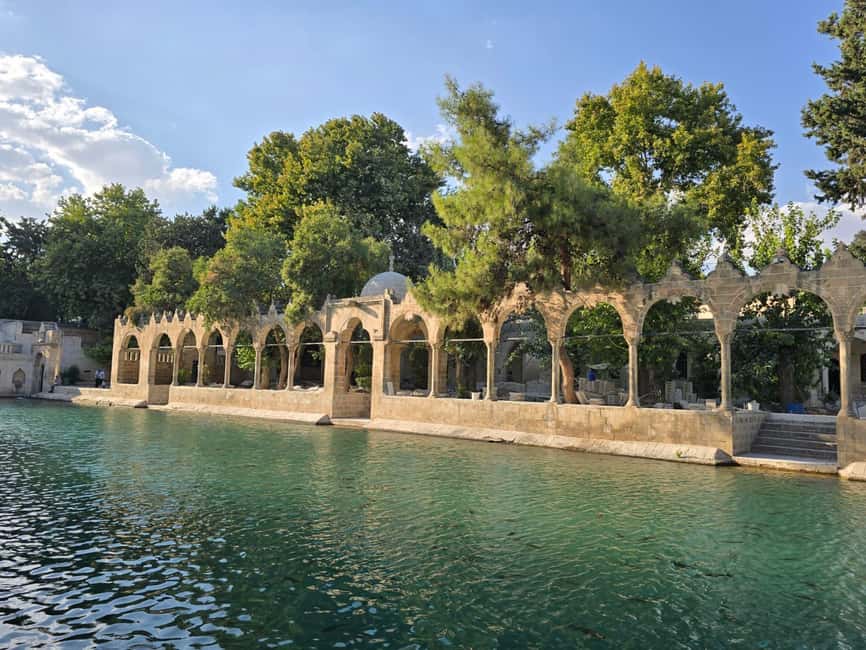
Near Sanliurfa’s sacred center, you’ll have time to see the Pool of Abraham area (often referred to as Balıklıgöl in local usage). This is a place people come to for its religious associations, but it’s also visually striking because of how the water and the surrounding setting shape the atmosphere.
You may also visit the mosaic museum connected to this part of the itinerary, which adds a layer of art and local craftsmanship to what can otherwise feel like only religious sightseeing. It’s a helpful counterpoint: the day is heavy on ancient structures, so a museum stop gives your eyes a chance to interpret patterns differently.
This is another spot where a good guide pays off. If you ask the right questions—how the area developed, why these symbols mattered, how later communities treated the space—you’ll get a more grounded understanding than you would from reading a sign.





How the long day runs: pacing, comfort, and photo time
Even though this is a “day trip,” it’s really a travel-day marathon. The tour is listed as 7–22 hours, and that range is a big clue. Your actual timing hinges on flight schedules between Istanbul and Sanliurfa, plus the time needed for airport transfers and site visits.
What helps is that the logistics are set up to be smooth:
- private airport transfers in Istanbul and Sanliurfa
- a live English guide
- skip-the-ticket-line handling (so you’re not waiting around as a group)
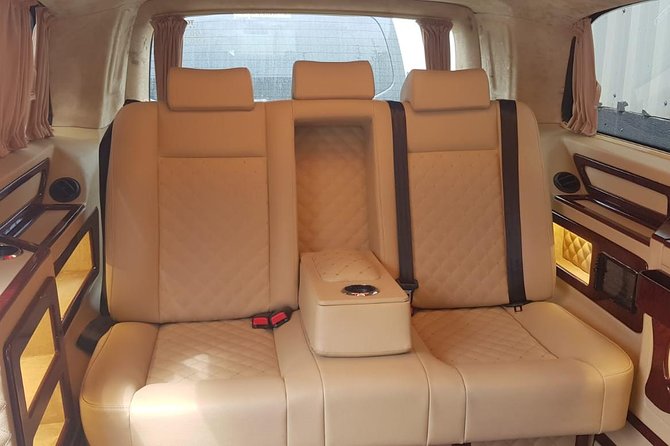
On comfort, you can usually expect a real road-journey vehicle rather than a cramped ride. Some guide experiences mention a new car with A/C, which matters a lot if you’re traveling in warmer months.
And yes, it’s a long day for photos. A few guide experiences mention the fun reality of constantly stopping for pictures and questions. The good news is that the small group size makes it easier to adapt when someone wants extra time at a particular spot.
My practical advice: pack light, wear shoes you can handle on excavation or uneven surfaces, and don’t plan a “must-see” dinner right after you land back in Istanbul. This tour already squeezes a lot into one calendar day.
Guides make or break it: meet the people behind the explanations
This tour’s standout theme is the guide. Names that come up include Ibrahim (often described as extremely knowledgeable and passionate about the period), Selim, Yusuf, and Slim Bakir. The common thread is English ability and the willingness to answer detailed questions.
In particular, Ibrahim experiences are described as archaeology-focused, with clear communication that helps you understand complex ideas without making it feel like a lecture. Some guides also share personal knowledge of Sanliurfa and recommend places to eat locally, which can turn a scheduled tour meal into a more authentic stop.
If you’re the type who likes to ask about evidence versus theories, you’ll probably enjoy the way these guides explain not only what’s found at Gobekli Tepe, but also how people interpret it. That’s the difference between seeing pillars and understanding why they matter.
What you’re really paying for: value in access, time, and context
No price is listed here, so I can’t do a cost breakdown. But I can tell you what you’re buying.
You’re paying for three big value items:
- Time savings by flying rather than doing a long overland transfer
- Lower friction logistics, with airport transfers and coordinated guidance
- Interpretation, not just entry to sites
Skip-the-ticket-line handling also counts as value. In a full-day schedule, small delays pile up. Getting through entry points efficiently helps preserve time for the stops that need attention.
This tour is also good value if you care about context. Gobekli Tepe and Harran aren’t just scenic. They’re the kind of places where a guide can turn confusion into clarity fast—especially when you’re trying to connect what you see at an excavation site to the later sacred geography of Edessa and Abraham’s Cave.
Who this tour fits best
This is a strong match if you:
- want a focused, high-impact route from Istanbul without spending days traveling
- enjoy archaeology explanations with a guide who can discuss theories and evidence
- like religious-historic places such as Edessa and Abraham’s Cave, then want architecture-based history at Harran
- prefer a small group with room for questions and photo stops
It’s also a decent fit for travelers who want a “big bucket list day” but still want substance. The itinerary hits headline sites, yet it’s not only about monuments. It includes museums and lived-in architectural remains that help you build a real sense of the region.
Should you book this Istanbul to Göbekli Tepe and Harran day trip?
If Gobekli Tepe is on your list, I think this is the practical way to do it. Flying to Sanliurfa saves you hours, and the small group setup plus English live guiding means you’re more likely to leave with understanding, not just photos.
I’d book this if you can handle a long travel day and you’re excited by early-history questions—especially the ones guides like Ibrahim are known for tackling with careful, talk-it-through explanations.
I’d hesitate if you’re extremely sensitive to schedule changes, because flight timing will shape the experience. But if you want a guided run through Gobekli Tepe, Edessa, Abraham’s Cave, Harran, and the Pool of Abraham in one go, this tour is built for exactly that.
FAQ
What sites does this tour visit?
It includes Göbekli Tepe, Edessa, Abraham’s Cave, and Harran. The day also features time around Sanliurfa’s sacred water area, commonly associated with the Pool of Abraham/Balıklıgöl.
Is the tour guided in English?
Yes. The tour includes a live guide in English.
How big is the group?
The group is limited to a small group of up to 12 participants.
Do I skip the ticket line?
Yes. The tour includes skip the ticket line.
Is pickup included in Istanbul?
Pickup is optional. You’ll need to mention your hotel or Airbnb address when booking if you want pickup.
Where does the tour start and finish?
The guiding service starts and finishes at Sanliurfa City Center.
How long is the tour?
The duration is listed as 7 to 22 hours, depending on availability and starting times.
Are flights and transfers included?
Yes. You fly from Istanbul to Sanliurfa and back, and there are private airport transfers in both Istanbul and Sanliurfa.
Is there a cancellation option?
Yes. Free cancellation is offered up to 24 hours in advance for a full refund.
Do I need to send passport copies?
If you book the FULL PACKAGE OPTION, you’re asked to send passport copies by email so domestic tickets can be issued.