REVIEW · ISTANBUL
From Istanbul: Göbekli Tepe & Mount Nemrut 2 Day Tour
Book on GetYourGuide →Operated by Travel See Life LTD · Bookable on GetYourGuide
Seeing Mount Nemrut statues and Göbekli Tepe in one trip feels like cheating. I love how this tour stitches together two world-class sites—Nemrut’s Commagene royal monuments and Göbekli Tepe’s 12,000-year ritual complex—with smart timing and an English guide who can explain what you’re actually looking at. The itinerary also layers in the supporting stops in Adıyaman and Şanlıurfa, so the trip doesn’t feel like a drive-by photo run. One possible drawback: it’s packed, and you’ll do a lot of walking, especially on Day 1 around Nemrut and the ancient areas.
This is the kind of tour that works best when you want efficiency without giving up context. The group stays small (up to 10), and you get included museum and site admissions plus domestic flights and airport transfers. If you hate tight schedules or want a slow museum-style pace, you might find it tiring.
In This Review
- Key points I’d plan around
- Why Nemrut + Göbekli Tepe works so well together
- The Istanbul-to-Adıyaman routing: tight, but built for a 2-day format
- Day 1 in Adıyaman: Karakuş, Cendere Bridge, Arsemia, and Nemrut sunset
- Karakuş Tumulus: funerary power with a local landmark name
- Cendere Bridge (Severan Bridge): Roman engineering in a Commagene neighborhood
- Arsemia (Arsameia) ancient city: reliefs and inscriptions that explain the message
- Mountain Nemrut: the statues, the scale, and that sunset timing
- Day 2 in Şanlıurfa: Göbekli Tepe, prophet geography, museums, and Balıklıgöl
- Şanlıurfa museums: archaeology plus mosaics
- The prophet cave and Abraham’s birthplace area
- Covered bazaar time: shop streets instead of only major sites
- Göbekli Tepe: 12,000 years old, and built before most of what we count
- Balıklıgöl: Abraham’s cave and the Pool of Prophet Abraham
- Who this tour fits best (and who should consider a slower plan)
- Price and value: what $1,169 buys you in the real world
- The pacing reality: walking, weather, and summit time
- A guide makes the difference: names you might hear
- Should you book this Göbekli Tepe & Mount Nemrut 2-day tour?
- FAQ
- How long is the tour?
- Do I need to bring my passport?
- Is the tour guided in English?
- Is it a small group?
- What’s included in the price?
- Is dinner included?
- What should I wear or bring for the sites?
- What is the main schedule on Day 1 and Day 2?
Key points I’d plan around
- Nemrut sunset at altitude: you get the iconic statues moment, not just a daytime pass-through.
- Göbekli Tepe with context: the guide helps connect the site to early ritual life before writing and pottery.
- Commagene stops beyond the headline: Karakuş Tumulus, Cendere Bridge, and Arsemia make the region click.
- Şanlıurfa’s prophet sites and museums: archaeology, mosaics, bazaar wandering, and Balıklıgöl in one day.
- Small-group pacing: limited to 10, with an English live guide and transfers that keep you moving.
Why Nemrut + Göbekli Tepe works so well together
The selling point here is obvious: Mount Nemrut and Göbekli Tepe are both huge historical “stop-you-in-your-tracks” destinations. What’s less obvious—yet what you’ll feel once you’re there—is how well the tour pairs mythic power with deep time.
Nemrut (in the Commagene Kingdom) gives you a royal story told through giant statues, inscriptions, and monumental funerary planning. Göbekli Tepe gives you the human story before most of what we think of as civilization—before writing, before pottery, long before cities in the way we imagine them. Put together, they make you rethink timelines and what “culture” can mean.
This tour also avoids the common mistake of treating these sites as separate worlds. It threads them through the broader region: Commagene monuments in Adıyaman Province, then the Abraham-era spiritual geography in Şanlıurfa, with museums and bazaar time in between.
A few more Istanbul tours and experiences worth a look

The Istanbul-to-Adıyaman routing: tight, but built for a 2-day format
You start with hotel pickup in Istanbul and a transfer to Istanbul airport. From there, you fly domestically to Adıyaman and meet your group at the airport. Departures are set so your Day 1 begins around midday—there’s a lunch stop en route, then the sightseeing starts.
For a 2-day tour, this matters. You’re not just “in the region.” You’re switching bases once—overnight in Adıyaman—then spending the second day fully in Şanlıurfa before flying back to Istanbul in the evening.
A small-group limit (10 participants) helps here. With fewer people, the guide can keep the flow moving and you’re less likely to get stuck in crowd bottlenecks while still taking in explanations.
One more practical note: because this is a flight-based schedule, you should treat timing as part of the experience. If you’re the type who wants extra detours or long last-minute stops, this won’t match that style.
Day 1 in Adıyaman: Karakuş, Cendere Bridge, Arsemia, and Nemrut sunset
Day 1 is where the tour builds credibility fast. You’re not only going to Nemrut; you’re warming up your eye for Commagene-era thinking.
Karakuş Tumulus: funerary power with a local landmark name
You visit Karakus Tumulus (also written Karakuş). The monument is tied to Queen Isias and princesses Antiochis and Aka I of Commagene, built by Mithridates II roughly 30–20 BCE. Even the name has a visual clue: “Karakuş” means black bird, referencing a column topped by an eagle.
This stop is valuable because it’s not one of the headline “everyone posts this” places. It gives you a sense of how monumental funerary architecture worked in this kingdom—massive stone meaning, political identity, and symbolism all wrapped together.
Drawback to keep in mind: it’s still part of a travel day, so you’ll likely move through at an efficient pace rather than lingering.
Cendere Bridge (Severan Bridge): Roman engineering in a Commagene neighborhood
Next comes Cendere Bridge (Severan Bridge). It’s a late Roman bridge near the ancient city of Arsameia (now Eskikale). It’s notable for being documented in 1883 by Osman Hamdi Bey and Osgan Efendi, which gives the site a nice layer of “how we learned about this” alongside “how it was built.”
You may think: a bridge, not statues. But bridges are how empires connected places. Seeing it after Karakuş helps you understand the region as a crossroads of cultures over centuries, not a single-episode history show.


Arsemia (Arsameia) ancient city: reliefs and inscriptions that explain the message
You then visit Arsemia Ancient City, once a summer residence of Commagene kings. At the foot of the ancient city, there’s a relief showing Heracles (or possibly Artagnes, a Persian deity the Greeks identified with Heracles) shaking hands with King Mithridates of Commagene around 50 BC. Next to that is the greatest Greek inscription of Anatolia.
This is one of the most meaningful stops on the whole day because it shows how Commagene rulers used language and mythology to legitimize power. You’re not just seeing ruins—you’re seeing persuasion.
In terms of the viewer experience: pay attention to the way the guide frames the figures. If the guide explains the handshake and the identity of the deity, the site clicks quickly instead of feeling like scattered stone.
Mountain Nemrut: the statues, the scale, and that sunset timing
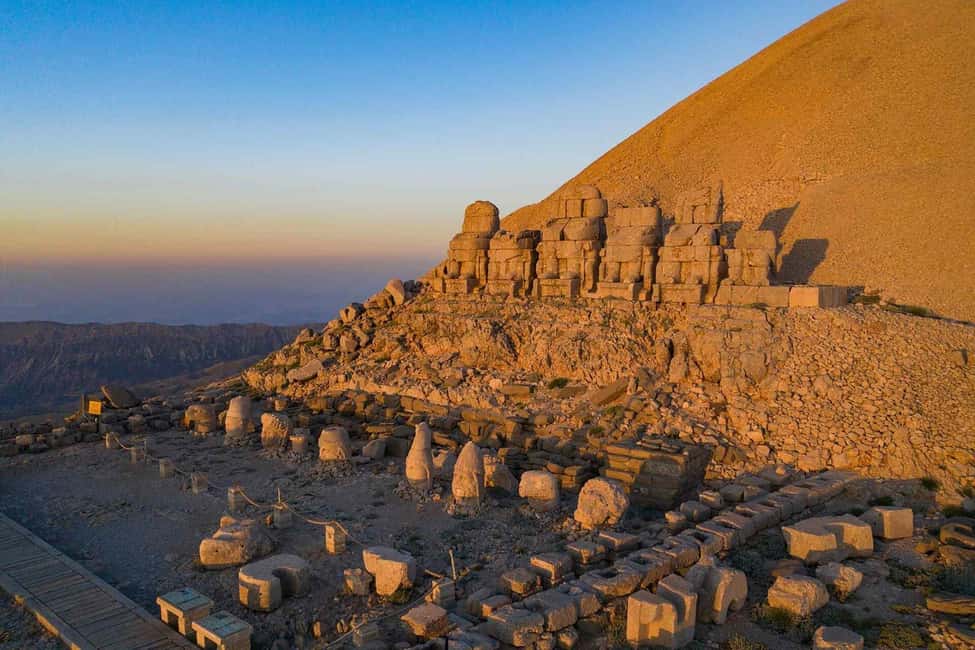
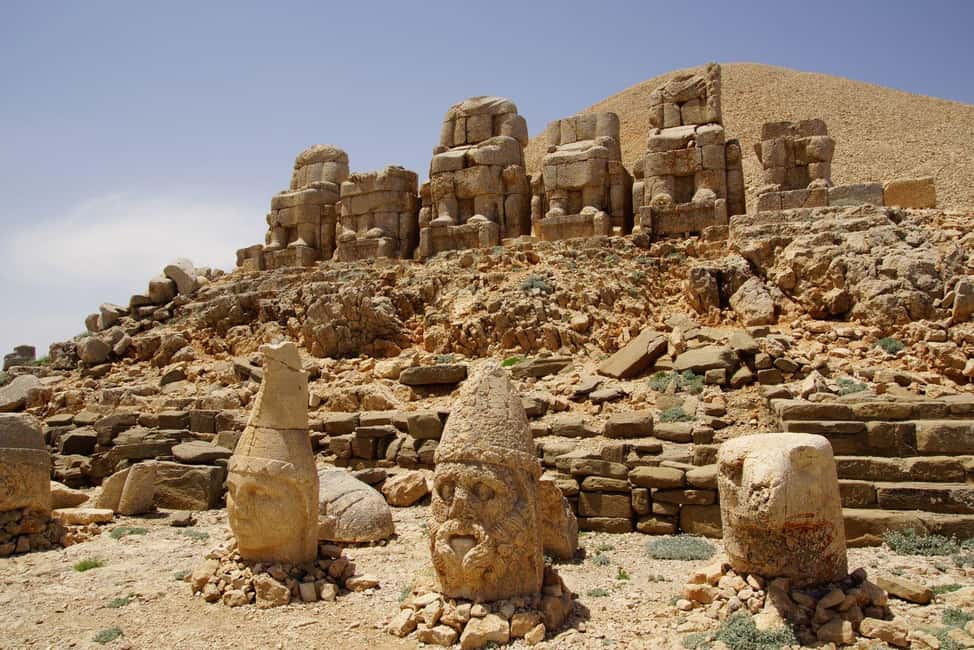
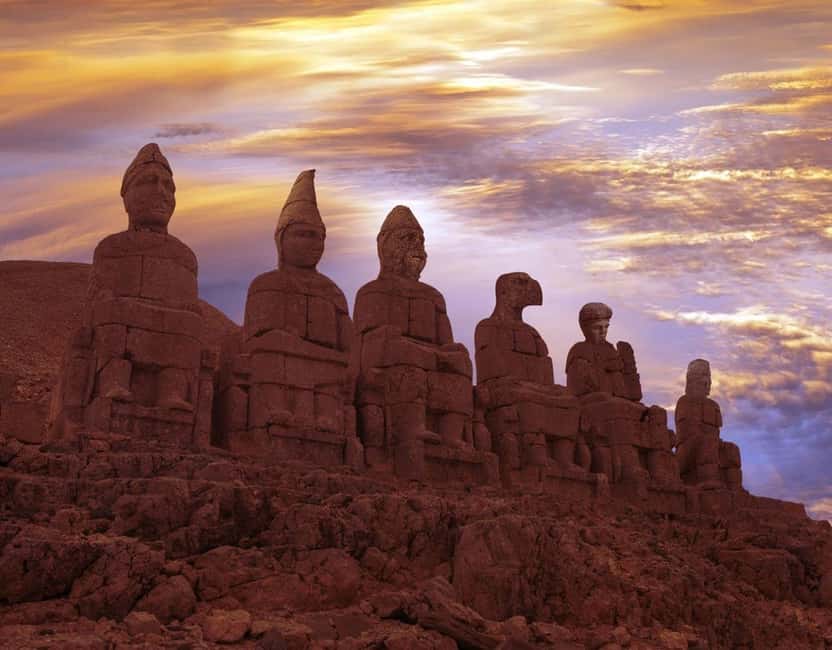
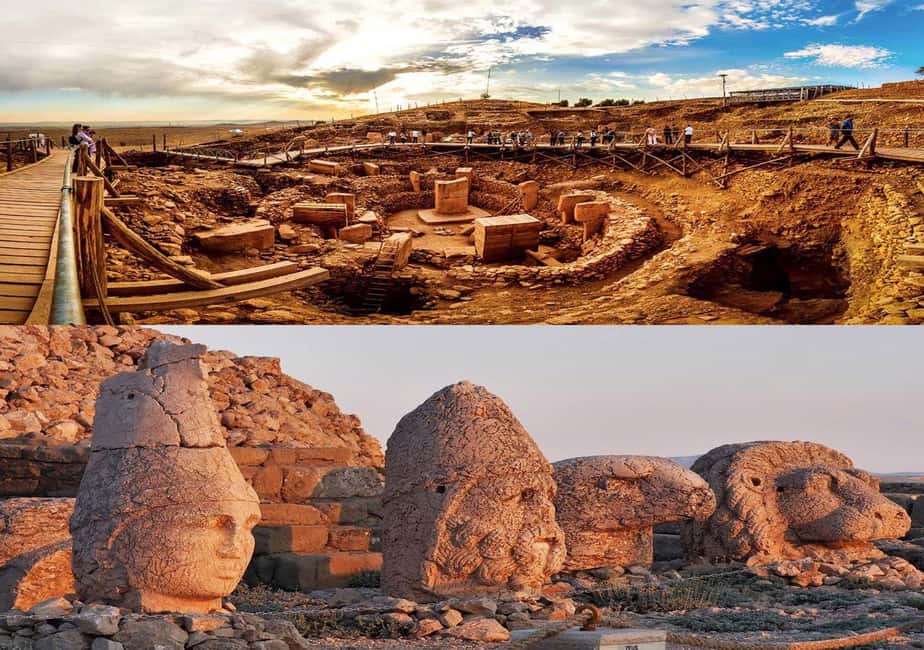
Finally, Mount Nemrud (Nemrut). The mountain is about 2,134 meters high, and the summit area features large statues around what’s believed to be a royal tomb from the 1st century BC. The highlight is the sunset moment—because the statues and surrounding stonework look different depending on the light.
Nemrut has a specific kind of emotional impact. It’s not “pretty.” It’s monumental, strange, and a little dramatic—like someone built a stage for a story and then left it for the wind.
Practical consideration: it’s high and open. Bring layers you can handle at the summit, plus comfortable shoes. If you’re sensitive to cold or wind, plan for it.
Day 2 in Şanlıurfa: Göbekli Tepe, prophet geography, museums, and Balıklıgöl
Day 2 starts with breakfast, then shifts from Adıyaman’s royal monuments to Şanlıurfa’s spiritual and archaeological atmosphere. The day is designed so you get museum context, then sacred sites, then the big “early civilization” centerpiece again.
Şanlıurfa museums: archaeology plus mosaics
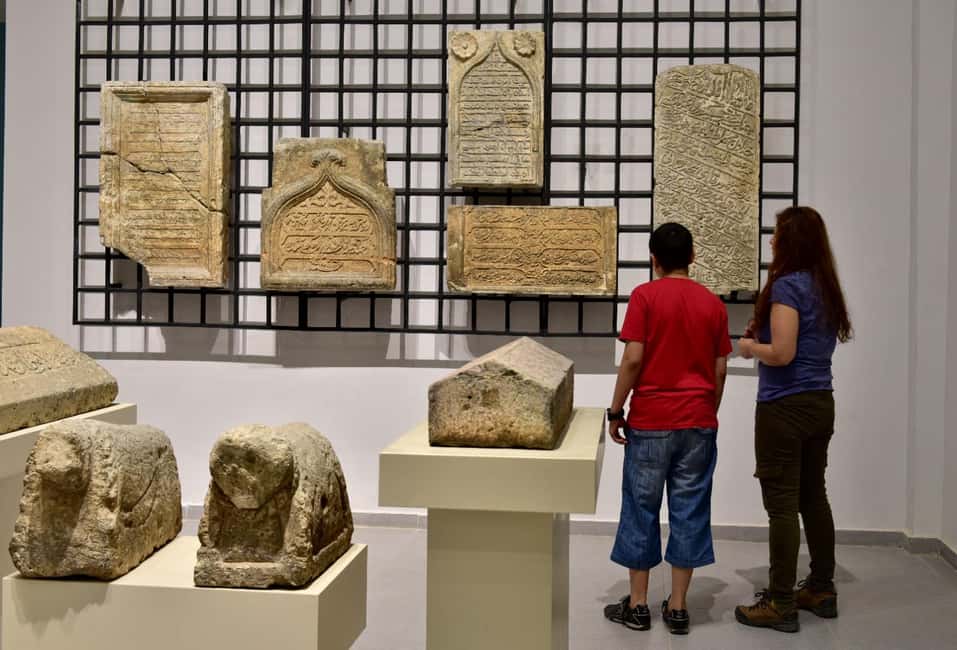
You visit the Şanlıurfa Archaeology and Mosaic Museum and the Aleppo Bahce Mosaic Museum. The goal here is straightforward: you learn what people dug up and how the region’s cultures evolved—especially materials linked to Harran and the Göbekli Tepe area.
Museums on trips like this are sometimes treated like a checkbox. Here, they help you read Göbekli Tepe better later because you’ve already heard about what the broader archaeology looks like.
The prophet cave and Abraham’s birthplace area
You’ll also visit the cave believed to be the birth place of the prophet, then later you’ll connect it again at Balıklıgöl (sometimes written Balıklıgöl). The key is that the tour doesn’t treat spiritual geography as “just scenery.” It uses it as a framework to understand why the city matters to local traditions.
One reason this works: it gives you a break from the most demanding parts of the day before you go back to big sightseeing.
Covered bazaar time: shop streets instead of only major sites
After the museum stops, you walk through Şanlıurfa’s local covered bazaar and the town, where you can find little details that don’t show up on postcards.
You’ll also have lunch with kebabs. That’s not a random “food stop.” It’s the one moment in the itinerary when you get to slow down just a bit and absorb the everyday city rhythm.
Göbekli Tepe: 12,000 years old, and built before most of what we count
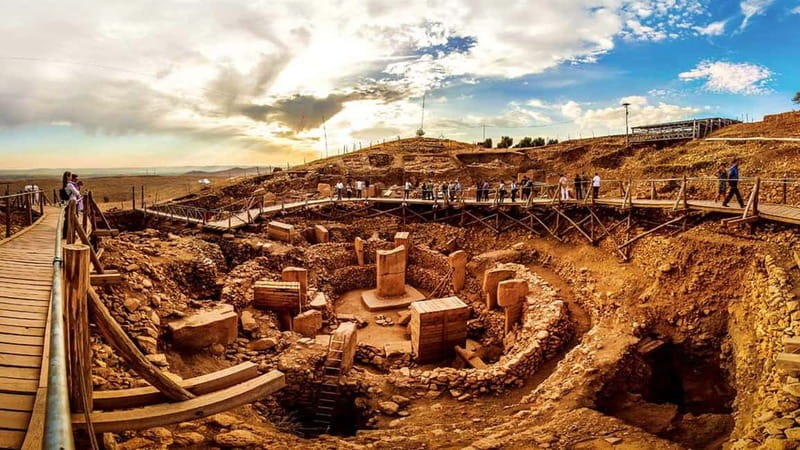
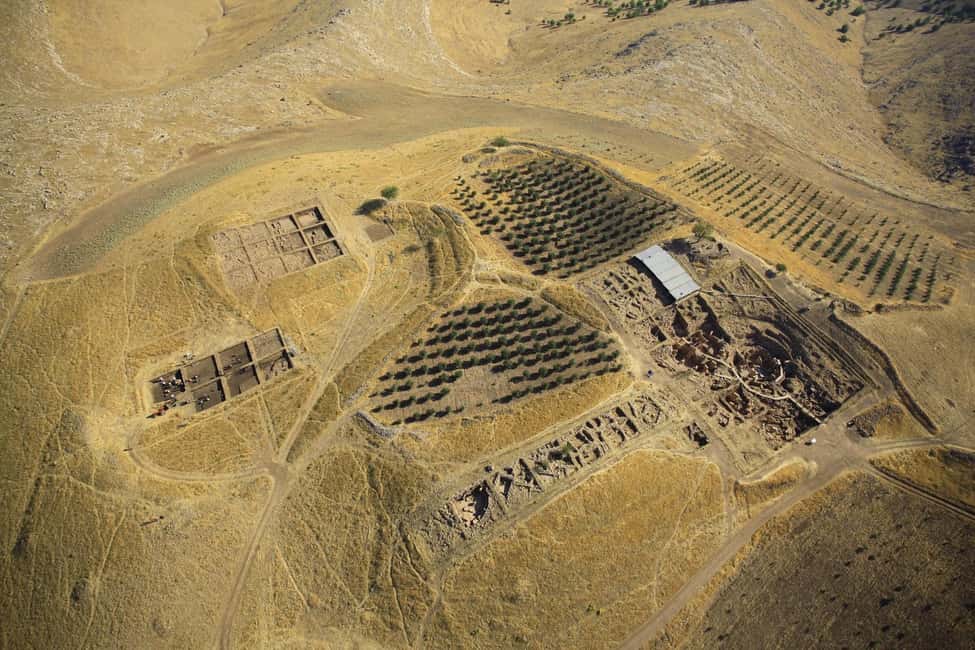
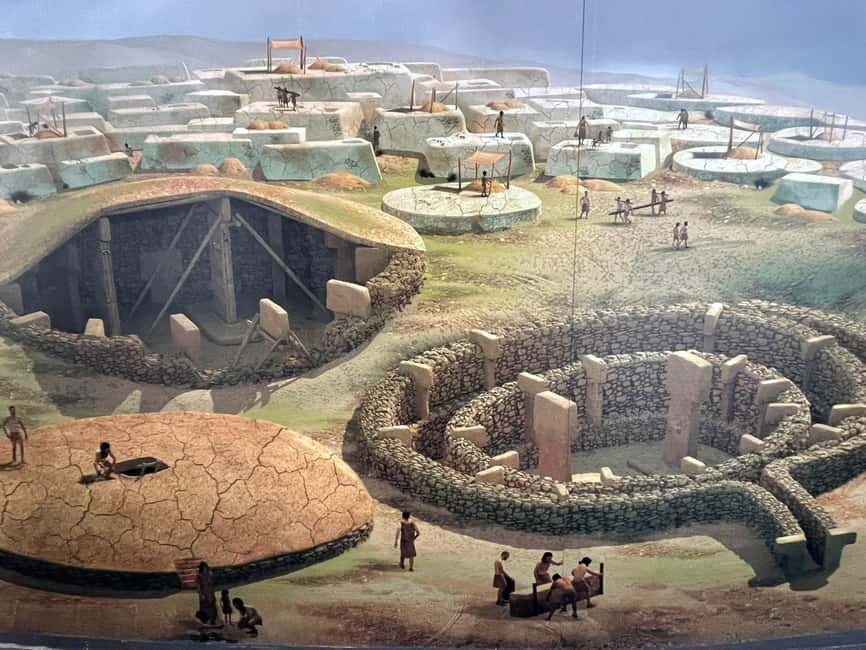
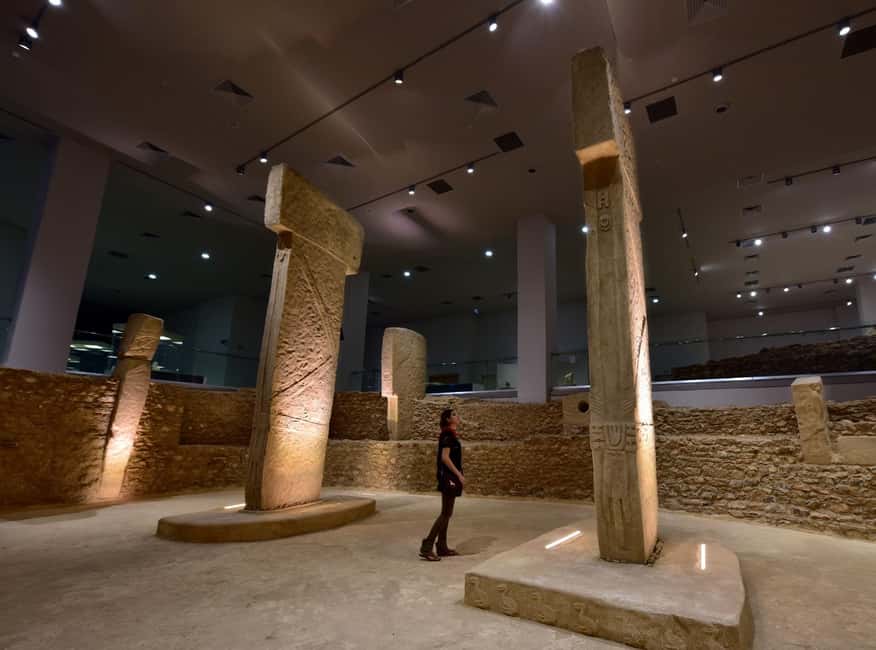
Then comes the main event: Göbekli Tepe. Dating back around 12,000 years, it’s considered one of the world’s most important archaeological sites, built prior to writing or pottery, and believed to be the world’s oldest known ritual complex.
This is where your guide makes or breaks the experience. If they explain the site’s purpose and what makes it so early, it stops being a “big impressive megaliths” visit and becomes an early human story with real consequences for how we understand history.
Watch for the sense of scale here too—Göbekli Tepe can feel both personal and unsettling. People built it for shared meaning, long before the structures we normally use as markers of civilization.
Balıklıgöl: Abraham’s cave and the Pool of Prophet Abraham
You finish at Balıklıgöl, including Abraham’s cave and the pool believed to be where Abraham was thrown into the fire. Even if you’re approaching it from history rather than faith, the place has a strong atmosphere and a clear purpose for locals.
This ending works well because it transitions you from peak-intensity archaeology to a calmer, more reflective setting. Then, as the day winds down, you drive to the airport for your evening flight back to Istanbul and get hotel drop-off afterward.
Who this tour fits best (and who should consider a slower plan)
This experience is a smart match if you want a high-impact route with minimal wasted time. It’s also a strong fit if you like explanations—English live guides who can connect monumental art, inscriptions, and local tradition to the bigger story.
It may not fit if you want:
- a slow pace with lots of free time per site
- lots of extra meals that aren’t built into the schedule
- lots of off-route detours
Also, because this is a two-day format with flights, it works best when you’re okay with being efficient. You’ll be out early and you’ll move between towns with a plan.
Price and value: what $1,169 buys you in the real world
At $1,169 per person, this isn’t a budget tour. But it also isn’t just a guided sightseeing loop.
Based on what’s included, the value logic looks like this:
- Domestic roundtrip flights between Istanbul and Adıyaman
- Airport transfers on both ends
- Museum tickets and site admissions across multiple major stops
- A live English tour guide
- One night accommodation
- Lunch (but dinner is not listed as included)
The big cost driver is transportation—especially flying—and the itinerary density. For two days, you’re squeezing in a mountain summit experience plus Göbekli Tepe plus Şanlıurfa’s museums and prophet sites, without you having to plan the logistics.
Still, there’s one thing to verify before you book: dinner. The inclusion list says dinner is not included, while some guests report dinner being part of their package. Before you go, ask the provider what meals are covered for your departure.
Tips: even the best tour can’t cover personal spending. If you plan to shop, budget for that. And plan to tip if that’s part of your travel style—some recent participants noted tips as the only extra expense.
The pacing reality: walking, weather, and summit time
This tour is organized to hit major sites, and that usually means walking. The day around Nemrut includes the summit approach and viewing time, and Day 2 includes Göbekli Tepe and Balıklıgöl plus bazaar wandering.
What to bring matters:
- Comfortable shoes (not “pretty but painful”)
- Comfortable clothes you can handle outdoors
- A passport (used for travel and identification)
Weather matters too. Nemrut is high, and sunset can mean cold wind and fast light changes. Bring layers you’ll actually wear.
If you’re photo-driven, you’ll want to be ready for changing light quickly. The sunset timing isn’t optional here—it’s part of why Nemrut is special.
A guide makes the difference: names you might hear
Part of what people praise most is the way the tour is guided. On recent departures, guides such as Sercan and Kerem have been specifically called out for excellence and strong knowledge, particularly around archaeology and local religious context.
You should expect an English guide who can connect symbols and inscriptions to what you see on the ground. That matters especially at Arsemia (Greek inscription and Heracles/Mithridates relief) and at Göbekli Tepe (ritual function and why it changes the early history conversation).
Should you book this Göbekli Tepe & Mount Nemrut 2-day tour?
I’d recommend booking if you want a tightly planned, high-impact trip that links world-changing archaeology with Commagene royal monuments and ends with a calmer, spiritual site in Şanlıurfa. The small group size, English live guide, included admissions, and flight-and-transfer structure are exactly what you want when time is limited and you don’t want to assemble this itinerary yourself.
I’d hesitate if:
- you’re easily worn out by long days and walking
- you’re looking for a slow, unhurried pace
- you need dinner clearly spelled out for your departure (ask before you commit)
If you’re in the sweet spot—short on time, strong interest in history and place—you’ll likely come away feeling like you saw more than the calendar should allow, with context that makes the sites mean something.
FAQ
How long is the tour?
It runs for 2 days.
Do I need to bring my passport?
Yes. You should bring your passport.
Is the tour guided in English?
Yes, it includes a live tour guide in English.
Is it a small group?
Yes. The group is limited to 10 participants.
What’s included in the price?
Included are all airport transfers, domestic roundtrip flights, museum tickets/admissions (Nemrut National Park, Karakuş Tumulus, Arsemia, Mount Nemrut, Şanlıurfa museums, Göbekli Tepe, and Balıklıgöl), 1 night accommodation, and lunch.
Is dinner included?
Dinner is listed as not included. Since there are mentions of dinner in some experiences, it’s smart to confirm what your specific departure covers.
What should I wear or bring for the sites?
Wear comfortable shoes and comfortable clothes, and bring layers if you’ll be at Mount Nemrut for sunset.
What is the main schedule on Day 1 and Day 2?
Day 1 focuses on Adıyaman Province stops including Karakuş Tumulus, Cendere Bridge, Arsemia Ancient City, and a sunset visit at Mount Nemrut, then overnight in Adıyaman. Day 2 focuses on Şanlıurfa with museums, prophet-related sites, Göbekli Tepe, Balıklıgöl, and then an evening flight back to Istanbul.