REVIEW · ISTANBUL
From Istanbul: 2-Day Ephesus & Pamukkale Tour by Bus
Book on GetYourGuide →Operated by ISTANBUL WALKS · Bookable on GetYourGuide
Two days can feel tight, but this route hits hard. You get guided Ephesus highlights and then the chance to relax in Pamukkale hot springs, all without planning a thing yourself. It’s a whirlwind, yes, but it’s built around the big sights most people come for.
I like the way this tour packages the essentials with professional licensed English guiding and entrance fees bundled into the experience. The Ephesus day gives you structure, and the Pamukkale day gives you the reward: warm water, dramatic white terraces, and the nearby Hierapolis ruins.
One thing to keep in mind: you’ll spend a lot of time in transit on the overnight bus, and the Kusadası pickup can feel confusing if you’re not patient and ready to wait.
In This Review
- Key things to know before you go
- Bus-first pacing: how this 2.5 days really feels
- From Ephesus to Selçuk: the Artemis Temple and ancient-city experience
- The guide factor
- Virgin Mary’s house and Isa Bey Mosque: a quieter, meaningful pair
- Kusadası free time: where patience matters
- Hierapolis Necropolis: the UNESCO stop that’s worth the effort
- Pamukkale thermal pools: white terraces, warm water, and smart timing
- What’s included (and what you’ll need to cover)
- The value equation
- Who this tour suits best (and who should think twice)
- Should you book this Ephesus and Pamukkale bus tour?
- FAQ
- What’s the duration of the tour?
- How do I get picked up in Istanbul?
- What sights are included?
- Is there an English-speaking guide?
- What meals are included?
- Is the ticket line skipped?
Key things to know before you go
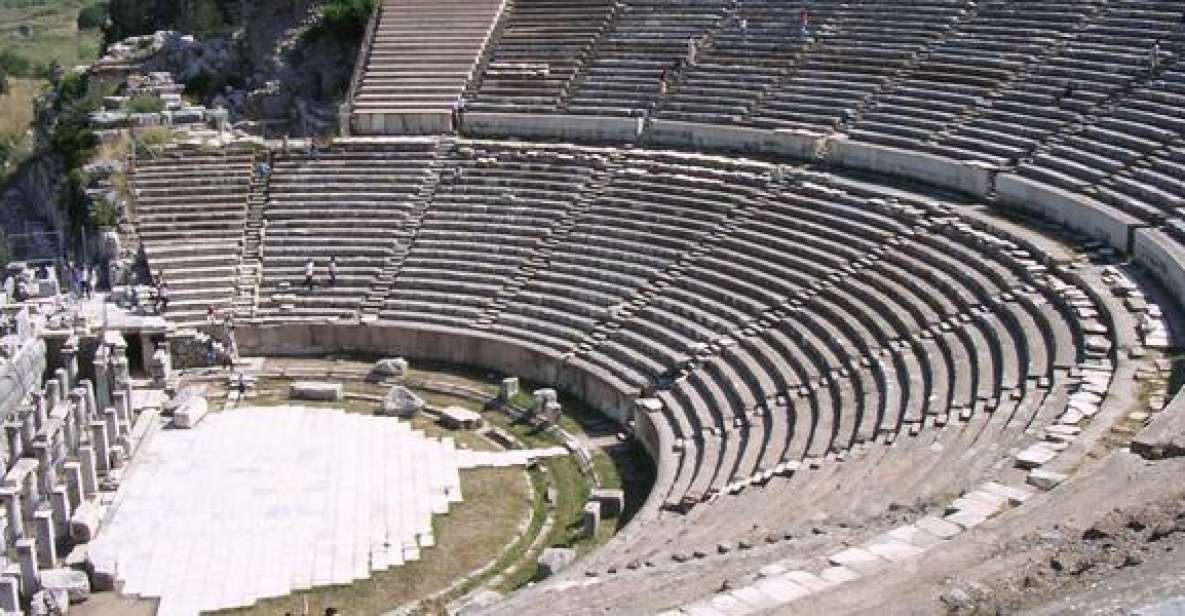
- Ephesus with Artemis Temple stops plus guided context so the stones make sense
- Virgin Mary’s house visit paired with a look at Isa Bey Mosque
- Hierapolis necropolis and ruins before you shift to thermal waters
- Pamukkale includes time to swim in thermal waters at the stop on the way
- Overnight bus logistics mean less sightseeing downtime, more “go-go” pacing
Bus-first pacing: how this 2.5 days really feels
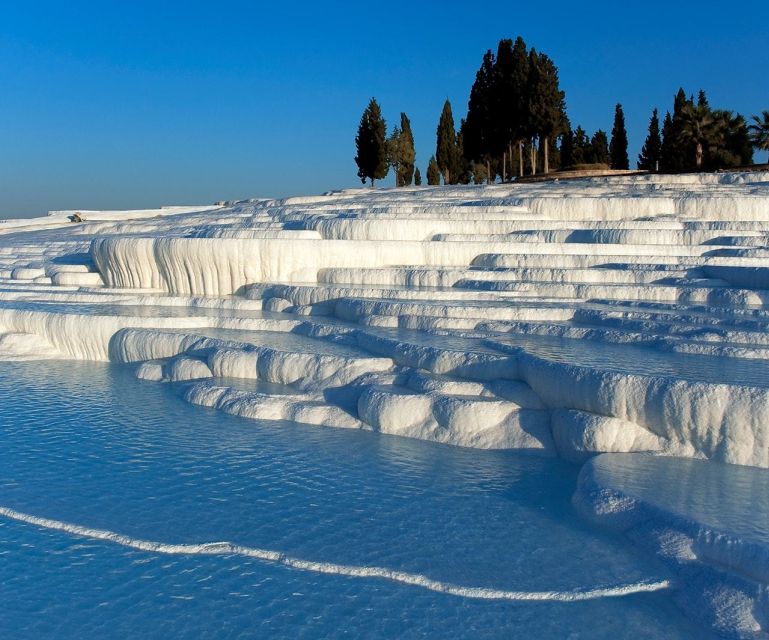
This is not a slow, sit-and-savor type of trip. It’s a classic highlights route that starts with an overnight bus from Istanbul, then swaps long travel for guided sightseeing.
Day 1 moves you from Istanbul toward the Aegean coast, and your sightseeing time begins as soon as you arrive in the Ephesus/Selçuk area. Expect a bus ride that’s roughly 10 hours (give or take with stops and timing). Then you’ll do a full guided day of sights, lunch, and a mosque stop, followed by free time and an overnight in the region.
Day 2 is built for momentum. You travel to the UNESCO area at Hierapolis-Pamukkale, stop for lunch with swimming time in thermal waters, tour Hierapolis, and finally get Pamukkale’s terraces before you turn back toward Istanbul on the overnight bus.
If you like your travel days structured and efficient, you’ll enjoy this. If you hate rushing or you prefer packing fewer stops into each day, it may feel like you’re holding a sprint baton more than a camera.
A few more Istanbul tours and experiences worth a look


From Ephesus to Selçuk: the Artemis Temple and ancient-city experience
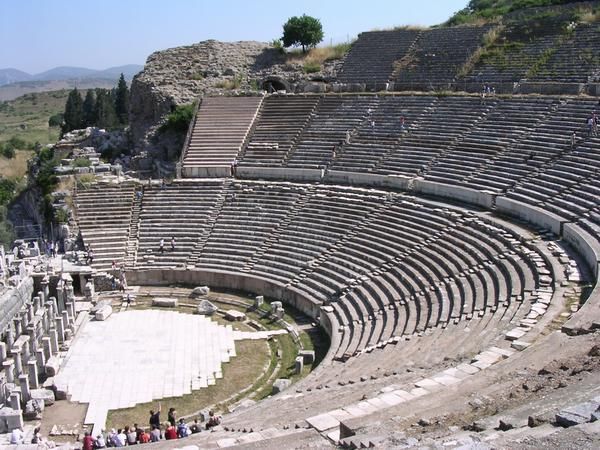
The Ephesus portion is the backbone of the itinerary, and it’s the right choice for a short visit. You don’t just walk among ruins—you also get guided narration that helps you understand what you’re looking at.
You’ll be met after arriving and transferred toward Selçuk for the Ephesus visit. The stop at the former site of the Temple of Artemis (Diana) is one of the big “how did they do this” moments of the day. Even if you’ve only seen Artemis in textbooks, being there makes it feel real. You’ll also see how this temple ties into the larger ancient world of Ephesus—important because it’s not just one building, it’s a whole identity of the city.
Then there’s the payoff of actually exploring Ephesus itself. Ancient sites like this can become a jumble if you’re on your own. Here, a professional guide helps you connect landmarks and explain the logic of the ruins: what was where, and why it mattered.
A practical note: Ephesus involves walking on uneven ground. Bring comfortable shoes and expect some dust and sun, especially if your timing is warm.
The guide factor
The tour’s biggest strength—based on the overall feedback I’d pay attention to—is the quality of the guiding. When the guide is strong, your Ephesus visit stops feeling like a checklist and starts feeling like a story you can follow with your own eyes.
Virgin Mary’s house and Isa Bey Mosque: a quieter, meaningful pair
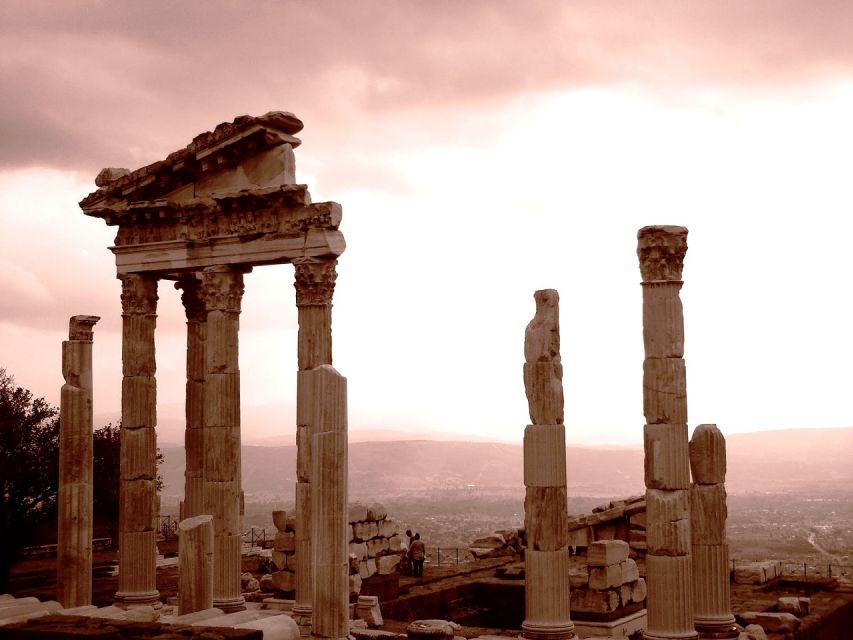
After Ephesus and lunch, you shift gears to two very different religious landmarks.
First is the house of the Virgin Mary, associated with the belief that she spent her last years there. This stop often feels less like “ancient history” and more like a reflective pause. It gives your brain a break from large-scale ruins and lets you experience a site that people connect to devotion and memory.
Next comes Isa Bey Mosque. This is the kind of stop that helps you understand the region isn’t stuck in the past. You’re seeing a religious building that fits the local landscape and culture, not just the Roman/Greek layer people usually focus on.
If you’re traveling with someone who likes faith sites as much as archaeology, this pairing makes the day feel more balanced. It also breaks up the pace so you’re not only marching through stone streets for hours.
Kusadası free time: where patience matters
After the guided day, you’re taken back to your accommodation area in Kuşadası for free time. This is useful. You get a breather to shower, reset, and have a meal or wander at your own speed.
Here’s the one logistics note that I’d treat as important: getting picked up and regrouped at the Kusadası end can feel confusing. The fix is simple—be patient, and don’t assume you’ll be called at the exact second. Build in waiting time. If you’ve got a phone, double-check that you have any meeting instructions your operator gives you, and keep your passport/ID and essentials easy to reach.
Also: since dinners aren’t included, this is one of your opportunities to eat where you want rather than where the tour timetable forces you.



Hierapolis Necropolis: the UNESCO stop that’s worth the effort
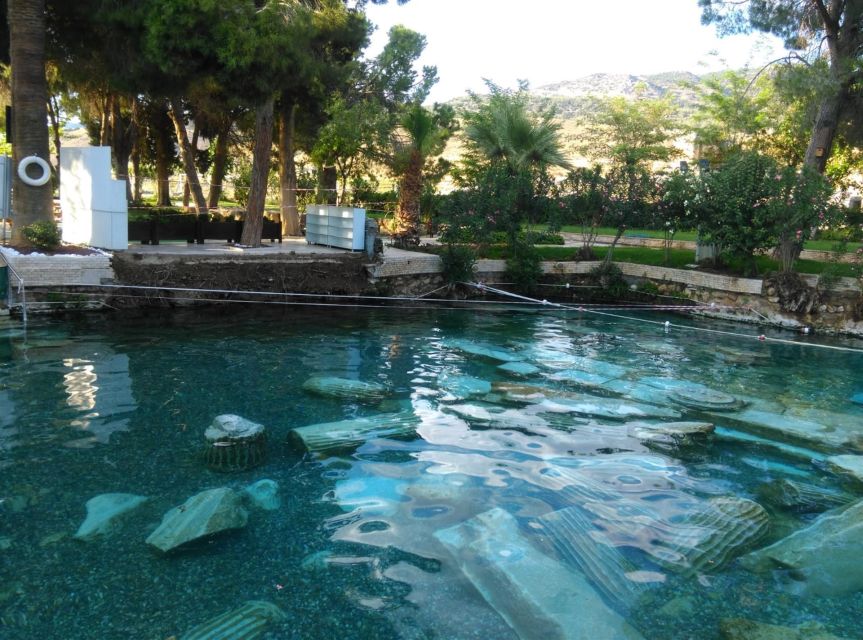
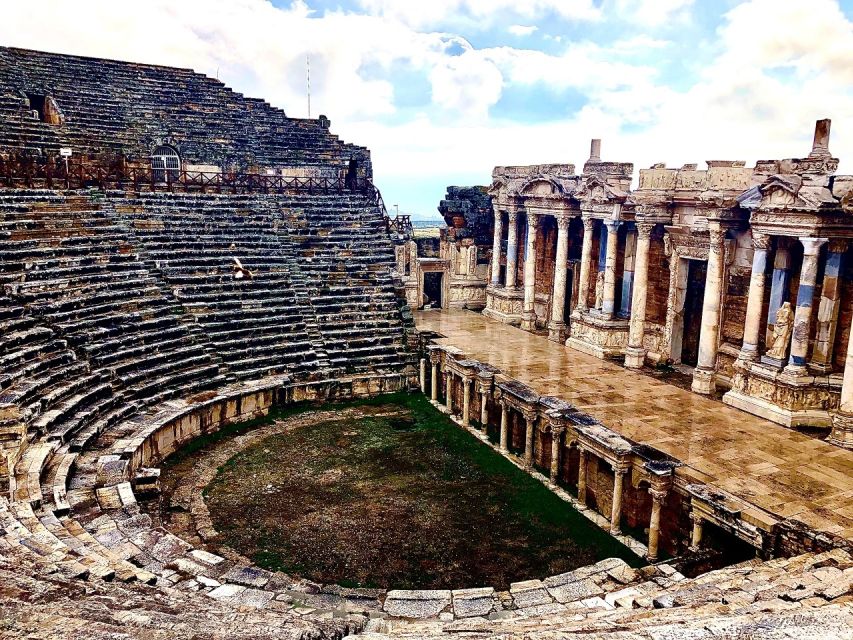
On Day 2, the tour heads toward Hierapolis-Pamukkale, a UNESCO World Heritage site. You’ll stop at a 4-star hotel for lunch and a chance to swim in thermal waters before you go deeper into the ruins.
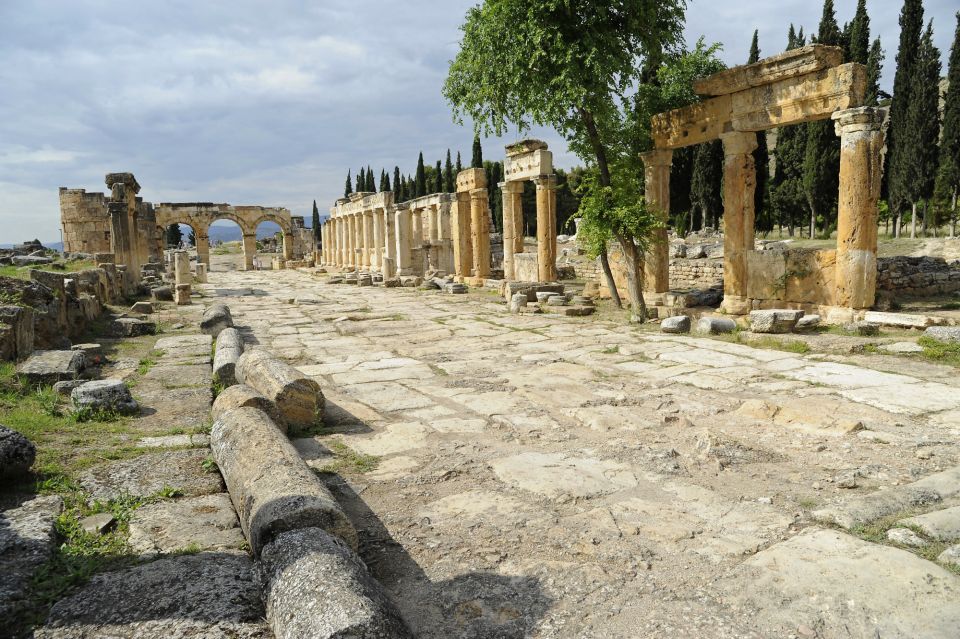
Then you’ll tour Hierapolis, including its necropolis and other ruins. Hierapolis can surprise you if you only came thinking Pamukkale is the whole show. The necropolis section is where the “ancient city” vibe becomes more personal. It’s not just big temples; it’s a memorial landscape, and it helps you understand how this area functioned as a community tied to health, ritual, and daily life.
There’s also an advantage to doing Hierapolis before Pamukkale terraces. If you do Pamukkale first, you may feel slightly fried by the time you reach the ruins. Doing Hierapolis next gives your body something different: more shaded ruins pockets, plus a change in what you’re focusing on.
Bring water and plan to move slowly through the site. Even if the pace isn’t extreme, you’re stacking walking days.
Pamukkale thermal pools: white terraces, warm water, and smart timing
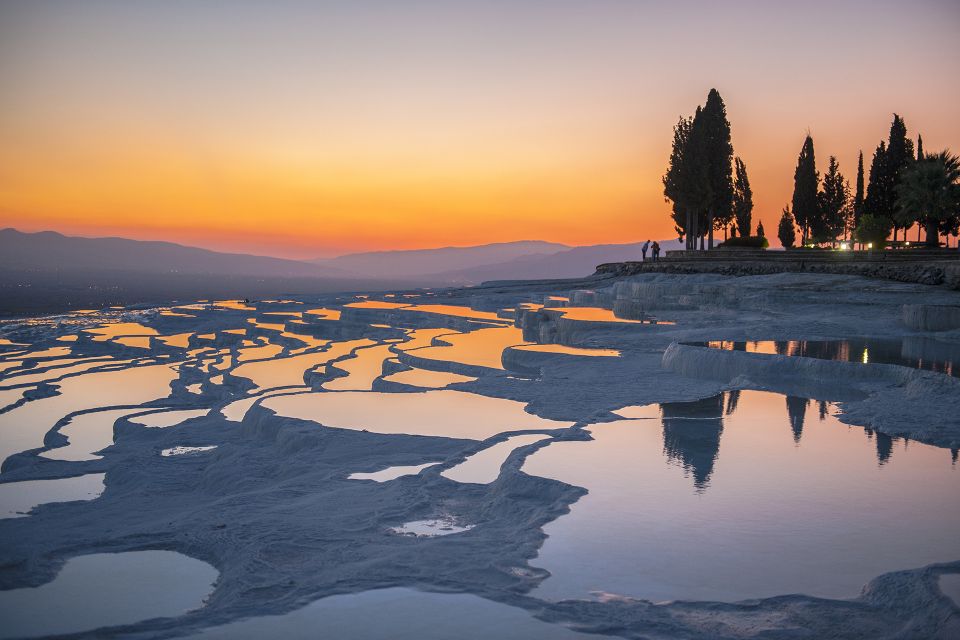
Pamukkale is the reason many people sign up, and it’s easy to see why. You’re stepping into an environment shaped by natural thermal spring waters with a reputation for healing properties. Visually, the setting is famous for its white travertines and stepped look, and it tends to feel like a place you’ve seen in photos—but better in person.
One key element here is that the itinerary doesn’t just show you the terraces. You also get thermal-water time at the hotel stop on the way (lunch plus swimming). That means you can enjoy the “spa” part without waiting until the very end of the day when you may be tired from walking.
A practical caution: the terraces can be slippery, and the heat can hit fast. Wear shoes you trust, keep an eye on your footing, and give yourself time to adjust. If you want clear photos, you’ll usually do better when you arrive early enough—but this depends on how your day lines up. Still, arriving with a calm mindset helps: your best photos often happen when you’re not sprinting between spots.
What’s included (and what you’ll need to cover)
For $528 per person, the tour is offering more than just transportation. You’re paying for guided time, entrance fees, and lodging structure so you’re not stitching everything together yourself.
Included:
- 3-star hotels or similar boutique hotels (shared basis)
- Meals during the tour as noted in the itinerary (Day 1 includes lunch; Day 2 includes breakfast and lunch)
- Air-conditioned bus transport by major companies
- Professional licensed guiding services
- Entrance fees to the museums during guided tours
- Stops at shopping facilities if timing allows
- Skip the ticket line
- English live tour guide
- Pickup in Istanbul from centrally located hotels in several neighborhoods (Taksim Square, Şişli, Beşiktaş, Sultanahmet, Fatih)
Not included:
- Dinners
- Personal expenses
The value equation
Here’s how I’d judge the value for your budget:
- If you want Ephesus + Artemis + Virgin Mary’s house + Hierapolis + Pamukkale in one package, the guided, entrance-fee-included model saves time and reduces decision fatigue.
- If you’re the type who hates rushing and wants to control every hour, you might feel the price is buying logistics more than comfort.
Also, the single supplement is listed at €50, and the price is per person sharing a double/twin room. That matters if you’re traveling solo and want to avoid paying extra.
Who this tour suits best (and who should think twice)
This tour is a good fit if:
- You want the classic Aegean highlights without arranging buses and tickets yourself
- You enjoy having a guide translate what you’re seeing in places like Ephesus and Hierapolis
- You value the combination of archaeology + a religious site stop + thermal relaxation
It might be less ideal if:
- You hate overnight bus travel or you get cranky with tight schedules
- You want long, unhurried time at each site
- You need a very flexible plan on the ground (this route is structured)
Because the itinerary includes walking at ancient ruins and time around Pamukkale terraces, you should plan for active days. Comfortable shoes aren’t optional here.
Should you book this Ephesus and Pamukkale bus tour?
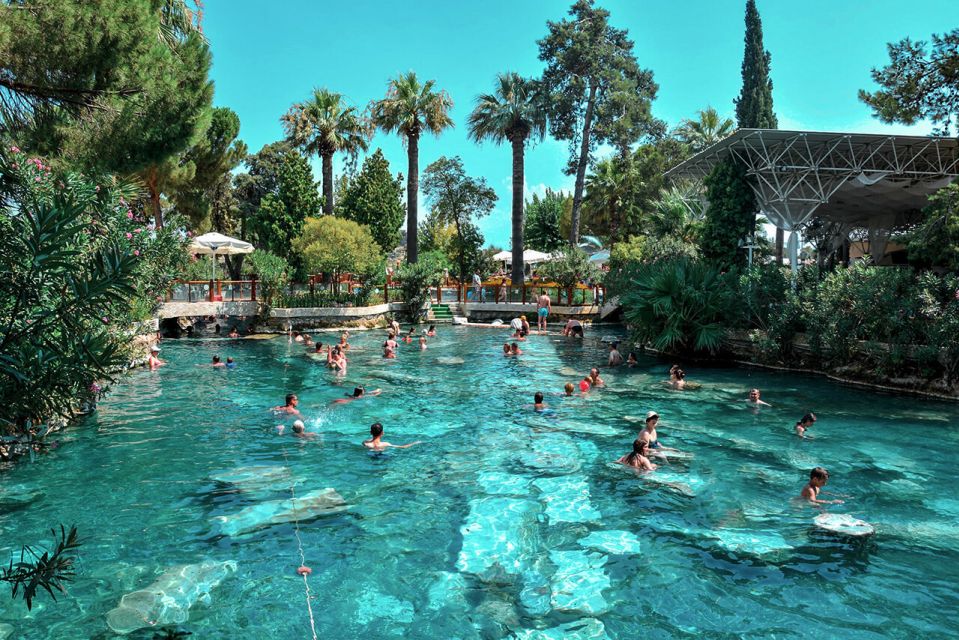
If you’re choosing between doing these sights independently versus taking a guided package, I’d lean toward booking this—especially for the short time window. You’re getting guided Ephesus, a temple and landmark lineup that would take serious planning on your own, and a Pamukkale experience that includes thermal-water time.
My honest advice before you hit Reserve:
- Bring your patience for the Kuşadası pickup moment. Build in waiting time and double-check any meeting details you receive.
- Pack sun protection. Sunglasses and a hat will make a real difference when you’re out in open areas.
- Wear footwear you trust for uneven ground and possible slick surfaces at Pamukkale.
If you like structured highlights and you don’t mind a packed schedule, this is a solid value way to see a lot of Turkey’s best-known Aegean icons.
FAQ
What’s the duration of the tour?
The tour runs for 2.5 days, with starting times depending on availability.
How do I get picked up in Istanbul?
Pickup is available from centrally located hotels in Taksim Square, Şişli, Beşiktaş, Sultanahmet, and Fatih neighborhoods.
What sights are included?
You’ll visit Ephesus, the Temple of Artemis site, the house of the Virgin Mary, Isa Bey Mosque, Hierapolis, and Pamukkale thermal springs.
Is there an English-speaking guide?
Yes. The tour includes a live tour guide in English.
What meals are included?
Lunch is included on Day 1, and breakfast plus lunch are included on Day 2. Dinners are not included.
Is the ticket line skipped?
Yes, the tour includes skip-the-ticket-line access during guided tours.