REVIEW · ISTANBUL
From Istanbul: 10 days Crossroads of Civilizations
Book on GetYourGuide →Operated by Euromarmara Tours · Bookable on GetYourGuide
This tour is a fast, well-structured run at Turkey’s biggest stories, from Istanbul’s architectural landmarks to Cappadocia’s underground refuge. I like how the itinerary mixes world-famous sites with a few stops that help you understand why people lived the way they did—churches carved into rock, thermal water legends, and empires that overlapped for centuries.
What I also like is the human side of the trip: the tour uses a live guide in Spanish and keeps transfers handled so you’re not constantly figuring things out. The flip side is that this is a high-intensity, early-start style of travel, so it’s best if you’re okay with long days and fitting in lots of photo time between scheduled stops.
In This Review
- Key points worth knowing before you go
- Why this 10-day Crossroads route works (and where it can feel rushed)
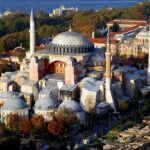
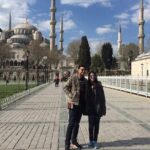
- Istanbul: major sights plus an easy start from the airport
- Ankara and Atatürk: museum context before the mausoleum
- Cappadocia: Göreme UNESCO, fairy chimneys, and an underground twist
- Pamukkale Cotton Steps and a Seljuk-era break at Sultanhan
- Ephesus (plus Virgin Mary House): ancient Artemis, Christian tradition, and key ruins
- Pergamon and Troy: ancient medicine and Homer’s shadow
- Bursa and the final Ottoman chapter before you fly out
- Hotels, guides, and what’s actually included (and not included)
- Guides who make the difference: Murat, Ohran, Nilofer, and the drivers
- Price at $964: what you’re really paying for
- Who this tour suits best (and who should think twice)
- Should you book? My honest take
- FAQ
- What is the duration of the Istanbul to Crossroads of Civilizations tour?
- What does the tour price include?
- Are meals fully included during the whole trip?
- Does the tour include entry tickets?
- What language is the guide?
- How does airport pickup work for Istanbul?
- Is the tour suitable for travelers with mobility impairments?
Key points worth knowing before you go
- Spanish guides and assistants help with transfers, airport meet-and-greets, and guided visits.
- UNESCO stops hit the big names: Göreme Open Air Museum and Pamukkale’s Cotton Steps.
- Cappadocia gets practical with both the valley views and the underground city history.
- Ephesus is a full circuit of major ruins plus the Virgin Mary House.
- Transportation is handled via A/C minibus or bus with tickets and entrance items included.
Why this 10-day Crossroads route works (and where it can feel rushed)
Turkey is huge, and its history doesn’t sit politely in one place. What makes this trip feel smart is that it runs a clear line west and back through time: capital to Anatolia, then up through the Aegean coast’s ancient cities and back toward Istanbul. You’re not just ticking off famous names—you’re moving through regions that explain each other.
The trade-off is pacing. In ten days you cover Istanbul, Ankara, Cappadocia, Pamukkale, İzmir, Pergamon, Troy, Çanakkale, Bursa, and back to Istanbul. That means days are packed with guided stops, and you’ll want comfortable shoes and patience for early departures. If you love a slow morning with zero pressure, this might feel like a sprint.
You can also read our reviews of more tours and experiences in Istanbul.
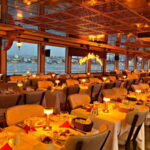
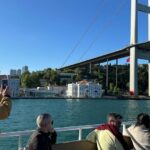

Istanbul: major sights plus an easy start from the airport
Your trip begins with pickup in Istanbul. If you arrive at Istanbul Airport, the assistant meets you holding a sign with your full name outside the terminal by exit number 14. If you arrive at Sabiha Gökcen, it’s the same idea outside the terminal by the column 14. And if you’re arriving to Atatürk Cultural Center, the assistant will be holding a sign for Get Your Guide or your full name. That kind of meet-and-greet matters on day one—it removes the stress of finding the right person.
Once you’re checked in, you’ll have your first nights with breakfast included. Istanbul here is handled with a “get your bearings fast” approach, so you can enjoy the main architecture without turning your trip into a navigation project. One practical note: dinners at the Istanbul hotel aren’t included in the package, so plan on budgeting for at least some meals while you’re there.
Ankara and Atatürk: museum context before the mausoleum
On day three you drive from Istanbul to Ankara and spend the night there with dinner included. I like this sequencing because it helps you shift from Ottoman and Byzantine-era imagery into the modern story of Turkey.
In Ankara you visit the Anatolian Civilizations Museum, where you’ll see Neolithic and Paleolithic remains, plus artifacts tied to Urartu, Hatti, Hittites, and Phrygia. That museum visit works like a primer. When you later see ruins elsewhere in the country, you’ll understand the layers you’re walking through rather than treating each site as its own disconnected postcard.
The highlight of the day is the Mausoleum of Atatürk, the founder of the Turkish Republic. It’s a strong stop because it anchors the idea that Turkey’s history isn’t only ancient—it’s also about state-building and identity.
Cappadocia: Göreme UNESCO, fairy chimneys, and an underground twist
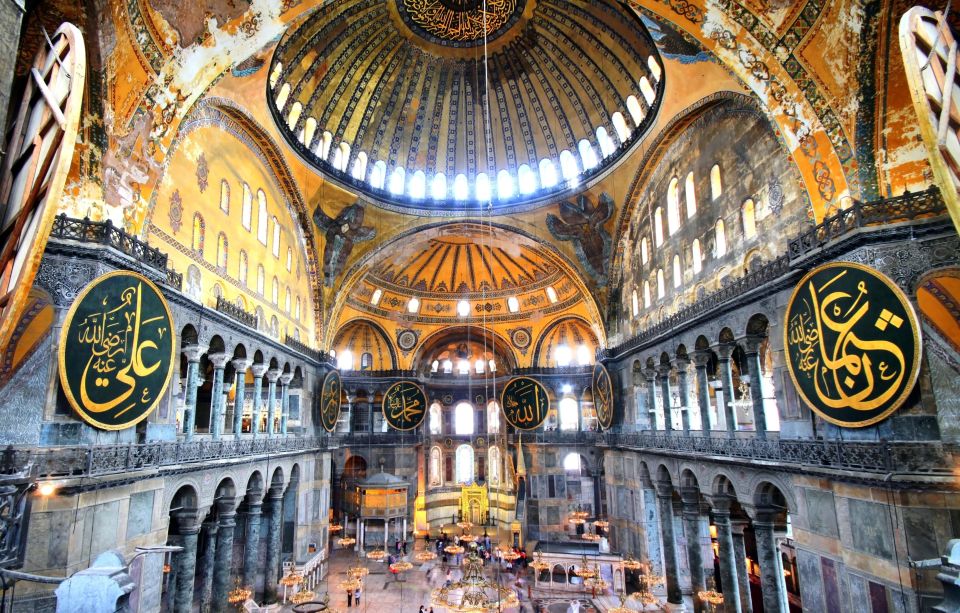
Cappadocia is where this tour becomes more than just “big ruins.” The itinerary includes a full day for the region’s signature landscapes, plus a separate day aspect that focuses on underground history.
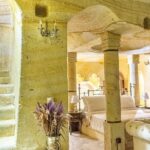
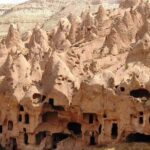
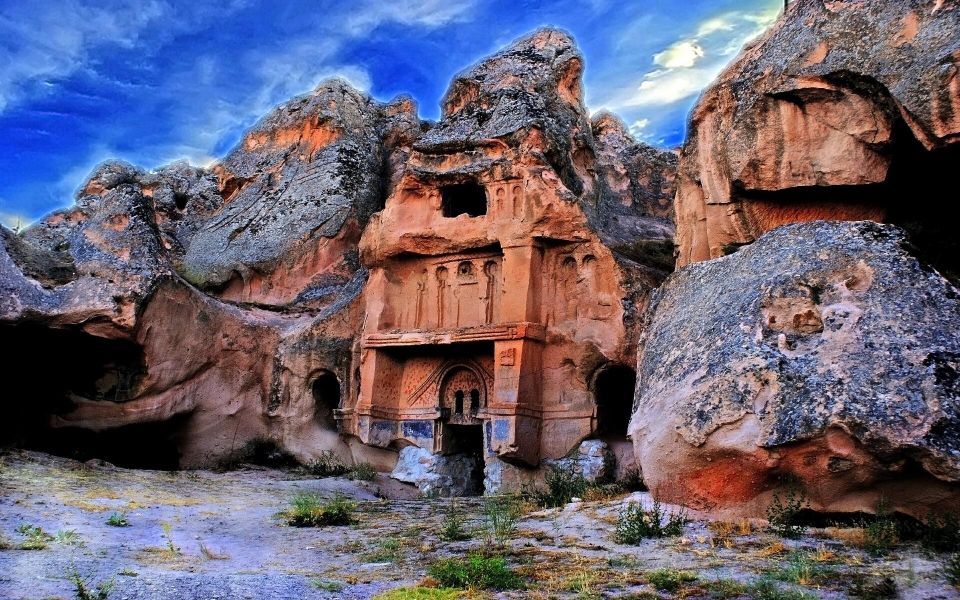
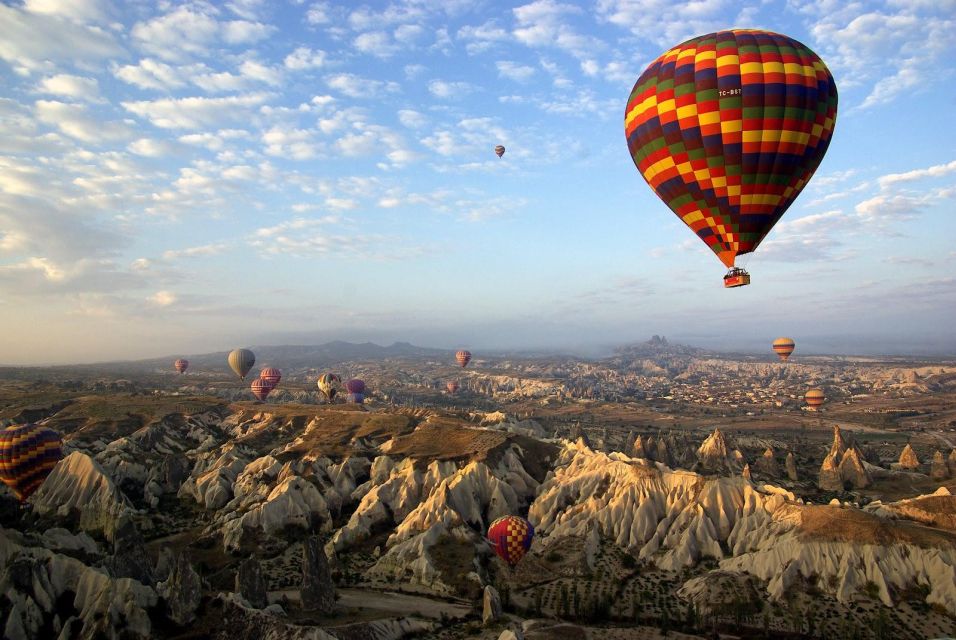
You’ll explore the Göreme Open Air Museum, a UNESCO Heritage site known for cave churches in a valley setting. If you like seeing how architecture adapts to geography, this is one of your best stops. After Göreme, the route includes Uchisar Village and the famous fairy chimneys—rock formations that look almost sculpted, but are the result of long natural erosion and human use.
Then comes the more unusual element: an underground city built by early Christians as protection from attacks. Even if you’ve seen pictures before, it hits differently in person. Underground spaces force you to imagine survival planning—how people used limited routes, how they hid, and how everyday life could happen below ground.
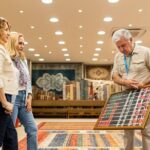
You’ll also spend time in Derbent Valley, including natural rock formations and workshop stops connected to carpets and onyx stones. The real value here is that you’re not only looking at scenery—you’re seeing living crafts tied to the region. The caution is simple: workshop stops often involve shopping time. If you prefer to just look, set a limit ahead of time.
Pamukkale Cotton Steps and a Seljuk-era break at Sultanhan
From Cappadocia you drive to Pamukkale, with Sultanhan Caravansarai as an en-route cultural stop. That break is useful because it interrupts the nonstop “ruins and cities” feeling with something built for travel and trade. The caravansarai was constructed during the Seljuk Empire and served travelers and merchants for years as a stopover.
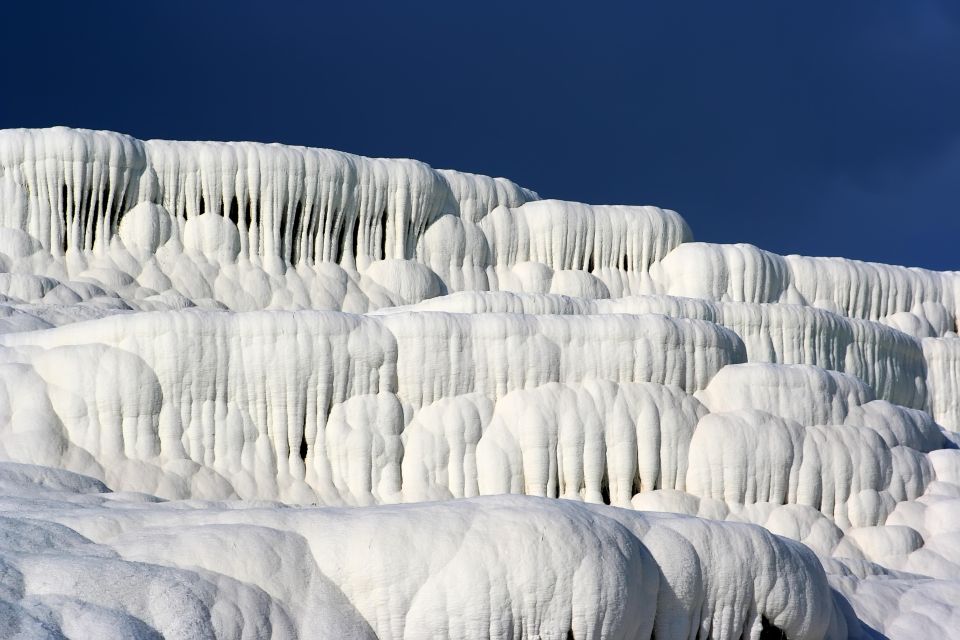
In Pamukkale, the star is the Cotton Steps, a UNESCO Heritage site. These terraces of bright white mineral deposits are associated with thermal water healing beliefs. Whether you treat that as legend or science, it’s still a surreal place to walk—like stepping across a frozen waterfall effect created by deposits.
You’ll have dinner and an overnight in the area, so you’re not rushed through this stop like a quick photo stop. Still, Pamukkale can get busy, and the terraces encourage walking. Come ready for uneven surfaces and bring water.


Ephesus (plus Virgin Mary House): ancient Artemis, Christian tradition, and key ruins
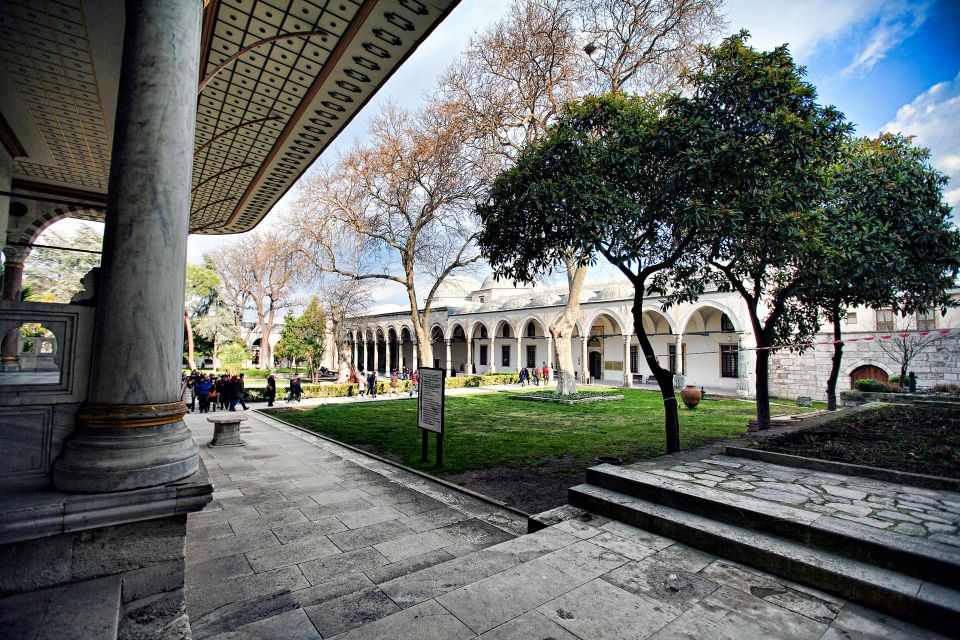
The day you reach the Ephesus area, you’ll be in Selçuk for the ruins. This is one of the most impressive stretches of the whole itinerary because the site doesn’t feel like one monument—it feels like a whole working city layout.
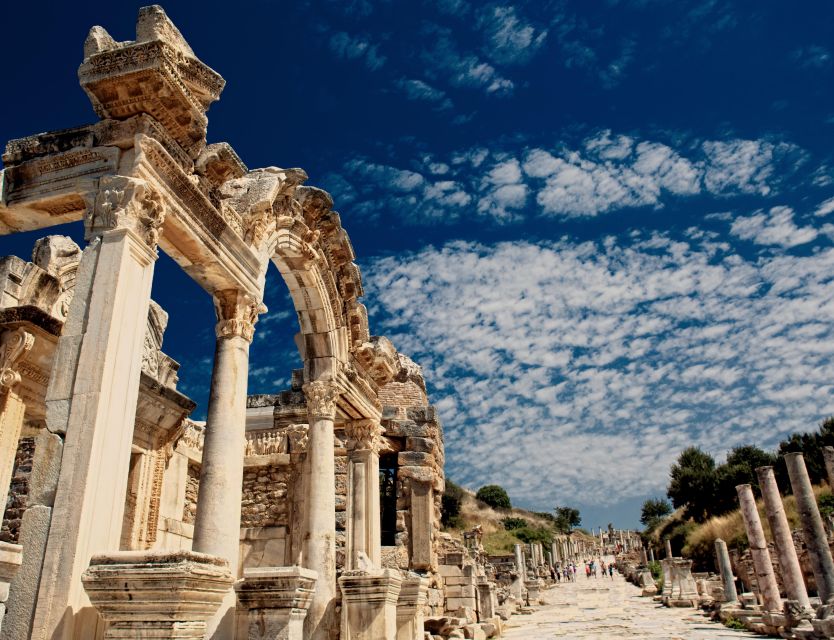
You’ll visit major Ephesus highlights: the Odeon, the Temple of Hadrian, the House of Love, the Library of Celsus, and the Agora. Ephesus is described as a city dedicated to Artemis, and that sense of a religious-cultural center comes through in how the space is organized.
Then you’ll continue to the Virgin Mary House, believed to be the final resting place of Jesus’ mother. That stop shifts the tone from Greco-Roman civic life into religious tradition, and it helps balance the day. For some people it adds calm; for others it’s a surprise detour from the expected “Roman ruins only” experience.
There’s also a stop at a Leather Production Store. These aren’t rare on structured tours in this region, and they often connect to demonstrations and purchasing. If you’re not shopping, keep your focus on the guide’s historical storytelling and use the stop as a quick rest rather than a must-buy moment.
Pergamon and Troy: ancient medicine and Homer’s shadow
Next, you head into the region of Pergamon (Bergama) before continuing to Troy and then Çanakkale.
Pergamon’s highlight here is Asclepion, described as the first hospital of Asia Minor in human history. What I like about a stop like Asclepion is that it reframes ancient cities. We often think of ruins as theater and temples. This one feels closer to daily human needs: healing, treatment, and medical practice, even if it was based on the knowledge of its time.
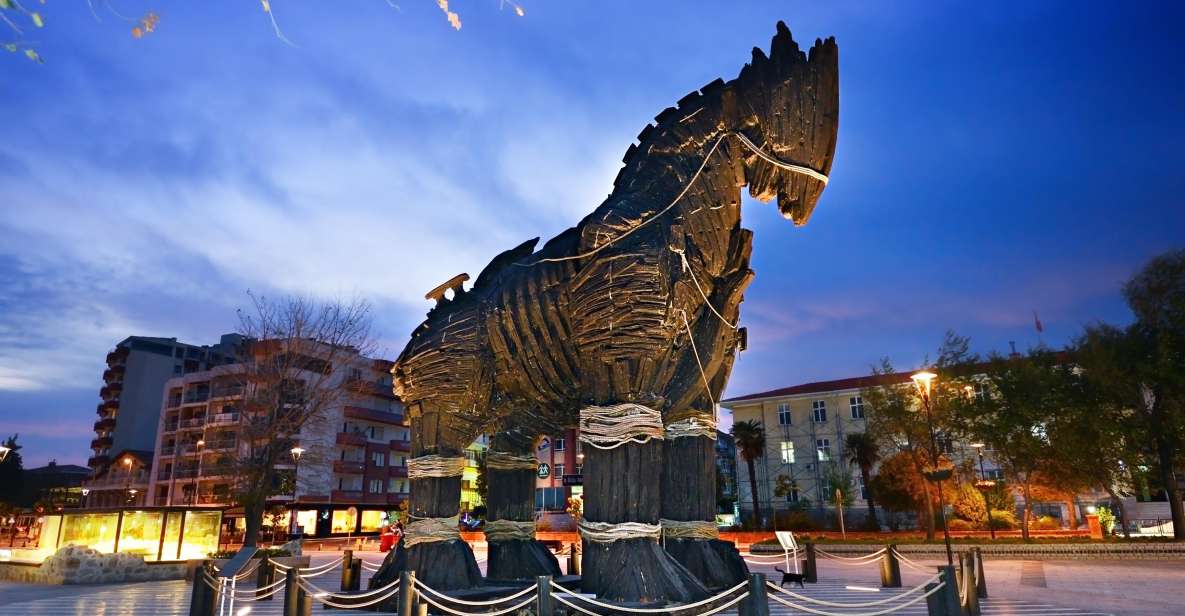
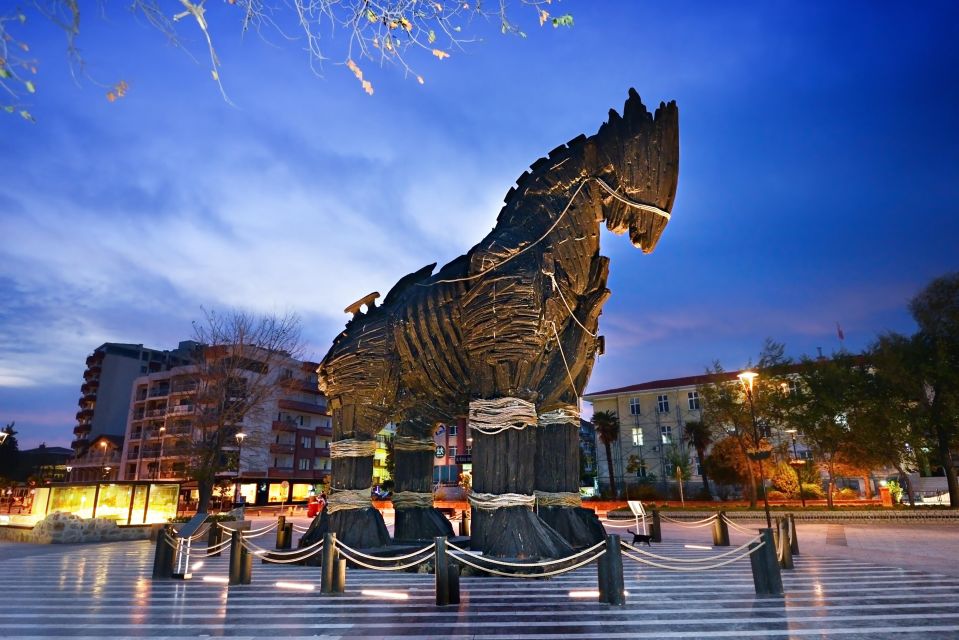
Then you reach Troy, visiting the famous city tied to Homer’s Iliad. You’re not walking a museum diorama—you’re walking a real archaeological landscape, with layers that help you understand why the story stayed alive for so long.
At the end of the day, you sleep in Çanakkale, which is a good base for the next leg toward Bursa and back to Istanbul.
Bursa and the final Ottoman chapter before you fly out
On day nine, you travel from Çanakkale to Bursa, the first Ottoman capital between 1326 and 1364. This is a helpful tonal change: after centuries of ancient Aegean cities and layered religious history, Bursa brings you into Ottoman-era visual culture.
Your Bursa visits include the medieval Ulu Camii, the Koza Han (a famous silk bazaar), and the Green Mausoleum. Even if you’re not a shopping person, Koza Han is worth seeing because it shows how commerce and architecture grew together. And Ulu Camii adds scale and craft to finish the trip with something you can recognize and understand quickly.
Then you continue back to Istanbul for your final overnight. Your last day is breakfast, then transfer to the airport.
Hotels, guides, and what’s actually included (and not included)
This tour includes 3 nights in Istanbul, 1 night in Ankara, 2 nights in Cappadocia, 1 night in Pamukkale, 1 night in İzmir, and 1 night in Çanakkale. Breakfast is included at all the specified hotel stays, and dinner is included in the itinerary on several of those nights (but not in Istanbul).
A strong point is the inclusion of tickets for the visits indicated in the program, plus VAT. It’s also organized around transfers using A/C minibuses or buses, depending on the number of passengers.
You also get a Spanish-speaking setup throughout: an assistant handles transfers and pickup, and you’ll have a local Spanish-speaking guide for the visits indicated. From my perspective, that language consistency is underrated value—you spend less energy translating in your head and more energy paying attention to stories and details.
About hotels: the reviews I’ve seen emphasize that hotels are generally strong, with one recurring practical issue being internet quality at some properties. That’s not a deal-breaker for many people, but it’s good to know if you rely on sending messages, uploading photos, or working on the go.
Not included: drinks during lunch/dinner and personal expenses. Also important: Istanbul hotel dinners are not included, so don’t assume you’re covered for evenings there.
Guides who make the difference: Murat, Ohran, Nilofer, and the drivers
This itinerary works best when the guide keeps the group moving while still making the history feel human. In feedback about this operator, names like Murat and Nilofer show up as standout guides—people who go beyond facts and help you navigate practical choices like where to buy items reasonably or how to avoid spending time in the wrong places. You’ll also see Ohran praised for smooth organizing and clear historical explanations.
Drivers also matter on long-distance days, and names like Mehmet and Recep come up as professional, calm presences. On a route like this, the driver is part of your comfort. Good driving plus good timing means fewer stress moments when you’re hopping between regions.
Price at $964: what you’re really paying for
At $964 per person, this isn’t a cheap “grab a bus and see stuff” deal. It’s priced more like a structured highlights tour where you’re paying for time savings and friction reduction: airport or center pickup with a sign, A/C transport between regions, hotel nights with breakfasts, guided visits, and entrance tickets included for the scheduled stops.
To judge value, look at what you’re getting without extras:
- Major attractions across multiple regions (Istanbul, Cappadocia, Pamukkale, Ephesus, Troy, Bursa).
- Ticketed entrances included rather than added later.
- A live Spanish-speaking guide plus a Spanish or English speaking assistant for transfers.
- A plan that handles overland movement so you’re not juggling connections.
The main “hidden cost” to budget for is personal spending—shopping stops like onyx/carpets and leather stores can tempt you. Also budget for the meals not included, especially in Istanbul where dinner at the hotel isn’t included, plus drinks.
Then there’s the single-room point: the price is based on double or triple room per person. If you need a single room, there’s a supplement of 380 euros paid on the first day. If you travel solo, that’s the big number to factor into your total.
Who this tour suits best (and who should think twice)
You’ll likely love this tour if:
- You want a guided overview of Turkey’s “greatest hits” without planning every detail.
- You like history that spans ancient, Ottoman, and modern Turkey in one trip.
- You’re comfortable with a schedule that prioritizes major stops over long, free wandering.
You might want to think twice if:
- You dislike early starts and prefer slow days with lots of unscheduled time.
- You need mobility-friendly pacing. The tour is noted as not suitable for people with mobility impairments.
This kind of itinerary is best for confident walkers and people who enjoy seeing big places in a guided, organized flow.
Should you book? My honest take
If you’re aiming to see Istanbul, Cappadocia, Pamukkale, Ephesus, Troy, and Bursa in one coherent 10-day arc, this tour is a solid value play. You’re paying for the structure: transport, guides, hotel nights, and tickets included for the main scheduled stops.
Book it if you want a history-and-culture sweep with Spanish guidance and fewer logistics headaches. Skip it if you’re traveling for total freedom, deep slow exploration, or if mobility needs make long days difficult.
If you do book, pack comfortable shoes, expect a fast pace, and decide ahead of time how you want to handle the workshop and store stops so shopping doesn’t eat into your sightseeing energy.
FAQ
What is the duration of the Istanbul to Crossroads of Civilizations tour?
The tour runs for 10 days.
What does the tour price include?
The package includes hotel accommodations as listed, breakfast for the included hotel nights, some dinners as noted in the program, scheduled transfers, a Spanish-speaking assistant, a local Spanish-speaking guide for visits, tickets for the indicated visits, and VAT.
Are meals fully included during the whole trip?
No. Drinks during lunch/dinner are not included, and dinners at the Istanbul hotels are not included in the package.
Does the tour include entry tickets?
Yes. Tickets are included for the visits indicated in the program.
What language is the guide?
The live tour guide is Spanish.
How does airport pickup work for Istanbul?
If you arrive at Istanbul Airport, the assistant meets you with your full name outside the terminal near exit 14. If you arrive at Sabiha Gökcen, you meet outside the terminal near column 14. If you arrive at Atatürk Cultural Center, pickup uses a sign for Get Your Guide or your full name.
Is the tour suitable for travelers with mobility impairments?
No, the tour is not suitable for people with mobility impairments.