REVIEW · ISTANBUL
Day Trip to Gobeklitepe – Explore the Zero Point of Humanity
Book on Viator →Operated by Skylux Edition Travel · Bookable on Viator
12,000 years ago, and still puzzling. This Istanbul day trip takes you to Göbeklitepe, the UNESCO zero point of history site near Şanlıurfa—an archaeological jaw-dropper with massive T-shaped limestone pillars and animal carvings. What makes it so interesting is how the day balances the big awe-moment with practical guidance, so the site’s religious meaning feels grounded instead of vague.
Two things I like a lot: the English-speaking guide time at the ruins, and the fact that the whole schedule is packaged with flights and transfers so you’re not spending your day wrestling logistics. One consideration: it’s a long 12.5-hour day, and drinks and lunch aren’t included, so you’ll want to plan for food stops (or budget for quick purchases) before you go.
In This Review
- Key highlights worth the effort
- The zero point of history: Göbeklitepe in plain terms
- Practical note
- How the legend fits: Ayn Zeliha Golu and Balıklıgöl
- What I’d watch for
- Harran’s Abraham tradition: Mevlid-i Halilulrahman Magarasi
- Time reality check
- Museum payoff: Şanlıurfa Archaeology and Mosaic Museum
- If you hate museum fatigue
- Price and logistics: what $700 buys you (and why it might be worth it)
- The only real money-gap
- The pacing: a long day with short, focused stops
- Comfort and service: what the best-run days have in common
- Who should book this tour?
- Quick tips to make the day work better
- Should you book the Göbeklitepe day trip from Istanbul?
- FAQ
- How long is the tour?
- What does the price include for this trip?
- Are flights included, or do I need to book them separately?
- Is lunch or drinks included?
- Where and when does pickup happen in Istanbul?
- Is this tour private?
- Which stops are included besides Göbeklitepe?
- What languages is the tour offered in?
- Can I change or cancel after booking?
Key highlights worth the effort
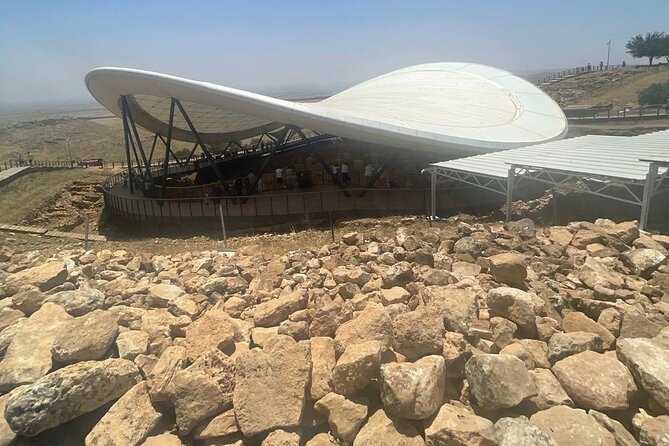
- Göbeklitepe’s T-shaped pillars and animal carvings: some reach about 6 meters tall and 20 tons, with carvings that point to early belief systems.
- A guided approach to the zero point of humanity idea: you’ll get context for why researchers link ritual centers to later settlement patterns.
- Two sacred water stops with clear rules: Ayn Zeliha Golu and Balıklıgöl come with the legend of fire turning to water—and holy fish you must not catch or eat.
- Harran’s Abraham connection without the crowds game: a visit to Mevlid-i Halilulrahman Magarası ties local tradition to Abraham’s early life.
- Şanlıurfa Archaeology and Mosaic Museum for the big picture: artifacts from Göbeklitepe and Roman mosaics (including Haleplibahçe) help you connect the dots.
The zero point of history: Göbeklitepe in plain terms
Göbeklitepe is the kind of place that makes your brain slow down. This is the oldest known temple complex, dating to around 12,000 years ago, with a discovery story that’s almost too perfect: archaeologist Klaus Schmidt found the site in 1994. The setting is near Şanlıurfa, about 15 km away, and you also get a museum and visitor center, which matters because it keeps you from staring at stones with no context.
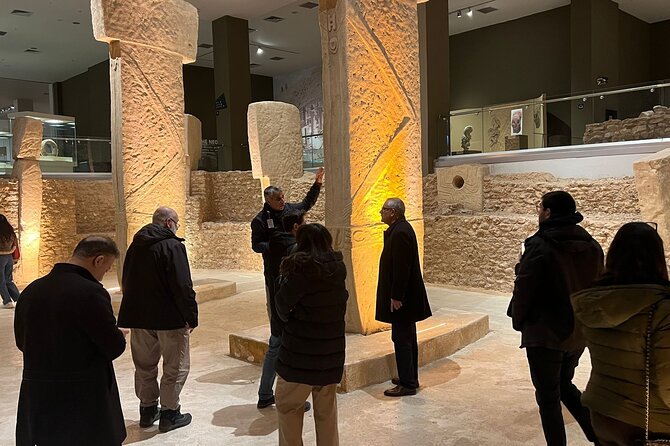
Here’s what you’re really looking at. The site features massive, T-shaped limestone pillars—some up to roughly 6 meters high and weighing around 20 tons. Those aren’t smooth columns you can ignore. They’re carved with animal figures, which is one of the strongest clues about what people may have believed and what they may have done there. Even if you don’t buy every theory, the physical scale forces you to take the moment seriously.
A big part of the guide’s value is explaining why Göbeklitepe challenges older assumptions about how societies developed. The idea isn’t just that it’s old—it’s that it may have acted as a pilgrimage center, with rituals possibly coming before agriculture in the timeline we usually expect. That’s why people call it a kind of “zero point” for early organized religion: it makes you ask what humans were building—and why—before the classic story of farming and settlements.
A few more Istanbul tours and experiences worth a look

Practical note
Your time on site is about 2 hours, including admission. That’s usually enough for a thoughtful walk, photos, and questions without turning it into a sprint.
How the legend fits: Ayn Zeliha Golu and Balıklıgöl
After Göbeklitepe, the day shifts from archaeology to living tradition. You’ll spend about 30 minutes at Ayn Zeliha Golu, a peaceful lake in Şanlıurfa associated with the story of Zeliha, the foster daughter of King Nimrod. In the legend, she jumps into flames in grief when her father orders Prophet Abraham to be burned—and the fire turns into water. Today, the lake sits in a calmer setting with gardens and tea houses, and the sacred fish remain central to the rule here: don’t catch or eat them.
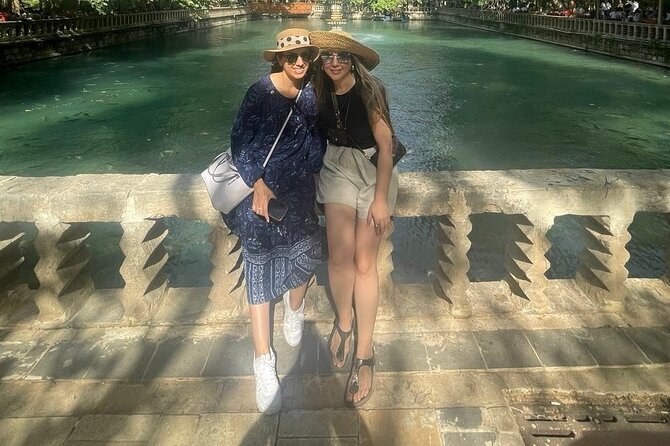
Then you move to Balıklıgöl—the Pool of Sacred Fish—for another 30 minutes. The same Abraham-and-fire story is tied to this spot too, but Balıklıgöl is the more visually iconic scene: sacred carp fish, religious structures around the water, and a steady flow of people treating the place as spiritual. The fish aren’t just a quirky feature; the rule about them matters to locals, and it shapes how you experience the space. You tend to slow down because you’re not just sightseeing—you’re observing a place of ritual meaning.
What I’d watch for
Because these are tradition-centered stops, you don’t need to treat them like a museum checklist. Instead, take a moment to notice how the setting encourages quiet behavior around the water. If you’re the type who likes legends, this is your payoff. If you’re not, the calming atmosphere still works.
Harran’s Abraham tradition: Mevlid-i Halilulrahman Magarasi
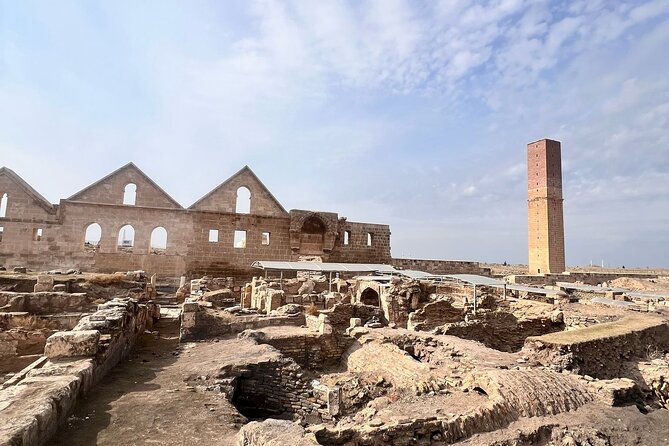
Next comes the shift to Harran, where you’ll visit Mevlid-i Halilulrahman Magarası for about 30 minutes. This is described as a place connected with the House of Prophet Abraham, believed to be where Abraham lived before he migrated to Canaan. Harran itself is highlighted as one of the oldest Mesopotamian settlements, and the location appears in both Bible and Islamic traditions as an early home of Abraham.
What you’ll see here isn’t a single big monument. It’s a mix: historical ruins and traditional architecture in the region, including beehive houses. That’s a useful detail because it changes the feeling from “ancient site in the distance” to “ancient ideas and living forms in the same area.” Even in a short visit, it helps you picture how older communities built and lived around their beliefs.





Time reality check
The stop is brief—about 30 minutes—so go in with the right mindset. This isn’t the place for deep archaeology notes. It’s the place to connect Abraham’s story to the physical geography of the region.
Museum payoff: Şanlıurfa Archaeology and Mosaic Museum
The day ends with one of the most practical and valuable stops: the Şanlıurfa Archaeology and Mosaic Museum. This is one of the larger and most important museums in Turkey, and it’s your chance to make sense of the whole day in one room.
You’ll have about 2 hours, and admission is included. The collection focuses on artifacts tied to Göbeklitepe, Harran, and the broader ancient Mesopotamian world. You’re looking at relics such as statues, tools, and religious artifacts, with items dating back roughly to the 12,000-year era. That alone helps you shift from “wow, old stones” to “here are the objects that survived long enough to be studied.”
Then there’s the mosaic side. The museum has a section featuring preserved Roman-era mosaics, including mosaics from Haleplibahçe Mosaic Hall. This matters because it broadens your mental timeline. You start at the earliest known temple idea, and then you end up seeing how later civilizations expressed their art and power through mosaics—often in ways that still look sharp today.
If you hate museum fatigue
Two hours can feel long on a day like this, but here it’s worth it. You’ll leave with a stronger understanding of what the region contributed across eras, not just what it had thousands of years ago.
Price and logistics: what $700 buys you (and why it might be worth it)
At $700 per person, this is not a cheap day trip. But it’s also not just a bus ride. Your package includes:
- Round-trip flights between Istanbul and Şanlıurfa
- All transfers mentioned in the itinerary
- Transportation in an air-conditioned vehicle
- English-speaking guide services
- Entrance fees for Göbeklitepe and the Şanlıurfa Archaeology and Mosaic Museum
That’s the key value: the price buys you time and coordination. Getting to Göbeklitepe and the surrounding Şanlıurfa sites on your own usually means solving flights, ground transport, timing, and ticketing—often on a tight schedule. Here, you’re paying for the day to run, with pickup set around the flight plan.
You also get a mobile ticket, which helps on a day with several moving parts. Confirmation happens at booking time, which keeps you from wondering if the plan is real.
The only real money-gap
You’ll still need to cover drinks, lunch, and personal expenses, plus tips to the guide and driver. Since lunch isn’t included, I’d plan on buying something quick or carrying snacks if your stomach works that way. If you wait until you’re hungry, the day’s pace can feel harsher.
The pacing: a long day with short, focused stops
The full duration is about 12 hours 30 minutes. It’s designed as a “big impact, limited time” route. Here’s the basic tempo:
- Göbeklitepe: 2 hours
- Ayn Zeliha Golu: 30 minutes
- Balıklıgöl: 30 minutes
- Mevlid-i Halilulrahman Magarasi: 30 minutes
- Museum: 2 hours
If you like compact itineraries, this works. If you prefer slow travel, you may feel shorted at the lakes and Harran stop, because those are intentionally brief.
Also note the pickup rhythm. You’re picked up in Istanbul from the hotel lobby roughly 3 hours before flight time. That can mean an early morning. Plan your evening before with an early sleep, because the day starts before your body fully wakes up.
Comfort and service: what the best-run days have in common
The strongest praise tied to this experience centers on how smoothly it’s handled. People highlight that the planning feels well organized, that the team is accommodating and helpful, and that the trip stays comfortable from start to finish. There’s also emphasis on a professional, friendly setup, plus guides who connect details to what you’re actually seeing.
One name that comes up with the service is Skylux Edition Travel—with comments noting attentive owners and a team that makes the day feel stress-free. That matters for a trip like this, because the most annoying part of a long day is usually not the sight itself—it’s the waiting, the unclear handoffs, and the “where do we go now?” moments. This format aims to remove those friction points.
Who should book this tour?
This day trip is a strong match if you:
- Want to see Göbeklitepe without building an entire logistics plan around flights and driving
- Appreciate context—how archaeologists and local tradition shape what you understand
- Like a structured day that includes a museum payoff, not just outdoor stops
It may be less ideal if you:
- Can’t handle a long day (about 12.5 hours) with several quick transitions
- Need lunch or drinks included as part of your standard budget
- Prefer lots of unstructured time at each stop
Quick tips to make the day work better
- Start the day fed or plan ahead: drinks and lunch aren’t included.
- Bring comfortable walking shoes; Göbeklitepe involves real walking and standing.
- Have your camera ready for the pillar scale at Göbeklitepe and the holy fish scenes at Balıklıgöl.
- If you’re sensitive to early wake-ups, plan your Istanbul schedule the night before with sleep in mind.
Should you book the Göbeklitepe day trip from Istanbul?
If your priority is one once-in-a-generation site plus a museum that actually explains the region, this is a solid choice. The price hurts a bit at first glance, but it’s softened by what’s included: flights, transfers, an air-conditioned ride, a guide, and entry fees to the two biggest paid stops.
I’d book it if you want a guided, efficient route that lets you experience Şanlıurfa’s key sacred sites and then lock in the bigger story inside the museum. I wouldn’t book it if you’re hoping for a leisurely day, or if you want food fully included. Treat it like what it is: a high-impact historical sprint that’s best enjoyed with good planning and reasonable expectations.
FAQ
How long is the tour?
The total duration is approximately 12 hours 30 minutes.
What does the price include for this trip?
The price includes English-speaking guide services, air-conditioned transportation, all transfers mentioned in the itinerary, flights Istanbul–Şanlıurfa–Istanbul, and entrance fees for Göbeklitepe and the Şanlıurfa Archaeology and Mosaic Museum.
Are flights included, or do I need to book them separately?
Flights are included as part of the package: Istanbul to Şanlıurfa and back to Istanbul.
Is lunch or drinks included?
No. Drinks and lunch are not included.
Where and when does pickup happen in Istanbul?
Pickup is from your hotel lobby in Istanbul about 3 hours before the flight time.
Is this tour private?
Yes. It is private, and only your group will participate.
Which stops are included besides Göbeklitepe?
You’ll also visit Ayn Zeliha Golu, Balıklıgöl, Mevlid-i Halilulrahman Magarası, and the Şanlıurfa Archaeology and Mosaic Museum.
What languages is the tour offered in?
The tour is offered in English.
Can I change or cancel after booking?
This experience is non-refundable and cannot be changed for any reason. If you cancel or amend, the amount you paid is not refunded.