REVIEW · ISTANBUL
Istanbul: Hagia Sophia, Blue Mosque, Suleymaniye Mosque Tour
Book on GetYourGuide →Operated by TripGuru Turkey · Bookable on GetYourGuide
Three mosques, one Istanbul story. I love the way this tour connects the meaning of the buildings, so Hagia Sophia stops feeling like just a photo and starts feeling like a turning point in Istanbul. I also like the human side: guides such as Ebru, Esra, and Muhammed (as reported by many guests) tend to explain the art and architecture clearly, with enough personality to keep you moving.
You’ll start in the Sultanahmet area, walk between sites at a steady pace, and finish with a pause at a historical madrasah for a local drink. It’s a compact format—4 hours—that helps you see three major landmarks without burning your whole day in transit and lines.
One thing to consider: if you skip the Hagia Sophia skip-the-line option, you may face a queue of 1–2 hours at the site, depending on crowds.
In This Review
- Key takeaways before you go
- Why this mosque walk feels like a mini Istanbul history course
- Start in Sultanahmet: where the tour actually gets going
- Hagia Sophia: one landmark, four identities, explained step by step
- Blue Mosque: tilework you can actually appreciate (not just photograph)
- Süleymaniye Mosque: scale on the Third Hill, explained through Mimar Sinan
- The madrasah drink stop: the Istanbul break that doesn’t feel like a trap
- Price and value: is $29 worth your time?
- Practical tips: dress code, prayer times, and how to pace yourself
- Who this tour suits best (and who should skip it)
- Should you book this Hagia Sophia, Blue Mosque, and Süleymaniye tour?
- FAQ
- How long is the tour?
- What is the price?
- Does the tour include Hagia Sophia entrance fees?
- Can I avoid the Hagia Sophia ticket line?
- Where does the tour start?
- What should I bring?
- What clothing is not allowed?
- Will prayer times affect the itinerary?
- What languages are available for the guide?
- Is hotel pickup included?
- Is the tour suitable for everyone?
Key takeaways before you go
- Skip-the-line is the big lever for saving time at Hagia Sophia
- Sultanahmet walking loop keeps you close to the action with minimal wandering
- Tile + design details at the Blue Mosque are easier to spot with a guide
- Süleymaniye’s scale makes more sense when Mimar Sinan’s role is explained
- Madrasah drink stop adds a local rhythm beyond sightseeing photos
Why this mosque walk feels like a mini Istanbul history course
If Istanbul is a book, this tour is the quick chapter you’ll want to reread later. You’re not just checking boxes. You’re getting a guided thread that links what you’re seeing—architecture, power, faith—to what it replaced before. That’s the difference between passing a landmark and actually understanding it.
I especially like the structure. You start with Hagia Sophia, then move to the Blue Mosque, and finish at Süleymaniye. That order matters because each stop shows a different layer of Istanbul’s story: Byzantine grandeur, Ottoman artistic ambition, and a later Ottoman “statement of faith” on the city’s third hill area.
And because the tour is a bilingual, licensed guide experience (English/Turkish, plus many other languages depending on the guide), you’re more likely to catch the small design clues. Several guests specifically praised guides like Ebru, Esra, Selin, and Emrullah for explaining architectural elements in a way that makes you look closer—without making it feel like a lecture.
You can also read our reviews of more tours and experiences in Istanbul.

Start in Sultanahmet: where the tour actually gets going
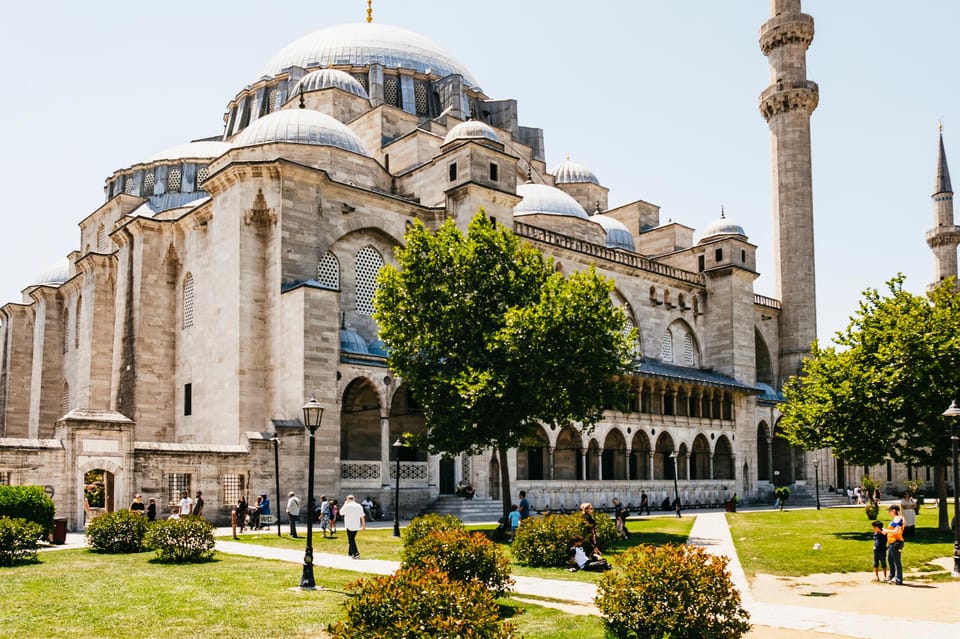
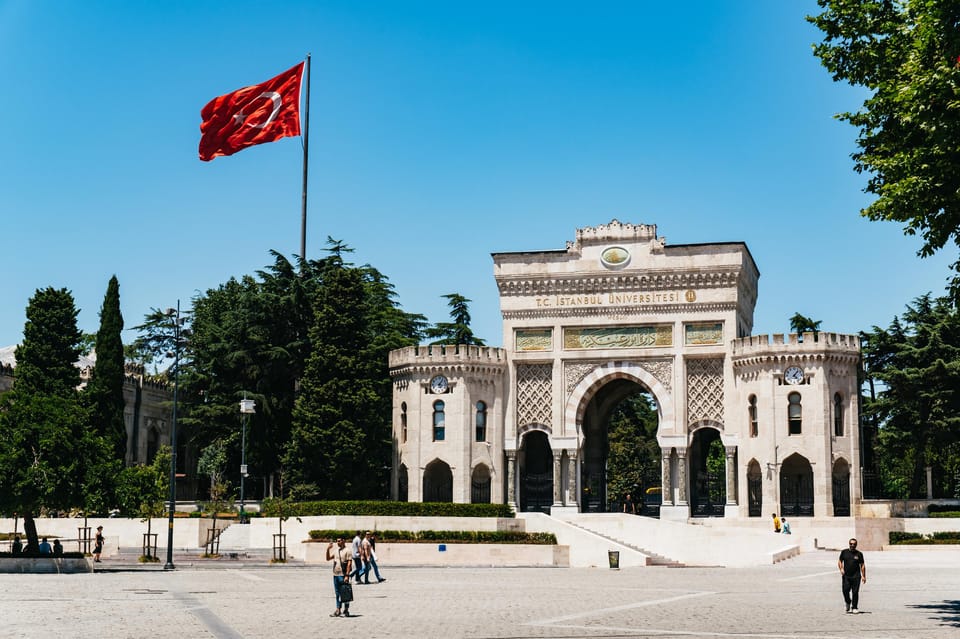
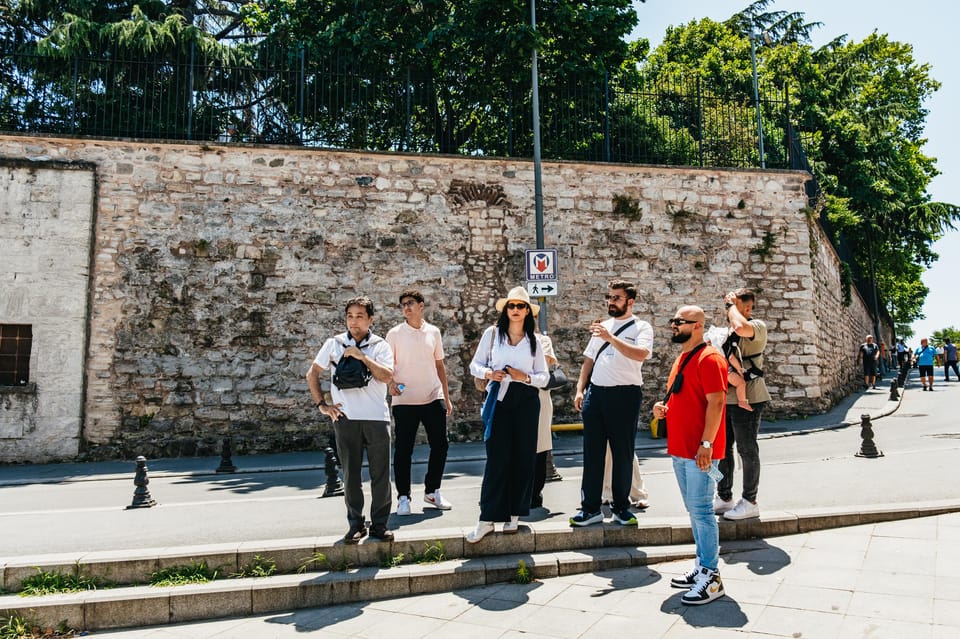
Meeting is flexible. Depending on the option booked, you’ll meet at one of the Sultanahmet-area starting points, including the German Fountain (Fuente Alemana). That’s useful because you’re already in the part of Istanbul where the sightseeing density is high and the streets are walkable.
From there, you’ll do a straightforward walking route between the main sights. It’s not an all-day endurance hike, but it’s also not a sit-and-ride tour. Expect a mix of walking, guided time inside, and photo stops. You’ll get enough time at each site to see the headline features and still ask questions.
A practical detail: dress code gets enforced. This is a walking tour that includes visits to religious sites, so it’s smart to show up ready to cover up. The tour notes clearly say no shorts and no sleeveless shirts, and that shoulders, underarms, back, and knees aren’t allowed in some areas—implementation can be strict. Bring a scarf or sweater to make life easier, even if you think your outfit is already “almost right.”
Hagia Sophia: one landmark, four identities, explained step by step
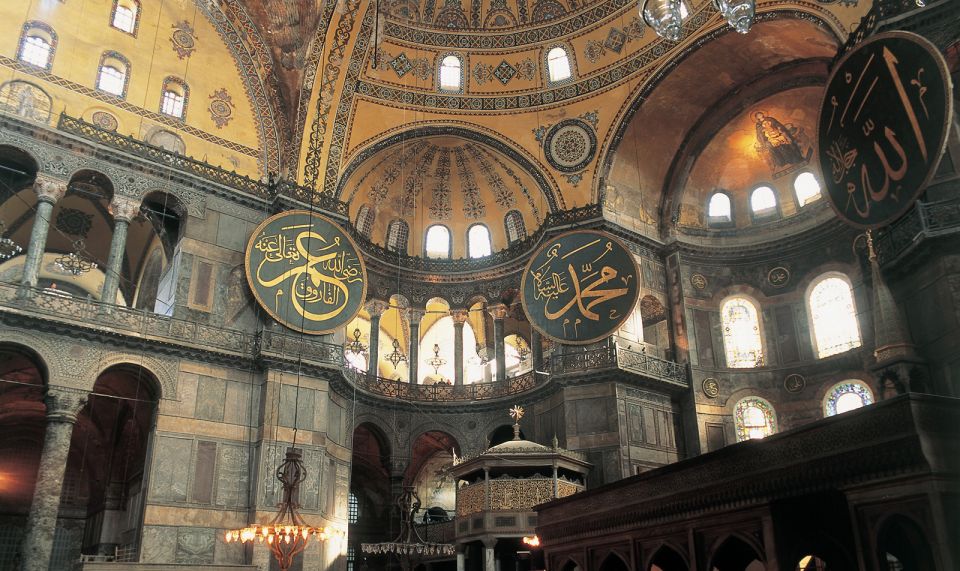
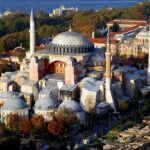
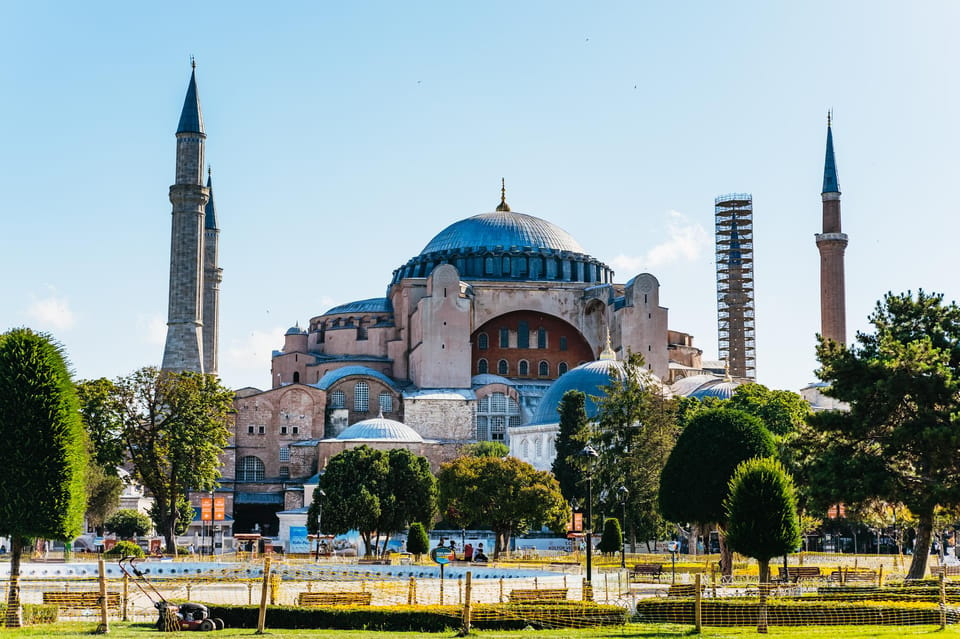
Hagia Sophia is the kind of place where your eyes keep moving and your brain keeps asking why. This guide-led time helps you answer that. You’ll start with a photo stop and then a guided visit focused on the building’s long timeline.
What you’re learning as you walk the grounds is the building’s shifting identity across centuries:
- it began as an Orthodox Christian cathedral in early-day Constantinople
- it later became a Catholic church
- then it served as a mosque
- and at one point it functioned as a museum
That sequence is the key to understanding why the interior feels layered. You’re not seeing one style frozen in time. You’re seeing a structure that kept being repurposed—each era leaving its mark.
Where this tour adds value is in the “what to look for” guidance. Guides often point out architectural features and explain what they meant in different periods, which helps you spot details you’d otherwise miss. Guests also frequently praised guides for making the complex history understandable without overselling it.
Time tip: if you select the option that includes Hagia Sophia skip-the-line entrance, you reduce the risk of losing your morning to queue chaos. If you don’t, the tour info is blunt: expect potentially 1–2 hours in line. At Hagia Sophia, that difference can decide whether you enjoy the visit or just endure it.
Blue Mosque: tilework you can actually appreciate (not just photograph)
Next comes the Blue Mosque (Sultan Ahmed Mosque), and this is where the tour can change your pace. The area has the classic photo angles, but the real win is in the guide’s attention to decoration—especially the intricate tilework and floral designs.
You’ll learn why Sultan Ahmed built the grand edifice even though counselors advised against it. That little political context makes the building feel less like a decorative stage set and more like a calculated legacy. And once you have that framing, your eyes start hunting for patterns: where ornament sits, how surfaces are treated, and how the design creates a sense of order.
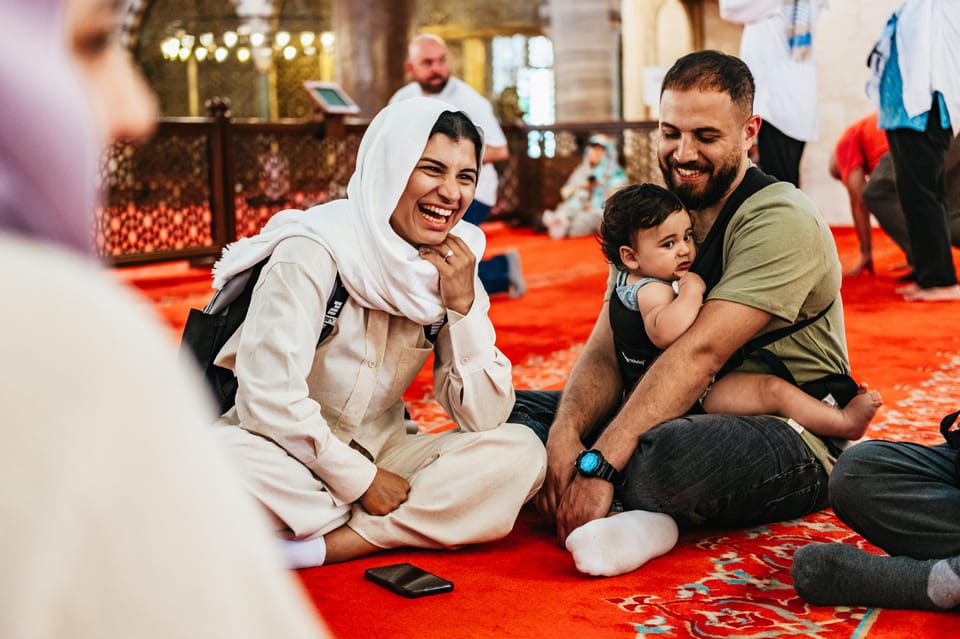
The tour keeps this stop moving at a good walking pace, with a guided tour plus time for sightseeing. You get time to look closely without feeling rushed out the door. And because it’s a guided experience, you’re not stuck translating everything yourself while trying to stay respectful in a functioning religious space.
One more practical point: the Blue Mosque area can also be busy, so wearing comfortable shoes and sticking to the dress code helps you focus on the architecture rather than adjusting clothing at the last second.
Süleymaniye Mosque: scale on the Third Hill, explained through Mimar Sinan
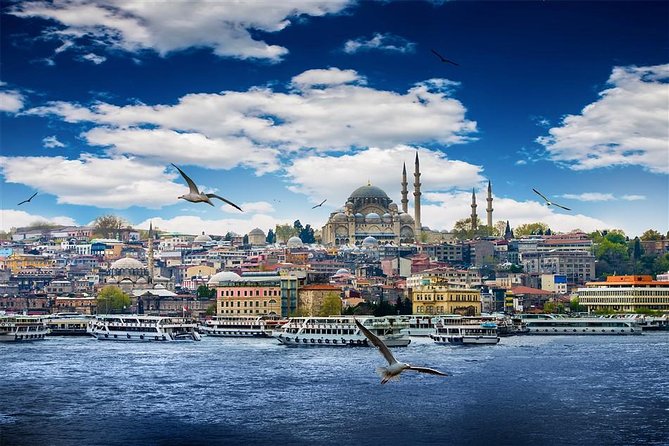
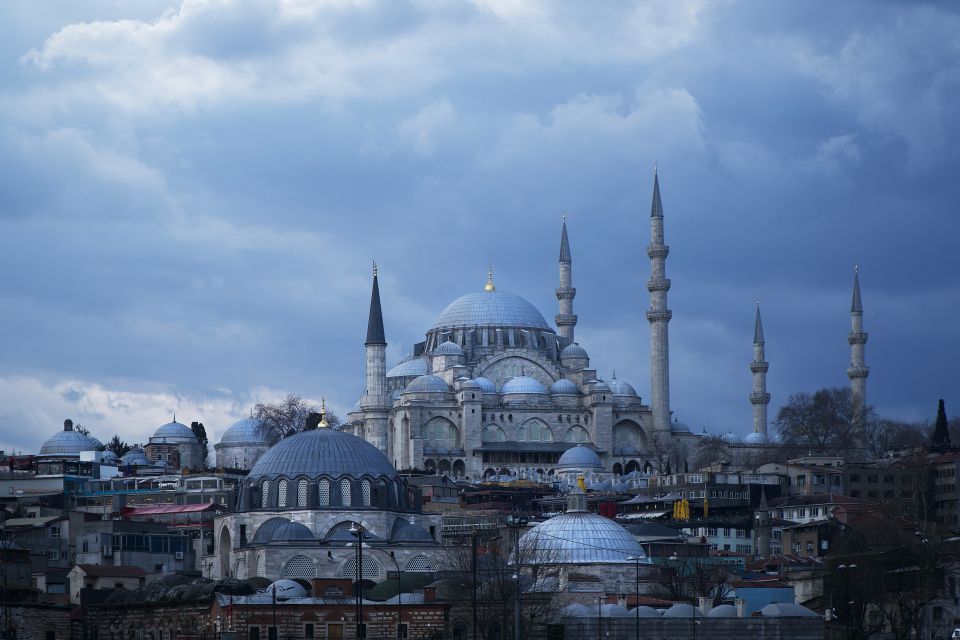
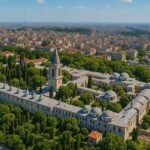
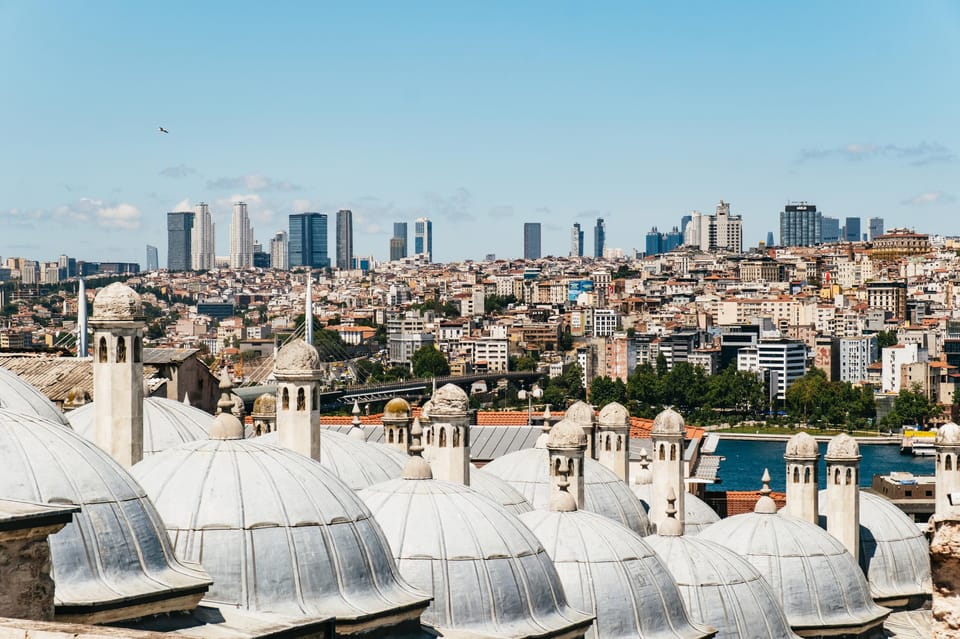
The third stop is Süleymaniye Mosque, set on Istanbul’s third hill area. This mosque carries the kind of presence that’s hard to get from outside photos. In this tour context, it becomes a perspective moment: you’re not only learning about the building, you’re also learning how Istanbul stacks its landmarks across terrain.
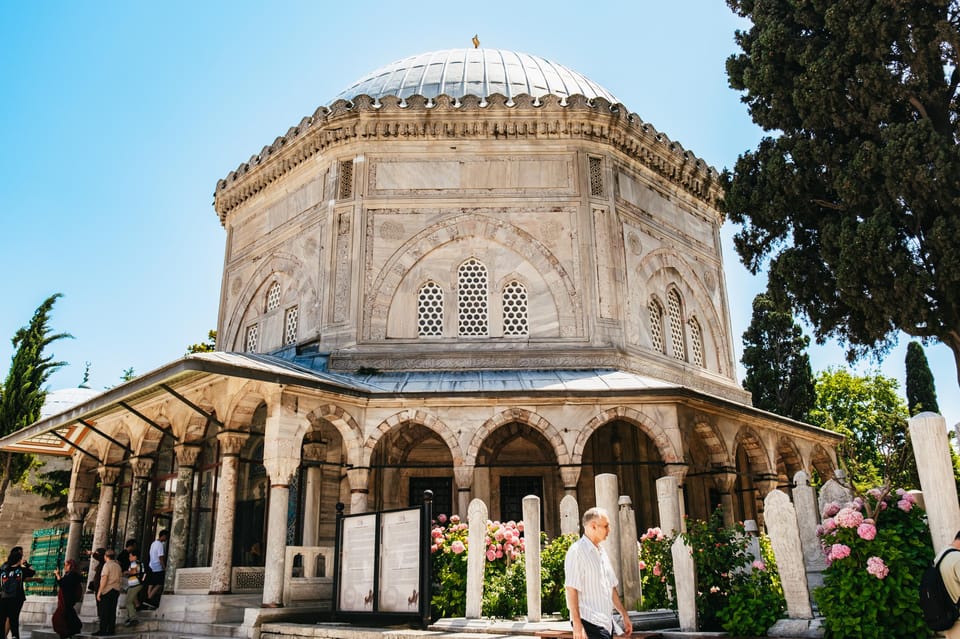
Your guide frames it as a major Ottoman masterpiece designed by Mimar Sinan. And it’s not just mythology—Sinan’s influence matters because the design approach is part of why Süleymaniye is remembered as a landmark in its own right.
You’ll hear the “big number” story too: it was the largest mosque in the city for more than 450 years, and the title changed in 2019. Even if you’ve never cared about rankings, this helps you place the mosque in a living city where monuments get reevaluated over time.
Inside, you’ll have guided time plus sightseeing. The tour format generally gives you about an hour at this stop, which is enough to appreciate the main features and not just walk in, snap a few pics, and leave. The guided portion helps you understand the architecture beyond the obvious wow-factor.
Note on logistics: there’s mention that the upper gallery is accessible by stairs, which isn’t ideal if you have mobility concerns. If that matters to you, ask your guide how to prioritize what you can safely see within the time.





The madrasah drink stop: the Istanbul break that doesn’t feel like a trap
You end with a stop at a historical madrasah, and the tour includes a local drink depending on the package selected. This is a small detail that makes a big difference in how the tour feels.
Without it, a “three mosques” day can turn into a photo chase. With it, you get a pause that feels more like local rhythm—sit, breathe, and let the sights settle in your head. You’re also reminded that these places aren’t only museum objects; they’re part of social life, education history, and daily culture.
It’s also a good moment to ask questions you didn’t think to ask earlier. Many guides are praised for answering everything from architectural choices to modern religious practice. That’s where the experience can become personal instead of purely historical.
If you’re sensitive to heat or sun, bring what the tour suggests—sunglasses and sunscreen help, and an umbrella can be a lifesaver depending on the season.
Price and value: is $29 worth your time?
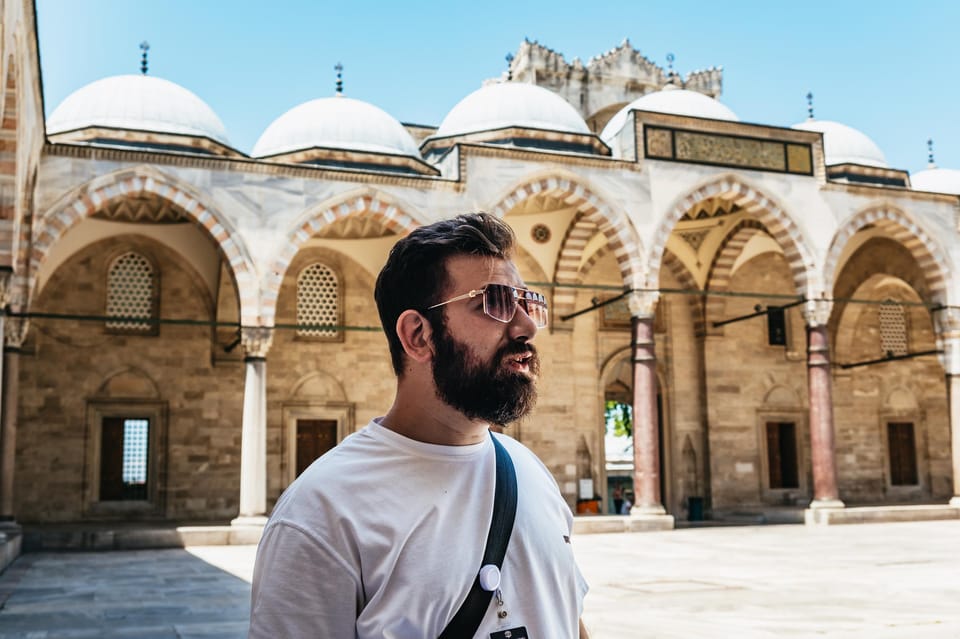
At about $29 per person for a 4-hour guided walk, the value here comes from three areas.
First, it’s three major landmarks in one go. If you tried to build this yourself, you’d spend time sorting routes, learning what’s important, and managing time at each site.
Second, the guide time is the product. Many guests specifically called out guides like Ebru, Esra, and Muhammed for making the buildings make sense, especially through architecture and history connections. A good guide saves you from “I saw it” and gets you to “I understand what I saw.”
Third, the Hagia Sophia skip-the-line option can be the difference-maker. Hagia Sophia’s entrance fee is listed separately if you don’t choose the inclusive option, and the queue can be long. When you compare the cost of waiting versus the cost of skipping, the skip-the-line becomes less of a luxury and more of a time-investment.
One caution: entrance costs for Hagia Sophia are not included unless you select the inclusive option. The tour info says Hagia Sophia Mosque entrance fee is 25 EUR per person if not selected. So when you compare total trip cost, check what your package includes before you assume the headline price is the whole bill.
Practical tips: dress code, prayer times, and how to pace yourself
This tour includes religious sites, so the day can shift. The tour info is clear that prayer times may cause the itinerary to be adjusted, extended, or shortened depending on the season. That doesn’t mean the tour falls apart. It means you’ll need flexibility.
Your best defense is preparation:
- Wear something that respects the dress code. The tour explicitly disallows shorts and sleeveless shirts.
- Bring a scarf or sweater. It’s strongly recommended so you can cover up quickly.
- Think in layers. You’ll be outside between sites, and inside you may want something light.
- Bring cash as suggested.
Also, be realistic about stairs if you’re considering upper levels. The tour notes mention stairs for the upper gallery. If you have mobility issues, the tour is not suitable according to the activity info, so plan accordingly.
Who this tour suits best (and who should skip it)
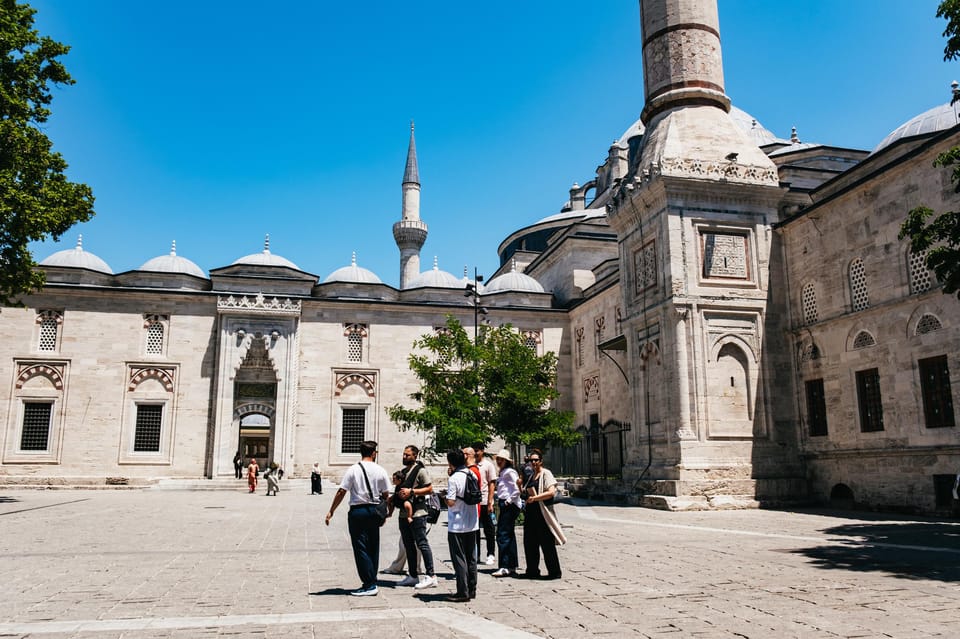
This is a strong pick if you want a focused, guided Istanbul experience without spending your entire day traveling. It’s ideal for first-timers in Sultanahmet who want the big hitters—Hagia Sophia, the Blue Mosque, and Süleymaniye—with explanations that help you look smarter.
It also fits well if you like structure. The 4-hour duration is short enough that you won’t feel stuck, but long enough to get genuine guided time at each site.
It’s less suitable if you’re dealing with mobility impairments, heart problems, respiratory issues, or if you’re pregnant, since the tour is listed as not suitable for those conditions. If stairs or long standing times are a concern, take that seriously.
Should you book this Hagia Sophia, Blue Mosque, and Süleymaniye tour?
I’d book it if you want the high-impact route through Istanbul’s most iconic mosque sites and you care about understanding what you’re seeing. The guided format is what makes this worth your time, and the small-group setup (often very intimate, based on guest comments) tends to keep the experience from feeling rushed.
Book with the skip-the-line option if Hagia Sophia timing matters to you. If you don’t, you’re gambling with 1–2 hours of queue time. And if you’re the type who gets stuck in “photo mode,” the madrasah drink stop and the guide’s story thread give you a better full-day shape.
If you’re planning your Istanbul visit for your first or second day and you want a concentrated culture hit in Sultanahmet, this is a solid, practical choice. Just come dressed for the sites, stay flexible for prayer-time adjustments, and let your guide do the heavy lifting of turning architecture into understanding.
FAQ
How long is the tour?
The tour duration is 4 hours.
What is the price?
The price is listed as $29 per person.
Does the tour include Hagia Sophia entrance fees?
Hagia Sophia entrance fees are included only if you select the option that includes skip-the-line entrance fees. If you do not select that inclusive option, Hagia Sophia Mosque entrance fee is 25 EUR per person.
Can I avoid the Hagia Sophia ticket line?
Yes, the tour offers optional skip-the-line tickets for Hagia Sophia. If you do not have skip-the-line tickets, the tour info says you may face a queue of 1–2 hours.
Where does the tour start?
The meeting point may vary depending on the option booked. One listed starting option is the German Fountain (Fuente Alemana), in the Sultanahmet area.
What should I bring?
The tour recommends sunglasses, a hat, umbrella, camera, sunscreen, long-sleeved shirt, insect repellent, cash, and a scarf.
What clothing is not allowed?
Shorts and sleeveless shirts are not allowed.
Will prayer times affect the itinerary?
Yes. Because the tour visits religious temples, the itinerary may be adjusted, extended, or shortened due to changes in prayer times.
What languages are available for the guide?
The guide can be one of these languages: Italian, English, Turkish, Portuguese, Spanish, German, or French.
Is hotel pickup included?
No. Hotel pickup and drop-off are not included.
Is the tour suitable for everyone?
The tour is listed as not suitable for pregnant women, people with mobility impairments, people with heart problems, or people with respiratory issues. The upper gallery is accessible by stairs, so mobility considerations matter.