REVIEW · ISTANBUL
Carpets, Rugs and Kilims bazaar, Grand Bazaar and Egyptian Bazaar
Book on Viator →Operated by magic doors of istanbul · Bookable on Viator
A 17th-century han plus bazaar streets is a winning combo. This 3-hour-20-minute Istanbul walk strings together carpets, the Grand Bazaar, and the Spice Bazaar in a way that helps you understand what you’re looking at, not just where to wander. You start in the Old City, get guided through the big covered markets without getting lost, and end right where the aromas and snack stands are hardest to ignore.
What I like most is the first stop: Vezir Han. You learn how handwoven rugs and kilims carry meaning through patterns, origins, and even the natural dyes behind them. I also really enjoy the sensory contrast of the Grand Bazaar to the Egyptian Bazaar—one is architecture and craft, the other is food culture you can smell as you walk.
One thing to consider: you’ll be walking through busy market lanes for most of the tour. If you get overwhelmed by crowds or sales pressure, go in with a plan (more on that below) and wear shoes you can live in.
In This Review
- Key things to know before you go
- From Çemberlitaş meet-up to Egyptian Bazaar finish near Galata Bridge
- Vezir Han: Carpets and kilims in a real Ottoman trading space
- Grand Bazaar: A covered market with rules, routes, and real structure
- Egyptian Bazaar (Spice Bazaar): Color, scent, and everyday food culture
- Mahmutpasha Bazaar and Eminönü backstreets: textiles and local errands
- Group size, pace, and how not to get worn out
- Price and what $66.51 buys you (and what it doesn’t)
- Tips for buying carpets and spices without regrets
- For carpets, rugs, and kilims
- For spices and food gifts
- Should you book this carpets and bazaars tour?
- FAQ
- Is this tour offered in English?
- How long is the tour?
- Where do I meet the tour, and where does it end?
- What attractions are included in the route?
- What’s included in the price?
- What is not included?
- How big is the group?
- Is the tour suitable for most people, and can service animals join?
Key things to know before you go
- Vezir Han: A historic caravanserai where you can understand rugs as living craft, not souvenir wallpaper
- Grand Bazaar navigation: You get help moving through a maze of thousands of shops and side streets
- Egyptian Bazaar is smaller and easier: More focused shopping, with strong spice and tea aromas
- Local Eminönü backstreets: A quick textile and everyday-goods stop away from the busiest tourist flow
- Turkish coffee break: A short pause in a backyard setting tied to a well-known coffee spot
- Max 10 people: Small group size makes the walking feel manageable inside the crowds
From Çemberlitaş meet-up to Egyptian Bazaar finish near Galata Bridge
This tour is built for a classic Old City route: you meet at Çemberlitaş, Mollafenari (Fatih) and finish in front of the Egyptian Bazaar (Spice Bazaar) near Galata Bridge. That end point is useful—once you’re done, you’re already in the middle of sightseeing and snack options.
The duration is about 3 hours and 20 minutes, which is long enough to hit four market-style stops but short enough that you’re not stuck for half a day if you’re only mildly interested in shopping. The tour is offered in English, and you’ll receive a mobile ticket so you’re not hunting for paperwork on a phone-less day.
One practical note: private transportation isn’t included, so you’ll want to plan how you’ll get to Çemberlitaş on your own. The good news is it’s near public transit, so you’re not forced into expensive taxi runs just to start.
You can also read our reviews of more shopping tours in Istanbul



Vezir Han: Carpets and kilims in a real Ottoman trading space
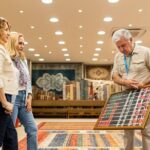
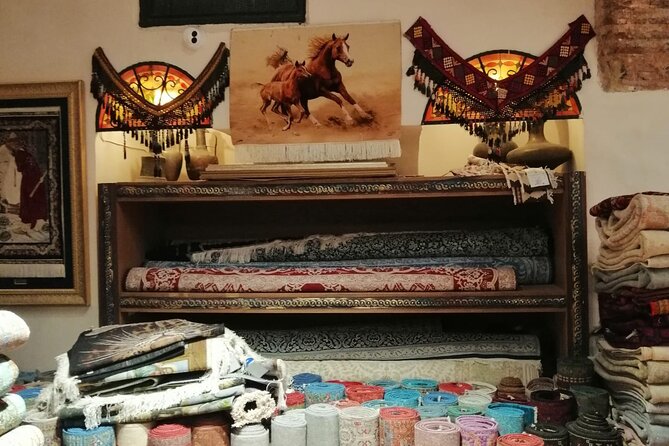
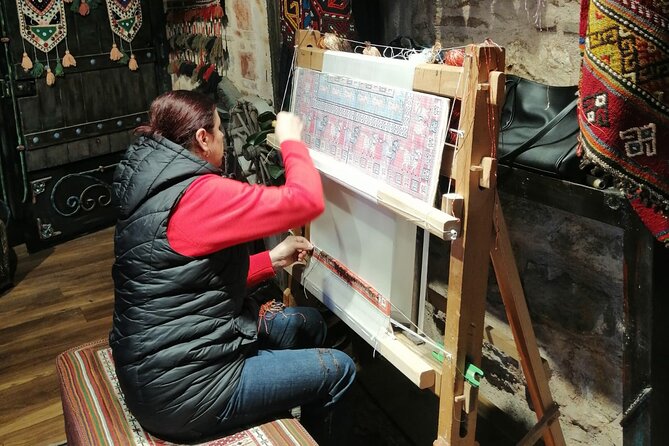
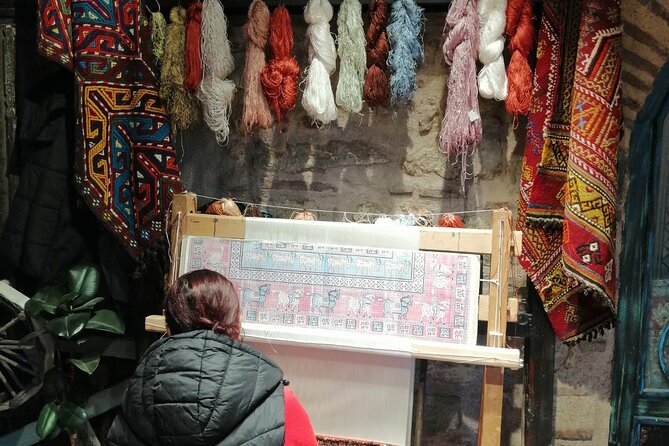
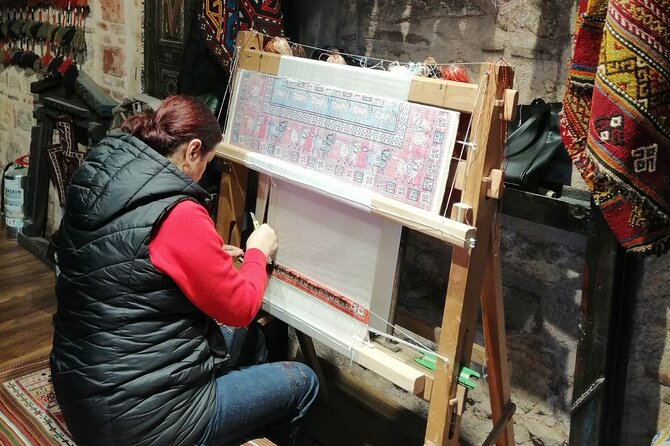
The first stop is Vezirhan Handmade Carpets & Kilims, inside Vezir Han, a caravanserai tied to Ottoman-era commerce. This matters because it changes how you experience rugs. Instead of shopping in a generic showroom, you’re seeing textiles in a historic setting that once served traveling merchants—where goods were stored, traded, and admired like valuable technology.
You’ll spend about 1 hour and 10 minutes here, which is a comfortable pace. It’s enough time to slow down and look closely at weaving and design, not just rush for the biggest rug display. And the way they explain the craft helps you notice details that casual browsing usually misses—things like pattern structure and how different origins show up in style choices.
What I find most valuable here is the learning angle. Rugs and kilims weren’t woven just to decorate. They reflect the weaver’s life, beliefs, and hope—so motifs often feel less random than they first look. Based on what people highlight after this stop, you’ll likely get education that goes beyond basics: how patterns are interpreted, how designs relate to meaning, and how natural dyes affect color and texture.
Possible drawback: if you go in expecting bargain carpets, you might feel a bit out of your comfort zone. This stop is more about understanding and appreciating craft than doing a quick price hunt. If you just want to window-shop, you can still enjoy it—but don’t expect a typical street-market negotiation vibe.
Grand Bazaar: A covered market with rules, routes, and real structure
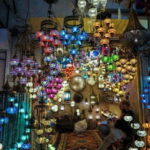
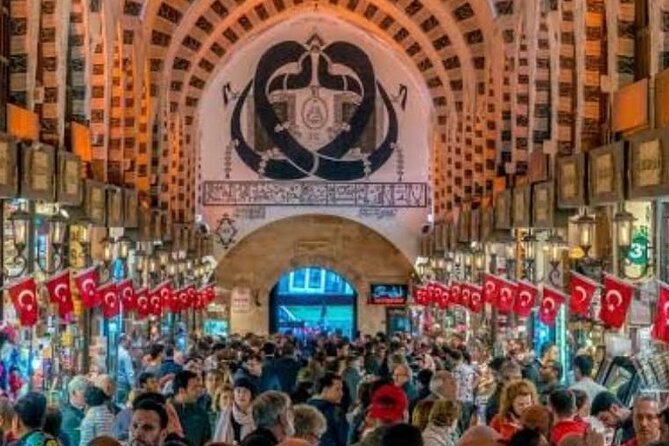
Next up is the Grand Bazaar, with about 1 hour and 10 minutes here. It’s easy to describe it as huge, but the better way to think of it is as a market city. The Grand Bazaar has its own internal organization: specialized streets, arched ceilings and domes that help with heat and weather, and a layout that feels purposeful rather than random.
This is one of the best stops for first-time Istanbul visitors because you can’t really see it properly on your own. The bazaar is famous for being confusing—thousands of shops, many entrances, and side alleys that pull you off course. With a guide, you can get your bearings fast and focus on what you want to learn or buy.
What you’ll do here is more than walk and shop. The explanations help you understand why different areas feel different. Some lanes lean into textiles like carpets and kilims. Others focus on jewelry, leather, ceramics, or souvenirs. That makes the browsing feel less like random wandering and more like moving through a marketplace with specialties.
One thing I’d watch: the Grand Bazaar is also a place where sales pressure can get intense. That doesn’t mean it’s a bad experience. It just means you should decide ahead of time how you want to engage—look only, ask questions about materials, or only talk pricing once you know what you’re looking for. If you’re unsure, ask the guide what’s a fair question to start with and what to ignore.
Egyptian Bazaar (Spice Bazaar): Color, scent, and everyday food culture
After the Grand Bazaar’s larger scale, you’ll head to the Egyptian Bazaar, also called the Spice Bazaar. This stop is shorter—around 25 minutes—but it feels like it packs a punch because it’s sensory from the first step.
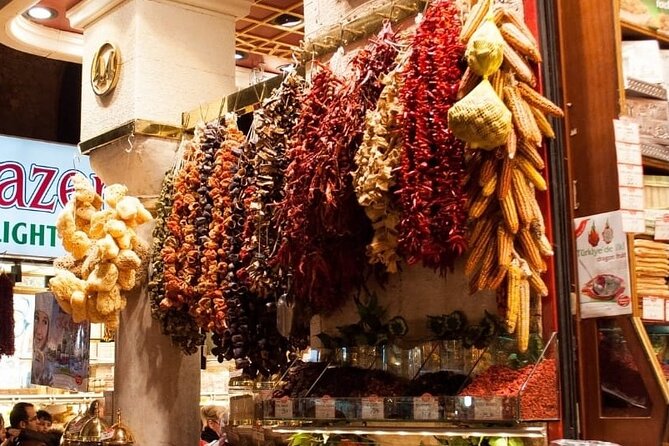
The big difference is smell. Spices like cinnamon, cumin, saffron, sumac, dried fruits, nuts, and herbs fill the air fast. Even if you don’t plan to buy much, you’ll remember this stop because food culture has a way of sticking to your brain. In the Ottoman era, spices weren’t just for taste. They were used for medicine, preservation, and perfumes—so the market carries a history you can actually feel in your nose.
You can also expect more variety than just jars of spice. Many stalls offer Turkish delight, teas, dried fruits, honey, and natural products. And compared to the Grand Bazaar, this market tends to feel more focused and easier to walk. That shorter time works well here: you can taste, smell, and browse without getting completely worn down.
What to consider: this stop is great for gifts and pantry items, but it’s also where impulse purchases happen. Bring a mental list: what spice blends you might use, which teas you’ll actually drink, and how you’ll carry fragile items if you’re traveling on a plane.
Mahmutpasha Bazaar and Eminönü backstreets: textiles and local errands
The tour then shifts to Mahmutpasha Bazaar and the Eminönü area—backstreets where locals handle the practical stuff. This is where the experience starts feeling more like real daily life and less like the biggest tourist shopping circuits.
The itinerary includes a quick stroll through textile shops, traditional kitchenware, and copper items. That’s a nice balance to the earlier stops because you’re not only chasing carpet knowledge or spice aromas. You’re seeing what kinds of goods people buy when they’re shopping for home, not souvenirs.
You also get a short break: try Turkish coffee at the backyard of a well-known coffee spot. It’s a simple moment, but it helps reset your brain. Market time adds up, and a pause with a drink makes the rest of the walking more enjoyable instead of just tolerable.
One more reason this stop works: it gives you context. Once you’ve seen the big famous markets, it’s helpful to notice that Istanbul shopping isn’t only about the iconic locations. People still shop nearby for cookware, fabrics, and everyday needs—meaning your time feels more grounded.
A few more Istanbul tours and experiences worth a look


Group size, pace, and how not to get worn out
The tour caps at 10 travelers, which is a big deal inside crowded bazaars. It means your guide can point things out without losing people to the crush. It also makes photo stops and small questions feel doable rather than rushed.
Timing wise, the tour is designed as short blocks: 1h10 at Vezir Han, 1h10 at the Grand Bazaar, 25 minutes at the Spice Bazaar, then 20 minutes in Eminönü backstreets. That structure helps if you love browsing but don’t want a long shopping slog.
How to make the pace feel good:
- Wear shoes with real grip. Cobblestones and market floors can be slick.
- Keep water in your bag if you’re prone to getting thirsty in warmer months.
- If you plan to buy anything heavy (carpets and large items), understand your day ends at the Spice Bazaar area—so logistics matter.
Price and what $66.51 buys you (and what it doesn’t)
At $66.51 per person for about 3 hours and 20 minutes, this tour is priced like a value-friendly guided Old City experience because several key costs are included. You get entrance fees, plus coffee and/or tea, and the tour is explicitly offered in English.
What’s not included: private transportation, lunch, snacks, and brunch. That’s normal for city walking tours, but it affects planning. If you get hungry easily, eat before you meet or expect to buy small bites near the markets. Also, since the tour ends near Galata Bridge, it can be a good jump-off point for an evening meal.
Here’s the value logic I’d use before booking:
- If you want structure (navigation, explanations, and a route that makes sense), this cost can feel fair.
- If you want hours of free wandering without stopping for learning moments, you might find it a bit guided.
- If you’re interested in rugs specifically, the first stop’s educational focus makes the price easier to justify.
Tips for buying carpets and spices without regrets
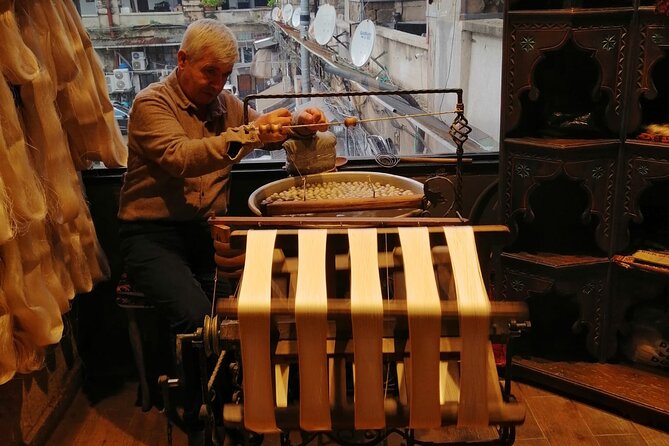
Let’s be honest: most people come away from bazaar tours with at least one purchase idea, even if they don’t buy. Here’s how to avoid common buyer stress while staying respectful in shops.
For carpets, rugs, and kilims
You’ll likely learn about patterns, origins, and natural dyes, which is exactly what you need before you talk price. When you’re looking, focus on questions like:
- What’s the weaving quality and feel like up close?
- How do the colors look in real light (not just inside a shop)?
- Do the motifs match what you’re being told about meaning or origin?
If you don’t know what you want yet, ask to slow down. A good guide can help you compare examples without feeling pressured.
For spices and food gifts
This is easier: decide what you’ll actually cook with or gift. Cinnamon, cumin, sumac, and tea varieties are practical. If you buy something brittle or fragile, pack carefully.
Also remember: you’re walking. If your purchases get bulky, you might end up carrying them longer than you want. That’s not a deal-breaker, but it should shape what you choose.
Should you book this carpets and bazaars tour?
Book it if you want an Old City route that teaches as you walk. The standout strength is the way the tour ties textile craft at Vezir Han to the larger commercial picture at the Grand Bazaar and the everyday food culture of the Egyptian Bazaar. The small group size also helps a lot with comfort and navigation.
I’d skip (or at least reconsider) if you hate crowded spaces or you only want the fastest possible sightseeing without any shopping guidance. In that case, you might prefer separate self-guided bazaar time and a shorter craft stop.
If you’re curious about rugs and want your bazaar stroll to feel guided and meaningful, this is a solid choice. It’s also a good one for first-time Istanbul visitors because you get the big icons plus a taste of where locals actually shop—without spending all day commuting around the city.
FAQ
Is this tour offered in English?
Yes. The tour is offered in English.
How long is the tour?
It runs for about 3 hours and 20 minutes (approximately).
Where do I meet the tour, and where does it end?
You meet at Çemberlitaş, Mollafenari, 34120 Fatih/İstanbul, Türkiye. The tour ends in front of the Egyptian Bazaar (Spice Bazaar) near Galata Bridge.
What attractions are included in the route?
You’ll visit Vezir Han (handmade carpets and kilims), the Grand Bazaar, the Egyptian Bazaar (Spice Bazaar), and Mahmutpasha Bazaar/Eminönü backstreets.
What’s included in the price?
The price includes entrance fees and coffee and/or tea.
What is not included?
Private transportation, brunch, snacks, and lunch are not included.
How big is the group?
The tour has a maximum of 10 travelers.
Is the tour suitable for most people, and can service animals join?
Yes, most travelers can participate, and service animals are allowed. It is also near public transportation.