REVIEW · CAPPADOCIA
Cappadocia 1 or 2 Day Private Tour
Book on GetYourGuide →Operated by Moira Travel Agency · Bookable on GetYourGuide
Cappadocia in one tidy plan. This private tour strings together the big-name rock churches, fairy-chimney valleys, and even an underground city, with hotel pickup in a comfortable VIP vehicle. I especially like the mix of viewpoints and hands-on stops—from Göreme’s frescoed cave churches to a pottery demonstration in Avanos. You also get a real licensed guide (English, Japanese, or Spanish) who explains what you’re actually looking at, not just where to stand for photos. One thing to keep in mind: museum/valley entry fees and lunch aren’t included, so you’ll want to budget a bit extra once you’re on the ground.
You can choose a 1-day or 2-day version, which is great if you’re squeezing Cappadocia between flights or other plans. And if you care about the language experience, pay attention to the guide setup—there’s been at least one case where a Japanese guide booking didn’t match at pickup time, and an alternate English guide was arranged later. Still, other groups have had excellent guide experiences, including guides such as Gokche (Japanese), Simon (Spanish), Fatih (Spanish), and Mithat (English).
If you bring comfortable shoes and you’re okay with a lot of “quick looks” between photo stops, you’ll get a satisfying, practical overview of Cappadocia. If you’re expecting long hikes every day or full-on slow travel, you might feel the pace and the walking time are more “sampling” than “staying put.”
In This Review
- Key things to know before you go
- A practical Cappadocia plan with private comfort
- Göreme viewpoints and the cave churches that explain the stones
- Fairy chimneys on purpose: Ürgüp, Devrent, Monk’s Valley, and St. Simeon
- Lunch, then short walks and photo stops that keep you moving
- Avanos pottery along the river: the kick-wheel moment
- Kaymakli Underground City: eight levels of survival thinking
- Ihlara Valley and the pigeon valley vistas for a slower rhythm
- Timing, transport, and what the 1-day vs 2-day choice really changes
- Price and what you’ll actually spend on the ground
- Who this private Cappadocia tour fits best
- Should you book this Cappadocia private tour?
- FAQ
- How long is the Cappadocia tour?
- What time does pickup happen?
- Is hotel pickup and drop-off included?
- Are admission fees included?
- Is lunch included?
- What sites are included in the tour?
- What languages are available for the guide?
- What should I bring?
Key things to know before you go
- Hotel pickup at 9:30 AM with a private-group setup, so you don’t waste time figuring out transport.
- Göreme Open Air Museum is a centerpiece, with fresco churches described in context (Old and New Testaments scenes).
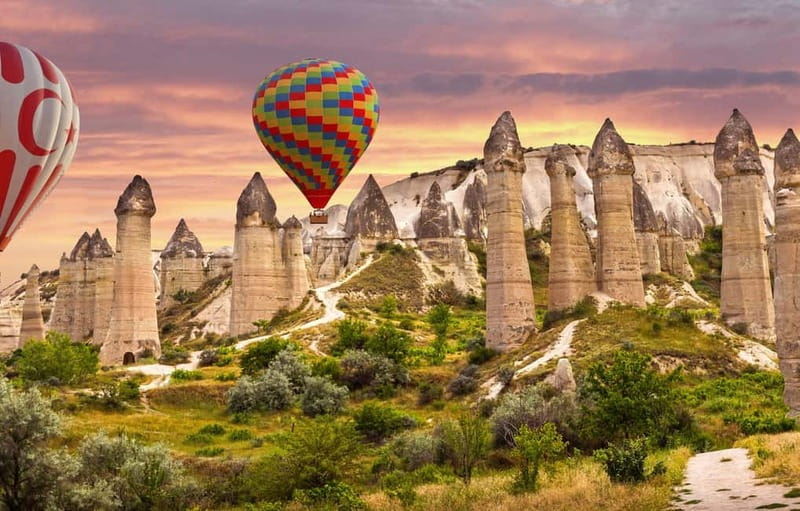
- Fairy chimneys at multiple valleys, not just one overlook—Ürgüp, Devrent, and Monk’s Valley all get their turn.
- Kaymakli Underground City offers scale: 8 levels with stables, temples, and wineries.
- Avanos pottery by the river, including a kick-wheel demonstration and a chance to try the craft.
- Entry fees and lunch are extra, so plan on paying at the sites.
A practical Cappadocia plan with private comfort
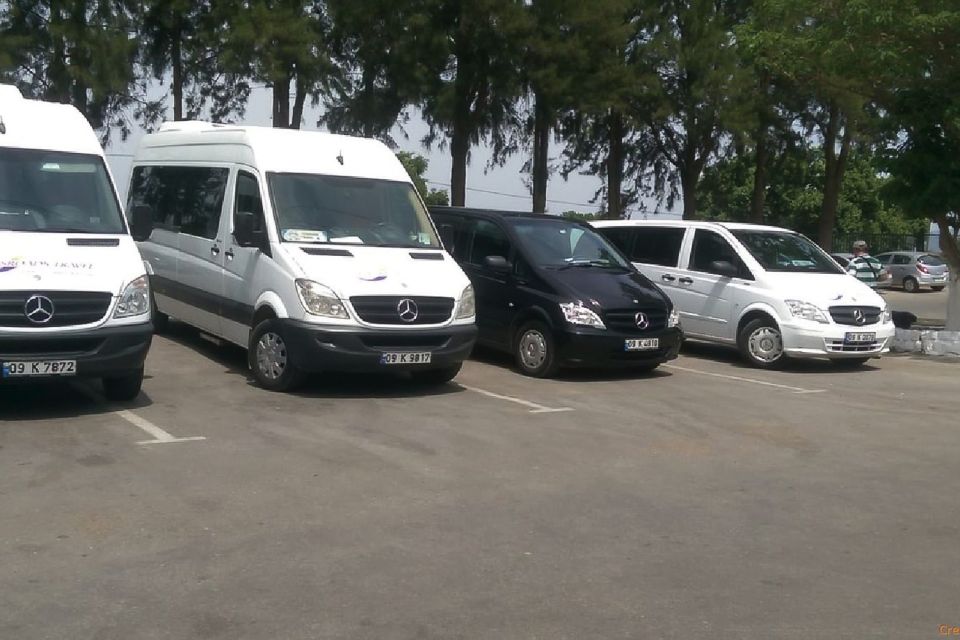
This is the kind of tour that works because it reduces friction. You get picked up from your hotel at 9:30 AM, then ride in an air-conditioned VIP vehicle. That matters in Cappadocia, where you’re constantly moving between valleys, viewpoints, and rock-cut sites—and parking and timing can eat your day if you’re on your own.
I like the fact that this is flexible by design: you can do a shorter 1-day option or spread things out across 2 days. The 1-day flow is built around big hits—churches, chimney valleys, and Avanos—then it wraps back toward your hotel around 5:00 PM. If you choose 2 days, you’ll add the major underground stop (Kaymakli) and the Ihlara Valley side of the region, which gives you a stronger sense of Cappadocia beyond the typical photo circuit.
Private doesn’t automatically mean tiny. It means you’re not stuck with the slowest person or the loudest group dynamic. You also get a licensed guide who can adjust pacing and explanations as you go. In Spanish-speaking runs, guides like Simon and Fatih are tied to strong communication and restaurant guidance, while English-speaking tours have included Mithat, noted for patience and understanding when there’s a child in the group.
You can also read our reviews of more private tours in Cappadocia
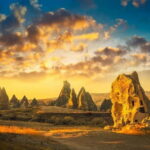
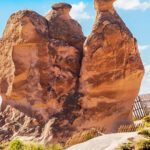
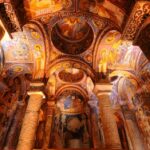
Göreme viewpoints and the cave churches that explain the stones
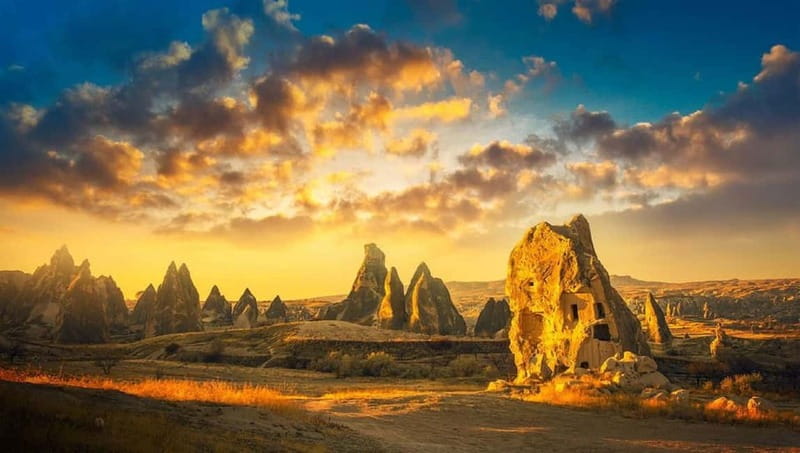
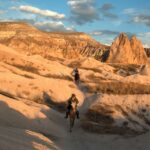
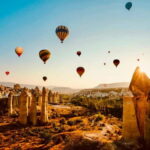
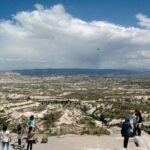
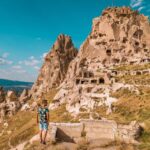
Your day starts with a panoramic viewpoint at Esentepe, overlooking Göreme. From up there, Cappadocia stops being just a set of famous rocks and becomes a place with patterns—how valleys stack, how cones and chimneys cluster, and why churches were carved where they were.
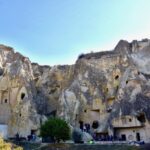
Then you head to the Göreme Open Air Museum, a UNESCO World Heritage Site. The standout here is not only the caves, but the frescoes inside the cave churches. Your guide explains the scenes connected to the Old and New Testaments, and it’s especially useful to understand the setting: these spaces were used as religious sites from the early years of Christianity, and the painted cycles you see are traced to around the 10th century. When you have that context, the art turns from decoration into a story system.
One practical note: this stop involves museum walking and indoor cave conditions. Go in with comfortable shoes and sunglasses handy for the bright transitions between outside viewpoints and dim cave interiors.
Fairy chimneys on purpose: Ürgüp, Devrent, Monk’s Valley, and St. Simeon
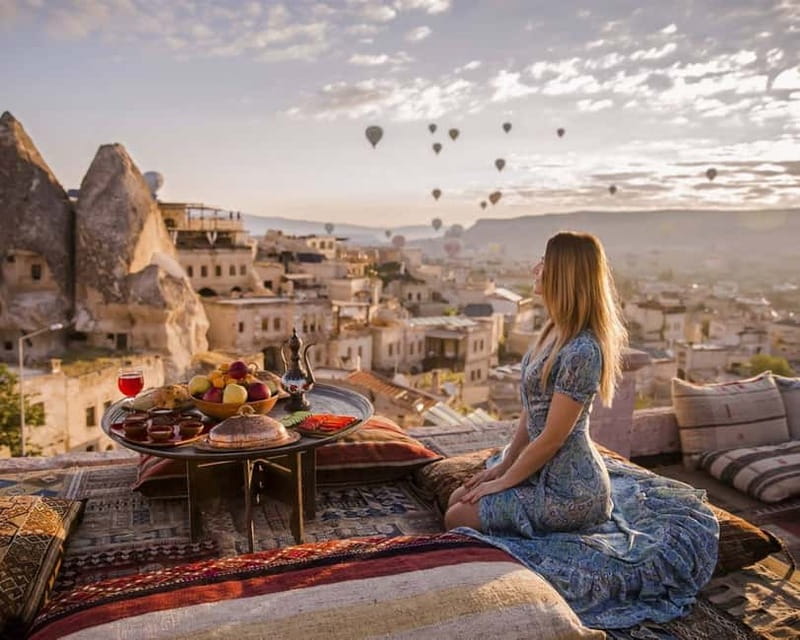
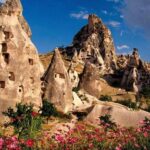
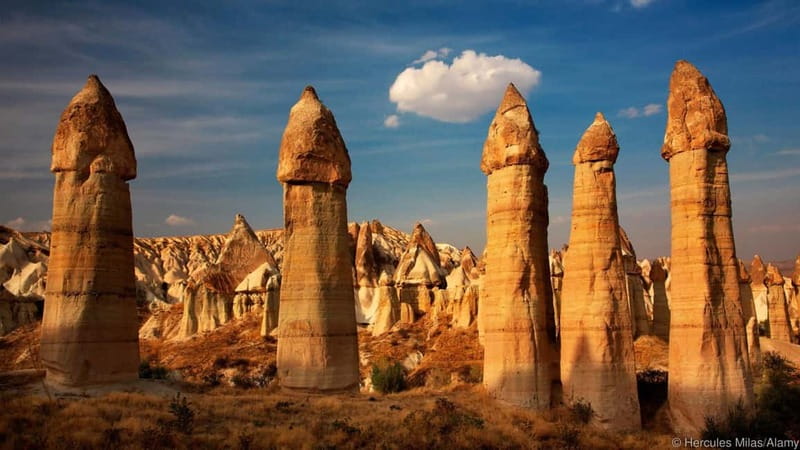
Cappadocia’s fairy chimneys are the headline, but this tour hits the theme from different angles. Instead of “see chimneys once and rush away,” you get multiple stops where the rock formations look different depending on the valley shape and how light hits the rock.
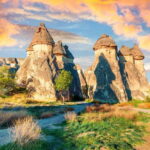
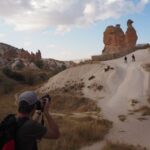
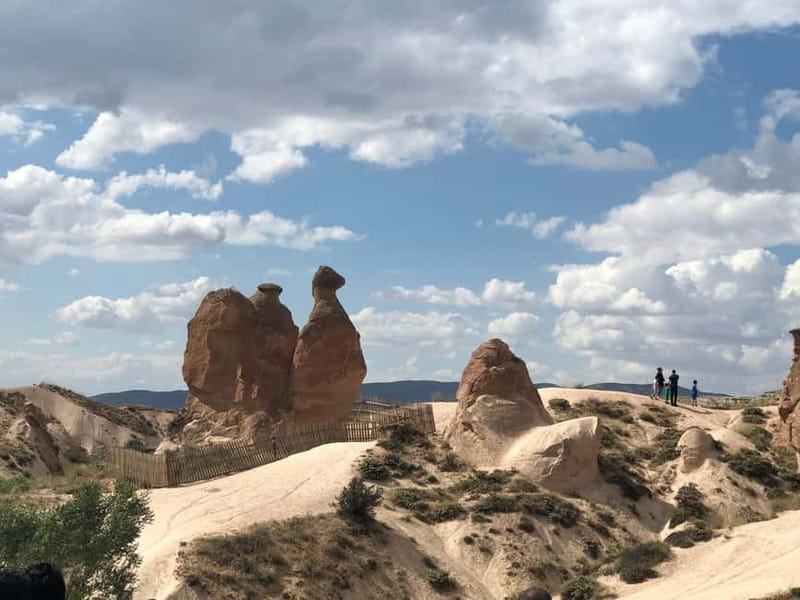
In the Ürgüp area, you’ll pause for family fairy chimneys—a classic visual cluster that helps you grasp how some cones group together like a neighborhood. Next comes Devrent, known for animal-shaped rock formations. Even if you’re not the sort of person who tries to spot a camel in clouds, this is worth it because your guide can point out what the shapes resemble and why that matters for how people read the landscape.
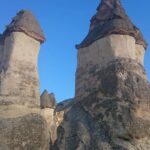
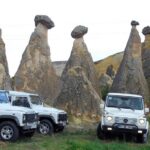
Then you reach Monk’s Valley, including the mushroom-shaped chimneys. The “mushroom” look isn’t just a cool silhouette—it’s a clue to how erosion shaped the soft and hard rock layers. After that, there’s St. Simeon’s monk cell, carved into the rock. This part is calmer than some of the viewing stops, and it gives the tour a spiritual thread again after all the photo-energy.
Photo stops can feel repetitive on some tours, but here they’re spaced so your brain keeps refreshing what it’s seeing. If you like photography, bring patience. If you don’t, you’ll still appreciate how different valleys “teach” you to recognize formations.
Lunch, then short walks and photo stops that keep you moving
Lunch is arranged at a restaurant in Göreme. The important thing for value is this: lunch isn’t included in the price you pay for the tour, so you’ll want to decide ahead of time whether you’ll snack lightly before you get picked up or plan to eat properly once the day’s underway.
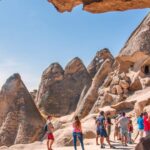
After lunch, you’ll have several shorter photo stops and viewing moments. A few of the route segments include short walks, so it’s not just standing at a roadside. Still, this isn’t a “bring hiking poles and clear your calendar” type of tour. It’s more like: see, listen, look longer than you would on your own, then move.
If you’re traveling with kids or you need a flexible pace, the private format helps. In at least one English-guided booking with Mithat, the guide was noted for being understanding with a sal child in the group—exactly the kind of detail that can turn a stressful day into a smooth one.
Avanos pottery along the river: the kick-wheel moment
Avanos is where Cappadocia shows its human side. You’ll drive into this picturesque town on the river, famous for supplying clay for the 4,000-year-old pottery tradition. That’s a huge timescale for something you can actually see working.
The highlight is a kick-wheel demonstration by a local potter. What I like about including this isn’t just the “cultural stop.” It’s a chance to understand how craft survives when the world changes. You’ll also get a chance to try the custom yourself, which turns the day from sightseeing into doing.
If you buy pottery, do it with your eyes open. There’s a practical shopping tip worth sharing from experience: one guide-led group recommended buying in Goreme’s center instead of at the underground-city stop, because prices were described as much higher in the underground city area. You’ll still see plenty of choices in Avanos and Göreme, so use that time wisely—don’t feel pressured to buy the first thing you like.
A few more Cappadocia tours and experiences worth a look
Kaymakli Underground City: eight levels of survival thinking
Day two has a strong anchor: Kaymakli Underground City. This site was carved by the Hittites about 3,500 years ago, and later early Christians used it as a shelter from enemies during the 6th and 7th centuries. That layered timeline changes how you read the tunnels. You’re not just touring cool caves—you’re walking through a response to fear, logistics, and community life.
One reason Kaymakli is such a big deal is scale. It has 8 levels, with spaces that include stables, temples, and even wineries. That last detail is what makes it feel less like a movie set and more like an actual functioning system—people thought about daily needs underground.
This is also where the “mobility note” matters. The tour is not suitable for people with mobility impairments. Underground cities involve uneven floors, steps, and tight passages, and that’s not the kind of surface where you can improvise with a cane or walker.
If you do go, bring your sense of scale. In bright daylight, it’s hard to imagine living without natural light. But once you’re down there, the architecture becomes a clever survival machine.
Ihlara Valley and the pigeon valley vistas for a slower rhythm
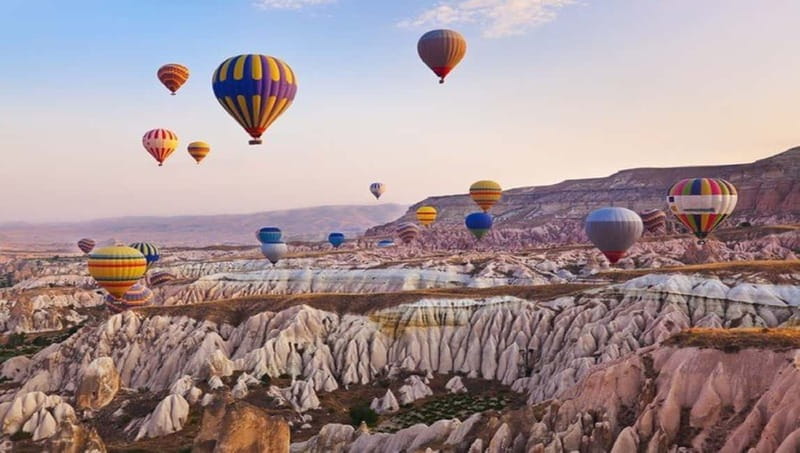
After Kaymakli, you head toward Ihlara Valley. The tour describes it as magnificent and green—more of a change in texture than a change in “Cappadocia theme.” You’ll likely get a guided visit and then time on your own, which is helpful here because the valley works best when you can pause.
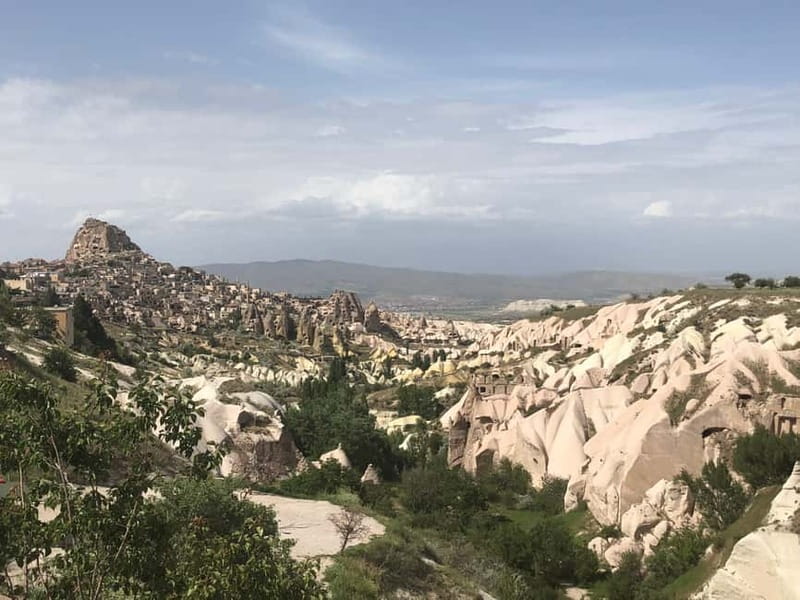
On the way back toward Göreme, you stop at a spectacular vista point overlooking Pigeon Valley. This is one of those moments where the scenery explains earlier stops. The valleys and ridges make sense. The fairy chimneys aren’t random; they’re part of a system.
Even in a tour packed with rock churches and underground tunnels, this segment gives your mind a break. You’re not studying frescoes or reading tunnel walls. You’re looking out, noticing the depth, and letting the day breathe.
Timing, transport, and what the 1-day vs 2-day choice really changes
Choosing between the 1-day and 2-day versions comes down to how you want to feel at the end.
With the shorter option, you get a high-impact sweep: Esentepe, Göreme Open Air Museum, a lunch stop in Göreme, multiple fairy chimney valleys, and Avanos pottery—then back around 5:00 PM. It’s ideal if your Cappadocia time is limited or if you want a guided “greatest hits” day.
With 2 days, you slow down the story. Kaymakli takes room to feel meaningful, and Ihlara Valley becomes more than a drive-by stop. It also gives you fewer mental leaps between themes. You go from churches to chimneys to survival tunnels to valley views, and your brain has time to connect the dots.
The tour’s start time stays consistent at 9:30 AM, which helps if you’re planning around hotel logistics or a later flight. Just remember that it’s a full day with moving parts, photo stops, and guided explanations—bring energy.
Price and what you’ll actually spend on the ground
The listed price is $27 per person, with hotel pickup/drop-off, a licensed professional guide, and transportation in an air-conditioned VIP vehicle. That’s strong value for a private setup—especially when you consider how expensive taxis and long transfers can get across Cappadocia’s wider area.
But the fine print is important for budgeting: museum and valley admission fees aren’t included, and lunch isn’t included. So your total day cost depends on what you enter and what you order to eat.
Here’s the practical way to think about value:
- If you’re paying for a guide who can explain frescoes and rock formations, you’re buying time and understanding, not only transportation.
- If you’re going to multiple paid sites (like Göreme Open Air Museum and underground city), the extra admission costs are easier to justify because you’re seeing more than one attraction.
- If you plan to shop, set a small buying budget early so you don’t end up paying “because it’s there” prices.
Who this private Cappadocia tour fits best
This works best for you if you want a guided overview of Cappadocia’s main types of sights: cave churches, fairy chimneys in different valleys, a major underground city, and a craft stop in Avanos. It’s also a good choice if you don’t want to coordinate transport between distant areas yourself.
You might like it less if:
- You need mobility-friendly access (the tour isn’t suitable for mobility impairments).
- You want long hikes or a lot of unstructured wandering. The tour includes some walking, but it’s mostly guided stops and photo moments.
- You dislike paying separate admission fees and buying lunch on the day.
If language support matters, this tour lists English, Japanese, and Spanish guide options. In real-world group experiences with guides like Gokche (Japanese), Simon (Spanish), Fatih (Spanish), and Mithat (English), the common thread is that the guide experience can make the day feel smooth and understandable—when the language match is correct, it’s a big win.
Should you book this Cappadocia private tour?
Yes, if you want a structured, efficient Cappadocia intro that still includes meaningful detail. The strongest reasons to book are the Göreme Open Air Museum fresco explanation, the variety of fairy chimney valleys, the scale and story of Kaymakli Underground City, and the practical, memorable craft stop in Avanos.
I’d book it especially if you value a guide who can translate what you’re looking at into context. Cappadocia rewards that. You’ll see more, and the day will feel less like a checklist.
If you’re picky about pace or you know you’ll need accessibility support, look for a different style of tour. And if you do book, go in ready to pay for admissions and lunch, and wear shoes you can walk in comfortably. Then you’ll get the best kind of Cappadocia day: one where the rocks actually start making sense.
FAQ
How long is the Cappadocia tour?
The experience is offered as either a 1-day option or a 2-day option. The duration is listed as 7 hours for the shorter choice, or up to 2 days.
What time does pickup happen?
Pickup from your hotel is at 9:30 AM.
Is hotel pickup and drop-off included?
Yes. You’ll get hotel pickup and drop-off service, with multiple pickup and drop-off locations in Göreme, Ürgüp, Avanos, and Kayseri area.
Are admission fees included?
No. Admission fees for the museums and valleys are not included.
Is lunch included?
No. Lunch isn’t included.
What sites are included in the tour?
You can expect major stops such as Esentepe viewpoints, Göreme Open Air Museum, fairy chimney areas (including Ürgüp and Devrent), Monk’s Valley and St. Simeon’s monk cell, Avanos pottery, Kaymakli Underground City, Ihlara Valley, and additional photo/view stops like Pigeon Valley and Zelve Open Air Museum.
What languages are available for the guide?
The tour offers live guides in English, Japanese, and Spanish.
What should I bring?
Bring comfortable shoes, sunglasses, and a sun hat.