REVIEW · ISTANBUL
Blue Mosque, Hagia Sophia & Basilica Cistern, Hipodrom Tour
Book on GetYourGuide →Operated by Aussie Tours Travel Agency · Bookable on GetYourGuide
One walk, two empires, and a whole lot of wow. I love how this tour connects Hagia Sophia and the Blue Mosque without making you guess at the timeline, and I love that you get an English guide who puts the sites into context fast. One thing to consider: tickets for the Basilica Cistern and Hagia Sophia cost extra, so you’ll want to budget for add-ons before you go.
You’ll also get practical help on-site: headsets to hear the guide better and a route that keeps you moving through major landmarks while the buildings do most of the talking. The main drawback isn’t the pace—it’s the dress and rule checklist, since both mosques require modest clothing and have restrictions inside.
In This Review
- Key highlights
- Why this Istanbul loop makes sense
- Timing and what the “1–3 hours” really means
- Hagia Sophia: more than a landmark, it’s a timeline you can walk through
- Entry rules you should plan for
- Blue Mosque: blue tiles, domes, and the reality of prayer times
- The one rule that can change your plan
- Dress and access rules
- Hippodrome tour: why you should care about this “background” stop
- Basilica Cistern: underground cool and 6th-century engineering
- Photo and ticket note
- Price and value: $15 tour cost plus the real entry costs
- The guide and headsets: why this matters in the real world
- What to bring, what not to bring, and the rules that catch people
- Who should book this tour (and who should rethink)
- Should you book this tour? My take
- FAQ
- Do I need to buy tickets for Hagia Sophia and the Basilica Cistern?
- Is skip-the-line entry included for the Blue Mosque?
- How long is the tour?
- What’s included in the tour price?
- Do I need a scarf or body cover?
- What should I bring?
- Are there any restrictions on photos?
- Can I enter the Blue Mosque during prayer times?
- Is this tour wheelchair accessible?
- What is the meeting point?
Key highlights
- Hagia Sophia’s full timeline, from Justinian-era cathedral to Ottoman mosque to museum era and back to a mosque again
- Blue Mosque design details, including the signature blue tile look and its domes and six minarets
- Basilica Cistern atmosphere, a 6th-century underground water reservoir built in Justinian’s time
- Hippodrome context, so the area around the monuments makes more sense
- English guide + headsets, so you don’t strain to hear in crowded spaces
- Prayer-time reality check, with Blue Mosque access adjusted during prayer hours
Why this Istanbul loop makes sense
If you only have a short window in Istanbul, you want two things: major landmarks and a reason they’re connected. This tour gives you both. You’ll see the architectural giants—Hagia Sophia and the Blue Mosque—then you’ll step into the wider historic setting with a Hippodrome tour, and finally you’ll go underground for the Basilica Cistern’s cool, quiet mood.
What I like is how the stops aren’t treated like separate postcards. The guide helps you connect the dots across Byzantine and Ottoman periods. Hagia Sophia, for example, isn’t just a famous building. It’s a timeline you walk through: built as a cathedral in 537 AD by Emperor Justinian I, converted into a mosque in 1453 after the Ottoman conquest, made a museum in 1935 under Mustafa Kemal Atatürk’s reforms, and then reverted to a mosque in 2020. Same bones, different rules, different meaning.
And then the Blue Mosque adds the visual payoff. You’ll learn why it’s called the Blue Mosque and what makes it visually distinctive, including the blue tiles, its central dome arrangement, and six minarets. It’s the kind of stop where the guide’s explanations help you notice details you’d otherwise miss.
One more practical win: you get headsets. Istanbul can get noisy in and around major sites, and better audio means less time guessing what the guide is pointing at.
You can also read our reviews of more tours and experiences in Istanbul.

Timing and what the “1–3 hours” really means
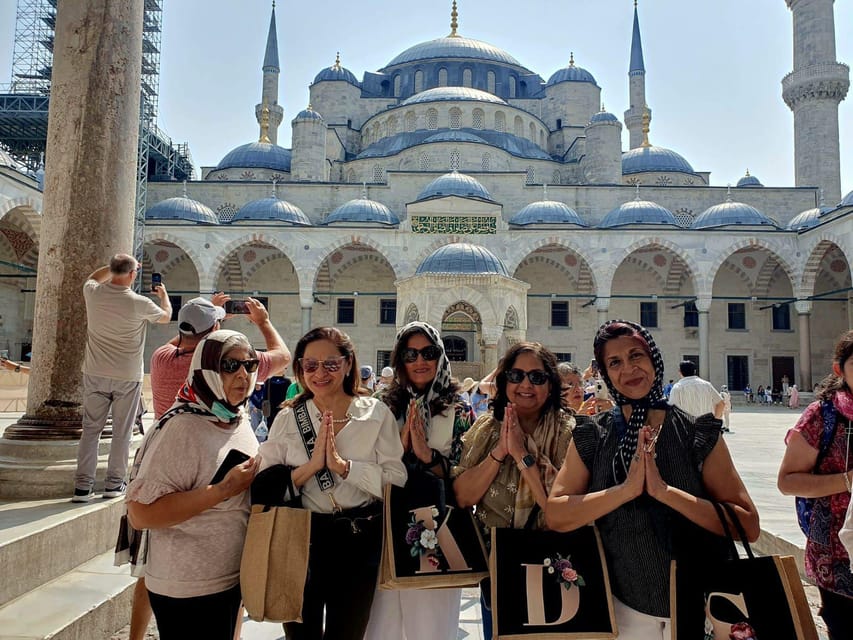
The duration is listed as 1–3 hours, depending on the option booked. That range matters because the sites involve security checks, waiting at entrances, and time inside for respectful visiting rules.
Here’s the reality of how this works in a place like this:
- Hagia Sophia and the Blue Mosque are active religious spaces, so access can change with prayer times and entry procedures.
- Basilica Cistern visits depend on ticketing and entry timing because tickets aren’t included in the tour price.
So instead of expecting a long, slow stroll, expect a focused route. It’s ideal if you want to hit major stops efficiently, and then keep exploring on your own afterward.
Hagia Sophia: more than a landmark, it’s a timeline you can walk through
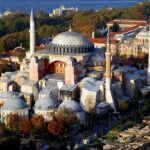
Hagia Sophia is the headliner for a reason. It was originally built as a cathedral by Byzantine Emperor Justinian I in 537 AD. That early purpose shows up in the building’s scale and its original church-era layout, even though centuries of change have layered new features on top.
On this tour, the guide frames it as an evolving story:
- Ottoman conquest in 1453 brought conversion into a mosque.
- In 1935, Mustafa Kemal Atatürk’s reforms made it a museum.
- In 2020, it returned to functioning as a mosque.
That context helps you interpret what you’re seeing right now. You’re not just looking at a photo-famous interior. You’re witnessing a building that has repeatedly shifted roles based on politics, faith, and identity.
Entry rules you should plan for
This is where you’ll feel the difference between a casual visit and a proper one.
- You remove your shoes upon entry.
- Women are required to cover their heads.
Also, large bags or backpacks aren’t allowed inside. If you show up with a daypack, you might end up dealing with restrictions before you even get inside. Comfortable shoes help here, too, since you’re moving between sites and you’ll likely spend time waiting in line during peak hours.
Tip: bring your camera if you want photos, but remember that each building has its own photo rules. Flash photography is not allowed inside Hagia Sophia.
Blue Mosque: blue tiles, domes, and the reality of prayer times
The Blue Mosque (built between 1609 and 1616 during Sultan Ahmed I’s rule) is the other must-see. This is the moment the tour turns from historical explanation to pure visual impact.
You’ll admire the stunning blue tiles that give the mosque its name. The guide will also point out the architecture you might otherwise treat like background: the large central dome surrounded by smaller domes, plus six minarets. Once you know what to look for, the interior starts to feel like a planned system, not just a pretty room.




The one rule that can change your plan
The Blue Mosque is closed to tourists during prayer times. When that happens, visitors get a tour of the exterior instead. That’s not a dealbreaker, but it is a heads-up.
If you’re trying to see everything at full intensity, you’ll want to time your visit with that in mind. If your schedule is flexible, plan to arrive earlier in the day.
Dress and access rules
Expect a modest dress code: no shorts or sleeveless tops, and knees and shoulders must be covered for both men and women. You also can’t wear short skirts (and tight clothing isn’t allowed). Scarf and body cover aren’t included with this tour, so if you don’t already have the right cover, you may need to figure it out before you get to the entrance.
If you’re prepared, it’s smooth. If you’re not, it becomes a scramble right when you want the first big wow.
Hippodrome tour: why you should care about this “background” stop
The Hippodrome can sound like a detour—until you realize it’s the historical stage behind a lot of the monuments you’ll see in the area.
In this tour, the Hippodrome stop is there to help you understand the city layout and the significance of the neighborhood. Even if you’re not stopping for a long museum-style visit, it’s valuable because it gives you something most one-building tours skip: the urban context.
You’ll connect the religious and imperial buildings to the broader public life of old Istanbul. Think of it as the “what was happening here” chapter. The guide’s narration helps you see how these sites fit into the power and daily life of the past.
Basilica Cistern: underground cool and 6th-century engineering
Then you go underground, and the mood changes fast. The Basilica Cistern is one of the most impressive and atmospheric structures of the Byzantine Empire. Built in the 6th century during Justinian I’s reign, it served as a vast underground water reservoir.
What it once supplied: water to the Great Palace and surrounding buildings. That detail is the key. It isn’t just a cool room to walk into. It’s infrastructure built for a city-scale operation. The guide helps you see it as engineering with a dramatic setting.
Expect a quiet, echo-y atmosphere. You’ll learn about how the reservoir worked and why it was built where it was—inside the historic heart of Istanbul.
Photo and ticket note
Tickets for the Basilica Cistern are extra (listed as 30 Euro each). Flash photography rules don’t specifically mention the cistern in the provided info, but since flash is explicitly not allowed inside Hagia Sophia, I recommend treating flash as off for any indoor heritage site during your visit.
Also, plan for the fact that this part isn’t included in the base tour price. That makes the tour feel like a great deal until you see the add-on ticket line—which is why it helps to know your total in advance.
Price and value: $15 tour cost plus the real entry costs
The tour price is listed as $15 per person, but that figure doesn’t include tickets for the Hagia Sophia or the Basilica Cistern. Hagia Sophia tickets are extra (25 euro each) and Basilica Cistern tickets are extra (30 Euro each). Also, skip-the-line entry to the Blue Mosque isn’t included.
So what are you actually paying for?
- An English-speaking guide for the structured story across multiple sites
- Blue Mosque tour and Hippodrome tour included
- Headsets, which is practical value in a crowded environment
If you’re someone who likes to see the sights and understand them while you’re there, you’ll feel the value. Without a guide, you can still visit, but you’ll spend more time reading signs slowly, and you’ll miss how the timeline connects each stop.
If you already plan to book tickets yourself and only need quick exterior time at a couple sites, then the guide might feel less necessary. But with multiple major stops—Hagia Sophia, Blue Mosque, Hippodrome, and Basilica Cistern—the narration adds up fast.
One good sign from the experience style here: guide quality shows. In a lot of comments, people highlight how the guide explains the mosque and cistern history and keeps the visit organized. That’s exactly what makes a short tour feel worth it.
The guide and headsets: why this matters in the real world
This tour includes an English-speaking tour guide and headsets so you hear instructions and explanations clearly.
In Istanbul’s high-traffic sites, this isn’t a small perk. Audio problems turn history into background noise. Headsets help you follow what the guide is pointing out—especially for architectural details like domes and minarets at the Blue Mosque, or the purpose of the Basilica Cistern.
You may also notice how the guide keeps you moving in a way that respects entry rules. One guide name mentioned in the experience notes is Oktay, described as kind and helpful in showing the key monuments. That kind of on-the-ground friendliness goes a long way when you’re managing dress code, shoe removal, and timing.
What to bring, what not to bring, and the rules that catch people
You’ll get the best experience if you come prepared. Here’s what the tour specifically asks you to bring:
- Comfortable shoes
- Head covering or kippah
- Camera
- Water
And what you should know is not allowed:
- Short skirts
- Flash photography (not allowed inside Hagia Sophia)
- Backpacks
- Tight clothing
Inside the Hagia Sophia and Blue Mosque, large bags or backpacks aren’t allowed. That can mean storage issues depending on what you carry. Pack light. Wear layers you can adjust because you’ll be moving between outdoor and indoor spaces.
Dress code reminder (it matters here):
- No shorts or sleeveless tops
- Knees and shoulders must be covered for men and women
Also, both the Hagia Sophia and Blue Mosque require shoes to be removed or covered in a respectful way. Hagia Sophia has explicit shoe removal. Women must cover their heads inside. Scarf and body cover aren’t included, so if you rely on those provided items, bring your own.
Finally, the Blue Mosque may close during prayer times. Plan to be flexible about whether you see interior spaces at that moment.
Who should book this tour (and who should rethink)
This tour is a strong fit if you:
- Want a guided route through Istanbul’s biggest icons in a short time
- Like history explained in plain language while you’re looking at the buildings
- Appreciate headsets because you hate missing details in crowds
It’s not suitable for people with mobility impairments, and it’s not recommended for wheelchair users. That’s because these sites and the route involve steps and uneven conditions.
If you’re traveling with kids, you can still enjoy it, but you’ll want to pace it with expectations. Religious sites require patience and modest behavior. It can be a great lesson in how empires change a city—just don’t expect a theme-park vibe.
Should you book this tour? My take
Yes, I think this is worth booking if you want structure and context. The route covers the biggest names—Hagia Sophia, Blue Mosque, Hippodrome—and adds a dramatic contrast with the Basilica Cistern underground. With English guidance plus headsets, it’s the kind of tour where you actually understand what you’re seeing instead of just collecting photos.
Book it with one caution: budget for extra tickets and remember that skip-the-line entry to the Blue Mosque isn’t included. If you show up thinking $15 covers everything, you’ll feel surprised at the entrances.
If you can handle a modest dress code, bring the right cover, and keep your bag situation simple, this tour is a smart way to make your Istanbul time count.
FAQ
Do I need to buy tickets for Hagia Sophia and the Basilica Cistern?
Yes. Tickets for Hagia Sophia are listed as extra 25 euro each, and tickets for the Basilica Cistern are extra 30 Euro each.
Is skip-the-line entry included for the Blue Mosque?
No. Skip-the-line entry to the Blue Mosque is not included.
How long is the tour?
The duration is listed as 1 to 3 hours, depending on the option and starting time.
What’s included in the tour price?
The tour includes an English-speaking tour guide, the Blue Mosque tour, the Hippodrome tour, and headsets to hear the guide better.
Do I need a scarf or body cover?
Scarf and body cover are not included. The tour notes a modest dress code with shoulders and knees covered, and head covering is required at Hagia Sophia.
What should I bring?
Bring comfortable shoes, a head covering or kippah, a camera, and water.
Are there any restrictions on photos?
Flash photography is not allowed inside Hagia Sophia.
Can I enter the Blue Mosque during prayer times?
No. The Blue Mosque is closed to tourists during prayer times, and visitors receive a tour of the exterior during those times.
Is this tour wheelchair accessible?
No. It is not suitable for people with mobility impairments, including wheelchair users.
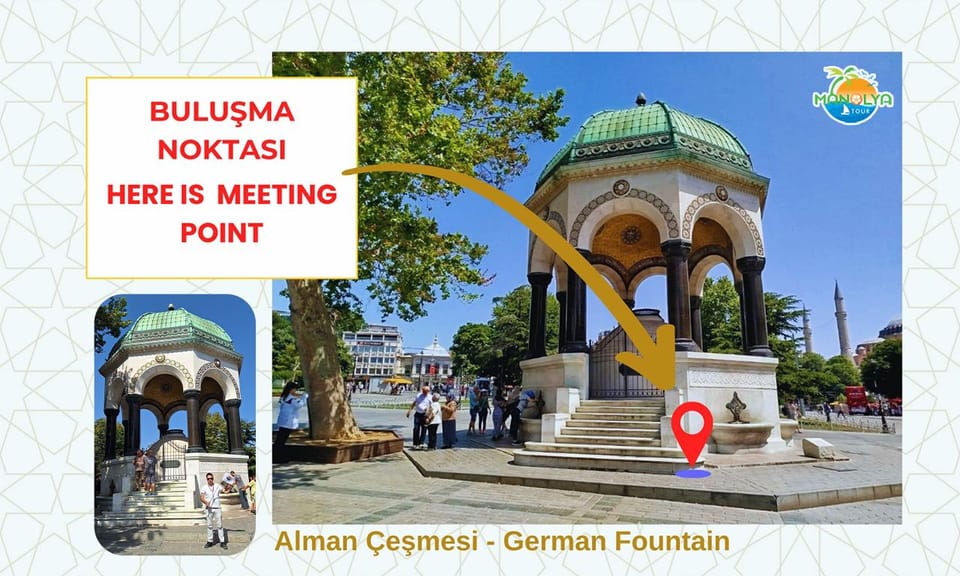
What is the meeting point?
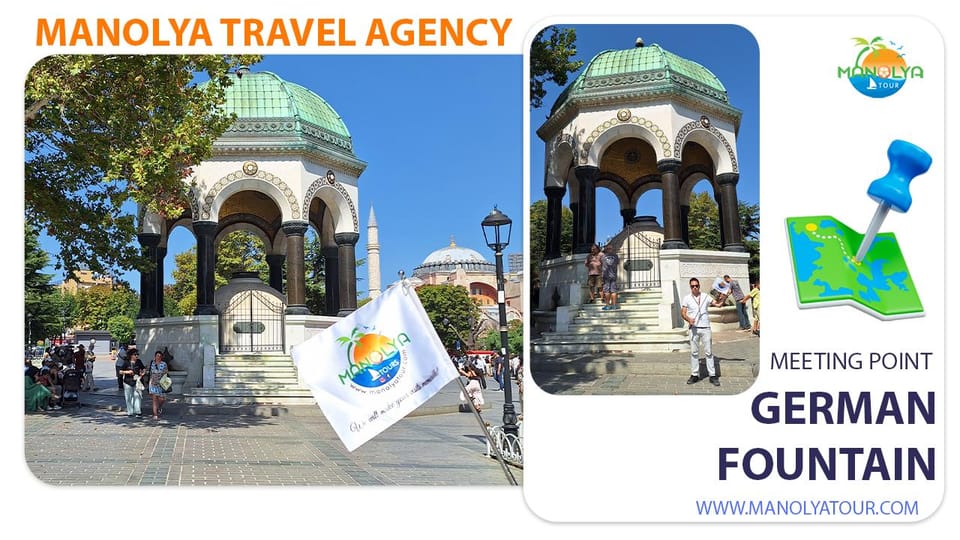
The meeting point may vary depending on the option booked.