REVIEW · ISTANBUL
Basilica Cistern Tickets Skip the-line Entry
Book on GetYourGuide →Operated by Aussie Tours Travel Agency · Bookable on GetYourGuide
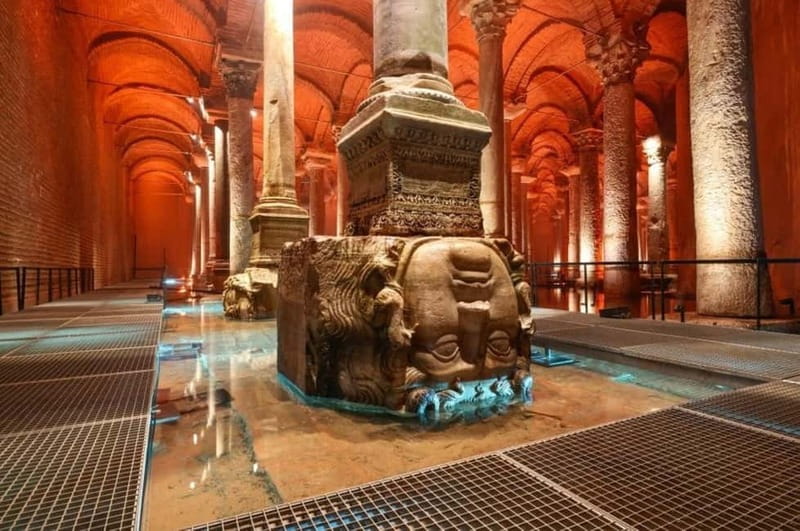
Istanbul’s underground can feel like a secret level. This Basilica Cistern tour gives you skip-the-line access fast, then guides you through the dim rooms toward the famous sideways Medusa head bases. The main drawback: the guided visit is only about 30 minutes, so you won’t have time for a leisurely wander.
I like that the experience is built around meaning, not just sightseeing. You get an English live guide (when you choose that option) who explains how the cistern worked in the 6th century, and why the reused columns look so mixed and human. If you go for the audio option too, it helps you keep up without feeling rushed.
A couple practical notes before you commit. You’ll want comfortable shoes, since there’s a moderate amount of walking, and flash photography is not permitted. Also, the meeting point can vary by starting option—Alman Çeşmesi or Yerebatan Sarnıcı—so check what you booked.
In This Review
- Key things to know before you go
- Fast track entry: how you save time in the cistern maze
- What the Basilica Cistern was built to do (and why that changes your viewing)
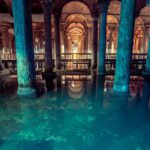
- The 336-column walk: your 30 minutes of structure and atmosphere
- The Medusa head bases: mystery, symbolism, and smart photo spots
- Your guide and optional audio: making sense of the dark
- Practical realities: shoes, flash rules, and what to expect underground
- Price and value: is $62 worth skipping the line?
- Should you book this Basilica Cistern fast-track tour?
- FAQ
- How long is the Basilica Cistern skip-the-line tour?
- Where is the meeting point?
- Does this tour include fast-track entry?
- Is there a live guide or an audio guide?
- What languages are available for the audio guide?
- Are tickets included for every booking option?
- Can I take photos in the Basilica Cistern?
- Is the Basilica Cistern wheelchair accessible?
- What is the cancellation policy?
Key things to know before you go
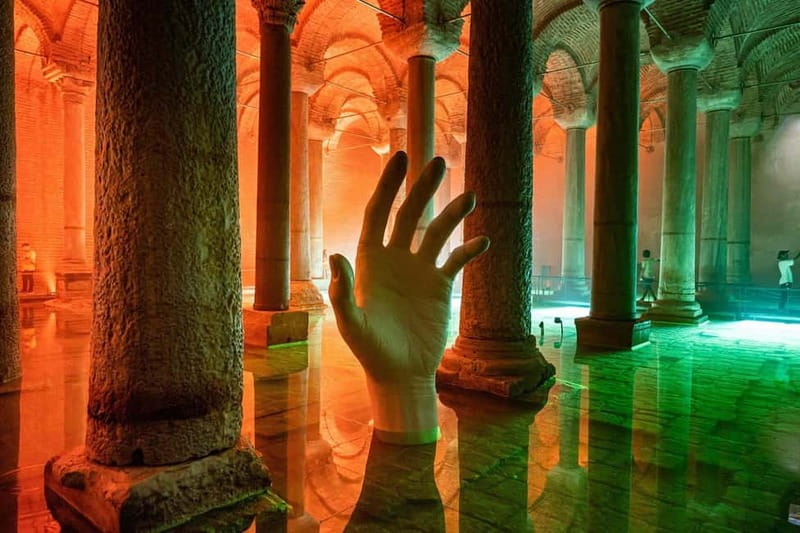
- Fast-track entry through a separate entrance, so you spend less time funneling with everyone else
- A focused 30-minute format, designed to get you the highlights without turning it into a marathon
- The Medusa head bases, placed sideways and upside down, with an unknown purpose that fuels the mystery
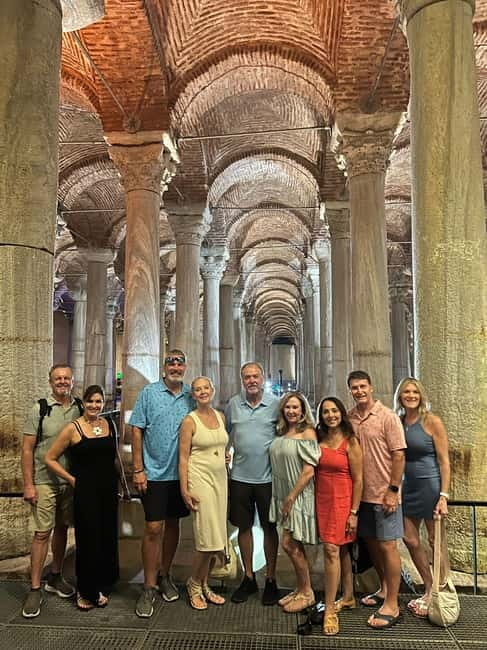
- 336 marble columns arranged in 12 rows, with styles that change because some were reused from earlier Roman structures
- Optional audio guides in English plus several other languages, if you want more control of your pace
- Dim atmosphere rules, including no flash photography and restrictions on weapons or sharp objects
Fast track entry: how you save time in the cistern maze
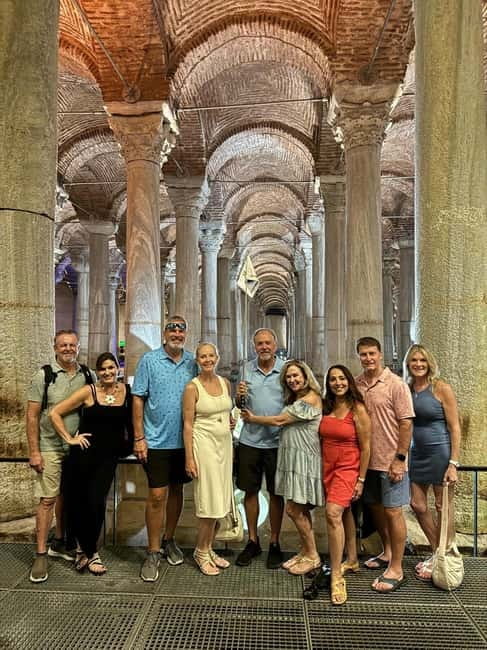
The cistern is one of those Istanbul sights where waiting can eat your energy. This tour uses fast track entry via a separate entrance, which means you’re less likely to lose your momentum before you even step underground. For a place with “limited time on site” energy, that matters.
Once you’re inside, the plan stays simple: you’re there to see the key layout—rows of columns, the water reflections, and the signature artifacts. That’s why the tour duration is only about 30 minutes. It’s not trying to be your whole day. It’s a smart hit of underground Istanbul.
If you’re the type who likes to read the room first (and not just snap photos), you’ll still get time to orient yourself. Just don’t expect time to slow down for every single column. Pick a few anchor spots—especially around the Medusa head—then let the rest flow.
A few more Istanbul tours and experiences worth a look


What the Basilica Cistern was built to do (and why that changes your viewing)
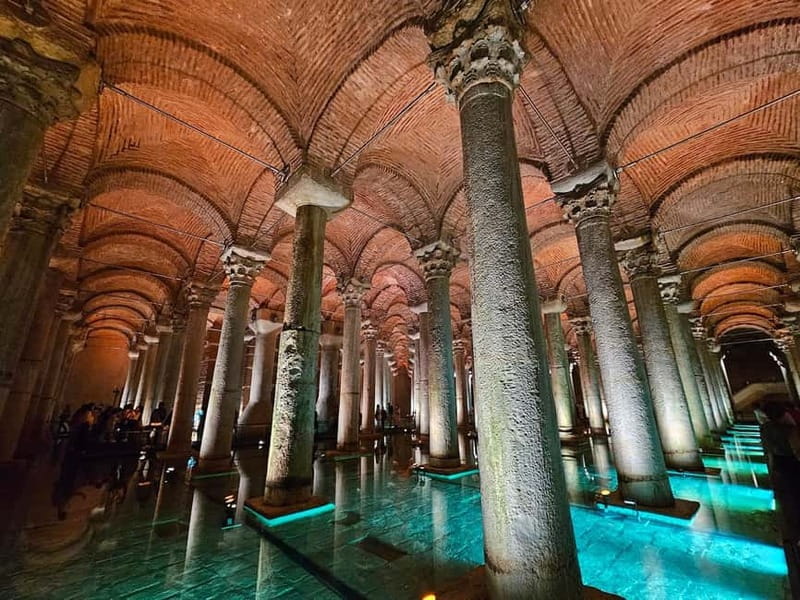
To enjoy the Basilica Cistern, it helps to understand what you’re looking at. This reservoir was built in the 6th century (532 AD) during the reign of Byzantine Emperor Justinian I. Its job was practical: supply water to the Great Palace and nearby public buildings, right in the heart of the imperial city.
That practical purpose is what makes the space feel impressive in a modern way. You’re not just admiring “old stuff.” You’re seeing engineered storage built to keep a city running. And because it was designed for water flow and stability, the geometry is part of the story.
Another detail that changes how you read the columns: there are 336 marble columns about 9 meters (30 feet) high, set in 12 rows of 28. The fact that many columns were reused from earlier Roman structures also explains why the visual style doesn’t match perfectly. Some columns look subtly different, and that inconsistency isn’t random—it’s a clue to the layers of Istanbul.
When your guide frames these points, the space becomes easier to “follow” under dim lighting. You start noticing patterns instead of just feeling impressed.
The 336-column walk: your 30 minutes of structure and atmosphere
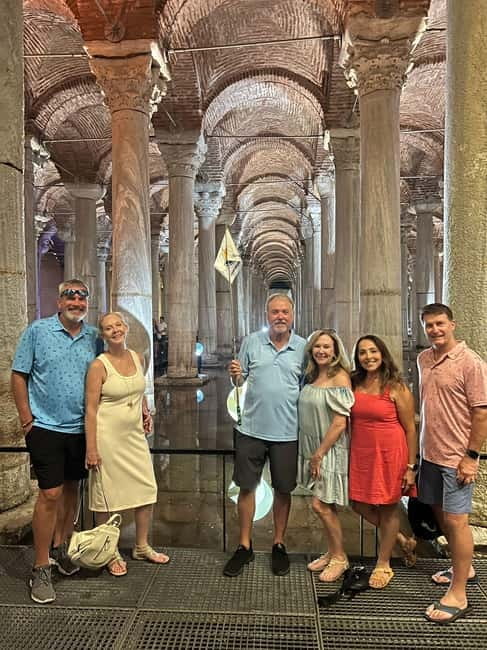
In a place this dark and reflective, it’s easy to feel disoriented. That’s where a short guided loop can actually help. You’ll move through the cistern and focus on the parts that most strongly communicate the scale: the forest of columns and the long sightlines created by the rows.
The atmosphere does the rest. Think cool air, shadowy walls, and watery reflections that make distances feel a bit slippery. It’s a very Istanbul experience: the city literally has another city underneath it.
A quick reality check: the tour is designed for efficiency. You’ll walk, but it’s not a huge trekking experience. Still, since the cistern is underground with some walking involved, comfortable shoes are a must. If you show up in stiff or thin footwear, you’ll feel it faster than you’d expect.
If you want to take photos, plan for brief stops rather than long pauses. You’ll be more satisfied if you treat it like a guided highlight circuit, not a standalone photo expedition.
The Medusa head bases: mystery, symbolism, and smart photo spots
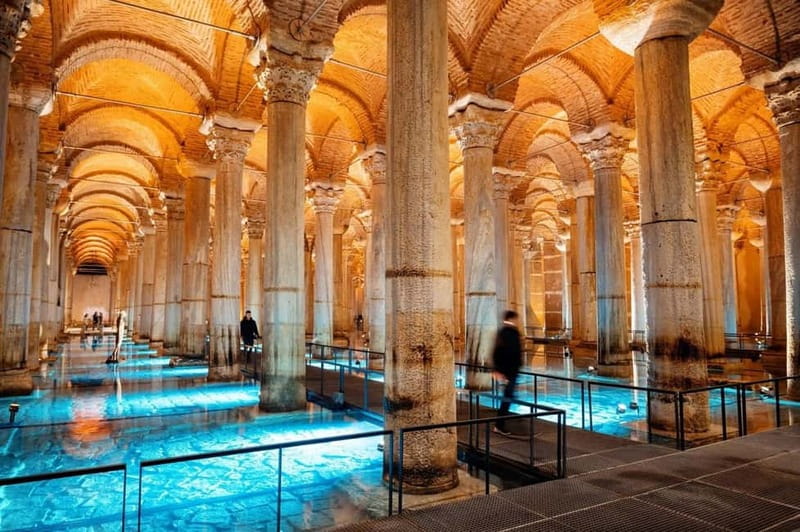
The headline feature isn’t just that it’s old. It’s the weirdness. The cistern includes two Medusa head bases, set sideways and upside down. Their exact purpose isn’t known, and that uncertainty is part of why people remember the place.
Even without a “solve the mystery” ending, the effect is powerful. The stone faces create an instant focal point in a room full of repetition. Everything else is columns and water; these heads interrupt the rhythm.
For photos, flash is off-limits, so you’ll be working with low light. That’s why your timing matters. Get close enough to include the stone without turning your camera into a guessing game. Then step back to catch the columns receding—those long lines make the cistern look bigger than it is.
If you happen to have an engaging guide, this is usually where the commentary clicks. The story usually focuses on why they’re placed the way they are, and how that strangeness adds to the Byzantine-era layers beneath Istanbul.
Your guide and optional audio: making sense of the dark
This tour can include an English live tour guide (for the private guide option) or an optional audio guide. Either way, the goal is the same: turn what you see into something you understand.
What I like about having both live guidance and the option to switch to audio is control. If you want more detail, you can follow along with narration. If you’d rather pause and take a look, audio can help you keep moving without feeling like you’re holding up the group.
One guide name that comes up in feedback is Zeki. If you’re assigned to him, the style seems to be engaging and patient, with room for questions. That kind of guide makes a short tour feel fuller, because you’re not just hearing facts—you’re getting answers to what you actually noticed.
Audio options also cover multiple languages: English, Spanish, French, Italian, Arabic. That’s useful if you’re traveling with someone who doesn’t want to rely on English alone.
The best way to use the guide or audio is simple: listen for the “why” behind what you’re seeing. The cistern is easy to take at face value, but the moment someone explains how the engineering worked, the whole room gets more interesting.




Practical realities: shoes, flash rules, and what to expect underground
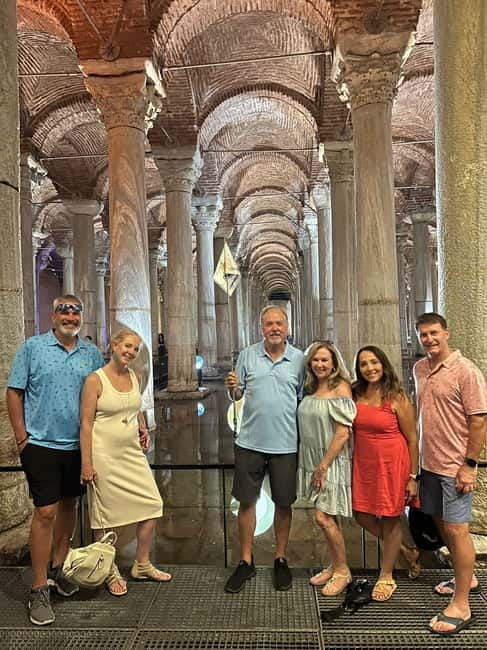
This isn’t a “sit in a cozy museum room” stop. Even though the time on site is about 30 minutes, it’s still an underground walk with uneven light and moderate movement. Bring comfortable shoes so you don’t spend your energy balancing instead of looking around.
Photography is allowed, but flash photography is not permitted. In a dim cistern, flash also tends to ruin the atmosphere anyway. If your goal is photos, go for steadier framing and be patient with low light.
Accessibility is limited. The Basilica Cistern is not wheelchair accessible, so if that matters for your group, plan accordingly.
And keep your belongings close. You’re underground with crowds moving in and out. Also, there are restrictions on bringing weapons or sharp objects, so don’t treat this like a casual day bag moment.
Price and value: is $62 worth skipping the line?
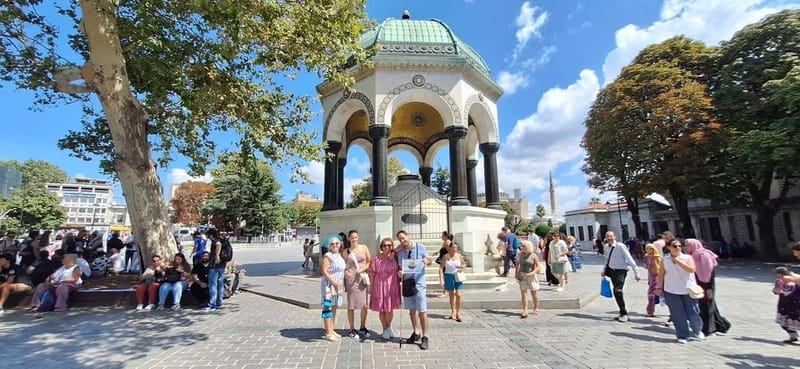
The price is listed at $62 per person, and the value comes from two main things: time saved and interpretation. Skip-the-line entry isn’t a luxury here. It’s a relief. If you’re limited on sightseeing hours, arriving ready to see rather than waiting to enter is real money in the form of energy.
The second value is the guide component. Even in a short visit, having someone explain the cistern’s function (water supply built under Justinian) and the column layout makes the space click. Without that context, you can still enjoy it, but you’ll likely miss the “why” of what you’re seeing.
One wrinkle to watch: tickets are not included if the private option is selected. That means the total cost could change depending on how you book. Before you pay, double-check what’s included under your chosen option so you’re not surprised at the last step.
This is a good fit if you want a highlight experience that’s efficient, not if you’re chasing an all-day, slow archaeological study.
Should you book this Basilica Cistern fast-track tour?
I think you should book it if you want Istanbul’s underground star attraction without losing time in lines and without spending your visit guessing what you’re looking at. It’s especially ideal for short-stay travelers, busy schedules, and couples or small groups who want a clear route and an English explanation.
Skip it if you’re the type who needs long unstructured time to wander, because the guided portion is about 30 minutes. Also, if wheelchair accessibility is essential, this isn’t the right format.
If you do book, go in with a simple game plan: aim for the Medusa heads, take a few photos at different angles (no flash), and listen for the explanation of the cistern’s purpose and the column layout. You’ll leave feeling like you saw more than a dark room with columns—you’ll understand the system that created it.
FAQ
How long is the Basilica Cistern skip-the-line tour?
The experience runs for about 30 minutes.
Where is the meeting point?
The meeting point may vary depending on the option booked. Two starting location options are listed: Alman Çeşmesi and Yerebatan Sarnıcı.
Does this tour include fast-track entry?
Yes. You skip the line using a separate entrance.
Is there a live guide or an audio guide?
It depends on the option you select. An English live tour guide is included if the private guide option is chosen, and an audio guide is included if the audio guide option is selected.
What languages are available for the audio guide?
The audio guide languages listed are English, Spanish, French, Italian, and Arabic.
Are tickets included for every booking option?
Tickets are not included if the private option is selected.
Can I take photos in the Basilica Cistern?
Photography is allowed, but flash photography is not permitted.
Is the Basilica Cistern wheelchair accessible?
No, it is not wheelchair accessible.
What is the cancellation policy?
You can cancel up to 24 hours in advance for a full refund.