REVIEW · ISTANBUL
Authentic Turkish Antioch Breakfast with Local Sisters
Book on Viator →Operated by Lokal Bond · Bookable on Viator
Breakfast here feels like a family visit.
This home-style Turkish breakfast cooking class in Istanbul is built around real everyday dishes, like menemen and muhlama, made with care and served with stories from the sisters who host you. It is not just about eating well; it is about understanding the rhythm of a Turkish morning and how these dishes actually come together.
I especially like how the class turns classic breakfast items into something you can reproduce at home. You’ll move past the usual tourist tasting and get practical guidance on what makes each dish work, then sit down and enjoy the results together.
One consideration: the meeting point is in Sarıyer, so plan your trip so you arrive by the 10:00 am start with enough time to get there calmly.
In This Review
- Key highlights you’ll feel right away
- Turkish Antioch breakfast at home: what makes it different
- Getting to the meeting point in Sarıyer (and why timing matters)
- The breakfast kickoff: simit and the morning setup
- Menemen: learning the egg-and-vegetable classic
- Muhlama (Kuymak): the comfort-food cheese pull
- Eggs with sucuk: the savory, spicy anchor
- Cheese, kaymak, and honey: the cold-and-creamy balance
- The real value: conversation, personalized attention, and Petra the cat
- Price and value: is $65 worth it?
- Practical tips so your breakfast cooking goes smoothly
- Who this Turkish breakfast class is best for
- Should you book this home-style Turkish breakfast in Istanbul?
- FAQ
- How long is the Turkish breakfast experience?
- What time does it start and where is the meeting point?
- What does the breakfast menu include?
- What is the group size?
- What language is the experience offered in?
- Is it worth the price?
- What is the cancellation policy?
Key highlights you’ll feel right away
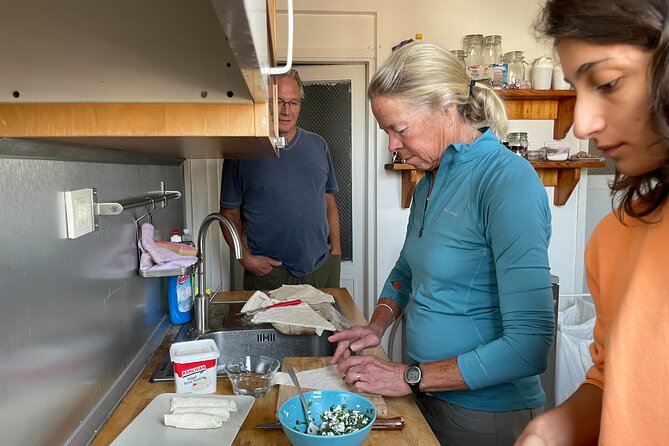
- A small group (max 6) means more back-and-forth while you cook and taste
- Hands-on breakfast classics like menemen and muhlama, plus eggs with sucuk
- Home hospitality from local sisters with real conversation, not canned facts
- Breakfast staples on the table: simit, cheeses, kaymak, and honey
- You leave with recipes you can try later, not just food photos
- A warm, relaxed vibe, including chat about local life (yes, there is even a cat named Petra)
Turkish Antioch breakfast at home: what makes it different
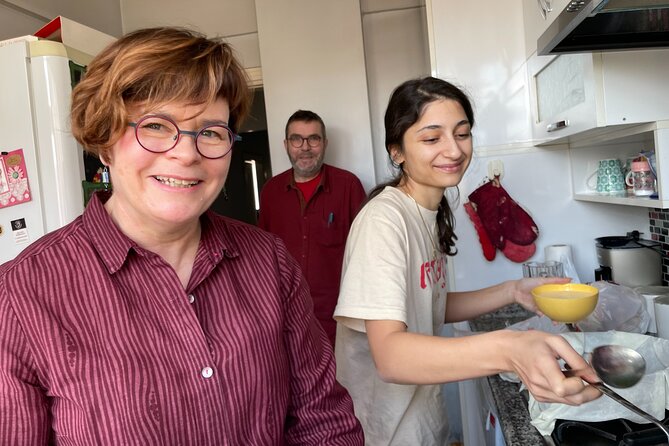
Turkey’s breakfast is its own world. And within that, an Antioch-style approach leans into hearty, comforting plates—hot egg-and-cheese dishes, savory sausage, and cold sides that balance everything out. The point of this experience is simple: you are invited into a home kitchen as a friend, not funneled through a restaurant line.
What you get is a teaching-and-eating combo. You cook, you taste, and you ask questions while the food is still warm enough to matter. In a group capped at 6, you’re not shouting across a table or hoping the host notices you. The sisters can slow down and explain the little decisions that make a dish feel right.
If your travel style is more about real daily life than monuments, this fits perfectly. It also works well if you like eating, but you want the “how” behind the flavors—what goes in, what texture you’re aiming for, and when to stop cooking.
You can also read our reviews of more tours and experiences in Istanbul.


Getting to the meeting point in Sarıyer (and why timing matters)
The class starts at 10:00 am at Huzur, Oyak Sitesi No:21, 34475 Sarıyer/İstanbul. You’ll end back at the same meeting point.
Because the location is Sarıyer, don’t treat this like a “hop out of the hotel and walk over” activity. Give yourself extra transit time, especially if you’re using public transport. Showing up a bit early also helps you settle in before the kitchen action begins.
Also, plan around the full session length. It runs about 2 hours 30 minutes, so you’ll want to keep your morning schedule light. This is a true breakfast window, not something you squeeze between other plans.
The breakfast kickoff: simit and the morning setup
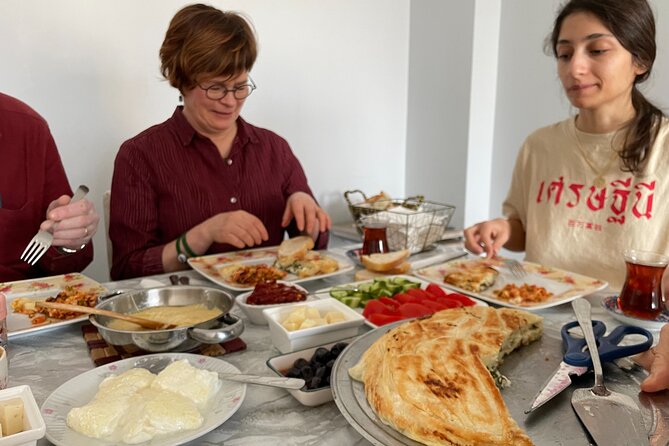
Most Turkish mornings don’t start with a single dish; they start with a spread. Here, the spread begins with simit, the sesame-ring pastry that shows up in Turkish bakeries and on street corners for a reason. It’s chewy, lightly toasty, and built for dipping and balancing richer foods.
In the home setting, simit is more than a snack. It helps set expectations for texture and flavor: salty, sesame-forward, and sturdy enough to hold its own next to creamy cheeses and hot egg dishes.
If you’re the type who always wonders what bread is “supposed to be like,” this is a good place to calibrate your palate. You’ll taste something you can actually look for later when you want to rebuild the meal at home.
Menemen: learning the egg-and-vegetable classic
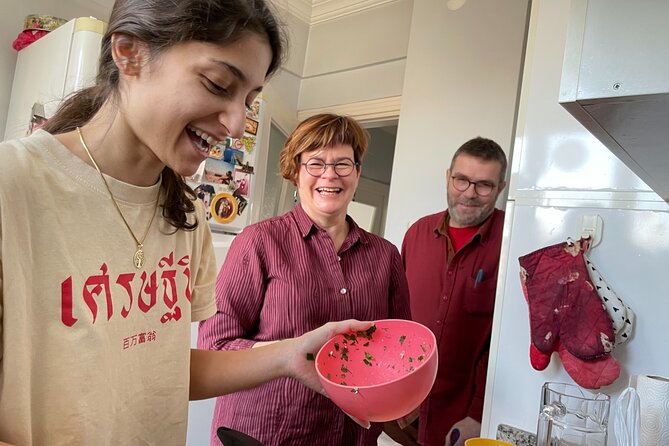
Menemen is often the first Turkish breakfast dish people recognize, but knowing it and mastering it are two different things. In this class, you’re not just eating it—you’re learning how it’s made, which is where the value really kicks in.
Menemen is built on the idea that eggs should be tender and lightly set, while the vegetables bring sweetness, acidity, and aroma. The skill is timing: cook it too little and it feels raw; cook it too long and it turns dense instead of silky.
The reason I like this part of the experience is that it teaches you a breakfast technique you can adapt. Once you understand the basic behavior of eggs in the pan and how vegetables change as they soften, you can apply that logic to other Turkish-style egg meals later.
Muhlama (Kuymak): the comfort-food cheese pull
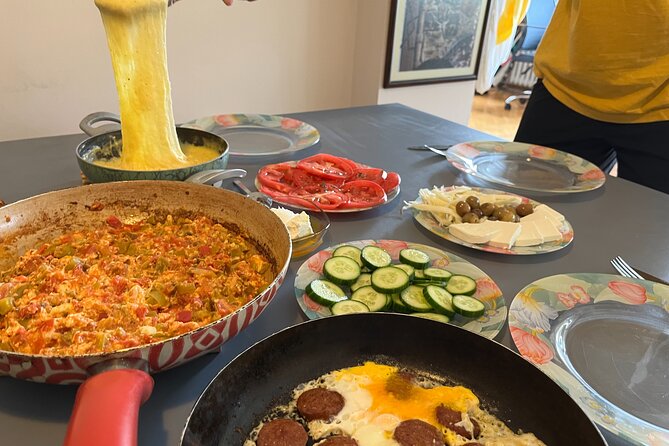
Then comes muhlama, also known as kuymak—cornmeal cooked with cheese until it turns thick, savory, and deeply comforting. This is one of those dishes that can seem simple until you see how much depends on heat control and the right consistency.
Cornmeal can go wrong fast if the pan is too hot or too cool, and cheese can turn from luscious to greasy if you cook it without care. In a home class, you get the chance to learn what “right” looks and feels like in real time—thick enough to spoon, smooth enough to melt, and salty-satisfying without being overpowering.
This is also where the class becomes more than cooking. You start understanding the Turkish breakfast mindset: hot, filling dishes are not an afterthought—they’re a central pillar. Muhlama helps you feel that immediately.






Eggs with sucuk: the savory, spicy anchor
Next up: eggs with sucuk, the Turkish sausage. Suçuk brings a smoky, peppery punch, and eggs act like the gentle partner that rounds out the flavor.
This dish is a good reminder that Turkish breakfast isn’t only about mild and creamy. It has bite. And the balance matters: you want the sausage to be aromatic and flavorful, not scorched; you want the eggs to complement the spice rather than fade behind it.
For you, this part is useful if you like breakfasts with personality. For your at-home cooking, it gives you a dependable template for making a “brunch-style” pan meal that still tastes authentically Turkish.
Cheese, kaymak, and honey: the cold-and-creamy balance
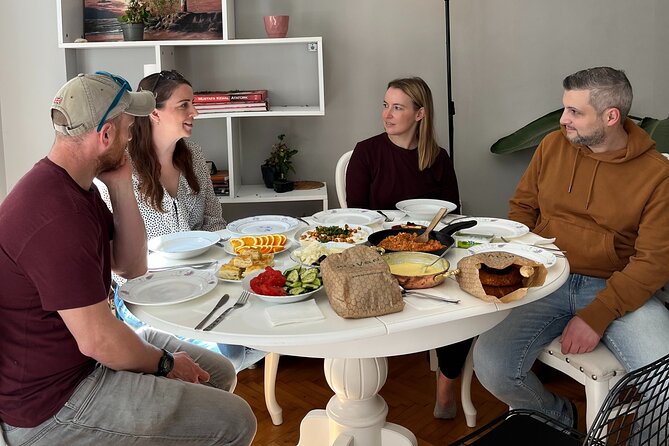
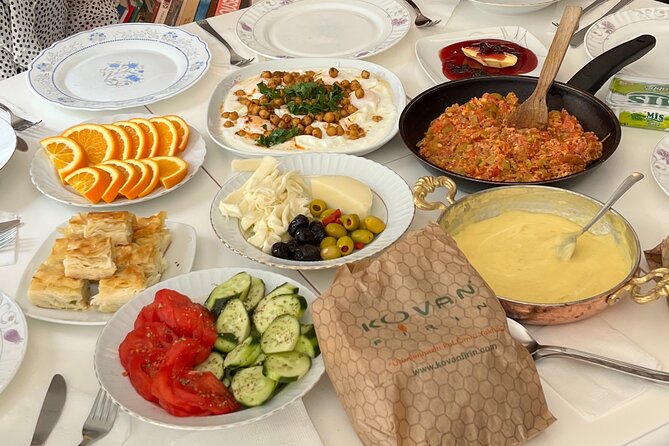
After the hot dishes, the meal shifts toward creamy and sweet-salty balance. You’ll have a variety of cheese, plus kaymak and honey.
In many tourist food moments, kaymak gets oversimplified. Here, you taste it in context—paired with honey and alongside savory items. That’s key. Kaymak is rich and smooth, and honey adds floral sweetness. Together, they show why Turkish breakfast can feel both hearty and delicate at the same time.
If you’ve never tried kaymak before, this section is a strong reason to book. It’s the kind of ingredient that can be hard to recreate unless you understand what it’s meant to do on the plate.
The real value: conversation, personalized attention, and Petra the cat
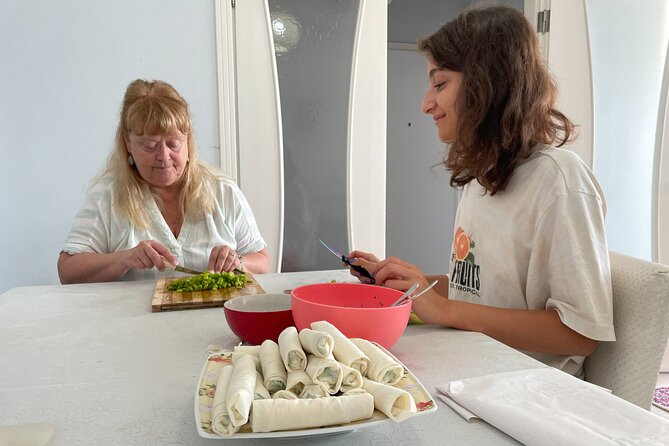
The best part of any cooking class is not the recipe list—it’s the human layer. In this experience, the sisters hosting you keep the mood warm and practical. You’ll talk about local life, share questions, and learn small cultural details that don’t show up in guidebooks.
There’s also something wonderfully normal about the setting: you might meet their cat, Petra. It sounds like a throwaway detail, but it actually fits the bigger point. This is a home, not a staged studio. The conversation feels genuine, and the food feels part of daily life.
You’ll also get help that goes beyond the kitchen. One of the clearest examples from the experience vibe is that the hosts are willing to assist with practical needs like transportation when you need it. That kind of attention is hard to quantify, but it makes the experience smoother.
Price and value: is $65 worth it?
At $65 per person for about 2.5 hours, you’re paying for more than a meal. You’re paying for instruction, personalized attention, and a full Turkish breakfast spread that includes both hot and cold items.
This is also why the small group size matters. With no more than 6 travelers, you’re more likely to get direct guidance on the dishes you’re making. That turns the session into something you can learn from, not just sample.
If you’re the type who enjoys food experiences, but you also want recipes and the ability to cook later, this price lands in a reasonable zone. If you only want to eat and move on, a cooking class can feel like overkill. But if your goal is to take something real home with you, it’s a solid value.
One more detail: this kind of class often gets booked ahead. On average, it’s reserved about 25 days in advance, so if you’re traveling at a busy time, don’t wait until the last minute.
Practical tips so your breakfast cooking goes smoothly
A few smart moves will help you get the most out of the day.
- Arrive a few minutes early. Sarıyer transit can be unpredictable, and you’ll want to settle before cooking starts.
- Come hungry. You’ll eat the dishes you make—menemen, muhlama, eggs with sucuk, plus simit and a spread of cheeses and sweets.
- Ask questions while you’re cooking. The pace works best when you engage during the pan time, not after the food is gone cold.
- Expect a home-kitchen feel. This isn’t a glossy demo with perfect stage lighting. It’s comfortable, real, and focused on the meal.
Also, confirmation is provided at booking. And the experience is offered in English, so you can relax if that’s your working language.
Who this Turkish breakfast class is best for
This experience fits best if you fall into one of these groups:
- You want authentic Turkish food with context, not just a taste
- You like interactive meals where you actually cook, then eat together
- You enjoy chatting with locals and learning how people live day to day
- You’re interested in breakfast flavors like menemen, muhlama, sucuk, kaymak, and honey
- You travel in a mindset of small, calm experiences rather than big tours
It’s also a good choice for couples, friends, and solo travelers who appreciate small groups. Since the max is 6, it’s easier to feel like a participant than a spectator.
If you’re short on time, though, consider the schedule carefully. This is 2.5 hours, starting at 10:00 am. It works best for mornings you can protect.
Should you book this home-style Turkish breakfast in Istanbul?
If you want a breakfast that tastes like Istanbul’s real kitchens—and you want to learn how to make it—you should strongly consider booking. The dish lineup hits classic favorites (menemen, muhlama/kuymak, eggs with sucuk, simit, cheeses, kaymak, honey), and the small group format helps you get personal attention.
The only reason to pause is logistics. Sarıyer is where the meeting point is, so you need to plan transit so you’re not rushing. If you can handle that, this is the kind of experience that pays you back the next time you cook Turkish breakfast at home.
FAQ
How long is the Turkish breakfast experience?
It runs for about 2 hours 30 minutes.
What time does it start and where is the meeting point?
It starts at 10:00 am at Huzur, Oyak Sitesi No:21, 34475 Sarıyer/İstanbul, Türkiye. It ends back at the same meeting point.
What does the breakfast menu include?
The sample menu includes simit, menemen, muhlama (kuymak), eggs with sucuk, a variety of cheese, and kaymak with honey.
What is the group size?
The activity has a maximum of 6 travelers.
What language is the experience offered in?
The experience is offered in English.
Is it worth the price?
At $65 per person, you’re paying for a hands-on cooking class experience plus a full Turkish breakfast spread, not just a meal.
What is the cancellation policy?
You can cancel for a full refund up to 24 hours in advance of the start time. Confirmation is received at booking. Service animals are allowed, and it’s near public transportation.