REVIEW · ISTANBUL
Afternoon Bosphorus Cruise Along the Shore
Book on Viator →Operated by TRAVELIUM · Bookable on Viator
The Bosphorus looks different from the water. This 4-hour Istanbul cruise mixes fully narrated history with big skyline views, then adds a practical stop at the Spice Market. The main drawback to keep in mind: you’re on a public boat, so the vibe and timing can feel less controlled than a private tour.
I especially like the way the narration connects landmarks you might miss from land—fortresses, palaces, and waterfront neighborhoods—without turning it into a lecture. I also like that you finish right near places you’ll want after the tour, so you can keep exploring with lunch or a snack plan in mind.
If you’re very price-sensitive, this is the big question: the headline price may feel steep compared with the cost of simply taking the public ferry on your own.
Key Highlights to Notice Before You Go
- Public-boat sightseeing: You’ll join real Istanbul boat traffic, not a quiet private cruise.
- Best photo angles: Sights like Dolmabahçe and Beylerbeyi make more sense from the shoreline view.
- Maiden’s Tower + Ortaköy: Two iconic stops that help you read the Bosphorus like a map.
- Rumeli Fortress (Rumelihisarı): A dramatic strait-blocker story with payoff views.
- Tarabya Bay: Ottoman-era summer vibes along the European side.
- Misir Çarşısı: A focused, guided browse through spices, dried goods, and everyday shopping culture.
In This Review
- Getting Oriented: Meet-Up, Ride to the Pier, and What “Public Boat” Means
- The Bosphorus Skyline From Sariyer or Kabataş: Your Main Reason to Choose This
- Tarabya Bay and the Waterfront Style of Old Istanbul
- Yeniköy’s Wooden Houses: A Smaller-Scale Istanbul Moment
- Rumeli Fortress: Built for a reason, not just for views
- Dolmabahçe and Beylerbeyi Palaces: Power on the waterline
- The lighthouse at the southern end of the strait
- Maiden’s Tower and Ortaköy: Two Views That Teach You How to Read the Shore
- Maiden’s Tower: A tiny silhouette with a big legend
- Ortaköy (Middle Village): Where the Bosphorus gets social
- Rumelihisarı: The Strait-Blocker Fortress Moment
- Tarabya and the Yalı Shore: Summer Houses, Consulates, and Ottoman Echoes
- Misir Çarşısı Spice Market: Your Bonus Stop for Everyday Istanbul
- Price and Time on the Water: Is $120.94 Good Value?
- What you’re paying for
- What could feel pricey
- Who This Tour Fits Best (and Who Might Skip It)
- Should You Book the Bosphorus Cruise + Spice Market?
- FAQ
- How long is the Bosphorus cruise and market stop?
- What time does the tour start, and where do I meet?
- Is the Bosphorus boat admission included in the price?
- Is it offered in English, and is there a guide?
- Is the Spice Market stop included, and what can I expect?
- What isn’t included?
Getting Oriented: Meet-Up, Ride to the Pier, and What “Public Boat” Means
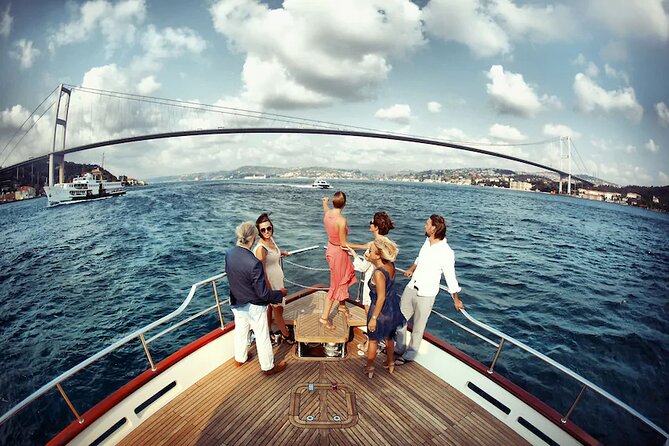
You start at Hereke Carpets Alemdar in Fatih/İstanbul, with the tour set to begin at 1:15 pm. From there, you’ll use an air-conditioned vehicle for transportation to the harbor area, then meet the guide again as you head toward the sailing point.
One thing I’d plan for: this isn’t a private charter. You’ll get on a public boat and share it with regular commuters and tourists. That’s not automatically bad—it’s actually part of the authenticity. But it does mean you should expect standard ferry boarding rhythms, more people milling around, and less control over exactly where you can stand or sit for the best shots.
The good news is the experience is fully narrated in English, and the guide keeps you pointed at what matters as the coastline slides by. With a time-limited trip, that guidance helps you get meaning from the views instead of just taking photos.
Group size stays reasonable, with a maximum of 20 travelers, which often makes the tour feel easier to manage on a busy boat.
The Bosphorus Skyline From Sariyer or Kabataş: Your Main Reason to Choose This
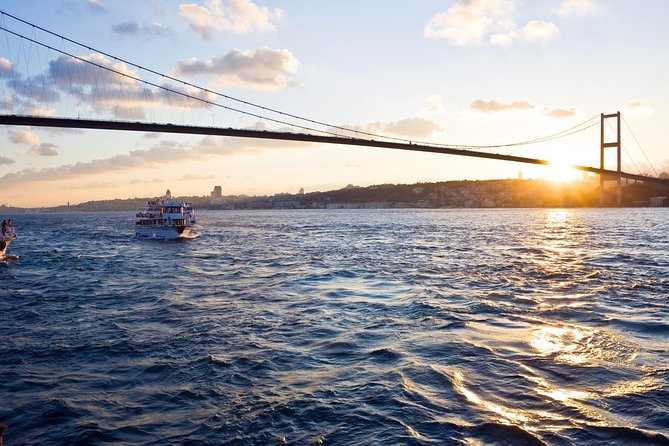
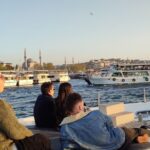
The heart of the tour is a 4-hour Bosphorus cruise that starts at either Sarıyer or Kabataş pier. From there, you cruise along the European and Asian shores and watch how the city’s skyline shifts as the water opens up between continents.
I love Bosphorus cruising because it turns Istanbul’s “from-the-ground” landmarks into “from-the-water” stories. You can actually see the logic of where things were built—fortifications close to the waterline, waterfront mansions, and palaces positioned to show power and prestige.
Along the way, the coast line work includes several standout sights:
You can also read our reviews of more boat tours in Istanbul
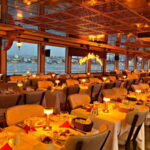
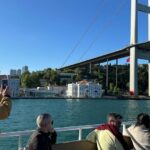
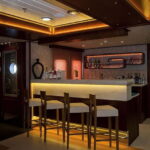
Tarabya Bay and the Waterfront Style of Old Istanbul
You’ll pass Tarabya Bay, known for an exclusive marina edged by large homes and hotels. Even if you don’t get out anywhere, the view helps you understand why the Bosphorus was so desirable for elites—this stretch looks like a place made for summer living.
Yeniköy’s Wooden Houses: A Smaller-Scale Istanbul Moment
Next comes the distinctive wooden houses at Yeniköy. It’s a contrast to the big stone palaces: lighter, older-looking, and more intimate. From the water, you get a strong sense of texture along the shore, which is hard to notice when you’re only walking.
Rumeli Fortress: Built for a reason, not just for views
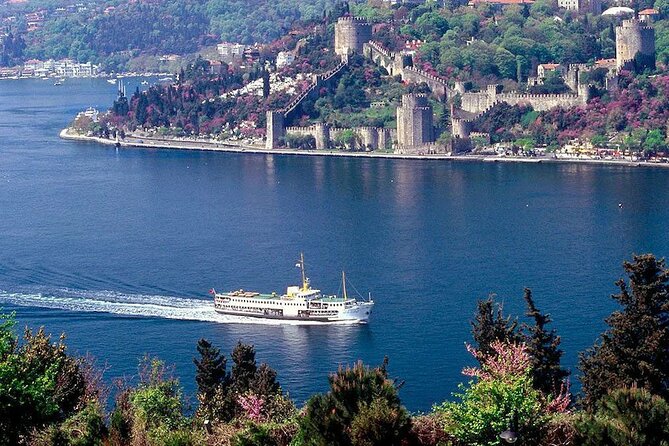
As you continue, the guide will highlight why Rumeli Fortress (Rumelihisarı) was built—its stone parapets run down toward the water’s edge. This is one of those places where the Bosphorus makes the strategy obvious. You can see how controlling a narrow strait helps control movement, supplies, and timing.
Dolmabahçe and Beylerbeyi Palaces: Power on the waterline
The cruise also goes past Dolmabahçe Palace and Beylerbeyi Palace, both Ottoman palaces associated with the luxury of late empire rule. When you view these from the water, they stop being names from a guidebook and start looking like what they were: showpieces aimed at guests, residents, and history itself.



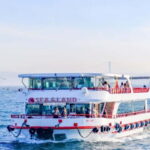

The lighthouse at the southern end of the strait
The trip includes a mention of the lighthouse guarding the southern end of the Bosphorus. It’s not as famous as the palaces, but it’s a nice detail that reminds you the strait is still a working corridor—not just a scenic postcard.
Bottom line: this cruise is worth it when you want your first taste of the Bosphorus to come with context. You’ll be looking at fewer random buildings and more “here’s why it’s here” moments.
Maiden’s Tower and Ortaköy: Two Views That Teach You How to Read the Shore
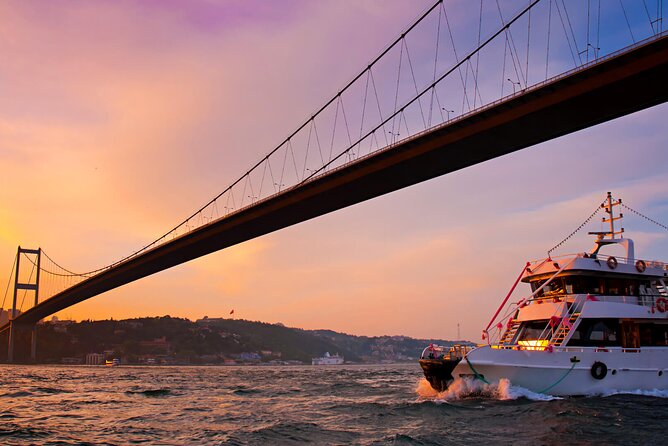
The tour stops include Maiden’s Tower and Ortaköy, and both help you understand the Bosphorus as a sequence, not a single view.
Maiden’s Tower: A tiny silhouette with a big legend
You’ll see Maiden’s Tower, a structure associated with protecting a princess. The story tied to it is dramatic—meant to keep someone safe, yet the legend says the plan failed. Even if you don’t care about the myth, it’s still a strong visual marker. It looks like it belongs exactly where it sits, and from the water it’s easier to judge its location than from the streets.
Ortaköy (Middle Village): Where the Bosphorus gets social
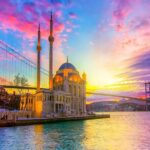
Next is Ortaköy, on the European side at the Beşiktaş district. The area has a layered identity: it was cosmopolitan during Ottoman times and even early Turkish Republic years, with communities including Turks, Greeks, Armenians, and Jews. The neighborhood today still hosts different religious structures, which gives it a lived-in feel rather than a single-tourist-only vibe.
What you’ll likely feel during this part of the tour is how the Bosphorus connects people to place. Ortaköy is popular with locals and visitors, and you’ll see why—cafés, bars, art spaces, and a general sense of activity.
Practical note: because you’re on a boat, you’ll get the best experience here if you pick a position early and stay patient. Don’t rush to the rail only at the last second; the best sightlines often require a little waiting.
Rumelihisarı: The Strait-Blocker Fortress Moment
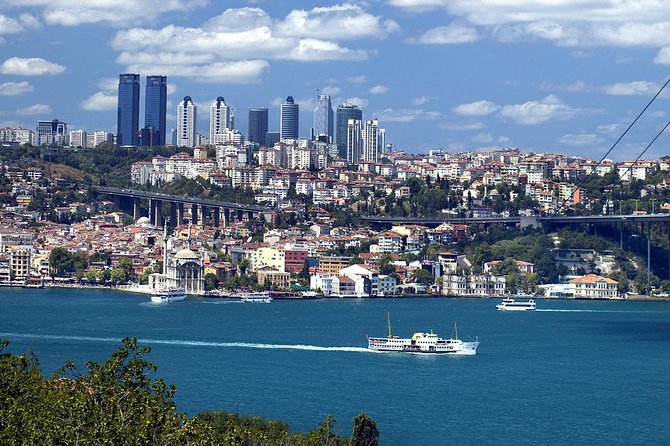
One of the most satisfying points of the experience is Rumelihisarı (also called Boğazkesen Castle or “Strait-cutter Castle”). This isn’t just a fortress name. The story tied to it makes it click.
You’ll learn that Ottoman Sultan Mehmed II ordered the fortress between 1451 and 1452, as part of preparation for an Ottoman siege on Constantinople. The goal was to cut off maritime relief that could arrive through the Bosphorus. The older sister site, Anadoluhisarı, sits on the opposite bank, so in your mind you start to see a pair of defenses working together across the water.
The reason this stop works on a cruise is simple: the Bosphorus gives you scale. You don’t just hear about a defensive position—you can picture how ships would have had to pass and how the coastline and hills made the approach harder.
If you’re the type who likes your sightseeing to have a clear “why,” this is the point where you’ll likely pay attention more than you expect.
Tarabya and the Yalı Shore: Summer Houses, Consulates, and Ottoman Echoes
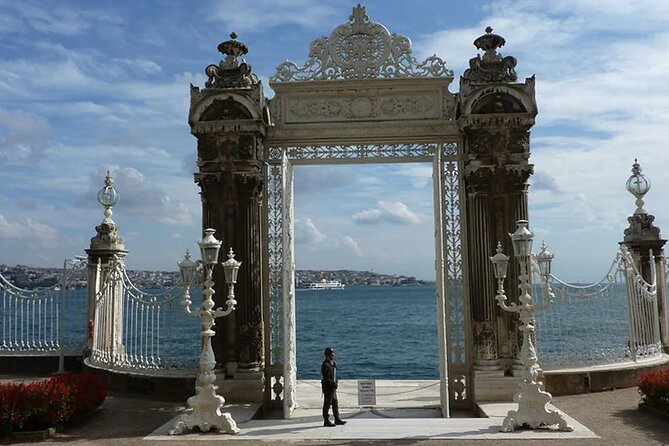
After the fortress story, the cruise heads into the softer rhythm of Tarabya, a neighborhood on the European shoreline between Yeniköy and Kireçburnu.
This stretch carries a lot of historical layering. You’ll hear that Tarabya was once the town of Pharmakia, and that in the 1453 siege era, Ottoman forces captured the area. The story includes a grim detail about impaled soldiers—history here is not gentle. Still, that darker chapter helps explain why this coastline matters.
Tarabya also ties into Ottoman leisure. It was described as a summer place with foreign embassies having summer houses during Ottoman times, and today it includes several consulates. The guide may also mention that Sultan Selim II enjoyed fish here and had a palace built, with the neighborhood name connected to the idea of pleasure.
What I like about Tarabya from the water is how it feels like a threshold between “tourist landmark” Istanbul and “lived-in modern city.” You can look at the homes and marina edges and see why people wanted their own little slice of the Bosphorus.
Also: the cruise passes areas where you can spot the style of yalıs—traditional waterfront mansions tied to Ottoman-era prominent figures. You might even catch the story connections around specific buildings, like the Osman Reis Mosque built by Alexander Vallaury in 1904 and the nearby yalısı associated with Agatha Christie’s stay while writing a famous novel. Even if you only catch fragments of these details, they make the shore feel less generic.
Misir Çarşısı Spice Market: Your Bonus Stop for Everyday Istanbul
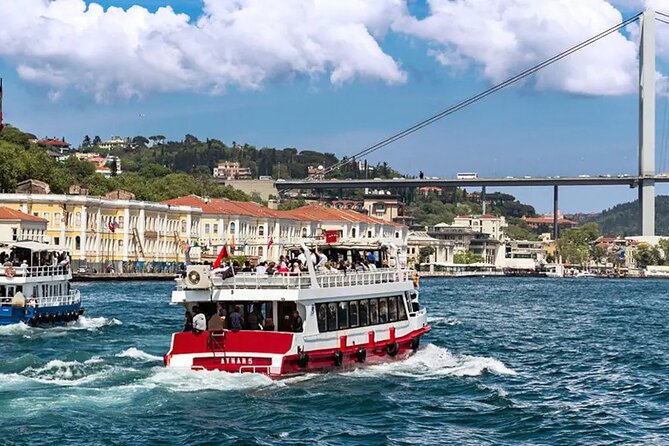
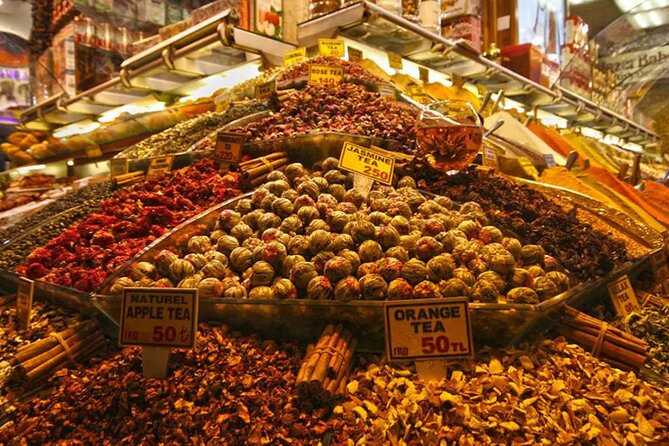
The last part of the day is the Spice Market, Misir Çarşısı (also called Misir Carsisi). This is listed as about 1 hour, and admission is not included in the booking price.
The market is described as one of the oldest covered bazaars, with roots going back centuries. Practically, what matters is what you can do in that hour:
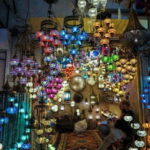
- Browse spices and dried herbs without feeling rushed by a long museum schedule.
- See fruit, produce, and flowers as part of everyday shopping.
- Spot a wide range of aphrodisiacs and specialty items people buy for home use or as gifts.
This is a good complement to the cruise because it shifts from “big architecture and legends” to “how Istanbul smells and gets stocked.” You get the everyday angle—the type of stop where you’ll actually recognize what families buy and gift.
Food and beverages aren’t included, so if you want to taste anything, bring a snack budget. That’s not a dealbreaker; it just means you should treat it like an optional add-on rather than a guaranteed meal.
Price and Time on the Water: Is $120.94 Good Value?
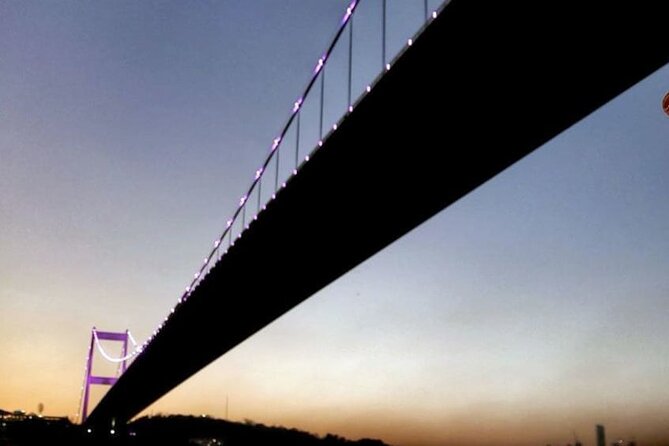
The price is $120.94 per person, for a tour that includes a narrated Bosphorus cruise on a boat and a guided Spice Market stop, plus transportation and an English guide.
Here’s how I’d judge value:
What you’re paying for
You’re paying for the convenience of guided narration, transportation, and the “connected route” feeling—cruise + market in one package. For many people, that reduces planning stress and helps you learn faster than you would alone.
What could feel pricey
If you’re used to doing Istanbul public transport cheaply, it’s worth knowing you’re on a public boat. That means you’re not reserving a private vessel. Also, while the full tour is labeled around 4 hours, the portion you spend actually moving across the water may feel shorter once you account for boarding, moving between spots, and the transfer rhythm.
So if you’re comparing this to a do-it-yourself ferry ride, the difference is simple: you’re paying for guide-led meaning and a structured market stop. If you mostly want the view and don’t care about the story, you may feel less satisfied.
My advice: if you book, go into it expecting a public-ferry experience with a narration layer, not a private yacht vibe.
Who This Tour Fits Best (and Who Might Skip It)
This cruise + market works best if you want your Istanbul day to include:
- First-time Bosphorus views with clear guidance on what you’re seeing
- A low-effort plan that finishes near the Old City restaurant and café zone
- A quick cultural shopping stop at Misir Çarşısı without trying to organize it separately
You’ll probably enjoy it even more if you like coastal history and can appreciate stories like Mehmed II’s fortress strategy or the palace-era power display along the shore.
If you’re traveling with very tight timelines or you hate crowds on public transport, it’s worth thinking twice. The public boat format can be fun, but it’s not a quiet, controlled experience.
Should You Book the Bosphorus Cruise + Spice Market?
I’d book this if you want a guided, easy day that strings together iconic waterfront Istanbul—Maiden’s Tower, Ortaköy, Rumeli Fortress, palaces like Dolmabahçe and Beylerbeyi—and then ends with a hands-on market stop you can use right away.
I’d hesitate if your main goal is just photos and you’re comfortable doing public ferry logistics yourself. Since the boat ride is public, you may end up asking whether the extra you paid bought enough value in narration and convenience for you.
My practical final nudge: treat this as a meaningful Bosphorus introduction plus a quick market browse, and you’ll likely feel satisfied with the mix.
FAQ
How long is the Bosphorus cruise and market stop?
The experience is listed at about 4 hours in total, with the Spice Market visit noted as about 1 hour.
What time does the tour start, and where do I meet?
The tour starts at 1:15 pm. The meeting point is Hereke Carpets Alemdar, Nuru Osmaniye Cd. No:35, 34110 Fatih/İstanbul, Türkiye, and the tour ends back at the meeting point.
Is the Bosphorus boat admission included in the price?
Yes. The price includes admission fees to the cruise boat.
Is it offered in English, and is there a guide?
Yes. It includes an English-speaking, professional tour guide and the cruise is described as fully narrated.
Is the Spice Market stop included, and what can I expect?
The Spice Market (Misir Çarşısı) is included as a bonus visit with guided time to browse spices, dried herbs, produce, flowers, and specialty items.
What isn’t included?
Food and beverages are not included, and museum admission fees are not included.