REVIEW · ISTANBUL
4-Day’s Turkey Tour Cappadocia Ephesus and Pamukkale
Book on Viator →Operated by Sultanahmet Old City Travel Turizm Organizasyon · Bookable on Viator
A whirlwind Turkey route in just four days works best when logistics disappear. This one pairs hotel pickup, guided sightseeing, and domestic flights so you can spend your energy on Cappadocia’s valleys and Ephesus ruins. The biggest win for me is the flow: fly out of Istanbul early, tour with a licensed guide, and keep transfers handled.
That said, it is fast. The schedule starts at dawn (with an early 4:30 AM pickup), includes long travel blocks, and the “included” portions of places like Cleopatra’s Pool and some Ephesus areas may cost extra, so you’ll want comfortable shoes and a flexible mindset.
In This Review
- Key things that make this tour work well
- Four days that connect three Turkey icons
- Getting to Cappadocia: early pickup and a domestic flight that saves time
- Day 1 South Cappadocia: valleys, underground chambers, and a canyon-style hike
- Goreme start and the first guided loop
- Kaymaklı Underground City: 8 levels of living space
- Love Valley: quick photos, easy momentum
- Ihlara Valley hike: the best “stretch your legs” moment
- Selime Monastery: where the walk turns into a mini-journey
- Pigeon Valley: scenery for the ride back
- Day 1 value check
- Day 2 North Cappadocia: rock formations, open-air museum, pottery practice
- Uchisar Castle viewpoint
- Göreme Open-Air Museum
- Avanos lunch stop
- Cavuşin and a pottery demonstration
- Devrent Valley and rock-formation storytelling
- Urgup scenic pass and back to Goreme
- The overnight transfer: how it feels in real life
- Day 2 night into Day 3: Denizli to Pamukkale with a room and breakfast
- Pamukkale and Hierapolis: travertines plus a UNESCO day that keeps you moving (but not endlessly)
- Hierapolis UNESCO: Temple of Apollo, Roman Theater, Martyrion of St. Philip
- Travertines: free time to explore and relax
- End of day: transfer onward
- Where your trip sleeps and why it’s a smart choice
- Day 4 Ephesus with Meryemana, Artemis, and the big-name ruins
- Ephesus ruins: grand scale and well-preserved sections
- Meryemana (Virgin Mary’s House): pilgrimage stop with panoramic views
- Temple of Artemis: foundations and columns that hint at the original scale
- Isa Bey Mosque: Seljuk architecture details
- The Ephesus highlights that make it unforgettable
- Return flight included
- Price and value: what you’re paying for and what you should confirm
- Who this tour suits best
- Should you book this 4-day Turkey whirlwind?
- FAQ
- FAQ
- What time does pickup start in Istanbul?
- Is there a domestic flight included?
- Are hotel stays included?
- Do I get breakfast and lunch during the tour?
- How many people are in the group?
- What language are the tours in?
- Is hotel pickup included?
- Are entrance tickets included for all stops?
- What is the cancellation window for a full refund?
Key things that make this tour work well
- Small group size (max 15) with professional, licensed tour guides
- Cappadocia tours split north and south so you get more variety in rock valleys and viewpoints
- Valley hiking + cave-city exploring on Day 1 instead of only sightseeing stops
- Pamukkale with Hierapolis UNESCO plus time at the travertines for a proper slow moment
- Full Ephesus day with major monuments and key stops around Selçuk
- Practical inclusions: flights, airport transfers, cave hotel, and breakfast/lunch planning
Four days that connect three Turkey icons

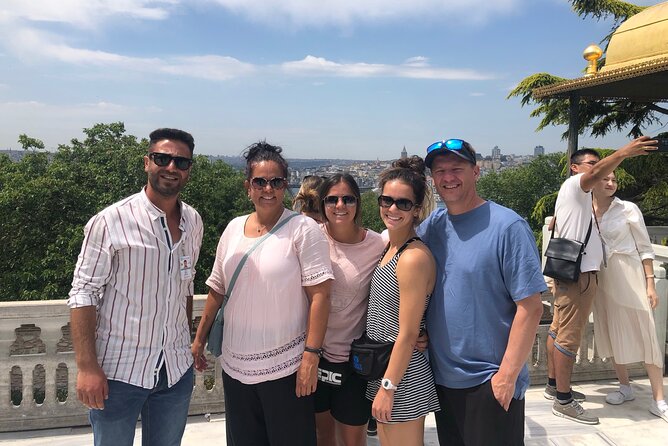
I like tours that reduce decision fatigue. Here, you’re moving through Cappadocia → Pamukkale → Ephesus, with the heavy lifting done for you: airport transfers, guided tours, and domestic flight time. The tour also keeps group logistics simple with a maximum of 15 travelers and tours in English, which matters because you’ll hear context while you walk, not just read signs.
The itinerary is built around the big “wow” moments, but it also mixes in hands-on and photo-friendly stops. You get both the “walk and look” parts (valleys, ruins) and the “stop and learn” parts (Underground City levels, Hierapolis, Ephesus monuments). If you like your travel days structured but not chaotic, this one is a strong fit.
The only real caution is pace. You’ll spend most of these four days in motion, and early starts are baked in. If you’re the type who needs long lie-ins and slow afternoons, you might feel the squeeze.
A few more Istanbul tours and experiences worth a look

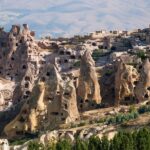
Getting to Cappadocia: early pickup and a domestic flight that saves time
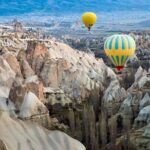
The tour begins in Istanbul at 4:30 AM with pickup. That early start can feel intense, but it also protects your daylight once you arrive in Cappadocia. You’ll fly from Istanbul to Cappadocia (about a one-hour flight), then move to Goreme Town, where you’ll join the South Cappadocia tour.
Why this matters for your trip: Cappadocia is easiest when you’re not burning hours on road travel from Istanbul. Using a domestic flight keeps the whole route realistic inside four days. You also get airport transfers handled, so you’re not negotiating buses or taxis with jet lag.
Practical tip: pack light layers. Morning air can feel cool, but midday sun in Cappadocia can be strong. Bring water, and plan on shoes that can handle uneven paths in valleys and ruins.
Day 1 South Cappadocia: valleys, underground chambers, and a canyon-style hike
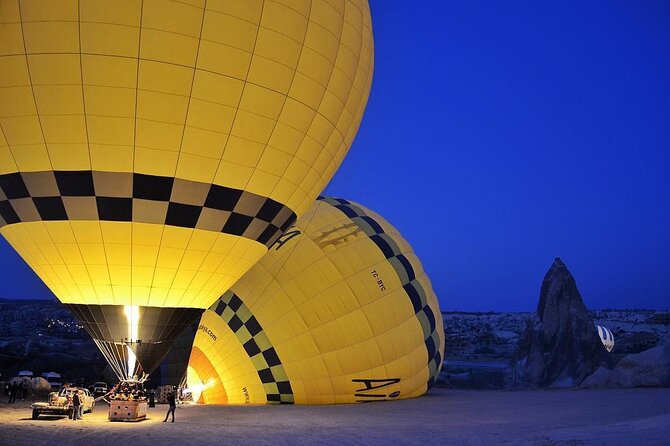
Day 1 is the side of Cappadocia that feels dramatic. You start with Goreme and then move into a sequence that mixes “under the earth” exploration with open-air viewpoints.
Goreme start and the first guided loop
After the flight and transfer to Goreme, you join the South Cappadocia tour around 9:30 AM. This timing gives you daylight for viewpoints and keeps you from spending the whole day traveling.
Kaymaklı Underground City: 8 levels of living space
One of the best stops on the route is Kaymaklı Underground City. You’ll descend through up to 8 levels that are open for viewing. Underground cities in Cappadocia aren’t just “cool caves.” They explain how people adapted to danger and how communities functioned when surface life became risky.
You’ll likely enjoy this if you like stories that turn into images. The space forces you to think about narrow passages, airflow, and daily routines, not just rocks. The tour lists admission as included here, so you won’t need to sort out extra tickets on the spot.


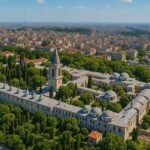

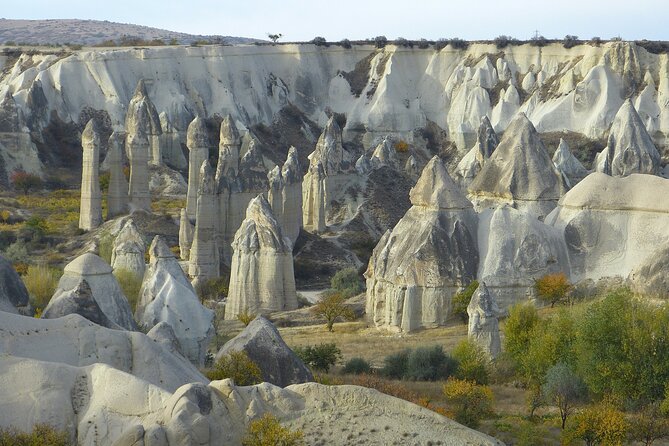
Love Valley: quick photos, easy momentum
Then you’ll pass by Love Valley, where you have a shorter window for photos and videos. This stop is less about a deep lesson and more about visuals. You’re not stuck there all afternoon, which keeps the pacing friendly.
Ihlara Valley hike: the best “stretch your legs” moment
Next comes Ihlara Valley, with a hike through the valley before lunch. This is your active segment of the day, and it breaks up the earlier indoor-and-downstairs feeling from Kaymaklı.
The main benefit: the valley walk gives you distance between viewpoints and helps you see the region as a lived-in terrain, not a theme park of rocks. Admission is listed as included. Plan to wear shoes with traction, because paths can be uneven.
Selime Monastery: where the walk turns into a mini-journey
After lunch, you visit Selime Monastery, with time to understand how monks lived. The monastery area is a bigger “spatial” stop than you might expect for a short tour day segment. It gives you scale—how these places rise out of the landscape.
Pigeon Valley: scenery for the ride back
Finally, Pigeon Valley brings you back to views before returning you to your hotel, with the tour ending for the night. The listed time is about an hour, so think of it as the “last good look” before you switch to downtime.
Day 1 value check
This day is a good balance: one major underground site (Kaymaklı), one key hike (Ihlara Valley), and multiple photo-view stops. It’s also good for mixed travelers: the curious learner gets context, and the photographer gets variety.
The drawback? You’ll be tired by evening. If you want a late dinner out, plan it close to your hotel rather than chasing far-away restaurants.
Day 2 North Cappadocia: rock formations, open-air museum, pottery practice
Day 2 shifts gears to North Cappadocia, still guided, still focused on the region’s best-known stops. You’ll have breakfast first, then pickup around 9:30 AM.
Uchisar Castle viewpoint
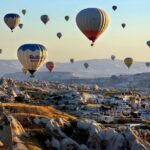
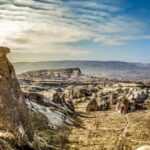
You start with a photo stop overlooking Uchisar Castle. Even if you’re not climbing, the view gives you a sense of why Cappadocia is so famous: the rock shapes aren’t random. They form a readable pattern across valleys.
Admission is listed as included for the stop. The time window is about an hour, which feels right for people who want the view without losing the whole morning.
Göreme Open-Air Museum
Next is the Göreme Open-Air Museum. This is the classic “rock-cut churches” experience: you walk and see how religious spaces were carved into the terrain. It’s listed as included with about an hour planned.
If you’re sensitive to crowds, go with patience. Even on tours, this is usually one of the more visited areas. A guide helps because you’ll get meaning attached to the stonework.
Avanos lunch stop
You’ll have lunch in Avanos, and the time listed is about an hour. Avanos is often associated with crafts and river life, and the schedule uses it as a break—food first, movement second. Admission is listed as free, but lunch is part of the included meal plan.
Cavuşin and a pottery demonstration
After lunch, you stop at Cavuşin for a pottery demonstration where you can try your hand. This is the “do something” part of the day, and it’s a smart addition. It turns the trip from just looking into making.
Then you get a brief stop in Cavuşin, so you’re not stuck there too long.
Devrent Valley and rock-formation storytelling
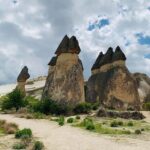
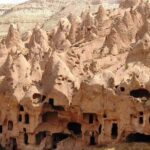
Then comes Devrent Valley, with animal-shaped rock formations. The schedule also includes St. Monk’s Valley (mushroom-shaped fairy chimneys) and St. Simeon’s monk cell. You’re moving through a theme of “what you can see when you know what to look for,” which is perfect for guided groups.
Admission is marked as included in this block. Expect time for photos because the rock shapes are designed for it.
Urgup scenic pass and back to Goreme
You’ll pass near Urgup for scenic views, then return to your hotel. After that, the day turns into travel logistics: pickup to the Göreme bus terminal with a 20:15 departure for Denizli, arriving around 6:00 AM.
The overnight transfer: how it feels in real life
This is one of the biggest “considerations” on the itinerary. The bus ride is long, and early arrival in Denizli means your body clock is going to feel out of sync.
But it also solves a puzzle: it places you in the right area for Pamukkale without wasting a day on repositioning. If you can nap on buses, this becomes tolerable. If you can’t, you’ll feel that gap until your Pamukkale rest.
Day 2 night into Day 3: Denizli to Pamukkale with a room and breakfast
When you arrive in Denizli around 6:00 AM, you transfer toward Pamukkale, and you’re given a room for rest and breakfast. The plan states pickup from the Denizli bus terminal to your hotel around that time, followed by 3–4 hours of rest.
I like that this isn’t a “get off the bus and go immediately.” Even a short recovery window makes the full-day tour the next step feel realistic.
Pamukkale and Hierapolis: travertines plus a UNESCO day that keeps you moving (but not endlessly)
Day 3 is the big classical Turkey day. You have a full Pamukkale tour (listed as about 10 hours), after rest and breakfast. The day includes Hierapolis, then travertines time and Cleopatra’s Pool.
Hierapolis UNESCO: Temple of Apollo, Roman Theater, Martyrion of St. Philip
You’ll visit the ancient city of Hierapolis, listed as UNESCO World Heritage. Your guide explains how citizens lived, worked, and enjoyed themselves when it was a thriving metropolis.
The highlights you’ll see include:
- Temple of Apollo
- Roman Theater
- Martyrion of St. Philip
This is one of the parts of the trip where having a guide really pays off. Ruins can look like piles of stone if you don’t know what you’re looking at. The tour’s structure tries to connect the buildings to everyday life.
Travertines: free time to explore and relax
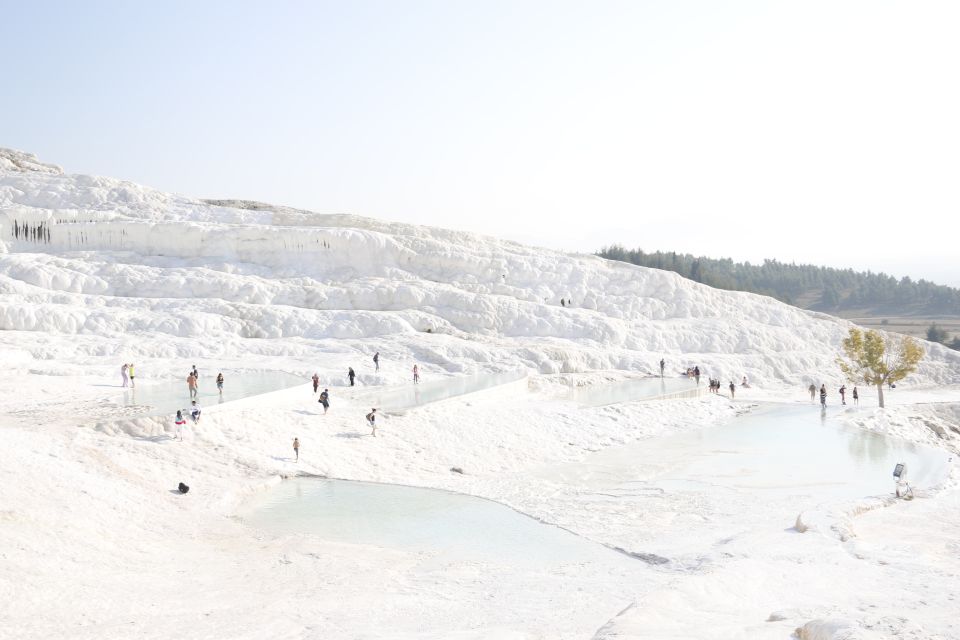
After the Hierapolis segment, you move to the travertines. Here you get free time to explore and relax, and you can also have a rejuvenating swim in Cleopatra’s Pool.
Important note based on what’s listed: the tour states Cleopatra’s Pool as part of the plan, but optional entrance for Cleopatra Swimming Pool is marked as not included. So assume there may be an extra fee if you want to swim.
Practical tip: travertines can be slippery. If you plan to go in, wear water-friendly footwear or be ready for careful steps.
End of day: transfer onward
At the end of the tour, you’re transferred to Kuşadası İzmir for overnight. This sets you up well for Day 4’s Ephesus day.
Where your trip sleeps and why it’s a smart choice
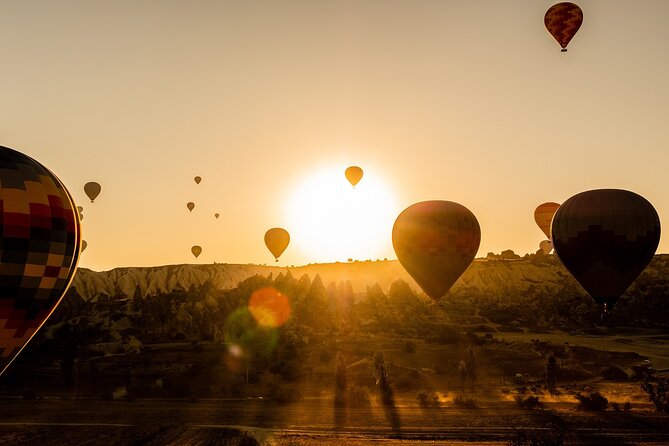
Included stays are split between two different styles:
- 1 night cave hotel in Cappadocia
- 1 night 4 hotel accommodation in Kusadası
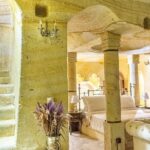
This matters for comfort and atmosphere. The cave hotel in Cappadocia ties you to the region’s theme without you having to compromise on the basics. Then Kusadası gives you a more standard hotel setup after a full day of ancient sites and travertines.
Meals included are 3 breakfasts and 4 lunches. That’s a meaningful value because it removes the daily question of where to eat in between long sightseeing windows.
If you’re the type who likes to wander for dinner after tours, Kusadası is a good “reset” location. Just remember: Day 4 begins with an ancient city day, so don’t plan anything too late the night before.
Day 4 Ephesus with Meryemana, Artemis, and the big-name ruins
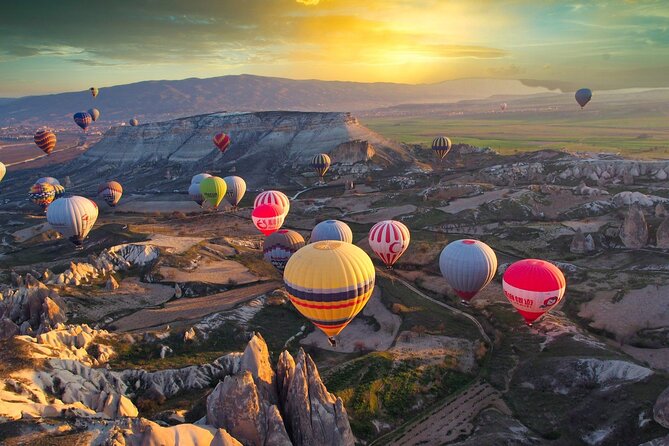
Day 4 is an all-star day: Ephesus plus key stops around Selçuk. You’ll see multiple monuments, including several separate Ephesus highlights.
Ephesus ruins: grand scale and well-preserved sections
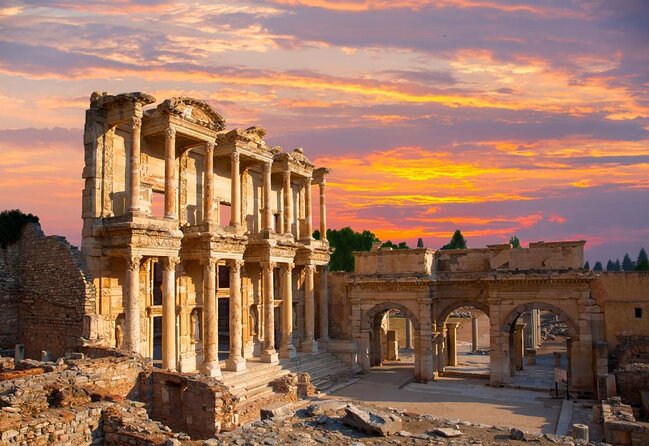
The day starts with Ancient City of Ephesus, described as the second largest ancient city in the ancient world, once home to over 200,000 people. It’s set up as a highlight stop, with about an hour.
Ephesus stands out because parts of it feel intact enough to picture the city functioning. You’ll also get a tour guide, which helps you keep orientation when the site feels huge.
Meryemana (Virgin Mary’s House): pilgrimage stop with panoramic views
Next is Meryemana, the House of the Virgin Mary on Bulbul Mountain overlooking Selçuk. This is listed as a stop with about an hour and admission included.
If you’re into faith sites, it’s meaningful without being only “religious tourism.” The setting also gives you a viewpoint context for the region.
Temple of Artemis: foundations and columns that hint at the original scale
Then comes the Temple of Artemis. You’ll learn about its dating back as far as the 6th century B.C., and you’ll see what remains: foundations and some columns.
I like this stop when a guide explains what the missing pieces would have looked like. Without that, it can feel like ruins without impact. With guidance, it becomes a scale lesson.
Isa Bey Mosque: Seljuk architecture details
You’ll also visit Isa Bey Mosque, dated to 1374–1375, with noted Seljuk architectural details like crown-like doors and mosaics. Admission is included, and the planned time is about an hour.
This is a nice “breather” from ancient Roman/Greek ruins. Mosques shift the day from open-air stone blocks into crafted details and design.
The Ephesus highlights that make it unforgettable
Back at Ephesus, the schedule repeats the main site as multiple highlight stops, each with about an hour:
- Grand Theatre of Ephesus (still used for theatre and music; linked to St Paul preaching)
- Library of Celsus (two-story Roman architecture, dated to 117 A.D.)
- Odeon Theatre (used for senate meetings and theatre shows)
- Trajan Brothel (site associated with a statue of Priapus)
You’ll feel like you’re walking through “chapters” of the city. That can be exhausting, but it keeps the day structured and stops you from wandering without direction.
One key note on extra costs: optional entrance to Ephesus Houses and Cleopatra Swimming Pool is not included. You can decide on the day what extra you want to add.
Return flight included
Your package includes Denizli to Istanbul as part of the flights, so the tour is set up to bring you back on schedule. The exact timing around the end of Day 4 isn’t detailed here, so just be ready to follow your guide’s instructions for your final transfers.
Price and value: what you’re paying for and what you should confirm
At $1,938.62 per person, this tour is not a budget deal. You’re paying for the “chain reaction” of services that are hard to DIY in four days: guided tours in English, airport transfers, domestic flights, and hotel stays in two different regions.
Here’s the value logic:
- Flights reduce time loss between major hubs.
- Hotels are included, including a cave hotel experience in Cappadocia and a 4 stay in Kusadası.
- Guides are included across the big stops, including UNESCO Hierapolis and the major Ephesus monuments.
- Meals are partially covered with 3 breakfasts and 4 lunches.
Where you might feel extra cost: optional entrances like Cleopatra’s Pool (and some Ephesus houses). If you care about those add-ons, budget accordingly.
Before you book, I’d double-check two things in your confirmation: what exactly is included in “admission ticket included” at each stop (since the wording can vary) and whether your Day 4 end-of-day transfer schedule affects your dinner plans in Kusadası.
Who this tour suits best
This trip is ideal if you:
- Want the classic Turkey trio of Cappadocia + Pamukkale + Ephesus without juggling buses between them
- Like guided context while you walk through ruins and museums
- Can handle early starts and a day that turns into travel
It might be less ideal if you:
- Prefer slow travel with lots of free time
- Hate long transfer blocks, especially the Göreme to Denizli bus night
- Want every optional site included with no extra fees
If you’re somewhere in the middle, you’ll probably love it. The structure is tight, but it stays focused on the sites that actually make this circuit famous.
Should you book this 4-day Turkey whirlwind?
I’d book it if you want a guided, efficient route that hits the big landmarks and still leaves you with some relaxation time—like the travertines free exploration after Hierapolis. The inclusion of flights, transfers, a cave hotel night, and meals makes the “do it yourself” friction go away.
I’d skip it if you can’t handle the early wakeups and want a more relaxed pace. The itinerary is designed for people who treat a trip like a highlight reel rather than a slow movie.
If you do book: wear comfy shoes, protect yourself from sun, and keep one flexible evening free after your longest travel day. The payoff is real. You’ll leave with three very different kinds of Turkey memories—rock-carved worlds, white mineral terraces, and Roman-era streets that still feel walkable.
FAQ
FAQ
What time does pickup start in Istanbul?
Pickup starts at 4:30 AM.
Is there a domestic flight included?
Yes. Flight tickets include Istanbul to Cappadocia and Denizli to Istanbul.
Are hotel stays included?
Yes. You get 1 night in a cave hotel in Cappadocia and 1 night in a 4* hotel accommodation in Kusadası.
Do I get breakfast and lunch during the tour?
Yes. Breakfast is included 3 times and lunch is included 4 times.
How many people are in the group?
The tour has a maximum of 15 travelers.
What language are the tours in?
The tours are offered in English.
Is hotel pickup included?
Yes. Hassle-free hotel pickup is part of the package, with all airport transfers included as well.
Are entrance tickets included for all stops?
Most listed admissions are included, but optional entrance to Ephesus Houses and Cleopatra Swimming Pool is not included.
What is the cancellation window for a full refund?
You can cancel up to 6 days in advance for a full refund.