REVIEW · ISTANBUL
12 Days Private Turkey Tour From Istanbul
Book on Viator →Operated by Pupa Travel · Bookable on Viator
Turkey hits different when it’s guided well.
This 12-day private Turkey tour strings together Istanbul’s Ottoman and Byzantine icons, Cappadocia’s fairy-tale rock landscape, and the Aegean coast’s big-ticket ancient ruins—without you having to stitch together flights, driving, and ticket lines. I especially love the private A/C minivan setup with door-to-door pickup in Istanbul, plus the fact that lunch and admission tickets are built into the plan. My other favorite part is the way the itinerary mixes structured sightseeing with photo-friendly stops (especially in Istanbul, plus major viewpoints in Cappadocia).
One drawback to plan for: the days are full. Even though it’s private, you’re moving between major sites and doing some hikes (like Ihlara Canyon) and a long run of ancient-city walking (Ephesus, Priene, and more). If you like slow travel and lots of free time, you’ll want to keep that in mind before booking.
In This Review
- Key Highlights That Make This Trip Work
- A Private Route That Links Istanbul, Cappadocia, and the Aegean
- Istanbul in Two Intensely Guided Days: Blue Mosque to Spice Market
- Bosphorus Cruise in the Morning, Then Flying to Cappadocia
- Cappadocia in 4 Days: Valleys, Cave Churches, and Underground Hideouts
- Day 5: Fairy Chimneys, Goreme, and Viewpoints for Photos
- Day 6: Kaymaklı Underground City and the Ihlara River Walk
- Day 7: Monastic Soganlı, Hidden Mosaics at Sobesos, and the Red Valley Hike
- From Izmir to Selçuk: Ephesus, Artemis, and St. John’s Basilica
- Ionian Power Centers: Priene, Miletus, and the Oracle at Didyma
- Aphrodisias and Pamukkale’s Cotton Castle Thermal Pools
- Price and Logistics: What This Tour Costs and What You’re Paying For
- Who This 12-Day Private Turkey Tour Is For
- Should You Book This 12-Day Private Turkey Tour?
- FAQ
- Is this a private tour?
- Where does pickup happen in Istanbul?
- What language is the tour guide?
- How long is the tour?
- Does the tour include airport transfers?
- Are admission tickets included?
- Are meals included?
- Does the tour include transportation?
- Is there a mobile ticket?
- Can I cancel for a full refund?
- When should I plan to book?
Key Highlights That Make This Trip Work
- Private guiding in English across multiple regions, not just “one city and done.”
- Door-to-door Istanbul pickup and private airport transfers throughout the trip.
- Packed-with-meaning sightseeing: mosques and palaces in Istanbul, cave churches and underground cities in Cappadocia, and major Roman/Greek sites on the Aegean.
- Hike and view breaks built in, like the Ihlara Canyon river walk and Cappadocia valley viewpoints.
- Pamukkale thermal pool time plus Hierapolis (not just a quick photo stop).
- Service that adapts, with guides reported to handle changes fast and care for details like family needs and even lost items.
A Private Route That Links Istanbul, Cappadocia, and the Aegean
The big idea behind this tour is simple: Turkey is huge, and the “best Turkey” spread out across the map can be tough to manage alone. Here, you travel in a line—Istanbul → Cappadocia → Izmir/Selçuk area → Pamukkale/Hierapolis → airport—so you’re not bouncing back and forth.
That structure matters for value. When you pay for a private tour, you’re paying for coordination: the timing between sites, the handoffs between regions, and the comfort of a dedicated driver. This one includes private guiding, private transfers, and a private A/C minivan, which means less scrambling and more time actually looking.
You can also read our reviews of more private tours in Istanbul
Istanbul in Two Intensely Guided Days: Blue Mosque to Spice Market
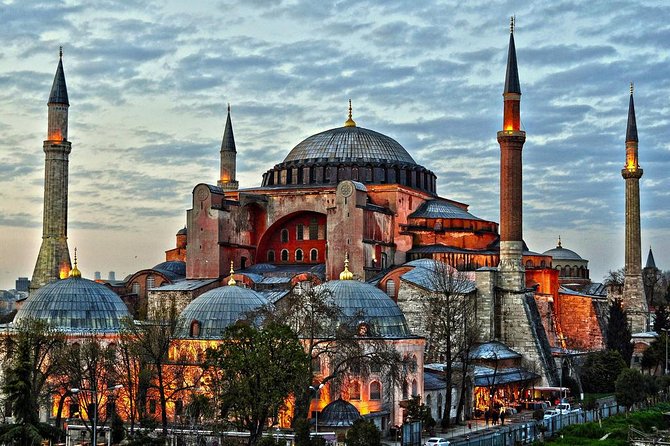
Your Istanbul start is classic and focused: major landmarks, short visits that still feel complete, and a guide who keeps the flow moving. On Day 2, the itinerary hits Ottoman and Byzantine-era power centers in a smart order.
- Blue Mosque is a strong first anchor. You get the Ottoman backstory early—built in the early 1600s by Sultan Ahmet.
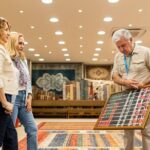
- Turkish and Islamic Arts Museum adds texture beyond buildings. It’s a chance to see Islamic-era art and antique Turkish carpets, which gives you a different lens on the culture.
- Topkapi Palace is where Istanbul’s sultans stop being abstract. It’s the place that turns “empire” into real rooms and real scale.
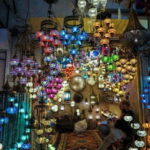
- Grand Bazaar is not just shopping time. It’s part of the Ottoman commercial story, and it’s a great place to practice the “breathe, look, don’t rush” rhythm.
- Süleymaniye Mosque brings the architect Sinan into the picture. It also gives you a natural walking route toward…
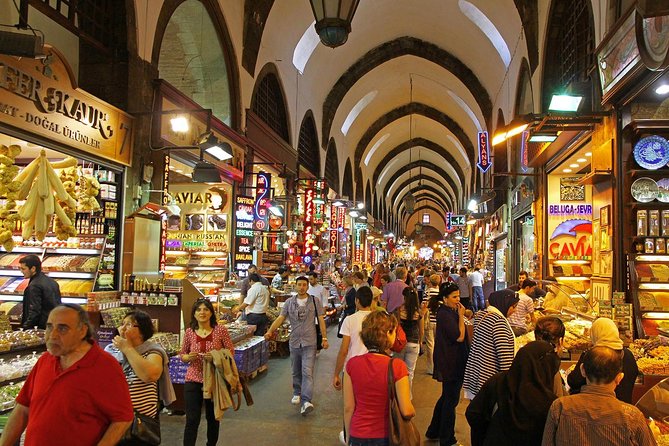
- Spice Market (Misir Çarşısı), a fun finale that works well if you like sensory stops—spices, sweets, and quick breaks.
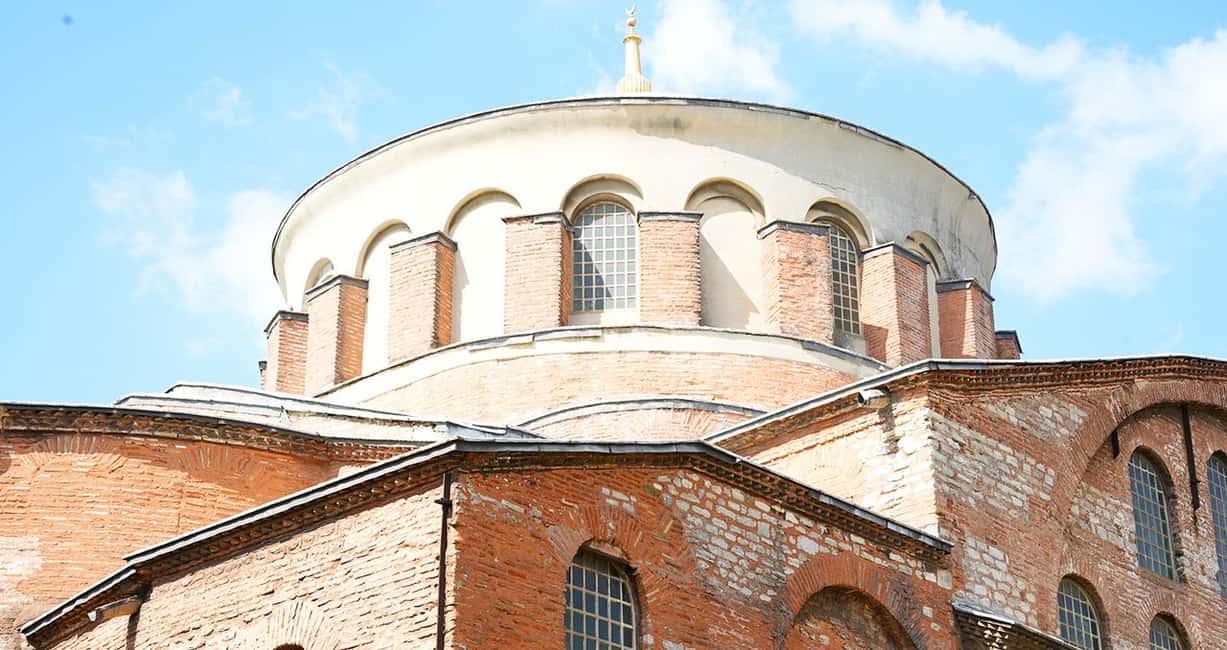
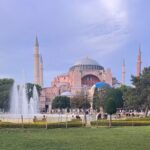
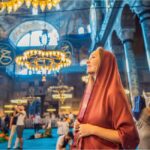
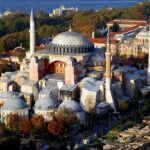
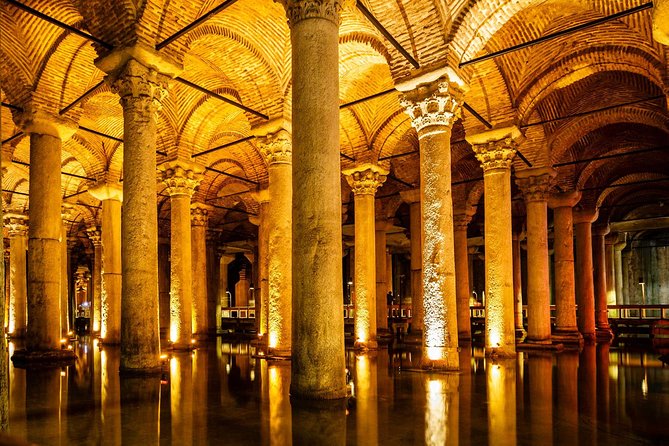
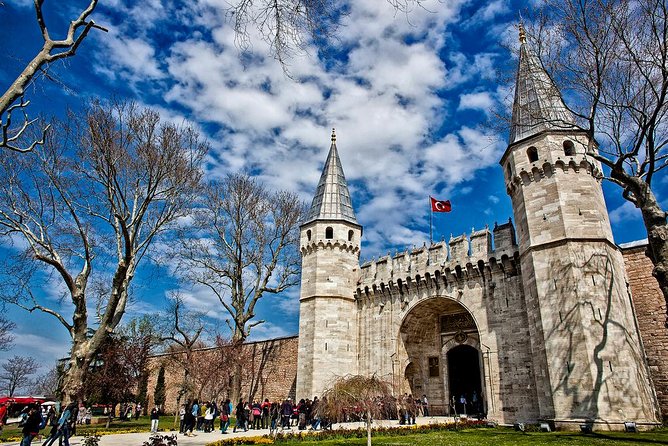
Day 3 leans more Byzantine and Roman, with Hippodrome and Basilica Cistern early. Basilica Cistern is especially worth your time because it’s not only famous—it’s visually unique, including the Medusa heads brought from earlier temples. Then you step into Hagia Sophia, followed by the Chora Museum, which is known for its mosaics and frescoes. If you want one “quietly jaw-dropping” Istanbul moment, Chora Museum is the kind of stop that often surprises people.
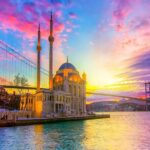
Photo note: the tour’s built-in Istanbul stops are naturally photogenic—especially the views around Süleymaniye and the shift from big monuments to the bazaar lanes. Just keep comfortable shoes on Day 2 and Day 3.
Bosphorus Cruise in the Morning, Then Flying to Cappadocia
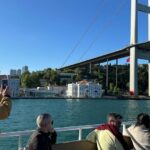
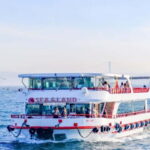
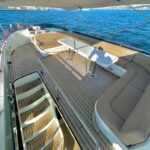
Day 4 is a transition day, and transitions are where good planning shows. You start with a Bosphorus Cruise (about two hours). The point isn’t to list every palace you pass—it’s the rhythm. Being on the water lets Istanbul’s waterfront complexity make sense.
After that, you fly to Cappadocia and check in to your hotel. This sequencing matters: you don’t spend an entire day commuting and then still try to tour cavetowns. You get a cruise, then you arrive ready to settle in.
Cappadocia in 4 Days: Valleys, Cave Churches, and Underground Hideouts
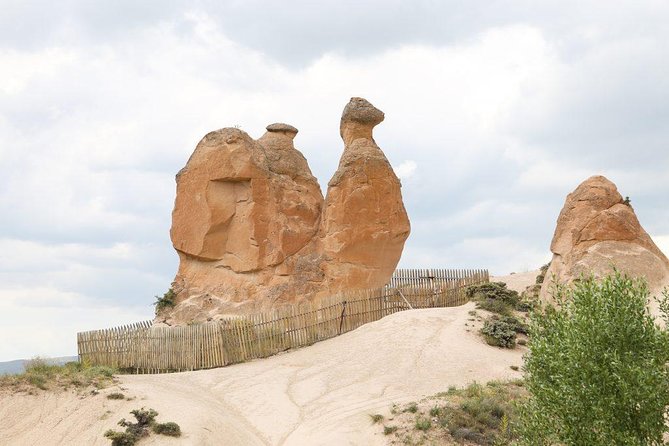
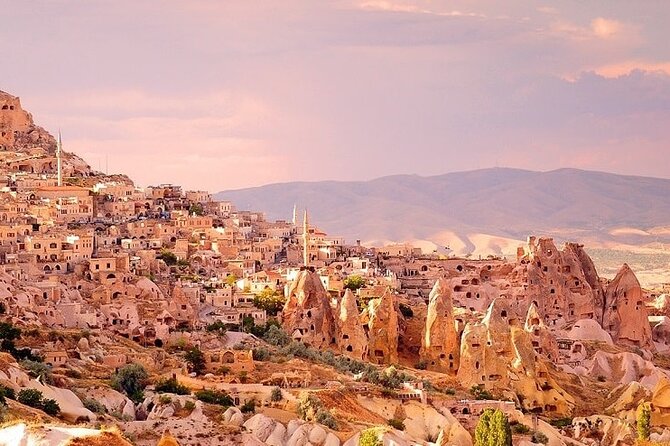
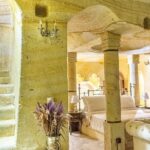
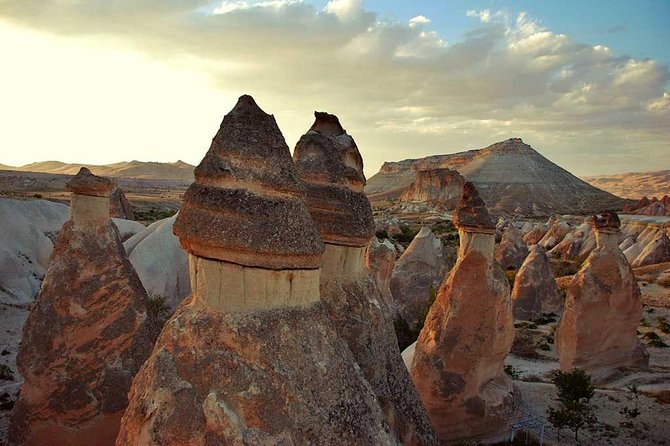
Cappadocia is where this itinerary turns from “big sites” into “small wonder,” because the landscape changes every hour. The plan also balances different types of exploration: fairy-chimney viewpoints, open-air museum walking, underground spaces, and a full set of valleys.
Day 5: Fairy Chimneys, Goreme, and Viewpoints for Photos
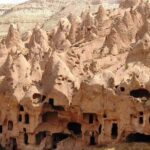
You start with Devrent Valley (Imagination Valley), known for fairy-chimney formations. Then you head to Pasabag for the most dramatic chimney shapes. From there, you hit Avanos area pottery (a local shop stop focused on how pottery traditions survived over centuries).
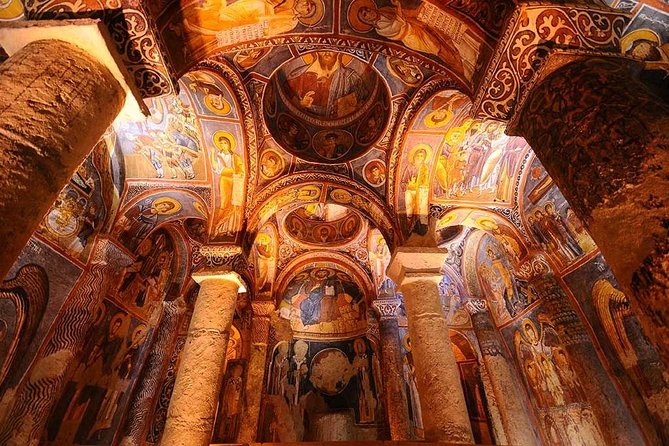
Next comes Göreme Open Air Museum, one of Cappadocia’s core experiences. Cave churches are the headline here, and you’re visiting multiple churches within the museum area. Then the tour adds Cave Dwellings for more landscape scale, and finally several viewpoint stops: Uçhisar Castle and Pigeon Valley, plus a panorama stop. That’s a lot of “look up, look far, take a breath” time—exactly what you want in this region.
If you’re worried about crowds, the key is your guide’s pacing. In a private setting, you’re not stuck waiting for a big group to move in front of you.



Day 6: Kaymaklı Underground City and the Ihlara River Walk
Day 6 is the heavy-hitter for variety. Kaymaklı Underground City gives you the survival story behind the caves. It’s not just a tunnel visit—it’s a window into how people defended themselves for centuries.
Then there’s Nar Lake as a photo break before you move into Ihlara Valley. The hike is listed as a 3.8 km river walk, which is long enough to feel like a proper outing but not so long that you disappear into the mountains all day. Selime Monastery follows, described as cathedral-size, and that scale matters. Finally, you stop at Sarıhan Caravanserai, a 13th-century merchant lodging concept—basically a travel-era hotel for camels and people.
This day is a good match if you like history that has physical shape, not just labels on a plaque.
Day 7: Monastic Soganlı, Hidden Mosaics at Sobesos, and the Red Valley Hike
Day 7 keeps the “how did people live here” theme going. You start at Soganlı Village for monastic life, then move to Sobesos, which includes floral mosaics that were newly discovered. That detail is important because it signals you’re seeing more than just the famous postcard sites.
Then you visit Keşlik Monastery, followed by Sinassos (Sinasos Kilisesi) in the old Greek village area, re-inhabited after 1927 (a reminder that Cappadocia isn’t frozen in time). You finish with a 2-hour hike in Red Valley. Red Valley is the kind of place where the landscape does the storytelling—so bring a camera and don’t cram your walk with constant phone use.
From Izmir to Selçuk: Ephesus, Artemis, and St. John’s Basilica
Day 8 is a flight and reset day. You fly to Izmir, check in, and spend the rest of the day relaxing with dinner and overnight based on your schedule (Kuşadası or Selçuk). That’s smart. Ephesus the next day is a long walk.
Day 9 begins with Ancient Ephesus (about two hours). You’ll be strolling through a famous site, but the value here is the guided sequence: it’s easier to understand how the city worked when you’re walking with context.
After lunch, you go to Temple of Artemis, one of the Seven Wonders. Even if you already know the myth, seeing it in person helps connect the idea to the physical geography of the area. You then visit Basilica of St. John, followed by Meryemana (Virgin Mary’s House). If you’re interested in how Christian history layered over ancient ruins, this is one of the clearer connections in the itinerary.
You wrap with the Ephesus Museum, where artifacts help you “translate” what you saw outside. That museum stop is often the difference between wow photos and real understanding.
Ionian Power Centers: Priene, Miletus, and the Oracle at Didyma
Day 10 keeps your Aegean streak going, but it changes the feel from “one mega-site” to a sequence of Ionian cities.
First is Priene, a port city that was later silted by the Meander River. That alone is a good reminder that geography changes history. Then you drive to Miletus, connected to philosophers like Thales, Anaximenes, and Hekaistos. If you like the idea of ancient learning networks, this stop is more satisfying than it might sound at first.
Your final stop is Didyma (Temple of Apollo), described as the place where prophecies were delivered. The itinerary notes lunch timing may shift depending on schedule, but the bigger point is that you’re ending with an “oracle” type of story, which makes the day feel like more than museum hopping.
Aphrodisias and Pamukkale’s Cotton Castle Thermal Pools
Day 11 is where healing and spectacle meet. You first go to Aphrodisias, one of the best-preserved ancient sites in Turkey. The itinerary says settlement dates back to 5000 B.C., with the city you’ll see dating from the 2nd century B.C., which helps you place what you’re seeing in time.
Then comes Hierapolis and Pamukkale. Hierapolis is framed as a major healing center, and the day includes the travertines—the calcium formations known as the Cotton Castle. This is also where your highlights mention a calming bath in Pamukkale thermal pools, which is exactly the kind of “let your legs rest” payoff you want after walking ruins all week.
If you like travel rewards, this is it: you go from ancient marble scale to white mineral terraces that feel almost otherworldly, then you finish with thermal pool time.
Price and Logistics: What This Tour Costs and What You’re Paying For
The price is $6,500 per person for 12 days, private. That number will sound high if you compare it to public tours. But compare it to what’s included.
This trip bundles:
- Private airport transfers and private A/C minivan
- Private guiding in English
- Lunch (11) and admission tickets listed as included for the stops
- Taxes
Also, you’re not just paying for attractions. You’re paying for coordination across Istanbul, Cappadocia, and the Aegean. That coordination is where independent trips often get expensive: last-minute guides, separate transfers, and added costs when flights or timing slip.
The other value piece is adaptability. Reviews point to guides who adjust quickly when flights run late and who help handle small-but-stressful problems like lost items. You don’t need that kind of help every day, but when you do need it, it turns the trip from annoying to smooth.
Who This 12-Day Private Turkey Tour Is For
I’d point you to this tour if:
- You want private guiding and hate the coordination headache.
- You like seeing major “name” sites like Hagia Sophia, Ephesus, and Artemis without spending your vacation figuring out logistics.
- You’re okay with a fast, full itinerary and a mix of walking and hiking.
I would hesitate if:
- You need lots of free afternoons to recover.
- Your ideal Turkey trip is mostly slow, quiet villages and minimal transfers.
The sweet spot is travelers who want to hit the best of Turkey efficiently while still getting real local explanations and practical planning.
Should You Book This 12-Day Private Turkey Tour?
If you’re aiming for a first big Turkey trip, this is a strong candidate. The itinerary is ambitious, but the structure is sensible: it front-loads Istanbul context, builds landscape wonder in Cappadocia, then shifts to the Aegean’s ancient-city “greatest hits,” ending with Pamukkale’s thermal reward.
My booking advice comes down to one question: can you handle a packed schedule? If yes, you’re likely to love the way the trip connects regions that normally feel separate. If you want a slower pace, you might feel rushed on walking-heavy days like Ephesus and the red/green valley hikes.
If you do book, I’d send your guide your priorities early: your must-see Istanbul moments, which Cappadocia viewpoints matter most for photos, and whether you want to spend extra time on the Pamukkale thermal pool experience.
FAQ
Is this a private tour?
Yes. It’s a private tour/activity, and only your group participates.
Where does pickup happen in Istanbul?
Pickup is offered from any hotel in Istanbul.
What language is the tour guide?
The tour is offered in English.
How long is the tour?
It lasts about 12 days.
Does the tour include airport transfers?
Yes. It includes all private airport transfers.
Are admission tickets included?
Admission tickets are included for the listed stops.
Are meals included?
Lunch is included (11 lunches). Dinners are not included.
Does the tour include transportation?
Yes. Private guiding comes with a private A/C minivan on tours.
Is there a mobile ticket?
Yes, mobile tickets are offered.
Can I cancel for a full refund?
You can cancel for a full refund up to 24 hours in advance.
When should I plan to book?
The tour is typically booked about 51 days in advance on average.