REVIEW · ISTANBUL
10 Days Turkey Tour to Istanbul, Cappadocia, Antalya, Ephesus
Book on Viator →Operated by City of Sultans · Bookable on Viator
Ten days, four regions, and very little waiting. What makes this trip work is the mix of max 15 people and end-to-end travel, so you spend more time sightseeing and less time figuring out logistics. I also like the promise of 16 provided meals, which helps keep each day moving. The main drawback to plan around: entrance fees at many sites are not included, so your day-by-day budget needs a little cash.
The pace is built for first-timers who want the big-name highlights without feeling stuck on a bus all day. You’ll get guided time where it matters most (major monuments, museums, ruin routes), then some room to breathe in between. One more consideration: it’s described for moderate physical fitness, so expect walking on uneven ground and long stretches at popular sights like Ephesus.
What you’re really buying here is flow. You arrive in Istanbul, move to Cappadocia and onward by a mix of ground and domestic flights, and you end back in Istanbul after a final transfer. This is English-led, uses mobile tickets, and includes free pickup in Istanbul from airports, cruise ports, and centrally located hotels.
In This Review
- Key Things I’d Not Skip on This 10-Day Turkey Route
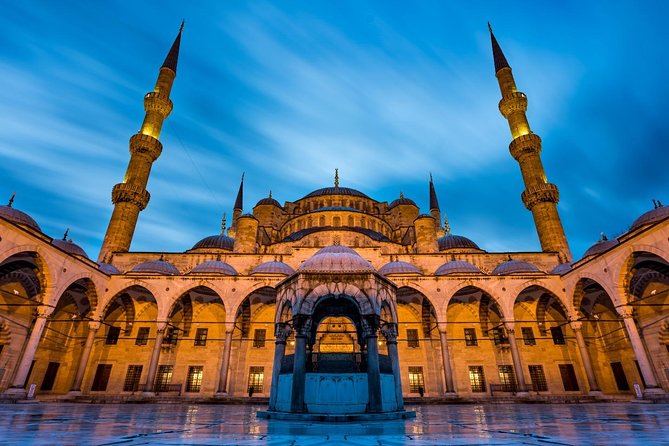
- Istanbul in One Shot: Hagia Sophia, Blue Mosque, Topkapi, and Grand Bazaar
- Day 3: Spice Market Smells, and the Europe-to-Asia Moment
- Cappadocia Day: Fairy Chimneys, Goreme Caves, and Uchisar Views
- Cappadocia Day 2: Valleys, Pigeon Valley, and Derinkuyu’s Underground City
- Antalya Day: Waterfalls, Kaleici Old Town, and a Teleferik Hill View
- Pamukkale and Kusadasi: Roman Remains and the Cotton Castle Effect
- Ephesus Day: Magnesia Gate, Celsus, Theater, Mary’s House, and Artemis
- Transport, Hotels, and the Real Value of Paying $1,699
- Who This Tour Fits Best (and Who Should Rethink It)
- Should You Book City of Sultans for This 10-Day Turkey Circuit?
- FAQ
- How many travelers are in the group?
- Is pickup included, and where does it work?
- What language are the tours offered in?
- What’s included in the price?
- Are entrance fees included for the museums and sites?
- Which places does the itinerary cover?
- Is there a mobile ticket?
- How does the tour end on the last day?
- What’s the cancellation policy?
- What fitness level is recommended?
Key Things I’d Not Skip on This 10-Day Turkey Route
- Small group size (up to 15) keeps you from getting separated at every stop.
- Flights + ground transport reduce the time you’d spend crossing long distances solo.
- Meals included (9 breakfasts and 5 lunches listed, plus the tour’s about-16-meals focus) help keep energy up.
- Big-hitters in one circuit: Hagia Sophia, Cappadocia valleys, Antalya waterfalls, Pamukkale travertines, and Ephesus ruins.
- Guides that help you keep up: one group example included extra support for a guest who struggled with Istanbul walking.
Istanbul in One Shot: Hagia Sophia, Blue Mosque, Topkapi, and Grand Bazaar
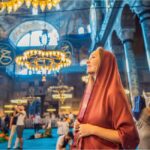
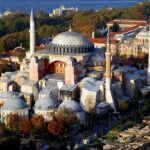
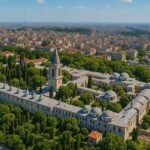
Istanbul is huge in attitude and scale, and the best way to appreciate it is to hit the key landmarks with someone who can explain what you’re actually looking at. Day 2 does exactly that: you start with Hagia Sophia, move to the Blue Mosque, then continue through Topkapi Palace, the Hippodrome area, and the Grand Bazaar.
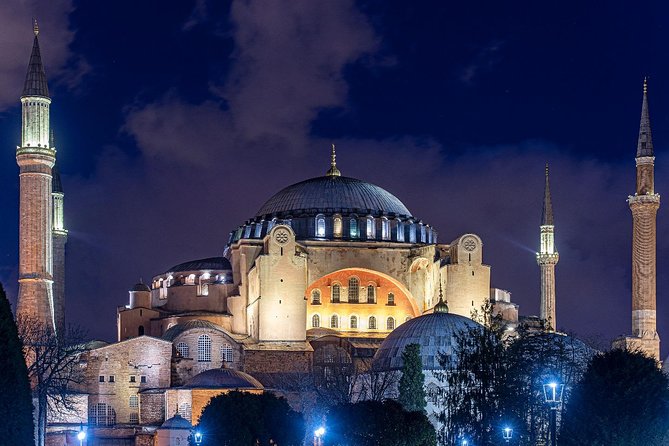
Hagia Sophia / Blue Mosque combo. These are not just pretty buildings. Hagia Sophia gives you the Byzantine side of the city, with that instantly recognizable dome and the feeling of a place that has been repurposed again and again. The Blue Mosque, with its famous interior blue tilework, is one of the most visually satisfying mosques you’ll see in Turkey. You’ll also get on-site time that’s long enough to take photos without turning it into a sprint.
Topkapi Palace and the Tuesday twist. Topkapi is the Ottoman imperial center turned museum, and it’s also where you’ll see serious collections—especially the treasury-related areas. One key scheduling note: Topkapi is closed on Tuesdays, and the tour replaces it with Basilica Cistern. That replacement matters because it keeps your day anchored in Istanbul’s major indoor-with-history stops rather than wasting time on a closed gate.
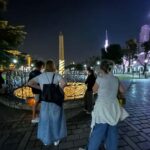
Hippodrome quick hits. The Hippodrome area is short but smart. You can see the famous relics around the square, including the Egyptian Obelisk and the Serpentine Column associated with Delphi. This is a good day-2 break if you want context without another two hours of museum lines.
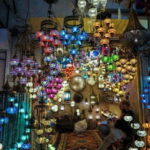
Grand Bazaar without the pressure. The Grand Bazaar is crowded, but it’s also one of the most atmospheric places to wander in old Istanbul. Even if you’re not a shopper, you can still enjoy the variety of handmade carpets, leather goods, and small crafts. I’d treat this as a sensory stop: look first, buy only if you love it, and remember that bargaining is part of the local game.
What I like: this day feels like a guided “orientation tour.” You learn enough context that everything else in Istanbul later makes more sense.
What to watch: the biggest sights have entrances that are not included, so you’ll want to set aside money ahead of time.
You can also read our reviews of more tours and experiences in Istanbul.

Day 3: Spice Market Smells, and the Europe-to-Asia Moment
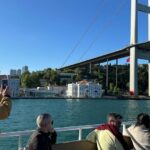
Day 3 keeps things lighter and more playful than the big museum day. You start at Misir Carsisi, better known as the Spice Market. It’s colorful, loud, and intense in the best way. The point here isn’t to buy everything in sight; it’s to experience the variety—spices, dried fruits, nuts, and local foods—so you understand why people call Istanbul a trade hub.
Then you get a quick “step across” moment that lets you move from Europe to Asia in about two minutes. It’s a simple stop, but it hits hard because Istanbul’s geography is the real plot twist of the whole country. If you’ve ever pictured the Bosphorus as just scenery, this is where it becomes a lived reality.
Cappadocia Day: Fairy Chimneys, Goreme Caves, and Uchisar Views
Cappadocia is where your trip turns from city icons to surreal nature. The tour spends time in the main areas between Avanos and Urgup, and you’ll visit several of the formations people come for.
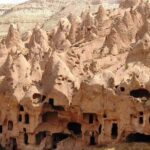
Devrent Valley and the fairy chimney theme. Devrent Valley is known for those unusual rock shapes. It’s not a single “landmark building,” it’s a view-and-imagination stop. You’ll see formations that feel like animals and figures, and it’s a great place to slow down.
Fairy Chimneys and Goreme Open-Air Museum. You’ll also visit a designated Fairy Chimneys stop, then head to the Goreme Open-Air Museum. Goreme is especially meaningful because the cave churches and early Christian history are built into the landscape in a way that feels permanent and human. Even if you’re not a hardcore church-history person, you’ll likely find yourself staring at the details just to understand how people carved faith into rock.
Uchisar for panorama payoff. You end the day in Uchisar, where the village sits above the valley. The “why” here is simple: you need at least one high viewpoint after hours of rocky ground-level wandering. Uchisar gives you that wide sense of place.
Tickets note: the tour lists several Cappadocia admissions as not included, but at least some stops have included entry. Either way, you’ll want to budget for entrance fees and bring water.
The practical tip that matters most: wear shoes you can trust on uneven rock. In Cappadocia, a “short walk” can still mean real footing challenges.
Cappadocia Day 2: Valleys, Pigeon Valley, and Derinkuyu’s Underground City

This day is built around walking, viewpoints, and one major wow factor underground.
Red Valley as your easy-to-love start. Red Valley is famous for its canyon feel and fairy chimney formations. One ticketed stop here makes it feel like a focused sightseeing day, not just a scenic drive.
Cavusin for atmosphere. Cavusin is a village area, and the value is less about one single structure and more about the vibe. You get a sense of how real people live near these rock formations, not just how tourists photograph them.
Pigeon Valley and walking options. Pigeon Valley is ticketed and designed for people who want to move. It’s also where you’ll feel that the terrain invites a longer stroll, whether you’re doing a relaxed walk or a more active trek.
Derinkuyu Underground City for the big contrast. Derinkuyu is one of the best-known underground cities in the region. It’s cool, enclosed, and genuinely different from everything you’ve seen above ground. The tour lists admission as not included here, so budget accordingly. This stop is also a nice contrast day after hours of open air.
Consideration: underground spaces can feel tight. If you’re claustrophobic, you might want to ask questions about how much walking or enclosed corridors you’ll face before committing.
Antalya Day: Waterfalls, Kaleici Old Town, and a Teleferik Hill View
Antalya is where your itinerary turns from historical ruins into Mediterranean atmosphere. The tour gives you a full day of highlights, starting with nature and then moving into old-town feel.
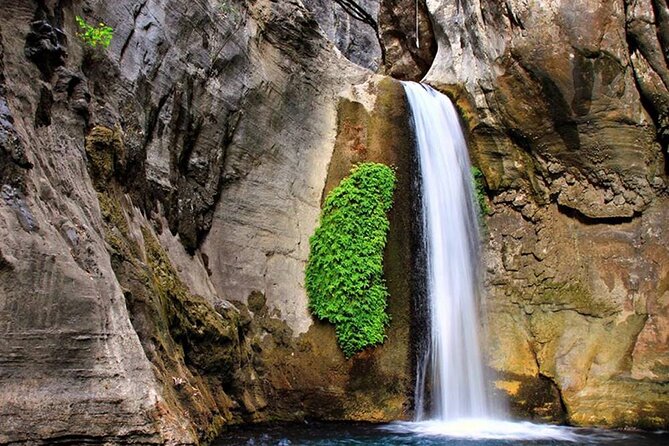
Lower Duden Waterfalls. This is a ticketed stop, and it’s easy to understand why. The park setting around the falls feels like a shaded break from the rest of the day. You’ll hear birdsong and experience that cool, misty “out of the city” mood without having to drive far into nowhere.
Kaleici: Hadrian’s Gate and the old harbor. Kaleici is Antalya’s historic core. You’ll see Ottoman-style houses and major landmarks like Hadrian’s Gate. The tour also includes a short boat trip and time to enjoy harbor views, which helps you see Antalya as more than just a beach town.
Tunektepe Teleferik Tesisi for the big viewpoint. Tunektepe is a hill with a teleferik/cable-car style visit, and it’s ticketed. The payoff is a wide view over Antalya and pine-covered areas. It’s a great last stop of the day because it gives you a visual reset after walking Old Antalya.
A useful planning note: Antalya days can mix sun, hills, and stairs. Bring sunscreen and expect warm weather even when you think you’re done with heat.


Pamukkale and Kusadasi: Roman Remains and the Cotton Castle Effect
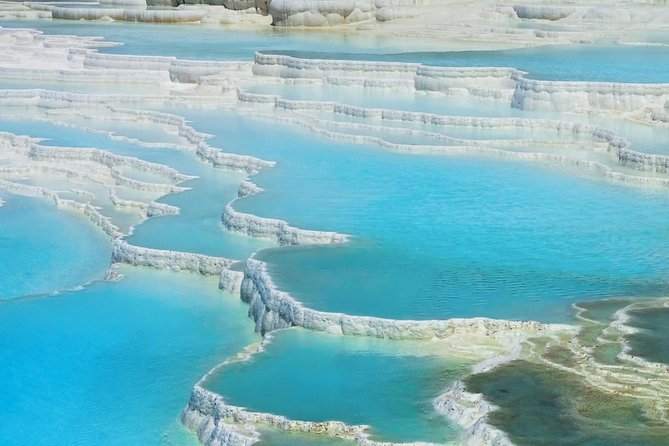
Pamukkale is one of those places that can look unreal in photos—and even better in person because you understand what you’re seeing. The tour ties together Hierapolis and the travertines, plus time at the thermal pools area.
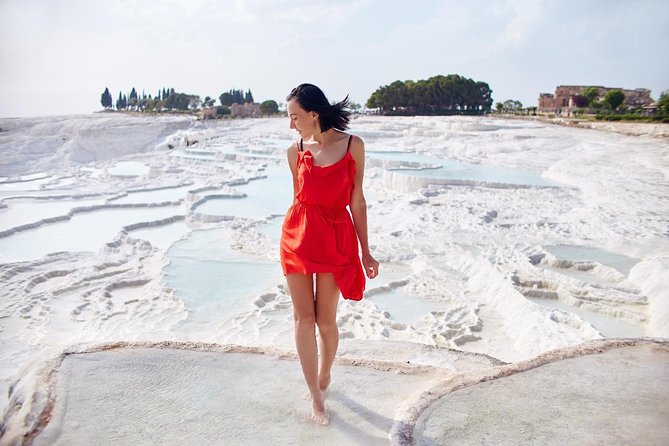
Hierapolis & Pamukkale area. This stop includes the story of ancient Hierapolis, plus the visual travertines people call the Cotton Castle. You’ll also see Roman city remains such as sarcophaguses and other ancient features. Since admissions are listed as not included, budget for the key entries.
Pamukkale Thermal Pools. This is another ticketed/not-included item, depending on the exact portion of the visit. Either way, the theme is the same: walking among white mineral terraces and experiencing a place built around water.
Then Kusadasi. Kusadasi is a resort town near Ephesus. It’s not the destination’s big tourist “event” by itself in this itinerary, but it’s a smart base for getting to Ephesus quickly and having dinner options nearby.
How to enjoy this day best: go slowly at the travertines. The surfaces and textures matter, and rushing makes it feel like a checklist.
Ephesus Day: Magnesia Gate, Celsus, Theater, Mary’s House, and Artemis
Ephesus is the star of the whole route after Istanbul. Day 9 takes you through the Roman provincial capital in a guided way, then adds three additional culturally significant stops.
Start at Magnesia Gate and walk downhill. You’ll enter at Magnesia Gate and follow a slow downhill route. This structure helps you understand the layout—ruins don’t always read well from one single point, so moving as a group makes the experience click.
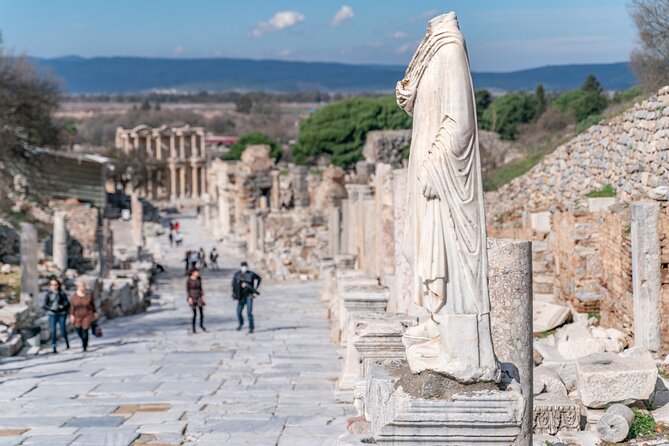
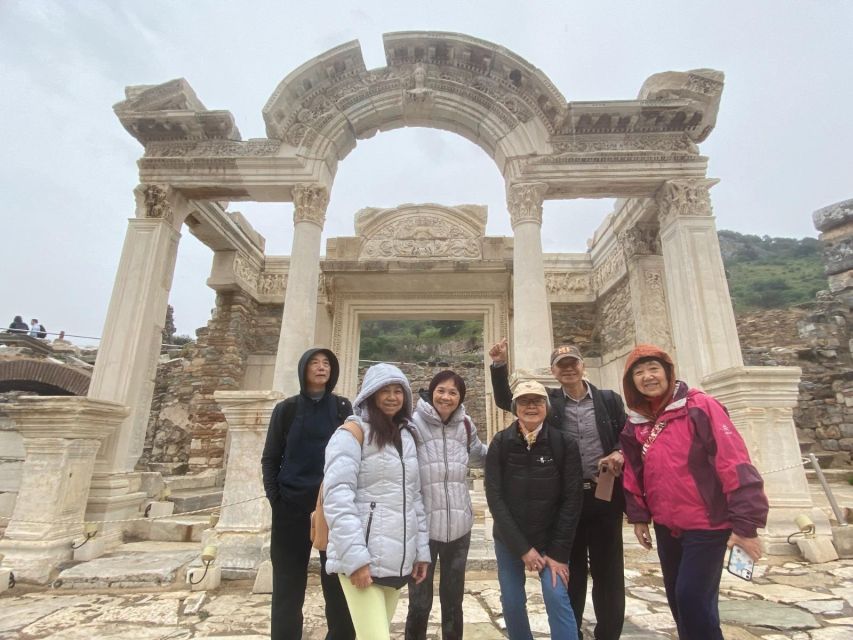
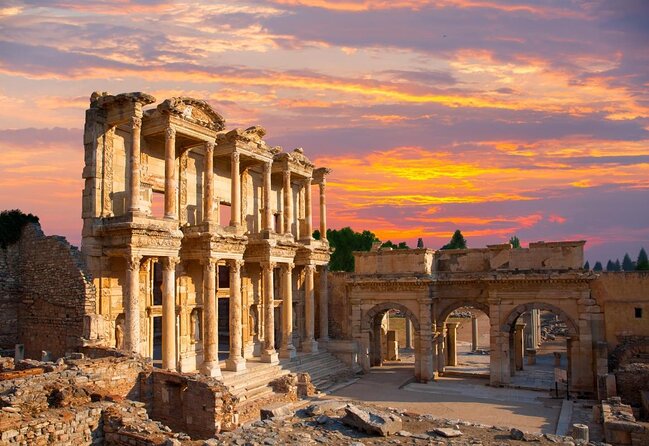
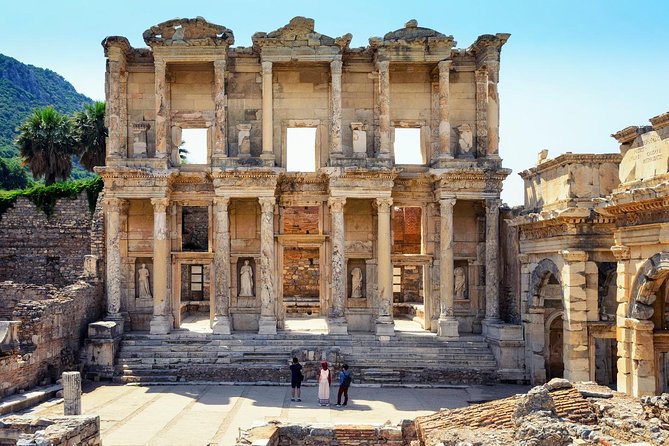
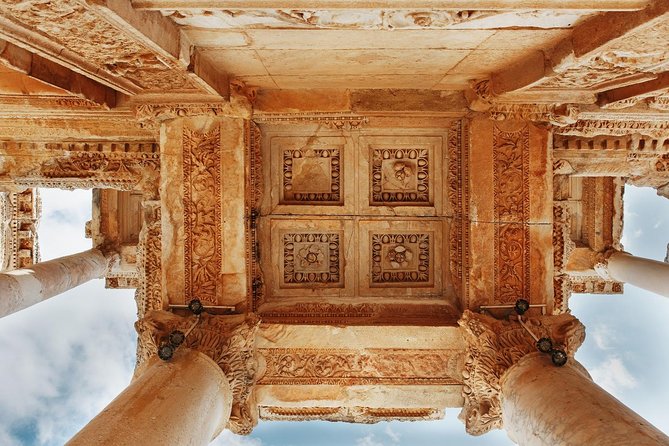
Celsus Library and the Great Theater. You’ll pass the Odeum, Celsus Library, Temple of Hadrian, Fountain of Trajan, and the Great Theater. Celsus is the one most people recognize, but the real win is seeing how the sites connect as you walk.
Meryemana (Virgin Mary’s House). This stop adds a spiritual layer to the day. It’s not about ruins anymore—it’s about place and devotion. The tour also includes the Basilica of St. John in the surrounding area as part of the route.
Temple of Artemis. The Temple of Artemis is a classic “seven wonders of the ancient world” anchor. Even if much of it is ruins now, the visit connects Ephesus to a much larger story about ancient belief, power, and architecture.
Tickets: the tour lists admissions for these stops as not included, so plan for entrance fees.
One more practical tip: Ephesus covers distance on uneven stone and can get hot. If you’ve got moderate fitness, pace yourself and drink water between photo stops.
Transport, Hotels, and the Real Value of Paying $1,699
This is priced at $1,699 per person for about 10 days, with 9 nights of accommodation plus domestic/internal flights included. For a route that spans multiple regions, the value is less about any single monument and more about avoiding the hardest part: transportation planning across Turkey.
Here’s what you’re getting on the “service side”:
- Domestic flights included for the big jump(s) between regions
- Ground transfers built into the schedule
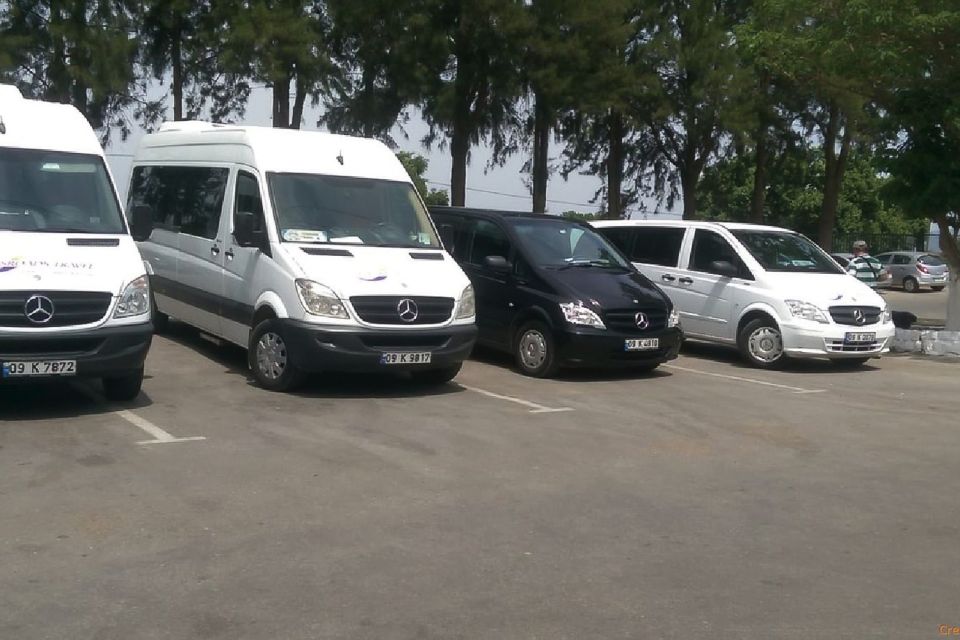
- Pickup included in Istanbul from airports, cruise ports, and centrally located hotels
- Mobile tickets
- English-led guides and small-group days (up to 15)
And here’s what you’re not getting:
- Entrance fees for museums and sites are not included, so your final trip cost will rise depending on what you choose to enter and what you already have.
About meals: the highlights say you’ll eat 16 provided meals, while the included list specifies 9 breakfasts and 5 lunches. Either way, the big advantage is consistency. When meals are built into the plan, you’re not hunting for food while your energy crashes.
Where your money really shows up: in time saved. You’re also not stuck trying to coordinate multiple tickets, guides, and drivers on your own across a tight timeline.
Who This Tour Fits Best (and Who Should Rethink It)
This tour makes the most sense for you if:
- You want Istanbul, Cappadocia, Antalya, Pamukkale, and Ephesus in one trip
- You prefer guided time at the major “big meaning” sites
- You like small groups and dislike feeling lost in a crowd
- You’re okay paying entrance fees on top of the base price
It may not fit as well if:
- You have a strong preference for totally independent scheduling every day. This is guided-and-structured more than DIY.
- You’re sensitive to walking. The route includes significant walking at historical sites, and uneven ground is part of the deal.
One of the strongest signals from the guide approach is the way the team can work with guests who need extra care on walking portions. In at least one group, Ozgur’s team and guides worked hard so the guest could still participate in the Istanbul walking tour.
Should You Book City of Sultans for This 10-Day Turkey Circuit?
If your goal is to see Turkey’s headline highlights without turning the trip into a logistics project, I think this is a strong pick. The small group size, English-led guidance, and inclusion of domestic flights and 9 nights make it feel like a true “tour package,” not just ticketing help.
My advice for the decision:
- Choose it if you want structure and hate guessing how to connect cities.
- Pass (or modify) if you only want one or two regions and would rather slow down for longer stays.
- Budget for entrance fees early. This avoids that last-minute surprise feeling.
If you book, pack good shoes, keep water handy, and treat each region like a different world: Istanbul for imperial layers, Cappadocia for rock-carved faith and valleys, Antalya for sea and old town, Pamukkale for mineral-water drama, and Ephesus for the Roman scale shock.
FAQ
How many travelers are in the group?
The tour has a maximum of 15 travelers.
Is pickup included, and where does it work?
Free pickup is provided from all Airports in Istanbul, all Cruise Ship Ports, and centrally located hotels in Istanbul.
What language are the tours offered in?
The tour is offered in English.
What’s included in the price?
The price includes domestic/internal flight tickets, 9 nights accommodation, and meals (9 breakfasts and 5 lunches listed). Mobile tickets are also included.
Are entrance fees included for the museums and sites?
No. Entrance fees to museums and sites are not included.
Which places does the itinerary cover?
The route includes Istanbul, Cappadocia, Antalya, Pamukkale/Hierapolis, Kusadasi, and Ephesus, with daily sightseeing stops in those areas.
Is there a mobile ticket?
Yes, the tour includes mobile tickets.
How does the tour end on the last day?
On Day 10, you’ll be picked up from your hotel and transferred to Izmir Airport for a flight to Istanbul. The tour ends upon arrival.
What’s the cancellation policy?
Free cancellation is available. You can cancel up to 24 hours in advance for a full refund.
What fitness level is recommended?
The tour is listed as suitable for travelers with a moderate physical fitness level.