REVIEW · ISTANBUL
10 Days Private Tour of Turkey
Book on Viator →Operated by Turkey Private Tours · Bookable on Viator
10 days, three flights, and zero guesswork. This private Turkey plan strings together Istanbul’s Ottoman landmarks, Cappadocia’s rock-carved valleys, and the Aegean ruins in a tight, guided rhythm. You get the feeling of seeing a lot, without doing the stressful logistics part yourself.
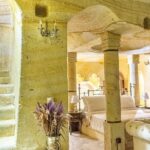
I especially like the comfort level: you travel in an air-conditioned minivan with pickup offered, and the day-to-day flow is handled for you. I also really value that most major sites have their admission tickets included, so you spend less time waiting and more time looking closely.
One consideration: it’s a fairly active trip, with lots of walking on uneven ancient stone and museums. You’ll want moderate physical fitness, and the price is high enough that you should read the inclusions carefully before booking.
In This Review
- Key highlights that matter
- Turkey’s best shortcut: private planning across three regions
- Istanbul: where you’ll feel layers of empire fast
- Topkapi Palace and the Ottoman world
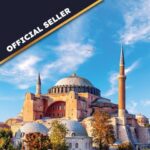
- Hagia Sophia and the change of meaning
- Hippodrome, Blue Mosque, and the easiest way to see the skyline
- Grand Bazaar plus Spice Market: shopping, but with context
- Basilica Cistern and the “wow” moments in Istanbul museums
- Bosphorus boat trip: your shortcut to waterfront architecture
- Cappadocia: castles, valleys, and underground survival
- Uchisar Castle and the high-ground view
- Göreme Open Air Museum: the core of the story
- Zelve Open Air Museum: dramatic rock formations
- Devrent Valley and Pasabag: fairy chimneys in real scale
- Optional hot air balloon + Pigeon Valley
- Red Valley: color and walking time
- Kaymakli Underground City: practical survival architecture
- Cavusin and Avanos: village atmosphere and pottery
- Fly-days and transfers: how the itinerary avoids time traps
- Ephesus and the Aegean: ancient cities with built-in context
- Ancient City of Ephesus: the main event
- Meryemana (Virgin Mary’s House): a quieter religious stop
- Temple of Artemis: brief but meaningful
- Priene, Miletus, and the Temple of Apollo: the intellectual coast
- Aphrodisias and the stadium: art, stone, and scale
- Pamukkale and Hierapolis: thermal pools and a final perspective shift
- Hotels, lunches, and what’s actually included
- Price and value: why $4,752.74 can make sense
- The team behind it: what good organization feels like
- Who this private tour fits best
- Should you book this 10 Days Private Tour of Turkey?
- FAQ
- FAQ
- What cities are included in this 10-day Turkey tour?
- Are domestic flights included?
- Is pickup available?
- Will I have private transport during the tour?
- Are hotel nights included?
- Are museum and site entrance tickets included?
- Are meals included?
- Is this tour private and offered in English?
- What fitness level do I need?
- What is the cancellation policy?
Key highlights that matter
- Private guidance, city by city: You’re not hopping between random guides. You get organized expert interpretation throughout the route.
- Comfortable transport: Air-conditioned minivan travel keeps long transfer days manageable.
- Three domestic flights included: Istanbul to Cappadocia, Cappadocia to Izmir, and Pamukkale back to Istanbul.
- Big-ticket sites covered: Topkapi Palace, Hagia Sophia, Ephesus, and Pamukkale are built into the schedule.
- Great boat-time in Istanbul: A Bosphorus boat trip helps you see waterfront architecture with far less effort than trying to stitch it together on your own.
- Hotels and lunches are part of the package: Accommodation in 3–4–5 star hotels plus 7 lunches removes a lot of travel-day friction.
Turkey’s best shortcut: private planning across three regions
Turkey can be a lot on your own. Distances add up, public transport isn’t always timed for sightseeing, and you end up burning energy on logistics instead of the places themselves. This tour is built to solve that. You start in Istanbul, then the trip hands off to domestic flights for Cappadocia and the Aegean, so you’re not constantly backtracking.
For me, the real win is the balance: you get iconic sights that most people want, but the pacing still leaves time to actually read what you’re seeing. A palace doesn’t just become a photo stop when your guide explains how it worked. A ruin doesn’t just become a pile of stones when you learn what city it belonged to and why it mattered.
You can also read our reviews of more private tours in Istanbul
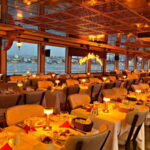
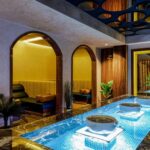
Istanbul: where you’ll feel layers of empire fast
Your Istanbul days focus on “how it all got built” in the most efficient way. Instead of scattering landmarks, you hit the core historic area and key museums, then you move to markets and waterfront views.
Topkapi Palace and the Ottoman world
Topkapi Palace is a heavyweight. Expect to wander through a royal complex tied to Ottoman sultans. The best part isn’t just the scale—it’s how the place frames power. You’ll come away with a clearer idea of how the palace fit into government and daily life, not only court drama.
Hagia Sophia and the change of meaning
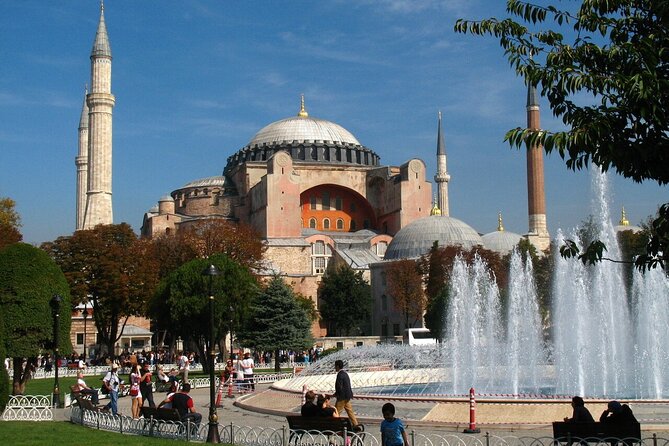
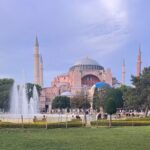
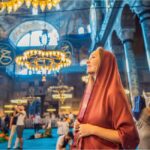
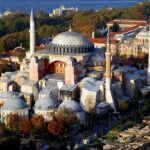
Hagia Sophia is the site where history feels physical. Once the biggest church in the world, it’s now used as a mosque (with museum elements depending on how it’s managed). This kind of transition can be confusing if you only look at architecture. With a guide, you’re more likely to notice what changed and what stayed.
Hippodrome, Blue Mosque, and the easiest way to see the skyline
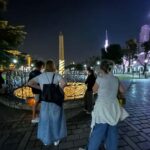
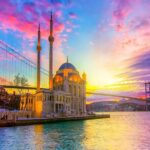
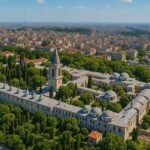
The Hippodrome area is now a square called Sultanahmet, but it was once Constantinople’s social and sporting center. Nearby, the Blue Mosque (Sultan Ahmed Mosque) is famous for its handmade blue tiles. These stops work well together because they let you shift between different types of places: civic space, religious space, and monumental design.
If you’re the type who likes to understand a city’s “map of importance,” this pairing helps. If you’re mainly chasing pictures, it still delivers—but you’ll enjoy it more if you lean into the story your guide provides.


Grand Bazaar plus Spice Market: shopping, but with context
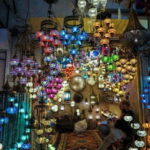
You end with time in the Grand Bazaar, an enormous open market. It’s great if you want souvenirs, textiles, lamps, or Turkish sweets. The tour gives you some free time, which is useful. You can wander at your pace instead of feeling rushed through every lane.
Later, the Spice Market (Misir Carsisi) adds a different feel: aromas, stalls, and everyday trading energy. Even if you don’t plan to buy much, it helps you understand Istanbul as a working city, not a museum.
Basilica Cistern and the “wow” moments in Istanbul museums
Istanbul Archaeological Museum is another included stop, and it’s the kind of place that gives context to everything else you’ll see. Then comes Basilica Cistern, the largest ancient basilica in the city. It’s atmospheric. You walk in, the lighting changes, and suddenly you’re picturing water storage infrastructure from centuries ago.
Bosphorus boat trip: your shortcut to waterfront architecture
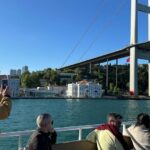
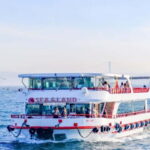
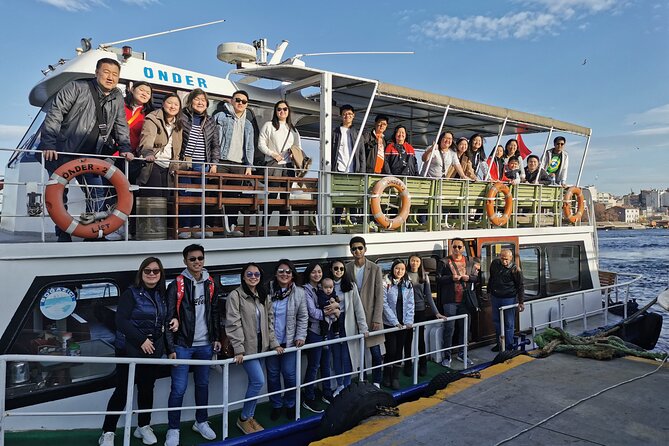
A Bosphorus Strait boat trip is built in, and it’s a smart move. From the water, you can see historical buildings and beautiful houses along the strait without trying to cram them into a land route. It’s also an easy break from museum density.
Cappadocia: castles, valleys, and underground survival
After Istanbul, you fly to Cappadocia, and the tour turns visual very fast. The region’s magic is in the shapes—rock-cut churches, fairy chimneys, and layered valleys. With guided stops, you’ll also understand what you’re looking at instead of guessing.
Uchisar Castle and the high-ground view
Uchisar Castle is your first “wow” in Cappadocia, and it’s placed well in the day. You start with Esentepe, then head to Uchisar, described as the highest point in the area. That height matters. It helps you orient yourself and spot how valleys and rock formations connect.
Göreme Open Air Museum: the core of the story
Göreme Open Air Museum is one of the main Cappadocia stops for a reason. Expect significant rock-cut churches and layered habitation history. The included time is short enough that you won’t feel dragged, but long enough that you can still take in details.
Zelve Open Air Museum: dramatic rock formations
Zelve is another open-air stop, known for strong rock formations. If Göreme feels “structured,” Zelve can feel more wild and weathered. Either way, you’re building a mental picture of why people carved shelters and worship spaces directly into the landscape.
Devrent Valley and Pasabag: fairy chimneys in real scale
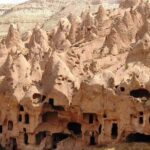
Devrent Valley is where the tour leans into the surreal. You’ll see fairy chimneys of Pasabag and the broader Devrent Valley rock shapes. Even if you’ve seen Cappadocia photos before, it hits differently when you stand in front of the formations in daylight and learn what erosion and human use did to them over time.
Optional hot air balloon + Pigeon Valley
Early in the morning, you have an optional hot-air balloon ride. Even without going up, you start walking in Pigeon Valley. That valley gives you a sense of how the landscape supports life—pigeons, nesting, and the way rock creates natural shelter.
Red Valley: color and walking time
Red Valley gets you another walk segment. It’s described as a longer stretch (up to 6 hours depending on how the day is arranged), and that’s important. Plan your footwear accordingly and expect a real day out, not just a stroll.
Kaymakli Underground City: practical survival architecture
Kaymakli Underground City is one of the biggest in the area, and it changes your perspective. You’ll tour underground spaces built for shelter and protection. If you like history that’s tied to real-world survival needs, this stop is one of the most satisfying.
Cavusin and Avanos: village atmosphere and pottery
Then the trip slows down slightly into village time: Cavusin village, followed by Sinasos, and finally Avanos where you learn about hand-made pottery. This is a good change of pace after lots of walking and rock formations. It also reminds you that Cappadocia isn’t only about scenery—it’s a place where crafts and daily routines continue.
Fly-days and transfers: how the itinerary avoids time traps
What’s smart here is the reliance on domestic flights rather than long drives between big regions. You fly from Istanbul to Cappadocia, then later from Cappadocia to Izmir. The final leg sends you from the Pamukkale area back to Istanbul by flight.
Why this matters for your trip: it preserves energy. A Turkey road trip can turn into a blur of passing scenery and rest stops. Here, the plan uses flights to keep sight time high and fatigue manageable—especially because many ruins and museums involve steps, uneven ground, and standing.
You’ll also appreciate that transfers are arranged, including private transfers to airports and between regions. This reduces the chance of losing time to missed connections or confusing transit routes.
Ephesus and the Aegean: ancient cities with built-in context
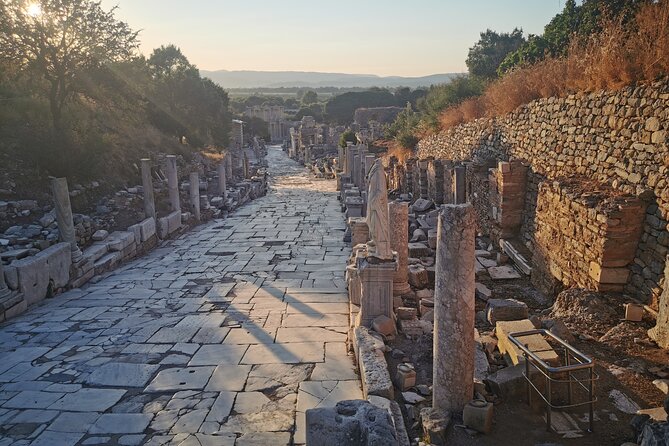
Once you’re in the Kusadasi area, the route focuses on the western Turkey “greatest hits,” including Ephesus and multiple ancient cities around it. The guide-led format matters here because each site fits into a network of coastal trade, civic life, and religious change.
Ancient City of Ephesus: the main event
Ephesus is one of Turkey’s most visited sites, and that’s because it’s enormous and well preserved in key areas. You’ll get about two hours there. A good guide can help you understand layout and what you’re seeing instead of treating it like random archaeology.
Meryemana (Virgin Mary’s House): a quieter religious stop
Meryemana is included as a shorter visit. It’s believed that the mother of Jesus spent time in a house close to Ephesus, and you can visit a Catholic church there. This part of the day is useful if you want a slower, reflective moment after the crowded main ruin.
Temple of Artemis: brief but meaningful
The Temple of Artemis stop is short, but it’s historically significant as one of the seven wonders of the ancient world. Even with limited time, it works as a “big idea” stop. You’ll come away with better context for why Artemis mattered and how that ancient legend connects to the location.
Priene, Miletus, and the Temple of Apollo: the intellectual coast
The plan adds Priene (an ancient Greek city from the 4th century B.C), then Miletus, tied to famous ideas and schools, and then the Temple of Apollo. These stops feel different from Ephesus. They’re more about city planning, scholarship, and how Greek civic life shaped architecture.
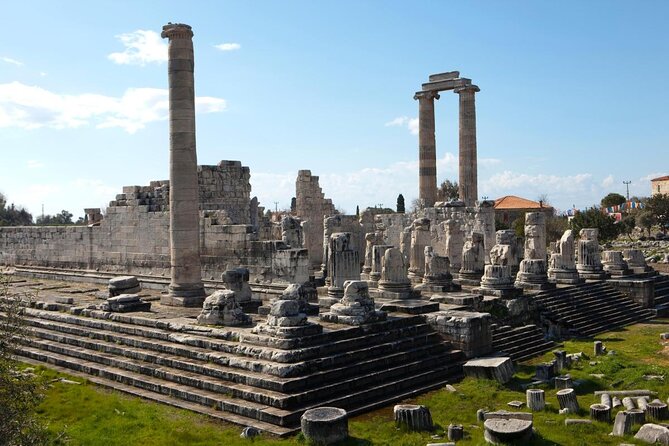
Temple of Apollo is described as one of the best preserved ancient temples in the world. Even if you’re not a pure architecture fan, the preservation helps you read what the ruins are.
Aphrodisias and the stadium: art, stone, and scale
Aphrodisias comes next. It’s known as a city of Aphrodite and is praised for its very well preserved stadium. Stadium architecture can be surprisingly engaging when you understand how spectators, ceremony, and city identity worked together.
Pamukkale and Hierapolis: thermal pools and a final perspective shift
The last sightseeing stretch combines Hierapolis and Pamukkale. You drive from the Ephesus/Kusadasi region to Pamukkale. During this block, you’ll have a chance to see ruins of the ancient city and to swim in thermal pools.
This part can reset your trip. After temples and long walks, warm water is a practical reward. It also changes your sense of place: you stop thinking only about ancient construction and start feeling the geology and climate that still shape life there.
Then you transfer to Denizli airport for the flight back to Istanbul, where you’ll continue on to your hotel.
Hotels, lunches, and what’s actually included
This tour includes hotel accommodation in 3–4–5 star hotels across the route, plus private touring support: transport, guiding, entrances, and parking fees. Lunch is included for 7 days, which is a big deal when you’re moving through multiple regions.
You’re not offered alcoholic drinks as part of the package, though you can purchase them. In practice, that means you should budget for any beer, wine, or cocktails you want during meals.
One helpful detail: the experience is in English, and you’ll have mobile ticket support. That’s small, but it can reduce stress on travel days when you’re switching hotels and boarding flights.
Price and value: why $4,752.74 can make sense
At $4,752.74 per person, this is not a budget tour. But it’s priced like a full-service private package: domestic flights, private guiding, and a long list of included sights.
Here’s why it can still feel like good value if you like efficiency:
- You’re paying for three internal flights, which often cost real money even before you factor in time.
- Hotels are included, and you get a mix of major cities and a Cappadocia stay.
- Many major admissions are included, which adds up quickly for places like palaces and large museum sites.
- Your ground transport is private and air-conditioned, so you’re not bargaining with crowded buses when you’d rather be looking at ruins.
If you’re comfortable planning on your own, a DIY trip could be cheaper. But if you want to reduce risk—missed buses, language gaps, confusing ticket lines—this kind of setup can be worth the money.
The team behind it: what good organization feels like
The reviews emphasize smooth logistics and quick problem-solving, which is exactly what you want in a multi-flight itinerary. You’ll also see names come up that signal a real team structure: guides like Ertunga Ecir and the planning support from Maria. For Istanbul specifically, Yunus Emre shows up as an assigned guide in at least one run. For the Pamukkale portion, Mehmet Ozgur is mentioned.
There’s also a pattern in the feedback around drivers and safety: polite, punctual service and comfortable vehicles. In one example, the vehicle is described as a clean Mercedes van—again, lining up with the promise of comfortable, air-conditioned transport.
Even if your guide isn’t the same person, the key point for you is the service level: you’re not just buying sightseeing. You’re buying coordination.
Who this private tour fits best
This trip is a strong fit if you:
- Want a private experience instead of joining a large group tour.
- Prefer that the important tickets and entries are handled for you.
- Like guided interpretation at big sites like Topkapi Palace, Hagia Sophia, Ephesus, and Pamukkale.
- Don’t want to spend vacation days figuring out internal flight timing and transfers.
You might want to think twice if you’re extremely budget-driven or if you hate walking. You’ll encounter museums, ruins, and outdoor terrain. The tour flags moderate physical fitness as the baseline, so comfortable shoes aren’t optional.
Should you book this 10 Days Private Tour of Turkey?
If you’re aiming for an “I saw Turkey, and I understood it” trip, I’d lean yes. The combination of private logistics, domestic flights, included meals, and major sites makes it a low-stress way to cover Istanbul, Cappadocia, and the Aegean without turning your trip into a transit marathon.
Book it if you value time-saving organization and want guides to connect the dots between buildings, empires, and geography. Skip it if you want a flexible, self-planned itinerary or if you’re sensitive to the physical demands of walking and uneven stone at ancient sites.
If you do book, I’d plan around comfortable footwear and a realistic pace. Then let the route do its job: it brings the big moments together, and it keeps them meaningful.
FAQ
FAQ
What cities are included in this 10-day Turkey tour?
The tour covers Istanbul, Cappadocia, and the Aegean region around Izmir and Kusadasi, with additional stops including Ephesus, Pamukkale, and related ancient sites.
Are domestic flights included?
Yes. Domestic flights are included for Istanbul to Cappadocia, Cappadocia to Izmir, and Pamukkale to Istanbul.
Is pickup available?
Pickup is offered, and the tour meeting point is Istanbul Airport (Tayakadın, Terminal Caddesi No:1, 34283 Arnavutköy/İstanbul, Türkiye).
Will I have private transport during the tour?
Yes. You’ll travel in a private, air-conditioned minivan with transport arranged between stops and cities.
Are hotel nights included?
Yes. Accommodation is included in 3–4–5 star hotels.
Are museum and site entrance tickets included?
Many entrance tickets are included as part of the tour. Some stops are listed as ticket free, while others are listed as included.
Are meals included?
Lunch is included for 7 days. Alcoholic drinks are not included.
Is this tour private and offered in English?
Yes. It’s a private tour/activity offered in English, and only your group participates.
What fitness level do I need?
The tour indicates travelers should have a moderate physical fitness level.
What is the cancellation policy?
It is non-refundable and cannot be changed for any reason. If the tour is canceled because a minimum traveler number isn’t met, you’ll be offered a different date or a full refund.