REVIEW · ISTANBUL
1 or 2 Day Private Istanbul Guided Tour
Book on Viator →Operated by Moira Travel Agency · Bookable on Viator
Istanbul can feel like a puzzle. This private 1 or 2-day plan helps you put the pieces together with a professional guide, tight logistics, and big-name stops in the historic core.
What I like most is the steady pace and clear explanations at each major site, the kind that make Hagia Sophia and Topkapi finally click. I also love that it’s genuinely flexible: if you need slower walking or short breaks, a good guide like Numan (and Asli on other departures) can adjust routes and timing without making you feel rushed.
One thing to watch: admission tickets are not included, and while pickup is always included, you should still confirm how transportation between stops will work for your group so you do not get surprised by extra taxi or meal expectations during the day.
In This Review
- Key things to know before you go
- Sultanahmet to the Bosphorus: the tour’s real magic
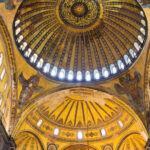
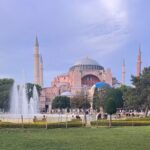
- Hagia Sophia Grand Mosque: more than a pretty dome
- Topkapi Palace: how the Ottoman state was organized
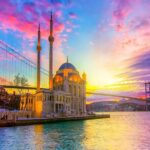
- Blue Mosque and Hippodrome Square: a simple route that saves time
- Grand Bazaar: the maze works if you go in with a plan
- Misir Çarşısı Spice Market: color, smell, and fast shopping wins
- Dolmabahce Palace: Ottoman power, Bosphorus views, and Atatürk’s ending
- Taksim Gezi Park: a small but important modern break
- Bosphorus Strait cruise: the easiest way to see Istanbul’s edges
- Price and logistics: what the $80 gets you
- Who this tour suits best
- Should you book this private Istanbul tour?
- FAQ
- Is this tour private?
- Do I get hotel or port pickup and drop-off?
- Where do we meet if there is no central hotel pickup?
- Are entrance fees included?
- What are the closing days for key sites?
- What happens if a museum is closed on your chosen day?
- What’s included in the tour price?
- Do I need to plan for a weather issue?
- How much is a one-way transportation ticket?
Key things to know before you go
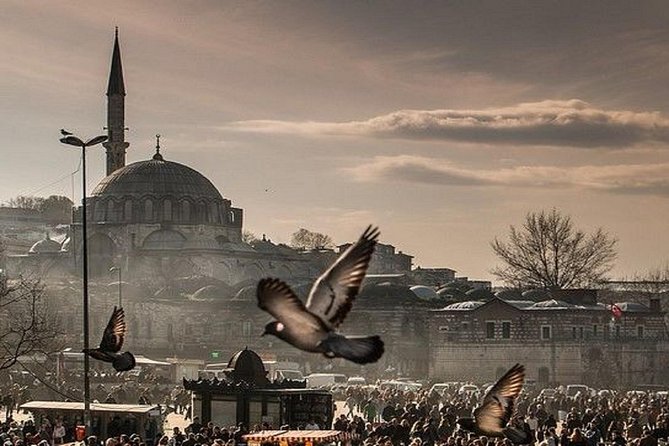
- Private guide + pickup: central hotel or port pickup, with a clear plan to return you to the start point
- Historic sights grouped smartly: Day 1 focuses on Sultanahmet icons; Day 2 shifts to Galata-area bustle, Taksim, and the Bosphorus
- Some sites are free: Blue Mosque, Grand Bazaar, Hippodrome area, and Spice Market can keep your paid ticket load lower
- Skip-the-standstill potential: guides like Numan and Asli are described as helping you avoid long waits and move at your pace
- Time is tight around closings: specific weekday closures can shuffle your schedule, with swaps like the underground cistern or Galata Tower if needed
- Dolmabahce is a major anchor: the palace ties Ottoman power to Atatürk’s final days
Sultanahmet to the Bosphorus: the tour’s real magic
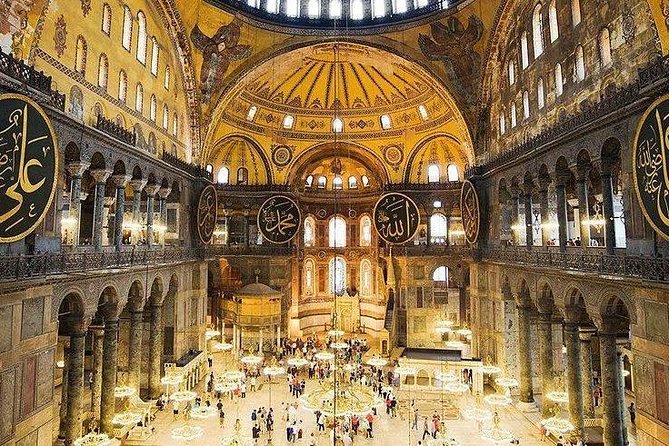
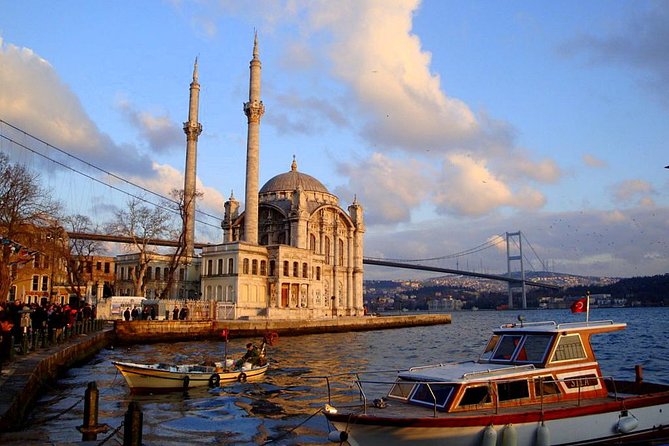
This works because it groups Istanbul’s most visit-worthy landmarks by location and mood. Day 1 is all about monumental old Istanbul in Sultanahmet: mosques, a cathedral-turned-museum saga, imperial palaces, and the grand bazaar maze.
Day 2 widens the view. You shift from stone and marble to Ottoman waterfront glamour at Dolmabahce, then you get a modern-city pause near Taksim and a Bosphorus Strait cruise to reset your brain with water views and time to breathe.
If you only want the highlights without the chaos of self-planning, the private format is the point. You get a guide to translate what you are looking at and help you manage crowds, entrances, and timing.
You can also read our reviews of more guided tours in Istanbul

Hagia Sophia Grand Mosque: more than a pretty dome
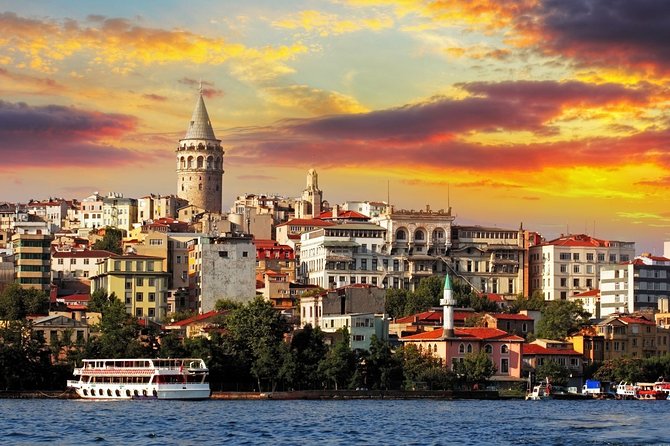
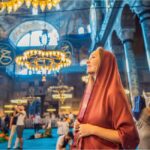
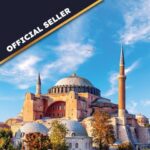
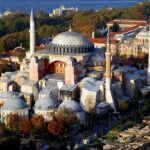
Hagia Sophia is the kind of place where you feel the building before you understand it. Your guide will walk you through how this spot was rebuilt multiple times over centuries, moving from Early Church to the East Roman imperial church to an Ottoman mosque and, later, a museum.
You will also hear the big turning points that shaped what you see today. The building was completed in a short window during Justinian’s reign, and the story of the Nika revolts helps explain why layers of history exist beneath and around the current structure. If you pay attention to details like the mosaics and the way marble and stone were sourced from across Anatolia and Syria, it starts to look less like one building and more like a whole empire in architectural form.
Practical upside: the guide context matters here. Hagia Sophia can feel like a blur if you are just doing photos. With the background, you notice the dome height, the scale of the nave areas, and why the interior reads the way it does.
Possible consideration: it is a huge site with lots of walking. If your knees are not great, ask your guide early to plan slower routes and shorter stops so you do not spend the day fighting fatigue.
Topkapi Palace: how the Ottoman state was organized
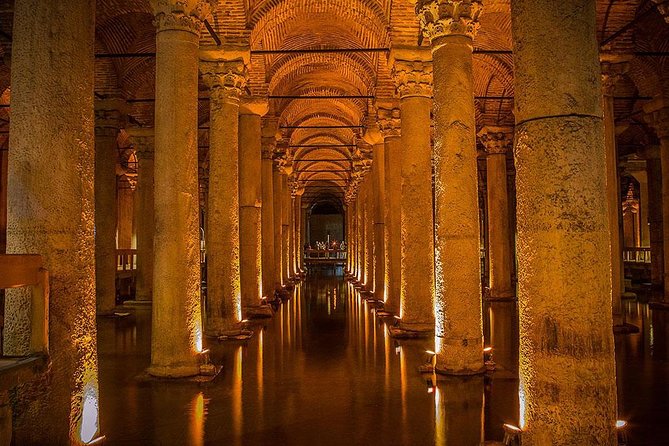
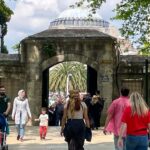
Topkapi is not just a palace. It is a system, built around courtyards and gates that reflect how the Ottoman court moved, controlled access, and ran state business. Your guide will likely explain how the complex grew from the reign of Mehmed II and expanded over time, then show how the layout divides into Outer Palace and Inner Palace zones, with the Harem connected to the Inner Palace.
You will also get the story of what stayed important even after the sultans moved to Dolmabahce. Topkapi remained the keeper of royal treasures, the Holy Relics of the Prophet Muhammad, and imperial archives. After the monarchy ended, it became a museum in 1924 on Atatürk’s orders, which is why today you can walk the same spaces the court once used for governance and ceremony.
If you like architecture that actually works as a map, Topkapi is a good match. The courtyards, major gates, and gardens help you understand how someone lived and ruled in a place built for both privacy and public ritual.
Tradeoff: you should plan for crowds and pacing. Even if you can move efficiently, it is an enormous complex, and you will get more from it if you choose what to slow down for rather than trying to see everything at full speed.
Blue Mosque and Hippodrome Square: a simple route that saves time
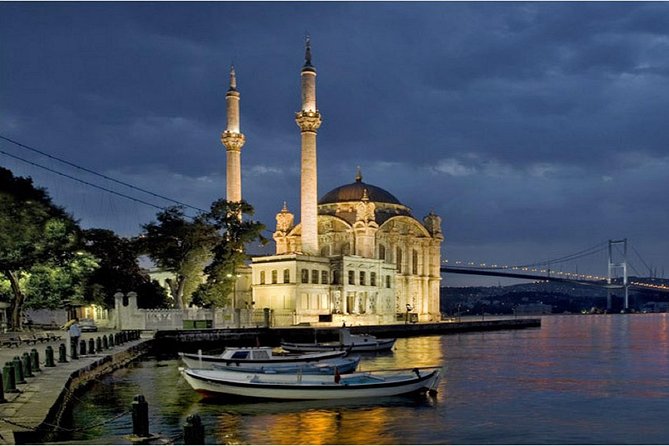
The Blue Mosque is easiest when you approach it from the Hippodrome side, near the west of the mosque. That routing makes sense because the area around Sultanahmet is designed for foot traffic, and your guide can help you line up the visit with how the mosque operates.
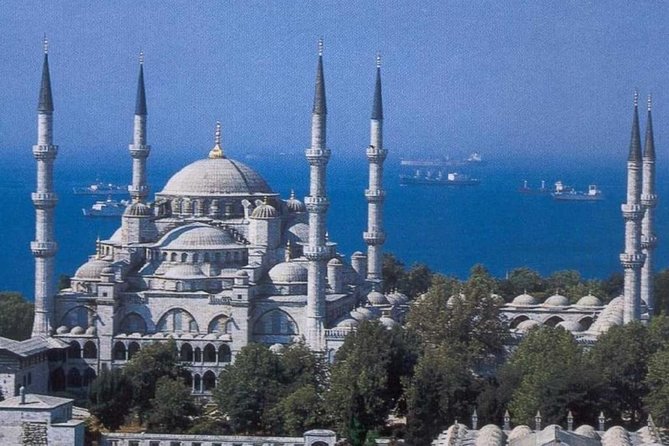
You will learn why it is called the Blue Mosque: the interior is surrounded by blue tiles. Since it is an active mosque, it closes to non worshippers for a short window around the five daily prayer times. Your guide can help you time your entry so you do not waste the visit staring at a closed gate.
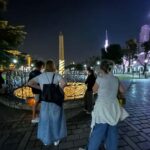
Then pair it with Hippodrome Square. Even though the original arena is mostly gone, the square still follows the old dimensions, and the monuments like the Obelisk of Theodosius give you a sense of scale. The Hippodrome story adds perspective to the whole region, from chariot races and public ceremonies to the darker events during the Nika Riots.
What I like here: your day gains contrast. You get religious architecture, then you get the public spectacle space right next to it. It helps you picture daily life in Constantinople, not just the most famous buildings.
Grand Bazaar: the maze works if you go in with a plan
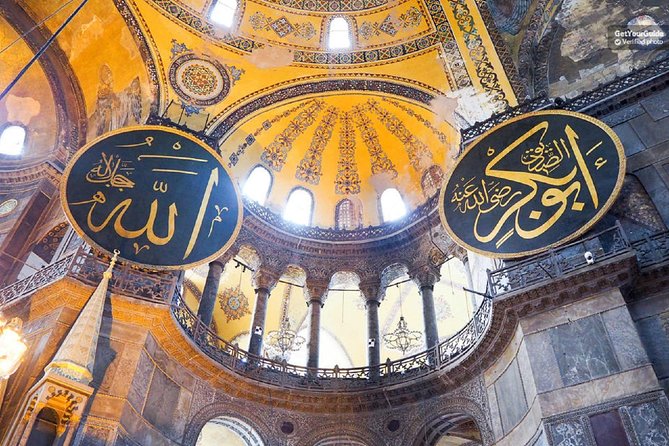
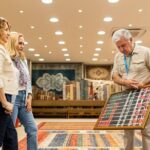
The Grand Bazaar is a full-on covered city: dozens of streets and alleys, a massive indoor footprint, and thousands of shops. Your guide helps you avoid wandering aimlessly, which is the fastest way to end up tired and overspending.
You will also learn the bazaar’s shape. The older core area, İç Bedesten, was completed in 1461, and the bazaar expanded outward over time with hans, the traders’ inns and workshops. That history makes the space easier to read once you notice how it is organized rather than treating it like one endless hall of souvenirs.
Here’s the practical win: you can shop at your own pace without feeling like you are dragging your feet in front of a group. The guide presence can help you find categories you actually want, from spices to ceramics to small gifts.
One consideration: this place is designed for attention. If you hate negotiating or have sensory overload, set expectations before you arrive. Decide what you want to buy and what you are skipping, and you will enjoy it a lot more.
You can also read our reviews of more private tours in Istanbul

Misir Çarşısı Spice Market: color, smell, and fast shopping wins
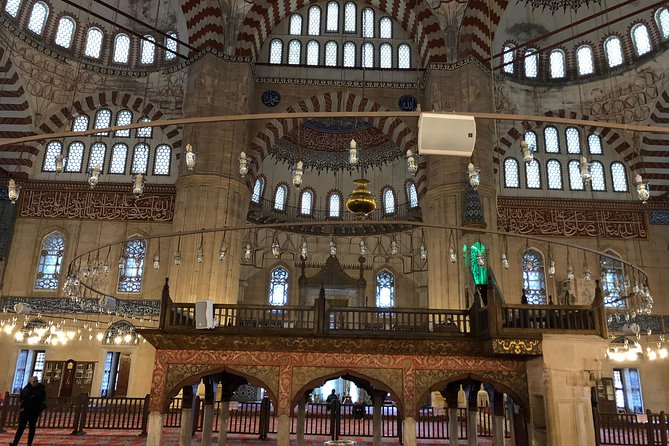
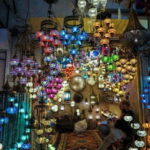
On Day 2, Misir Çarşısı gives you a different kind of Istanbul energy. It is a colorful indoor bazaar where you will see shops stacked with spices, flavored teas, Turkish delight, nuts, ceramics, and small souvenirs.
This stop is excellent if you want a quick, high-reward experience. Two hours is enough to sample, compare, and pick up edible souvenirs without turning it into a full afternoon mission.
Also, it is a helpful reset after the formality of palaces and mosques. Your senses do the work here. If you like experimenting with food, this is where you can leave with snacks for the flight home.
Dolmabahce Palace: Ottoman power, Bosphorus views, and Atatürk’s ending
Dolmabahce is the palace stop that feels the most cinematic. It sits along the European shore of the Bosphorus, and you get the feeling of a waterfront court even before you step into the main areas.
The palace story is also a bridge between eras. It was built in the mid-1800s under Sultan Abdülmecid I, then used by the imperial family as a winter residence while Beylerbeyi served as the summer home. After the Republic was declared, Dolmabahce became a presidential palace, and Atatürk stayed there and died in the palace on November 10, 1938. It opened as a museum later, in 1952.
Inside, the structure is split into major sections: Selamlik (state apartments), Muayede Salonu (Ceremonial Hall), and the Harem-i Hümayun. The Ceremonial Hall is especially impressive for scale: it is described as over 2,000 square meters and about 36 meters high, with a massive Hereke carpet and a 4.5 ton crystal chandelier attributed to Queen Victoria.
One detail I love because it makes the building make sense: the ceremonial hall heating system. It mentions hot air blown from the bottom through 56 tall columns, and that it took around three days to heat the hall before ceremonies. You can see how power and ritual were built into engineering, not just decoration.
Possible drawback: this is still a palace, so plan for walking and indoor time. If you are tired from Day 1, do not schedule other hard activities right after Dolmabahce.
Taksim Gezi Park: a small but important modern break
After the old-world heavyweights, you get an hour at Taksim Gezi Park. This is not about architecture lectures. It is about breaking up the day with a central Istanbul moment so you do not feel like you are trapped in museums back to back.
Even if your main interest is history, I find this kind of stop useful. It gives you a chance to reset, grab a drink if you want, and orient yourself to where you are in the city before the Bosphorus cruise.
Bosphorus Strait cruise: the easiest way to see Istanbul’s edges
The itinerary includes a Bosphorus cruise of about 1.5 hours. This is where you trade interior rooms for open views and get a slower pace without committing to another long attraction.
Cruises are also a practical move in Istanbul. Traffic can be a time thief, and time on the water often feels like a breather in the middle of a tight schedule.
What you can expect most: water-level perspective on the city’s position between seas. If you like photos, this is one of your best windows, since the skyline and shoreline lines show up differently than they do from street level.
Price and logistics: what the $80 gets you
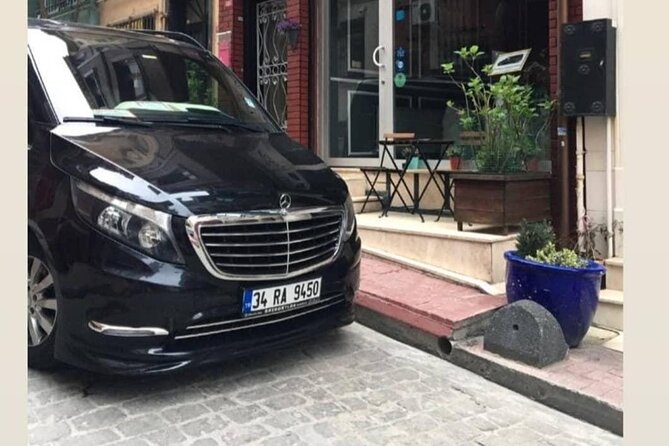
At $80 per person, the value is strongest when you factor in what is included and what is not. You get a professional guide on a private format, plus hotel or harbour pickup and drop off, regardless of which option you choose. You also get mobile ticket support and the tour runs in English.
Entrance fees are not included. That means you should budget separately for the paid sites on the plan like Hagia Sophia, Topkapi Palace, Dolmabahce Palace, and the cruise. On the bright side, several major stops are listed as free entry: Blue Mosque, Grand Bazaar, Hippodrome area, and Spice Market.
So yes, $80 is not an all-inclusive ticket price. But it is a fair price for paying for guidance, time-saving support, and the convenience of pickup/drop off. If you tried to do this on your own, you would spend time mapping routes, timing openings, and figuring out where you stand in the crowd.
Important reality check: you should clarify transport expectations with your guide. One disappointing experience described a mismatch between what the guide had planned and what the group ended up needing, including extra taxi use and meal expectations. I do not say this to scare you. I say it so you ask one simple question before you start: how will we move between stops if something changes, and what costs are personal vs tour-paid.
Who this tour suits best
This is a smart fit if you want to see the big Istanbul icons without turning your vacation into a logistics project. It is also great for couples and small groups who want private pacing and the chance to pause for questions and slower walking.
It also works for people who like structure. The day-by-day flow from Sultanahmet to Bosphorus gives you a natural narrative arc, and your guide can help tie the architecture to the political and religious shifts behind it.
If you hate crowded spaces, you can still enjoy this. Just treat it like a planned strategy: go with breaks, let the guide manage timing, and do not try to conquer every room in Topkapi at warp speed.
Should you book this private Istanbul tour?
I would book it if your priority is a guided, efficient tour of Hagia Sophia, Topkapi, the Blue Mosque area, Grand Bazaar, Dolmabahce, and a Bosphorus cruise without the stress of juggling tickets and timing. The private format plus pickup/drop off is the part you feel immediately.
Skip it only if you strongly prefer totally independent travel with zero surprises. This plan depends on guided coordination, and because some costs are not included, you should be clear upfront about entrance fees and personal expenses like food.
If you want the best chance of a smooth trip, pick the day carefully around closures and arrive ready to walk. Then let your guide do the heavy lifting: routing, explanations, and keeping you moving at a pace that works for your group.
FAQ
Is this tour private?
Yes. It is listed as a private tour/activity, meaning only your group participates.
Do I get hotel or port pickup and drop-off?
Yes. Pickup and drop-off are included from central Istanbul hotels or the port. If your hotel is not centrally located, the meeting point is in front of Hagia Sophia.
Where do we meet if there is no central hotel pickup?
The meeting point is at the German Fountain (Binbirdirek), At Meydanı Cd, 34122 Fatih/Istanbul, Türkiye. It is also stated that if you are not picked up, you meet in front of Hagia Sophia.
Are entrance fees included?
No. Admission tickets are not included. Some stops are free (like the Blue Mosque, Grand Bazaar, Hippodrome area, and Spice Market), but others like Hagia Sophia, Topkapi Palace, Dolmabahce Palace, and the Bosphorus cruise are not included.
What are the closing days for key sites?
Grand Bazaar is closed on Sundays. Hagia Sophia is closed on Mondays. Topkapi Palace is closed on Tuesdays. Dolmabahce Palace is closed on Mondays and Thursdays.
What happens if a museum is closed on your chosen day?
If the museum is closed, the itinerary is moved to the next available day. If that is not possible, the local supplier replaces the tour with a trip to the underground cistern or Galata Tower.
What’s included in the tour price?
Included items are a professional guide, a 1 or 2-day tour depending on the option, and a private tour. A mobile ticket is also included.
Do I need to plan for a weather issue?
Yes. The experience requires good weather. If it is canceled due to poor weather, you will be offered a different date or a full refund.
How much is a one-way transportation ticket?
A 1-way transportation ticket costs 30 TL, if you decide to use public transport on your own.