REVIEW · ISTANBUL
Turkish Anatolian Cooking Class and Food Styling Workshop
Book on Viator →Operated by Highlights in Türkiye Workshops · Bookable on Viator
Food styling class in Istanbul, with real chef tips. This Anatolian Cooking Class and Food Styling Workshop mixes hands-on cooking with plating lessons, plus the cultural stories that explain why each dish works. You start with a guided menu built around your dietary needs, then learn practical techniques from a professional chef and food stylist.
I really like how practical the instruction is. You get professional knife techniques, clear ingredient explanations, and the cooking logic behind each step. I also like that the workshop includes food styling and plating, so the class isn’t only about flavor—it’s about presentation too.
One thing to consider: private transportation isn’t included, so you’ll want an easy plan to reach the meeting point in Beyoğlu and return there at the end.
In This Review
- Key things worth knowing before you go
- Why this class feels like a workshop, not a tasting event
- Getting to Highlights in Istanbul Workshops in Beyoğlu (and back)
- The 3-hour flow: knife work, cooking technique, and styling in one session
- What you’ll actually cook: a tailored Anatolian menu
- Knife techniques you can use the next night
- Cooking chemistry: why the class doesn’t feel like guesswork
- Food styling and plating: learn the restaurant look
- Taste at the chef’s table, with included drinks
- What’s included in the $99 price (and what isn’t)
- Who should book this workshop in Istanbul
- Should you book the Taste of Anatolia workshop?
- FAQ
- How long is the Turkish Anatolian Cooking Class and Food Styling Workshop?
- What time does the workshop start?
- How much does it cost?
- Is the workshop offered in English?
- How big is the group?
- Where do I meet for the class?
- What’s included in the price?
- Can the menu be adjusted for dietary needs?
- Is there free cancellation?
Key things worth knowing before you go
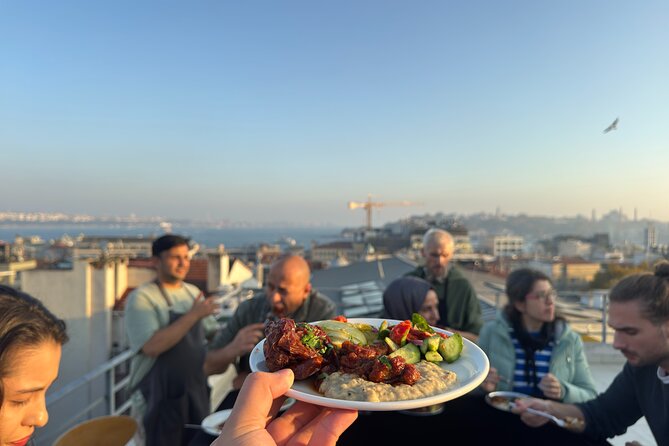
- Small group size (max 16) keeps the class feeling hands-on
- English instruction makes the techniques easier to follow
- Menu adjusts for your diet if you share your needs beforehand
- Knife skills + cooking chemistry teach the how and the why
- Plating and food styling help you make food look restaurant-ready
- Recipe list included so you can repeat the dishes at home
Why this class feels like a workshop, not a tasting event
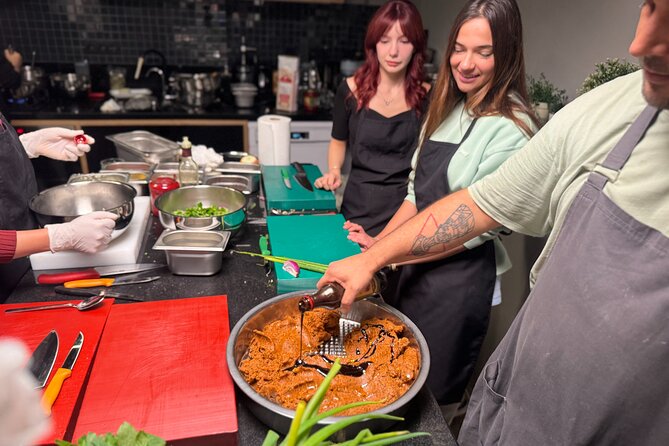
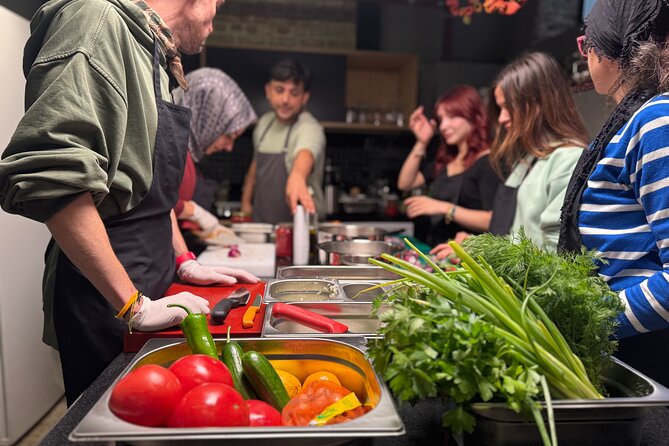
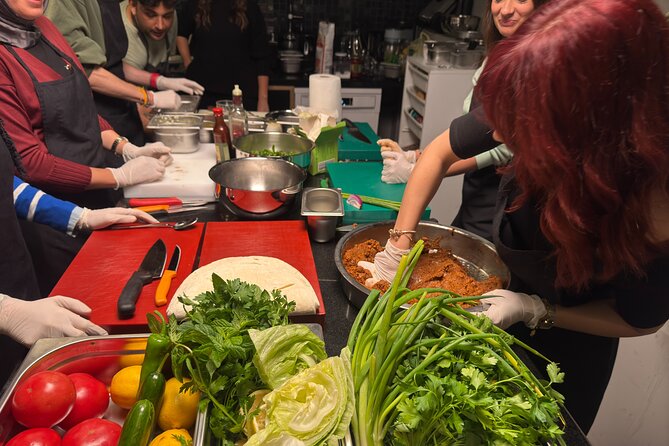
This isn’t a sit-and-watch experience. The format is built around doing: cutting, cooking, and styling your own dishes with guidance from a professional chef. Because the chef also has food-stylist and private-chef experience, you get instruction that covers both kitchen technique and how to make food look good under real-world conditions.
For you, the big win is skill-building. A good cooking class teaches flavors. A better one teaches process. Here, you’re taught professional knife techniques, proper cutting methods for vegetables and proteins, and the unique cooking techniques behind each dish. That combination makes the menu more than a one-time meal.
It also helps that the lesson is paired with cultural stories behind the recipes. Food in Turkey isn’t just food—it’s tradition, seasonality, and regional habits. Even when the exact dishes shift to fit your diet, the class still frames what you’re cooking so you understand the choices being made.
You can also read our reviews of more food & drink experiences in Istanbul
Getting to Highlights in Istanbul Workshops in Beyoğlu (and back)
The workshop starts at 2:00 pm at:
Highlights in Istanbul Workshops
Hacımimi, Lüleci Hendek Cd. no:20/A, 34000 Beyoğlu/İstanbul, Türkiye
It ends back at the meeting point, so you don’t have to plan a different finish location. The location is also near public transportation, which matters because the listing doesn’t include private transportation.
So if you’re staying around Beyoğlu, you’ll likely find it simple. If you’re farther out, give yourself extra time to get there and arrive a little early. In a class like this, being on time isn’t just politeness—it means you start cleanly instead of rushing through introductions and setup.
The 3-hour flow: knife work, cooking technique, and styling in one session
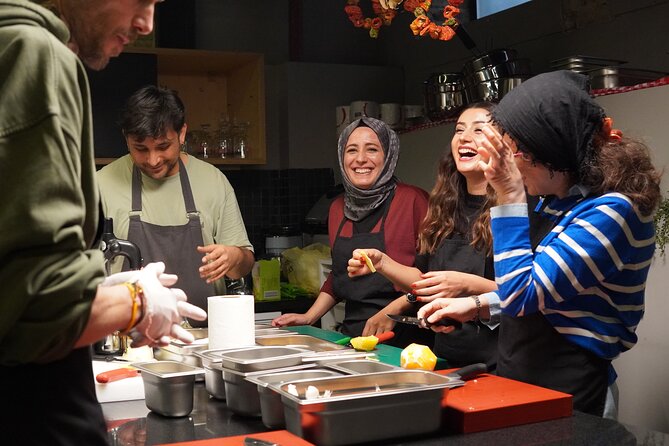
The duration is about 3 hours. In that time, the class covers several distinct skills, and they’re sequenced for learning.
First you get kitchen fundamentals—knife techniques and cutting methods for both vegetables and proteins. This is the kind of instruction that pays off later when you’re cooking at home. Good knife work changes everything: even cooking, safer handling, and better texture.
Next comes the cooking instruction. The workshop includes ingredient details and explanations plus the chemistry of cooking. That phrasing matters. It signals you’re not only memorizing steps. You’re learning what’s happening as heat changes ingredients—how to control outcomes like doneness, balance, and timing.
Then comes the part many cooking classes skip: food styling and plating. You learn how to present what you cook. It’s taught as a skill, not an afterthought.
Finally, you sit down to taste what you made around the chef’s table, and you get a special recipe list to recreate the dishes at home.
What you’ll actually cook: a tailored Anatolian menu
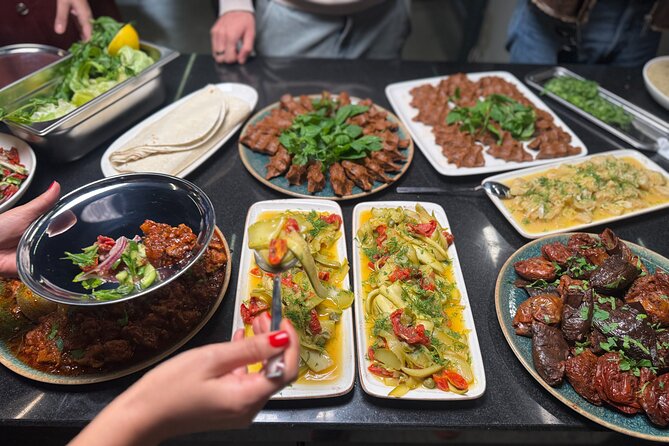
Your menu is made for you. The organizers say they’ll contact you beforehand to adjust the menu to your diet. That means the workshop tries to fit common needs rather than forcing you to just pick around what doesn’t work.
The sample structure looks like this:
- Starter: Soup
- Starter 2
- Salad
- Main
- Dessert
A key detail: you’re not just getting a plate of food and a few tips. The workshop teaches unique cooking techniques for each dish. So when you move from soup to salad to the main, you’re also switching technique and thinking. That’s a big part of why this class can feel satisfying, even if you’re a confident home cook. You get new methods instead of repeating the same approach five times.
Also, you’ll learn from ingredient-focused instruction. The included topics mention ingredient details and explanation, plus secret chef recipes. In practice, that usually means the chef is guiding you on what to watch for—how certain ingredients behave and what choices lead to the final taste and texture.
And yes, dessert is part of the plan. If you think cooking classes stop at savory dishes, you’ll be happy here.
Knife techniques you can use the next night
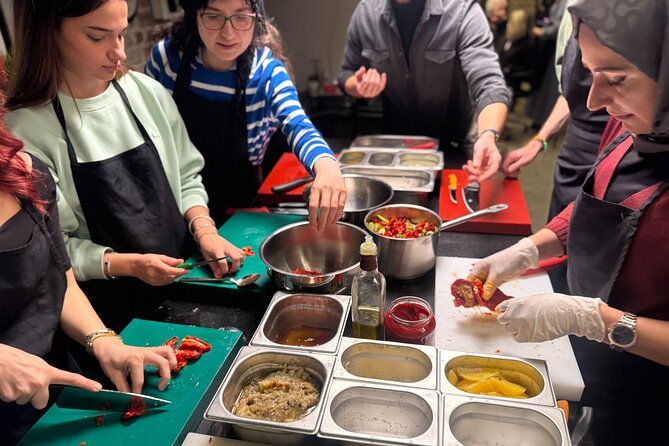
The workshop includes professional knife techniques and cutting methods for vegetables and proteins. That’s exactly what you want if your home cooking tends to feel inconsistent. When your pieces are different sizes or your cut is uneven, cooking times and texture get messy fast. Better cuts help everything: browning, softness, and even how sauces and seasonings cling to food.
The chef also teaches during prep, not just as a lecture. You’re actively preparing dishes, so the technique sticks because you apply it immediately. And because the instruction is tied to real recipes on your table, you’re learning cuts in context—rather than practicing random knife drills with no connection to dinner.
If you’ve ever struggled to get vegetables cooked properly without losing their texture, this is the type of class where you can fix that. And if proteins are part of what you cook most at home, you’ll appreciate the focus on cutting methods rather than treating protein prep like an afterthought.
A few more Istanbul tours and experiences worth a look
Cooking chemistry: why the class doesn’t feel like guesswork
One of the included items is the chemistry of cooking. That can sound fancy, but here’s how it becomes useful for you: it turns cooking from a guessing game into a set of cause-and-effect ideas.
You’ll also get cooking techniques for the dishes you make. Combined with ingredient explanations, you can start understanding why the chef steers you toward certain steps. That matters because Anatolian cooking often relies on balance—heat control, acidity and freshness in salads, and the way soups and mains develop flavor.
You’ll leave with a better sense of what to adjust at home. More salt or less? Different timing? Swap ingredient? You’ll have a framework, not only a list of steps.
And based on the positive feedback people share, the class is known for many menu items, cooking tips, and great recipes. That lines up with the workshop style: multiple dishes, each with a reason for how it’s done.
Food styling and plating: learn the restaurant look
This workshop is specifically a food styling and plating lesson, not just a cooking lesson. After you cook, you also practice presentation.
Here’s what you can expect from plating instruction in a workshop like this:
- learning how to arrange the components of each dish so it looks intentional
- styling choices that keep the food attractive when served at the table
- plating as a step in the process, not something you do at the last second
For your dinner at home, this is one of the most practical takeaways. Once you learn a plating approach, your meals stop looking like “whatever fit on the plate.” You’ll also feel more confident photographing and serving food, because the chef’s guidance gives you a simple way to build visual order.
This is also where you’ll likely notice the advantage of a chef with food-stylist experience. The teaching doesn’t stop at taste—it’s about making the finished dish look right.
Taste at the chef’s table, with included drinks
After cooking, you gather around the chef’s table to share and savor what you made. That part matters more than it sounds. Many cooking classes end abruptly after cleanup. Here, the chef’s table tasting gives you a clear moment to evaluate your results: how your soup tastes, whether your salad hits the right balance, how your main turned out, and how your dessert finishes the meal.
The class also includes soda/pop tea, coffee and soft drinks, so you’re not scrambling to find refreshments during a multi-dish workshop.
This wrap-up is also when the lesson sticks emotionally. You taste your own work immediately, while the technique explanations are still fresh in your head. That makes the recipe list you receive at the end more usable.
What’s included in the $99 price (and what isn’t)
Price: $99.00 per person
Duration: about 3 hours
Group size: max 16
Language: English
Ticket: mobile ticket
Included:
- cooking ingredients
- professional knife techniques
- cooking techniques
- ingredient details and explanation
- the chemistry of cooking
- secret chef recipes
- soda/pop tea, coffee, and soft drinks
Not included:
- private transportation
For value, the key is what you’re getting for the money. You’re paying for more than a meal. You’re paying for hands-on instruction that includes knife work, cooking method, food styling, plating skills, and take-home recipes. On top of that, ingredients and drinks are included, which keeps the class from turning into an extra-cost event.
The private transportation note is the only clear downside on the practical side. If you’re relying on taxis or need door-to-door help, you’ll arrange that yourself. But the meeting point is near public transportation, so for most visitors it won’t be a dealbreaker.
Who should book this workshop in Istanbul
You’ll get the most out of this if you:
- want practical skills you can repeat at home
- care about presentation and not only taste
- like learning the why behind cooking steps
- are comfortable cooking alongside others in a group class
- have dietary needs you want addressed, since the menu can be adjusted beforehand
It’s also a strong choice if you’re a beginner but motivated. Knife technique and cooking chemistry are taught as part of the workshop, not as advanced trivia. And it’s a good option for experienced cooks too, because the focus on multiple dishes and plating can still add new angles.
Should you book the Taste of Anatolia workshop?
Book it if you want a fun, structured cooking class that teaches real technique: knife skills, cooking logic, and food styling and plating. The workshop format is built to make you leave with both a full meal experience and usable skills plus a recipe list.
Skip—or at least think twice—if you hate hands-on work or you only want a quick tasting. Also plan your transport in advance because private transportation isn’t included.
If you can get to Beyoğlu easily and you’re hungry for technique, this is a smart use of a few hours in Istanbul.
FAQ
How long is the Turkish Anatolian Cooking Class and Food Styling Workshop?
It lasts about 3 hours.
What time does the workshop start?
The start time is 2:00 pm.
How much does it cost?
The price is $99.00 per person.
Is the workshop offered in English?
Yes, it is offered in English.
How big is the group?
The workshop has a maximum of 16 travelers.
Where do I meet for the class?
Meet at Highlights in Istanbul Workshops, Hacımimi, Lüleci Hendek Cd. no:20/A, 34000 Beyoğlu/İstanbul, Türkiye.
What’s included in the price?
Included are cooking ingredients, professional knife techniques, cooking techniques, ingredient details and explanations, the chemistry of cooking, secret chef recipes, and soda/pop tea, coffee, and soft drinks.
Can the menu be adjusted for dietary needs?
Yes. The organizers will get in touch beforehand to adjust the menu to your diet.
Is there free cancellation?
Yes. You can cancel for a full refund up to 24 hours in advance of the experience’s start time.