REVIEW · KONYA
Rumi Route: A self-guided audio tour into Rumi’s world
Book on Viator →Bookable on Viator
Rumi lives on in Konya street corners. This self-guided audio tour lets you walk at your own pace while you learn about Rumi’s life (13th-century Konya) and his friendship with Shams of Tabriz, plus the Seljuk world around him. I especially like the clear, local-feeling narration and the fact that you get offline lifetime access, so you can come back later without planning another trip. One possible drawback: navigation can get a bit confusing near the end, so you’ll want to trust the app directions when you reach the last stretch.
You’ll pass a chain of meaningful sites—mosques, tombs, and the Mevlana Museum area—while the audio weaves Rumi, whirling dervishes, Anatolian carpets, and Sufi music into a single walking route. At just 30 to 45 minutes and $5.33 per person, it’s also a surprisingly low-cost way to turn a simple walk into an educational one without ticket hassles. Just keep in mind you’ll need your own smartphone and headphones to hear the audio (they’re not included).
In This Review
- Key things to love about the Rumi Route audio walk
- Konya and Rumi: why this route makes sense on foot
- Price and value: what $5.33 buys you (and what it doesn’t)
- Getting set up with VoiceMap: offline, headphones, and phone reality
- Where you start and where the walk ends in Konya
- Walking the Rumi Route: stop-by-stop in real city space
- 1) Şemsitebrizi to İplikçi Camii (the walk starts with context)
- 2) Shams of Tabriz Masjid and Tomb (where the story turns)
- 3) Şerafettin Türbesi (a reminder that this is a living spiritual map)
- 4) Kapı Camii (mosque stop, city rhythm)
- 5) Azizia Mosque (more Seljuk-era texture in motion)
- 6) Sultan Selim Mosque (you’re nearing the museum area)
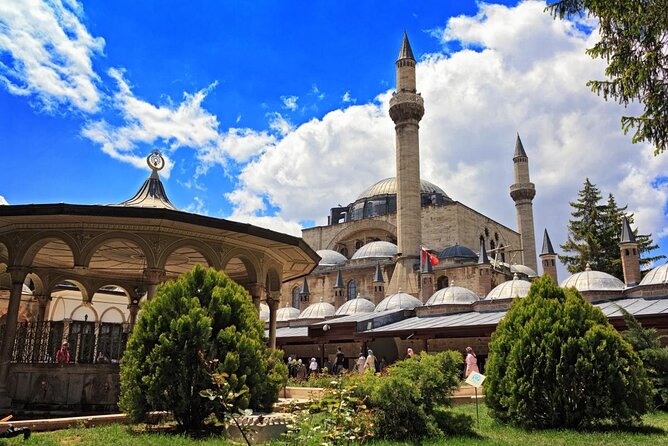
- 7) Mevlana Museum (the cultural hub endgame)
- 8) End near Konya Kitchen (the one part you should double-check)
- What the audio covers: whirling dervishes, carpets, music, and cuisine
- Timing and pacing: fit it into a busy Konya day
- Navigation and the end stretch: how to avoid getting turned around
- Who should book this Rumi Route audio tour
- Should you book the Rumi Route audio tour?
- FAQ
- How long is the Rumi Route audio tour?
- What does the tour cost?
- Is this a guided tour with a person or self-guided?
- Do I need internet to use the tour?
- Are museum tickets included for stops along the route?
- What do I need to bring with me?
Key things to love about the Rumi Route audio walk
- Offline lifetime access to audio, maps, and geodata via the VoiceMap app
- English narration that connects Rumi, Shams of Tabriz, and Konya’s Seljuk era
- A tight 30–45 minute walk through recognizable Konya landmarks
- Meaningful stop sequence: İplikçi Camii, Shams of Tabriz Masjid and Tomb, Şerafettin Türbesi, Kapı Camii, Azizia Mosque, Sultan Selim Mosque, Mevlana Museum area
- Seljuk cuisine and Sufi Museum topics included in the audio experience
Konya and Rumi: why this route makes sense on foot
Konya is built for slow wandering. The city has a way of turning religious and artistic life into everyday scenery—mosques, tombs, and museums sit close enough that you can connect them without burning a whole day.
This tour works because it doesn’t ask you to “do Konya” in one big rush. You move at your pace, and the audio gives you context as you pass the landmarks. Instead of only seeing buildings, you start noticing why those places matter in Rumi’s world: Seljuk-era scholarship, Sufism, and the cultural currents behind whirling dervishes, poetry, and music.
You can also read our reviews of more tours and experiences in Konya.

Price and value: what $5.33 buys you (and what it doesn’t)
For $5.33 per person, the real value is not the sites themselves—it’s the delivery method. You’re paying for lifetime access in English, plus offline use through the VoiceMap app. That means you can replay the tour, revisit the same streets, or use the route as a planning tool for your next Konya day.
What you should not expect: this isn’t a ticketed museum package. Tickets or entrance fees for any stops are not included, and you’ll also need to bring your own smartphone and headphones. If you want to spend extra time inside places like the Mevlana Museum, plan on adding time and paying entry separately.
Getting set up with VoiceMap: offline, headphones, and phone reality
This is a self-guided tour, so you’re the navigator. The included tech is helpful: the VoiceMap app for Android and iOS comes with offline access to audio, maps, and geodata. That’s a big deal in historic centers where reception can be spotty.
To enjoy it smoothly, bring:
- Your smartphone (needed to run the app)
- Headphones (not provided)
You’ll want to download and test the audio before you start, especially if you’re traveling during hot months when battery anxiety becomes a sport. Once it’s loaded, you’re set.
Where you start and where the walk ends in Konya
You begin at Şemsitebrizi, Mevlana Cd. No:11, 42030 Karatay/Konya. The listed end point is near Tarihi Konya Köşkü Sarıyakup, Piri Esat Cd. No:5, 42020 Karatay/Konya.
The tour is listed as effectively available all day (the provided schedule shows 12:00 AM–11:59 PM within the date range). In plain terms: this audio route is built for flexibility, not for a specific timed entry.
One practical caution from experience using these kinds of city walks: the ending reference is sometimes less stable than the start. The route ends near Konya Kitchen, and I’d treat that as “aim near that area” rather than “walk to a single fixed door.” If the place you’re expecting isn’t there, use the app map to finish the route confidently.
Walking the Rumi Route: stop-by-stop in real city space
The best way to do this tour is to treat each stop like a bookmark. The audio gives you background, then you glance around and anchor it to what you see: architecture, location, and how Konya organizes sacred life.
Below is what the walk includes along the way, in the order you’ll encounter it.


1) Şemsitebrizi to İplikçi Camii (the walk starts with context)
You’re starting near Şemsitebrizi on Mevlana Cd., a logical place to begin because it puts you close to Konya’s Rumi orbit. From there, the route passes İplikçi Camii.
As you move, the audio narration is the main “guide.” It sets you up with the idea that Rumi’s work and spiritual ideas didn’t come from nowhere—they were shaped by the people and institutions of 13th-century Konya and the broader Seljuk-era environment.
2) Shams of Tabriz Masjid and Tomb (where the story turns)
The tour includes a brief pause in front of the Shams of Tabriz Masjid and Tomb. This is one of the emotional anchors of Rumi’s story: your tour frames Shams as a central influence on Rumi’s poetry and thought.
This stop is also a good time to slow down, look, and listen. Even if you don’t know a word of Turkish, you can still feel how the area is meant to be respected. The audio helps you connect why that respect exists.
3) Şerafettin Türbesi (a reminder that this is a living spiritual map)
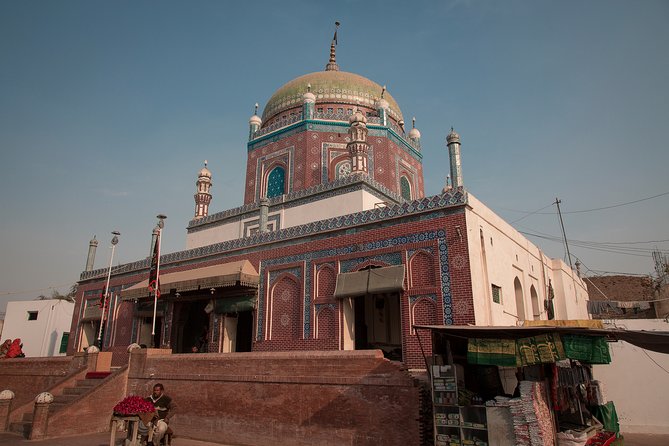
Next on the route is Şerafettin Türbesi. Tombs in Konya aren’t just historical markers—they’re part of the city’s ongoing spiritual geography.
This is where the audio approach shines. Instead of you trying to research on your phone mid-walk, the narration can give you the why as you stand in the space.
4) Kapı Camii (mosque stop, city rhythm)
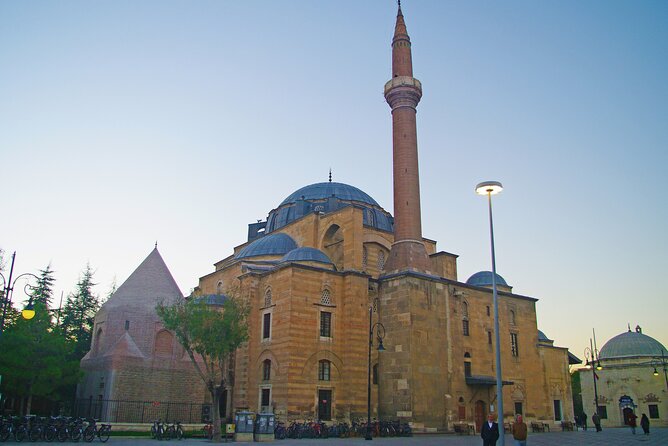
You’ll pass Kapı Camii. “Camii” is a mosque, but the point here is how these sites stitch into everyday streets. The route keeps you moving through real neighborhoods, not just museum zones.
If you get impatient during audio tours, this is one place to check yourself. You don’t have to sprint. A slow glance at the building details and surrounding street layout makes the story land better.
5) Azizia Mosque (more Seljuk-era texture in motion)
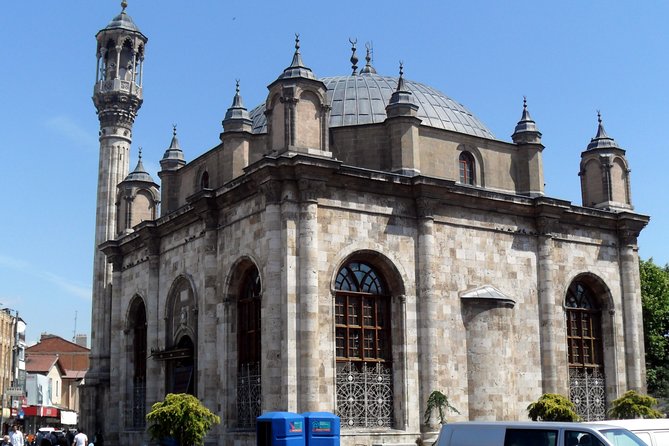
Then comes Azizia Mosque. The tour links these stops to the larger cultural era around Rumi—Seljuk life, sacred architecture, and the wider Sufi world forming in Konya.
This part is useful if you like travel where you can look up and recognize what you’re seeing: more than one mosque means more than one “chapter” of the city’s spiritual landscape.
6) Sultan Selim Mosque (you’re nearing the museum area)
The route passes Sultan Selim Mosque before reaching the Mevlana Museum zone. This is a good time to keep your audio volume steady and your phone charged, because you’re in the final approach to the tour’s central cultural sites.
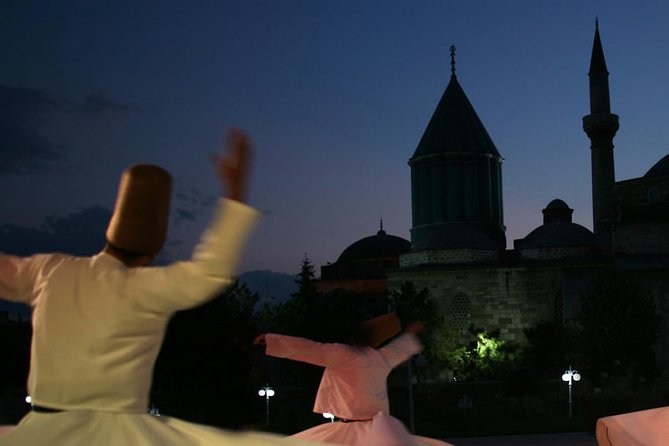
The audio’s themes—whirling dervishes, Sufi music, Rumi’s ideas in Islamic philosophy and Sufism—start to feel less abstract as you get closer to where Konya presents Rumi’s legacy publicly.
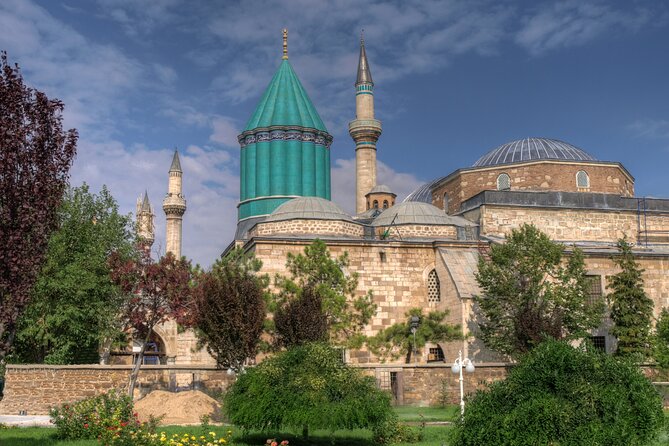
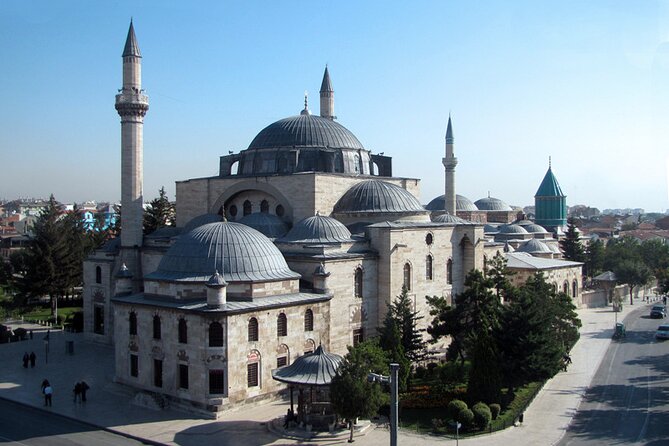
7) Mevlana Museum (the cultural hub endgame)
The tour passes by the Mevlana Museum. This is the obvious place where Rumi’s name becomes a museum-grade story, but you don’t need to buy tickets to benefit from the audio.
Use this moment strategically:
- If you want museums, you can extend your visit from here.
- If you’re on a time crunch, you’ve still gotten the background that makes the area easier to understand.
8) End near Konya Kitchen (the one part you should double-check)
The tour ends near Konya Kitchen. One issue that can happen with self-guided city routes is that “near X” can turn into “wait, what happened to X?”
If you see that problem, don’t panic. Keep following the VoiceMap map and finish the route from the digital directions. This is one area where I’d build in a little extra patience.
What the audio covers: whirling dervishes, carpets, music, and cuisine
The route isn’t only about famous names. It also covers the cultural outputs tied to Rumi’s spiritual world, including whirling dervishes, Anatolian carpets, Sufi music, and Seljuk cuisine.
Here’s why that matters: Rumi wasn’t just writing poems in a vacuum. His ideas traveled through art forms, music styles, and daily culture. You’ll get a better sense of why carpets, songs, and food traditions belong in the same conversation as Islamic philosophy and Sufism.
One standout feature: the highlights promise Seljuk Cuisine and Sufi Museum topics during your tour. Even if you don’t go inside anything, those audio segments can change how you interpret what you see around you—especially if you’re also planning to eat your way through Konya later.
Timing and pacing: fit it into a busy Konya day
A 30 to 45 minute duration is ideal for people who want a meaningful walk without turning their day into a marathon. It’s also a smart first-day activity because it gives you context before you start choosing deeper visits.
If you’re traveling with a group, this sort of tour is flexible. It’s listed as private for your group only, but you personally still control the pace since the tour is audio-guided.
Tip: start when you have enough daylight to enjoy the street scenes. If it’s late and you’re tired, the audio may carry the story, but your eyes won’t get the same payoff from the landmarks.
Navigation and the end stretch: how to avoid getting turned around
A self-guided walk lives or dies by one thing: whether you can find the next point without stress. The tour’s big strength is the offline maps and geodata in VoiceMap, which helps a lot.
Still, the route has a known weak spot at the end. The ending reference is near Konya Kitchen, and if that doesn’t match what you find on the ground, you might feel a little lost during the finish.
My practical advice:
- Keep the app open at key moments near junctions.
- Don’t wait until the final minute to check where you are.
- Trust the VoiceMap directions over street guessing.
If you follow that, you’ll protect the experience from the most annoying kind of travel problem: spending emotional energy on navigation when you could be listening to the story.
Who should book this Rumi Route audio tour
This tour is a good fit if you:
- Like walking tours but don’t want a rigid schedule
- Want context for Rumi and Shams of Tabriz beyond quick sightseeing
- Prefer self-guided learning with offline access
- Want a low-cost way to add meaning to landmarks around the Mevlana Museum area
It might not be ideal if you strongly dislike any phone-based navigation. You do need the smartphone and headphones, and you’ll be following the audio plus the map.
If you’re the type who likes to hop from café to café, this is also handy because it’s short. You can do it before food plans, or after a museum visit, without losing half the day.
Should you book the Rumi Route audio tour?
I’d book it if your goal is to turn a short Konya walk into a guided-feeling experience. For $5.33 you get English narration, lifetime access, and the ability to replay offline anytime—plus a route that takes you past recognizable Rumi-linked landmarks like İplikçi Camii, the Shams of Tabriz Masjid and Tomb, and the Mevlana Museum area.
Skip it (or consider another option) only if you’re expecting a fully ticketed, museum-heavy day or if you hate following digital directions near the end point. The tour is best when you go in knowing it’s a walking audio experience, not a guided group museum tour.
If you want an efficient way to understand Rumi’s Konya—poetry, Sufism, whirling dervishes, and the city’s sacred architecture—this one is a solid buy.
FAQ
How long is the Rumi Route audio tour?
It takes about 30 to 45 minutes.
What does the tour cost?
The price is $5.33 per person.
Is this a guided tour with a person or self-guided?
It’s self-guided. You use the VoiceMap app for the English audio narration.
Do I need internet to use the tour?
No. Offline access is included for the audio, maps, and geodata.
Are museum tickets included for stops along the route?
No. Tickets or entrance fees to museums or other attractions are not included.
What do I need to bring with me?
Bring your smartphone and headphones. Transportation and food/drink are not included.