REVIEW · KONYA
Best of Konya: Private Walking Tour with a Local
Book on GetYourGuide →Operated by Humrahe · Bookable on GetYourGuide
Konya feels spiritual even at street level, and this private walking tour is a smart way to experience that vibe without getting stuck on the usual checklist. I especially like how flexible it is to your interests, and how the highlight is the Mevlana Museum and Rumi’s tomb—Konya’s spiritual center in a place you can feel immediately.
The trade-off: this is guided by a friendly local, not a professional lecturer, and the tour leans more toward local culture than deep, date-perfect history. If you want a tightly scripted itinerary and lots of exact facts, you may need to prompt your guide more than usual.
In This Review
- Key things I’d put on your Konya radar
- Why this Konya private walk works better than the generic tour
- From Alaeddin Hill to the historic center: getting oriented on foot
- The Mevlana Museum and Rumi’s tomb: the stop that sets the tone
- Tea squares and everyday Konya: where locals actually slow down
- Seljuk and Ottoman details: spotting what your guide helps you notice
- Sema tickets and local planning: practical help that saves time
- How flexible pacing changes the whole experience
- Price and value: is $20 per person fair?
- What could disappoint you (and how to prevent it)
- Who this tour is best for
- Should you book this Konya walking tour?
- FAQ
- Where does the tour start?
- How long is the Konya walking tour?
- Is this tour private?
- What languages do the guides speak?
- Is the tour wheelchair accessible?
- What’s included in the price?
- What is not included?
- If we visit a place with an entry fee, do we pay for the guide too?
- What should I wear?
- What’s the cancellation policy?
Key things I’d put on your Konya radar
- Private, no-outsiders feel: You get your group’s pace and preferences, not a packed group shuffle.
- Start at Alaeddin Hill: A classic Konya starting point that helps you get oriented fast.
- Mevlana Museum as the emotional anchor: Rumi’s resting place is the kind of stop that slows your steps.
- Tea-square Konya: You’ll spend time where locals gather, not just where photos are easy.
- Sema planning help: Your guide can help with practical steps like booking tickets for the Sema.
- Culture-first walking: Relaxed exploration with stories and local context over heavy historical lectures.
Why this Konya private walk works better than the generic tour
Konya can be intense—in a good way. The city has a spiritual reputation, but it’s also lived-in: people commute, sip tea, argue politely over small things, and wander courtyards that look like they’ve been waiting for you. This tour format matches that reality.
With a private walking tour, you’re not competing with other groups for space at doorways or rushing because someone’s watching the clock. And because the schedule is flexible, your guide can steer the walk toward what you care about most—maybe that’s religious sites, architecture, everyday local life, or simply finding the best places to eat.
One more plus: Konya is not a city where you’ll feel satisfied just by ticking attractions. The value here is learning how the city works at human speed.
You can also read our reviews of more tours and experiences in Konya.
From Alaeddin Hill to the historic center: getting oriented on foot
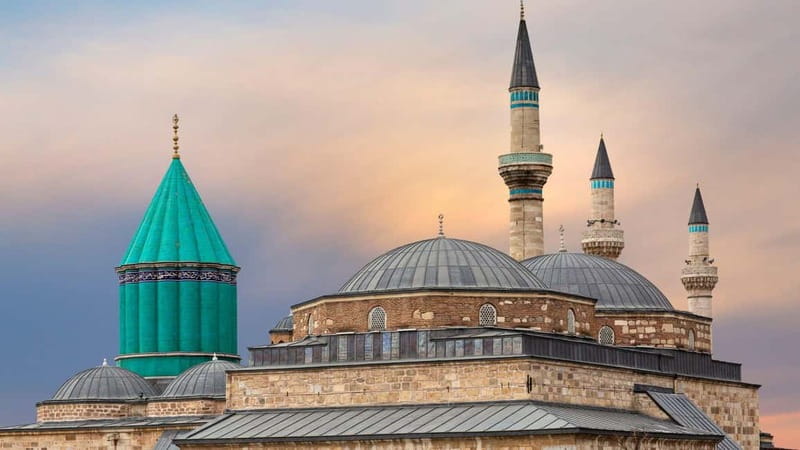
The meeting point is Alaeddin Hill, which is a useful start for one big reason: it’s a quick mental anchor. Even before you get into specific sights, you start to understand how Konya is laid out and why the center feels like it does.
From there, expect a walking route through parts of the historic core where traditional bazaars and charming courtyards show up. That matters more than it sounds. Bazaars in Central Anatolia aren’t just for buying stuff—they’re social spaces, and courtyards are where you notice the architecture you’d otherwise miss while glancing at a map.
What makes this stretch worthwhile is the pace. You’re not just moving between landmarks. You’re getting context from your guide as you walk—what locals consider important, what tourists usually overlook, and where to pause so the city makes sense.
Practical tip: Wear comfortable shoes from the start. This is a walking tour for a reason, and Konya’s stone surfaces can be harder on your feet than you expect.
The Mevlana Museum and Rumi’s tomb: the stop that sets the tone
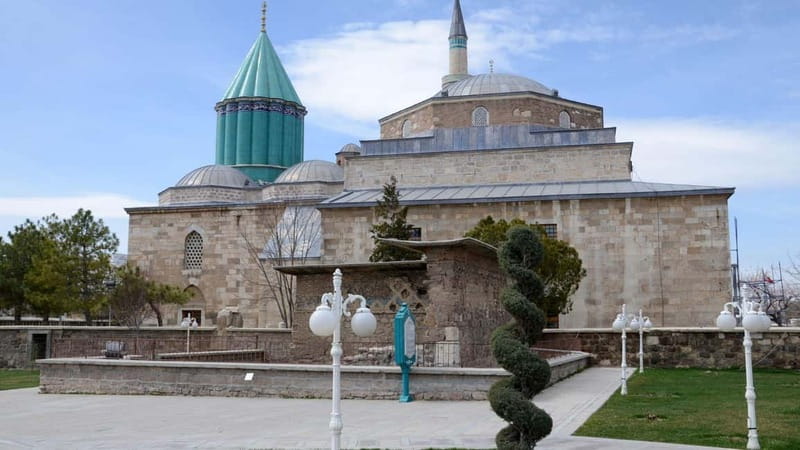
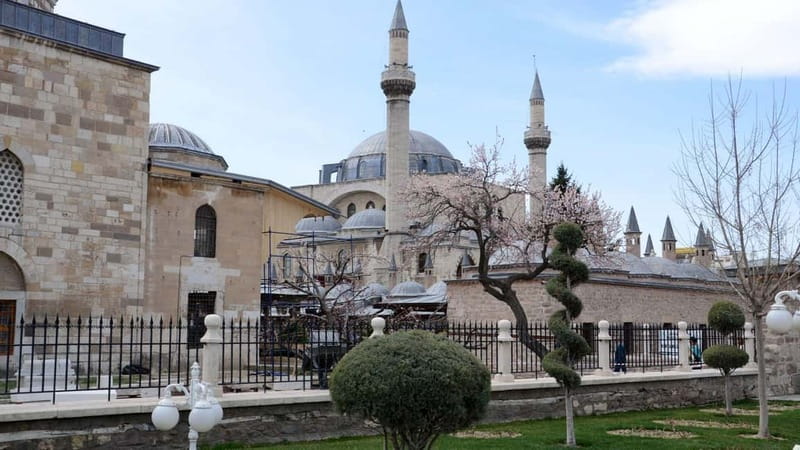
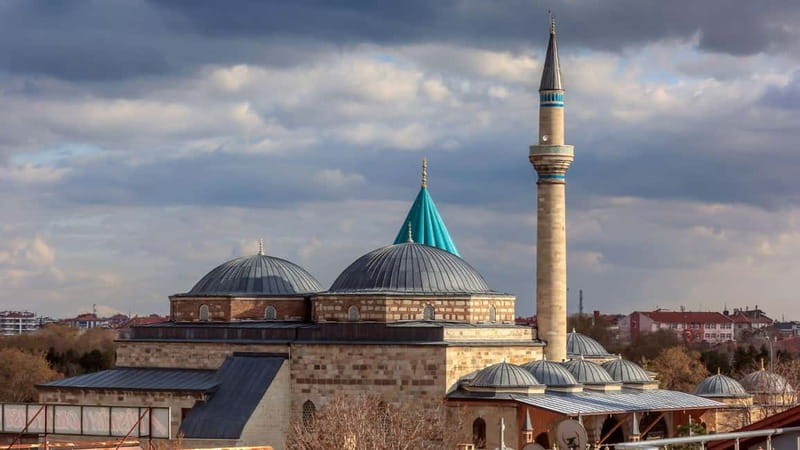
The Mevlana Museum—connected to Rumi’s resting place—is the emotional core of the tour. Even if you know only the basics about the Whirling Dervishes story, this is the kind of site that creates a physical shift in your mood. You slow down. You look longer. You start listening for meaning in the details.
Why this stop is such good value on a guided walk: your guide can help you make sense of what you’re seeing without turning it into a lecture. You’re there to feel the place, but also to understand what matters and what to notice so you don’t leave with only photos and vague impressions.
The guide style can vary (since this is a friendly local, not a formal historian), but the site itself does most of the work. Still, it helps to go in with questions ready—things like what visitors should focus on, or what symbol you’re supposed to understand in plain terms.
If you care about exact dates: you might want to ask directly. One previous guide experience highlighted that the guide was very helpful and honest, but could have used a bit more in certain key historical points. That’s a reminder that your questions set the level of depth you’ll get.
Tea squares and everyday Konya: where locals actually slow down
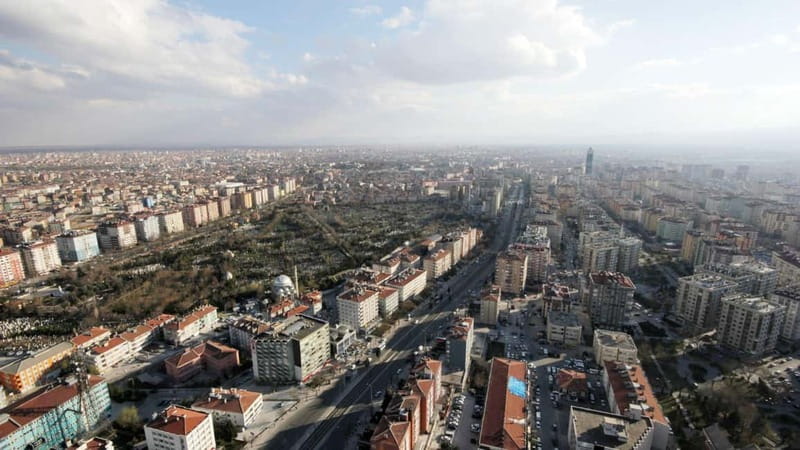
A strong part of this tour is the time spent away from the main tourist routes. You’ll walk tree-lined avenues and find hidden squares where locals gather for tea and conversation. This is where Konya stops feeling like an itinerary and starts feeling like a city.
These stops are easy to underestimate. But when a guide shows you where people sit, how they order, and how they talk about their day, you learn more about the culture than you will from another photo inside a monumental building.
Look for what these places do to the walk: they create natural pauses. You get a breather. You get a chance to ask questions. And you can adjust the pace if your group has energy for more walking or less.
Practical tip: If you like food, ask early. Your guide can share local recommendations for traditional Konya meals and where to go next. The tour doesn’t include food costs, so you’ll be deciding what to buy yourself—but you’ll be buying with confidence.
Seljuk and Ottoman details: spotting what your guide helps you notice
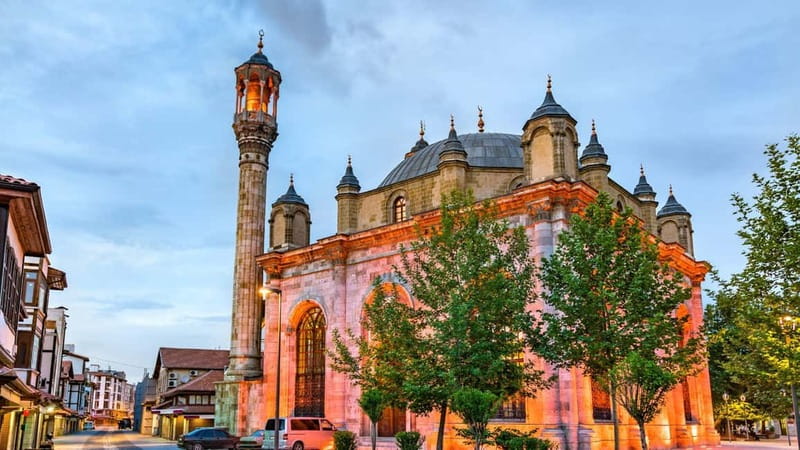
Konya’s architecture is often described in broad terms, but what you’ll enjoy on this tour is the ability to actually spot the mix of styles as you walk. Expect to see Seljuk and Ottoman architecture reflected in mosques and historic landmarks around the center.
Even when you can’t name every element, a good guide helps you recognize patterns: how forms change from one area to another, what kinds of buildings feel older, and which features show up repeatedly. That’s why a local-led walk beats an audio guide for me—the explanation comes with the route.
At the same time, keep your expectations aligned with the tour’s purpose. The tour emphasizes local culture over deep, technical history lessons. You’ll get guidance and context, but you shouldn’t expect a classroom-style, fact-heavy seminar.
You can also read our reviews of more private tours in Konya

Sema tickets and local planning: practical help that saves time
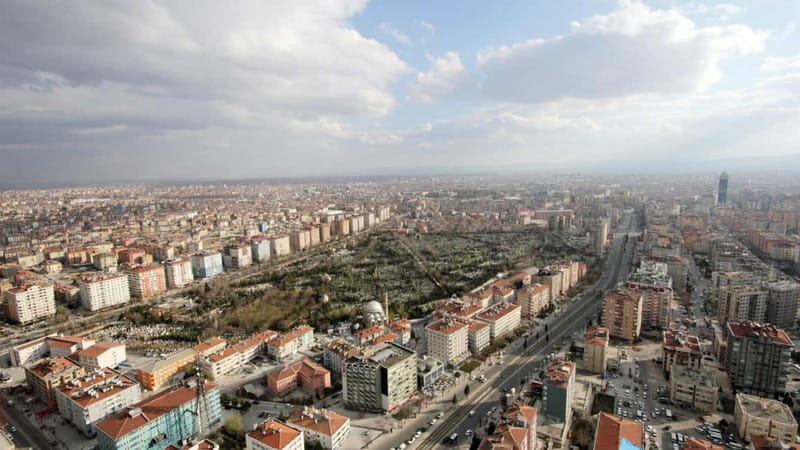
One of the most useful pieces of value is what happens outside the walls. This tour is designed to help you navigate Konya like a resident, and that can include support for booking Sema tickets if you want to attend.
That matters because religious performances and events can be easier when someone knows the right steps and timing. The guide can also offer guidance on where you’ll have the best experience, and how to plan your day so the walk still feels relaxed instead of rushed.
If you’re considering the Sema, I’d treat it as a planning decision you make with your guide, not an afterthought. Ask about timing and practical steps during your walking time, so you don’t end up scrambling later.
How flexible pacing changes the whole experience
The tour is built to match your interests, and that’s not just marketing language. Flexibility affects the emotional tone of the day.
If you’re the type who wants to move quickly between “must-sees,” your guide can keep the walk efficient. If you’re the type who likes to linger over courtyards, architecture, or tea stops, you’re not punished with a hard schedule.
You’ll also enjoy the private-group setup here. On a busy day, it’s much easier for a guide to slow down and still feel like you’re getting a full experience when it’s just your group.
Practical tip: Before you start, tell your guide what you want most. Mevlana Museum focus? Architecture photos? Local food? Tea-and-conversation pace? The clearer you are, the better the route can fit you.
Price and value: is $20 per person fair?
At about $20 per person, this is priced like a budget-friendly way to get a lot of human value—someone who knows where to walk, what to pay attention to, and how to keep things comfortable.
Here’s how I’d judge the value beyond the dollar number:
- You’re paying for a private experience, which usually costs more than group tours.
- You’re paying for local insight and practical direction, like where to find traditional food and how to handle things like Sema tickets.
- You’re not paying for a “deep history lecture,” so the tour costs reflect a lighter, more culture-led approach.
If you want thick historical analysis and a guaranteed level of narrative detail, you might feel differently about value. But if you want a calm, personal walk that connects you to real Konya life, $20 can be a very reasonable spend.
What could disappoint you (and how to prevent it)
Because the guide is a friendly local rather than a certified professional and because the emphasis is more on culture than deep history, your results can depend on your expectations.
One important caution: there’s an example of a booking where the experience was criticized for lack of a planned itinerary and lack of narrative. That doesn’t mean every guide will be like that, but it does mean you should take control of the structure.
To reduce the risk, do these simple things:
- Ask your guide to share what the route will cover in plain terms.
- Tell them what you want to see (for example, Mevlana Museum, tea stops, architecture focus).
- If you care about specific facts, ask questions directly about the topics that matter to you.
Also remember: tickets and entries are not included. If you choose paid attractions, you’ll cover those costs on your own, and there’s an extra note that you should cover the guide’s cost as well when you visit an entry-fee site.
Who this tour is best for
This Konya private walking tour is a great fit if you want:
- A laid-back pace rather than a rushed “see everything” route.
- A local’s perspective on daily life, tea culture, and where people actually spend time.
- Help planning practical pieces, including traditional food recommendations and possible Sema booking support.
- A guided experience that doesn’t lock you into heavy academic history.
It may not be the best fit if you’re the kind of visitor who needs a very detailed, scripted historical narrative with exact dates at every stop.
Should you book this Konya walking tour?
I’d book it if your goal is to experience Konya as a living city, not just as a checklist of monuments. The combination of private pacing, time in meaningful spiritual space at the Mevlana Museum, and attention to local culture like tea squares makes it feel practical and human.
Skip it or set firm expectations if you’re looking for a tightly timed itinerary with maximum factual density. In that case, you might want a tour style that clearly promises deep, structured lecturing.
If you do book: show up with comfortable shoes, tell your guide what you care about, and ask questions during the walk. That’s how you turn a good local experience into a great one.
FAQ
Where does the tour start?
The meeting point is Alaeddin Hill.
How long is the Konya walking tour?
The duration is 1 to 6 hours, depending on your selection and availability.
Is this tour private?
Yes. It’s a private group experience with no outsiders.
What languages do the guides speak?
The tour guide is available in English and Turkish.
Is the tour wheelchair accessible?
Yes, it’s listed as wheelchair accessible.
What’s included in the price?
You get a private experience, a flexible schedule, a personalized walking tour guided by a friendly local, and local tips for culture and easier exploration.
What is not included?
Food and drink, transportation, paid attractions/ticket fees, personal expenses, and the fact that the guide is not a professional tour guide are not included.
If we visit a place with an entry fee, do we pay for the guide too?
Yes. If you choose to visit an attraction with an entry fee, please cover the guide’s cost as well (optional, according to the information provided).
What should I wear?
Wear comfortable shoes, since it’s a walking tour.
What’s the cancellation policy?
You can cancel up to 24 hours in advance for a full refund.