REVIEW · ISTANBUL
Private Bosphorus Cruise with Luxury Yacht
Book on Viator →Operated by Yacht Cruises: Bosphorus · Bookable on Viator
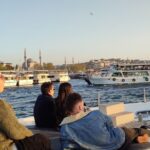
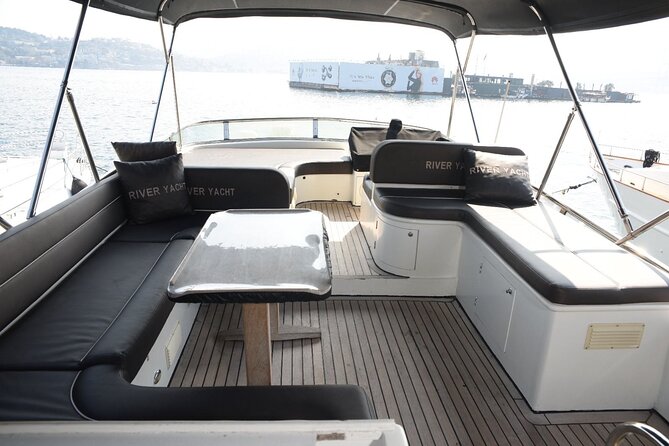
One deck, two continents, zero waiting. This private Bosphorus cruise is a fast way to see Istanbul’s highlights while enjoying tea and snacks on a luxury yacht.
What I like most is how quickly it gives you perspective: you’re not just looking at landmarks, you’re learning what they meant. You’ll get views tied to the European and Asian sides, plus big-ticket sights like the Bosphorus Bridge and the Second Bosphorus Bridge in a single 2-hour loop.
One thing to consider: transfers aren’t included, so you’ll want a simple plan for getting to the start point near public transportation. And since this is a cruise (not a guided museum ticket), you’ll experience these places mainly from the water, not with long stops inside.
In This Review
- Key points before you board
- Why this private Bosphorus yacht feels like the best use of 2 hours
- The route that strings Istanbul’s icons together
- Dolmabahçe Palace: a Neoclassical-Baroque face to Ottoman power
- Çırağan Palace: the Ottoman luxury story, plus a fire-and-restore twist
- Ortaköy: Mosque views, café culture, and street-food energy
- Bosphorus Bridge (15 July Martyrs Bridge): the two-continent icon lit up
- Bebek: the calmer stretch with parks and waterfront cafés
- Rumeli Hisarı (Rumeli Fortress): defense architecture over the strait
- Fatih Sultan Mehmet Bridge (Second Bosphorus Bridge): modern crossing, steel-cable look
- Anadolu Hisarı: the quieter fortress on the Asian side
- Küçüksu Pavilion (Küçüksu Kasrı): Ottoman neo-Baroque elegance by the water
- Beylerbeyi: a soft, green Bosphorus palace stop
- Kız Kulesi (Maiden’s Tower): legends and a famous little island silhouette
- Topkapi Palace: the power center on the historic peninsula
- Galata Bridge and Galataport: Golden Horn energy and modern waterfront life
- What’s included (and why it matters for value)
- Price and group size: when $340.56 becomes a bargain
- The onboard experience: friendly team energy and real help
- Timing tips for better photos and easier mood
- Should you book the Private Bosphorus Cruise with Luxury Yacht?
- FAQ
- How long is the Bosphorus cruise?
- What is included in the tour price?
- Is this a private tour?
- Is airport or hotel transfer included?
- Is the tour offered in English?
- Can I cancel for a full refund?
Key points before you board
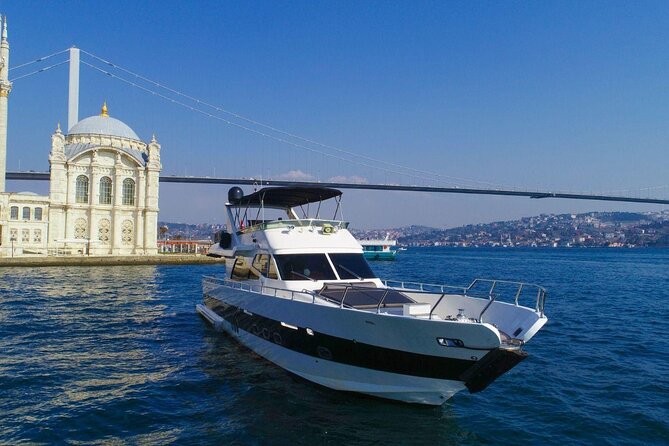
- Private for up to 12 people, so the vibe stays relaxed and personal
- Two hours on the water makes it an easy add-on for first-timers
- Multiple major landmarks in one run, including Ottoman palaces, fortresses, and both Bosphorus bridges
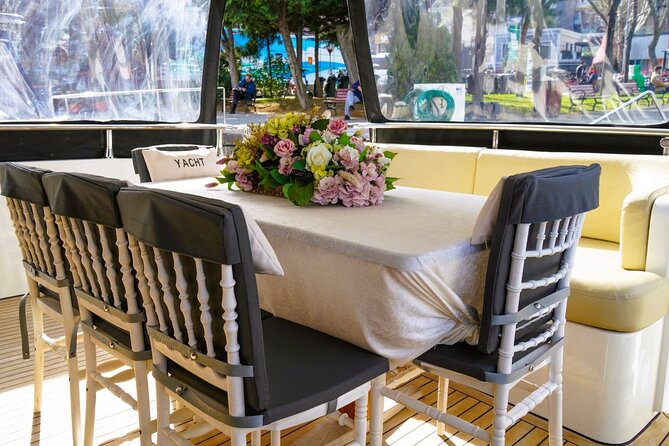
- Snacks, tea, and water included, so you can focus on the views
- English speaking guidance is built into the experience
- Sunset is a common highlight, with the light on bridges and palaces looking especially good at golden hour
Why this private Bosphorus yacht feels like the best use of 2 hours
I like tours that help you understand the city fast. On this cruise, the Bosphorus becomes your timeline, so the view isn’t just pretty wallpaper. In a short window, you see how power, trade, and defense shaped Istanbul along the water.
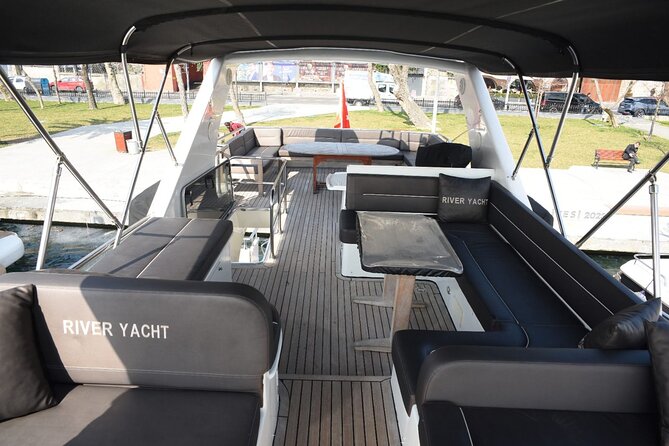
The other big win is the “private” part. Up to 12 people means you’re not squeezed into a moving crowd. You get a quieter deck to take photos, hear explanations, and enjoy the changing shoreline without competing for a view.
If you’re the kind of traveler who wants one memorable outing instead of five half-fits, this hits that goal.
You can also read our reviews of more boat tours in Istanbul
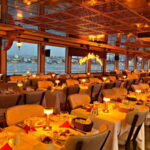
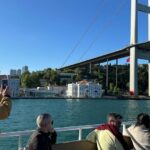
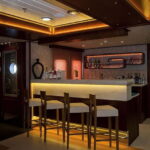
The route that strings Istanbul’s icons together
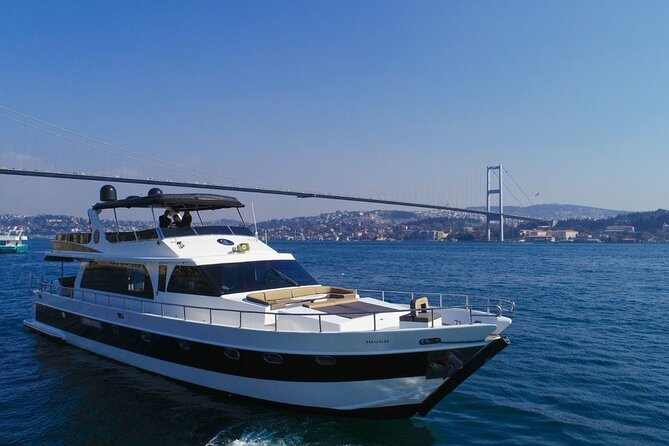
This cruise is designed to cover a lot of famous spots without dragging you through traffic. The itinerary is built around the Bosphorus corridor and the nearby waterfront scenes, with classic landmarks lined up for sighting and context.
Even if you’ve never studied Istanbul, the landmarks help you “read” the city. Palaces explain status. Fortresses explain control. Bridges explain modern connections between continents.
Here’s how the sights tend to land as the cruise moves along.
Dolmabahçe Palace: a Neoclassical-Baroque face to Ottoman power
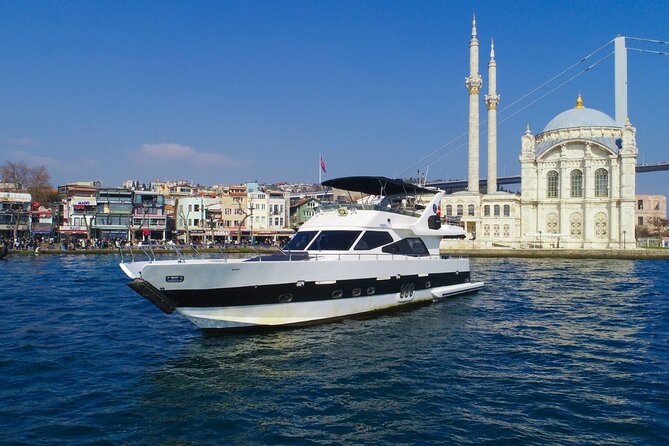
Dolmabahçe Palace sits in Beşiktaş and was completed in 1856 after 13 years of construction under Sultan Abdülmecid. It’s known for a blend of Neoclassical and Baroque styles, plus lavish interior decoration and large gardens.
From the water, you’re basically getting the palace’s stage setting: the dramatic frontage and the way it anchors the shoreline. And it carries added meaning because Mustafa Kemal Atatürk spent his final years here, long after the Ottoman era ended.
Practical tip: if you’re planning photos, try to be ready before the palace comes fully into view. The best shots are usually the ones you take as the boat aligns with the façade.
Çırağan Palace: the Ottoman luxury story, plus a fire-and-restore twist
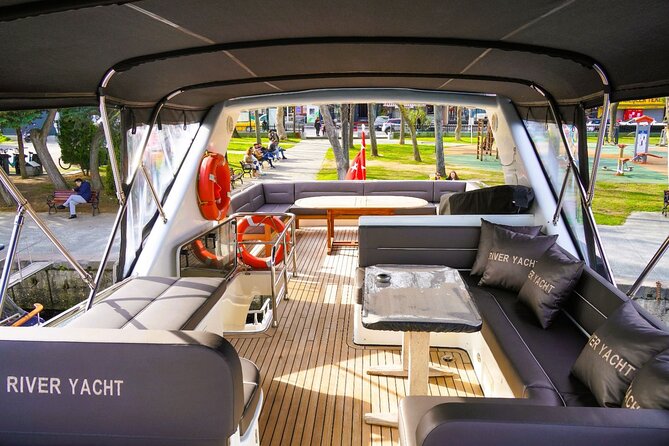
Çırağan Palace also sits in Beşiktaş along the Bosphorus. Built in the 19th century by Sultan Abdülaziz, it reflects Ottoman luxury and elegance—and it has a dramatic backstory.
The palace was severely damaged by a fire in the 1910s, then restored. Today it operates as a luxury hotel, so you’re watching a building that still lives as a high-end place, not just a preserved ruin.
What I like about this stop from the deck is how it connects old wealth to modern Istanbul. You’re not only seeing Ottoman-era style—you’re seeing how it’s been reused and kept visible.
Ortaköy: Mosque views, café culture, and street-food energy
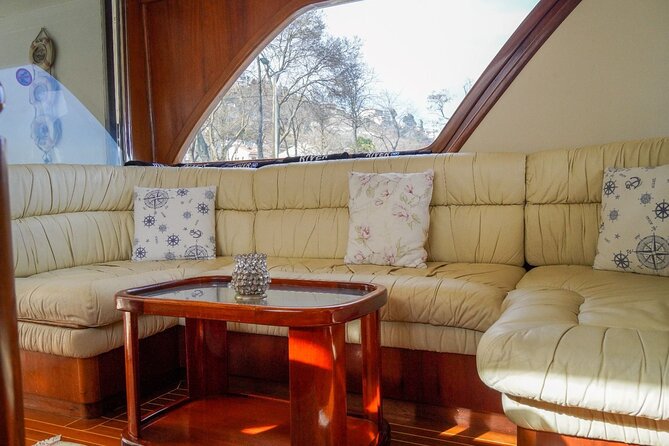
Ortaköy is a Bosphorus neighborhood in Beşiktaş known for its lively food and gathering spots. It’s near the Bosphorus Bridge, which helps explain why it feels like a natural photo stop.
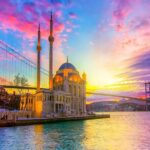
A key landmark here is the Ortaköy Mosque, famous for its view over the water. The area also mixes cafés, restaurants, art galleries, and local handicrafts, so it doesn’t feel like a single-purpose tourist zone.
And yes, you should mentally file this for food cravings: Ortaköy is especially known for kumpir (stuffed baked potatoes) and waffles. Even if you don’t dock to snack, the neighborhood’s reputation helps you understand what people are drawn to when they come here.
You can also read our reviews of more private tours in Istanbul

Bosphorus Bridge (15 July Martyrs Bridge): the two-continent icon lit up
The 15 July Martyrs Bridge, opened in 1973, is one of Istanbul’s signature landmarks. It’s the first bridge to connect Europe and Asia, and it still plays an everyday role in getting people across the strait.
From the yacht, the bridge is a moving reference point. You can track how the city’s shoreline changes from one side to the other, and the engineering becomes part of the scenery.
If your timing works out for late afternoon or early evening, this is one of the spots where the light often makes the structure look sharper. Sunset came up as a standout highlight in past guest experiences, and bridges are the kind of subject that love golden-hour color.
Bebek: the calmer stretch with parks and waterfront cafés
Bebek is one of the more relaxed Bosphorus neighborhoods in Beşiktaş. It’s known for parks, cafés, and restaurants along the water, plus a calmer feel compared with the most frantic central areas.
This matters because not every stop is meant to be loud and dramatic. Bebek gives you a breather—an “Istanbul as it feels on a normal day” moment—while still keeping the water and the skyline in frame.
Rumeli Hisarı (Rumeli Fortress): defense architecture over the strait
Rumeli Fortress sits on the European side overlooking the Bosphorus. Sultan Mehmed II built it in 1452, just before the conquest of Constantinople, with a clear job: control the Bosphorus and prevent naval aid to the Byzantine Empire.
What you’ll notice from the water is the fortress layout: walls, towers, gates, and the strategic way it faces the channel. It’s not just a landmark; it’s a lesson in how geography shaped military decisions.
And because it sits where ships would have passed, it helps you “place” the Bosphorus historically. You start to see the strait as a gate, not just a scenic strip.
Fatih Sultan Mehmet Bridge (Second Bosphorus Bridge): modern crossing, steel-cable look
The Fatih Sultan Mehmet Bridge (also called the Second Bosphorus Bridge) opened in 1988. It’s named for Mehmed the Conqueror, the Ottoman sultan tied to the conquest of Constantinople.
This bridge is a major transportation route meant to ease congestion by adding another crossing. Visually, it’s known for its striking steel-cable design—an instantly recognizable part of Istanbul’s skyline.
If you’re the kind of traveler who likes “contrast,” this is a good moment. It frames how Istanbul grew from fortress-and-palace control to modern connection and commuting.
Anadolu Hisarı: the quieter fortress on the Asian side
On the Asian side, Anadolu Hisarı was built in 1395 by Sultan Bayezid I. It was part of the preparations for the conquest of Constantinople, with the same basic goal as Rumeli: control the Bosphorus and block enemy ships.
You get walls, towers, and an inner courtyard, plus scenic views. And one nice nuance: the area around it is known for a peaceful feel, which can be refreshing after more famous waterfront districts.
From the yacht, you’ll likely appreciate it less for crowd energy and more for the fortress shape itself—its ability to look both solid and deliberate from a distance.
Küçüksu Pavilion (Küçüksu Kasrı): Ottoman neo-Baroque elegance by the water
Küçüksu Pavilion sits in the Beykoz district on the Asian side. Sultan Abdülmecid built it in 1857 as an Ottoman summer residence.
The pavilion is designed in a Neo-Baroque style and is known for ornate interior and exterior details. Today it operates as a museum, with surrounding park and gardens that add to the calm, scenic setting.
Even if you can’t walk the grounds from the cruise, seeing this pavilion as part of the shoreline helps you understand the Ottoman relationship with seaside retreats. It’s not just power centers; it’s also leisure architecture.
Beylerbeyi: a soft, green Bosphorus palace stop
Beylerbeyi is a neighborhood in Üsküdar known for its Beylerbeyi Palace. Built in the 19th century by Sultan Abdülaziz, it served as a summer residence.
The palace is described for elegant interiors and large gardens, with stunning Bosphorus views. What you’ll likely appreciate from the water is how the palace blends into its setting—less like a fortress edge and more like a refined waterfront home.
If you like your palace sights to feel graceful rather than strictly ceremonial, this is one to look for on your route.
Kız Kulesi (Maiden’s Tower): legends and a famous little island silhouette
The Maiden’s Tower (Kız Kulesi) sits on a small islet off Salacak, opposite Üsküdar, right at the entrance of the Bosphorus. It’s been a symbol of the city for centuries, separating the Asian and European sides in the imagination.
The current Ottoman-era structure dates to the 18th century. Over time, it served multiple roles: lighthouse, watchtower, and even quarantine station. Today, it operates as a restaurant and café, which keeps it relevant to modern visitors.
This is also one of those places that people connect with stories and legends. Even from the deck, the tower’s shape is distinctive enough that it feels like Istanbul’s signature punctuation mark.
Topkapi Palace: the power center on the historic peninsula
Topkapi Palace is in the Fatih district on Istanbul’s historic peninsula. Built in 1460 by Sultan Mehmed II, it served as the residence of Ottoman sultans for nearly 400 years.
It’s famous for its courtyards, magnificent rooms, and collections of priceless artifacts, and it functions today as a museum. The palace isn’t just a building in the distance—it’s the anchor of Ottoman administrative and cultural life.
From the water, you get the scale and positioning, which is helpful if you’re trying to decide what to visit later on land. It gives you a “main headquarters” feeling that’s different from palaces along the coast.
Galata Bridge and Galataport: Golden Horn energy and modern waterfront life
Not every famous stop is strictly Bosphorus. As the cruise shifts along waterfront areas, you’ll also see the Golden Horn connection through Galata Bridge and the modern waterfront scene via Galataport.
Galata Bridge links Eminönü to Beyoğlu and Galata over the Golden Horn. The current bridge was completed in 1994, and it has a practical, memorable layout: vehicles on the top roadway, pedestrians on the lower walkways. The lower deck is often lined with fishermen, which adds an everyday texture to the photo scene.
Then comes Galataport, a modern waterfront development in Karaköy completed in 2021. It combines luxury shopping, dining, entertainment, and office space, plus a cruise ship terminal. It also includes art galleries, museums, and open-air spaces, aiming to strengthen maritime heritage while giving the area a new function in today’s tourism.
If you’re thinking about Istanbul as both past and present, this part of the route brings you back to the here-and-now.
What’s included (and why it matters for value)
Your booking includes a 2-hour private yacht cruise plus snacks, tea, and water. That sounds simple, but it changes the whole feeling of the trip.
When you’re on the water, you’re already doing the work of enjoying the view. Having refreshments onboard means you don’t have to scramble for a café or bring a full picnic. It also keeps the pace steady, which matters when you’ve got a limited timeframe.
Also, since it’s offered in English, you should expect explanations that connect each landmark to why it matters, not just what it looks like.
Price and group size: when $340.56 becomes a bargain
The price is $340.56 per group (up to 12) for about 2 hours. That’s the key to the value here: the cost is not per person.
If you fill the full group size with 12 people, that comes out to about $28 per person. Even with fewer people, it can still feel cost-effective compared with per-person city tours that don’t include onboard refreshments.
This is the kind of outing that makes sense for:
- couples who want privacy without going full splurge on a private charter all day
- families or small friend groups
- first-timers who want a high-impact, low-effort highlight loop
The onboard experience: friendly team energy and real help
A repeated theme in guest notes is how welcoming the crew and guides are. Names like Efe and Nur show up often, with comments pointing to hospitality and clear, helpful guidance during the ride.
Some groups also mention extra care with how the tour is explained, with more than one person involved in walking you through what you’re seeing. The result is that the cruise feels more like an informed stroll than just a ride around the strait.
There’s also a cleanliness factor that people call out directly. A yacht that feels well-kept makes a short trip feel more special, and it encourages you to slow down and enjoy the moment.
Timing tips for better photos and easier mood
Sunset is a common highlight for this cruise style, especially because bridges and palaces pick up color when the light softens. If you can choose your time, aim for late afternoon into early evening.
Also, remember that a 2-hour route moves fairly quickly. The best strategy is simple: wear comfortable clothes, keep your phone/camera ready, and don’t wait until you’re already passing the best angle.
You’ll have plenty to photograph, but the big wins usually come from being prepared, not from sprinting for the perfect shot.
Should you book the Private Bosphorus Cruise with Luxury Yacht?
I’d book it if you want a high-visibility Istanbul outing that doesn’t eat your whole day. It’s strong value for small groups, and the lineup of palaces, fortresses, and bridges gives you a clear sense of why Istanbul is such a unique city at the water’s edge.
Skip it only if you’re looking for long land visits inside major sites. This is best as a scenic, guided cruise where you see a lot from the deck.
If you’re still deciding, think of it as your Istanbul shortcut: you’ll leave with a much easier mental map for what to explore next on land.
FAQ
How long is the Bosphorus cruise?
The cruise lasts about 2 hours.
What is included in the tour price?
It includes the 2-hour private yacht cruise, plus snacks, tea, and water.
Is this a private tour?
Yes. It’s a private tour/activity, and only your group participates, with capacity up to 12.
Is airport or hotel transfer included?
No. Transfer services are not included.
Is the tour offered in English?
Yes. The experience is offered in English.
Can I cancel for a full refund?
Yes, you can cancel up to 24 hours in advance for a full refund.